Villages

Changes in Agriculture (Ladakh)
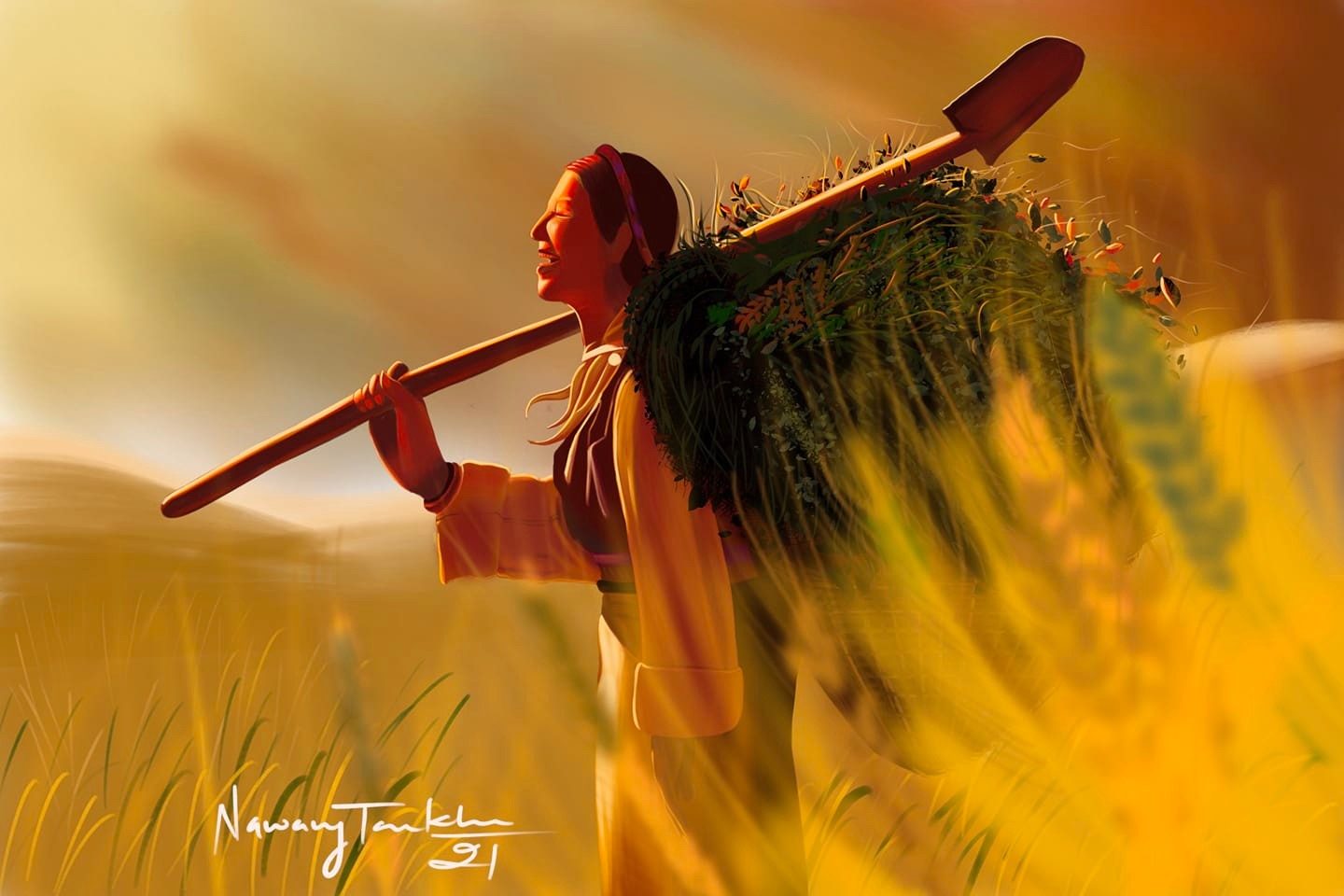
Illustration: Nawang Tankhe

Changes in Agriculture (Ladakh)

The rapid shift away from agriculture to other economic activities is a common trend in many agrarian economies globally, often driven by factors such as urbanization, changing lifestyles, and economic opportunities outside the agricultural sector. Agriculture in Ladakh is no exception.

In the traditional Ladakhi farming and food system, the sun provided the primary energy, enabling plant growth, muscle-based labour power and fast-flowing water for milling and irrigating. The fertility of the soil and crops came from recycling of manure and compost (lut, chulut, and the like) into the fields and from minerals in the glacial melt-water. ‘Packaging’ – if any – was in the form of hand-made woolen sacks, wooden and clay vessels, willow baskets, and masonry granaries, all of which could be safely returned to the soil after they wore out. Transportation of the crops was done with muscle power, and cooking done with local renewable fuels like dung cakes or wood sticks. Care was taken to conserve pasturelands through rotational grazing, and farmers tried to minimise harm done even to insects in the fields. The ecological footprint – meaning total ecological impacts including energy and water consumption, waste generation, etc. – was very low. In current terms, we could say that the traditional Ladakhi farming and food system was solar-powered, zero-external input, zero-waste, regenerative, closed-loop, and sustainable!

Today, while much of the traditional farming and food system continues to exist, it is steadily being eroded by a number of profound socio-economic changes. The environmental impacts of these changes are increasing year by year.

One of the important changes has been the decline of villages due to various reasons and the decline in farming-pastoralism systems that sustained them for centuries. The growth of tourism, the army, and competitive education have combined to drain young people, and young men in particular, out of the villages and into Leh, or even further away. As a result, there is less total labour available, and more farming work has fallen on village women and paid labour. Many fields that were once lush and green in the summers today lie fallow for lack of people to work them. With fewer people, livestock herds have decreased significantly, and in the case of goats and sheep nearly disappeared from many villages. While this change may have benefitted wild herbivores to some extent by reducing competition for forage, it has also reduced the amount of rich, organic local manure available for soil and crop nutrition. To make up for this, many farmers turn to the use of synthetic fertilisers which pollute both water and air, and are very energy-intensive to manufacture from fossil fuels.

Crops & Water

The decline of agriculture is also seen in the reduction of diversity in crops including pulses, cereals and pseudo cereals like buckwheat (although efforts are slowly being made to bring back buckwheat). Fewer local pulses like the traditional black bean in Ladakhi fields and kitchens diminishes the health of the local diet as well as local soils. Pulses naturally fix atmospheric nitrogen into the soil, so when they are planted there is no need for nitrogen fertilisers. Without them, however, an important source of natural fertility is lost. In terms of oilseeds, whereas Ladakhis formerly cultivated local mustard more extensively and produced much of their own edible oil, today mustard farming is also declining. Commercial edible oils, packaged in plastic bottles and trucked in from the Indian plains are now widely used in Ladakhi kitchens.

In the 14,000-foot village of Gya, farmers used to cultivate different varieties of barley because the area’s climate was conducive to their growth. Because of the region’s low temperatures, wheat is rarely grown in Ladakh’s eastern region. The people in that same region are currently cultivating over thirty-six to thirty-seven different kinds of grains and vegetables. Acho Urgain, from Gya village, says that this may be because he has access to a wider range of plants these days. He is cultivating new crops like quinoa, and Tse Tse (Foxtail millet), which are native Ladakh millets that are rarely grown these days. Since 2014, green peas have been grown extensively throughout Ladakh because of factors including climate change that favours such crops, but more importantly because of increasing commercialisation of agriculture, as green peas have high market demand inside and outside Ladakh. A variety of relatively novel vegetables are today grown, such as cauliflower, cabbage, beetroot, and various turnip varieties.

One of the many changes in agriculture that people in the mountains are facing is a lack of water, especially during times of great need.  It is imperative that water be given to the fields by the end of March or the start of April. Variable weather patterns cause glaciers to hold onto water by not melting during the seeding season. June 21st marks the change of the days, so in July there will still be a water shortage. Another impact of climate change on agriculture is from increasing likelihood and severity of glacial lake outburst floods, which have had catastrophic impacts on downstream villages, such as in Gya village in 2007, 2009, and 2014.

Land use

The perspective of agri-entrepreneur Rinchen Yutol from Reetsot in Ladakh highlights the rapid changes in the past decade, which may present both challenges and opportunities.

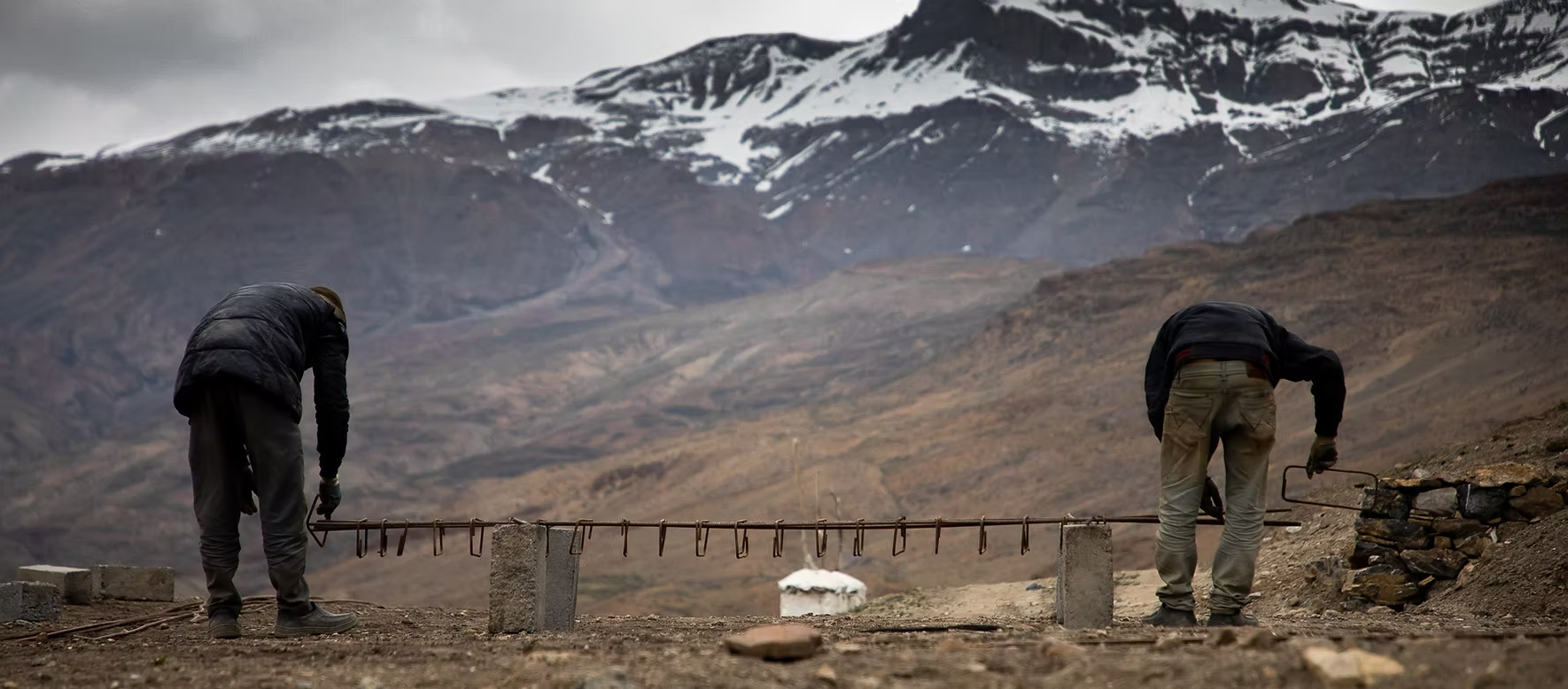
The conversion of agricultural lands into concrete structures poses a significant challenge, and reversing this process is often impractical. This irreplaceable loss reduces self-reliance in food and increases dependency on imported foods. Such dependency increases vulnerability in the case of any disruptions (like fuel shortages, or road closures) in the transportation network across the Himalaya. Additionally, the fragmentation of agricultural lands due to nuclear families can further reduce the overall agricultural land use.
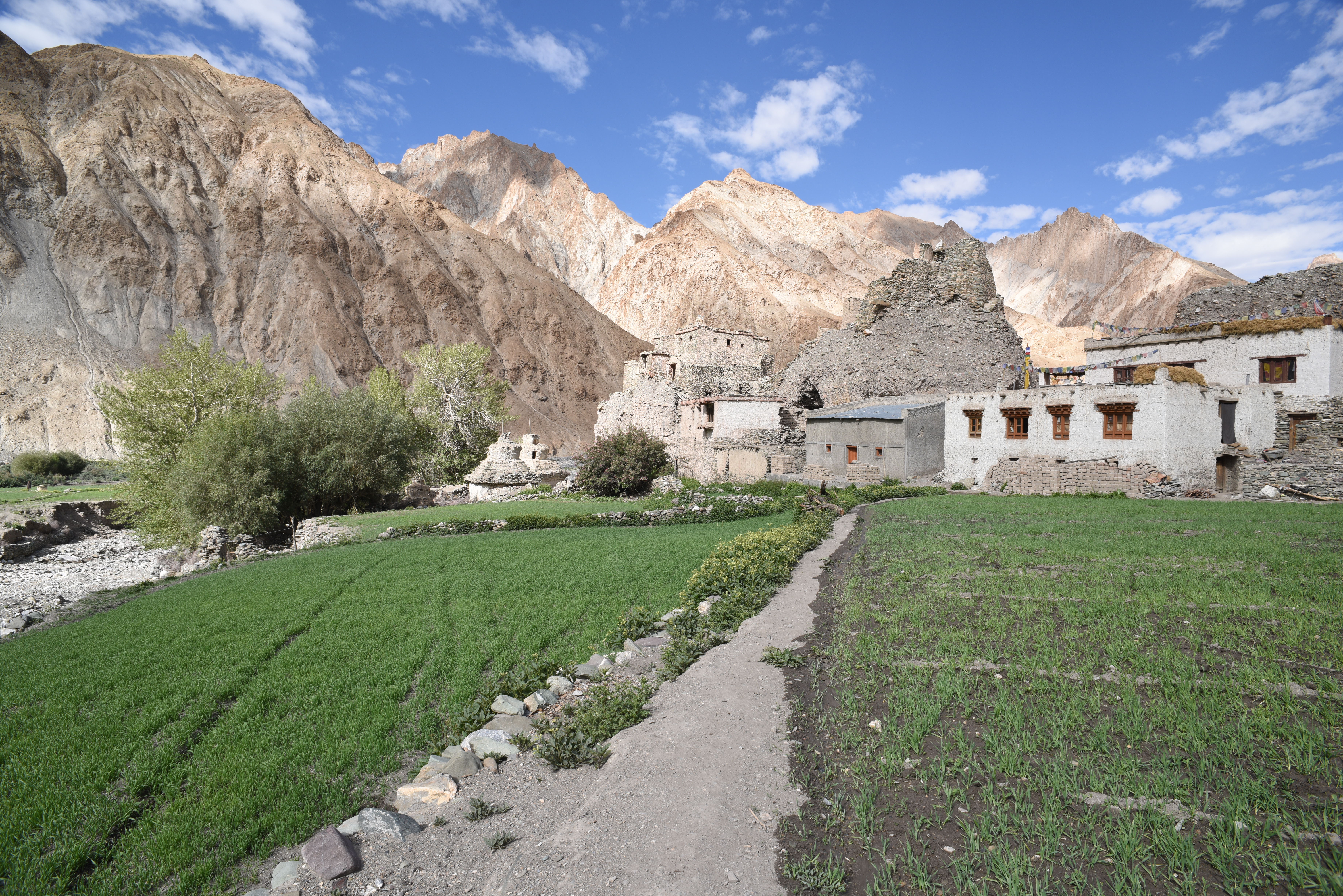
Chortens and fields of Markha | Photo: Wikimedia Commons

Fertilisers

Synthetic fertilisers have been used in Ladakh since about the late 1970s, supplied by the government at highly subsidised rates. Three main synthetic fertilisers are used: urea, DAP (diammonium phosphate), and MOP (Muriate of Potash/potassium chloride). Data from the Agriculture Department and Mission Organic Development Initiative of Ladakh show that in general, quantities of synthetic fertiliser use are decreasing in Ladakh. This trend is reflective of the Hill Council’s new vision to make Leh District fully organic within 10 years. This is very encouraging, since the more fertilisers are used, the more they disrupt the availability of natural nitrogen in the soil, which requires more fertilisers – a chemical addiction!

Besides the loss of livestock manure, the shift to flush toilets and septic tanks accompanying tourism – especially but not only in Leh – is also depriving the soil of rich human manure from traditional compost toilets.

To supplement local supplies, there are new initiatives to bring animal manure from Changthang for use in villages in the farming districts of Ladakh, and the government is also importing organic manure from Punjab. While this is certainly a welcome change from chemical fertilisers, transporting manure and compost also carries an environmental cost in terms of fuel consumption and diesel smoke exhaust. A future challenge will therefore be to generate organic manure and compost closer to where it is to be used, to reduce transport costs and pollution, and to keep valuable local nutrients recycling through local soils. Aggressive promotion of compost toilets, restaurant and residential food scrap collection and composting, and other initiatives could play a role in regenerating the local compost economy.

Seeds

One of the most crucial factors to consider when examining the changes in any region’s agriculture is the seed. The availability of native or local seeds is impacted by the decline in production of native or older crops. The majority of seeds for vegetables that are currently offered by the government or in the market are or hybrid seeds, which have the potential to alter the agricultural landscape of Ladakh, and have implications for the food sovereignty of the region and the economic independence of its farmers.
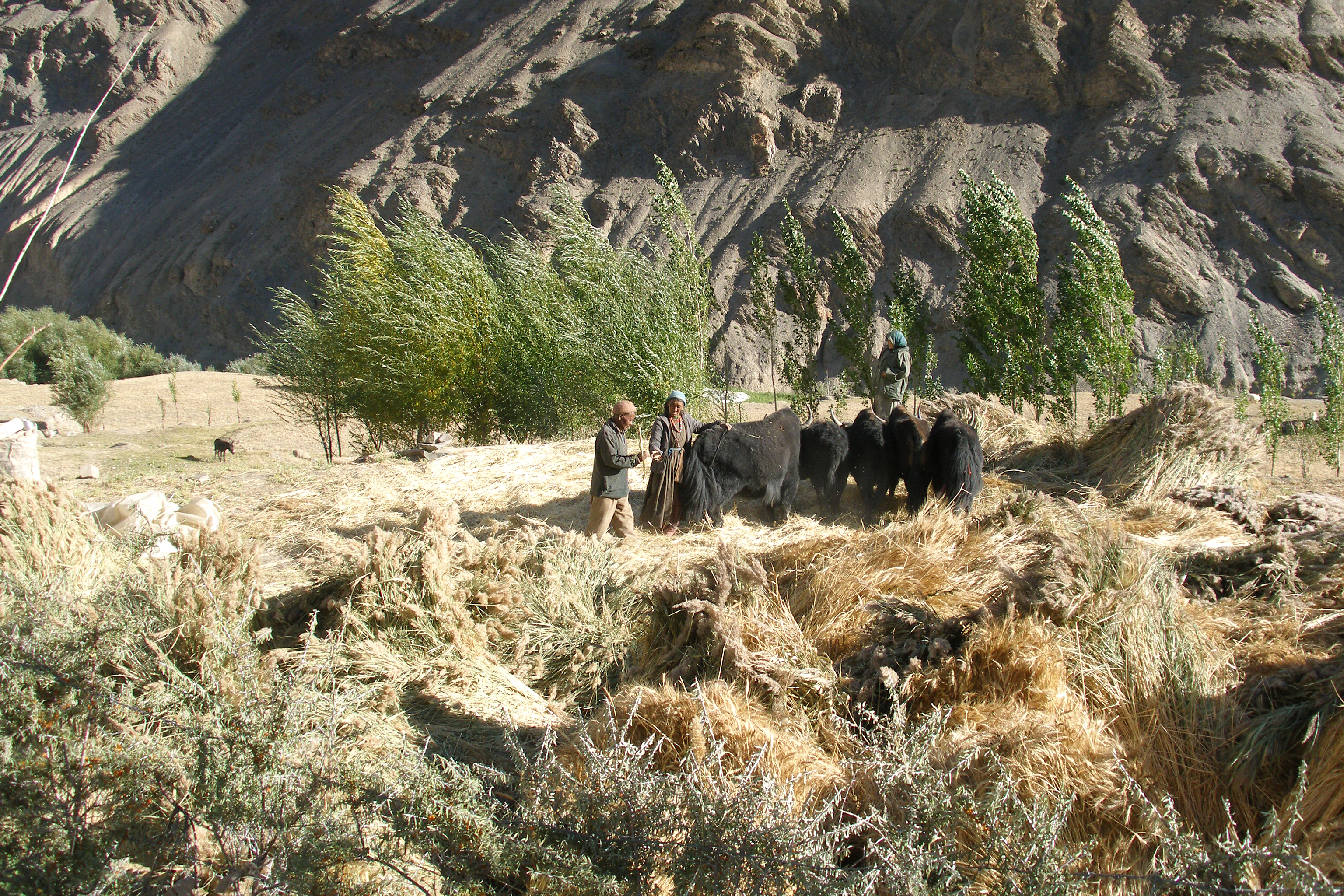
Traditional threshing of harvest in Lamayuru | Photo:Wikimedia Commons

Mechanisation

Dependence on fossil fuel energy has also been increasing in agriculture and pastoralism, as traditional tools, draught animals and techniques are replaced by mechanical, gas-powered threshing machines, mills, ploughs, tractors, etc. In Changthang, pick-up trucks and jeeps are steadily replacing draught animals, which impact the topsoil of the rangelands. This transition also increases dependency on the money economy and outside jobs to pay for hiring or buying the machines and the fuel to power them.

Conclusion

The shift away from the traditional farming and food system in Ladakh, combined with forces like tourism, is clearly having very undesirable environmental impacts. If both public health and the environment are being degraded by this shift, then maybe it is time to rethink, change direction and regenerate the local food economy. How could this happen? The Hill Council’s commitment to making Ladakh an organic farming region is a very encouraging first step. Additionally, the optimism and enthusiasm shown by individuals like Acho Urgain and Rinchen Youtol are encouraging. Their deep understanding of the importance of agriculture in the current era, both economically and beyond, suggests a potential for positive change. Initiatives that focus on sustainable and innovative agricultural practices, coupled with educational programs to raise awareness about the significance of agriculture, can contribute to the revival and retention of this essential sector. In what other ways can the government and local people support such a change, discouraging packaged junk food while encouraging a return to traditional crops, restoration of livestock herds, village renewal, and so on? How can arable land be protected in perpetuity for farming? Can modern farm machines be powered by local, renewable energy? How can young people addicted to junk food rediscover and revalue healthy local foods? What role can tourists play in supporting local, organic food and farming? These and many other questions will need to be urgently answered.
1440 960 Alex Jensen
Muds, cobs and clay: The Joy of Building
Earthbag dome (Leh, Ladakh)

Muds, cobs and clay: The Joy of Building

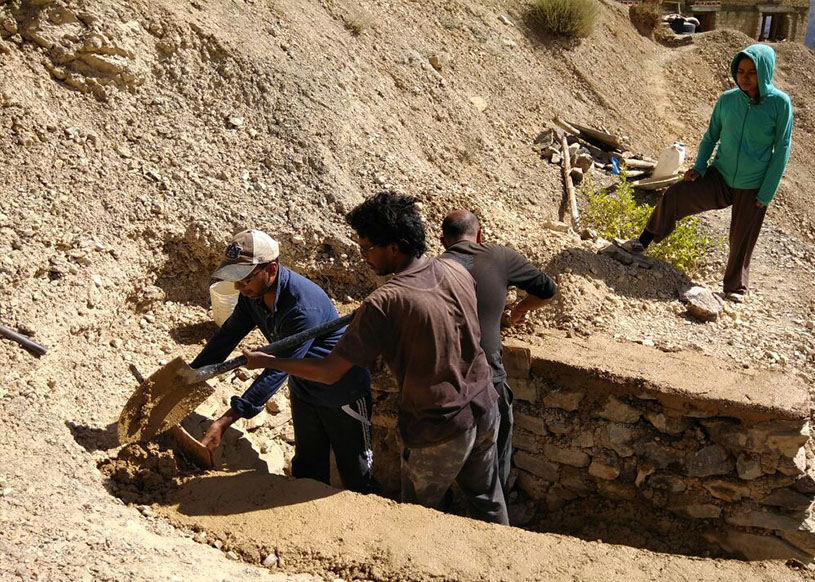
There’s unalloyed joy in sculpting with mud; mixing soil with clay, straw; sun-drying the bricks before finishing the cob structure with cow dung clay. The essence of natural building is the hands-on experimentation, close engagement with the material and use of locally available resources – one that can be harnessed for building sustainable eco-friendly architectural designs. “It is the innate familiarity of the natural elements and the freedom to mould it into any design is what makes the process special” muses Stanzin Phuntsog, a self-taught eco-architect from Ayee village (Nubra, Ladakh).  Phuntsog was a curious child and has always been fascinated by the natural world around him; the gigantic mountains, the glaciers sustaining village life, natural ways of farming and the wealth of indigenous knowledge people in rural communities possess.

He was particularly captivated by natural ways of building, the traditional architectural designs and their intricate details. “In Ladakh, everyone has some basic understanding of building structures and I was fascinated by those structures. The knowledge also sowed a desire within me to build something on my own ” he reminisces.  He discovered his own love for architecture and natural material by observing communal mud house building activities in his hometown. With  unconventional views on ‘education’ Phuntsog is a staunch believer of experiential learning. He believes as much learning happens outside four walls of the classroom than by immersing oneself in daily realities. “One can read how plants develop their branches, roots; soil develops their fertility; mountains develop glaciers from a textbook or actually be in the natural world around you and observe and learn first-hand”.  His passion for immersive learning was further fuelled when he explored alternative learning in the Students’ Educational and Cultural Movement of Ladakh (SECMOL, Ladakh) after deliberately walking out of the conventional school system.

He then enrolled in a 2 year’s course at Swaraj University (Udaipur, Rajasthan) where he received hands-on training in architecture, self-designing, ecological sustainability and exposure to green entrepreneurship. The innate zeal for experiential learning also probably led to pursue his interests in sustainable architectural design and later start his venture Earth Building with Samyuktha whom he met at Swaraj. The venture focuses on reviving natural ways of construction which is aesthetic, functional and thermally comfortable. “We endeavour to do that by reclaiming indigenous knowledge and valuing vernacular architectural designs.” They have explored many earthen techniques like cob (soil mixed with clay and dry grasses), earthbag dome, adobe (dried mud bricks), stone masonry, rammed earth, lime clay plasters and traditional Ladakhi roofing. “The key is to use resources locally available to you and experiment with it. There’s less carbon footprint and one can focus on energy efficiency” he continues.

“To us, natural building is a process which connects people and brings in the confidence that everyone can build their own homes”. Growing up in a close-knitted community in Spiti and having seen my relatives build their own homes drew me to Phuntsog’s initiative. It is precisely that soulful building process, the collective sense of community and the sense of belongingness one feels while building a house makes it endearing. Many houses in high Himalayan landscapes are built that way and communal labour plays an intrinsic role. Phuntsog gained practical knowledge around sustainable architecture by exploring different places and by observing local architectural designs – the kind of soil available in that particular region, the stones they are using and the kind of roofing suited for that place.

He is also keen on passing his learning and engaging more people in reviving sustainable practice around architectural designs. With Earth Building, he has found that balance where he engages interested people and volunteers to learn about eco-friendly building techniques and explore natural elements through community building processes. Phuntsog has a craftsman-like approach to architecture and has an instinctual understanding of handling natural material. He also gives training on stone masonry and traditional architectural design implementation.

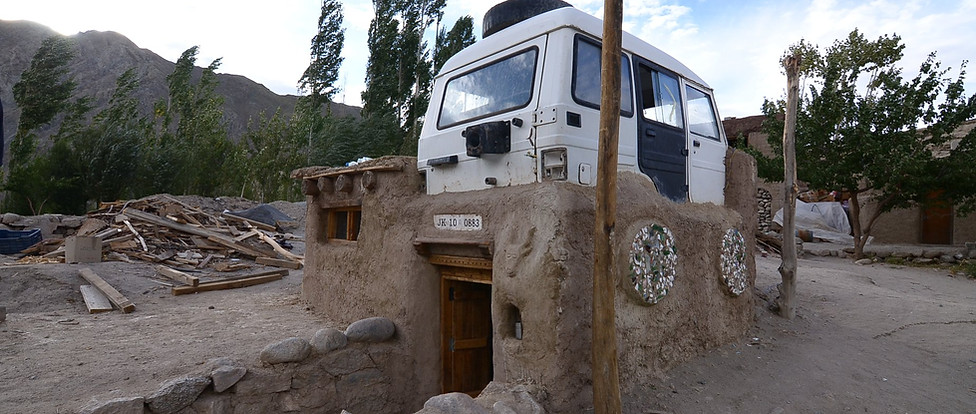
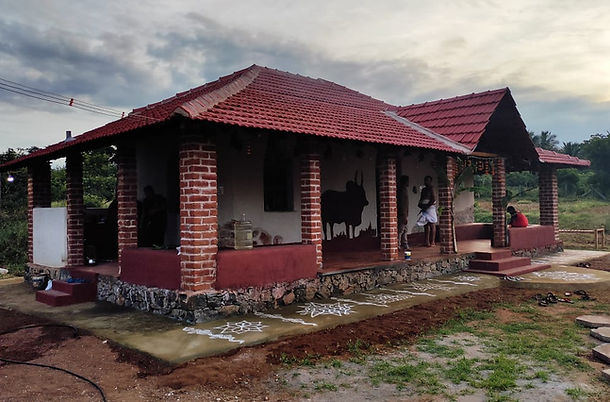
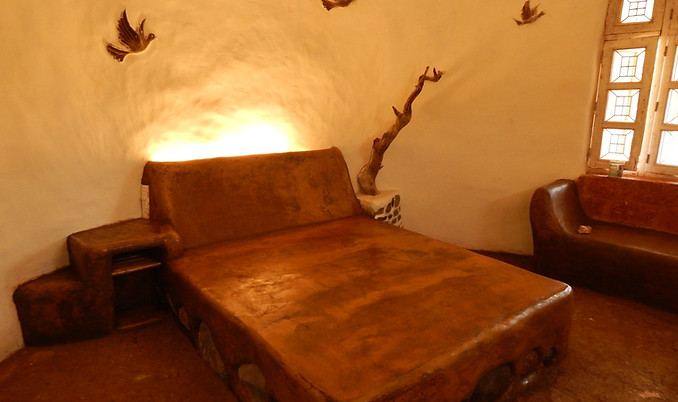
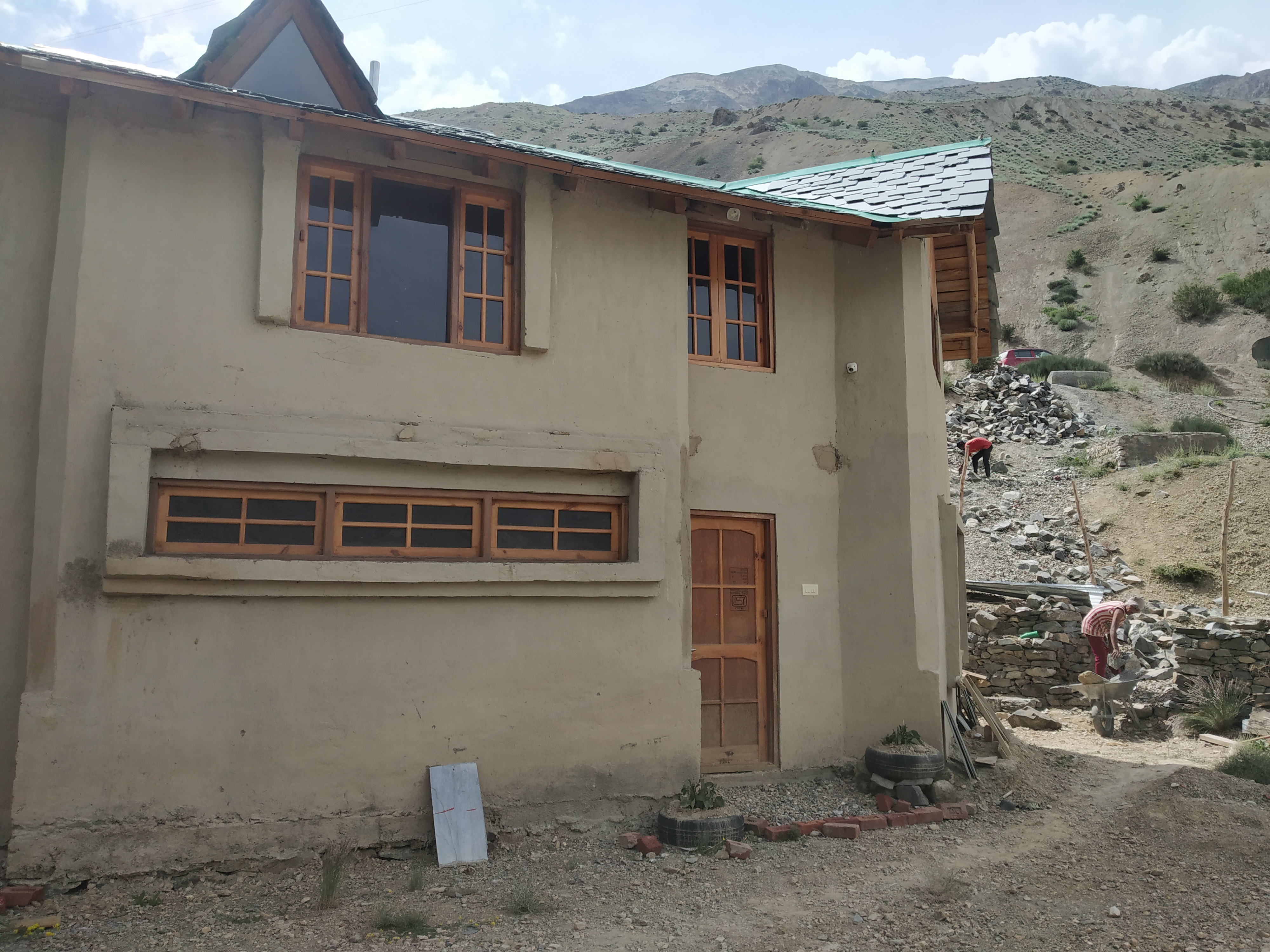
From building an Earthbag dome house and Adobe farmhouse in Coimbatore, Tamil Nadu to cob based interior designing in Talavali, Maharashtra to cob car cottage in Leh, Ladakh, his work shows sensitivity towards regional variations and practicality of weather conditions to sustain those structures. In Leh, he built a unique low-cost cottage entirely with local resources and recycled materials like wood, glass, tyres, bottles and discarded Mahindra car body. They used cob based technique by mixing clay, sand, dried grasses with cow dung clay finishing. Phuntsog’s work is grounded in nature as his ideals and his work unites architecture with indigenous knowledge and conservation.

1128 748 Stanzin Phuntsog
Pearls of wisdom from a master artisan
Grand monastic architecture of Spiti | Photo: Kesang Chunnit

Pearls of wisdom from a master artisan

Building with an earthen material is a craft, a philosophy where nature is at the center of the entire life cycle of a building. From its conception, sourcing, material usage, and construction till the inevitable end when the material returns to earth as compost, there’s a balance, harmonious unison with nature. The renewable nature of the natural material renders it environmentally more sensitive and less disruptive to the land and ecosystems around it. Lobzang Choephel also known as Lama Thamo ji the master artisan known throughout the Spiti valley for his expertise in rammed earth building and understanding of natural material feels that the journey of the natural building is rooted in the ethics of care. Being a skillful craftsman, he opines that care frames your relation with the land you are building on, the material used, the people/community you are building for, and their relation with nature.

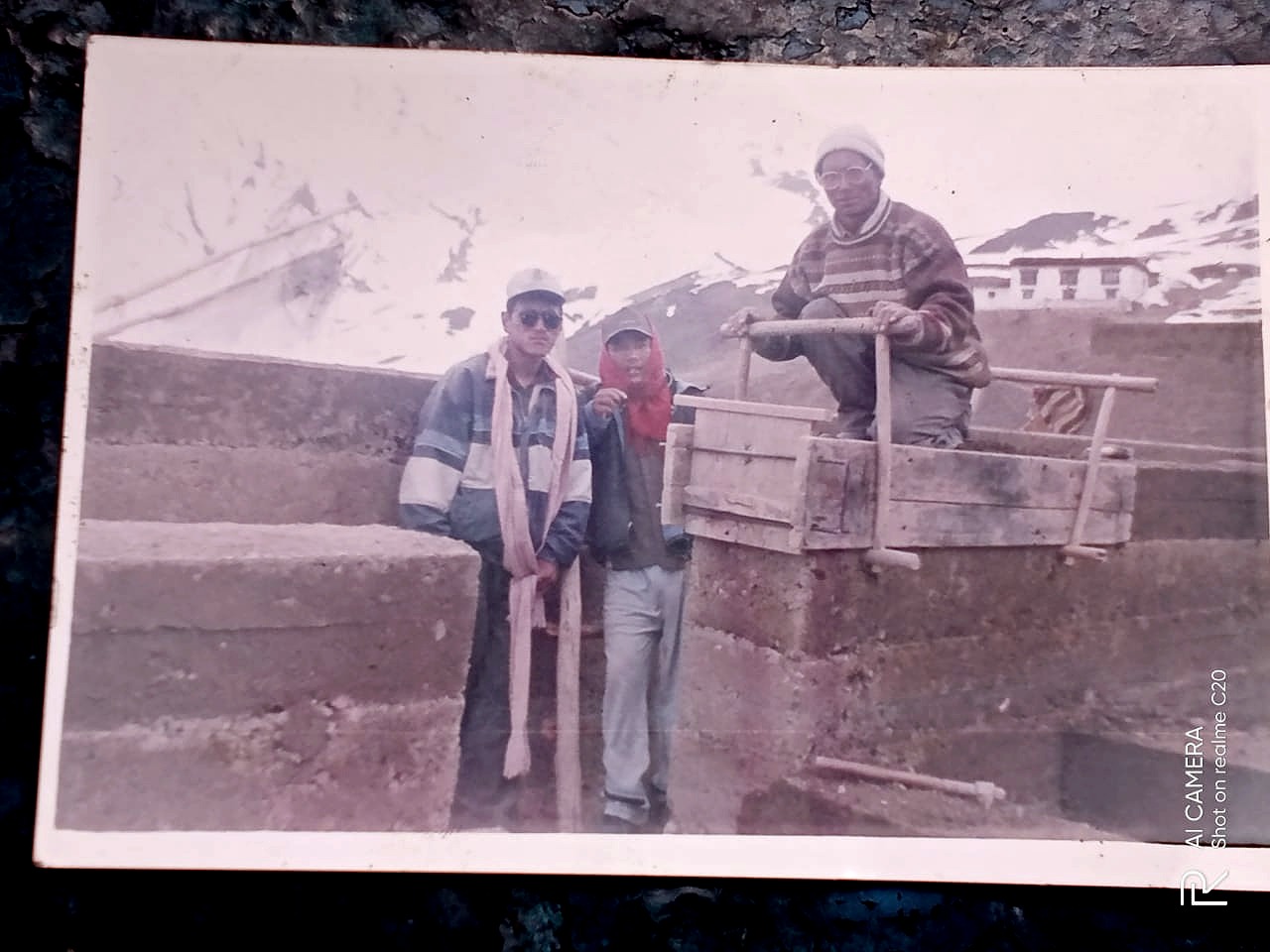
Lama Thamo La in his younger days – an old photo from family album | Photo: Shared by Chhering Phuntsok

We rarely talk about intention and mindset when it comes to the trade of building but he thinks this is critical and is inevitably tied to the entire process of building. In Buddhism, there’s a huge emphasis on “kun-long sangpo”– having a righteous mind and kind motivation that dictates one’s action. Reflecting on the same, he quietly utters “When it comes to natural building, at the most primal level it means creating a human habitat that reflects brilliant functionality of natural material, inherently sustainable design, and one where care for the nature is there from which we draw so much”. In the daily experience of building, this reflects on being mindful, being responsible in places you excavate stones, dig soil, paying attention to the character of the material whether it is harmful or good for nature, and the overall approach you take in construction. With all the heavy lifting of stones, digging the ground, and building with mud, construction is physically very strenuous, and while construction, a lot of microorganisms get killed in the process. Therefore in ancient Spitian tradition, much like a farmer would recite prayers before plowing, the local artisans offer prayers before construction and express their remorse, their guilt for engaging in what is considered a sinful activity that harms other sentient being including microorganisms which are barely visible through our naked eyes. Tashi Monlam – prayers for the auspicious building process and fewer obstacles for the artisans, the laborers, and the host family are also recited. Another prayer earnestly seeks the blessings of local deities for a productive building experience and appeals to them for strength and diligence to undertake construction works. It can be aptly summarized as “May give us the strength to build this house as if built by god himself, May construction work be easy and fruitful”.

Grand monastic architecture of Spiti | Photo: Kesang Chunnit

Many indigenous building approaches and such unique cultural practices are rapidly getting substituted with more modern, industrial building techniques which are devoid of ethical essence and are proving more unsustainable. The natural environment sustains the life of all living beings and it is crucial to acknowledge the basic inter-connectedness and relation between humans and nature. In an age where haphazard development and construction activities are surging up, it is all the more important to evoke traditional wisdom and reflect on the significance of traditional materials, techniques, their implementation, and their relevance in contemporary building practice. Being a skillful natural builder for over 55 years and having spent a lifetime devoted to this trade, mindfulness is the guiding philosophy, and his learnings in Buddhist scriptures and meditation often drive his groundwork as an artisan, a builder, and a seasoned mason.

Traditional sacred religious designs Chorten | Photo: Deepshikha Sharma

There are so many ways to handcraft with natural material but one thing common across different geographies and contexts is the use of soil – the earth beneath our feet. No two sites have the exact composition of soil and as a builder, it is important to immerse oneself in these materials to gain experience, understand how to work with available soil in a given site, and be aware of the particular qualities, and limitations of soil that gives us scope for experimentation. For instance, deep yellow, orange, and red soil found in villages like Kaza is good for construction, especially for foundations whereas black and clayey soil found in higher villages like Demul, Chicham, and Komic is not good for foundations as it can cause dampness in the foundation. Hence understanding material adaptation is important otherwise it will be risky to build a structure without sufficient attention to detail.

“When I began construction, I worked closely with elder Spitian artisans to build and renovate many monastic structures – especially Dha-shak (monk’s residence), there was hardly any material available apart from the ones you get in your village sites. Even wood materials like willow, poplar, and timber were scarce so it was used judiciously for roofing structures, and most roof structures were made of smaller woods of shorter length which was mostly gathered from the village pastures”.

With accessibility, the struggle has lessened a lot but it has changed the architectural integrity of a place. The use of natural materials, responsible building methods, and the shared ethos of love and care for natural surroundings is fast disappearing and the preservation of traditional wisdom has become an urgent responsibility.

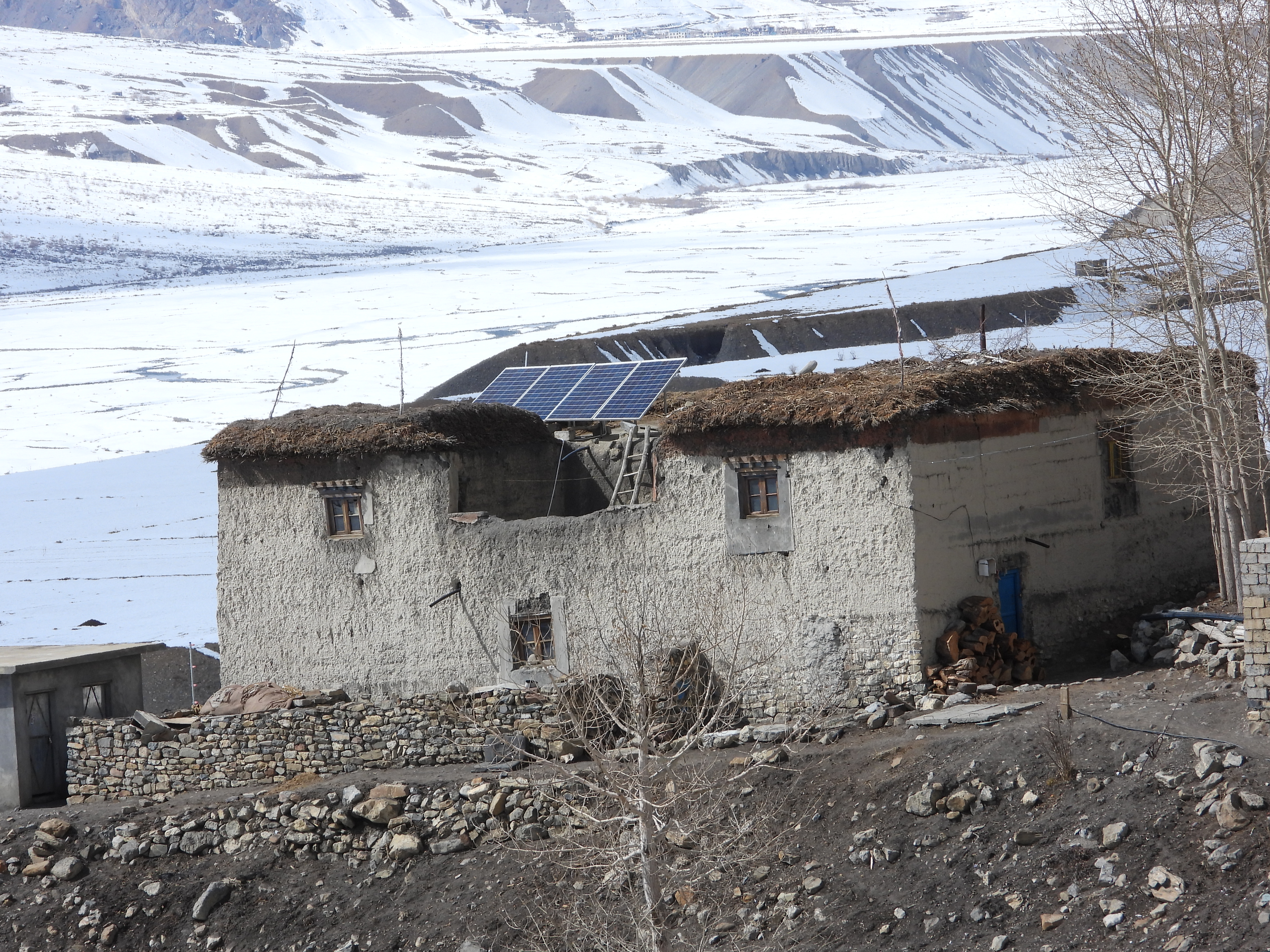
Traditional mud house | Photo: Kesang Chunnit
3000 2250 Lobsang Choephel and Chhering Phunchok
Dhankar: From ancient towards modernity
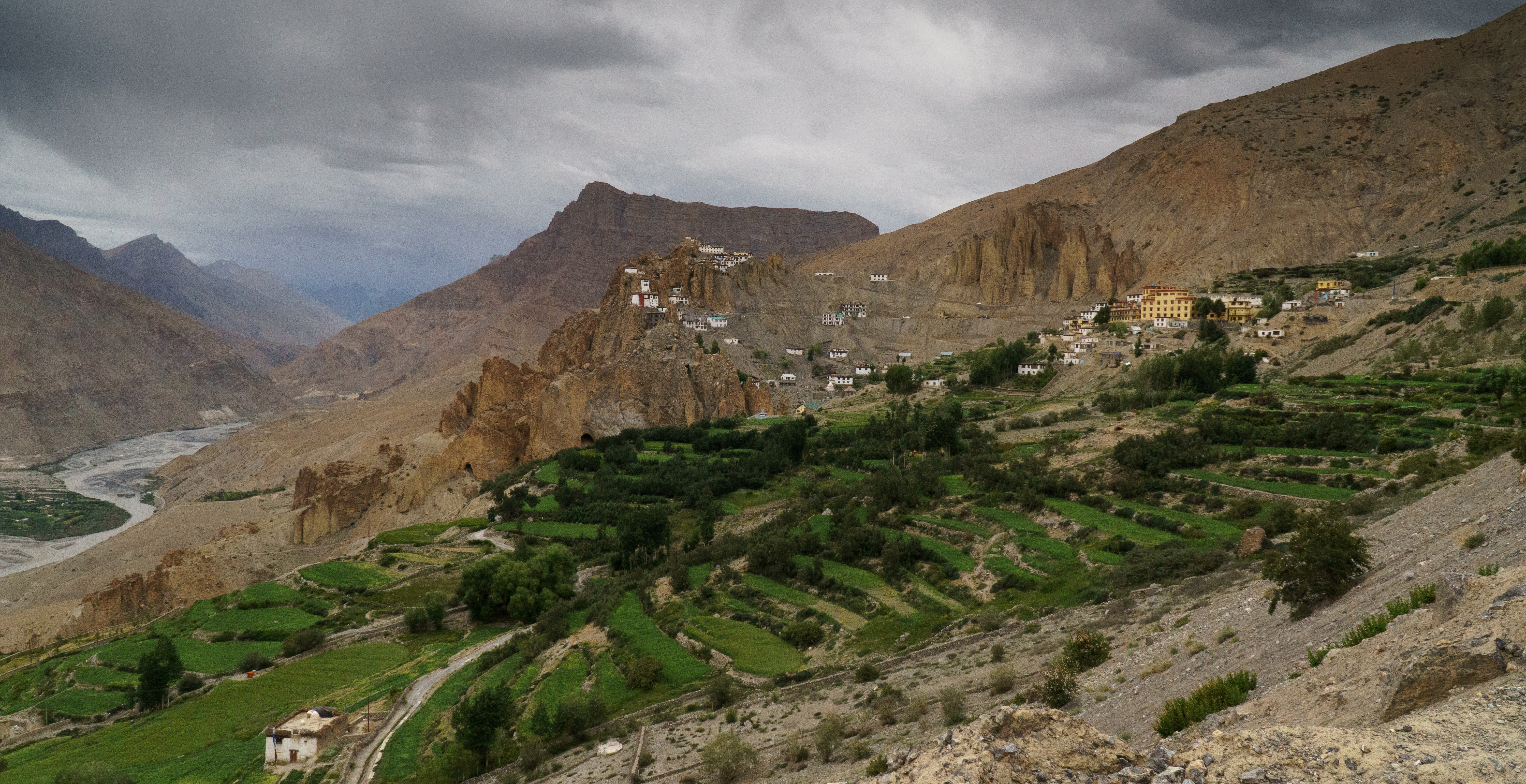
Dhankar, the village on the cliff | Photo: Wikimedia Commons

Dhankar: From ancient towards modernity

Dhankar is a historical village of Spiti which used to be its capital in ancient times. Where the Namgyal dynasty of Ladakh ruled for centuries. Due to the great distance between Ladakh and Spiti, feudal lords were appointed in Spiti and given the title of Nono. The Nono managed administration of Spiti by appointing people to collect taxes and manage other village-level works. Dhankar witnessed many attacks and looting by external forces.  Even today, one can see signs of these attacks on the walls and pillars of the old palace. After independence, Spiti was first administered by the Punjab government and was subsequently merged into the new State of Himachal Pradesh when it was created.

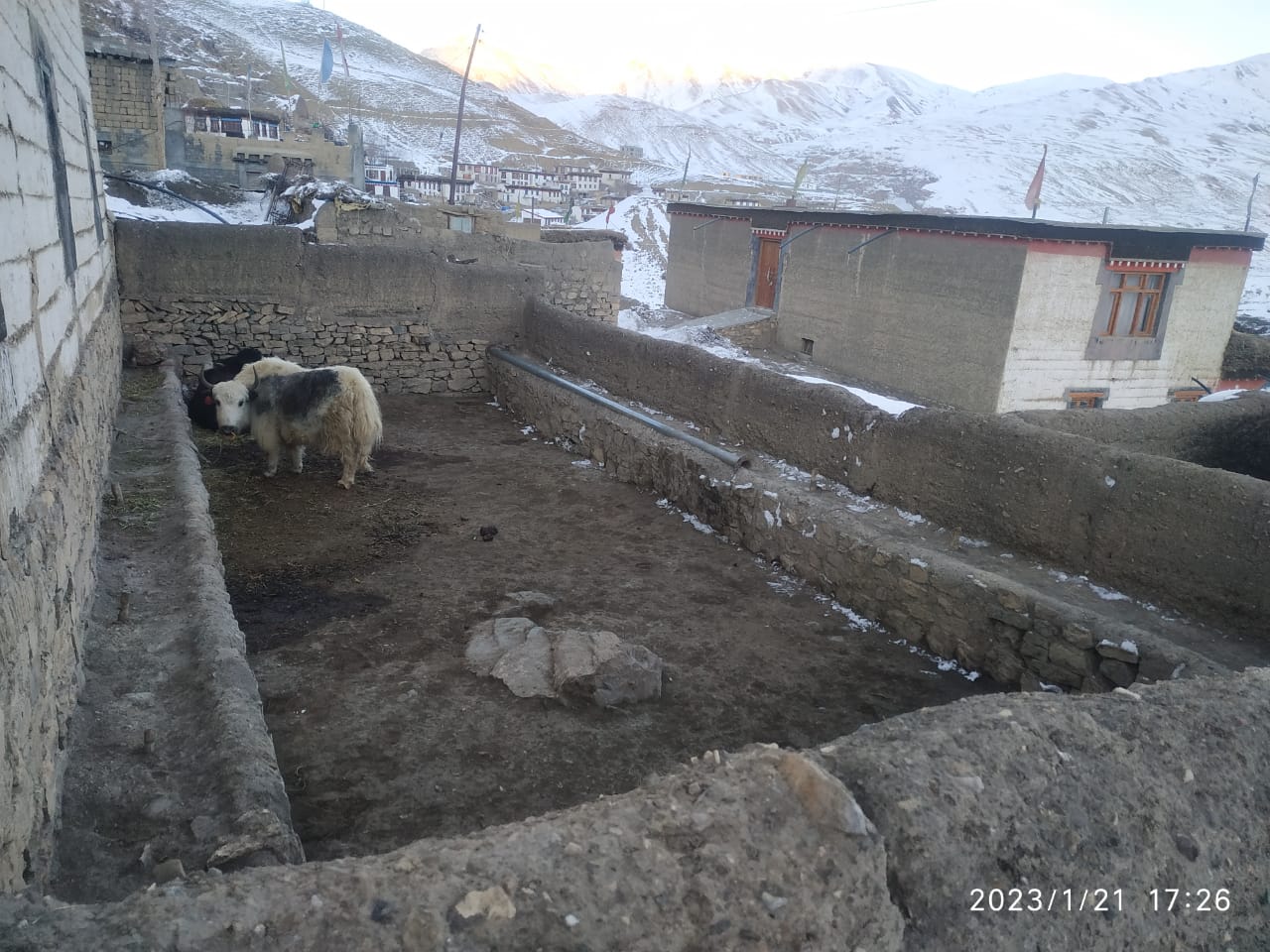
Farming is the chief source of income in Dhankar. The importance of farming can be seen clearly in many of our festivals and rituals. Namkan is a festival celebrated in the seventh and eighth month of the year in which villagers pray for a good harvest. On that day, people ride horses and throw stones at a fake sheep made of ghee and the winner is given a prize. The crop is harvested a few days after this festival. In our village, agriculture depends on water from the lake above the village. However, the lack of snowfall in winter is affecting our water supply from the lake. The water level has fallen by nearly 50% in the past 20-25 years because of which villagers face a lot of problems with farming. While yak and churu (a yak-cow hybrid) were used to plough fields, they have mostly been replaced by various farm equipment. Power tillers are used to plough the fields, while machines are used to chop crop residue. Earlier the local crops included wheat, barley and mustard. Today’s crops include pulses, peas, cauliflower, and potato. Horticulture is also being adopted widely as it is helping increase farm incomes. In addition to this, people have multiple options to earn a livelihood. One can earn a respectable amount running homestays and hotels, driving a taxi or working as tourist guides. But despite all these changes, farming remains the primary source of income for the people of Dhankar. And the future of farming depends on our sources of water, which are fast disappearing.

6000 3083 Tenzin Ganden
Memories, Nostalgia, and a Forgotten Practice
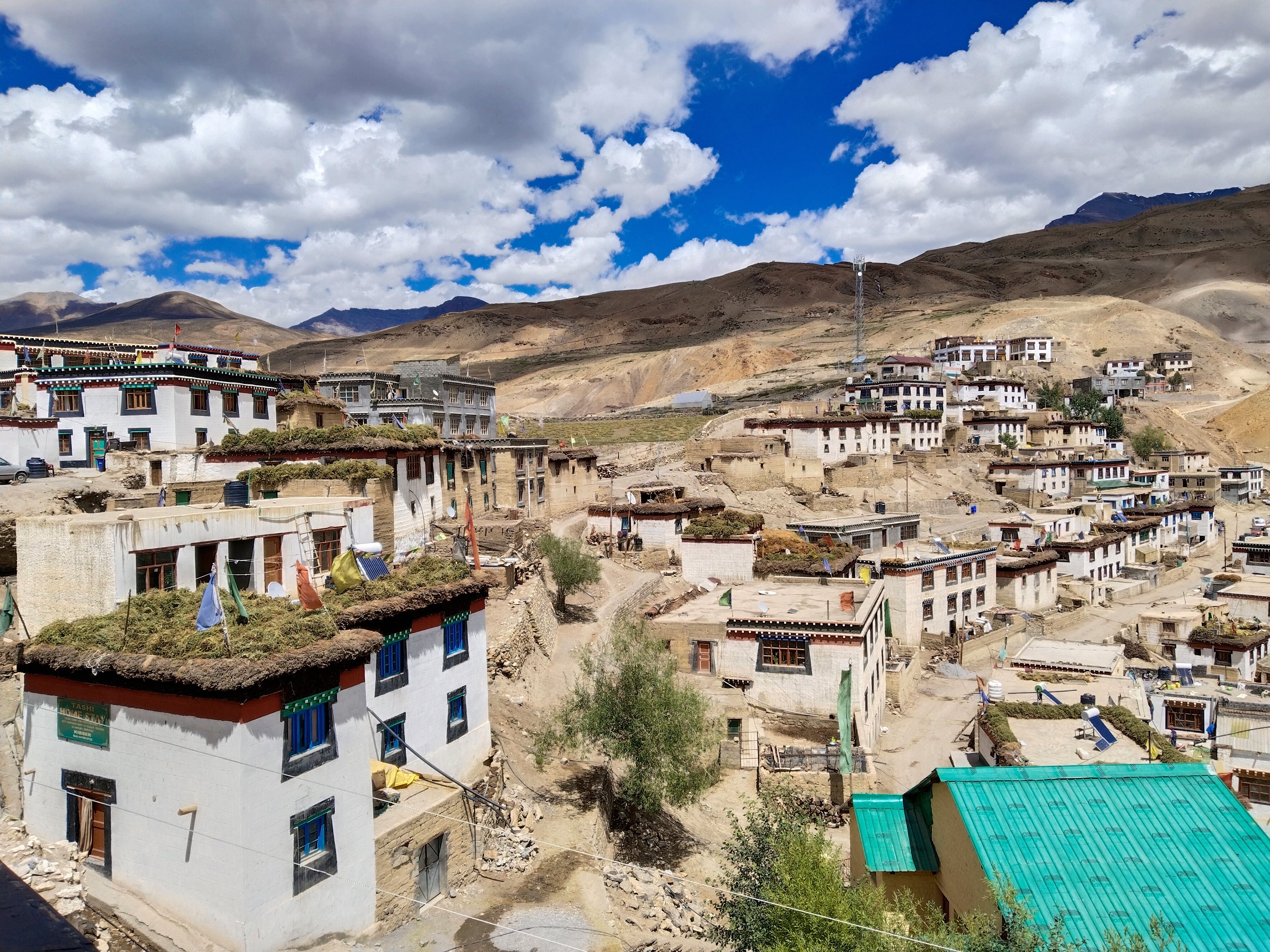
Kibber Village, Spiti | Photo: Nonie Rawat

Memories, Nostalgia, and a Forgotten Practice

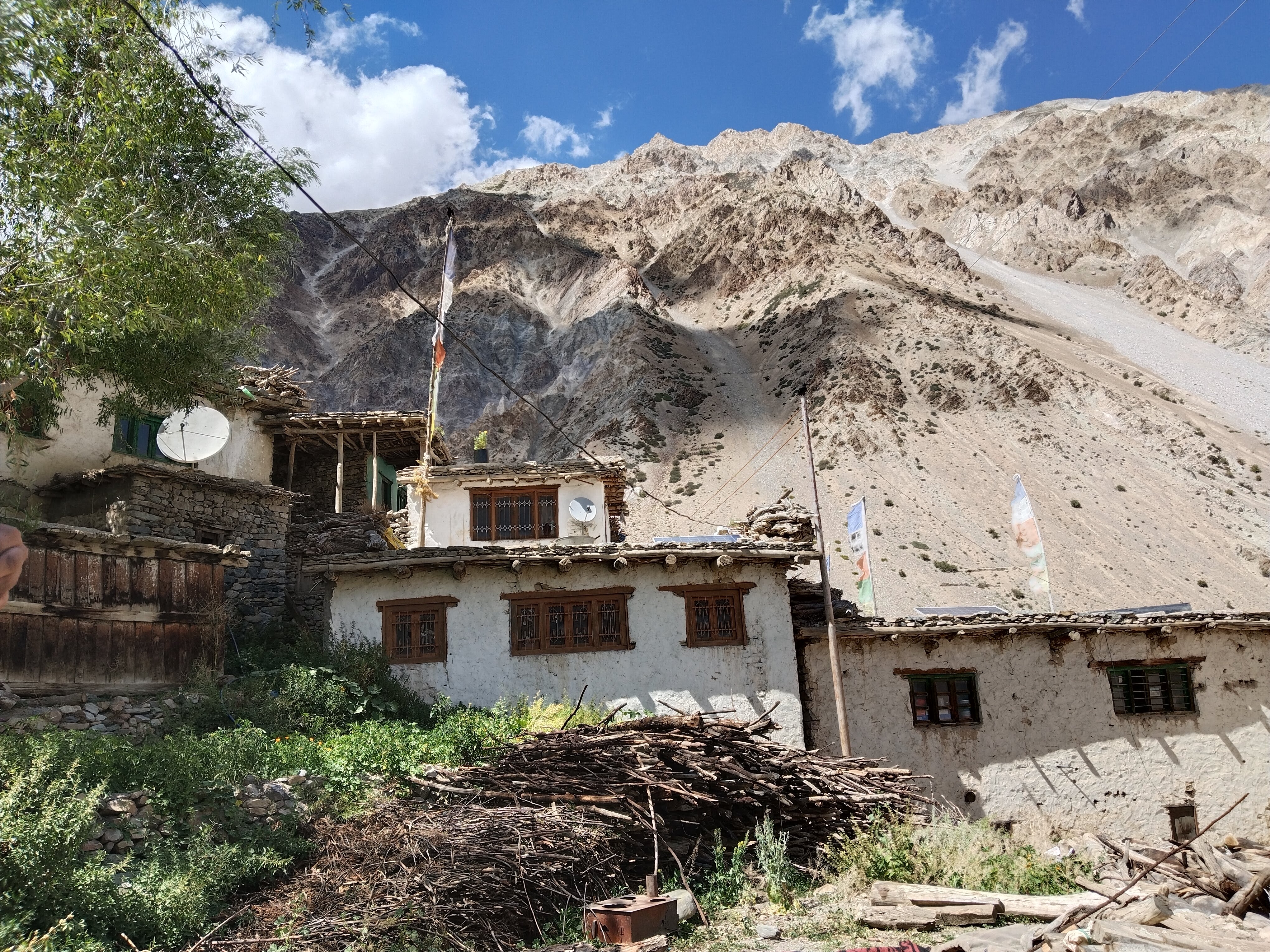
Growing up in Spiti, a place so beautiful and serene was a heavenly experience with valleys and rivers that enchants anyone witnessing its beauty. It attracts visitors from all over the world, some first-timers, and some seasonal regulars, and leaves them with the same impressions. When one tries to capture its beauty – the mountain villages clustered with white-washed mud houses in the serrated landscape appear like a flock of sheep grazing on the fields.

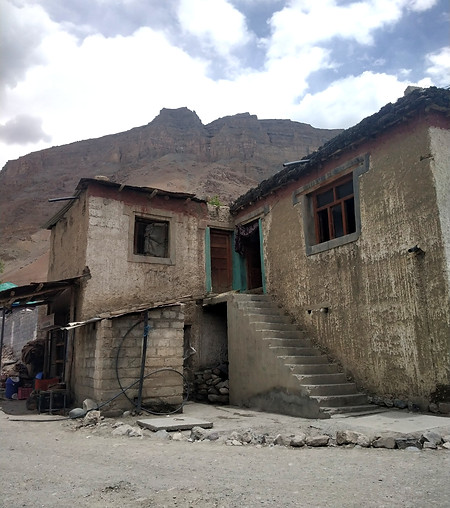
A mud house in middle of Kaza market, Spiti | Photo: Nonie Rawat

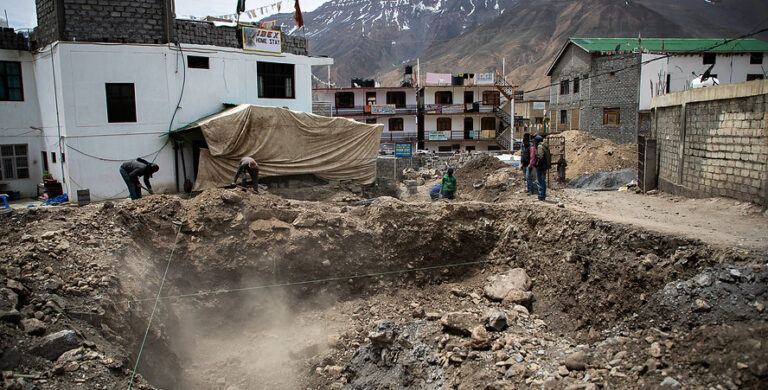
The traditional architecture and the socio-cultural practices are the outcomes of the prevailing topography and climatic conditions giving Spiti its unique persona & originality. In the past couple of years, the wave of RCC-based structures has dominated several villages and have taken its malicious grip. It is due to the recent abrupt rise of tourism in the region and considering these changes, the place is likely to lose its essence and everything that’s worth treasuring. The massive plague of concrete structures has devastated the vernacular house designs with the built, form, size, and material totally devoid of its regional context.

The picturesque villages dotted with traditional mudhouses are slowly turning into a jungle of massive concrete structures. It’s mostly hotels, guesthouses, and other commercial buildings. One of the reasons for this shift is to accommodate the heavy-flowing tourists with modern facilities in a cold desert. Spiti being a rural area doesn’t have the preparation required to handle this heavy flux of tourism and the burden is too sudden and heavy for the locals  to administer. The unregulated flow of heavy tourists can have many adverse effects on the local ecology and architecture. It will influence changes in the land use, will cause urbanization, large-scale construction of tourist facilities, illegal constructions, changes in the vernacular design orientation, increased waste pollution, and degradation of local aesthetics which are attuned to its natural surroundings. We need to realize collectively that it’s the architectural authenticity and unique cultural practices of the place that leaves mark on people visiting the place.

Many aspects of modernization are creeping up in the valley – some truly meaningful like building bridges that connect remote villages but others monstrous like encroachment of animal habitat and village pastureland. The abandonment of dry toilets (chaksa) to adopt

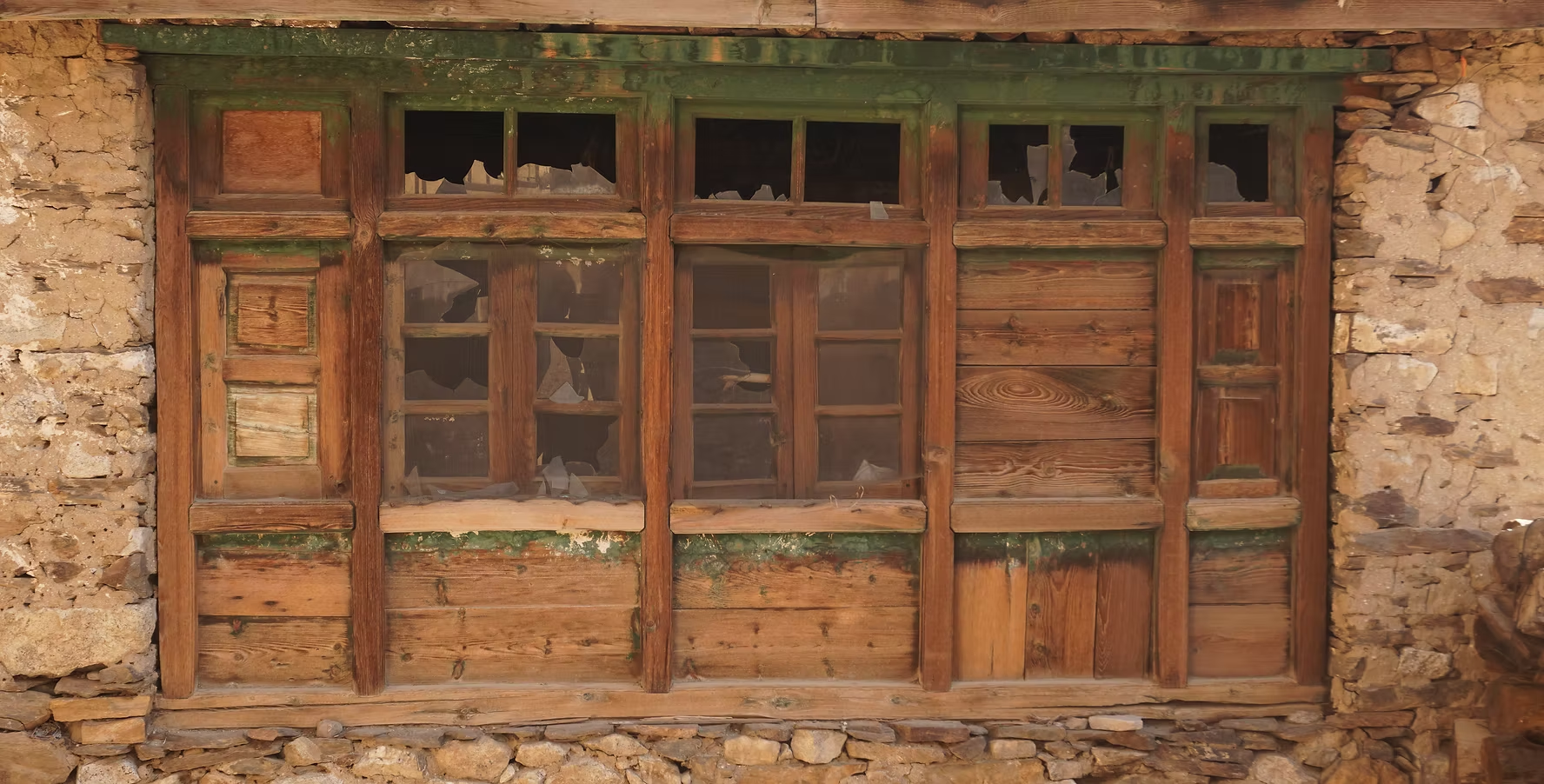
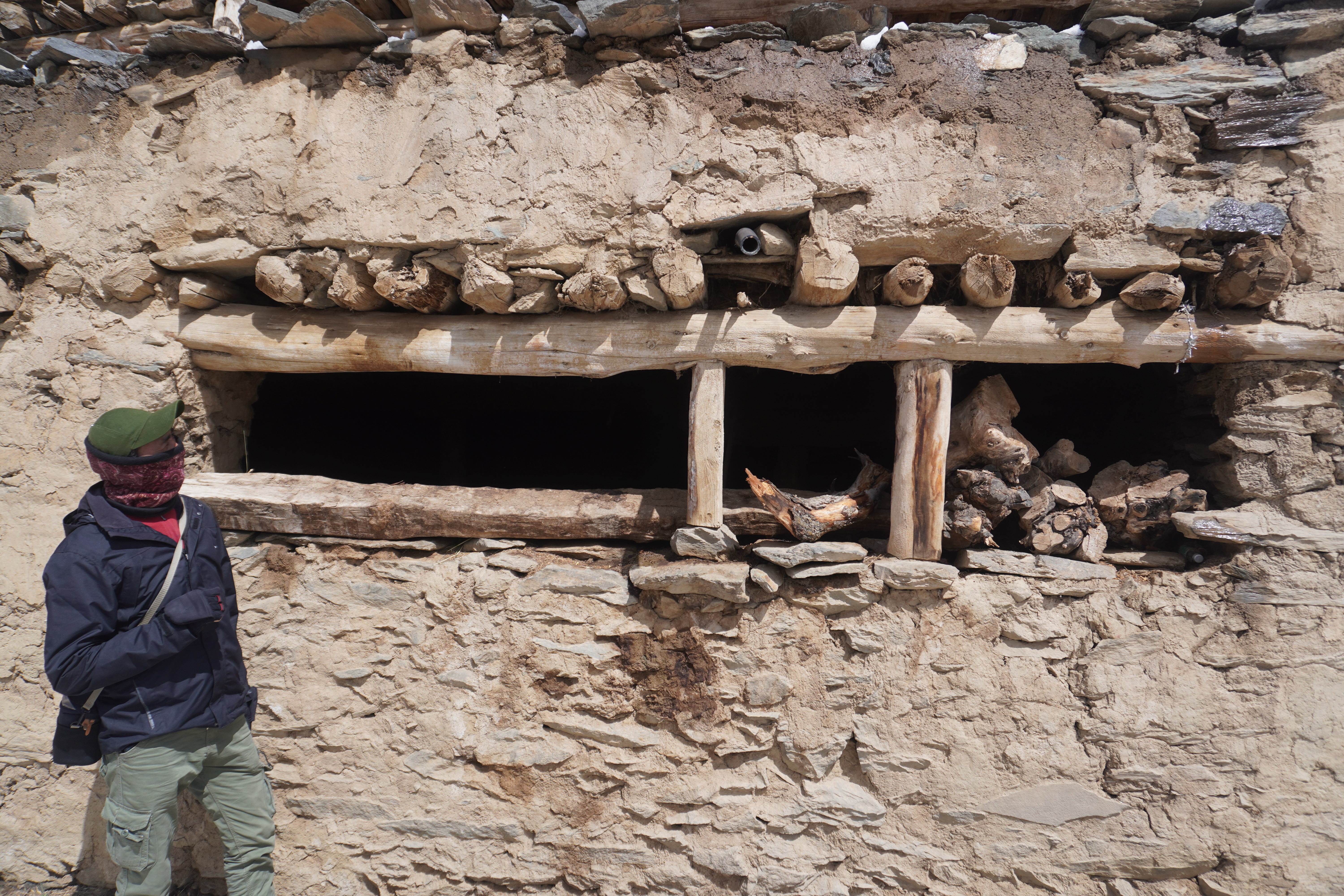
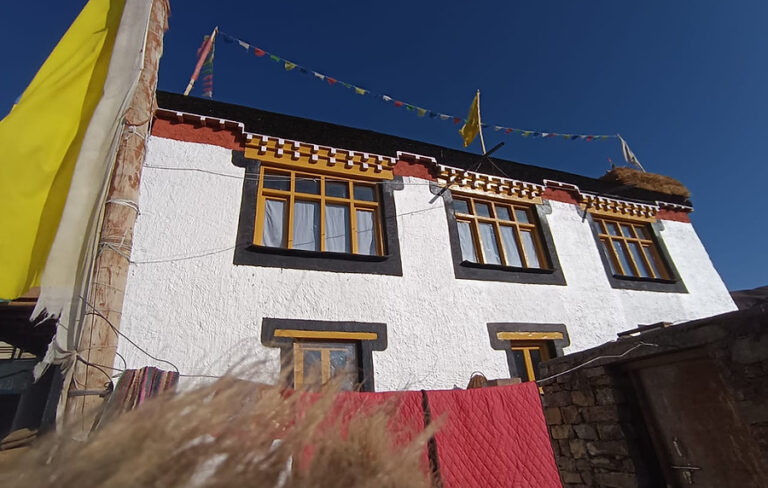
modern flush toilets in a water-scarce place like Spiti.  The dry toilet not only saves water but also produces manure for the crops. Whereas the western toilet system is not the most conducive design intervention in the valley as it remains out of order for about 6 months, and the water pipes freeze during winter. In this wave of development, Spiti is losing its authenticity. The constructions are now spreading to agricultural lands as more families find it easier to earn a livelihood from tourism than farming. The old houses have thoughtful architectural designs like having low ceilings of about 100mm, which helps conserve heat. The ground floor and the first floor both have rooms for seasonal activities. The ground floor is specifically built keeping the freezing winters in mind. The floor is divided into spaces for both livestock and the family. There are additional rooms to store grains, fodders, and a Chingbuk – a celler for storing Chang and Aarak (barley based alcoholic beverages).  There’s also a tiny opening for ventilation and heat obtained from the animals, and the grain and grass storing places work as insulators that keep the house warm and cozy during winters. During summer the first floor is preferable due to proper lighting and ventilation. This floor is breezier and has more room to attend to the summer guests. These rooms will be properly ventilated and have big wide windows, with the peripheral frames painted black, absorbing and allowing maximum sun.

New constructions in Kaza | Photo: Tanvi Dutt

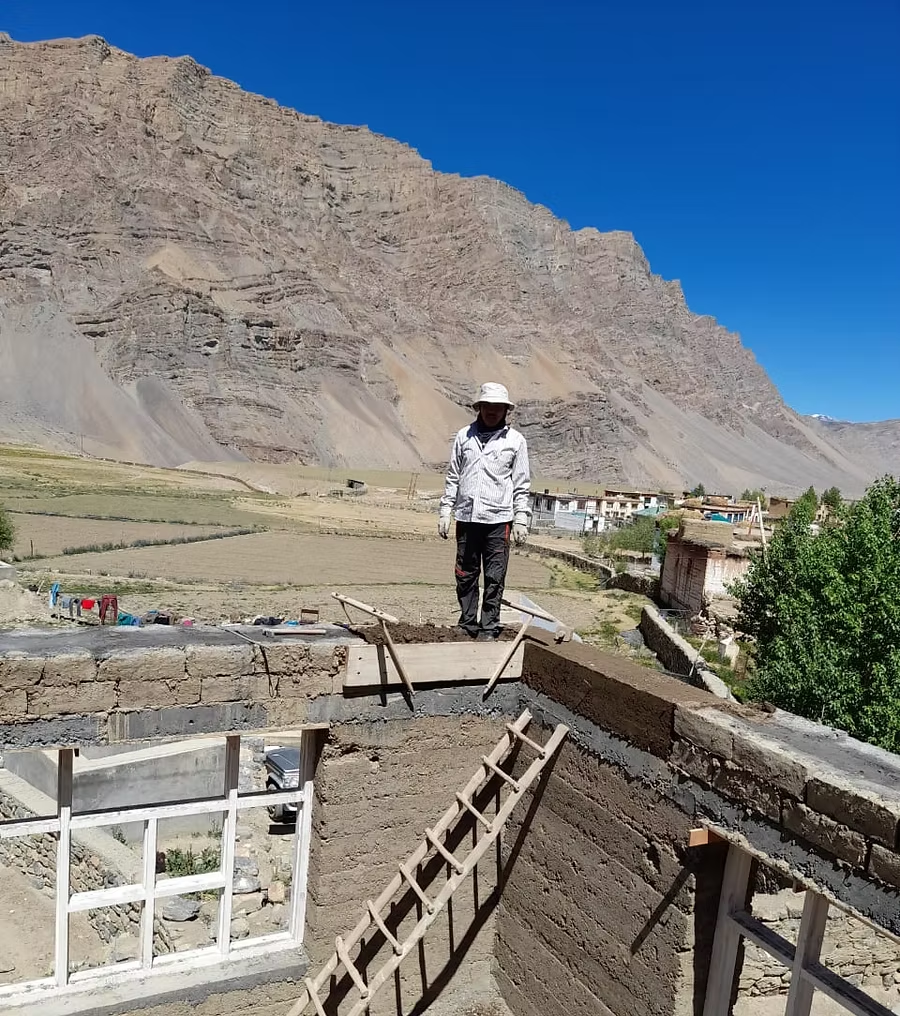
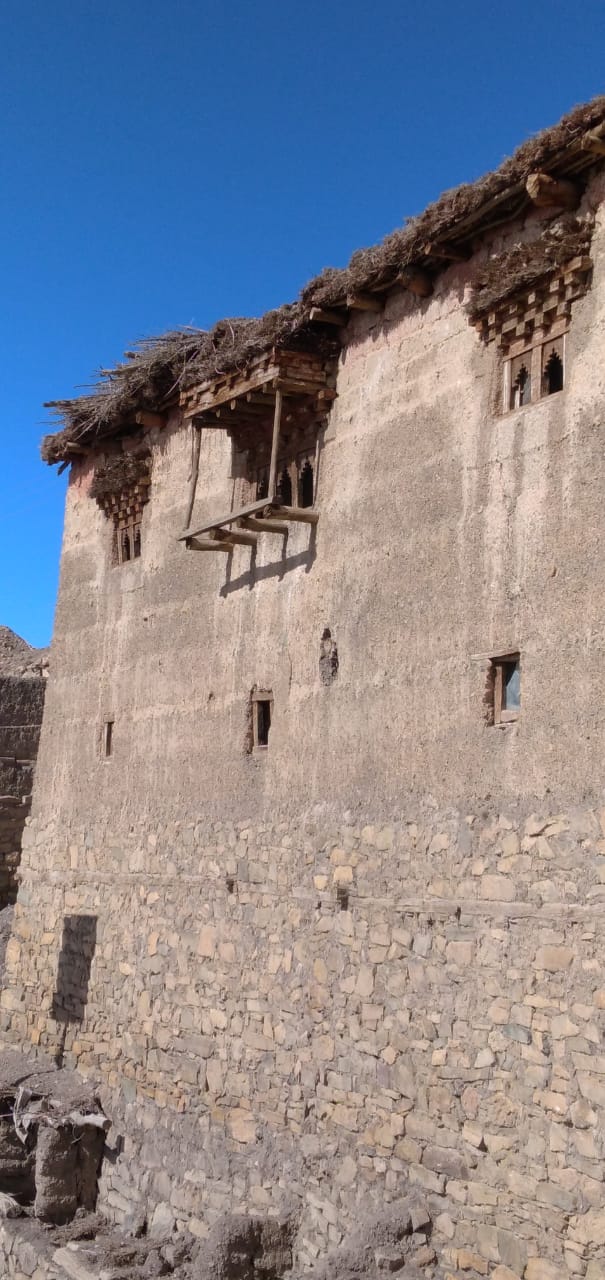
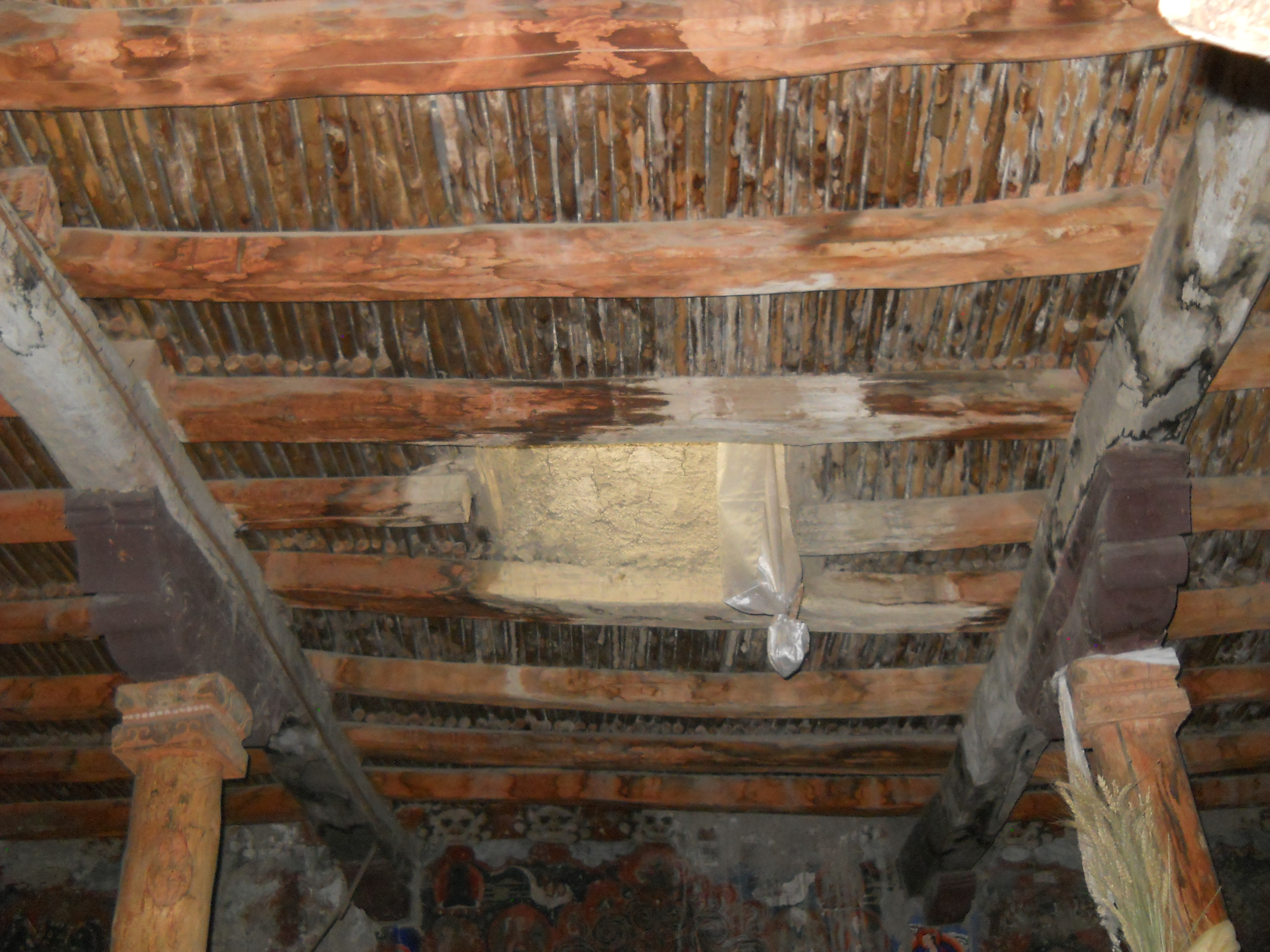
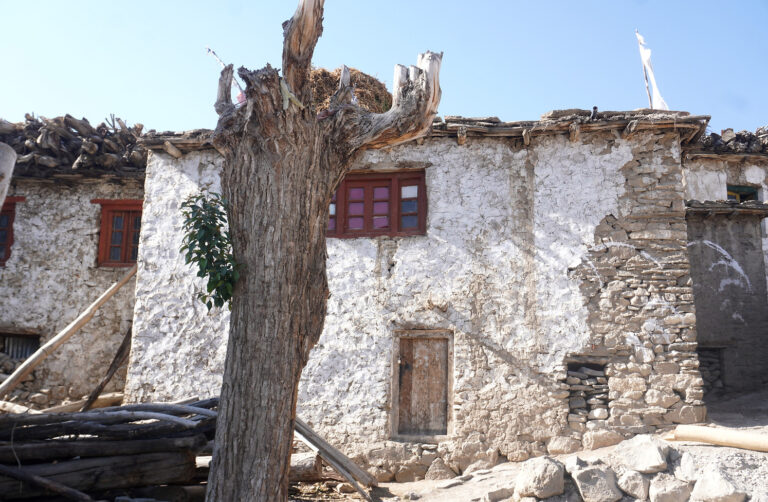
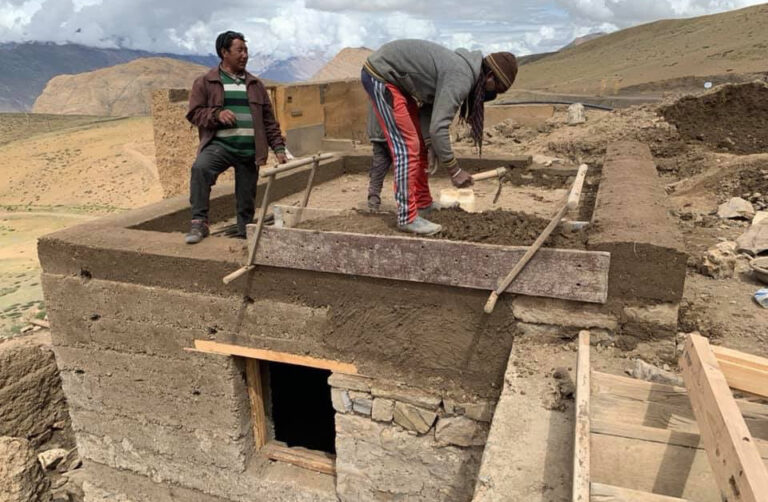
A typical traditional mud house in Spiti has a basic stone foundation running all along with the boundary wall. The locals use wooden planks as mould which supports the foot and a mixture of hay and mud to make the walls. The process is continued and the wall is built layer by layer at a time, leaving voids as per the requirements. The insulated roof starts with placing the main girder mugdungh, which is often supported using a wooden column kaa, this column, in the center of the room, also serves as the aesthetic feature of the room. Then the secondary girder, phurdungh, is placed on top of which, tightly knitted willow sticks, dhilu, are laid. The flat roof is finished with laying a thick layer of mud. To protect the edges of the mud structure from rain and snow some houses have bundled-up bushes stacked at the periphery of the roof along thorny bushes, dhama. The natives used to build with what was available to them and best suited the regional climate. This is what shelter means, building something suitable for you according to the climate and availability of the resource, hence the vernacular architecture of a place merges with the context, the landscape.

A dilapidated building in Kaza | Photo: Tanvi Dutt

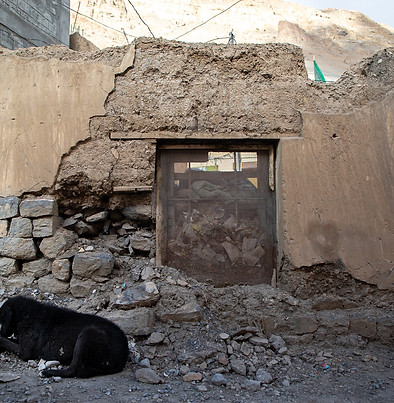
The traditional method of construction is not practiced these days therefore the skill is endangered. The thousand years old monasteries in the villages of Spiti were made of mud block-forming walls up to a meter thick. All these monasteries are still surviving and functional, they are likely to survive another 10-20 decades, even more, if maintained professionally. The maintenance of historical monuments like our monasteries for cultural preservation, further building a repository of local knowledge, and sustaining the innate quality of the historic buildings is necessary. The neglect in restoration work in these historic monasteries is washing down the structure. The walls are likely to survive the next few decades but might lose the other characteristic it holds now. The negligence may not feel like a massive part of this problem right now because it’s at a stage where it goes unnoticed, and is invisible but eventually, over years it will start showing up. We should evolve and use the modern facilities, resources, and knowledge we now have access to.
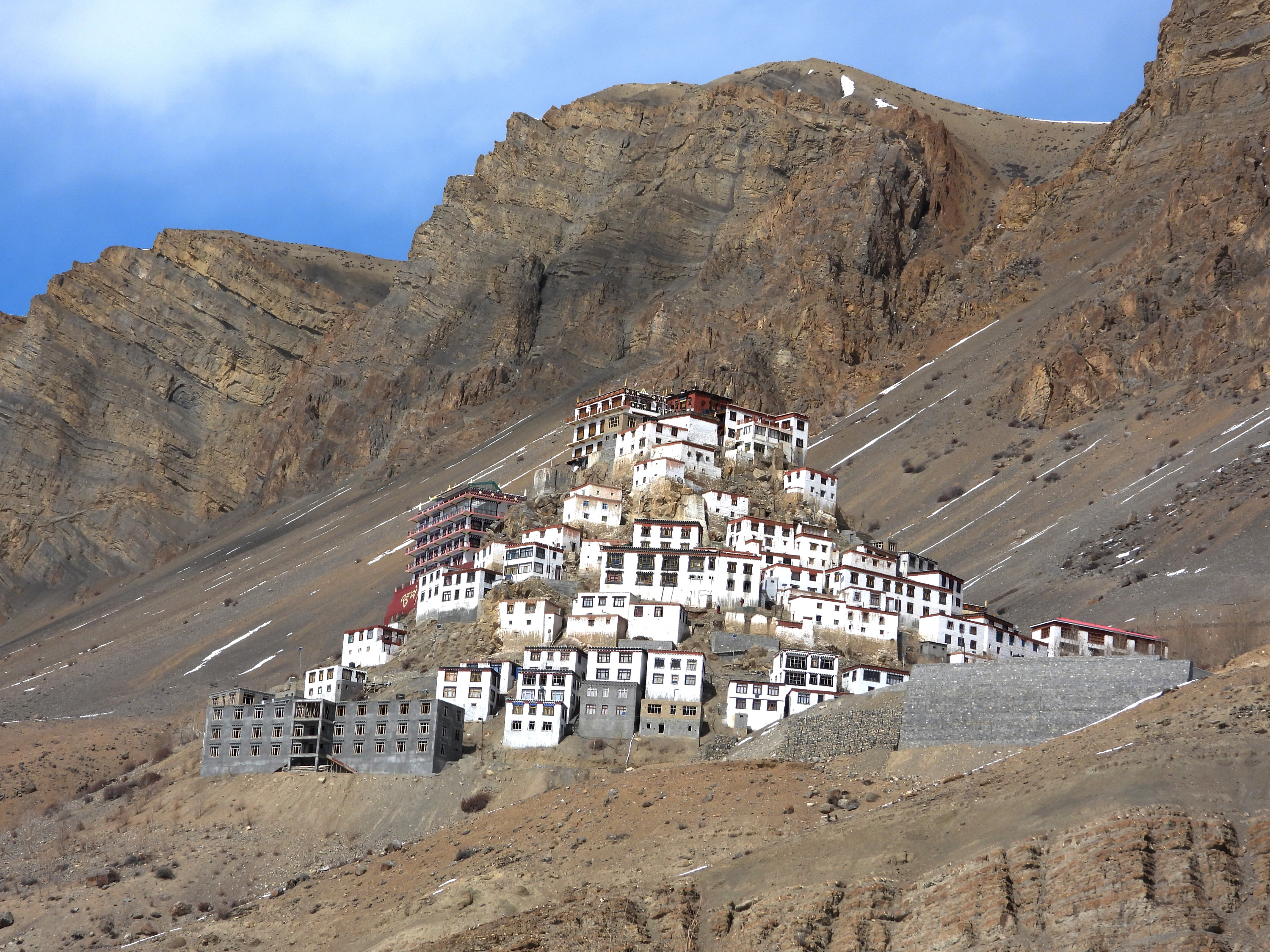
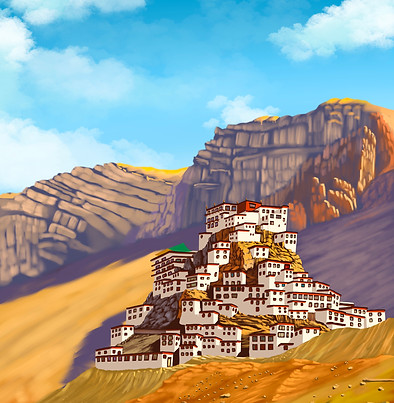
Iconic structure of Kee Gonpa, Spiti | Illustration: Nawang Tankhe

The state of development and accessibility has made us avail many new resources. The traditional houses in Spiti evolved from shutting the tiny window using a good-sized rock to wooden windows to big windows with glass which allows maximum sunlight to enter and keep the house warm. This is one example of how to use the resources available to enhance the traditional structure. But now we are evolving in the wrong direction. Adapting materials that do not comply with the context and then we spend time and energy to fix the problem we created. In a cold desert like Spiti during winter mud houses work as insulated buildings. For the piercing cold winters, people don’t need RCC houses which do not retain heat, freeze everything inside them, and cause a lot of health problems after prolonged usage. Humans have always started with natural resources and mud is the oldest of all the natural resources used in construction. It is found in abundance, and unlike cement, it goes back to nature without polluting the landscape. From the earth to the earth. It’s high time for Spitians to bring back its forgotten practice.
885 389 Nonie Rawat
Conversation with a Shing-zowa
Photo: Tanvi Dutt

Conversation with a Shing-zowa

RT: Julley Angdui Phuntsok ji, When it comes to building houses and wood crafting, a lot of the people from Kibber village consult you and rely on you to undertake the work. Can you please tell us more about yourself?
​
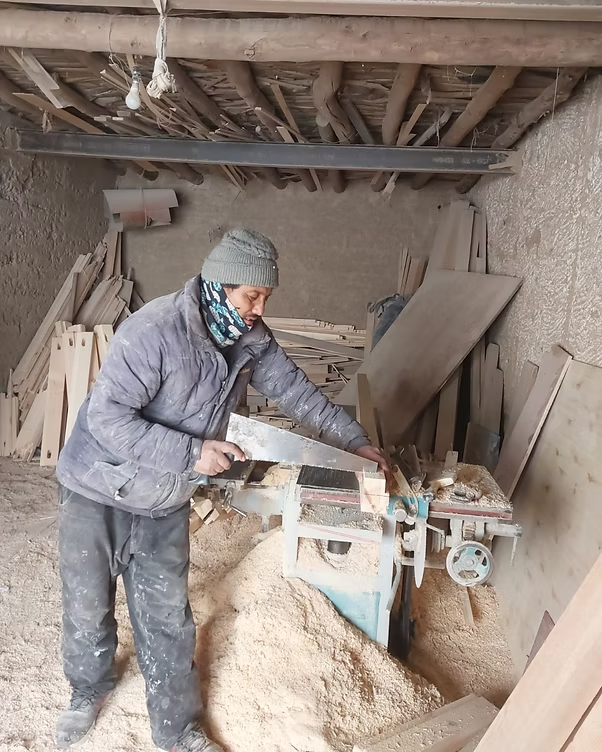
AP: Julley, Namaste, and Tashi Delek to all HimKatha readers. My name is Angdui Phuntsok, I am from Spiti’s Kibber village and I am 46 years old. I grew up helping my family herd livestock (sheep, goat, cow, yak, Dzomo) in our village pastures and plough in our barely fields. I took up carpentry work when I was 20 years old and I learned to make windows, door frames, and Kawa (wooden pillars) for traditional mud houses. I worked closely with Spitian mud-house builders and artisans who were skilled in stone masonry. I eventually self-taught and picked up the skills and started implementing them in my work as a house mistri (chief artisan). I have been building traditional houses and doing carpentry work in Spiti for about 27 years now. I spend my summers building mud houses, consulting, and helping locals undertake various renovation works, and devote my time to carpentry during winters.
RT: How do you undertake building works in Spiti and how is it different regionally?
​
AP: It mostly depends on the host family, and individuals commissioning the work. Earlier traditional mud houses are preferred but these days cement houses are becoming popular and people even go for mixed structures where the walls, the foundation, roof, and the internal structures of a house are of earthen material and mud while the outer plastering of the house is done with RCC. The choice of material is also dependent on local conditions and regional variations. In the Todh valley side (upper Spiti side), the raw materials are scarce whether it is wood, good quality soil, mud, stones, or iron, hence the design and structure of a house are mostly just mud based with minimal use of resources that isn’t available locally. As you move to the Sham valley side (lower Spiti villages) access and availability of raw materials becomes easier hence earth is used extensively from walls to roofs and stone is used widely in lower portions of a building for stability. When you reach the neighboring villages in Kinnaur like Nako, Malling, and Chango, stone-dominated structures and dry stone houses will be visible.

Construction in Kibber | Photo: Rinchen Tobgye

RT: From your experience how have people’s livelihoods, and developmental changes in the region impacted local architecture in Spiti?
​
AP: There is a deep connection between people’s livelihood, their way of life, development changes that happen in the region, and how it shapes the local architecture. Spiti’s architectural changes have certainly undertaken an interesting trajectory and as a local artisan, I am still grappling to find balance and navigate the changes. Earlier Spitians are primarily dependent on agriculture and livestock rearing and the local houses, the architectural designs are built to accommodate the agro-pastoral needs of the household and the community/ suit agropastoral needs. Incorporating separate structures for cattle like corrals, livestock pens, and storage rooms for grains, tools, dry toilets, Dhangtsey (open courtyard), and flat-roofs are all an integral part of the local architecture and function beautifully to fulfill the unique needs of an agricultural family. With accessibility, better connectivity, tourism, and development changes, alternate livelihood opportunities are arising for locals and that utter dependency on agriculture-based livelihood is changing.

Many people are employed in government services, and tourism-based livelihoods are increasingly becoming easier options for people. This is all dynamically changing people’s relationship with their land, their resources, and the local architecture. Vernacular house designs, traditional structures, spaces used for agropastoral-based livelihood, and local materials are losing their relevance. Many households own a lesser number of cattle nowadays and rearing large-bodied livestock like yaks have also shrunk a lot. Only in Todh valley (upper Spiti) it is practiced and hence erstwhile spaces, and structures dedicated to these needs are falling out of use. Modern, cement-based hotels, guesthouses, and giant commercial buildings completely contrast with the local architecture are cropping up. The changes were more prominent in lower Spiti villages like Kaza, Rangrik, and Tabo earlier but in the past 3-4 years, such structures are also becoming more prominent in remote villages like Hansa, Hull, Pangmo too and many of these hotels remain nonfunctional during winters. Like many fragile places, development changes in Spiti are at the cost of the environment, and resource stress, and are slowly changing the architectural integrity of the place.

Photo: Deepshikha Sharma

RT: How is it impacting local artisans and local knowledge around indigenous architecture in Spiti?

AP: The traditional building technique using natural materials found locally is an easy, affordable, locally suited, and eco-friendly way of building. People are familiar with the local resources, materials used for construction and leverage traditional knowledge, and intelligence to design houses. It doesn’t involve unnecessarily complex methods and tools to implement it. It’s very intuitive, immersive, and experiment-based and most people have a working knowledge of the same. The shift to non-traditional, industrial raw materials like cement, steel, glass, and other concrete materials has alienated locals from their own land, own resources, and indigenous knowledge about building systems as it requires specialized masons, and craftspeople to build cement structures.
​
The dependency on non-local craftsmanship is increasing which in turn triggers the migration of workers, artisans, and laborers from lower Himachal districts like Mandi, Kangra, Shimla and some even come from as far as Rajasthan, Bihar, Odisha, Jharkhand and Maharashtra. More and more locals from lower Spitian villages like Kaza, Tabo, Rangrik, Losar, Khurik, Shego, Lara which are hot spots for tourism are outsourcing the construction works to migrant workers from other parts of the country who have no knowledge of the local context and are probably themselves struggling to work in such harsh climatic conditions. Earlier local artisans like Gyangon-da (rammed earth mud builder), Piti Dor-si (Stonemason), Piti Shingzo-wa (wood crafter/carpenters) play an integral role among community members, and their skills, their knowledge, their experiences about the landscape shapes the local architecture. The large-scale tourism and development-based constructions are creating a new social order which is posing multiple threats to the environment, local ecology, wildlife, and architectural heritage. Natural heritage.

RT: As a local mud house builder, and an artisan, what are some of the challenges you experience daily?

AP: Ghawo minang yokak! (… there are many challenges!) Construction is essentially labor intensive and physically strenuous work. As an artisan whether you are involved in stone masonry rammed earth building, or are undertaking other works like carrying stones, mud, bricks, breaking stones, or digging earth, it takes a heavy toll physically. Knee, back, and joint pains are very common, and injuries due to construction work is a common experience. But all that pain goes away if your host, and the individuals commissioning the work are kind and generous, and there’s a sense of solidarity, and camaraderie among workers, villagers, and community members. We all work together, help each other, eat meals together, enjoy the process of building, sing songs, drink copious amounts of tea, tell stories, and within no time, work gets done!

RT: Thank you for patiently sharing your experiences with us.

AP: Thank you.

1770 778 Angdui Phuntsok and Rinchen Tobge
An Insight into Traditional Spitian Architecture
A typical village in Spiti | Photo: Chemi Lhamo

An Insight into Traditional Spitian Architecture

Spiti is a cold, dry desert with a vast expanse of land that has a limited scope of vegetation and productivity. Nevertheless, there’s an oasis of human settlement, small but scattered along the river valley depending upon it for sustenance. Some of these remote ancient villages have existed in this harsh terrain for at least a thousand years and the local houses, architecture, building techniques, materials, and design sensibilities reflect conscious choices that take into consideration the unique topography and natural environment around them. Most traditional houses in Spiti are double-storeyed with flat roofs, and thick walls, with multiple rooms and structures that beautifully suit our agro-pastoral way of life.

I remember my father nostalgically recounting how in the olden times when winters were long and harsh, snow piles high, and seasonal migration to warmer places wasn’t as convenient as these days, they found ingenious ways to accommodate their daily needs within the house. “Snowstorm or drought, we had our granaries filled to last at least two years and hardly had to move out of the house!”  Spitians – despite being people of slender means, were quite inventive and it is tactfully reflected in the vernacular design systems of the houses.

Material & traditional tools used for construction:

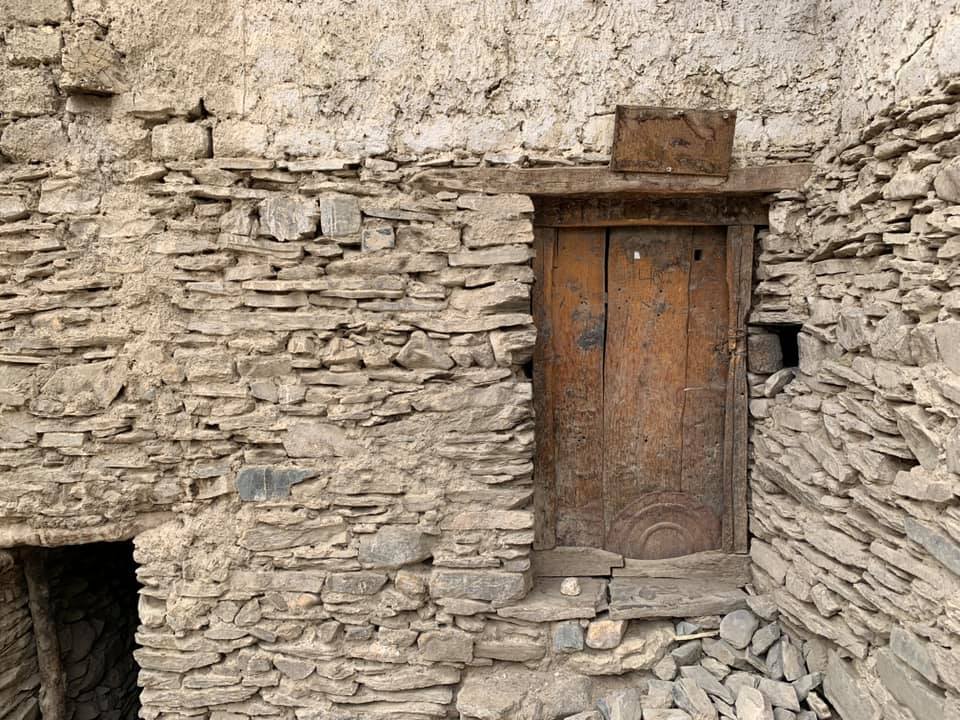
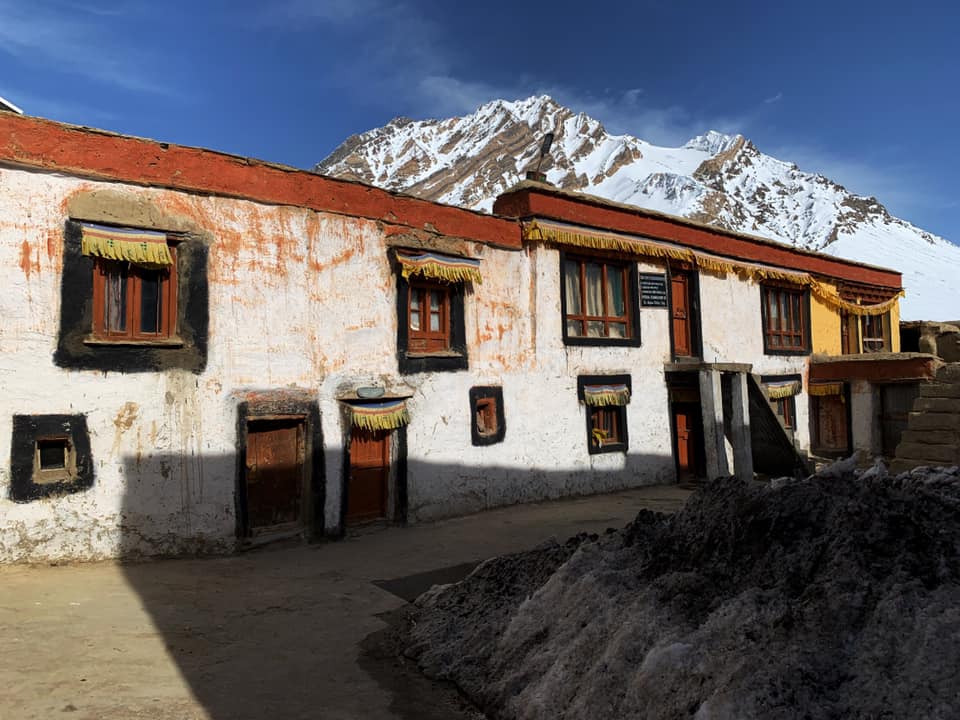
Upon entering any Spitian village, the most striking aspect is the cluster of white mud houses dotted beautifully against the blue sky and gigantic barren mountains. The design, aesthetics, and material composition of the houses are uniquely Spitian – evolved and adapted to suit the cold mountain desert. Primarily natural materials are used for construction; with stones as the foundation, mud for walls, and various kinds of wood for ceilings, door & window frames and support structures like Kawa (pillars). Some of the common materials used are listed below:

  • Thalwa/Dambak (Mud): For the construction of walls and boundaries. A particular type of soil colloquially called Dambak with the right proportion of clay is preferred over black soil and others.
  • Duwa (Stone): Big natural stones chiseled to uniform sizes are preferred for building foundations and structures on the ground floor like Lukra (sheep pen) and Chaksa (dry toilet), as mud tends to lose its structural integrity over time due to excessive dampness from the snowfall.
  • Dhuwa (Clay): Clayey soil is used for waterproofing the roof and plastering the outer walls.
  • Changma (Willow): Willow sticks of two varieties: Gyalchang, used for doors and window frames as it is hard and durable, and Chulshing, a leaner variety of willow used mostly for Dri-lu which is used for the internal structure of a roof.
  • Mal (Poplar): Poplar wood for two giant support structures called Makdung and Burdung for roofing, support beam, window, and door panels.
  • Shukpa (Juniper): For Dri-lu, door, and window panels
  • Kirsi (Lime): For whitewashing and plastering outer walls. Mostly sourced from Losar and other upper valley sides while for lower Spiti valley, it is brought from Gue and Hurling villages.
  • Kova (Leather): Leather, when braided, is called Dangbha and is used for door handles, locks, and door bolts called Korchok.
  • Pema (Wild shrub): Primarily used as a protective structure for wood panels of the window and to prevent mud walls and outer paint from rain and snow.
Traditional ceiling | Photo: Tsering Lhundup
Sitpa  (yak hair rope) | Photo: Deepshikha Sharma

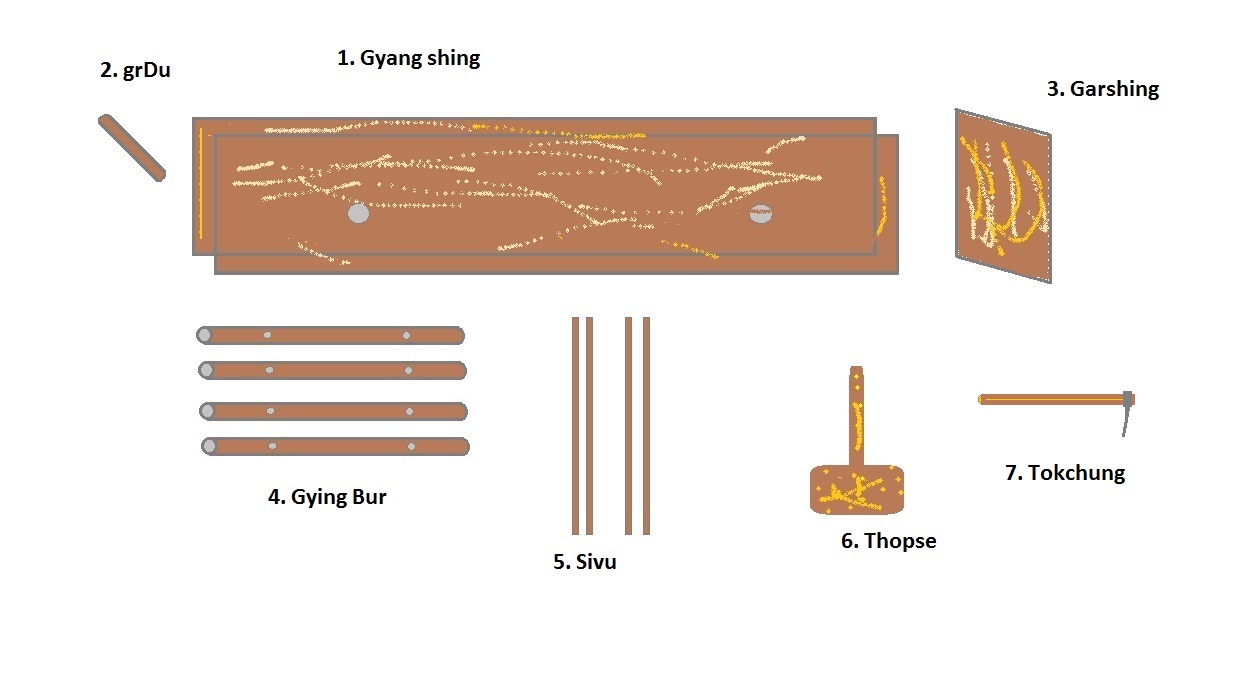
Natural building techniques like rammed earth building are used for construction which is suitable due to its durability, low maintenance, and thermally optimal characteristics which protect the houses from extreme climate and help retain stable temperatures inside the building. Since most of the houses are hand-built, there are specific traditional tools used for constructing particular aspects of a house. It is startling how even for building seemingly simple structures like a wall, multiple tools are used as listed below:

  1. Gyang Shing: Gyang means a wall, and Shing means wood, thus Gyang-Shing is a wooden plank, used to encase the mud to help build the structure of the wall.
  2. grDu: It is used to support the Gyanshing from the inside, and is placed in between the planks to prevent it from collapsing.
  3. Garshing: Garshing is used to enclose either side of the Gyang-Shing to mark the beginning and the end of a wall being built.
  4. Gyingbur: It consists of two pairs of wooden sticks, with two holes in each stick, used to provide support to the Gyang-Shing from the outside.
  5. Sivu: it also consists of two pairs of sticks, used with Gyingbur to support the wooden plank.
  6. Thopse: It is a wooden hammer used to thump the mud placed in between the plank to make it structurally more solid and to rid of air spaces and bubbles in the mud.
  7. Tokchung: It is a construction hoe with a short wooden handle, used to scratch out uneven surfaces, and small stones from the walls before it gets solidifies.
Traditional tools for contruction in Spiti. Illustrative representation: Tsering Lhundup

Dynamic design & traditional practices:

Agriculture and livestock rearing used to be the primary sources of livelihood for people in Spiti and our old houses are constructed to incorporate those needs in the vernacular design. Each house comprises at-least 8-10 rooms with unique functions and features. Elaborate storehouses can be seen in older houses like “Zot” colloquially means storeroom and there are different types of Zot used for different purposes: dry meats are stored in “sham-zot”, agricultural tools are stored in “lak-zot” whereas, alcoholic beverages like chaang and aarak are kept in “chang-zot”. Apart from that, some families have an additional room called “Tiwang” where foodgrains and other edible items are stored, the room is divided into multiple subsections used to keep various items. Within Tiwang, there’s a small compartmentalized room called bhaang where the family’s essential items are stored and access to it is only from a narrow window from the upper floor. Dhaa is a granary on the ground floor where fungma (hay) for livestock is stocked for winter and it has a small window-like aperture to stack grasses.

Photo: Mr. Janhwij Sharma, Additional DG, ASI

As for the livestock enclosures, most Spitian households have at least two kinds of livestock pen; Luk-raa/Raa is a cattle house placed inside the house on the ground floor while Dhang-raa is an open corral placed outside of the house right at the main entry gate. Apart from that, the family’s winter room Yok-Khang is structurally always in close quarters with the Luk-raah as the room draws insulation from Luk-raah making it warmer and easier to tend livestock during heavy snowfall in case of livestock sickness or during birthing cases. On the upper floor, the key rooms are Ma-khang (main living room), Shal-khang (solar room). Chot-khang (prayer room), Don-Khang (guest room), and Dhang-zey an open courtyard on the upper floor that serves as a functional space for many community activities and which also has a small window-like access point for all the ground storerooms.

The most unique aspect of natural building techniques prevalent in high-altitude regions like Spiti is the communal nature of the work. An individual seeks support from the community in terms of resources as well as labor so it is not unusual to have members of your family, relatives, friends, and other community members involved in building a house. The use of local resources, awareness about the material composition, familiarity with the natural building techniques, and use of local intelligence renders them capable to build a house locally without seeking any help from outsiders. Apart from master artisans like stone masons, mud builders, and carpenters under whose guidance the whole construction takes place, there’s a huge contribution from community members.

Elaborate rituals are performed to seek blessings and forgiveness for causing a disturbance in the surroundings during construction. The one in particular I remember is an offering of Sichu Bhumpa to the local land deity Sa-dak – It involves placing a pot full of precious, semi-precious stones, coins, and scriptures in the foundation to invoke their auspicious blessings. During particularly laborious aspects like roofing works, the entire village gathers to help finish it on time and after finishing all the construction works, villagers take turns to visit the family, offer gifts (like barley, butter, grains, and other delicacies ) and congratulate the owner. In certain cases, a close friend or a relative even hosts meals for the entire family including the chief mason and his men. Similarly, when a newlywed couple build their first house, villagers help by pooling important resources like wood logs. These cultural practices help ease the logistical burden on the host family where the community becomes one’s greatest support system.

In the olden times when importing materials for constrcution was not possible, people often exchanged raw materials or traded labor for raw materials. I remember many such instances where milking animals like cows, Dzomo, sheep, goats, or draught animals like horses, yak, and donkeys are exchanged for important construction materials like dungma (willow log) and timbers.

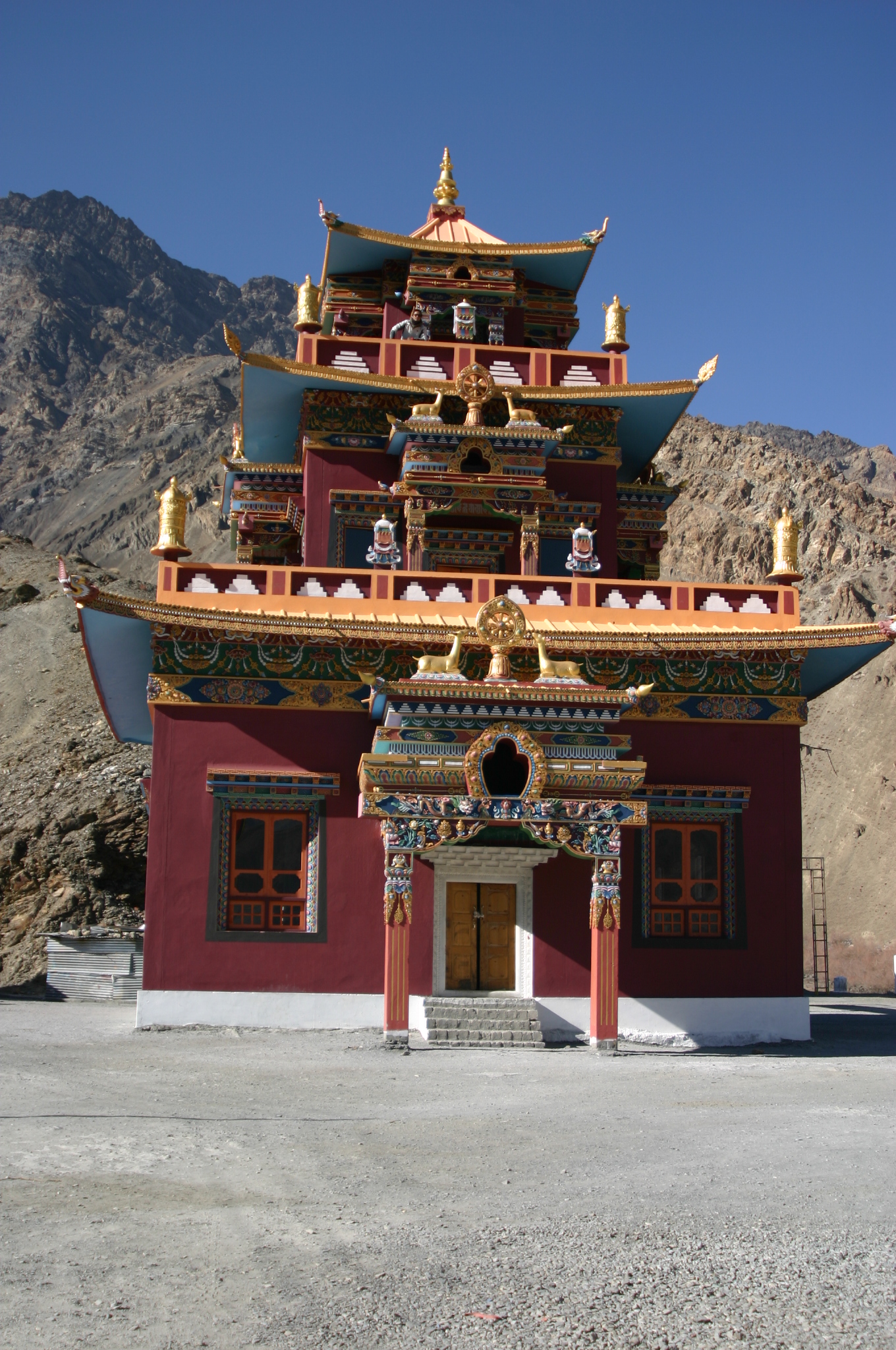
Gue monastery architecture, Spiti Valley | Photo: Tsering Lhundup

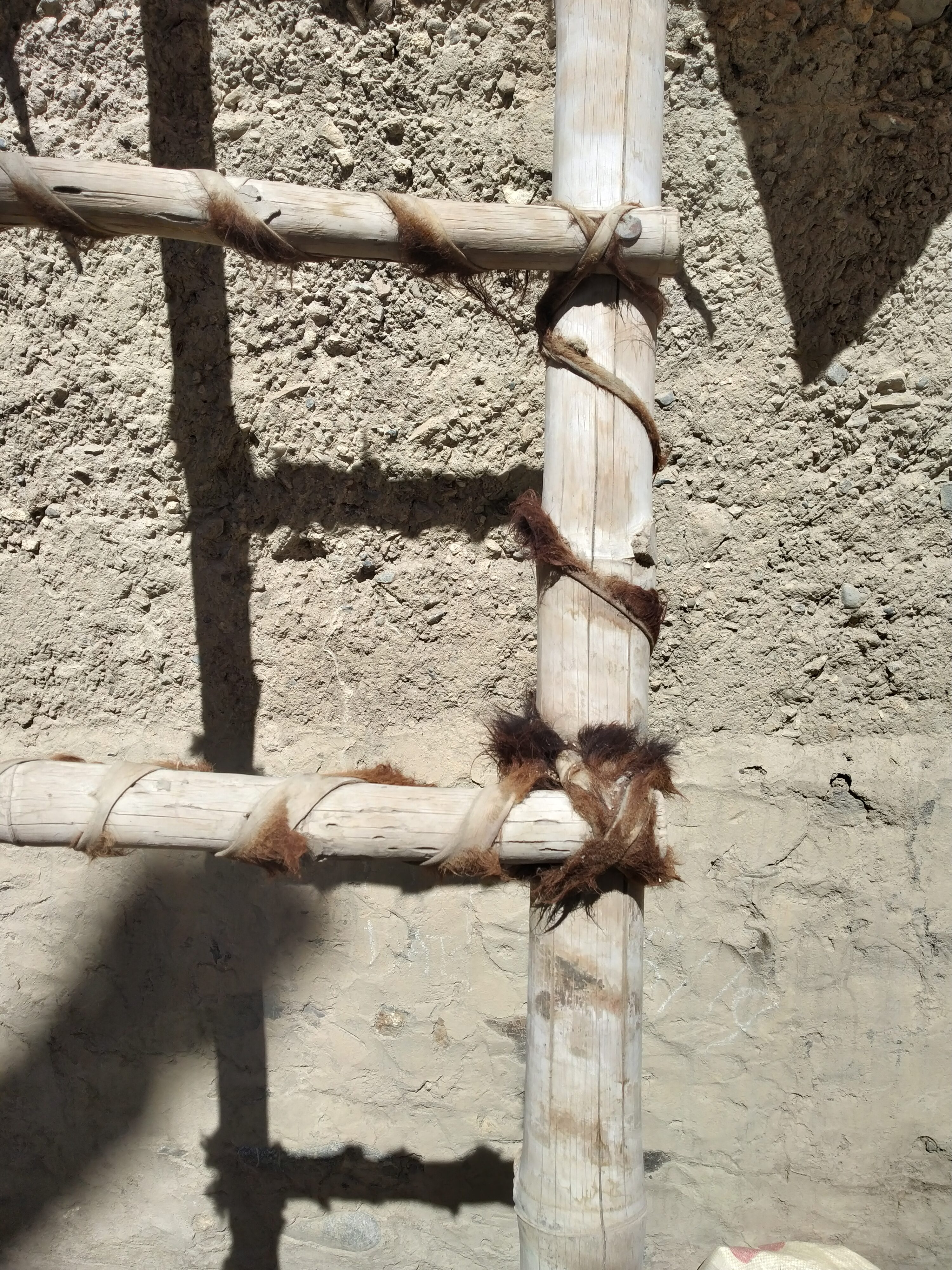
Other commonly traded materials are butter, iron, honey, sitpa (yak thread rope) from which one can buy construction materials of equal monetary value. Iron and honey are not easily found in Spiti and hence were a coveted commodity, sitpa also fetched equal importance but gradually with the emergence of nylon ropes in the local shops and improved accessibility, there was a huge impact on overall trading practices around it. There was a time when it was also possible to pay for construction labor works through local resources. One popular example of this unique labor v/s resource exchange is the payment of one goat to a master artisan for helping build a house. With development, these practices have undergone massive changes and are no longer practiced but it was fascinating to recount such stories and ponder upon various means of material procurement for construction works.

4080 3060 Namgial Lundup
Conversation with a Gyangon-da
Glimpse of mud house construction in Spiti  | Photo: Tanvi Dutta

Conversation with a Gyangon-da

Demul is a remote high-altitude village in Spiti known for its beautiful meadows and pastures. The villagers are agro-pastoralists and still actively practice their traditional ways of agriculture, livestock rearing, and herding. This village is also home to many Spitian artisans skilled in building traditional mud houses, Dor-si (stone mason), Shingso-wa (carpenter), and Gyanghon-da (earthen wall builder). We spoke to Mr. Chhuldim Pempa from Demul who has been in the trade for decades and is a master craftsman skilled in stone masonry and rammed earth building.

HimKatha: Julley and Tashi Delek. Chhuldim ji, we heard you have spent many years building traditional mud houses in Spiti and are an expert Dor-si (stone mason). Can you tell us more about yourself and how you started?

Chhuldim Pempa: Yes. I have been working in traditional construction for over 30 years in Spiti and my primary work is building houses using mud and stones. I started in the early 90s when I was around 18-20 years old. I stumbled upon it quite unexpectedly – I grew up herding and working in my family field but once there was an opportunity to work as a construction helper to a house mistri (chief mason) in my village. The work seemed pretty doable, it included working under a master craftsman and helping him in manual works like carrying stones, digging works, making mud mixtures, and doing all the preparatory works before the chief mason started laying the stone foundation for a house. It was paying a minimal amount for the labor work, so I took it up along with a few friends. Back then, there wasn’t much to do, so I continued as a labor helper in traditional constructions for a few years before I began focusing exclusively on stone masonry and rammed earth-building techniques. Looking back, I realize, my apprenticeship days were difficult but it’s there amid the mud, stones, and under the guidance of a skilled mason that I learned the most and picked up the skills of the trade before I started practicing it independently in my village.

HK: What changes have you seen in natural building techniques over the years?

CP: In Spiti, rammed earth building has traditionally been practiced for centuries, it is used for building residential houses and monasteries – most of the old mud buildings in Spiti like Tabo Gonpa (built-in 10th C) and the old Tengyud Gonpa are built in that form. To a large extent, it is still preferred in higher Spitian villages like Demul, Komic, Chicham, and Kibber for its durability and inherent thermal capabilities. Architectural changes are definitely taking place in Spiti and with that, there is a stark shift in natural building techniques, resource usage, and general treatment of vernacular design systems.

There’s an increased usage of industrial materials like cement, metals, ready-mix concretes, glass, plywood, plastics, and artificial stones which were not accessible in earlier times. Earlier houses were built with a lot of care and even the smallest details were incorporated with a lot of structural integrity. For eg, all mud houses have “Kyorma” on the upper roof which is a protective boundary made of wild shrubs, it looks aesthetic as well as does a great job of protecting the mud walls from sun and rain. The use of such designs is declining.

Walls are built with Gyang-sa – a specific soil type carefully selected by the master mason, it is mixed with grass chaffs, straw, or small wood chips, and the mixture is then kneaded with water two days before building a wall. It is done to allow better water absorption in the mixture and adding grass chaffs provides warmth once it is built. Thick double walls of about 18 inches are built using a cross-joint technique where one wall is built from right to left and another from left to right.

The structure is then plastered with the same mud mix or tied on the two sides with wooden planks (ghing-shing) on the two sides of the walls and the mud mix is filled in. Once filled, it is slowly pushed in by walking on it which makes the wall structures more cohesive. Such designs are crack resistant and have better resilience towards earthquakes as compared to straight cement pillars that are adopted in new houses these days. Thoughtful building methods like this are slowly fading and I am afraid soon people won’t require artisans like us.

 Mudhouse construction in Kaza | Photo: Mr. Janhwij Sharma, Additional DG, ASI

HK: What tools are used to build houses in the olden days?

CP: We used very minimal tools as there was no access to any resources. Most tools were handmade by Spitian blacksmith artisans from the Dzo community who were experts in making agricultural and field tools used for construction. We used only 2-3 tools like Tokse, Teo, and basal used for digging mud, pulling stones, handling mortar, and other wooden tools for building walls. Since houses were built communally among villagers, tools were also shared locally among people. For measurements, we relied heavily on the ancient technique of using the body as a tool – fingers, elbows, and arms were used liberally to measure walls and base construction. For eg: “Thu” is a measuring length from the middle finger to the elbow while “Dhompa” is the length from one’s right hand to the left once we spread it widely and apparently one Dhompa equals five feet. Such measurements are used for building smaller structures in the house like Chaksa (dry toilets) and Raah (Sheep house).

HK: Are there any community practices and traditional rituals around building houses?

CP: Yes. In Spiti, building houses is a community activity. Everyone pools in the resources and volunteers to help during various phases of construction. It is quite common for 3-4 households to get together and help each other and it is colloquially called the “Bhey” system where the community forms an internal support structure and relies on each other for resources and labor. In a place like Spiti where resources are scarce and sustenance difficult, it proves more feasible and affordable. Many auspicious rituals are performed to bring good luck and prosperity to the host family. The one, in particular, I remember is called “Saney-Doney” where the host family consults Rinpoche (venerable lamas) and he places a pot containing soil and pebbles from Buddhist pilgrimage sites like Varanasi and Nepal in the four directions of the foundation

to ward off evil energies on the land and to bring prosperity for the host family. Another ritual is called Jinshak ceremony which is done on empty barren land to check the suitability of the land for construction. Apart from that, there are local belief systems that imbibe respect for human-nature relations and value natural surroundings. For e.g. stones are never excavated from Chumik – the spring water areas for construction as it causes ecological disturbance in the area.

HK: Thank you for sharing your experience with us.

CP: Zang-song! (Thank you)

Traditional house contructed by Gyangon-da Pempa in Demul village
1770 1000 Chhuldim Pempa
Microbial intervention in Himalayan Dry Toilets
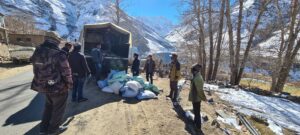
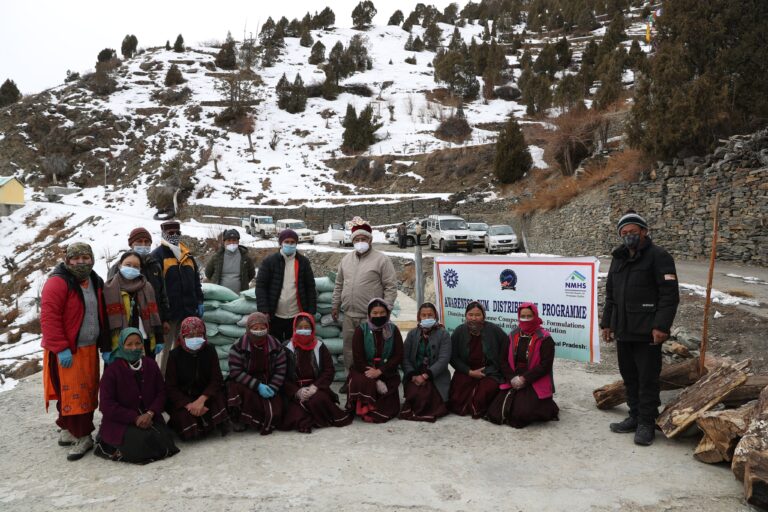
Distribution of Compost Booster in Lahaul

Microbial intervention in Himalayan Dry Toilets

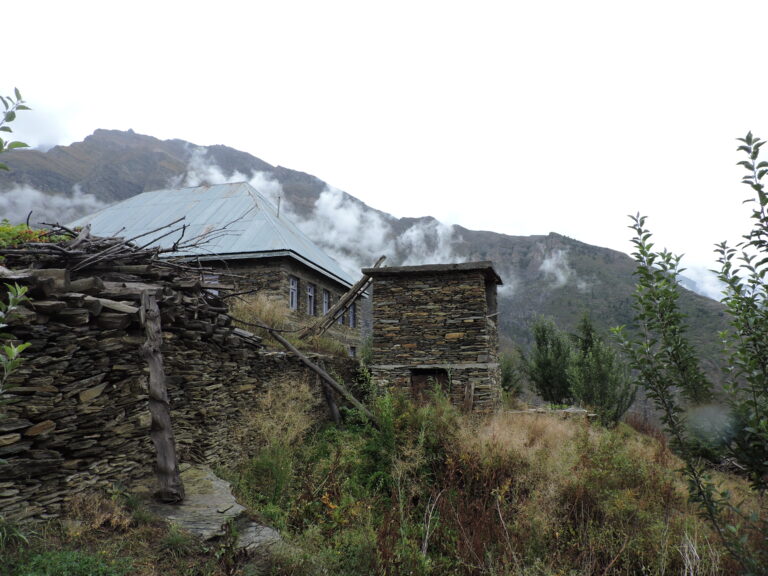
As we meandered through the narrow streets of Ribling, Tandi, Sumnam and Ghoshal villages in Himachal Pradesh’s Lahaul district, we saw the indelible change of modernisation that had reached even the remotest corners of India. The cemented pavement had replaced the old mountain roads and the concrete houses were replacing the traditional wood and mud houses. In this new emerging transformation, small two-storey mud-houses outside people’s houses stood as a mysterious testament to the old ways.

In 2017, we stayed at the Center for High Altitude Biology (CeHAB)’s research centre at Ribling in Lahaul and it was during those field expeditions to the cold deserts in the Western Himalayas that I first came across the concept of ‘dry toilets’.  Just as we were getting increasingly inquisitive about these small mud structures, we ran into Mr. Jagdeep Katoch, one of the residents and a former school principal in the village. He patiently explained to us that these structures are called ‘ghop’ – traditional dry toilets used  by communities in the cold arid zones like Lahaul, Spiti and Ladakh  to uniquely manage human waste in the region.

Traditional Ghop in Lahaul

These two-tiered structures have an upper section, which is attached to the living room of the house; and the lower section where night soils are collected. After every use, a dry mixture of wood chips and ash locally called ‘fot’ is used to cover the faeces. The heap of the night soil is manually taken out every 6 months and left in the fields to mature. Thus, the compost is rich in nutrients and is a very useful input for agriculture in the region.

These regions also receive very less precipitation throughout the year making water availability extremely difficult and that’s why it was intriguing to observe how people in these remote villages sustainably manage human-waste that’s beneficial for their agro-ecosystem. In the Himalayan cold desert, these dry toilets (ghop) help conserve water during freezing winter and sustain organic farming with manure supply. When winter sets in, people increasingly depend on dry toilets, and later in the year, this decomposed night soil is used as manure for farms.

For generations, locals have relied on naturally-occurring bacteria to degrade the wastes. However, the practice comes with several disadvantages as due to extreme cold weather conditions, there are very few microbes that can function at such low temperatures.  As a result, the quality of the compost is not as good as one would expect.

Additionally, the influx of tourism and introduction of modern septic systems has brought change in the regional sanitation practices with more people resorting to pour-flush toilets. This has not only brought tremendous change in age-old practice of using dry toilets, night soil composting, but has also put the availability of water under severe stress in already resource strained places. Dr. Sanjay Kumar,  (Director, CSIR-IHBT, Palampur ) Chief Scientist and an ardent advocate of bio resource has always inspired us to ground our work, research around social issues and due to his guidance and support , we found the best opportunity to address the issue of solid waste management in high Himalayan regions by scientifically intervening and facilitating faster degradation of the night soil through Compost Booster- a microbial formulation for rapid degradation of night soil to manage human waste in cold desert areas.

Distribution of Compost Booster in Lahaul

The decomposition of any organic biomass is dependent on its microbial population.In Lahaul-Spiti, due to prolonged winters with sub-zero temperatures the decomposition of night soil is often slow as the first phase of composting- the mesophilic bacteria phase- crucial for decaying the organic material are inactive in this temperature range. At CSIR-IHBT, Palampur, our team at High Altitude Microbiology lab, Department of Biotechnology, formulated an indigenous bacterial consortium from the night soil compost’s different maturity phases. These cold- tolerant bacterial populations remain active even at such low temperatures up to four degree Celsius and produce enzymes that speed up the process of biomass degradation. The bacteria used for this purpose also have plant growth promoting attributes so that the end product is enriched compost high in nutrients and possess plant growth promoting bacteria.The financial aid from National Mission on Himalayan Studies (NMHS) by the Ministry of Environment, Forest & Climate Change (MoEF&CC) were crucial to enable key research on ground.

The sample of compost boosters were distributed among a few households in Lahaul for trial in 2018. We asked the villagers to use a handful of the sample in place of fot and the feedback was quite motivating. They observed that the mixture helped degrade the night soil better and reduces the odour as well. Mr. Devi Singh of Mooling village keenly shares that  earlier he used to collect 20 “Kiltas” (baskets)  to collect the degraded night soil compost but after the using the Compost Booster, the biomass was degraded so well that he collected only 10 Kiltas which is of much better compost quality and there’s reduction in foul smell too.

With increased demand and product popularity, we conducted awareness drives, interaction sessions and training programmes across five gram-panchayats  in Lahaul and Compost boosters were distributed to approximately 160 households in December 2020 and January 2021. In future, we endeavour to reach out to communities across the high himalayan landscape including Spiti and Ladakh for similar intervention.

Contact for queries:
Rakshak Kumar
Scientist & Asst. Professor (AcSIR),
High Altitude Microbiology Laboratory (HAM-LAB), Department of Biotechnology, CSIR-Institute of Himalayan Bioresource Technology, Palampur-176061 (HP)
Tel: +91 1894 233339, ext. 441
Mobile: +91 98829 86355
E mail: rakshak@ihbt.res.in/ rakshakacharya@gmail.com 

2560 1153 Dr. Rakshak Kumar
Blending Traditional Values with Contemporary Design
Traditional mud houses in Hangrang valley, Kinnaur  | Photo: Chemi Lhamo

Blending Traditional Values with Contemporary Design

Houses are intrinsically tied to the cultural landscape of the region and in the olden times in Kinnaur, great value is placed on the following traditional uniformity in house designs. A stark resemblance between houses built in the valley and the overall architectural homogeneity creates a strong sense of belonging among community members. Kinnaur district in Himachal is known for its woodworking heritage and detailed ornamentation of traditional homes. Usage of Himalayan cedar tree is popular for building homes due to its termite resistant properties and it’s ability to accept meticulous carvings on the surface but very few of these structures exist today. In the lower Kinnaur villages like Kalpa, Sanghla, Pooh, and Baba Nagar, the Kath-Kuni technique that uses a combination of wood and stone is traditionally practiced while in the upper Kinnaur side covering Hangrang valley, building with mud – adobe, and rammed earth is more prominent.

Construction Phase | Photo: Gopal Negi

Many changes are taking place in Kinnaur and growing access to the market, connectivity is certainly impacting how we build houses these days and RCC-based buildings are becoming more wide-spread. When I decided to build my house in Hango a few years back, I was very conscious of building it in a way that amalgamates traditional wisdom, and vernacular designing techniques with a modern sensibility. The traditional construction methods are easy, economical, ecologically sensitive, provides cultural utility and thermal functionality and I was determined to preserve that essence. Any changes in these designs should aim for aesthetic needs, comfort, and suitability to modern-day needs at the lowest possible ecological cost.

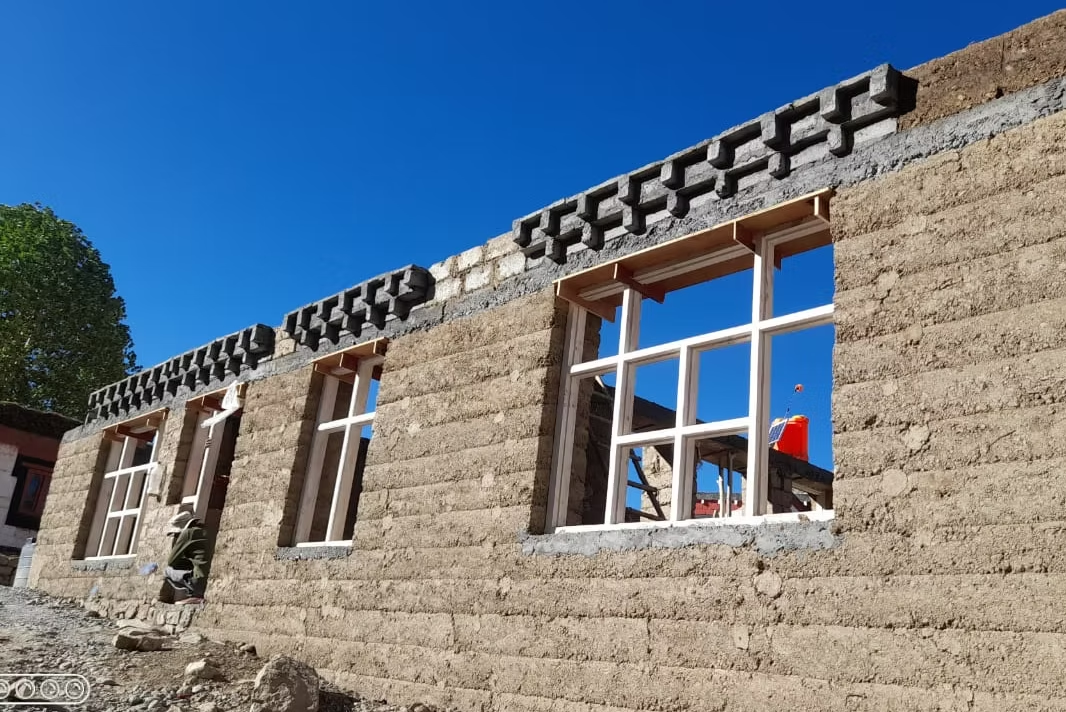
The primary material used for the construction was stone, adobe bricks, and wood, and special focus was placed on the building structure given the hilly terrain of the village to ensure it takes into consideration the geographical peculiarities and is climate-responsive. Building with adobe is an ancient, low-cost technique that mixes clay, and sand with organic materials like husk, and sawdust. Adobe bricks are mud bricks that are sun-dried and take about a month to dry and are more durable than kiln-fired mud bricks. The advantages of these bricks are that they are fireproof, biodegradable, and also are great at insulation, which is an important factor when building in a place like Hango. These bricks are allowed to shrink beforehand which also ensures a strong structure. Building with adobe is easier and faster than the rammed earth technique, once sufficient stock of adobe bricks is made, wall construction progresses quickly.

Gopal ji's mud house | Photo: Deepshikha Sharma

Stone layering is done for the foundation as it is moisture-resistant and helps preserve the structure from deteriorating over time. Adobe walls are load-bearing and thick hence there was no need for load-bearing beams. For the flooring, pine woods were brought from Solan and Chandigarh as the availability of local woods has shrunk and pine was a more cost-friendly option as compared to deodar. I was determined to ensure maximum usage of natural materials and hence the use of cement, iron, plywood, or other popular industrial materials was avoided. The house is built in the traditional Kinnauri style with multiple spaces to store fodder and firewood. Big, well-framed windows are installed to allow maximum sunlight, and double doors to retain the heat inside. The kitchen and living room are on the ground floor and are structurally joined like the traditional mud houses in Kinnaur.

Co-designing spaces like this is a popular practice in most high Himalayan villages as it is warmer and I have given a slight tweak to the traditional heating system to make it aesthetically pleasing and more energy efficient. Hand-built mud fireplace with mud chimneys was made to suit the structure of the house and the walls draw heat from the mud-burning structure. The overall living room layout is in such a way that the family can have the space for cooking as well as a common space to sit, and have conversations and everyone can comfortably utilize the space. Unlike the traditional mud house designs in Kinnaur, the roof has a slanted design with stone slate layering which eases the burden of shoveling snow from the roof during winter as the slanting helps glide snow. A smaller structure of a dry toilet is also made outside the house which doesn’t require water.

It took about one and a half years to complete the double-story mud building and once it was completed, I was happy to receive many inquiries regarding the earthen building – the process, techniques, materials, and many other aspects that garnered curiosity from both locals and outsiders alike. I wanted to demonstrate that durable, aesthetic, eco-friendly houses can be built from natural materials and create a dialogue around a sustainable buildings practices. With every keen look and every curious engagement, I feel I am one step closer to my goal.

4080 3060 Gopal Negi