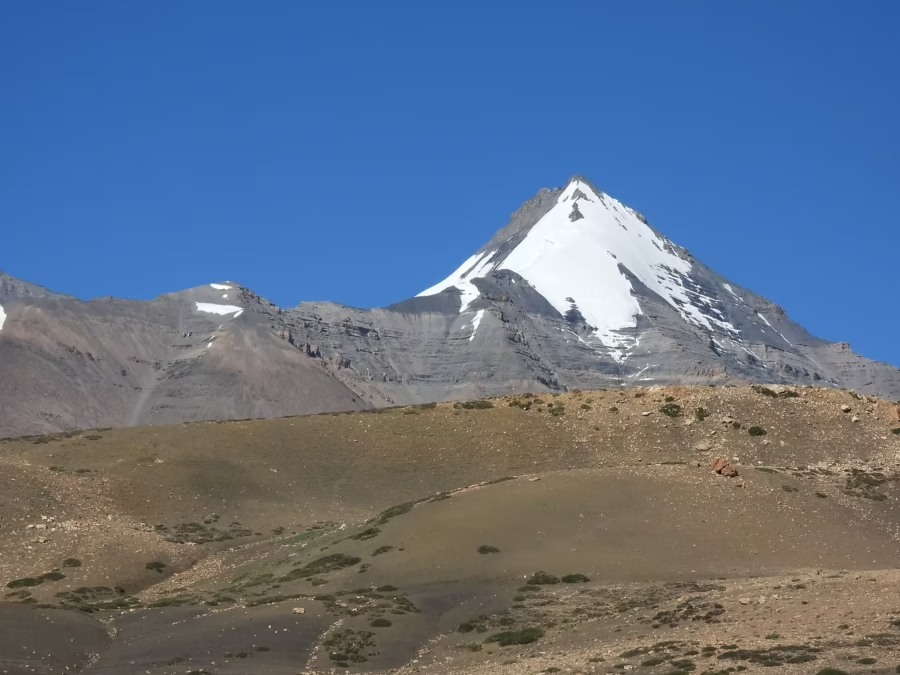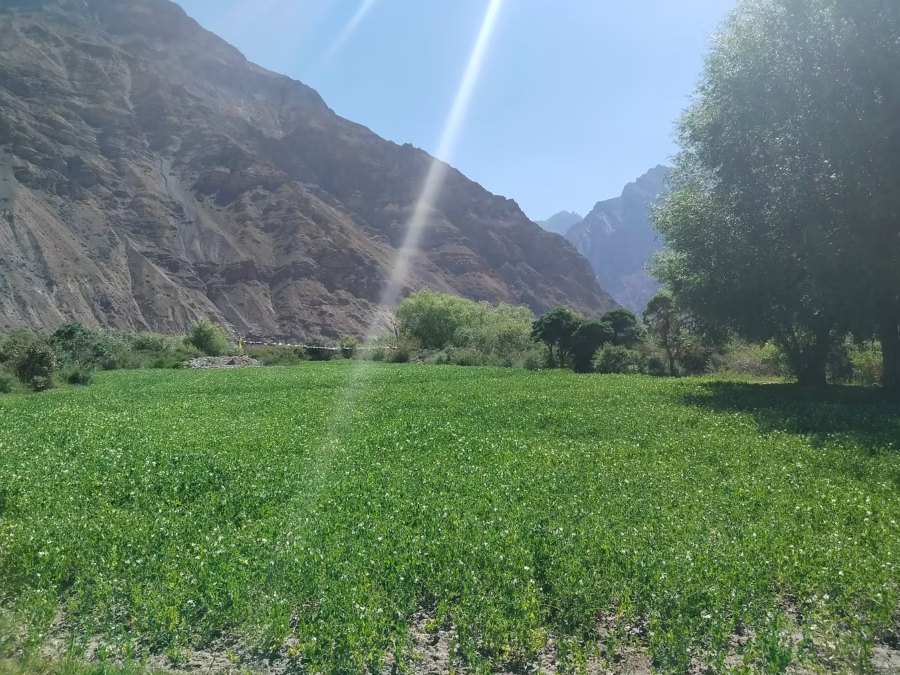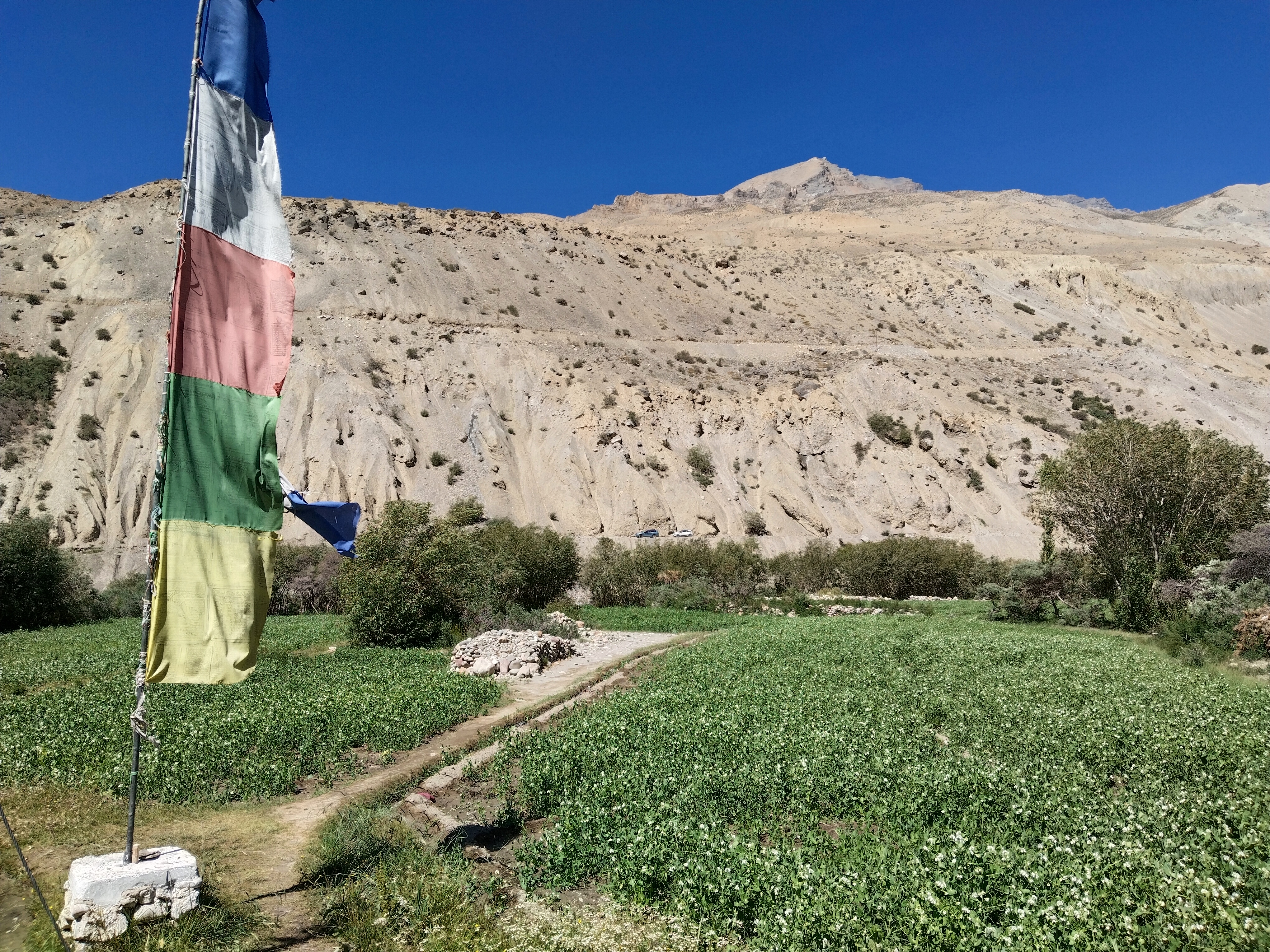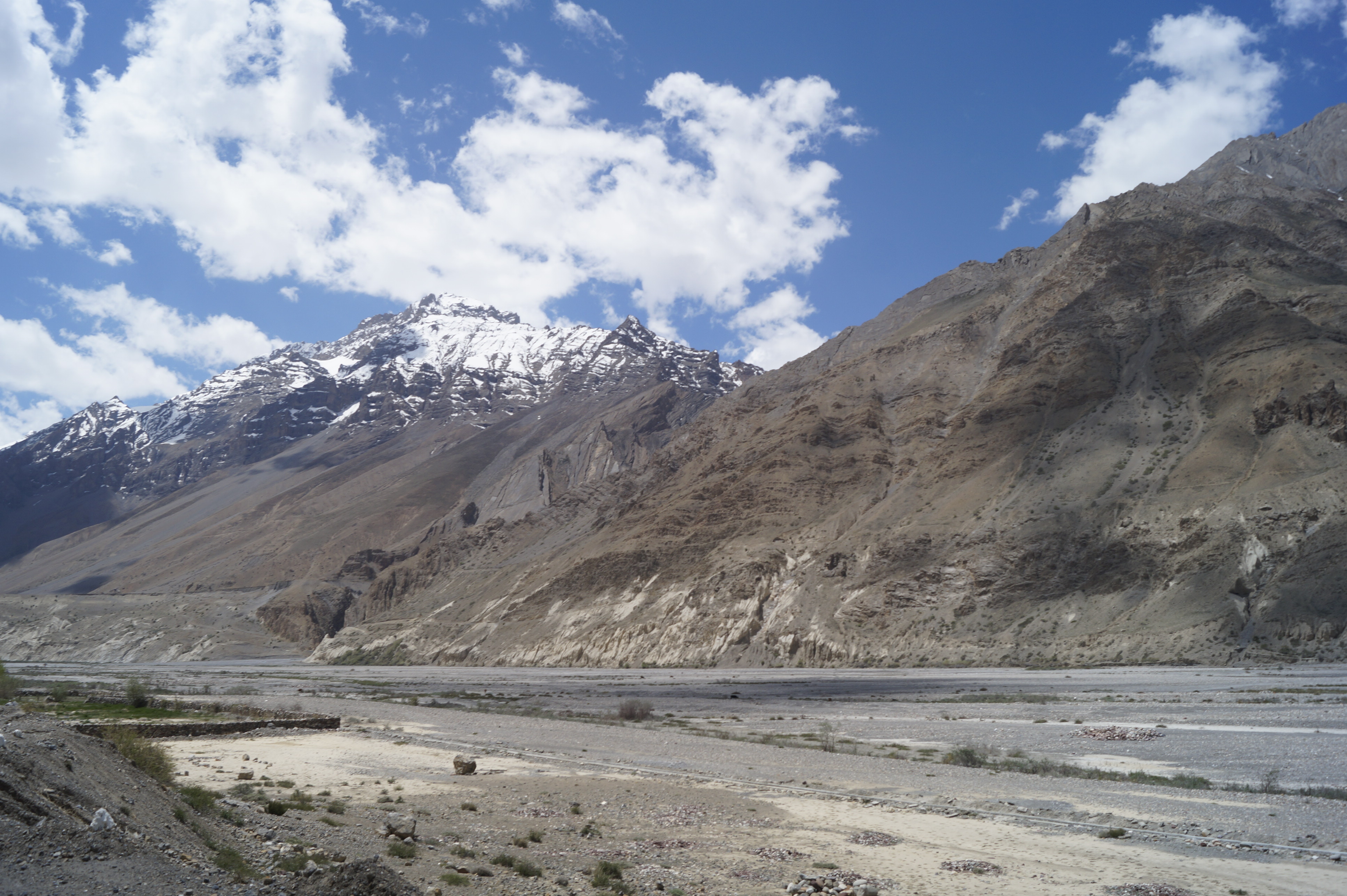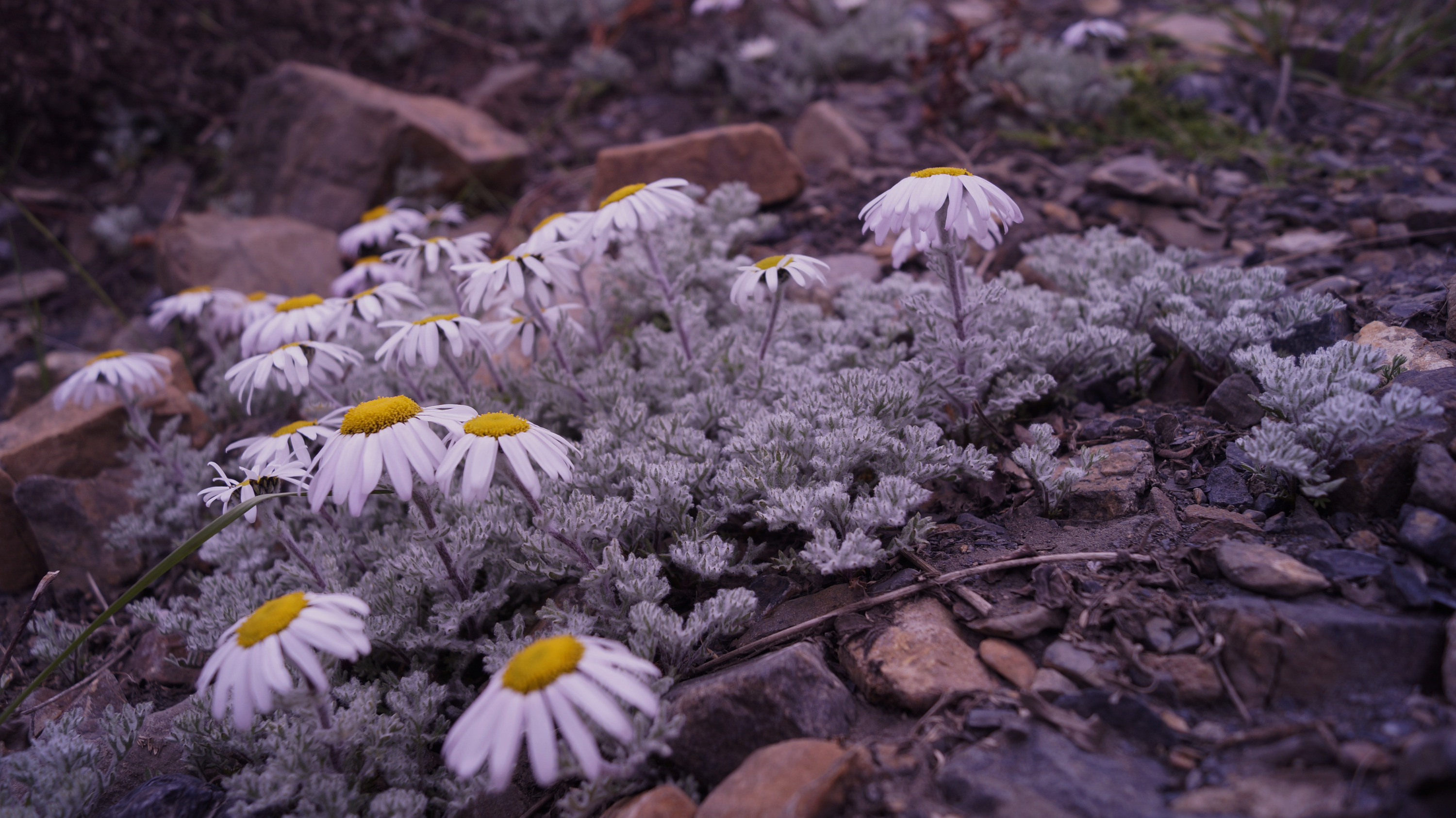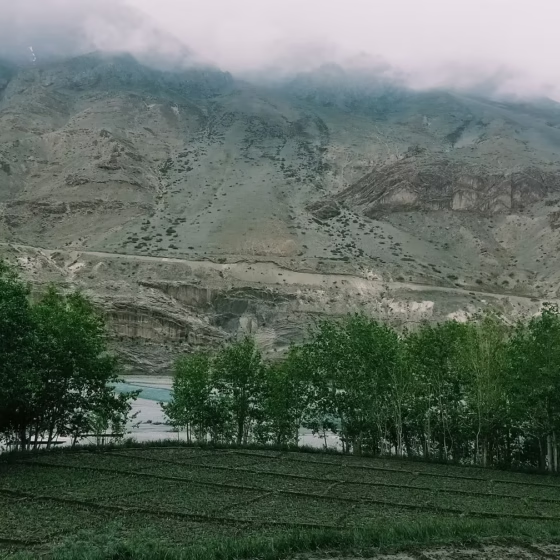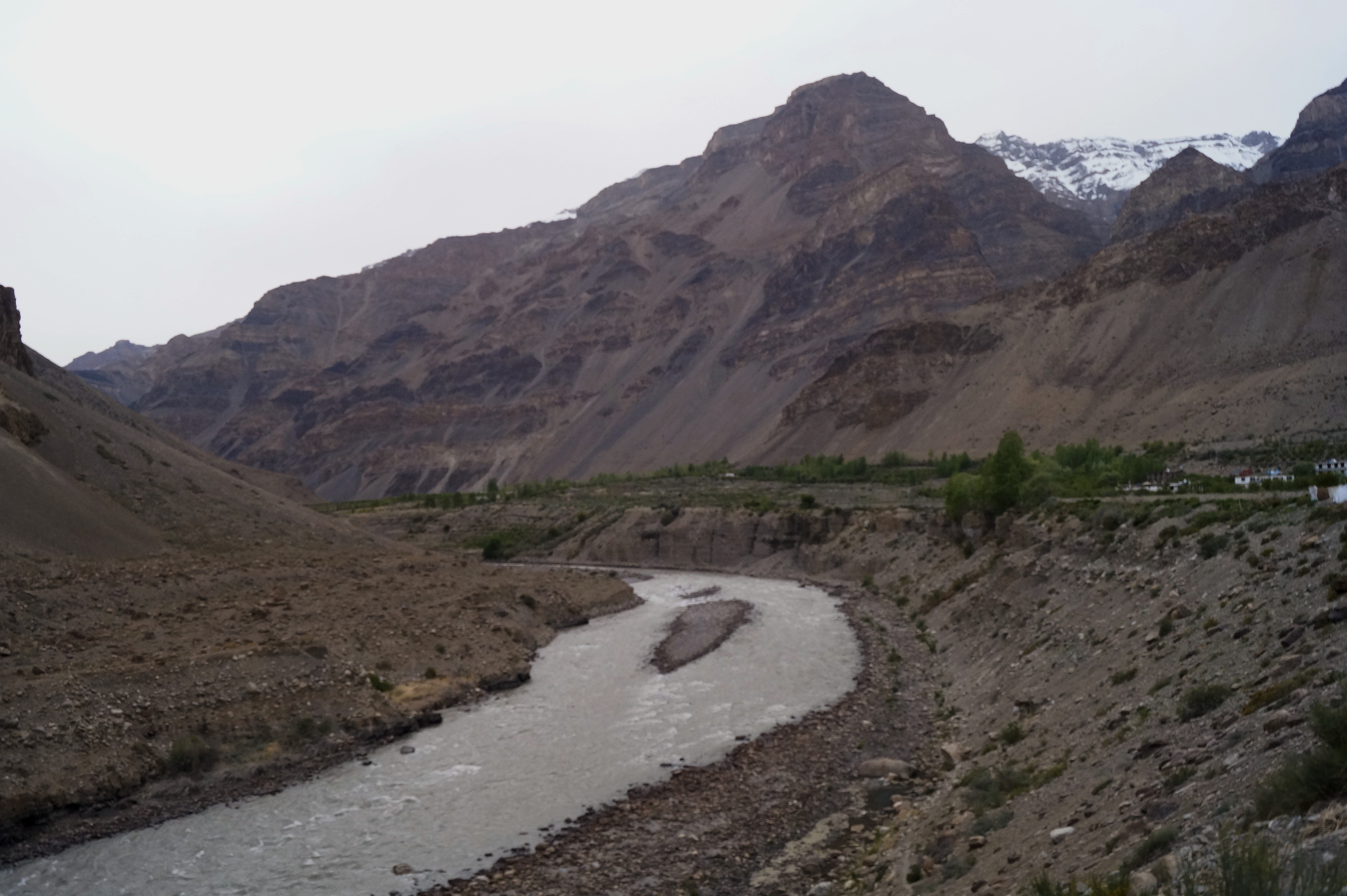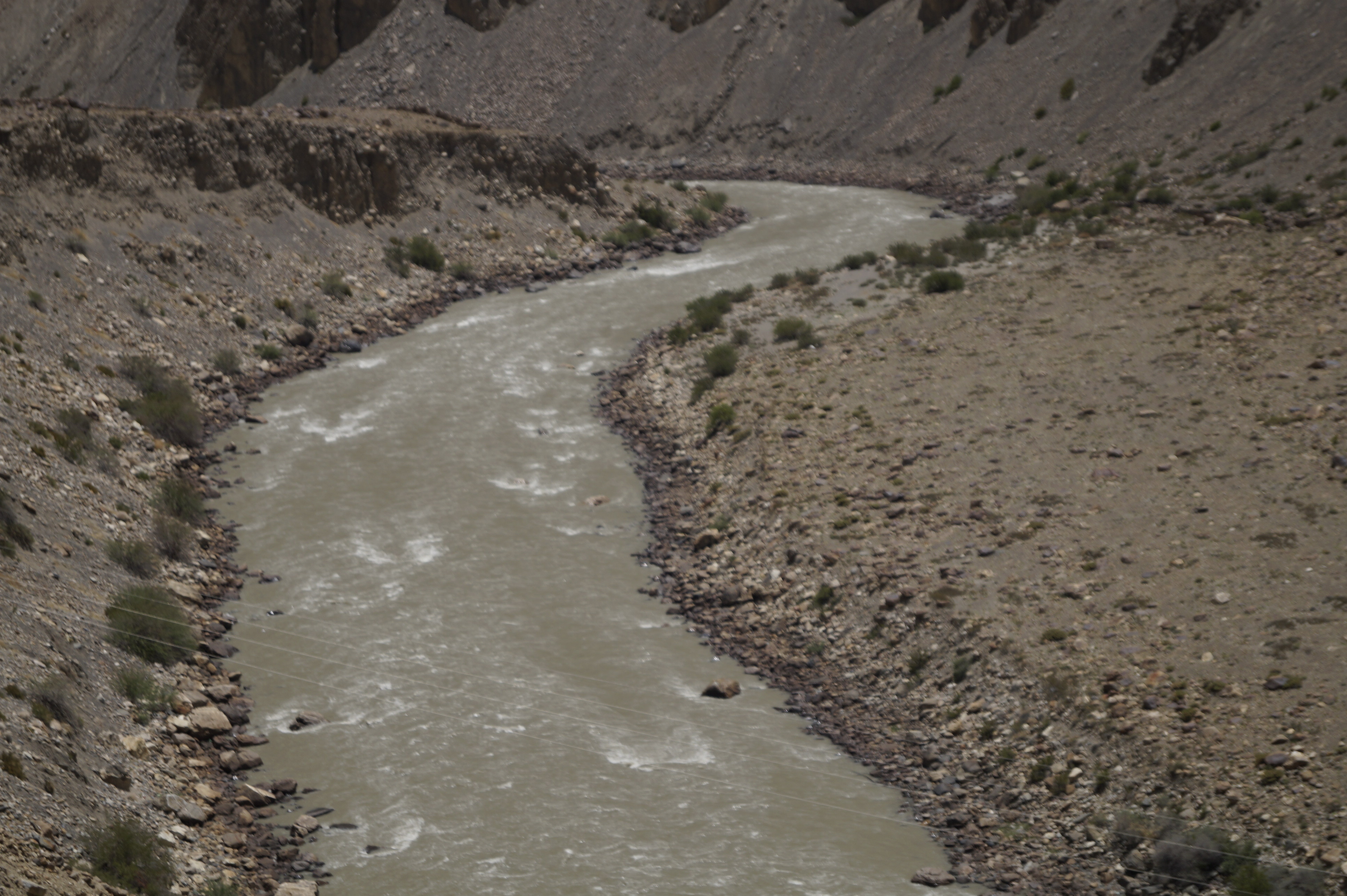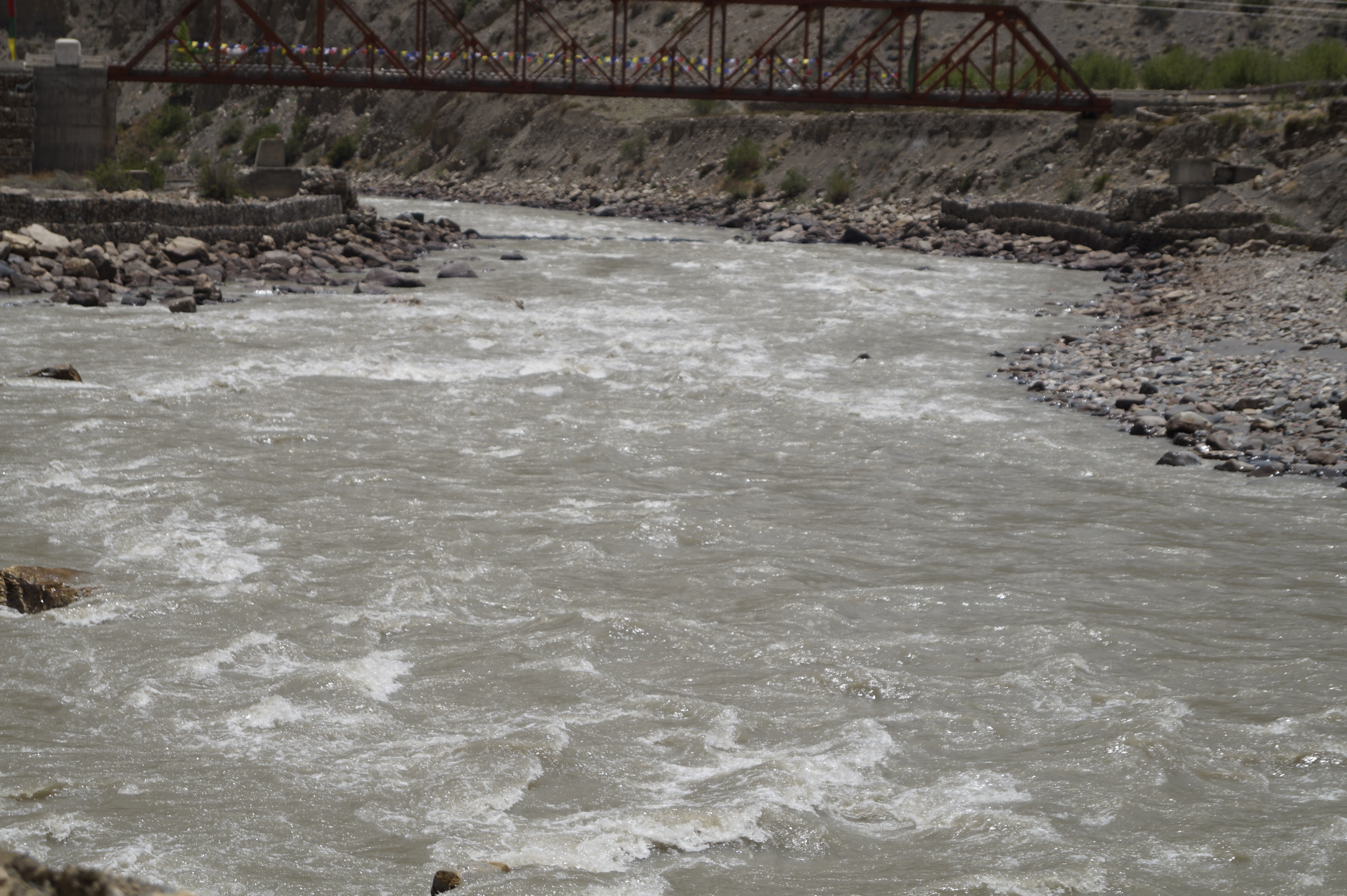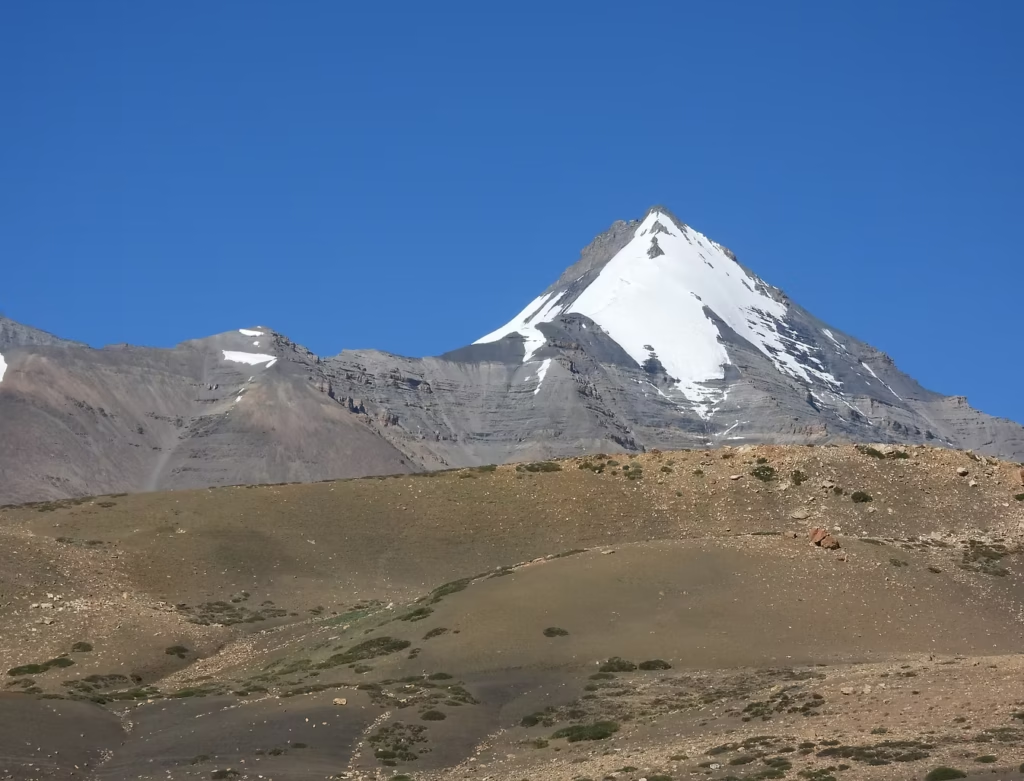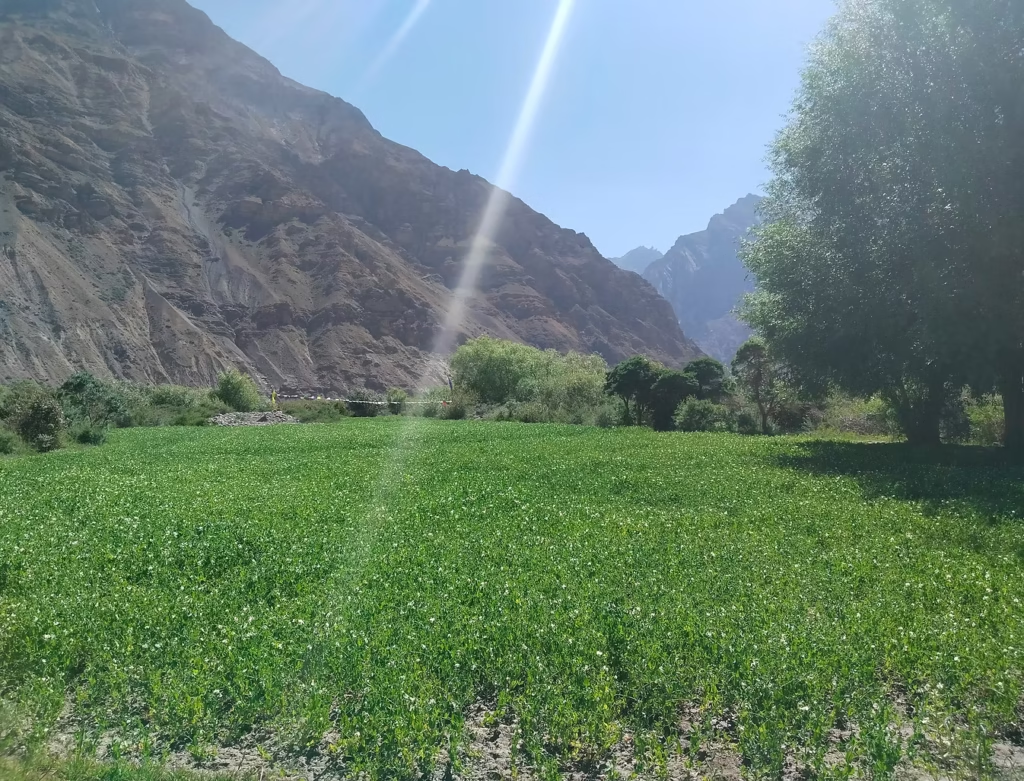
Mountains

Lingering memories of my grandmother
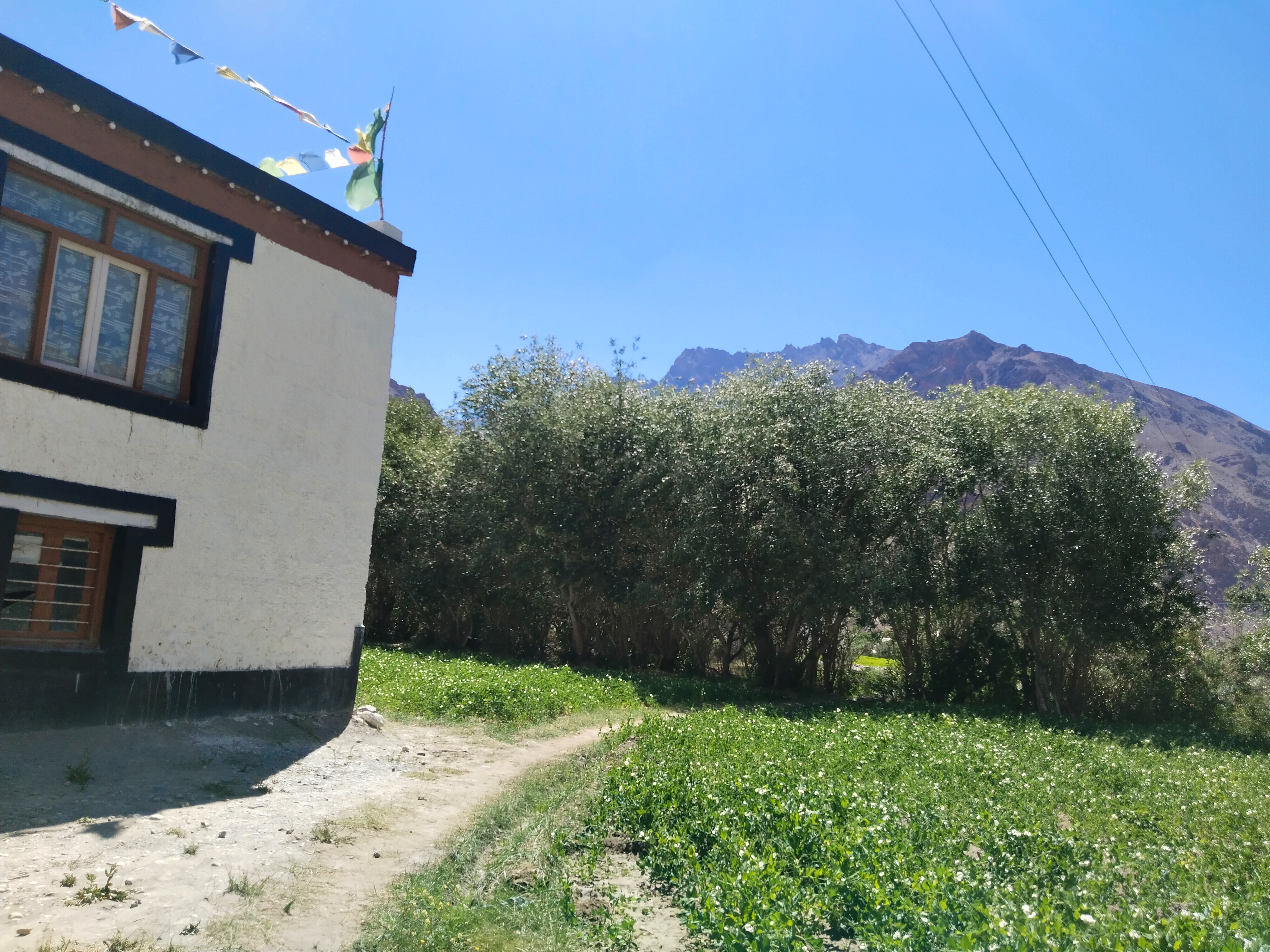
Ancestral house where Evi lived | Photo: Chemi Lhamo

Lingering memories of my grandmother

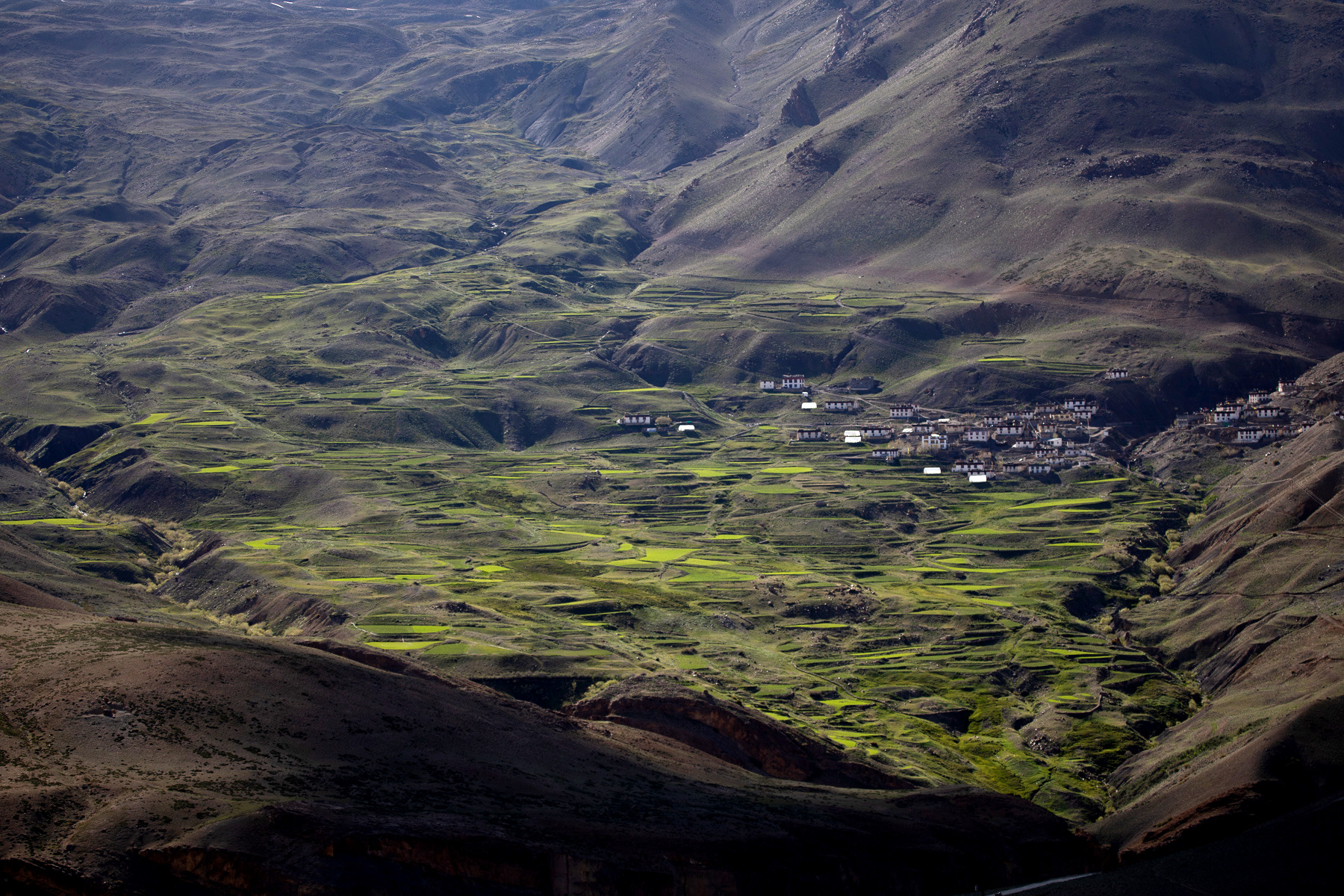
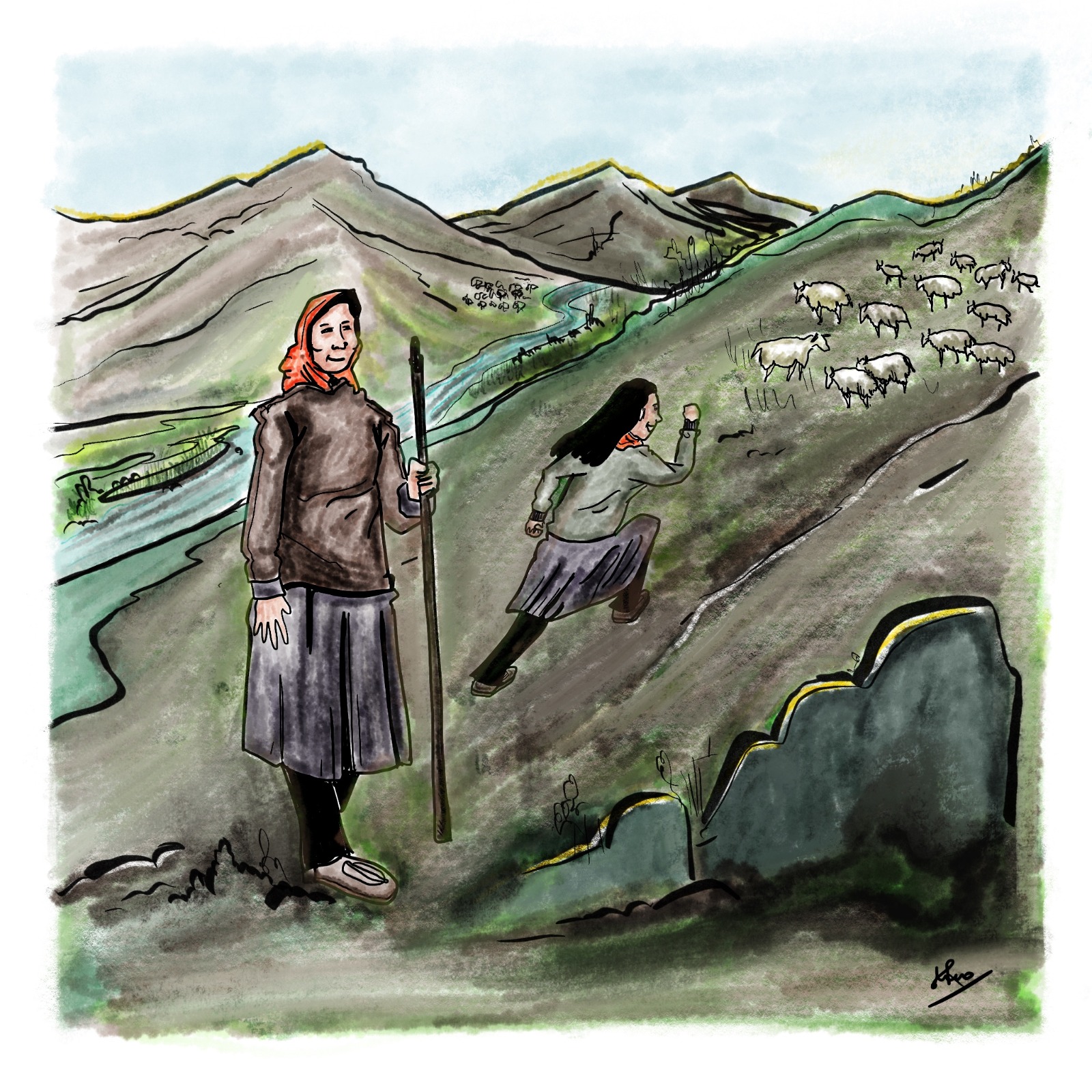
When I was young, I remember my Evi used to take me to yul-sa (Buddhist shrine for village deity) every day in the morning to offer prayers. She would ask me to light butter lamps while she circumambulates around the altar before joining me in prayers. I used to fervently pray for stable electricity at home so that I could watch television the whole day. As an eight year old, I used to be so curious what she prayed and insisted on getting to know. She would shirk me off for some time before succumbing to my pleas and tell me that she prayed for good winter snowfall so that we would have abundant water for our fields and for our animals during summer. She would continue sternly “One should always pray for all sentient beings and your personal wishes will be granted naturally. One should pray for peace, prosperity and abundant snowfall”.

Evi was from Tashi-gang, a quaint village in Spiti with abundant green pastures and less than 6 households. She was quite young when she got married and came to live in Kowang and like any other Spitian women of her generation, Evi had been nurturer all her life; she tended to our fields, the livestock and was sole custodian of our ancestral home where she lived independently until she was too old to live on her own.

Aapa used to tell me that Evi was deeply attached to her land “there was no difference between us, our shinga (fields) and our dzomos (female hybrid yak). She would tend to us all no differently”. She started working in the fields when she was fifteen and did that for another fifty years. She tilled all our fields, reared livestock and would traverse high mountains in our village to collect dungs and dry twigs for winters. When she got old and frail, she stayed with us briefly and would often tell me stories of her younger days. She’s filled with memories of my father’s, my uncle’s childhood and would often reminisce about the large herd of animals she raised with equal fondness; memories of dead cattle, sick goats she nursed, new-born calf she cared for and about our dZo (hybrid yak) which went missing mysteriously few years back. She took pride in the health of our land, our village chu-mig (spring water) and our cattle in the same vein she identifies as being a woman of Khangchen (Zamindar family) household whose life was devoted to agro-pastoral responsibilities. She was so closely engaged with the materiality of the agrarian landscape that it became a deeply embodying experience and a crucial part of her identity.
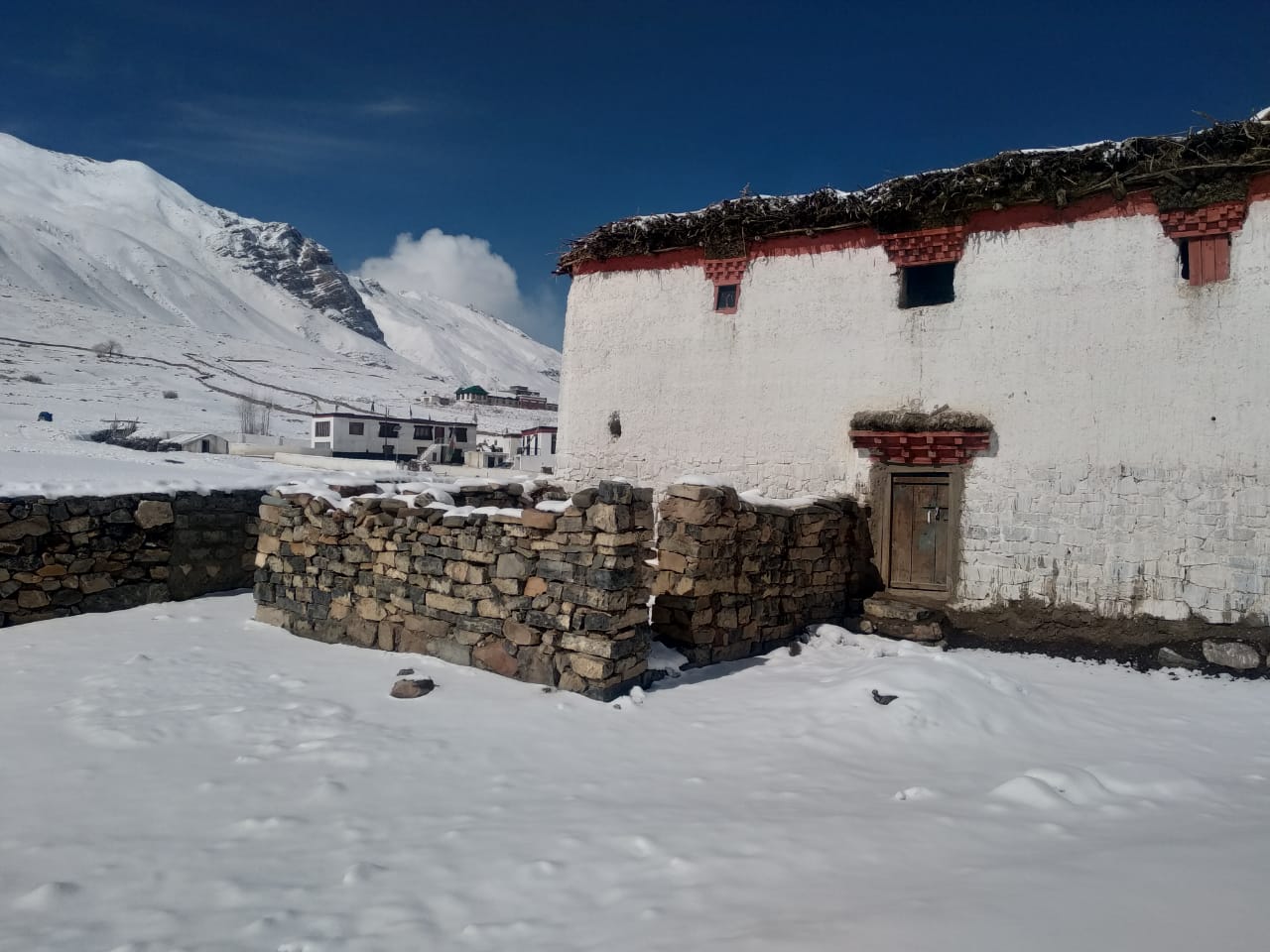
Ancestral house where Evi lived | Photo: Chemi Lhamo

Just like Tashi-gang, Kowang also is a small rural hamlet with just four or five households. Evi made the mountains, the fields, riverbanks and the vast expanse of barren lands an extension of her home. I was often told that she was very fierce and rigorous –someone who toiled hard in her fields and commanded authority. In Spiti, farming and related activities are considered communal affairs. Everyone partakes in the age-old traditional system “Bhey” where there is reciprocal exchange of work which denotes inter-household collectivism. This is further reinforced by Buddhist teachings intricately tying ecological ethics with religious beliefs laying emphasis on the virtue of cooperation and mutual support for each other in a community. Reality however, is more complex – village dynamics play a huge role in shaping agrarian responsibilities. Land ownership, access to resources and decision making is influenced by the undercurrents of unequal power dynamics within different members of a community.

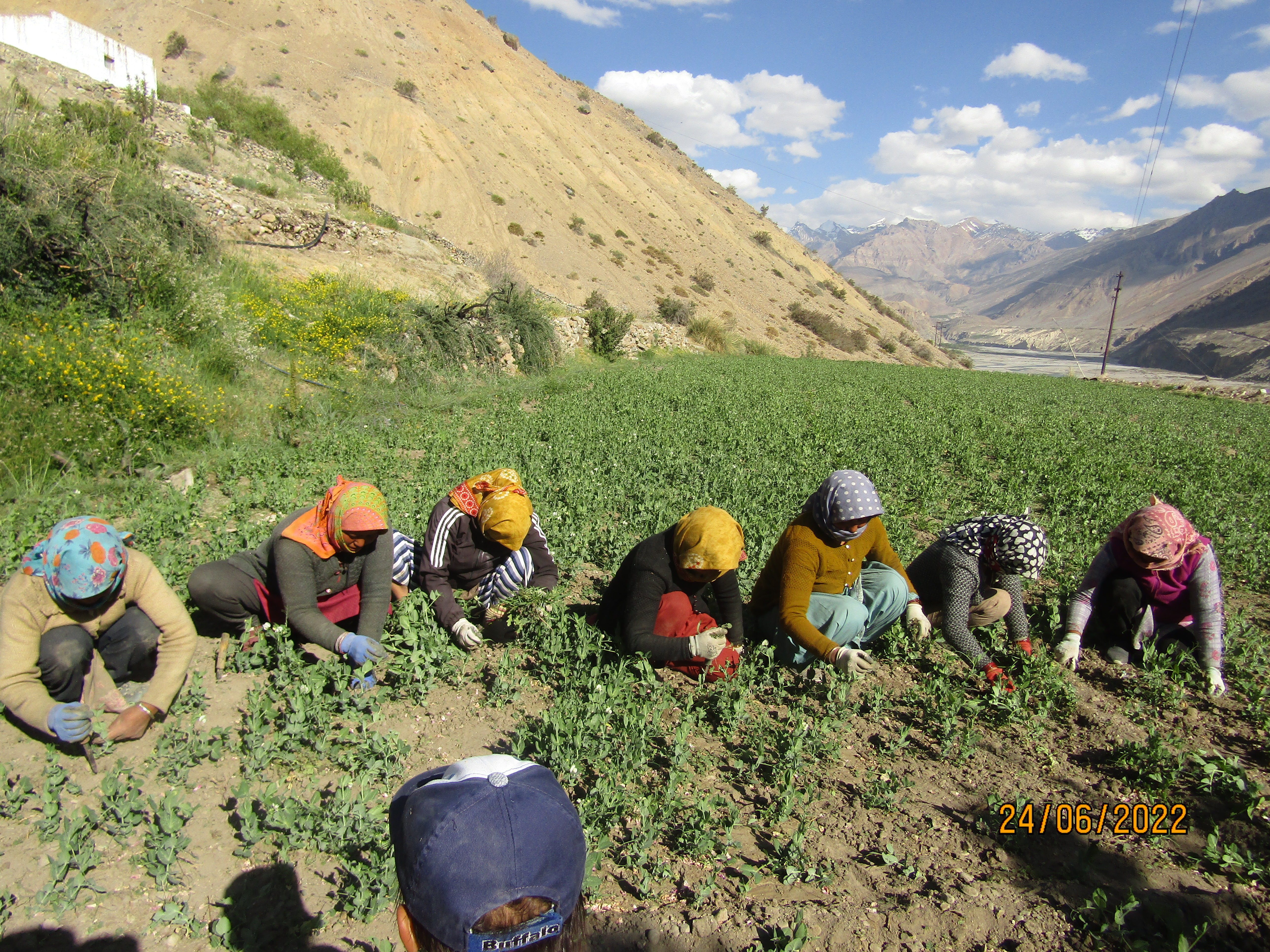
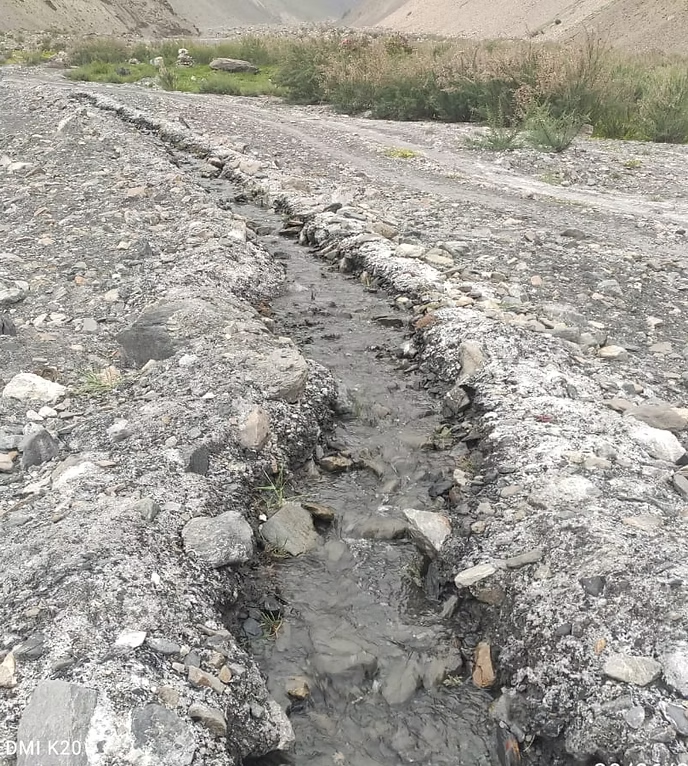
Although men and women both work in fields, there is an apparent work division; Spitian men engage in more cohesive and heavy loaded works like ploughing, harvesting and grazing while women work on array of scattered works (thereby more invisible) like weeding, levelling fields, drawing water channels, irrigation, winnowing, preparatory works of grinding grains and taking out manure from dry toilets. All these supposedly menial works are equally important, time consuming and render solidity to agro-pastoral labour hence are often overlooked. The division of agriculture labour and resource allocation is a reflection of larger social stratification where men of Khangchen household enjoy greatest prestige. “Ane gyi leya la siruk mekak” (there’s no value in women’s work or women’s work is uncounted) is a popular expression and is often said grudgingly to show one’s discontentment.
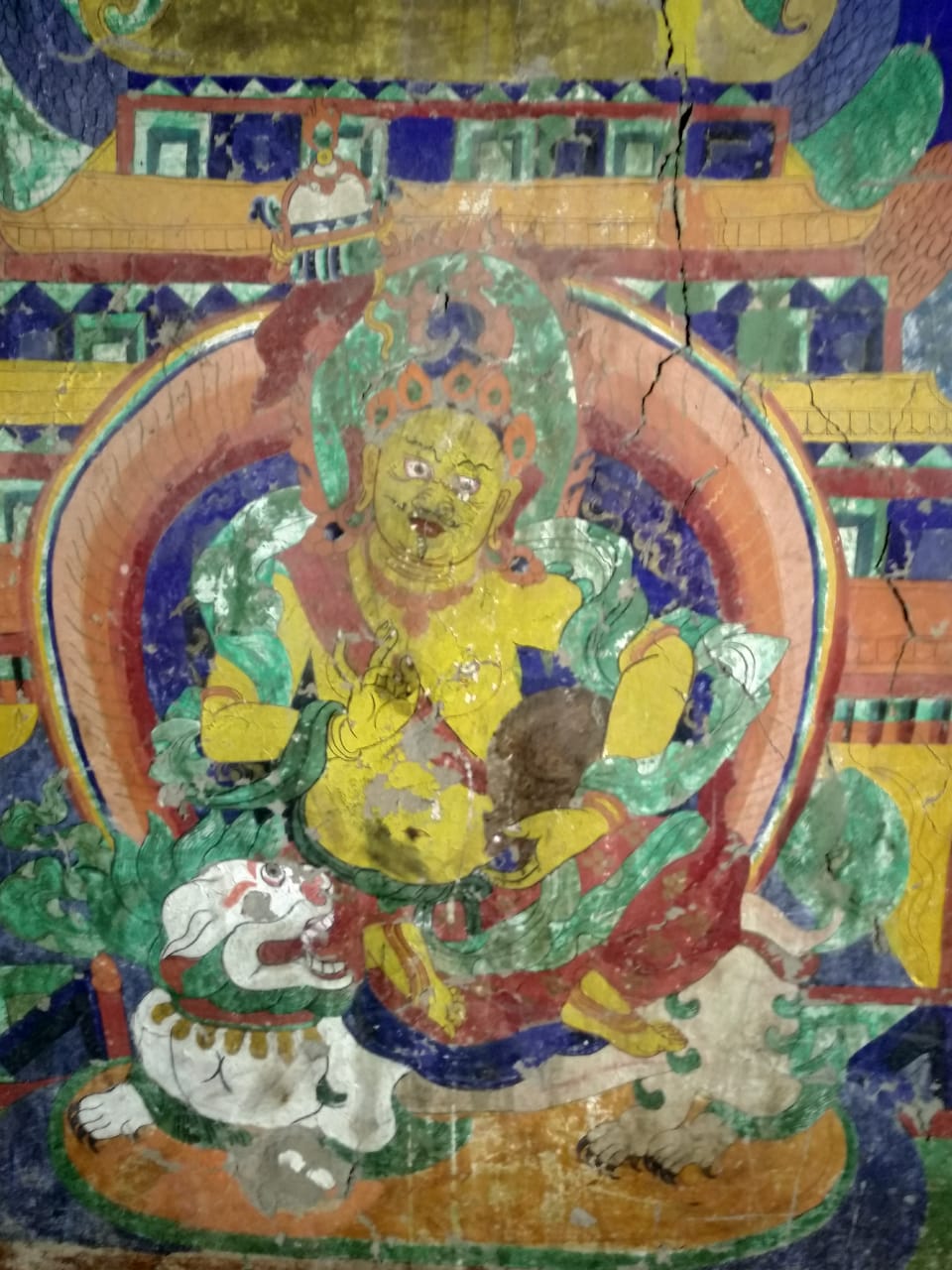
Buddhist religious murals inside village shrine: Kowang, Spiti | Photo: Chemi Lhamo

I remember chuckling amusingly at a funny anecdote Evi shared, “Me-me (grandfather) used to be so laid-back. It doesn’t matter whether our luk-chung (lamb) strayed off from the herd or whether our village Zing (water reservoir fed from glacial melt water) is leaking. He has no care in the world. His seeding work is so disorganized that it looks as if he did that in drunken stupor of Aarak.” To balance the narrative she would continue, “What would he know of any farm works; he was a tsongpa (trader) and was always away. I used to do all the field work even the ones like ploughing with Yak and dZo”.

Our ancestors were so well attuned to the natural world they lived in that they bore the harshness of living in a high altitude landscape like Spiti with remarkable resilience and self-sufficiency. Their wisdom was so innate and grounded in the material reality of their everyday life. They were deeply engaged with the physicality of the farm-works that they knew how to harness the health of the whole ecosystem, yet they barely saw their contributions as worthwhile.

Living in remote, resource scarce places like Spiti, the value of rejuvenation is central to their environmental ethics. They might not quite articulate it that way but they embody it and live the experience which is also reflective in their ascetic lifestyle and in their belief of complex connection of living, non-living, material, immaterial, physical, non-physical entities to boost the overall health of an ecosystem. While laying dry hay for goats in Evi’s open corral, she would often lecture vehemently, “Farming is not just acquiring food from nature. It is honouring Kunchok Sum’s (three jewels of the Buddhist trinity) benevolence which looks after our soil, our streams, our pastures and overall health and happiness of our animals”.
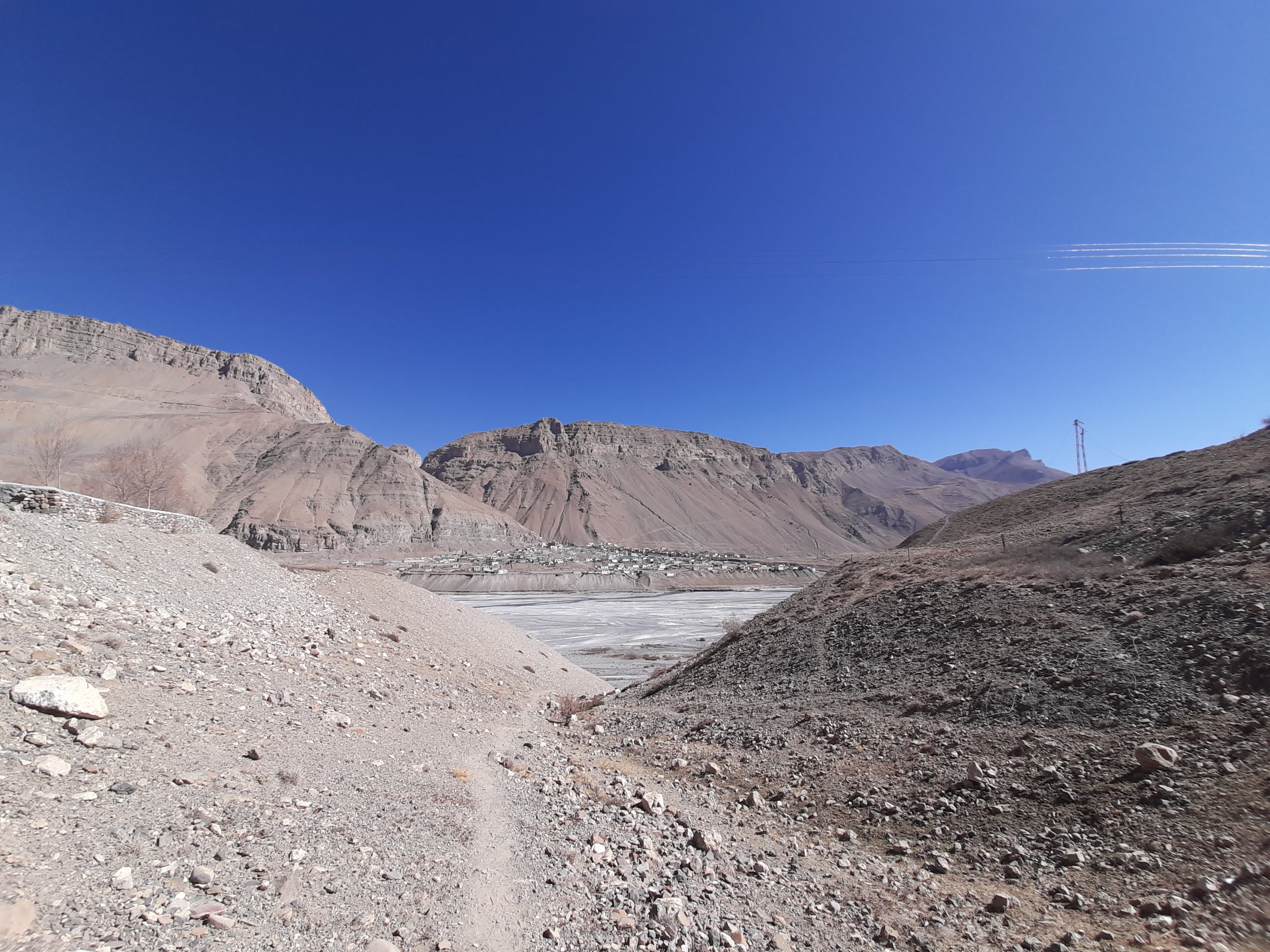
Living in mountains is not always idyllic as one would imagine. Feeling of isolation and disconnectedness is pervasive | Photo: Chemi Lhamo

As a child, she used to narrate a story about cursed “srinmos” (demoness). She would say, “behind the gigantic barren mountains of our village lies “srinmo-yul” (land of demoness) where ferocious and hungry demoness lives”. She used to caution me that if we don’t tend to our riluk-balang (livestock), our land, let the crops rot, these “srinmos” can manifest themselves in our fields and can cause destruction to our fields and our animals. I used to believe in her story and would help her in chores like milking cows and putting fodder for cattle. Looking back, I think it was her way of making me reciprocate the deep attachment she shared with our land and our livestock.

The unconventional attachment she shares with the landscape results from decades of tenacious experience of physically engaging with the land yet it is not always idyllic as one would imagine. Living amid vast barren land of our village with scarce human companions posed its own challenge. She despised living in seclusion and would often run away as a newly bride only to be coaxed back to return by family members. Rural isolation drove her to the point of desperation even to pray for “miracle disasters” which would merge Kowang with its neighbouring more populated village Kaza. At her extreme old age she was able to enjoy more familial connections when she jointly lived with my cousin’s family in Rangrik. I was always told my Evi was a brilliant cultivator and I wonder whether I will ever be able to understand the rich tapestry of the life she led with all its apparent glory and poignancy.
1280 960 Chemi Lhamo
A Quiet Desperation
Photo: Chunnit Chhering

A Quiet Desperation

Nestled at the foothills of gigantic mountains, my village Gue is located south – east of Spiti near the Indo-China border. Away from the hustle-bustle of urban plains, we have always lived a quiet life. Our lives revolve around what we primarily derive from nature. Our days are spent tending to our barley farm and grazing livestock in the high pastures of my village. Growing up, I never fathomed this could change or imagined any alternative. Whether it is our elders, women, younger children, almost everyone is tied to some form of agrarian work and everyone did their bit.
​
In the recent few years, we are gradually experiencing an insidious shift – the weakening of the agricultural foundation upon which everything else is built. Water which forms a crucial base for our sustenance is slowly becoming unreliable. Uneven rainfall, drying up of water sources and flash floods are new normal to my village. As far as climate change is concerned, it cannot be more real. Spiti is a high altitude cold desert. We experience cold weather throughout the year with a short period for agriculture. But it feels like a lot has changed since my childhood. The weather feels much warmer and our glaciers appear thinner. Gue is Spiti’s highland settlement and therefore we depend on glaciers and spring water for both domestic use and irrigation. In our village we have a total of 4 sources of water channeled to different households and each of them is facing a threat.

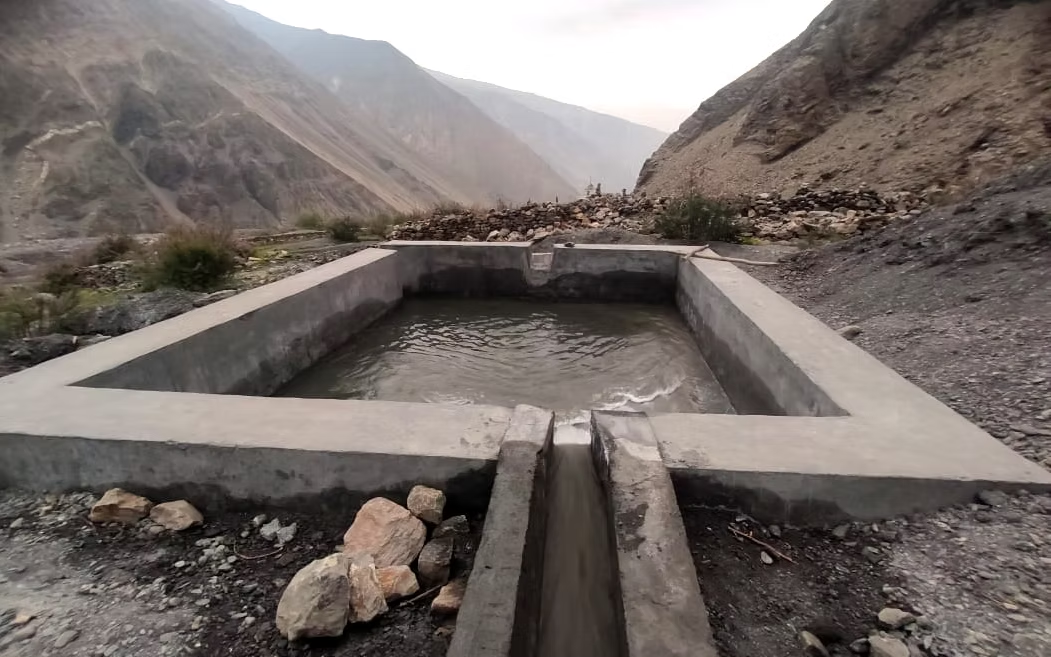
Kirki Phak: A northern side mountain range which possesses a huge reserve of scattered spring waters. All the spring water flowing in this mountain combines at the mountain foot and becomes a rivulet. This used to be the prime source of water for villagers whose fields are located in Gang (north side) but now this blessing has turned into a river of sorrow. During unseasonal rainfall, this river swells up and gives birth to flash floods. A dreadful flash flood in 2010 wrecked havoc and many farmers lost their fertile land. The debris, huge boulders, unwanted sand has made the land unfit for agriculture or anything else. What once was a vast stretch of green has turned into a flat track of barrenness. A lot changed after that, floods, soil erosion became quite normal and now it is even difficult for us to maintain a water canal as when it rains, everything gets washed away.

Photo: Chunnit Chhering

Ringi Buk: This glacial water is located behind ITBP camp (Indo Tibet Border Police). It serves as a source of water for agricultural fields located at Tho (central zone) as well as Chumik Pharma (fields located at the other side of a spring water). Untill last year, this was the most constant and reliable source of water but this year, we struggled even to irrigate our fields. There’s hardly any water flowing in our Kuls! Villagers are now forced to find measures – the only viable way to draw water is to link this source with the Kirki Phak and irrigate our fields.
​
Chhumik: This spring water is a source of water to Matka – fields located at the lower side of the village. The supply of water hardly gets disturbed but it requires extremely sensitive management to cater the needs of all farmers. This is the only source of water during winter as the other sources freezes up but this too is getting disturbed due to change in climate.
​
Phuk: This glacial source is at the Tibet border side. This is an unchanneled source but most voluminous in nature.

Photo: Chunnit Chhering

I do not know much but our lived experiences and relations with nature are changing. We revere nature for its life-giving qualities; our lands, our water, our pastures, our glaciers and other components of our surroundings are precious and there’s a deep sense to protect it, preserve it and coexist amid harsh conditions. The Buddhist values of living harmoniously in our environment with all lifeforms is what makes us unique but that deep veneration, that love is slowly getting replaced with fear. Many people are fearful of fiery elements of nature. Rainfall is very less in our region. But it has become quite frequent and untimely in the recent few years causing a lot of damage to our farm and our crops. Timely snowfall is good for us but hailstorm and torrential rainfall is causing huge devastation. It has disturbed the whole ecosystem and we always live in fear of floods and falling rocks.

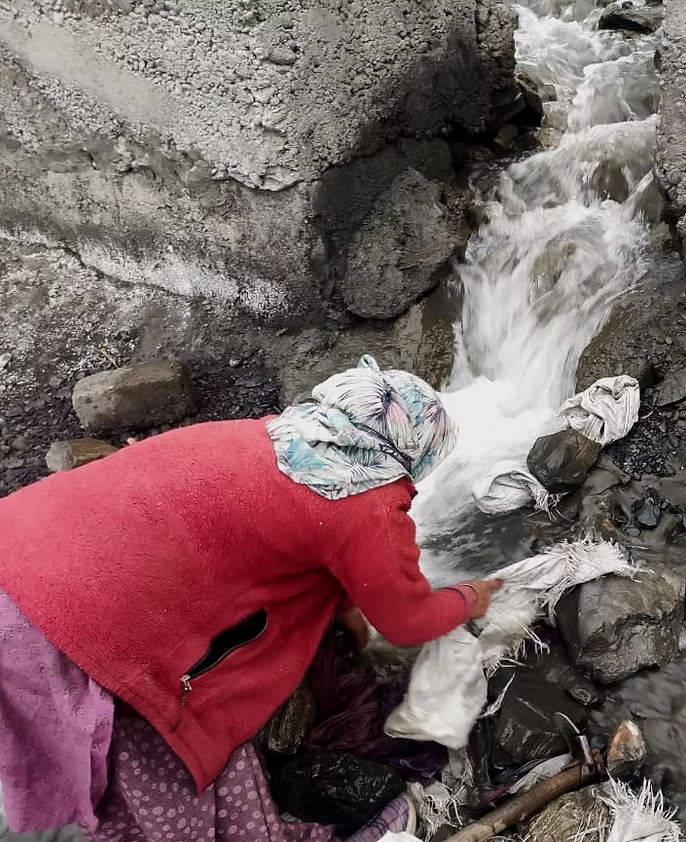
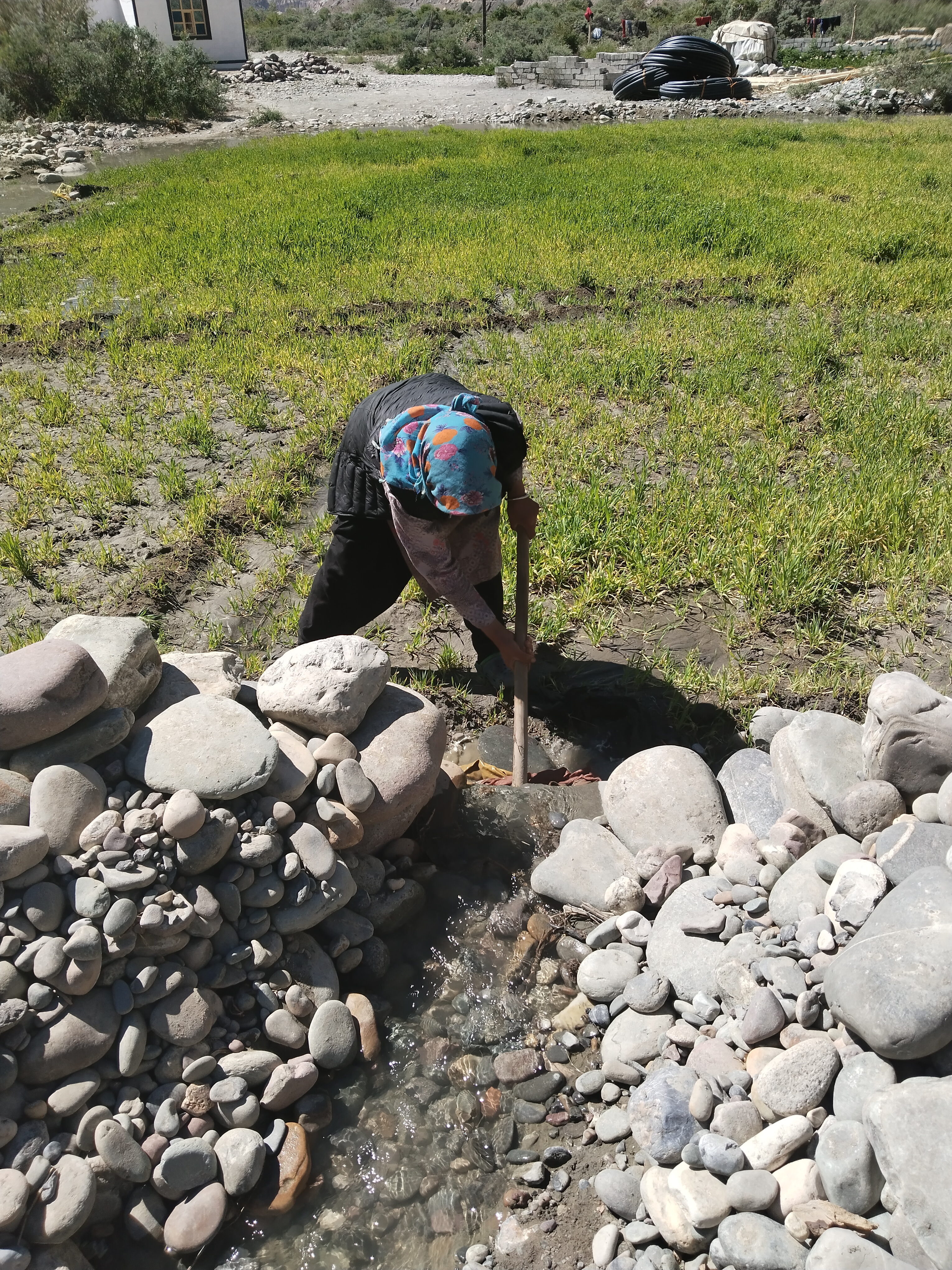
Throughout the mountain region, springs are reported to be drying and mountain agriculture is suffering from drought. The shortage of water has placed an increasing burden on mountain communities particularly villages like us where springs provide access to 90 percent of freshwater. In the whole climate change scenario, agro-pastoralists like us are the most vulnerable. Our village experiences both drought-like situations as well as the brunt of flash floods. Geographically, Gue is slowly turning into a barren land. Our village already lost half of our agricultural land and that cannot be revived. Many people lost huge bighas of land in the process, including mine. Since the flood, there has been a lot of erosion and we also face difficulty maintaining our water canals which is key to the water distribution system. The woman in the picture is my mother with whom I go upto Kirki Phak to bring down water to our fields during our Chu-rey (watering turn). It is not easy as we have to wake up at 4 am in the morning and the canal frequently loses its shape due to excessive siltation which creates hard labor for us. Maintaining water canals is a huge issue and women bear the brunt. With the help of the local Panchayat, there has been some solution to reinforce the canals but if it floods, we are back at ground zero – where we started.

Photo: Chunnit Chhering

Elders in my village believe that if there’s any magic in the world, it is contained in water. Peace, healthy social relations and communal harmony has its strong roots in water availability. The flood has a direct impact on our livelihood. The backbreaking work of agriculture is becoming more precarious and people are gradually shifting from it. Some leaving their fields uncultivated, some finding resort in tourism and odd labor works. It has also marred social prospects for many youngsters as people are reluctant to marry their daughters in our village. I feel all these are climate induced changes – uneven rainfall, retreating glaciers, drying up of water sources, water scarcity, flash floods and its devastating impact on mountain people. Tourism has escalated the situation and placed additional burden. At one point, the number of vehicles entering my village exceeded 400 on a daily basis!

Gue is a popular travel destination and is often listed among off-beat travel itineraries. Our village monastery preserving the mummified body of a great Buddhist yogi draws special attention. Travellers across the world visit the village to witness it but their relation to the place doesn’t go beyond consumerist approach. With more people getting to know about it, there’s huge love pouring to the beautiful picturesque mountains but no one is bothered how locals are eking out. No one is bothered how we are quietly bearing the enormous burden. Away from the limelight – an unspoken desperation. I feel only through collective action we can mitigate some of the climate induced devastations and I hope everyone takes care.

981 857 Chunnit Chhering
Women and water: a Photostory

Women and water: a Photostory

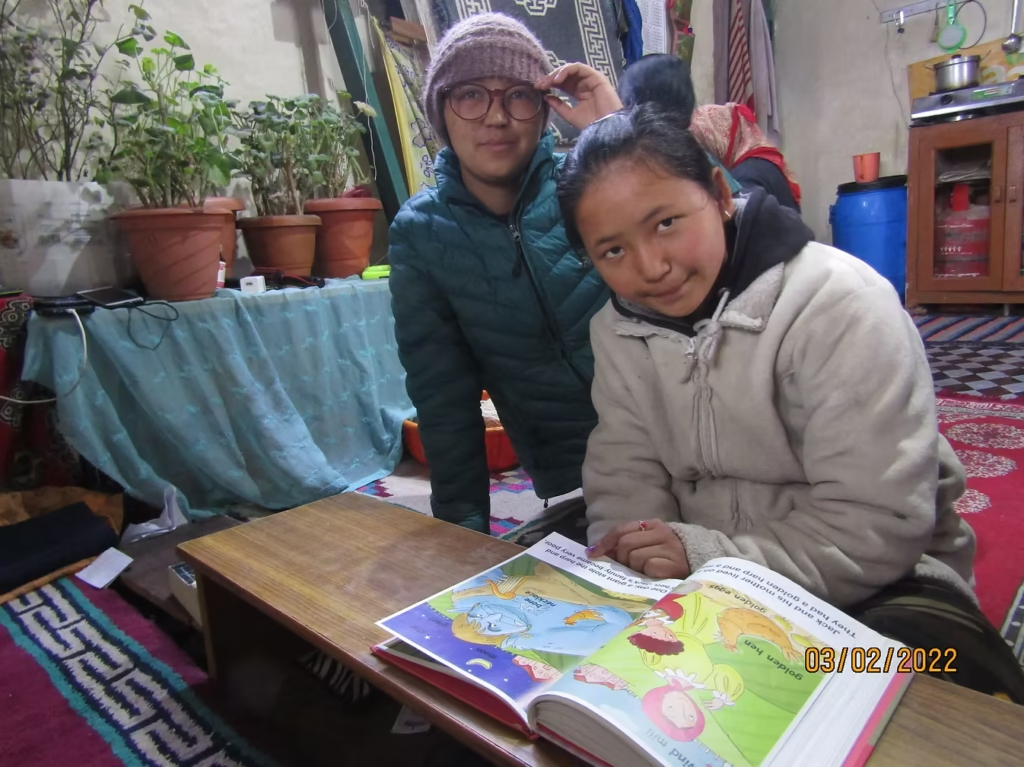
Last year, we did a photography workshop with women’s group in Shushuna village, Spiti Valley, who are primary caretakers and farmers in their households. After the session, we left them a camera and asked them to document their village life in addition to nurturing their photography skills. We returned a year later and they enthralled us with amazing pictures and great stories! Enjoy reading this one!

Kesang Dolker, Yangchen Dolma, Rigzen Youdon, Migmar   Dolma, Panama Dikit, Tsering Yangzom, Prabha Devi, Choddon, Dikit Dolma, Yangchen

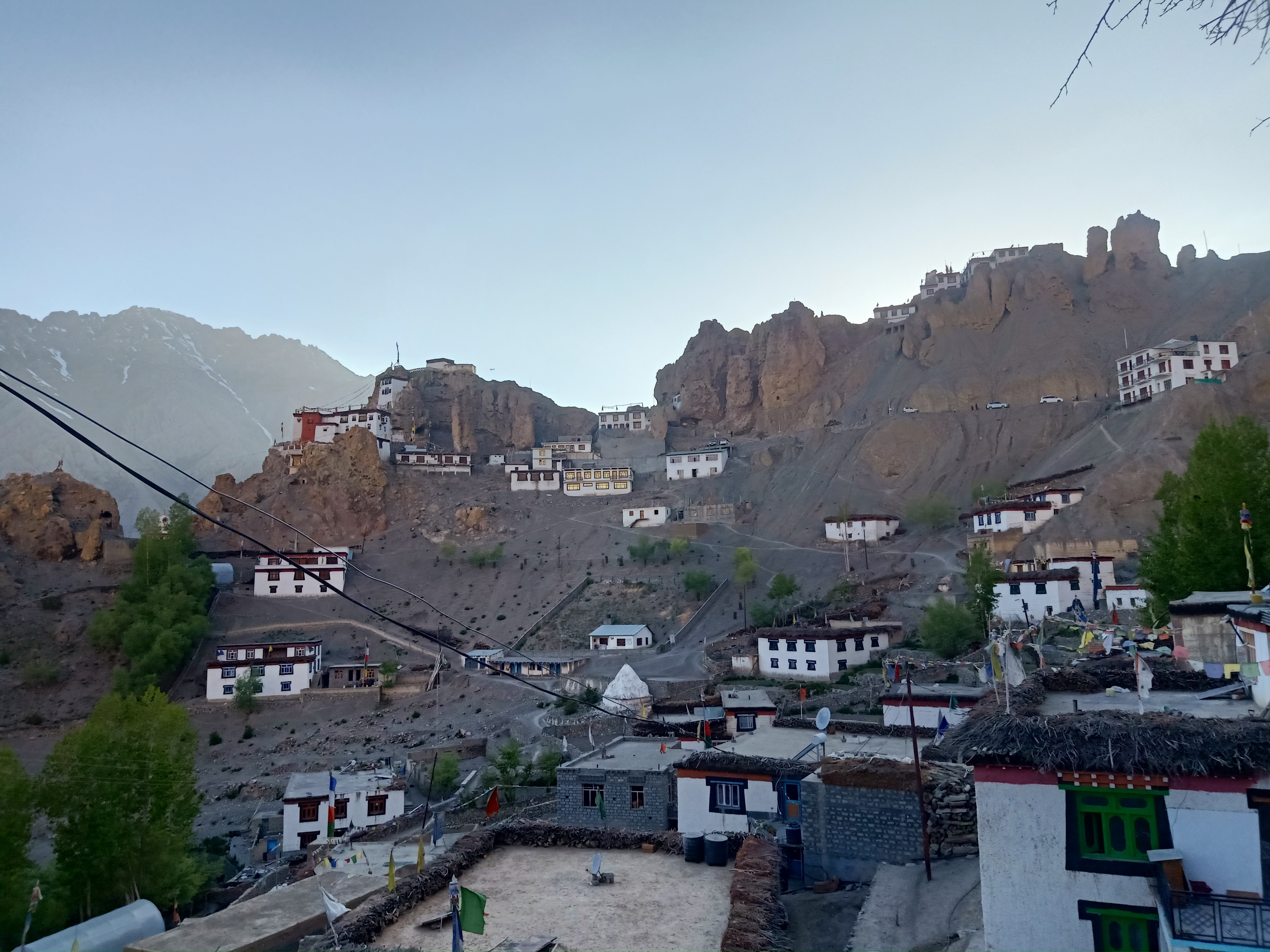
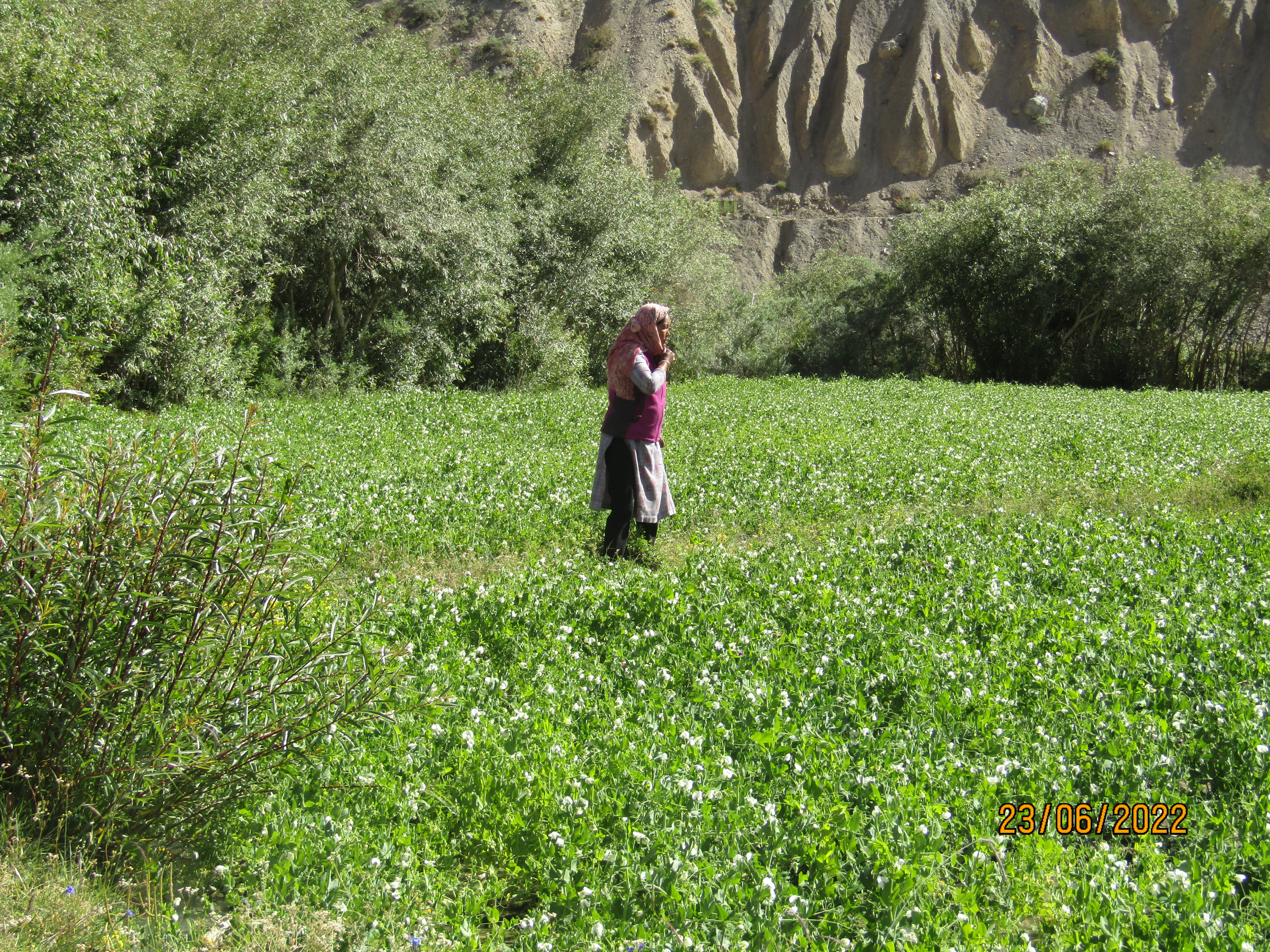
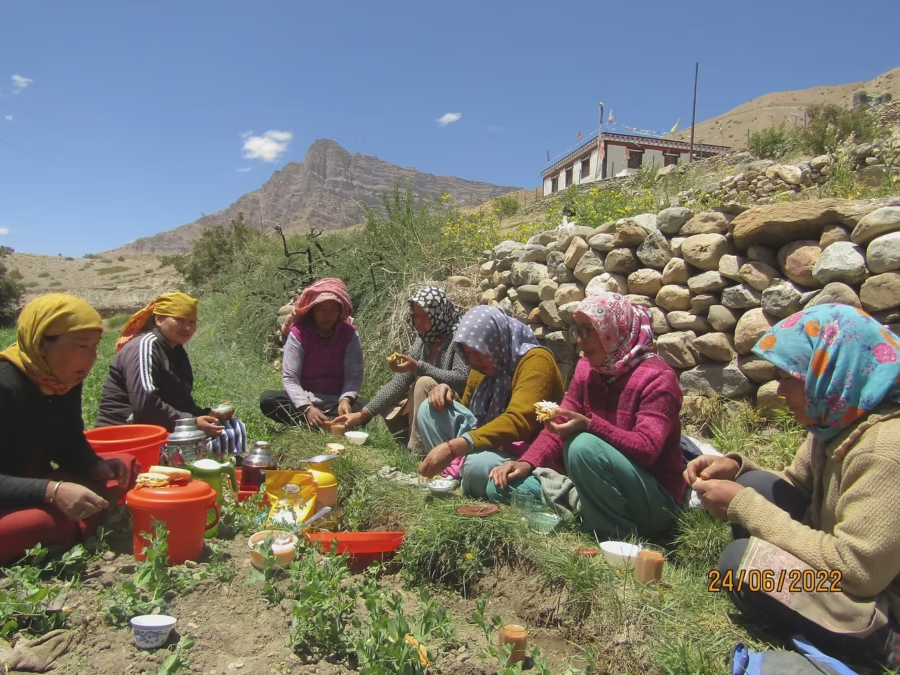
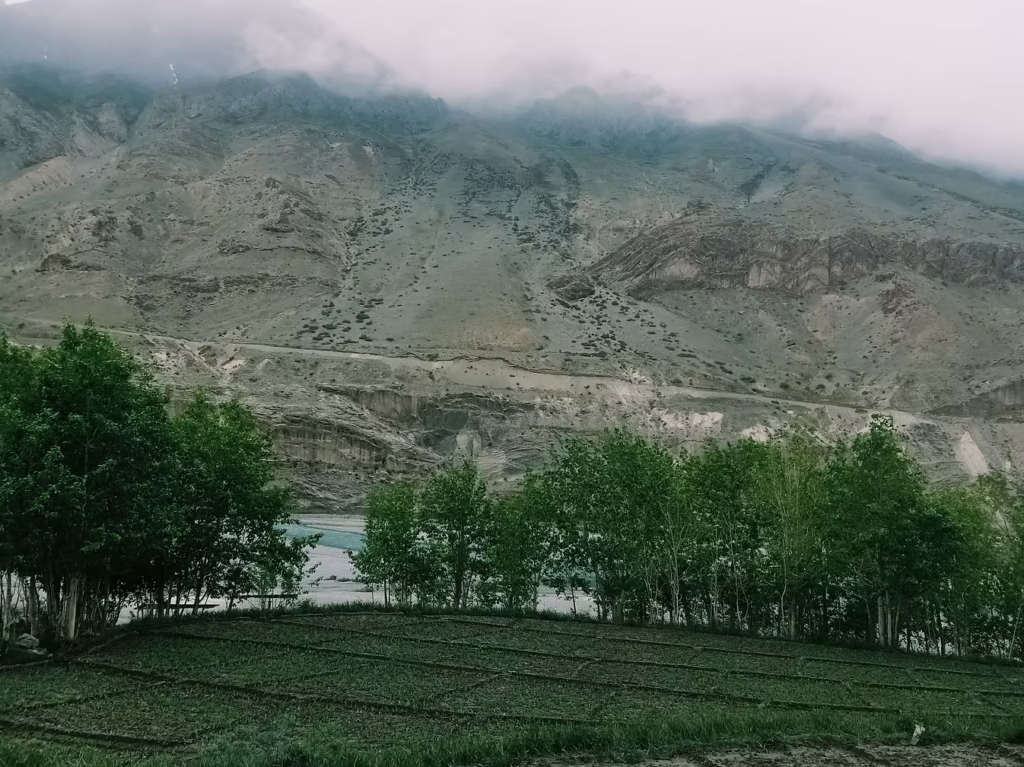
Shushuna is a quaint little hamlet in Spiti. Surrounded by high mountains, lush green fields and gushing rivulet that changes its hue from turquoise green to shades of grey.

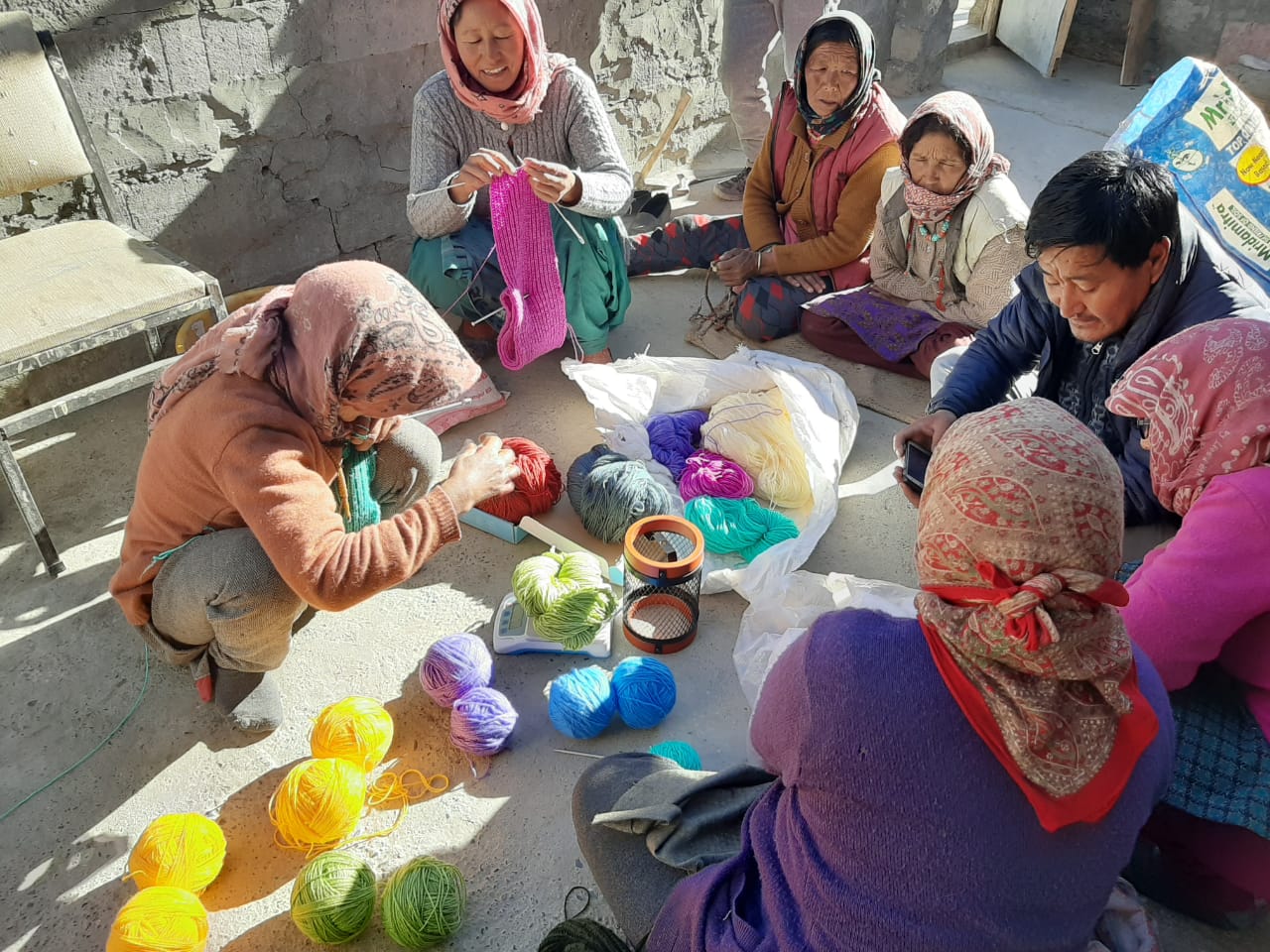
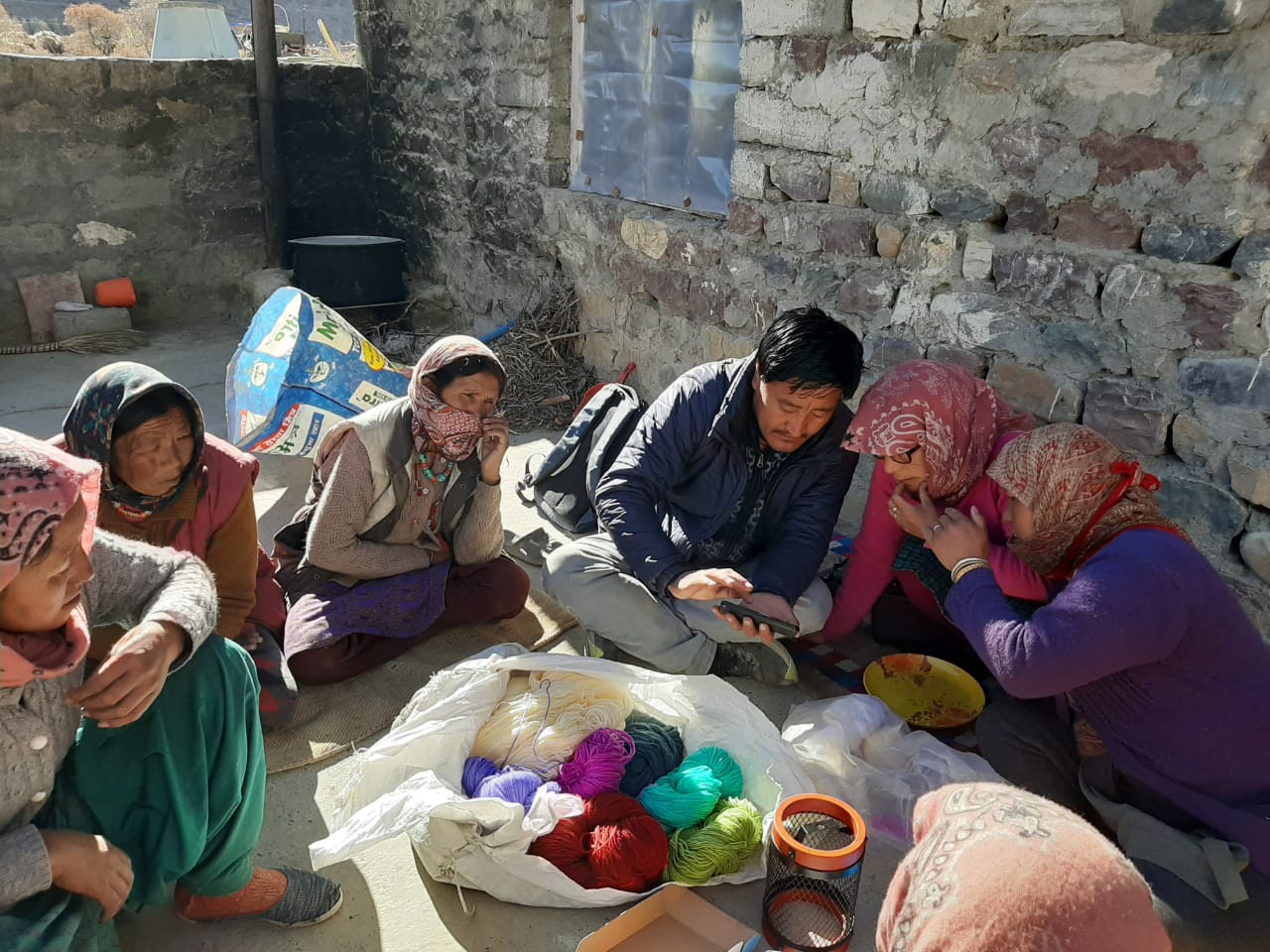
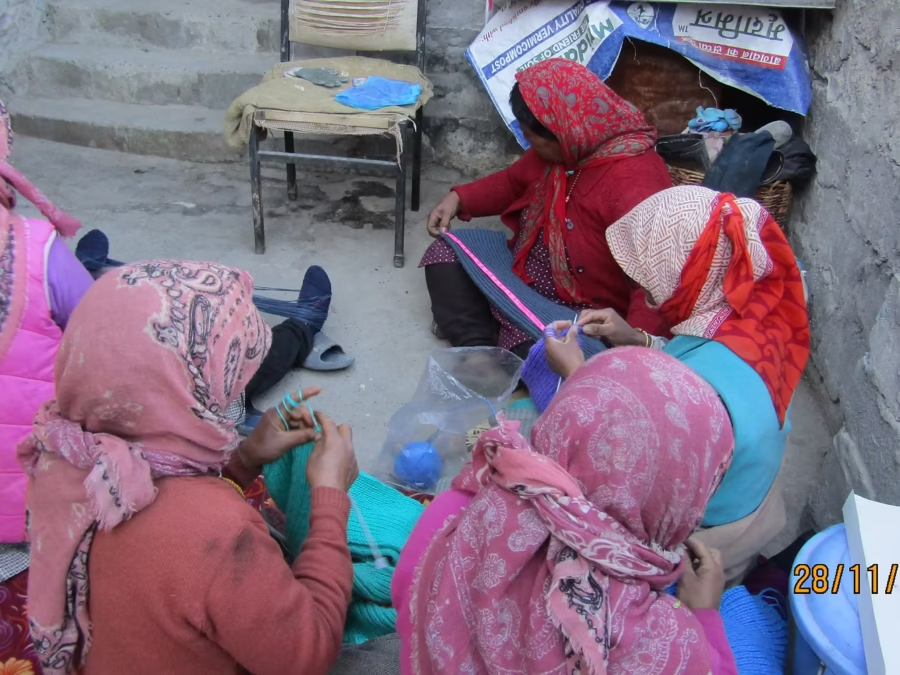
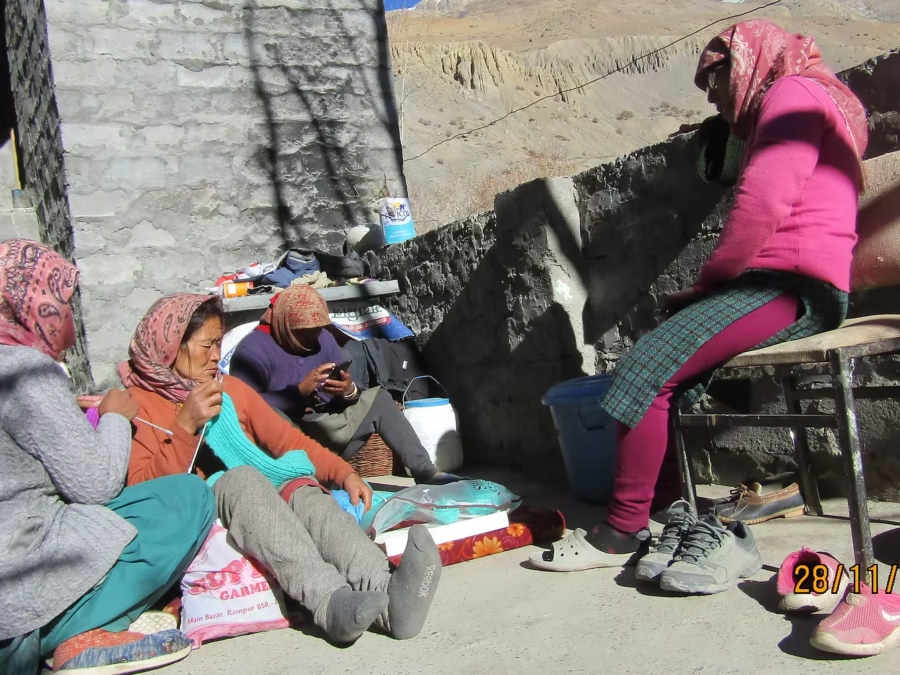
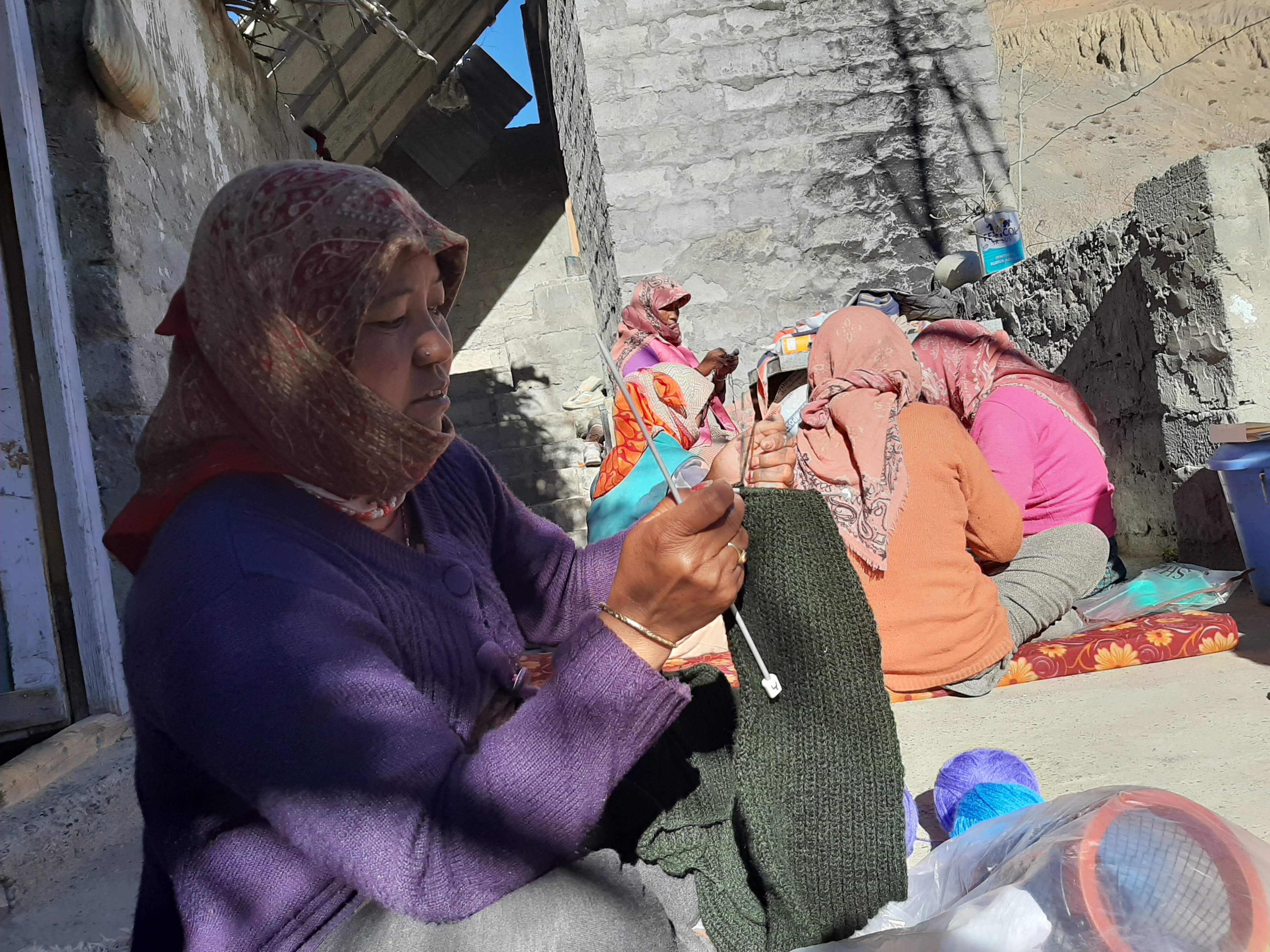
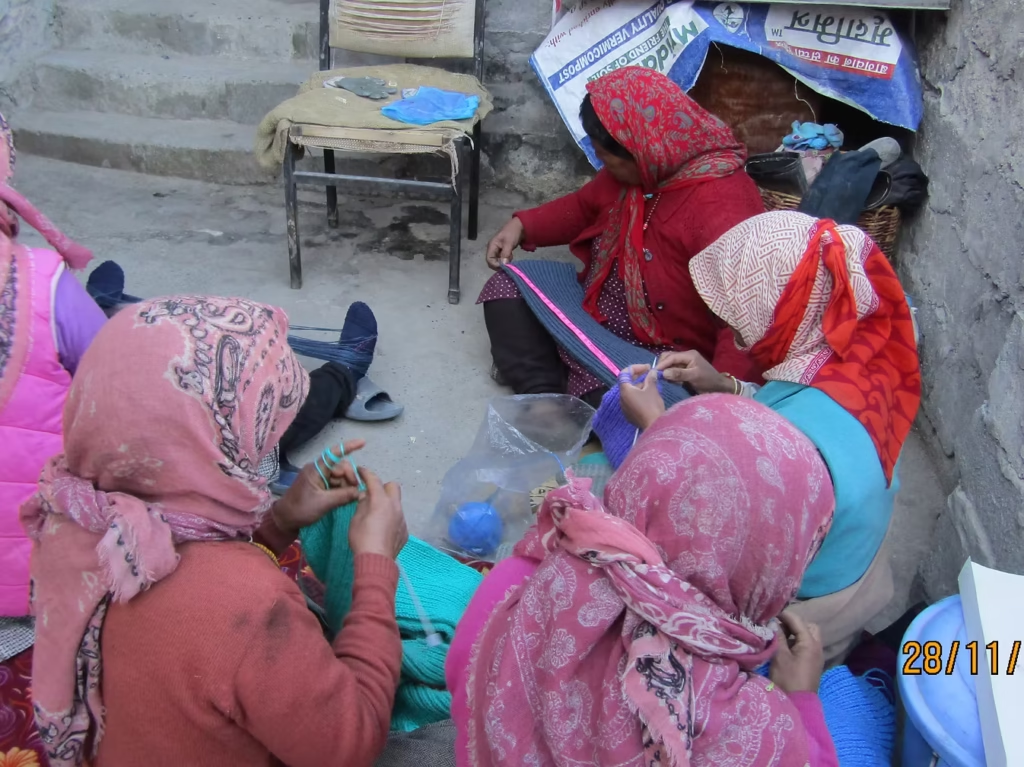
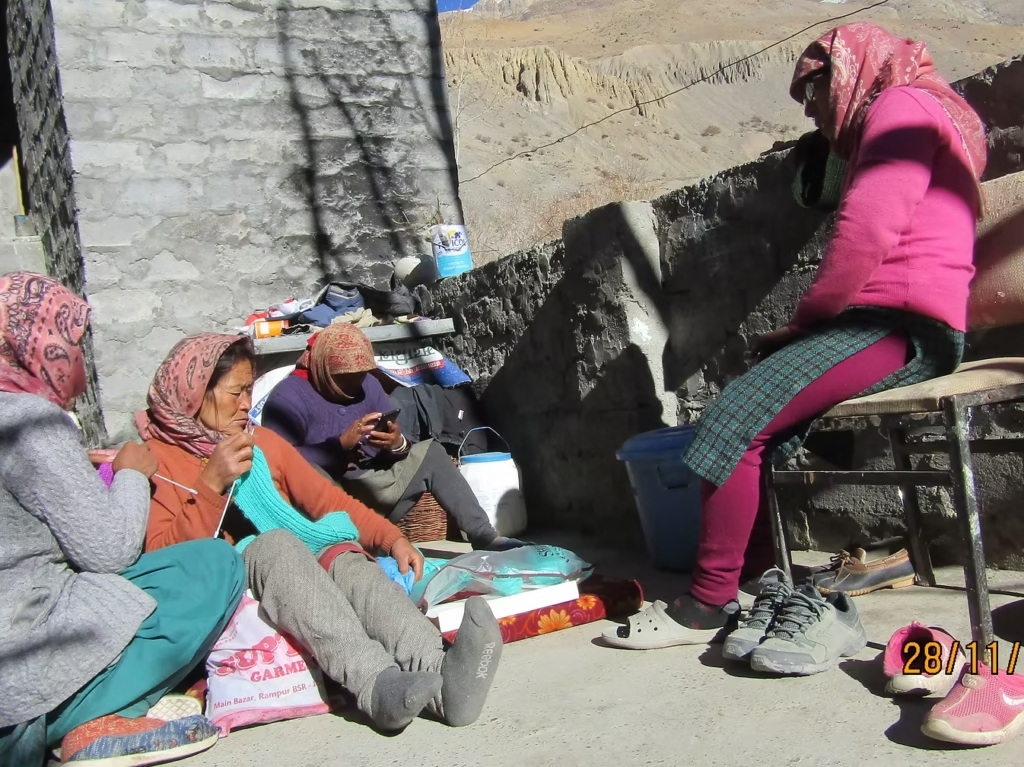
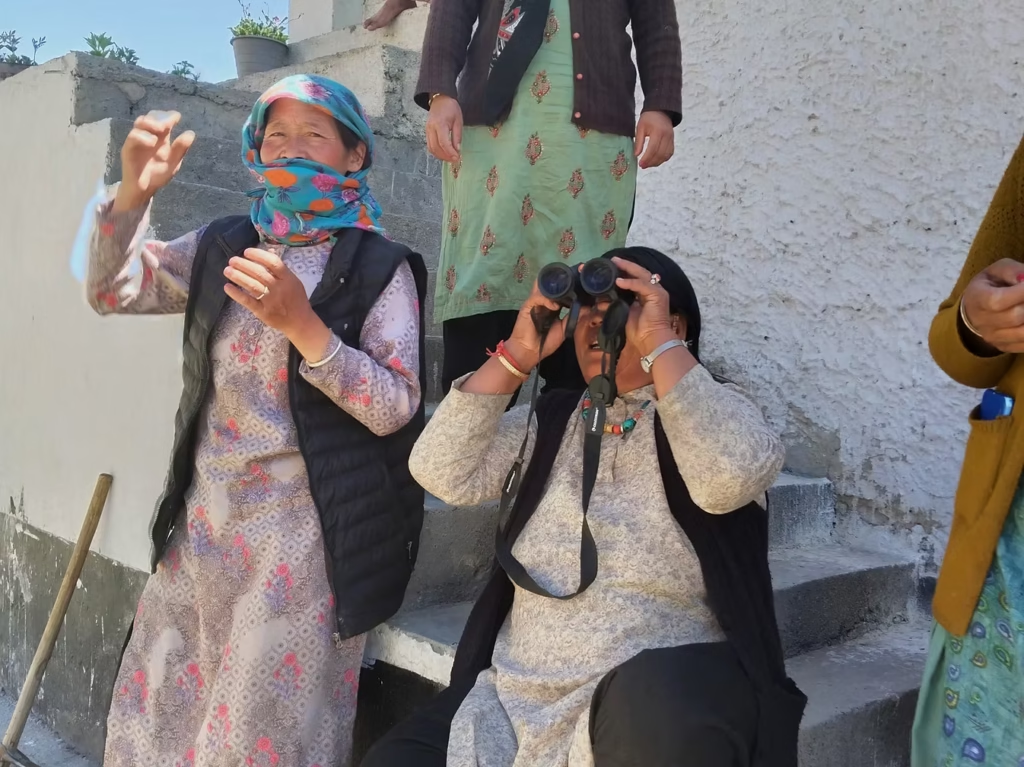
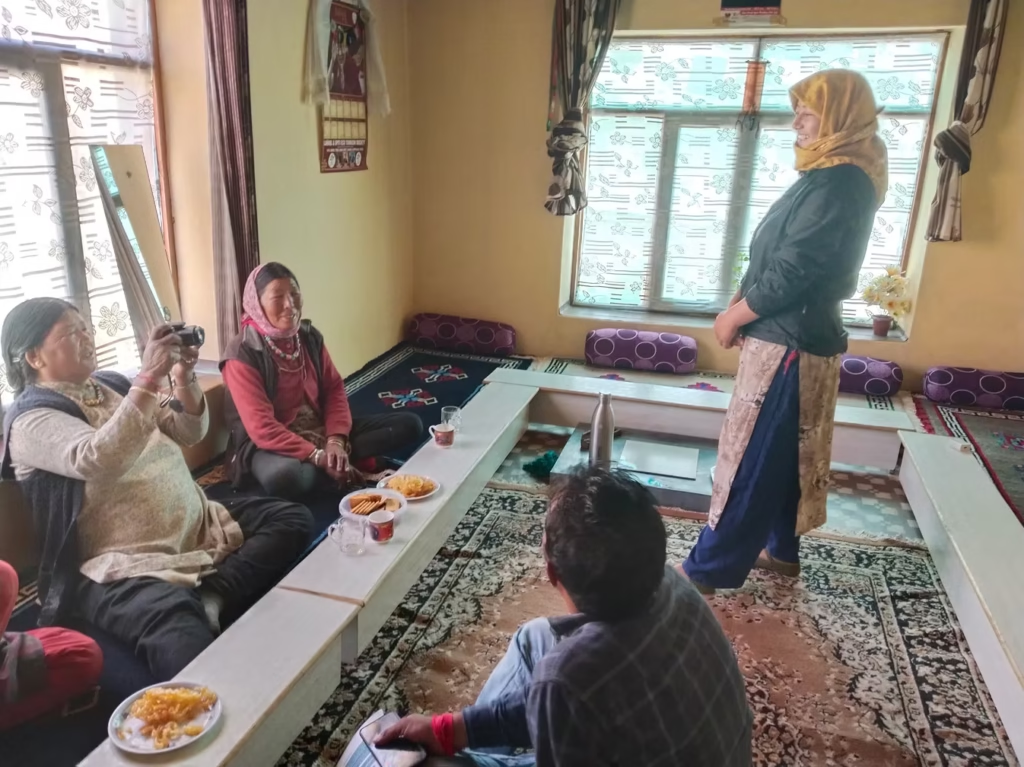
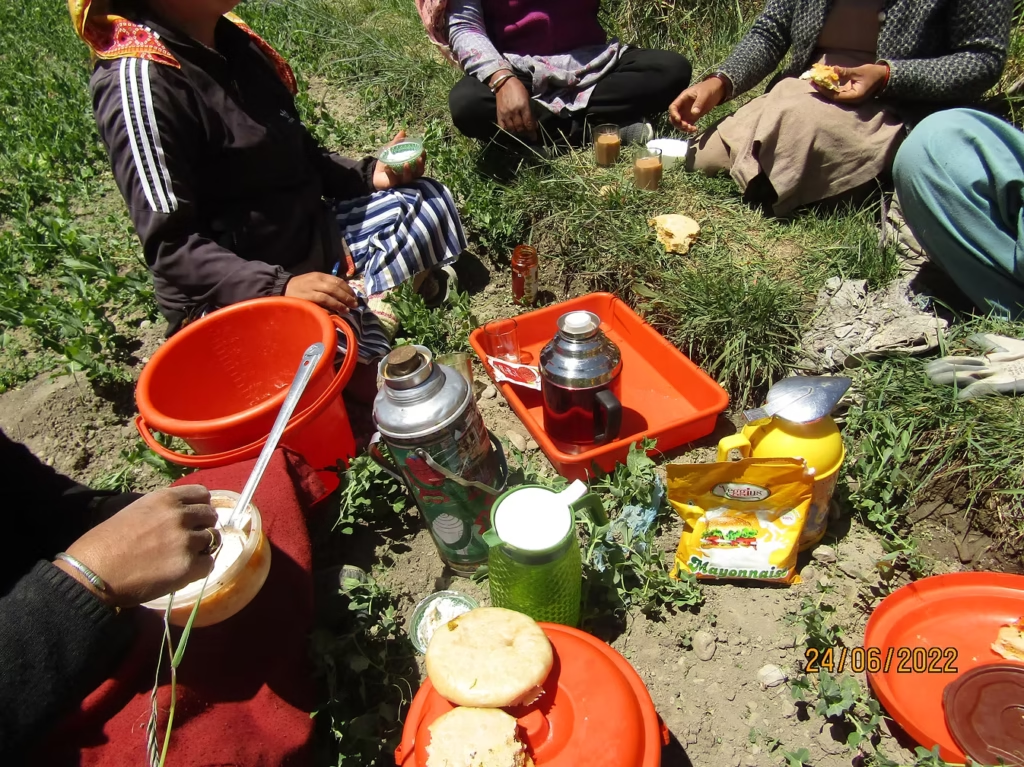
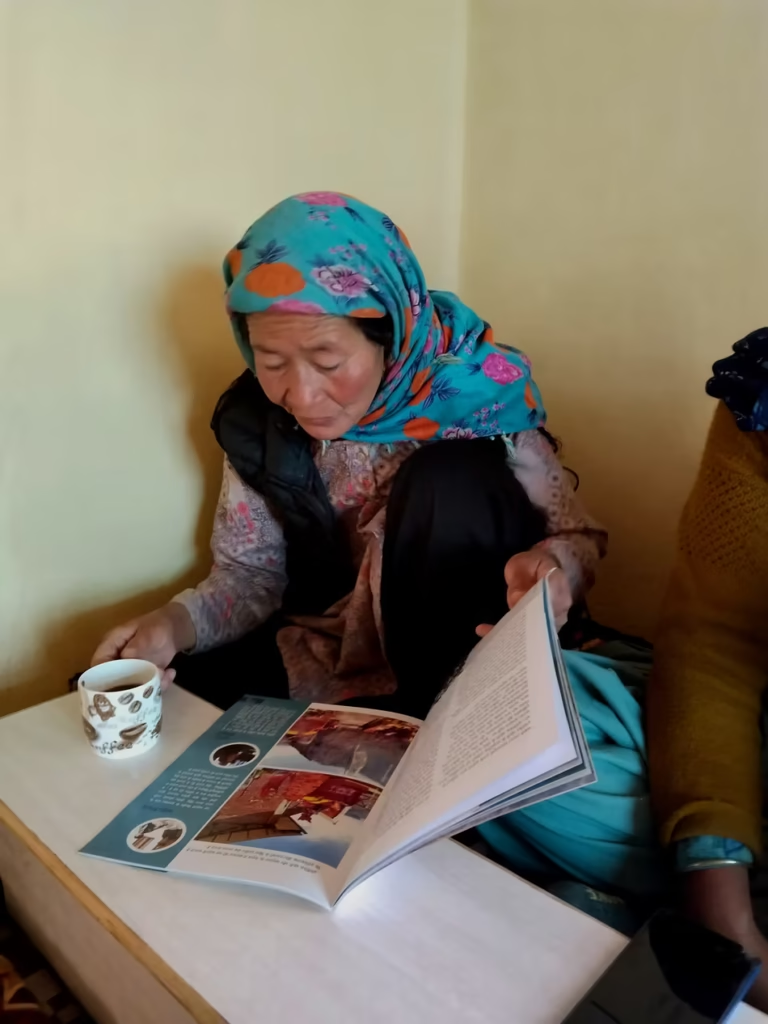
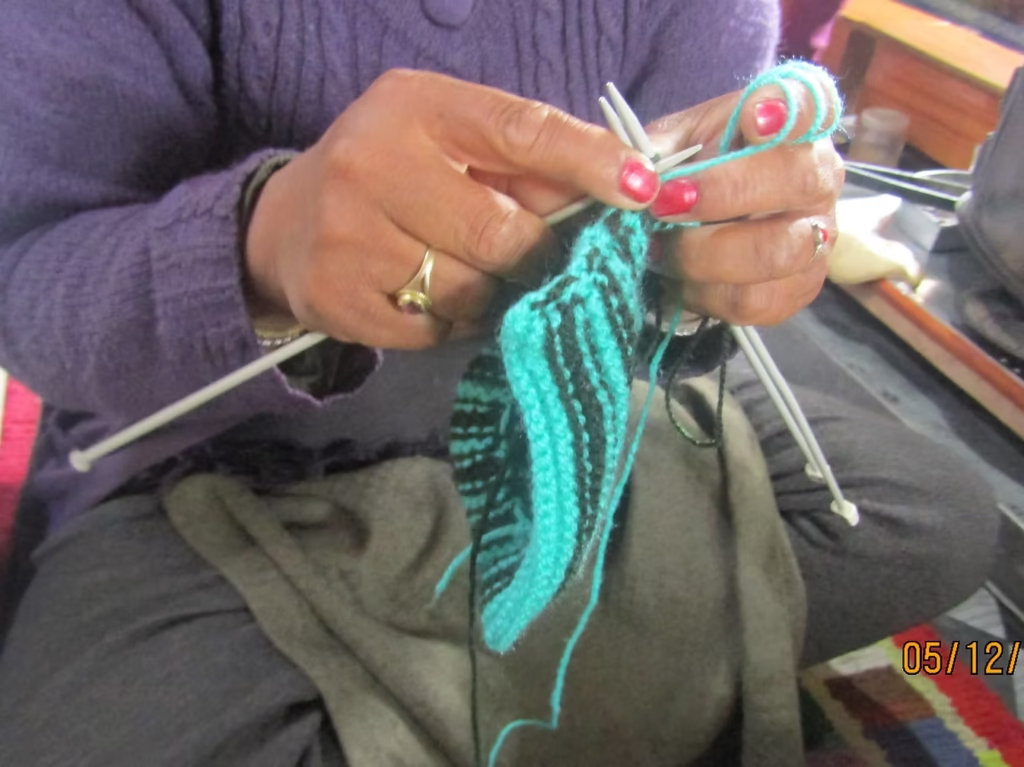
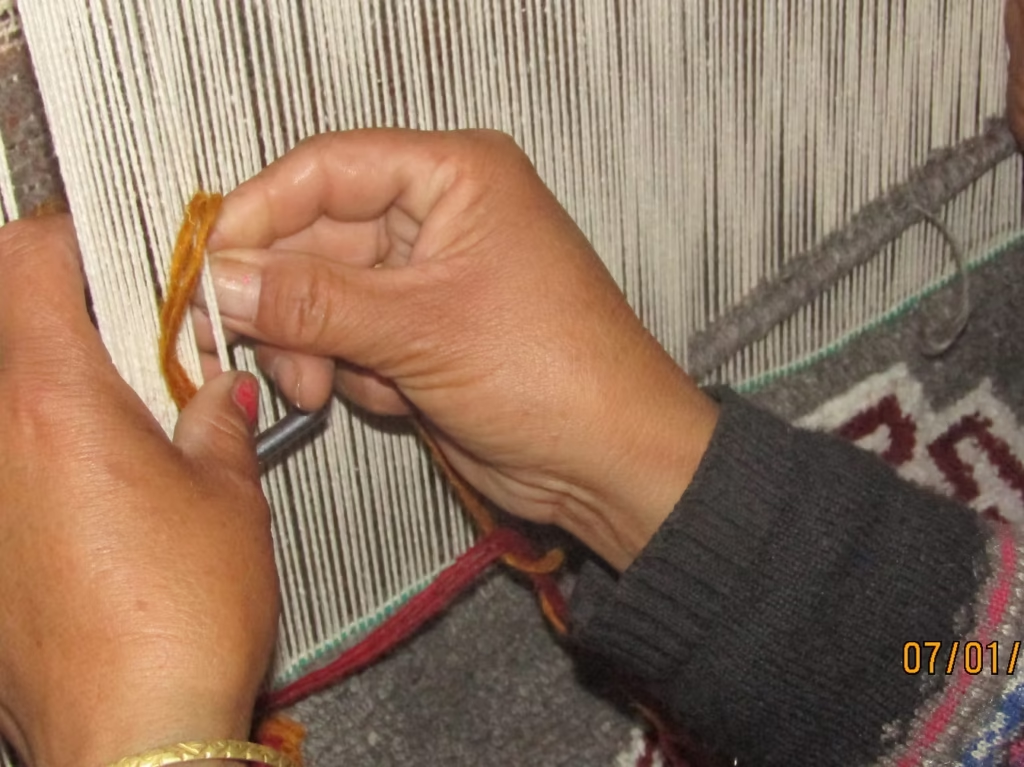
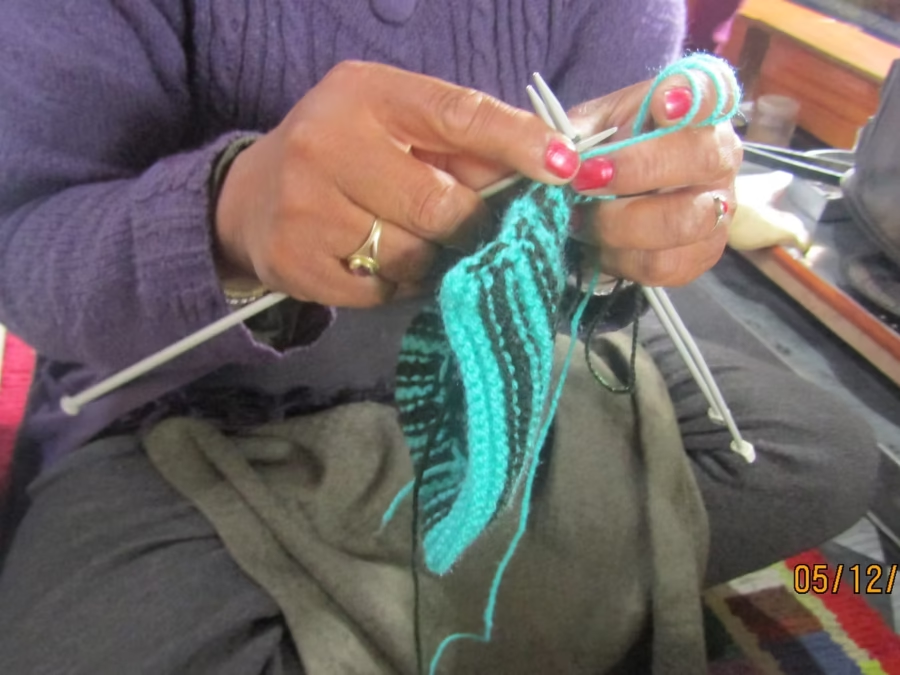
It is a bright sunny day in June and a group of women can be leisurely seen knitting sweaters, mufflers and socks for winter… an unusual sight during peak farming season in Spiti.

Spiti is a high Himalayan mountain desert with scanty rainfall and glacial melt water as the prime source for most villages. As such, water is sparse, the agricultural season and vegetation short, and lives vulnerable.

When most Spitian villages are drying up, fields unyielding, brimming Kuls of Shushuna signals benign possibilities.

Situated along the river basin, the village owes its blessings to the mighty Spiti river and its tributaries from Pin valley which forms an essential lifeline to the resident farming community.

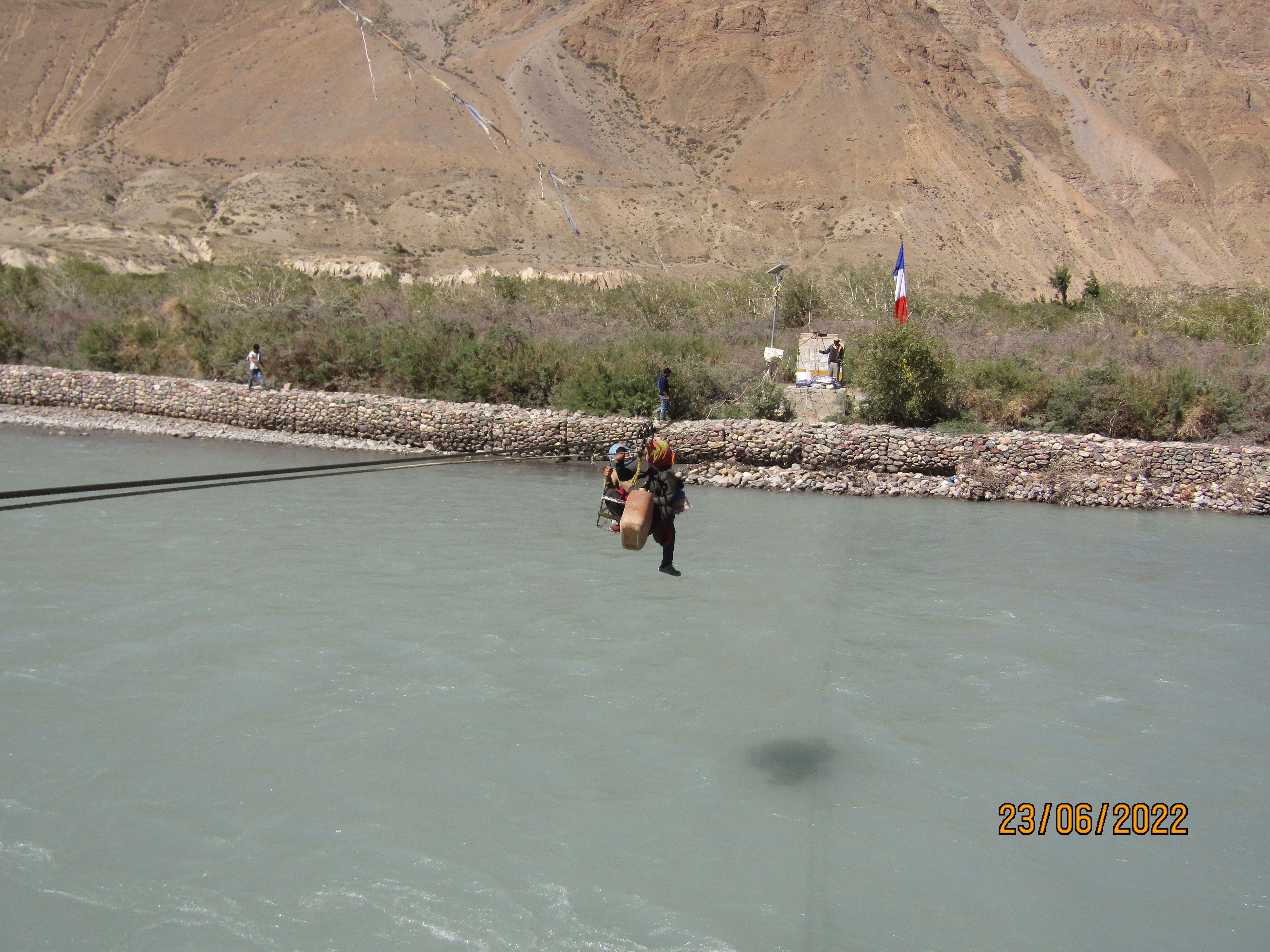
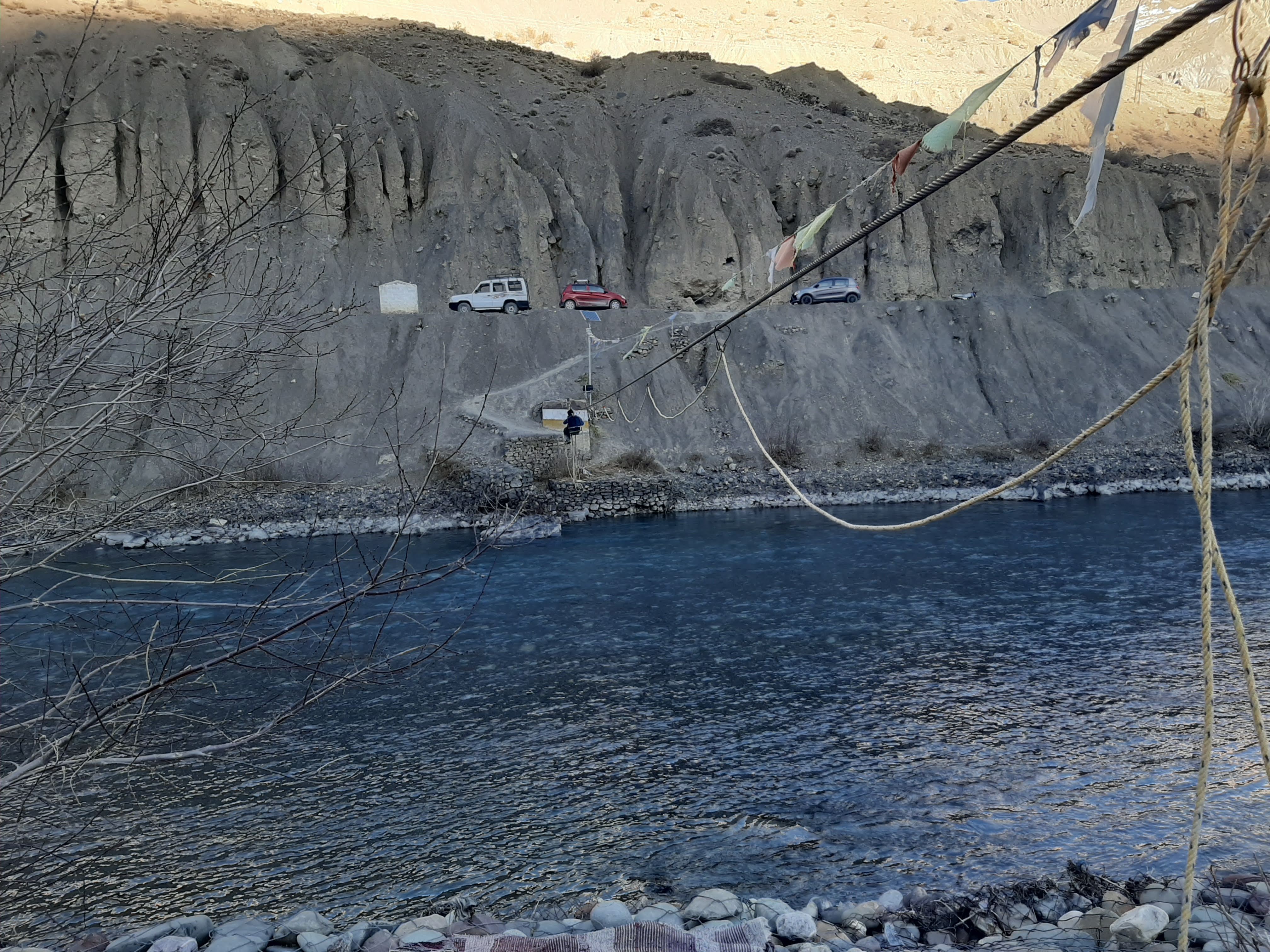
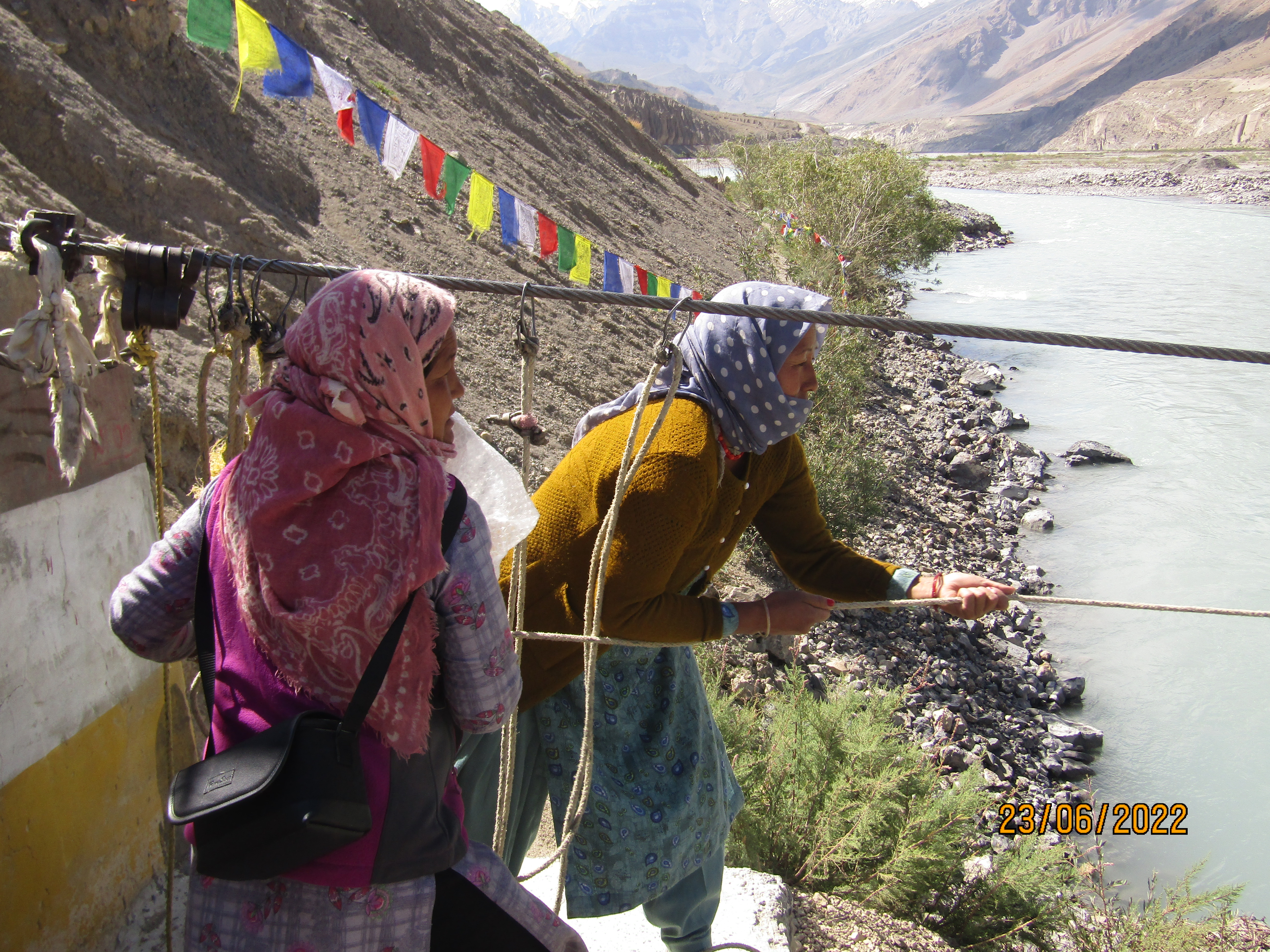
However, to reach the village, one has to take a suspended rope bridge. A dangerous feat villagers have to undertake every day! Women often pair up and cross it together. Holding essentials and looking out for each other – lest it can prove fatal!

Water which is located at a significant distance in most Himalayan villages, can be found in one’s backyard here – easing huge strain on villagers.

When your fields are at a reachable distance, and when you don’t spend hours fetching water, there’s so much more one can do including spending time with family and more time to self!

…exploring additional sources of income resulting in greater agency.
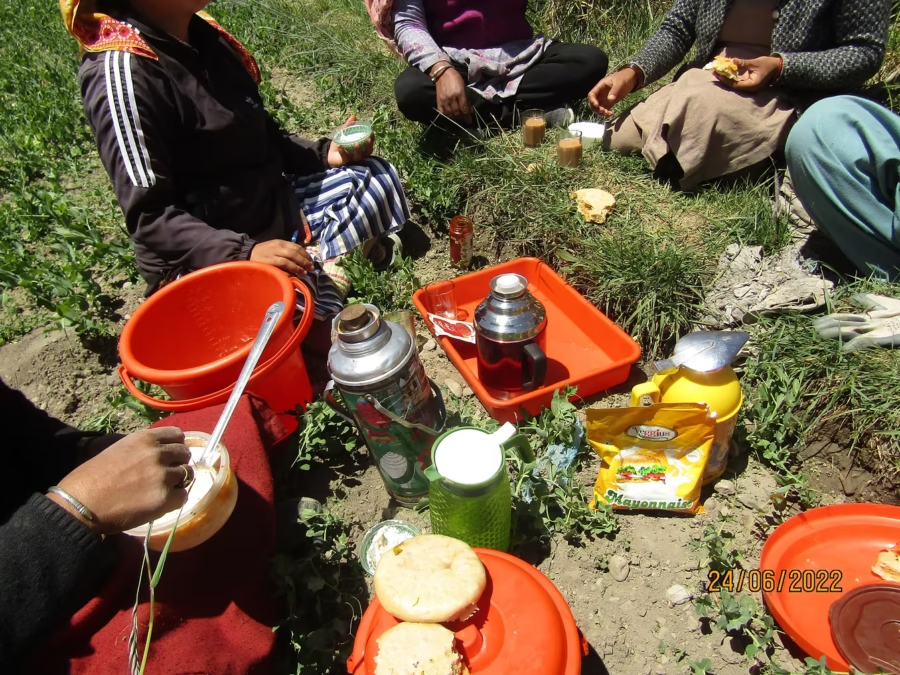
The photography group

When water is accessible, it leads to happier, healthier communities.

1346 1008 Women of Shushuna
Traversing Climate Change
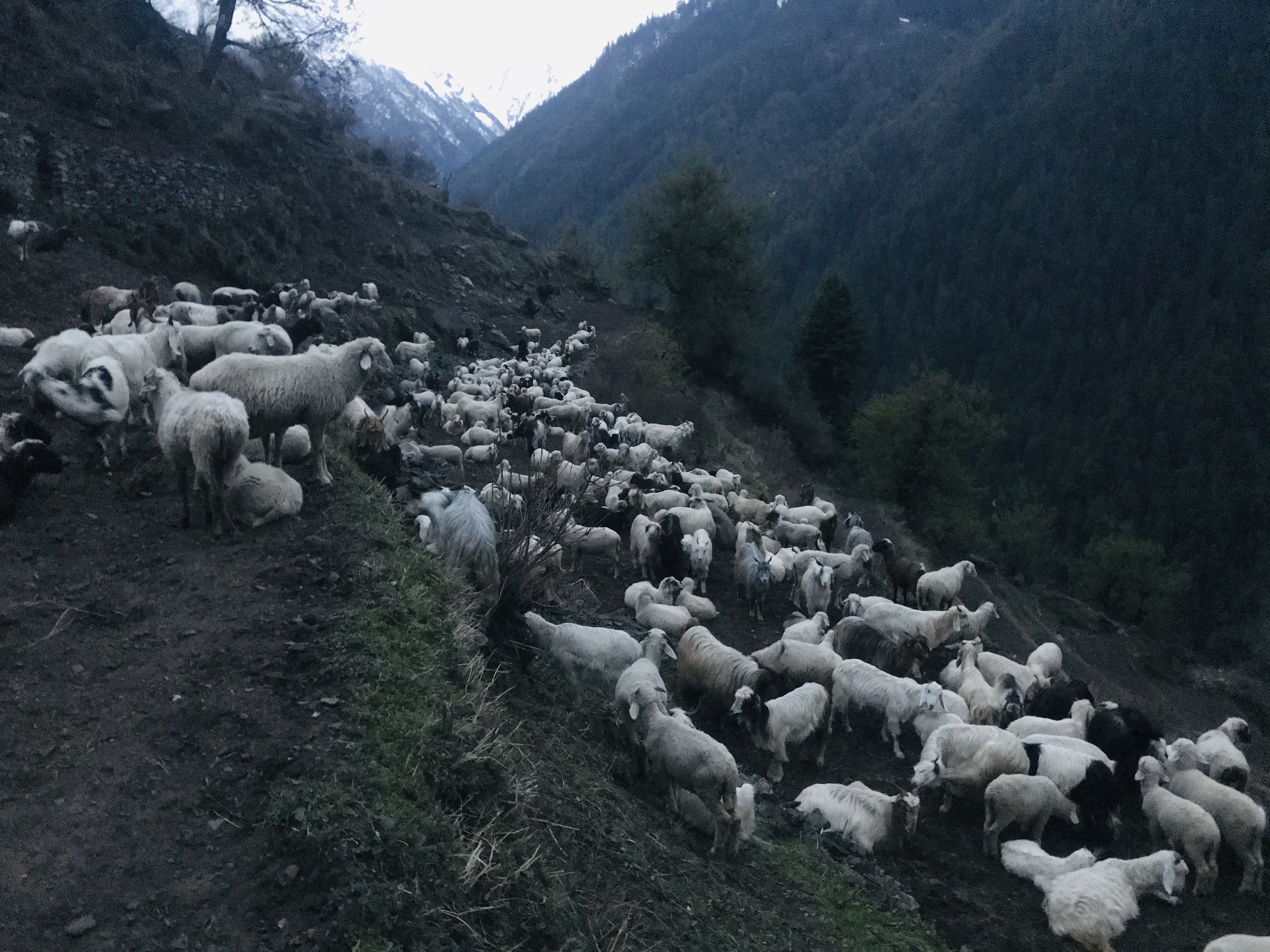
Herds of sheeps and goats return after grazing in the Dhar on the North-east of Kungti village | Photo: Virendra Mathur

Traversing Climate Change

In the mystical lands of Bharmour and Lahaul, located in the north-western part of Himachal Pradesh, India, a seasonal event takes place every year that is an elegant harmony between local culture and nature. Here in the traditional seat of Gaddi shepherds, the community is described variably as semi-nomadic, transhumant pastoralists, or agro-pastoralists. The Gaddis, usually men of the family, start on a migratory event in early April, gathering their goat and sheep herd and taking them to the high-altitude summer foraging grounds. These unbridled pastures, known as alpine meadows are called dhars. This seasonal movement is ingenious at various levels – it sustains the economy of a Gaddi household without being too reliant on agriculture. Further, Gaddi herds provide rich manure to the tilled lands across various agricultural landscapes they pass through and in return receive food and a place to camp; a barter system still in place. And this practice helps avoid low productivity foraging grounds without putting undue pressure on alpine pastures.

The shepherds pass through various towns and villages, as they start their journey from the low-lying areas of Kangra valley and plains of Pathankot, crossing the Dhauladhar mountain range towards Chamba district and travelling north towards the alpine pastures in the inner Himalaya. With them, on this arduous journey, are of course the livestock that they address as “Dhan” which also translates to money and wealth in Hindi. The sheep and goat herd constitute a flexible and continuous source of economic return for this community, especially when small land holdings do not allow for huge returns from agriculture. The flocks serve as a source of meat, milk, fleece and wool. The wool produced by Gaddi sheep is primarily used to make warm clothes, and is considered to be fine quality wool in a market where the quality dictates the price of the wool.

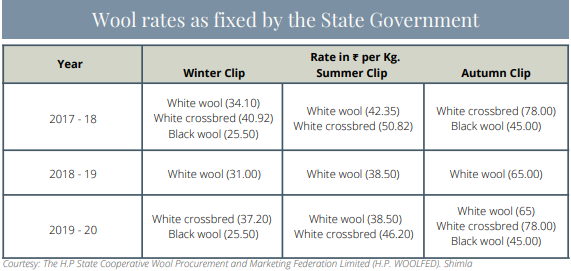
Himachal Pradesh State Wool Federation website displays the minimum support price (MSP) offered by the government for the sheared wool. Based on per kilogram price, the prices are lowest for the wool sheared in winter in the month of January-February, whereas the highest price is set for the wool that is sheared in autumn (in September or October), after the flocks have come down from the alpine pastures. The Gaddi shepherds I interviewed called this an ‘A’ grade wool. In their opinion, the nutritional forage available in the alpine pastures, which consists of medicinal herbs, shrubs, and vital grasses, contributes towards development of such fine and gregarious Gaddi wool.

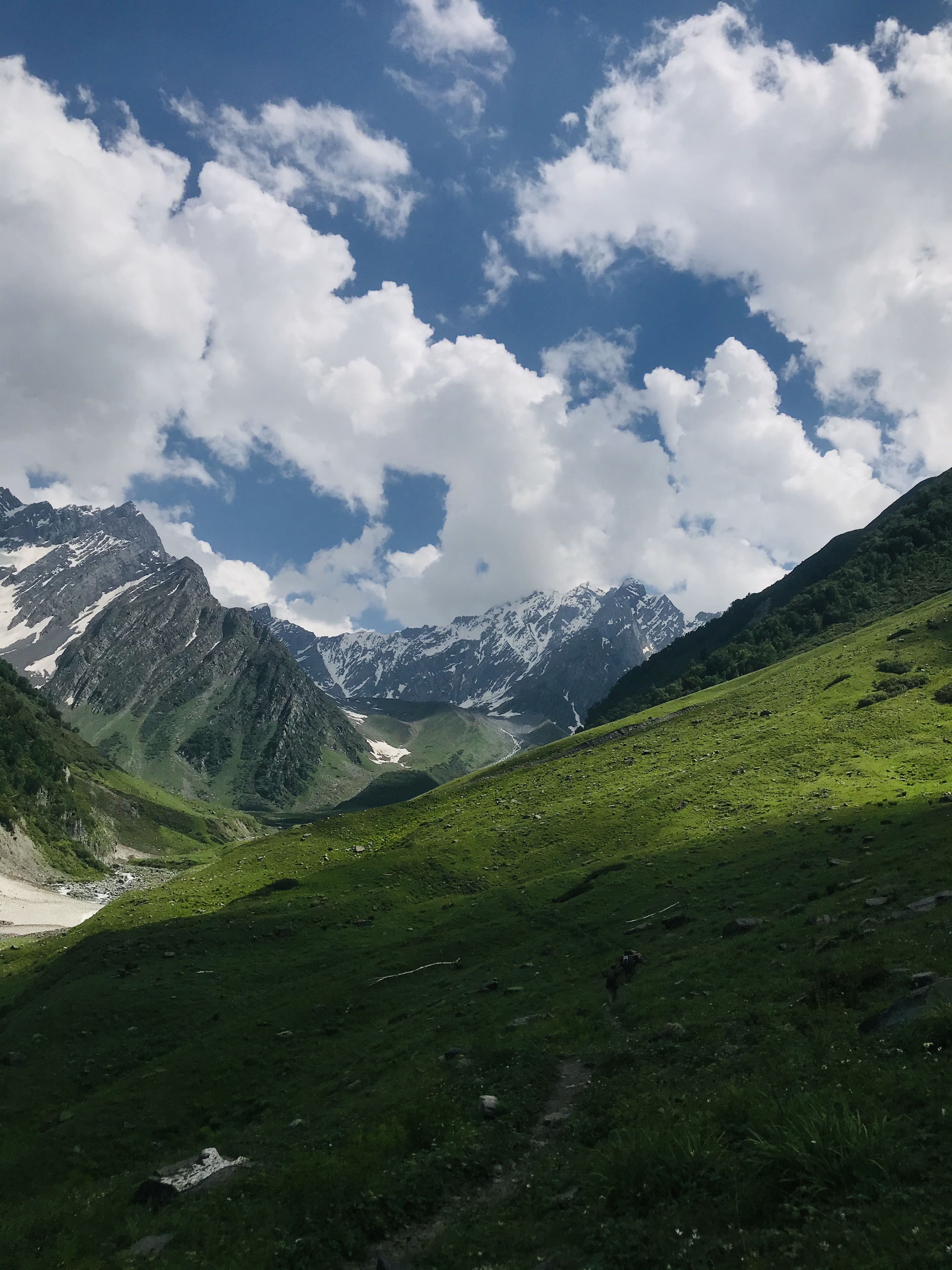
Even more difficult than the journey to these pastures is living there. When I asked a Gaddi about the most important skill to survive in the alpine pastures, he simply stated that “You have to become an animal to live with an animal.” indicating the laborious life in alpine pastures. The arrival of Gaddi in the alpine pastures is met by receding snow, and below it lays the abundant grass to forage for the livestock/goat and sheep herd. These alpine pastures stretch till the horizon, vast carpets slowly turning green. Guiding herds in these alpine pastures is the least of their worry, the real challenge is to protect the herd from the harsh surroundings. The relationship of herd and the shepherd arises from mutual dependency, and for Gaddi men who remain away from their families, their herd is their family. The relationship of care is intertwined around wool – it transcends the material value and takes up emotional significance. It is the wool that earns shepherds the money, and it is this wool that comes back on the journey – laden on the back of a shepherd in the form of a blanket or a shawl.

They keep a portion of the sheared wool for themselves, and use it to manufacture clothing – their traditional attire, shawls and blankets, which keeps them warm and protected. When a lamb is born, it is wrapped around in this blanket and kept inside their camp, and on the long treks in alpine pastures, lambs and goat kids are carried wrapped inside the blankets. Each head counts in this family, and shepherds sometimes risk their lives for their flock. On two separate instances, a group of shepherds, at night, rescued their stranded goats from potential attack of a black bear, and on another day, Thaapu, a young apprentice jumped into a glacial stream, shattering the thick sheet of ice to rescue a sheep and a goat kid that fell while crossing the glacier. He said that a shepherd has to protect every head he is responsible for, as this proves his credibility to his employer. While the shepherds have adapted to the vagaries of nature, will their resilience fare them through impacts of climate change in the inner Himalaya?

In many ways, the life of a Gaddi shepherd and that of their flocks is interlaced with the seasonal changes in Himalayan pasture lands. Without knowing the term, the shepherds understand that their summer home is undergoing changes. Rainfall patterns have become erratic and it can impact the livelihood of Gaddi communities negatively. Abundant rain could lead to livestock mortality as the sheep contract various diseases in wet environments while less rainfall can delay the growth of grass and herbs in alpine pasture, as was the case this year. This is further worsened by foraging competition from large mountain ungulates; they informed me that a lot of problems has been caused by chur, commonly known as dZo across Himalaya (a magnificent cross between a yak and a cow). These large herbivores are domesticated by the villagers in high-altitude Himalayan communities for agriculture. These massive animals also graze in the alpine pastures, along with other ungulates like Himalayan Ibex and Himalayan Tahr, mules and horses. Large herbivores consume hefty amounts of fresh grown grass leaving only small patches for the sheep and goat herds, creating scarcity for Gaddi livestock. Similarly, the duration of grazing in the alpine pastures can also be cut short by erratic weather patterns, affecting growth of fresh grass and the productivity of alpine pastures in the long-term. A decrease in nutritional quality will in turn impact the quality of the wool produced by the sheep.

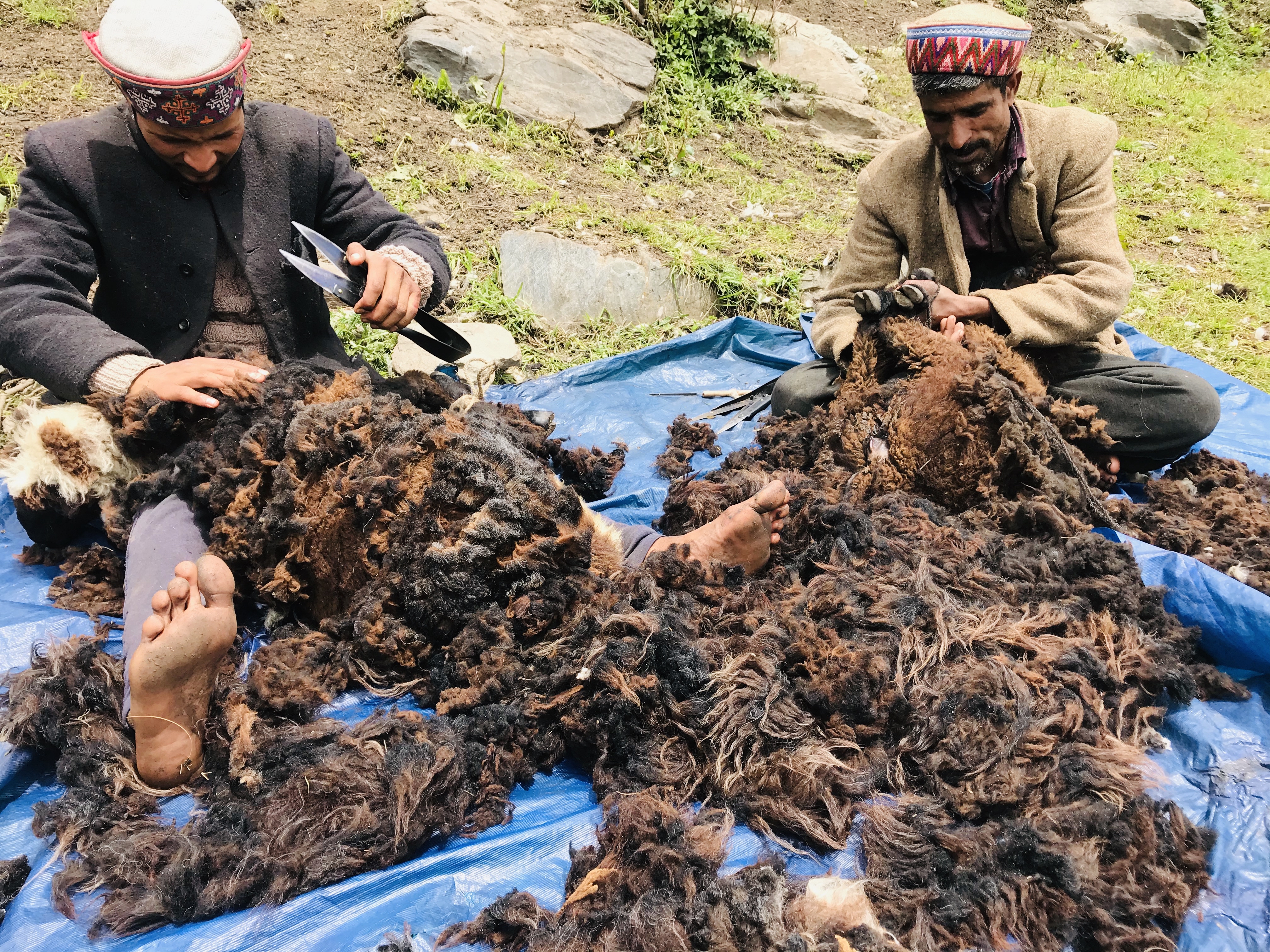
Subhash Bhai and Sonu Bhai shear wool from the sheeps in their herd. Shearing happens thrice in a one- year season, and while some herders use scissors , others use wool-trimmers for shearing the wool | Photo: Virendra Mathur

Today, the market for natural wool is facing increased competition from synthetic wool supplies which has made market accessibility difficult for these shepherds. While the traditional usage of wool is facing a decline, partly due to absence of knowledge transfer across generation, partly due to the lucrative nature of cosmopolitan living, traders and craftsmen now tend to prefer using imported wool. In the face of emerging changes, proper management mechanisms can help survive traditional agro-pastoralism in high Himalaya. Gaddi shepherds who are in this vocation constitute a dynamic medium of cultural exchange and fulfill economic needs of various farming communities through their resource exchange. Thus, the gradual loss of transhumance in Himalaya interacts with the loss of natural cycles of nutrient cycling in high-altitude communities and might possibly have downstream effects.

Acknowledgments:
Virendra would like to thank Wildlife Conservation Trust for funding this fieldwork at Kugti as a part of their Small Grants program. He owes all his gratitude to the humble and loving Gaddi community who make him feel at home through their generous, helping, and cheerful nature.

4032 3024 Virendra Mathur
The Many Tales Around Water
Photo: Kalzang Dolma

The Many Tales Around Water

Insights from Ane Butith Zangmo, Kalzang Dolma  with complimentary reading from Tobtan’s book “Spiti: A socio-cultural traditions”

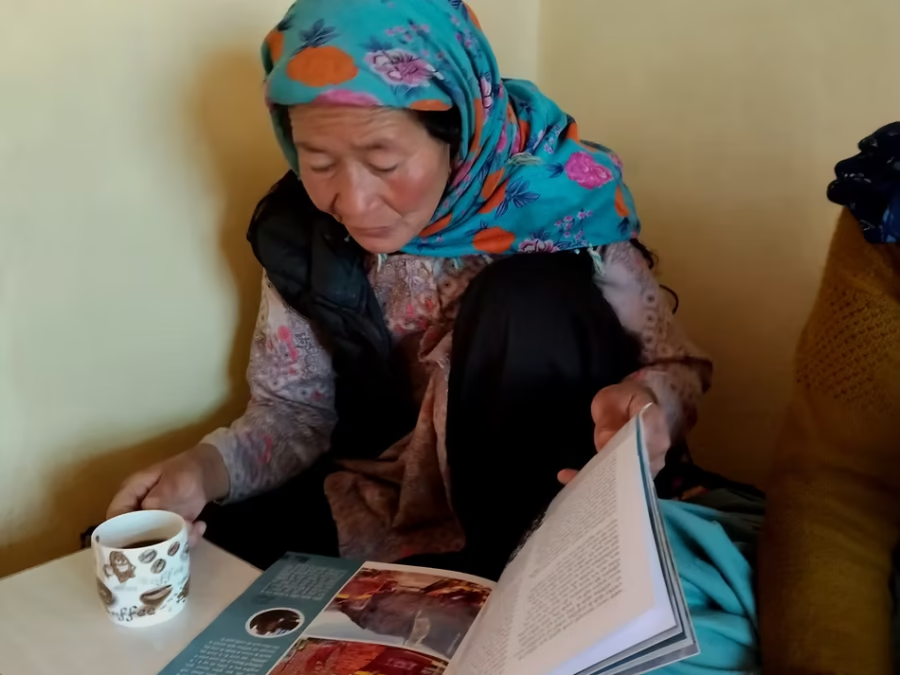
Spiti’s oral literature has extensive reference to water. Many ancient verses, odes, hymns, folk songs, old lore allude to water with sheer reverence, refer it as a treasure and embody ancestral affiliation within physical, ecological, social-cultural and spiritual contexts. Each narrative is deeply embedded in local space – intimately bound up with natal soil, water bodies and their complex manifestation in local geography. Each village has a complex set of rules, systems governing their natural resources and finds its reflection in local peras (proverbs), wise sayings and old chants. These oral tales deviate in their form, structure and might not offer linearity of usual stories but are nevertheless recounted for generations for wisdom. Many of these tales are deemed to be true, many filled with mythical, fantastical elements showing deeper values of interconnection and indigenous stewardship.

Many scholars studying Spitian literary tradition find an association of water with the name Spiti (Spyi Ti/Pi ti) itself. Sir Alexander Cunningham has explained that many terms in Western Himalaya, especially the names of rivers are added with the suffix “ti” with this significance. The word “ti” is also found in some dialects of Kinnaur and Lahual which means “water”. In Spiti, the word “ti” is interchangeably used for “chhu” which means water colloquially. This is aptly reflected in the traditional irrigation system and as recounted by many female farmers in Spiti. Owing to scanty rainfall, Spitians primarily relied on glaciers for irrigation and there are careful rules around water distribution within farming households. There are different watering stages during agricultural season, each binding their own values to the farm life: Yurma, Srak-ti, Gsum-ti, Dsag-ti, Minchu. The first watering occurs after the first month of seeding which is called Yurma – the most important watering work as during this time saplings are young and it needs careful tending. The second watering implies a more urgent need for water as the days are hot and fields parched. During second watering Srak-ti, the saplings are sun-burnt (Srak pa – burnt in spitian) and therefore in greater need of water. Gsum-ti refers to the third cycle of watering and Men-chu means watering cycle to ripen the seeds. This way, Spitian literary and cultural tradition signifies usage of “ti” (water) in layered manner and embodies rich tradition around it.

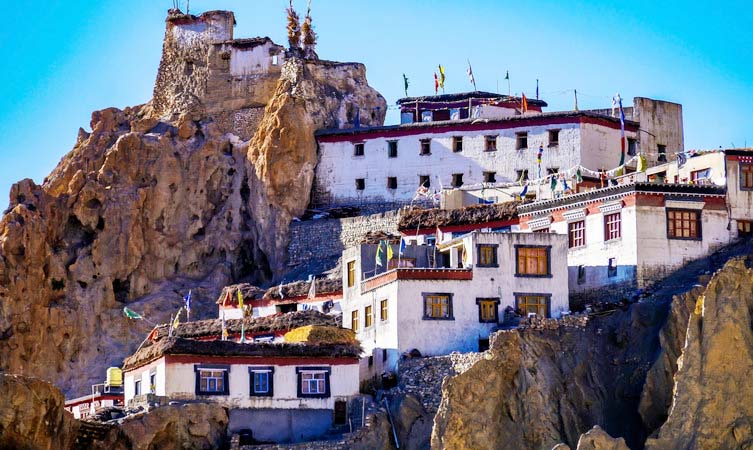
Another tale related to water that’s recounted relates to Dhankar village. It is a high elevation village in Spiti and used to be capital of Spiti before it was shifted to Kaza. The village landscape comprises flat tracts of land on high mountains, steep cliffs and sloped hills. These high settlements are located more than half a kilometer above the river bed and therefore access to river water is very difficult, the villagers mostly relied on glacier water for all their primary needs and once a local shepherd beautifully expressed his experiences of local topography in a form of Pera (local saying).

Many villagers recite it orally during farming work to find solace and humor in hardwork.

“Nyi-ma shar-she snga la skyod-che phyi-ya. Lug-zi sdug-po’i gnas yin…
Brang-mkhar chhang-sa ma-ba la do-ya ma-ba. Ra ro-ba sdug-po’i gnas yin…
Brang-mkhar gyen-yur ma-ba la chhun sna ma-ba. Chhun-pa sdug-po’i gnas yin….”

It can be roughly translated as:
The sun rises here at Dhankhar early, but sets late, which makes the day longer and is cause of concern for the shepherds who have to graze the cattle and sheep at high pastures for a longer time.

In Dhankhar, there are plenty of chhang (local alcohol) but also the place is too hilly and there is too much up and down, which is the cause of great worry for drunkards.

In Dhankhar, the irrigation channels are located at the places too high and the sources too far, which is a great difficulty for the women who have to draw water for irrigation from the upper Kuls and much time is wasted in walking up and down between two distant places.

Similarly, there is a saying in Spitian tradition about a group of three villages Lari, Tabo and Poh

“Gong mtso rdol song na, chog-la yul gsum lhag”

which means “if the lake above bursts, the three villages of chog-la will be destroyed”. The lake here refers to Mane lake near Tabo.

Photo: Kalzang Dolma

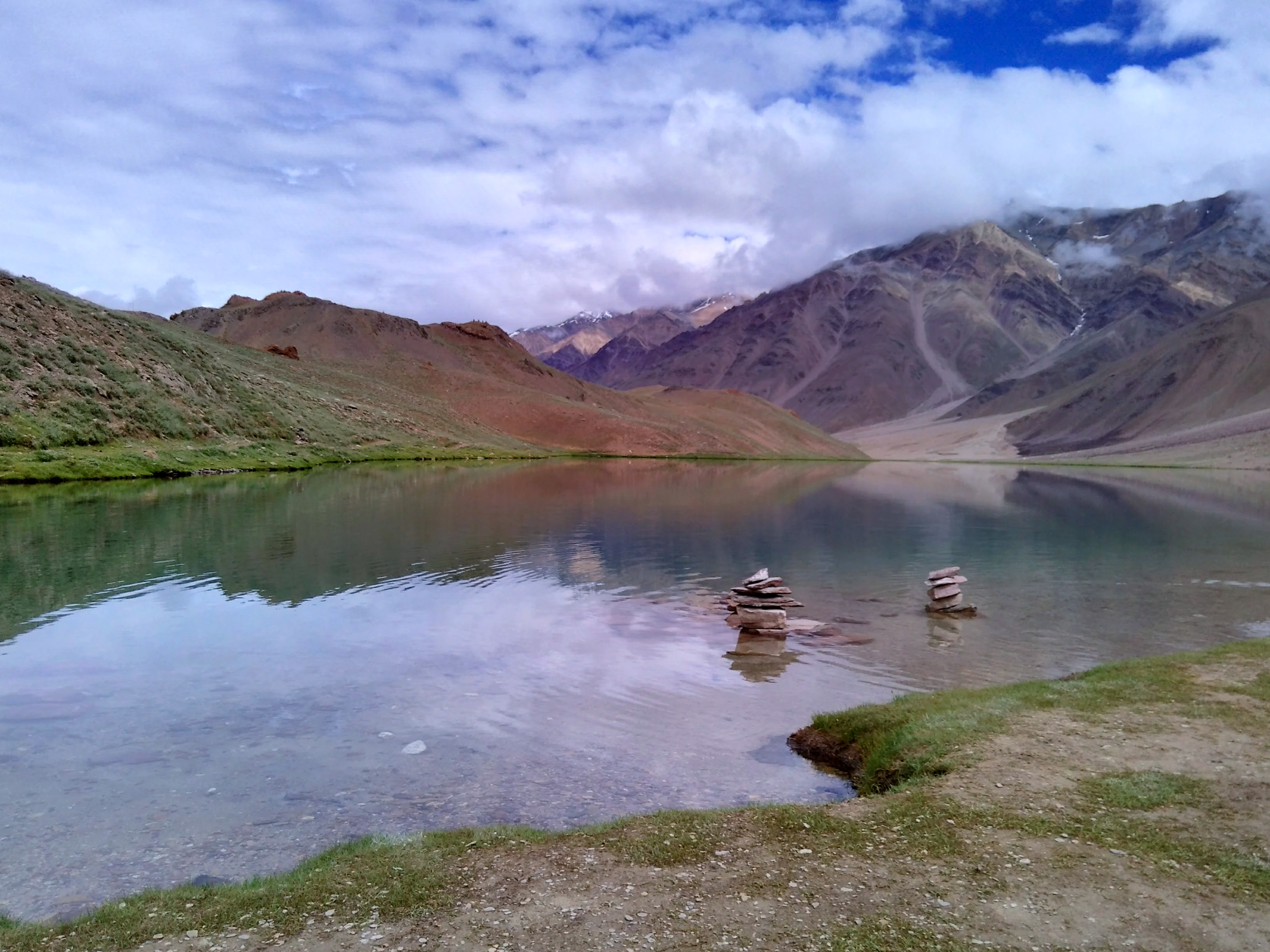
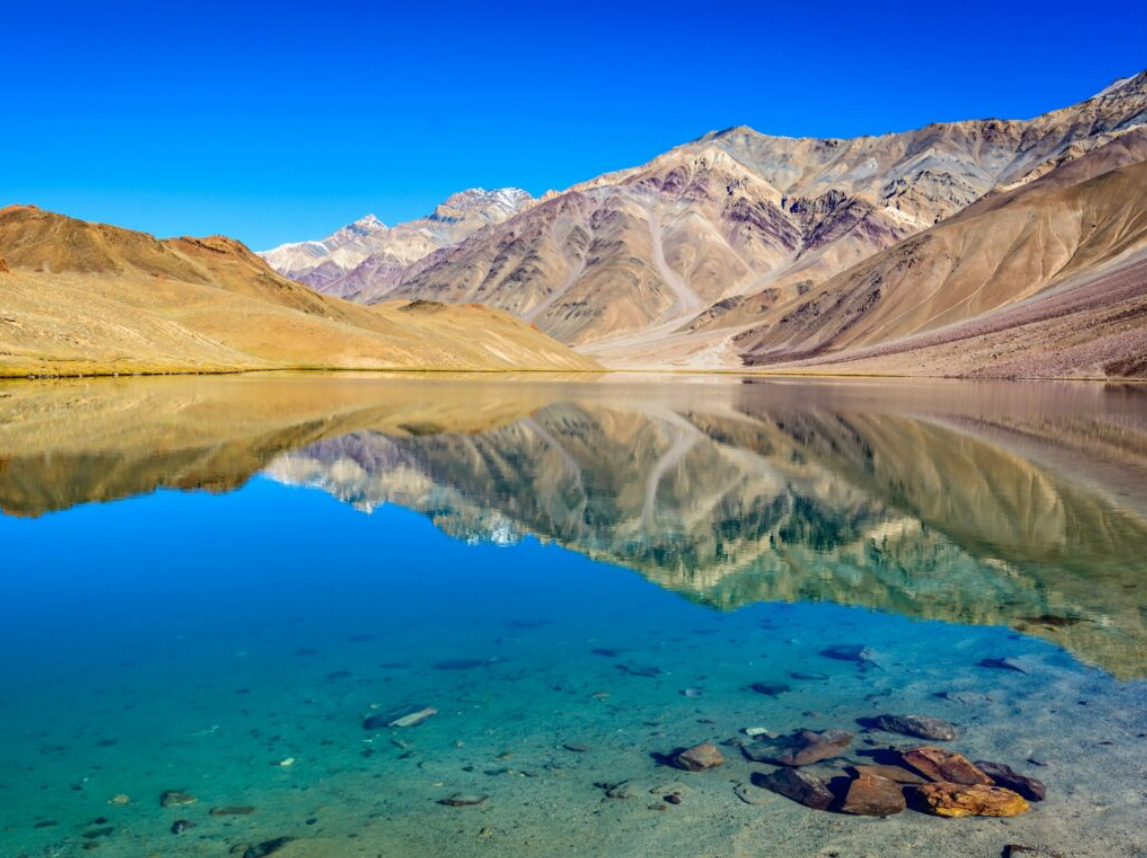
There is then another interesting folk story related to Chandertal lake in Spiti. It is told that there was once a shepherd from Rangrik village who used to take the flock of his sheep for grazing in the meadows near the lake of Chandertal. The shepherd was skillful in playing flute and he enjoyed playing many melodious songs on the shore of the clear Moon-lake. In the lake there lived a Khandoma, a water goddess. The Khandoma could not resist the attraction of the enchanting melody of the flute echoing over the calm surface of the ethereal lake. She became a regular visitor to the lake to listen to the music.

One day as the shepherd was playing the flute the Khandoma appeared before him and spoke to him about her love for his melodies. They met regularly and soon they had a handsome boy out of the union. The Khandoma had asked him to keep their relationship a secret as the union between earthly beings and water dwellers like her from different realms are prohibited. The shepherd vowed to keep this a life long secret. But the shepherd was already married and had a wife back in his village Rangrik. One day he had an argument with his wife and in fit of rage he blurted out that he has a spouse – a Khandoma living in Chandertal and before her she was insignificant.  The wife challenged him to bring her home. The shepherd accepting the challenge went to the lake and started playing the flute as usual. The Khandoma appeared with the child who then was infected with a severe skin disease and was disfigured. She handed over the child to the shepherd and disappeared in the lake never to be seen again. The shepherd searched for her everywhere and tried calling her back through a series of melodies – he even tied a long rope on a wooden log and threw it in the lake to gauge the depth of water so that he could go look for her underneath. His rope fell short but it couldn’t measure the depth of the lake.  And thus, the heavenly relationship of love came to an end.

It is said that the descendants of the deceased child still live in Rangrik and his relics are preserved in their Cho-Khang (prayer room) and revered. Villagers still believe that she resides in her abode in the water body and routinely offers prayers, does rituals, purifies it, cleans it and maintains it as a holy site.

It is a curious tale open to different kinds of interpretations but according to local mythology, this folklore urges for the need to protect, conserve and value water. The story also portrays the community’s reverence to local deities which are associated with multiple features of local geography like land (Sa- dak: protective land deity) and water (Klu: serpent deity in water). The Spitian belief system reveals complex relations between people, environment and various spirits. Land and many other natural entities are imbued with the notion of personhood and agency. It inquires deeper meaning of landscape and environment and projects how religious ethics and ecology are related.
3000 2250 Kalzang Dolma
In Conversation with Women of Chicham
Chicham Village | Photo: Tanvi Dutta

In Conversation with Women of Chicham

Tanzin Dawa: How has it changed?

Dikit Lamo: We have been experiencing extremely erratic weather conditions these days. I am 40 now and from my experience, I think it is due to changing weather patterns. We used to have snowfall that levelled our houses and had to clear it with the help of our neighbours! Such was time. There’s lushful greenery in our barley fields and our harvests were abundant. In our village, Chu-mik (spring water) gushed with fresh water – we got to choose from myriad streams flowing around – cold, sweet water to drink while farming. From the past 10 years, there’s been a considerable decrease in precipitation. We used to look up at the sky in hope for rain but to no avail. This year was particularly unexpected. There was very little snowfall during winter and we were even unsure whether we would even get to till our land when summer arrives. We, somehow, adjusted to the difficult situation by either carrying a water tanker to our fields and initiating the seeding work. It worsened as months passed by, we had to leave many of our fields half irrigated or completely fallow. There’s no hope for crops this year.

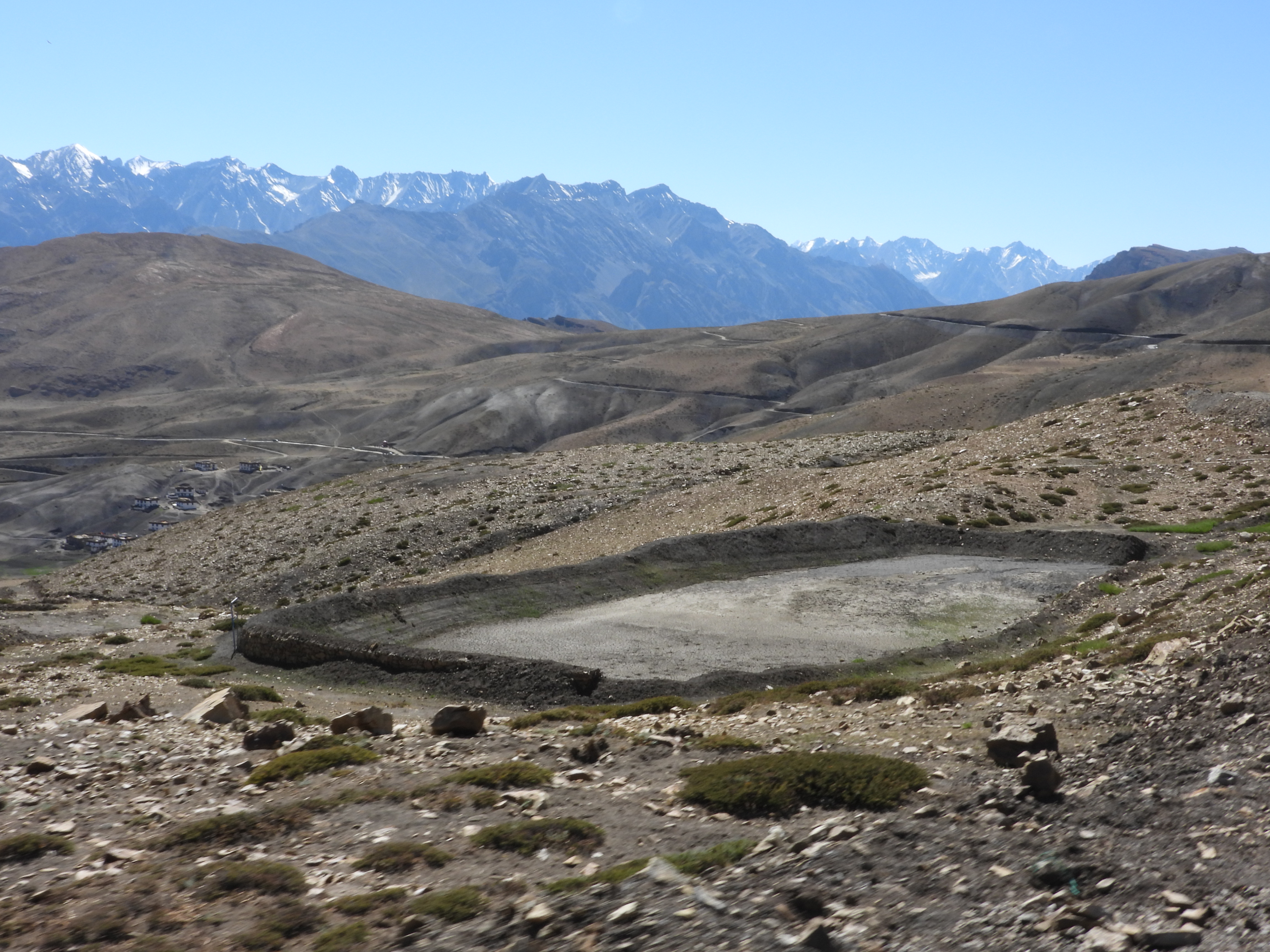
Barren fields and dried reservoir | Photo: Chhunit Kesang
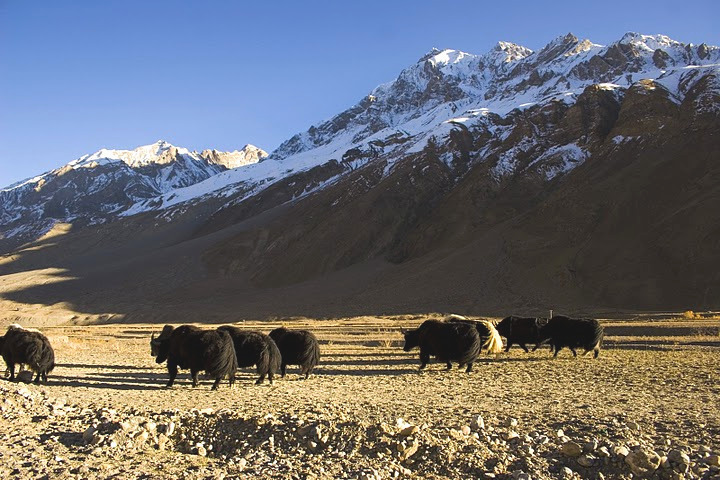
Domesticated Yaks

TD: What do you think is the cause for such changes?

DL: I think it is due to changing weather patterns. They say it is called global warming in English and has to do with plastic usage. I am not sure how it is interrelated and how it impacts our fields here in Spiti but I do believe it. I think about it a lot and think of avoiding plastic usage on my level. But will it make a difference on a larger level? I think collective action is needed. To ensure timely snowfall, we have to revive our traditional ways of living. Rituals are performed according to an astrologically and agriculturally influenced calendar and we have to bring back those traditions and belief systems. We also think about our children’s generation and preserve our natural resources. Tourism has also impacted the way we channel our resources. It is getting extremely rampant nowadays. We have to devise an internal resource and waste management system to reduce impact on nature. I think plantations will be beneficial in desert areas like ours. I hope that will reduce the effect of global warming and our fields begin to blossom again and our kuls brimming fresh snow water.

Padma Norzom: Water situation? It is scarce everywhere this year. In Chicham, even drinking water is getting difficult for us. Our barley and green peas field are all drying up before harvest season due to receding water in our kuls. There was just no water for irrigation and we are forced to abandon our fields. Because of declining water sources, our land, soil, pasture is all drying up and forage availability and grazing system is also impacted.

TD: Was it the same last year?

PN: It used to be enough to sustain our farm work and to feed our cattle but this year has been unfortunate. There was no snowfall during winter and all our spring waters dried up. My jersey cow also looks very weak and without adequate water to drink, milk production has become very less. I stopped selling milk this year. Livestock feeding and water intake behaviours are also negatively impacted and when sent out in the wild for grazing, they gallop towards greener pastures!

TD: How do we resolve this? Is there a way we can utilise water from the Spiti river?

PN: Yes, river water can certainly be channelled but it will be a bit strenuous and resource intensive as it is located far from the village area. If the government can help us, it will be a huge blessing. Some farmers have tried irrigating their green pea fields with generators. But the diesel operated generators turned out very expensive and it was simply not feasible for small farmers like us who also spent a lot of money buying green pea seeds. The cost will come in lakhs – all for nothing without water.

1800 1200 Tanzin Dawa
Trekking the Forests of Himachal
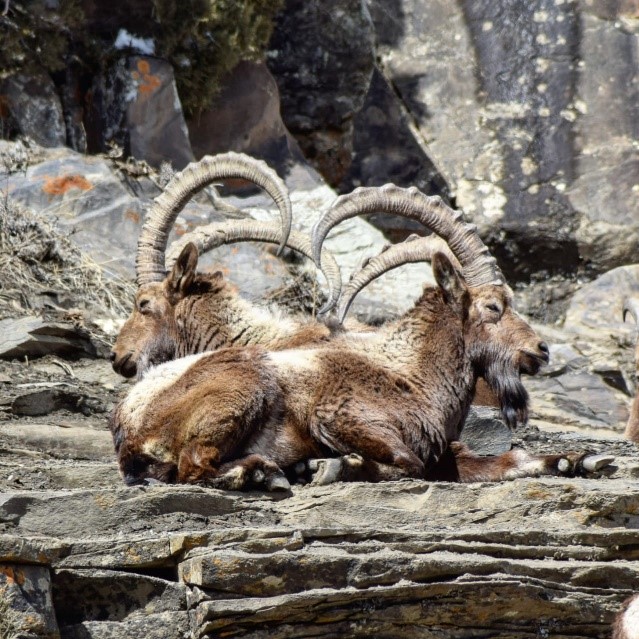
Two male ibexes resting | Photo: Tinkle Bhatt

Trekking the Forests of Himachal

To be a forest guard in Himachal Pradesh means trekking in some of the harshest terrains to document and protect the most vulnerable wildlife. But to me, that is what brings the thrill to my work. A few months back while I was patrolling the forest near Yangla village alone, as I mostly do, I came to learn that a black bear was also roaming the same areas that I had covered. The thought of encountering a bear is a scary one, and I was glad that I didn’t cross paths with the animal. At the same time, I was a little disappointed as I did not get the chance to see it.

Two male ibexes resting | Photo: Tinkle Bhatt

Being a forest guard takes you to new places, you get to meet new people and experience their culture and history and observe their relationship with wildlife. Lahaul offers a lot of opportunities in this regard with its rich culture and heritage. People here really respect forests and nature and it makes my work more enjoyable.

Since I get to travel a lot, I like to document it all through photographs and wildlife photography, although challenging, it is something that I enjoy a lot. This photograph of two male ibex resting on a rock was taken by me on March 17, 2020, at Stingari. I was trekking with a senior who told me that if we stay calm and respectful, the ibex will not run away and they will also take interest in us.

639 639 Tinkle Bhatt
Art From Our Valleys
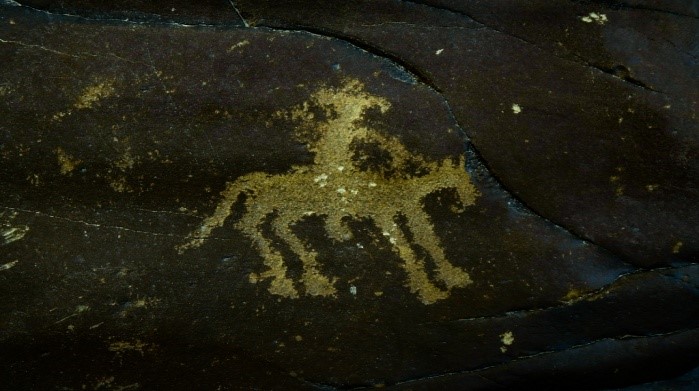
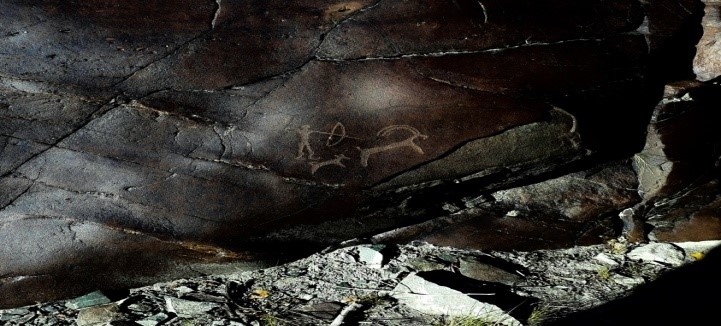
"Huntsman" rock-art, Gya-Miru | Photo: Sherab Lobzang

Art From Our Valleys

Life in the mountains is tough. In addition to physical fitness, it demands a great deal of mental fortitude. This is particularly true among our elders, especially when you hear them speak about their younger days. Stories of how they managed to survive the long winter months tending to their livestock are hard to believe for our generation. Animals reserve a special place in our lives, and they too are often as spirited as hardy mountain people. Growing up in Ladakh, animals were an integral part of my life too: sheep, goat, donkey, horses, and yak. And then there are the wild animals that were seen rarely, but often encountered when they preyed on livestock. Growing up in the village of Kumdok close to the Changthang region of Ladakh, I enjoyed exploring the mountains as a young kid. I still remember joining my mother to graze the village livestock in the pastures around our village. Each family took turns to fulfill this task. During that time my mother would show me wild animals that were seen in the pastures around our village. We had to keep our livestock safe from hungry carnivores.

Illustration: Rohit Rao

I was fascinated by the outdoors and I still cherish those times spent exploring the pastures. I particularly remember the day I first encountered some very interesting art on some of the rocks in these pastures. As a 13-year old then, I wondered who had drawn them. I asked my mother and she told me that these were made many, many years ago. Probably even before our great, great grandparent’s time. This was from a time when there were no notebooks, pencils, and even schools which is why they may have etched them on the rock.

A few years later, I left the village for higher studies. Returning home each year, I noticed that the number of livestock in my village was reducing. Some years back everyone gave up herding sheep and goat. After completing my education, I began to work in wildlife conservation. My work took me to many places across Ladakh. I interacted with locals of every generation. I also worked closely with researchers who were trying to study nature and the relation that we Ladakhi share with them. That often took me back to rock art that my mother had shown me. Our ancestors may have shared a special relation with nature and animals, as was depicted in the art. This got me even more interested in rock art which is both rare and special. In the last few years, I have encountered rock art in the most unlikely places. I make sure to take a picture, each time I find new art. I often find myself thinking about what our forefathers were trying to tell us through the art. I would like to share some of these pictures and my thoughts with you.

"Hunter" rock-art, Ulley | Photo: Sherab Lobzang

Ulley Tokpo is a village in the western part of Ladakh. Walking along the banks of the Indus River, I stumbled upon this curious rock art. The image shows a hunter pointing a bow at an animal with long curved horns, while a guard dog watches on. Did our forefathers hunt for food? Maybe they did not rear animals like sheep and goat then. Why else would they hunt? When did they start rearing livestock and when did we stop hunting? Thanks to livestock rearing we could stop hunting. But while hunting has stopped, archery remains a very popular sport and a cultural event that we participate in every winter. This is a common practice across many mountain communities in the Himalayas.

I recorded this rock art image of a horseman between the villages of Miru and Gya on the highway that connects Leh to Manali. One of my senior colleagues had shown me this image. If you drive past this area today, you will not find this horseman anymore. Unfortunately, a large part of the rock formation that carried this rock art was destroyed during road construction. But this image is a reminder of the role that horses might have played in the lives of our forefathers.

Horses were the most efficient form of transport, be that for hunting or even later for trade and exchange of produce through barter. The significance of horses has diminished with the arrival of vehicles. However, they still reserve an important cultural role in our communities. Horse racing is active in some parts during Losar, the New Year celebrated on the first day of the lunisolar Tibetan calendar. Another sport that was played earlier was Ta Polo, Ta meaning horse, and Polo meaning ball. Could this have been a primitive form of the sport of polo? I often wonder where our forefathers might have learned it from.

"Horseman and Yak" rock-art | Photo: Sherab Lobzang

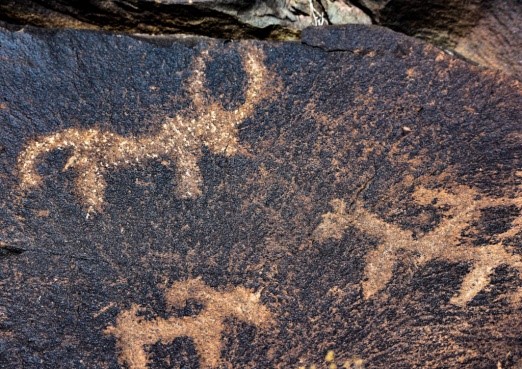
I once encountered this fascinating image of what looked like horsemen pursuing a large animal. I wondered if these were yak. When I spoke with some elders in my village, they mentioned that indeed they were: they were wild yak! Dong, as they are referred to locally, haven’t been seen in a very long time. The domestic yak is believed to have been reared from the wild yak. Our elders explained that dong is much larger than the domestic ones we rear. Today, it is reported from a small part in Changchenmo which is largely unexplored. I wonder if there are other animals like the dong that once occupied these rangelands.

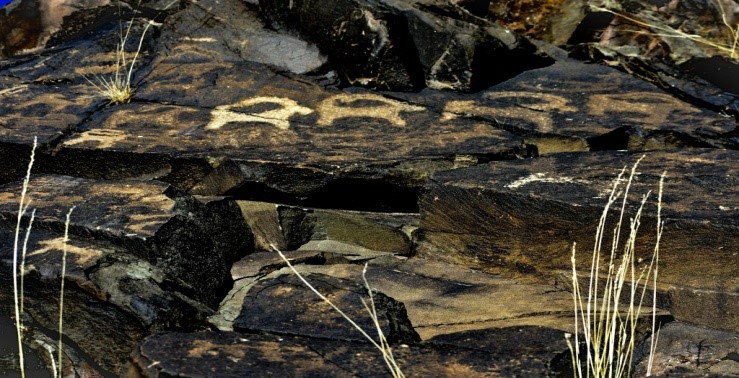
At the mouth of Phuyul valley near the village of Miru, I observed some very interesting rock art while carrying out surveys. This included images of wild animals, stupas which are religious structures in Buddhism, and script which was hard to identify. Some of these etchings look like ibex based on the longhorns they display. I find that particularly interesting because ibex was not found in these areas during our surveys in the past three years. Could the rock art be suggesting that these valleys were home to ibex in prehistoric times? It is hard to say. These are just a few of the images I have found so far. Many more remain undiscovered and I hope to keep finding them and sharing their stories, as I do now. While I have been fortunate to stumble upon these ancient relics that are part of our heritage, I am concerned about the number of these relics we may be losing out of ignorance. Rock art, which may date back several thousand years, are messages to us from our ancestors. They deserve attention and care. If we were to lose them, we might lose an important part of our past heritage.
"Ibex" rock-art | Photo: Sherab Lobzang

This holds true not just for Ladakh, but for all areas where rock art of this kind tells a story of the past. It is up to us to rediscover them and celebrate the wonderful stories they tell. These stories told by our ancestors.

699 391 Sherab Lobzang
The Predicament of a Herder

The Predicament of a Herder

Winters in Spiti valley are filled with celebrations of a fruitful year and prayers for a bountiful year ahead. Most of the time is spent within the villages as travel is usually difficult especially when heavy snowfall causes roadblocks. The year 2018 was also not much different. In the month of November, as we were readying ourselves for the coming winter months in Kibber, I received an urgent message from a colleague in Mysore in Karnataka.

“A herder has lost much livestock in Chango, possibly killed by a wild animal” the message said.

These were the only details along with a WhatsApp video that was being circulated. Understanding that the matter could be grave and the weather was still permitting travel, I decided to leave immediately for Chango which is in Kinnaur. I requested Tanzin Thuktan, my colleague, to join me. Chango is about 110 km away from Kibber.

We did not have any details about the owner or where exactly the incident had happened. Upon reaching Chango we were clueless, but the good thing about small towns and villages is that everyone knows each other very well. So, when we enquired about the case with local shopkeepers, they were well aware of it and they told us that Thuktan Tender was the owner of the livestock and showed us the way to his house. Thuktanji is an apple farmer in Chango and has a settlement at Liti Dogri. When we arrived at his house, he was confused about why we had traveled from so far to talk about his loss. With a little hesitation, he narrated the whole incidence to us.

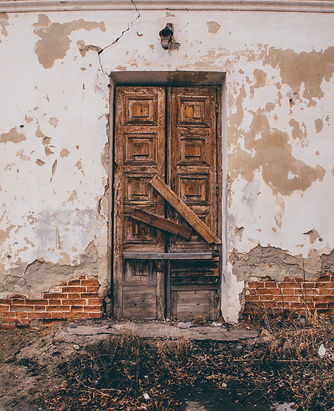
On 16th November 2018, Raju, the caretaker of the corral, had returned to the village to gather supplies for the Dogri. He decided to stay back in the village for the night. The next day when he went back and opened the door of the corral, the animals rushed out in panic. Usually, he would have had to take a lot of effort into getting the animals out of the corral. He knew  something was wrong. It was  strange behavior.

Broken Door | Photo: Mikey Dabro

Standing by the door he carefully scanned the inside of the corral and to his surprise, he saw a set of shining eyes staring back at him in the dark. He immediately knew what it was and slammed the door shut. He called Thuktan and narrated the incident. Within a few hours, the news had reached every household in Chango and nearby villages.

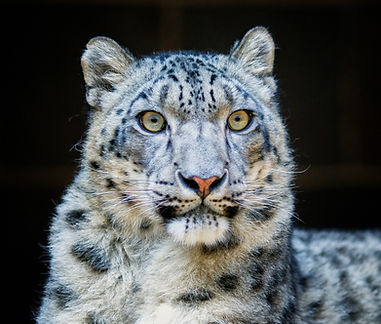
Snow Leopard | Photo: Adriaan Greyling

A snow leopard, which had entered the corral in the dark of the night, had somehow got trapped inside. It garnered a lot of attention from local leaders and the forest department to school teachers. Everyone had reached the Dogri to enquire about the incident and see the snow leopard. Upon many assurances of receiving relief for the loss, Thuktan released the snow leopard. He also made a video of the release as a record that the animal had been released unharmed. When they inspected the corral from inside, they saw 19 animals that had been killed and 11 critically injured. Within 2-3 days even they succumbed to their injuries. However, after the release, all the hype around the case vanished. So, when I met with Thuktanji, a few weeks later, he was understandably angry and had lost hope of receiving any financial help. I asked him if I could visit the Dogri, to which he agreed.

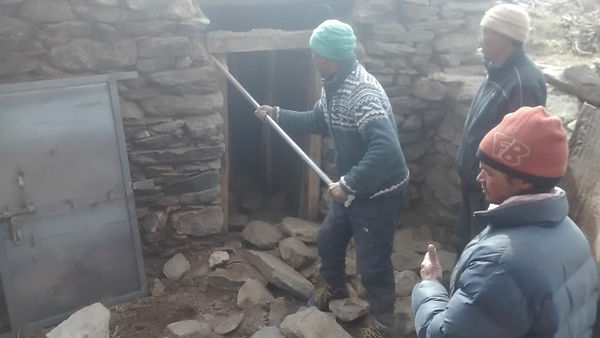
Liti Dogri is about 15 km away from Chango. It has three big corrals which houses small-bodied animals like goats and sheep of several livestock owners of the village. Thuktan ji’s corral at any time has 200-250 animals. Upon inspection of the corral, we noticed that the door of the corral was old and did not shut completely. We gathered that the snow leopard must have entered through the door and had gotten trapped inside. To prevent further loss, we decided that we would replace the door with a new sturdy one. The next few days were filled with hurdles. The closest material shop and welder was 130 km away in Reckong Peo. Getting the material on time was crucial to avoid further losses. The three of us drove to Peo in Thuktan ji’s car and bought doors for the corral. The villagers came to help us fix the door. The compensation process as well as the relief amount was also not very clear.

Repairing broken door of Thuktanji | Photo: Nature Conservation Foundation

We decided to speak to the local Forest Guards and Range Officers. They informed us that the compensation file had been sent to the DFO’s office in Reckong Peo. We then met with the DFO who was very sympathetic and assured us that Thuktanji would receive the claim as per the new notification rates. Within few weeks Thuktanji received the claim from the department. Compared to the actual loss suffered and other collateral costs incurred, the financial relief offered by the Forest Department was often considered too little. Fortunately, the department has revised these rates since August 2018 to ensure that the herders can cope with these situations better than before.

As a herder myself, I believe that we must try to ensure that such events are avoided in the first place. Wild animals have always lived around us and will continue to do so. We have always taken precautions to keep our livestock safe from them, and we have to continue doing so. With access to better resources in our remote areas, we may be able to plan this more effectively and upgrade our corrals to make them predator-proof. This way we may be able to prevent any future losses that might occur.

1014 676 Tanzin Thinley
Living With The Wild
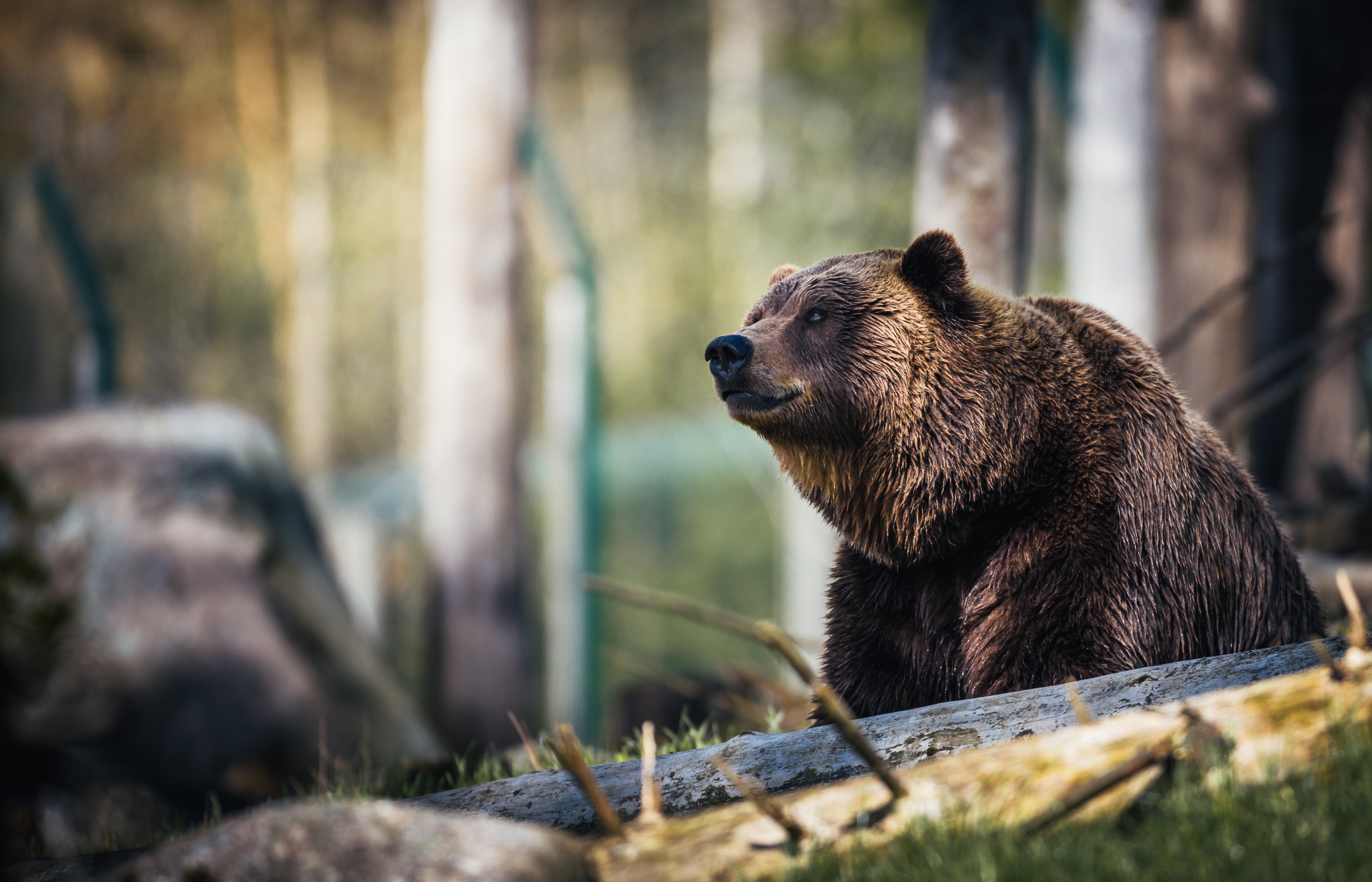
Brown Bear | Photo: Janko Ferlic (Pexels)

Living With The Wild

The 19th day of November 2018 was like any other day for Vikram of Pangi, Chamba district. He was walking his cattle in the nearby village pasture by the banks of the Chenab river. Little did he know that his life was about to change. While walking through thick shrubs and vegetation, he didn’t realize that he had accidentally come too close to a brown bear. The sudden realization of the proximity threatened the animal, and out of fear, it attacked Vikram. Vikram caught off guard, did his best to reduce the impact of the attack. He managed to save his life but suffered multiple grievous injuries all over his body and partial loss of eyesight. He immediately went to the nearest hospital to get medical help. He later filed for compensation with the Range Office in Pangi.

In another part of Himachal, a snow leopard, in the dark of the night, entered the corral of a herder and killed 20 animals. The herder, overnight, lost most of his livestock, and being in one of the remote areas, he had no clear idea of what had to be done and how he could get some economic relief from the forest department.

Such cases are not new to these herding communities who often come in close quarters with the wildlife around their villages and pastures. Some of these instances lead to a lot of emotional stress and in some scenarios may also impact the individuals’ personal relationships. It is a very heavy price one pays for living around wildlife. We must ensure that anyone who suffers such a loss is not neglected and helped throughout the process.

Although this problem has been a part of herder’s life for many generations, there are new-age solutions to prevent and mitigate some of these economic losses.

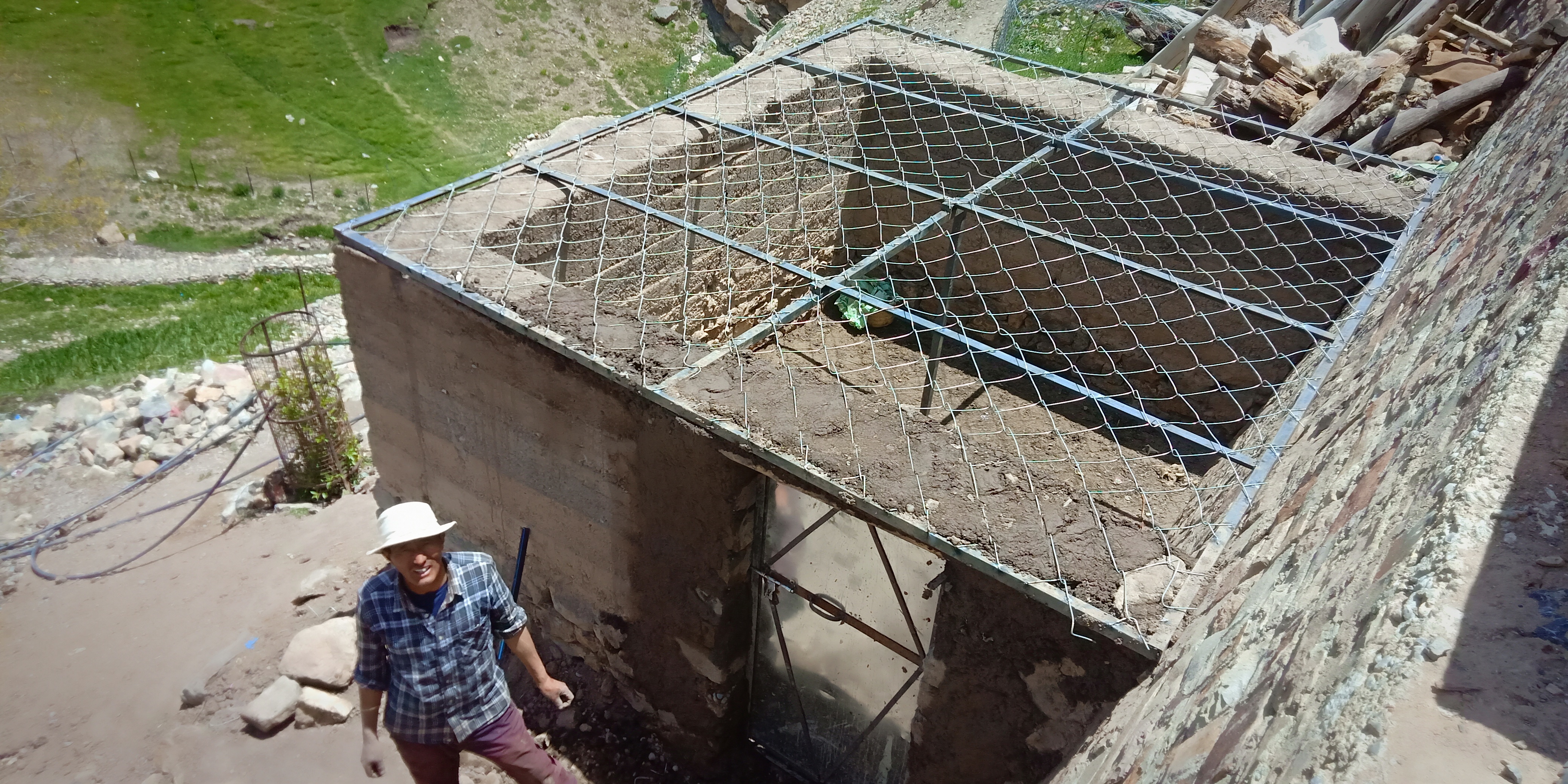
Reinforcing the roofs of the corral to make them predator-proof | Photo: Nature Conservation Foundation

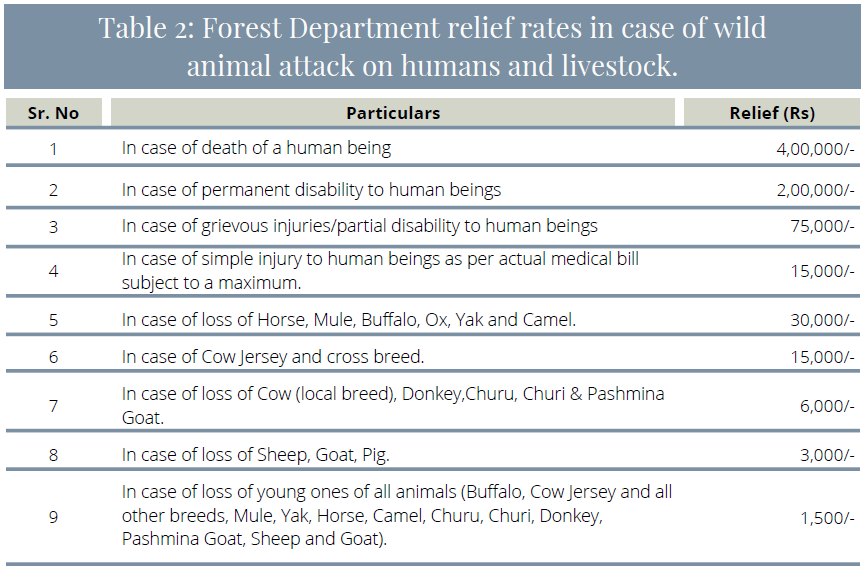
One thing that every individual can do beforehand is to economically safeguard themselves and their family, in case of a medical emergency, by opting for accidental death and disability insurance offered by the central government under Pradhan Mantri Suraksha Bima Yojana (PMSBY) scheme. Although there are eligibility criteria, some degree of financial coverage can be availed from Ayushman Bharat as well. Himachal Pradesh Government offers Ayushman Bharat through its Himachal Pradesh Swasthya Bima Yojna Society (HPSBY). If one does not have any life insurance or pension plan, they should also consider getting one from Pradhan Mantri Jeevan Jyoti Bima Yojana (PMJJBY) and Atal Pension Yojana (APY). For more details on these insurances refer to Table 1. The Forest department also has provisions for providing relief in case one is attacked by wildlife. For details on relief rates offered by Forest Department refer to Table 2.

For livestock, one could take steps to prevent such an incident by repairing and reinforcing corrals to ensure no gaps in walls/doors remain. The roofs can be reinforced with metal mesh to close off all possibilities of attack in the corral. Regular and timely maintenance is of utmost importance. However, the livestock is prone to attack in the pastures and forests as well. Village-level measures, like the insurance program, can help reduce the losses suffered due to such attacks. When the collective losses of the village are high, then insurance of livestock can be planned where the premium and compensation are decided by the villagers and a village committee manages the insurance fund. In case of a loss suffered by a family, compensation is paid out from such a fund. However, the community must be careful and set clear rules and guidelines when starting a village-level insurance program. Currently, there are three villages in Spiti valley where are the community runs the insurance program.

The forest department also provides compensation to the herders in case the livestock is killed by wildlife. However, despite all good intentions, there can be genuine difficulties in timely administering such claims by the forest department and one must be patient but persistent. For details on relief rates offered by Forest Department refer to Table 2.

There are also some traditional solutions to the problem of livestock depredation. For example, in Gue village of Lahaul & Spiti district, there were multiple cases of surplus killing this year. Whoever lost their livestock were helped out by the entire community by each household contributing an animal to the owners. This practice not only takes the stress of losing livestock away but also does not let herder suffer economically. Such practices are reported in other parts of Himachal as well. I am sure that there will be many other local solutions that I have not talked about. I would love to hear about them. Do write about the practices adopted to prevent and mitigate losses from wildlife in your village. Also, if you want to take up this issue in your own village or start an insurance program and need further assistance, do reach out to me or my team. Our details are available on the last page of the newsletter.

In the end, I would like to mention that there is no one, sure shot solution to such complex problems, but Himachalis have continuously been adapting to these challenges, a characteristic of life in the hills, and putting up with the adversities they face.

5824 3744 Deepshikha Sharma