Posts By :

Ajay Bijoor

Can indigenous liquors reach the market?

Can indigenous liquors reach the market?

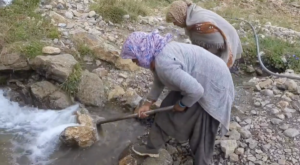
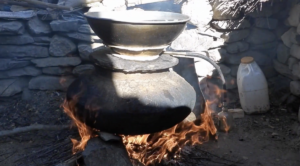
India has a rich tradition of indigenous liquors dating back almost 4000 years. For many tribal communities, indigenous liquors have been a part of their tribal rites and rituals since times immemorial and they consider them as a gift bestowed upon humankind by their guradian spirits.

From toddy, feni and mahua in south and central India, to apong, judima, hor, zao and zutho in north-east India, and to arrack, chaang, angoori and moori up north – the diversity of indigenous liquors is stunning! Using the example of mahua, which was launched in the market in 2023, we see the possibilities and challenges involved in taking indigenous liquors to the market.

We acknowledge that drinking is injurious to health. This story does not promote drinking, rather it hopes to celebrate indigenous techniques that have stood the test of time.

Credits:
We thank Aniruddha Mookerjee aka Jhampan, for sharing his insights and experience.

Pictures:
Cover image: Nawang Tankhe
Toddy: Wikimedia commons
Feni: https://www.villagesquare.in/how-auth...
Mahua: Wikimedia commons, Aniruddha Mookerjee and https://www.villagesquare.in/how-the-…

Map of Mahua: Mah Spirits (https://www.mahspirit.com/post/the-ca…)

Music by penguinmusic – Earth Day from Pixabay
Tribal Ethinic by Epidemic Sound via. CanvaPro

Location: Dolma Homestay, Kibber


भारत में लगभग 4000 वर्ष पुरानी पारंपरिक मदिरा की समृद्ध परंपरा है। कई जनजातीय समुदायों के लिए, पारंपरिक मदिरा प्राचीन काल से ही जनजातीय संस्कारों और अनुष्ठानों का हिस्सा रही है और वे इसे अपनी देवी-देवताओं द्वारा मानव जाति को दिया गया उपहार भी मानते हैं।

दक्षिण और मध्य भारत में ताड़ी, फेनी और महुआ से लेकर, उत्तर-पूर्व भारत में अपोंग, जुडिमा, होर, ज़ाओ और ज़ुथो तक, और उत्तर में अरक, छांग, अंगूरी और मूरी तक – पारंपरिक मदिरा की विविधता आश्चर्यजनक है! महुआ के उदाहरण का उपयोग करते हुए, जो 2023 में बाजारों में लॉन्च किया गया था, हम पारंपरिक मदिरा को बाजार में लाने में शामिल संभावनाओं और चुनौतियों को देखते हैं।

हम मानते हैं कि शराब पीना स्वास्थ्य के लिए हानिकारक है। यह कहानी शराब पीने को बढ़ावा नहीं देती है, बल्कि यह उन स्वदेशी तकनीकों का जश्न मनाने की उम्मीद करती है जो समय की कसौटी पर खरी उतरी हैं।

श्रेय:
हम महुआ के साथ काम करने के अपने अनुभव को साझा करने के लिए अनिरुद्ध मुखर्जी उर्फ ​​झम्पन को धन्यवाद देते हैं।

चित्र:
टोडी: विकिमीडिया कॉमन्स
फेनी: https://www.villagesquare.in/how-auth… made/
महुआ: विकिमीडिया कॉमन्स, अनिरुद्ध मुखर्जी और https://www.villagesquare.in/how-the-…

महुआ का मानचित्र: माह स्पिरिट्स (https://www.mahspirit.com/post/the-ca…)

पेंगुइनम्यूजिक द्वारा संगीत – पिक्साबे से पृथ्वी दिवस
एपिडेमिक साउंड द्वारा जनजातीय जातीयता के माध्यम से कैनवाप्रो

स्थान: डोल्मा होमस्टे, किब्बर
1200 664 Ajay Bijoor
Automated Ice Reservoirs: A new technique to combat climate change

Automated Ice Reservoirs: A new technique to combat climate change

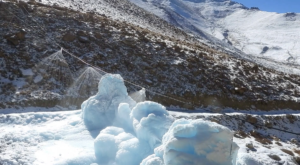
The first-ever World Day for Glaciers, coinciding with World Water Day, is being celebrated on March 21, 2025. Glaciers are vital to the health of rivers that emerge from the high Himalayan range. These rivers account for close to a fifth of the Earth’s fresh water stock. However, there have been concerns over the shrinking of glaciers attributed largely to human-induced climate change. The impact of shrinking glaciers is felt most acutely by farmers in the Himalaya as water from glacial melts needed for their first irrigation arrives late. This pushes the farming window further away, risking damage to their standing crop which has to be harvested on time. People of Ladakh have been carrying out novel experiments to build ice structures that can counter this challenge. Such initiatives began in the 1990s in the form of artificial glaciers designed by Chewang Norphel, and later in 2013 with the construction of vertical ice stupas was conceived by Sonam Wangchuk.

Acres of Ice (AoI), a newly set up Ladakhi company, is now trying to couple the design philosophy of both these ideas while also introducing automation, to build larger ice reservoirs while easing the process of building such structures. In this story, we speak with Dr. Surya, the co-founder of AoI, and Karuna Sah of AoI about their work.

Credits: We thank Dr. Surya and Karuna Sah from Acres of Ice for speaking with us and taking us to one of their sites in Igoo.
Image credits: Leh Nutrition Project, The Ice Stupa Project, Sonam Wangchuk/Rolex Awards and Acres of Ice.
Cover image: Nawang Tankhe
Background music: Glaciers by Roie Shpigler from Artlist via. Canva Teams
Kya Baat by Guy Buttery from Artlist via. Canva Teams
Stock Footage from Pixabay (https://pixabay.com/)


विश्व जल दिवस के साथ ही पहला विश्व ग्लेशियर दिवस 21 मार्च, 2025 को मनाया जा रहा है। ग्लेशियर उच्च हिमालयी श्रृंखला से निकलने वाली नदियों के स्वास्थ्य के लिए महत्वपूर्ण हैं। ये नदियाँ पृथ्वी के ताजे पानी के भंडार का लगभग पाँचवाँ हिस्सा हैं। हालाँकि, ग्लेशियरों के सिकुड़ने को लेकर चिंताएँ हैं, जिसका मुख्य कारण मानव-प्रेरित जलवायु परिवर्तन है। ग्लेशियरों के सिकुड़ने का प्रभाव हिमालय के किसानों पर सबसे ज़्यादा पड़ता है, क्योंकि पहली सिंचाई के लिए ज़रूरी ग्लेशियरों के पिघलने से पानी देर से आता है। इससे खेती के लिए समय कम हो जाता है, जिससे उनकी खड़ी फसल को नुकसान पहुँचने का जोखिम रहता है, जिसे समय पर काटा जाना चाहिए। लद्दाख के लोग बर्फ की संरचनाएँ बनाने के लिए नए प्रयोग कर रहे हैं, जो इस चुनौती का सामना करने में मदद कर सकते हैं, जैसे कि चेवांग नोरफेल द्वारा डिज़ाइन किए गए कृत्रिम ग्लेशियर और सोनम वांगचुक द्वारा पेश किए गए ऊर्ध्वाधर बर्फ स्तूप। लद्दाख की एक नई कंपनी एकर्स ऑफ आइस (एओआई) इन दोनों विचारों के डिजाइन दर्शन को स्वचालन के साथ जोड़ने की कोशिश कर रही है, ताकि ग्लेशियर निर्माण की प्रक्रिया को आसान बनाते हुए बड़े ग्लेशियर बनाए जा सकें। इस कहानी में, हम एओआई के सह-संस्थापक डॉ. सूर्या और एओआई की करुणा साह से उनके काम के बारे में बात करते हैं।

1200 661 Ajay Bijoor
The uncertain future of Himalayan Barley

The uncertain future of Himalayan Barley

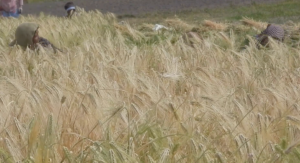
Barley grown organically has been a staple produce in the high altitude regions of Spiti, Lahaul and Ladakh. In the 1980s, the cold summer weather allowed farmers to move towards growing more lucrative cash crops. However, the same weather is now becoming the biggest risk. In this story, Tanzin Thinley, a farmer from Kibber in Spiti talks about this change and the challenges facing farmers like him.

Credits:
Thanks to Tanzin Thinley
Also, thanks to Dikit Lamo of Chicham
Additional footage: Lama Tanzin Chhewang
Stock Footage from Pixabay (https://pixabay.com/)
Music: The Old Farmer by Dream-Protocol via. Pixabay


जैविक तरीके से उगाई गई जौ स्पीति, लाहौल और लद्दाख के क्षेत्रों में एक प्रमुख उपज रही है। 1980 के दशक में, ठंडी गर्मी के मौसम के कारण, किसानों को अधिक लाभदायक नकदी फसलें उगाने की ओर बढ़ने का मौका मिला। हालांकि, यही मौसम अब सबसे बड़ा खतरा भी बनता जा रहा है। इस कहानी में, स्पीति के किब्बर के एक किसान तंजिन थिनले इस बदलाव और उनके जैसे किसानों के सामने आने वाली चुनौतियों के बारे में बात करते हैं।

फिल्मांकन क्रेडिट:
तंजिन थिनले को धन्यवाद
इसके अलावा, चिचम के डिकिट लामो को भी धन्यवाद
अतिरिक्त फुटेज: लामा तंजिन छेवांग
पिक्साबे से स्टॉक फुटेज (https://pixabay.com/)

1200 650 Ajay Bijoor
The Bee Herders

The Bee Herders

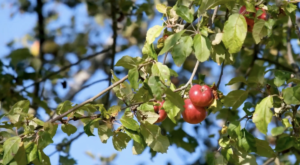
Warming climates are causing tree species to move to higher elevations. This effect is particularly visible in the Western Himalaya. Apple, the primary produce in the Indian State of Himachal Pradesh, is also moving to higher altitudes. But while trees are moving higher, their natural pollinators are yet to make this ascent. During our recent travels, we met with an interesting group of bee herders who are trying to plug this gap. Watch our latest story based on the most fascinating discussion we had with a most unexpected bee keeper we met, who had travelled all the way from Rajasthan!

We thank Shri. Bharat Godhara alias Shivakumar and his assistant Jyotish who played gracious hosts and spoke with us about their travels and trade. Thanks also to Gauri Gharpure for sharing her insights. We would like to acknowledge Preeti Virkar for here latest research on apples and bees, that got us curious on this topic and to Dr. Shivam Shrotriya who pointed us to this work.

Preeti’s paper can be viewed here https://www.sciencedirect.com/science…

Filming Credits:
Additional Footage from Bharat Godhara (Shivakumar) and Akshata Anand
Stock Footage from Pixabay (https://pixabay.com/)
Music: Fresh Apple by Lesfm via Pixabay

Map is not to scale and has been used for representational purposes.

————-

गर्म होती जलवायु के कारण वृक्ष प्रजातियाँ अधिक ऊंचाई पर जा रही हैं। यह प्रभाव विशेष रूप से पश्चिमी हिमालय में दिखाई देता है। हिमाचल प्रदेश की प्राथमिक उपज सेब भी अधिक ऊंचाई पर जा रही है। लेकिन जब पेड़ ऊपर बढ़ रहे हैं, तो प्राकृतिक परागणकों को यह चढ़ाई करना मुश्किल हो रहा है। अपनी हाल की यात्राओं के दौरान, हमारी मुलाकात मधुमक्खी पालकों के एक दिलचस्प समूह से हुई जो इस अंतर को पाटने की कोशिश कर रहे हैं। एक अप्रत्याशित मधुमक्खी पालक के साथ हुई हमारी दिलचस्प चर्चा पर आधारित हमारी नवीनतम कहानी देखें, जो राजस्थान से यात्रा करके आये थे!

हम श्री ​​शिवकुमार और उनके सहायक ज्योतिष को धन्यवाद देते हैं जिन्होंने हमें अपनी यात्रा और व्यापार के बारे में जानकारी दी। अपनी अंतर्दृष्टि साझा करने के लिए गौरी घरपुरे को भी धन्यवाद। हम सेब और मधुमक्खियों पर नवीनतम शोध के लिए प्रीति विरकर को धन्यवाद देना चाहेंगे, जिसने हमें इस विषय पर सोचने के लिए उत्साहित किया और डॉ. शिवम श्रोत्रिय को भी जिन्होंने हमें इस काम के लिए प्रेरित किया।

प्रीति का पेपर यहां देखा जा सकता है https://www.sciencedirect.com/science/article/abs/pii/S0167880924001865

फिल्मांकन क्रेडिट:
श्री शिवकुमार और अक्षता आनंद से अतिरिक्त फुटेज
पिक्साबे से स्टॉक फुटेज (https://pixabay.com/)
संगीत: फ्रेश एप्पल Pixabay के माध्यम से Lesfm द्वारा

मानचित्र पैमाने पर आधारित नहीं है, और इसका उपयोग प्रतिनिधित्वात्मक उद्देश्यों के लिए किया गया है।

1200 661 Ajay Bijoor
Spirits of the mountains: Barley liquor (Arrack)

Spirits of the mountains: Barley liquor (Arrack)

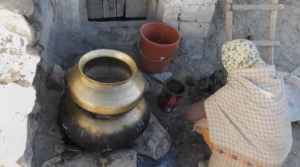
Preparation of barley wine involves a delicate process that is usually mastered over many years. Watch how a blend of barley wine is made traditionally.

Special thanks to Tanzin Kunzang


जौ की वाइन तैयार करना एक नाजुक प्रक्रिया है जिसमें महारत हासिल करने में कई साल लग जाते हैं। देखें कि पारंपरिक रूप से जौ वाइन का मिश्रण कैसे बनाया जाता है।

तंजिन कुंजांग को विशेष धन्यवाद

1200 666 Ajay Bijoor
Spirits of the mountains: How is Rice Beer (chaang) made in Lahaul

Spirits of the mountains: How is Rice Beer (chaang) made in Lahaul

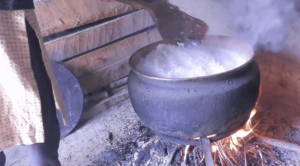
Chaang is a fermented, alcoholic beverage traditionally made from barley in the Himalayan belts. Thanks to an effective Public Distribution System, locals now have access to rice and wheat, which was previously rare. Both are rice and wheat are also used to brew chaang now. The key to a great brew though is the fermenting agent, phaav. Phaav is essentially a way to trap and use the atmospheric yeast as a starter, making it specific to each location. The phaav is what distinguishes a great brew from a good one.


छांग एक मादक पेय है जो पारंपरिक रूप से हिमालयी क्षेत्रों में जौ से बनाया जाता है। प्रभावी सार्वजनिक वितरण प्रणाली की बदौलत, स्थानीय लोगों को अब चावल और गेहूं तक पहुंच प्राप्त हो गई है, जो पहले दुर्लभ था। दोनों चावल और गेहूं का उपयोग अब छांग बनाने के लिए किया जाता है। हालाँकि, एक बेहतरीन शराब की कुंजी किण्वन एजेंट, फाव है। फाव मूल रूप से वायुमंडलीय खमीर को स्टार्टर के रूप में फंसाने और उपयोग करने का एक तरीका है, जो इसे प्रत्येक स्थान के लिए विशिष्ट बनाता है। फाव ही एक बढ़िया ब्रू को अच्छे से अलग करता है।

Special thanks to Angmo Gaaji and Chhering Gaaji.
Cover illustration by Nawang Tankhe.
Supporting cast: Shri. Kesang Chunit.

अंग्मो गाजी और छेरिंग गाजी को विशेष धन्यवाद।
नवांग तन्खे द्वारा कवर चित्रण।
सहायक कलाकार: श्री. केसांग चुनित।

1200 665 Ajay Bijoor
Lapsol – Prayer to the mountain spirits

Lapsol – Prayer to the mountain spirits

Several communities follow traditional belief systems. Many mountain communities have faith in mystical entities like mountain spirits and deities, who they believe control the elements. In the high Himalaya, water is a critical and often limiting resource. Many communities believe the source of these water bodies to be sacred, which are controlled by individual spirits or deities. In this video-story, we visit Spiti to look at the annual celebration of Lapsol. Lapsol is celebrated to gratify mountain spirits, in the hope that the region receives bountiful snow. It is a solemn prayer made by the villagers for another year peace and tranquility.

Special thanks to Chhering Tashi, Padma Dimdul, Paljor Lundup and Champa Dorje of Kibber village.
Music: Abode of Snow SPmusic by via. Pixabay
Asian Cinematic by @AlekseyChistilin (Lexin_Music) via. Pixabay
Additional Footage: Kalzang Gurmet
Audio: DesiVocal (https://www.desivocal.com/en)
Cover Illustration: Nawang Tankhe


कई पहाड़ी समुदाय, पहाड़ी ल्हा और ल्हामो (देवी-देवताओं) जैसी रहस्यमय स्थाओं में विश्वास और श्रद्धा रखते हैं। उनका मानना ​​है कि पहाड़ी देवी-देवता तत्वों को नियंत्रित रखते हैं। हिमालय के ऊँचे क्षेत्र में, पानी एक महत्वपूर्ण और अक्सर सीमित संसाधन है। कई समुदाय इन जल निकायों के स्रोत को पवित्र मानते हैं, जिसे स्थानीय देवी-देवता नियंत्रित करते हैं। इस वीडियो-कहानी में, हम लाप्सोल के वार्षिक उत्सव को देखने के लिए स्पीति का दौरा करते हैं। लाप्सोल स्थानीय देवी-देवताओं को संतुष्ट करने के लिए मनाया जाता है, इस उम्मीद में कि आने वाला वर्ष समृद्ध और किसी भी मुश्किलों से मुक्त हो।

किब्बर गांव के छेरिंग ताशी, पद्मा डिमडुल, पलजोर लुंडुप और चंपा दोरजे को विशेष धन्यवाद।
संगीत: एबोड ऑफ स्नो SPmusic के माध्यम से (पिक्साबे)
एशियन सिनेमैटिक @AlekseyChistilin द्वारा (पिक्साबे)
अतिरिक्त फ़ुटेज: कलज़ंग गुरमेत
ऑडियो: देसीवोकल
कवर चित्रण: नवांग तन्खे

1200 675 Ajay Bijoor
How women manage Himalayan river sources

How women manage Himalayan river sources

Rivers emerging from the Himalayan region support fresh water needs of over a billion people. But do you know how the source of these rivers are preserved, and of the special role women play in their management? This story shows you not just how the headwaters of Himalayan rivers support agriculture, but also of the broader role they play in the life of the people – especially the women.

Acknowledgements:
Thanks to the women of Kibber and especially to Kalzang Dolkit, Chhering Lanzom, Rigzen Lamo, Ane Sonam Dolma, Ane Rinchen Dolma and Kesang Paldon. A special thanks to our young friends Tanzin Saldon, Chhering Lanzom, Tanzin Chhoying, Tanzin Palmo, and Tanzin Chhoesang for letting us film their impromptu dance at the river source.

Also, thanks to Shri. Rakesh Kumar Chadda aka Bablu, for sharing his insights on the production of green peas in Spiti and Hangrang valleys.

This story is based on an article by Dr. Ranjini Murali: Link which was based on her original research titled Gender and the Commons: Water Management in Trans-Himalayan Spiti Valley, India (Link)

Additional footage: Lama Tanzin Chhewang and Kalzang Gurmet
Additional support: Kesang Chunit
Stock footage: Canva elements
Music: Inspirational Asia by Lexin Music via. PixaBay

जल जीवन है। हिमालय क्षेत्र से निकलने वाली नदियाँ एक अरब से अधिक लोगों की ताज़ा पानी की ज़रूरतों को पूरा करती हैं। लेकिन क्या आप जानते हैं कि इन नदियों के स्रोत को कैसे संरक्षित किया जाता है और इनके प्रबंधन में महिलाओं की विशेष भूमिका कैसे होती है? यह कहानी आपको न केवल यह दिखाती है कि हिमालयी नदियों का प्रवाह किस प्रकार कृषि को बढ़ावा देता है, बल्कि यह भी दिखाता है कि वे लोगों – विशेषकर महिलाओं – के जीवन में कितनी व्यापक भूमिका निभाते हैं।

यह कहानी डॉ. रंजिनी मुरली के एक लेख पर आधारित है: Link

स्वीकृतियाँ:
किब्बर की महिलाओं और विशेष रूप से कलजंग डोलकिट, चेरिंग लानज़ोम, रिग्ज़ेन लामो, अने सोनम डोलमा, अने रिनचेन डोलमा और केसांग पाल्डन को धन्यवाद। किब्बर की युवा महिलाओं को विशेष धन्यवाद: तेंज़िन सैलडन, चेरिंग लानज़ोम, तेंज़िन छोयिंग, तेंज़िन पाल्मो, और तेंज़िन छोएसांग को नदी के स्रोत पर उनके अचानक नृत्य के लिए।
साथ ही श्री को भी धन्यवाद. राकेश कुमार चड्डा उर्फ ​​बब्लू को स्पीति और हंगरंग घाटियों में हरी मटर के उत्पादन पर अपनी अंतर्दृष्टि साझा करने के लिए।

अतिरिक्त फ़ुटेज: लामा तंजिन छेवांग और कलज़ंग गुरमेत
अतिरिक्त सहायता: केसांग चुनित
स्टॉक फ़ुटेज: कैनवा
संगीत: लेक्सिन म्यूज़िक द्वारा इंस्पिरेशनल एशिया। पिक्साबे

1200 659 Ajay Bijoor
How to care for livestock in harsh Himalayan winters

How to care for livestock in harsh Himalayan winters

Recent research highlights that viral loads in livestock rise in summer and affect animal health just before the onset of winter. Winters being the harshest season in the high Himalaya, a weak start to the season may mean a higher risk of losing weak animals. We explain some findings from this latest research which was led by Dr. Munib Khanyari and list some easy steps that could help reduce livestock damages from poor health in winter.

You can read the full research here: https://www.frontiersin.org/journals/…
Stock Footage from Pixabay (https://pixabay.com/)


हाल के शोध से पता चला है कि गर्मियों में पशुओं में वायरल लोड बढ़ जाता है और सर्दियों की शुरुआत से ठीक पहले पशु स्वास्थ्य को प्रभावित करता है। उच्च हिमालय में सर्दियाँ सबसे कठोर मौसम होती हैं, मौसम की कमजोर शुरुआत का मतलब कमजोर जानवरों के खोने का अधिक जोखिम हो सकता है। हम इस नवीनतम शोध से कुछ निष्कर्षों की व्याख्या करते हैं जिसका नेतृत्व डॉ. मुनीब खन्यारी ने किया था और कुछ आसान कदम सूचीबद्ध किए हैं जो सर्दियों में खराब स्वास्थ्य से पशुधन के नुकसान को कम करने में मदद कर सकते हैं।

आप पूरा शोध यहां पढ़ सकते हैं: https://www.frontiersin.org/journals/…
पिक्साबे से स्टॉक फुटेज (https://pixabay.com/)

1200 680 Ajay Bijoor
How Shalkar village went fully organic

How Shalkar village went fully organic

The Indian State of Himachal Pradesh produces apples worth INR 5000 Crores (USD 600 million) annually. Himachali apples are popular across India. The high mountain district of Kinnaur in Himachal Pradesh is known to produce the best quality of apples. Shalkar, one of the remotest villages in Kinnaur, decided to go fully organic few years back. But why did they decide to do so, and did they succeed or fail? Watch this story to find out.

Story credits:
Bahadur Singh from Shalkar
Special thanks to Guru Sant Ram of Shalkar and Accho Padma of Shalkar
Illustration: Nawang Tankhe
Data sources: Statistical Abstract of Himachal Pradesh 2020-21 (Dept. of Economic and Statistics, Govt. of HP); DownToEarth (https://shorturl.at/ahnrV)
Voice-over: https://www.desivocal.com/
Background score: Dreams of India meditation, NaturesEye (pixabay)
Additional support: Tanzin Thinley


हिमाचल प्रदेश में सालाना 5000 करोड़ रुपये (600 मिलियन अमेरिकी डॉलर) मूल्य के सेब का उत्पादन होता है।
हिमाचली सेब पूरे भारत में लोकप्रिय हैं। हिमाचल प्रदेश का उच्च पर्वतीय जिला किन्नौर सर्वोत्तम गुणवत्ता वाले सेब के उत्पादन के लिए जाना जाता है। किन्नौर के सबसे दूरदराज के गांवों में से एक शालकर ने कुछ साल पहले पूरी तरह से जैविक खेती करने का फैसला किया। लेकिन उन्होंने ऐसा क्यों किया और क्या वे सफल हुए या असफल? जानने के लिए यह कहानी देखें।

कहानी का श्रेय:
शालकर गांव के बहादुर सिंह
शलकर के गुरु संत राम और अचो पद्मा को विशेष धन्यवाद
चित्रण: नवांग तन्खे
वॉयस-ओवर: https://www.desivocal.com/
अतिरिक्त सहायता: तंज़िन थिनले

1200 661 Ajay Bijoor