Posts By :

Ajay Bijoor

Spirits of the mountains: Barley Beer (Chaang)

Spirits of the mountains: Barley Beer (Chaang)

Often referred to as the beer of the high mountains, Chaang is a fermented, alcoholic beverage. In Spiti and Ladakh, it is primarily made using locally-grown, organic barley. More recently, people have started using rice and wheat to make Chaang. Barley, once a staple in the high mountains, is slowly losing out to cash crops despite cash crops being more vulnerable to the risks presented by changing weather patterns. The lack of a market for locally grown barley is leading to its decline.

With special thanks to Tanzin Kunzang


छांग एक किण्वित पेय है जो आमतौर पर ऊंचे पहाड़ों में बनाया जाता है। स्पीति और लद्दाख में, यह मुख्य रूप से स्थानीय रूप से उगाए गए, जैविक जौ का उपयोग करके बनाया जाता है। हाल ही में, लोग छांग बनाने के लिए चावल और गेहूं का भी उपयोग करते हैं। जौ, जो कभी इन भागों का प्रमुख भोजन था, धीरे-धीरे नकदी फसलों की तुलना में कम होता जा रहा है, बावजूद इसके कि नकदी फसलें मौसम के बदलते मिजाज के कारण पैदा होने वाले जोखिमों के प्रति अधिक संवेदनशील हैं।

तंजिन कुंजांग को विशेष धन्यवाद 
1200 663 Ajay Bijoor
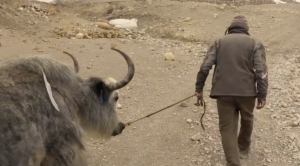
Yak Vs Machines

Yak Vs Machines

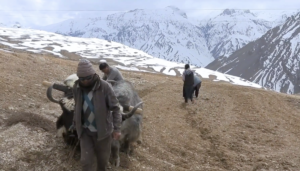
Who will survive? | कौन बचेगा?

Music: Eye of the Tiger (Instrumental) via. https://mp3.pm/
Based on the original “Eye Of The Tiger” by Survivor.

1200 663 Ajay Bijoor
Winter, Wool and Women

Winter, Wool and Women

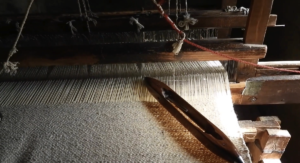
Winters are a time when most women in the mountains work with wool. Knitting and weaving woollens for family and loved ones. Some even earn a modest income from it. These skills have developed over years, thanks to several schemes run by successive governments offering skill training, equipment, and a stipend at times.

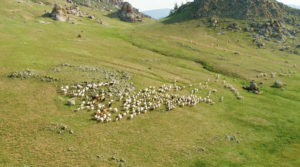
This was a way to keep busy in the long, cold winter months. But these winter rituals are on a decline due to several reasons. A key one among them is the change in livestock rearing patterns. Most families no longer keep sheep and goat as they are difficult to herd and become easy prey for dogs. The lack of systematic garbage management clubbed with rising tourism, throws unique challenges for these regions in the form of a rising dog population. Dogs kill more livestock than snow leopards and wolves combined. Such changes reiterate human-nature relations in high mountain regions in the Himalaya.

We thank Dolma Butith, Chhering Youdon and Phuchok Dolma for speaking with us.

Cover image: Nawang Tankhe
Additional footage: Kesang Chunit

Music:
Slow currents by Lama House from Epidemic Music via. Canva
A matter of trust by Gavin Luke from Epidemic Music via. Canva
Cinematic Cello Arpeggio by GregorQuendel via. Pixabay
Sound effects via. Pixabay

Picture of Lahauli socks: https://101reporters.com/article/soci…

सर्दियाँ वह समय होता है जब पहाड़ों में ज्यादातर महिलाएँ ऊन का काम करती हैं। परिवार और प्रियजनों के लिए ऊनी कपड़े बुनना और बुनना। कुछ लोग ऐसे प्रयासों से मामूली आय भी अर्जित कर लेते हैं। ये कौशल कई दशकों में विकसित हुए हैं, जिसका श्रेय सरकारों द्वारा समय-समय पर कौशल प्रशिक्षण, उपकरण और वजीफा प्रदान करने वाली कई योजनाओं को जाता है।
यह लंबे, ठंडे सर्दियों के महीनों में व्यस्त रहने का एक तरीका था। लेकिन कई कारकों के कारण इन शीतकालीन अनुष्ठानों में गिरावट आ रही है। उनमें से एक प्रमुख पशुधन पालन पैटर्न में बदलाव है। अधिकांश परिवार अब भेड़ और बकरी नहीं पालते क्योंकि उन्हें चराना मुश्किल होता है और वे कुत्तों के लिए आसान शिकार बन जाते हैं। बढ़ते पर्यटन के साथ व्यवस्थित कचरा प्रबंधन की कमी, कुत्तों की बढ़ती आबादी के रूप में इन क्षेत्रों के लिए अनोखी चुनौतियाँ पेश करती है। अब यह ज्ञात है कि कुत्ते हिम तेंदुओं और भेड़ियों की तुलना में अधिक पशुओं को मारते हैं। इस तरह के बदलाव हिमालय के ऊंचे पर्वतीय क्षेत्रों में मानव-प्रकृति के नाजुक संबंधों को दोहराते हैं।

हमारे साथ बात करने के लिए हम डोल्मा बुटिथ, चेरिंग यूडॉन और फुचोक डोल्मा को धन्यवाद देते हैं।
कवर छवि: नवांग तन्खे
अतिरिक्त फ़ुटेज: केसांग चुनित

1200 652 Ajay Bijoor
The Praja system of Pangi valley

The Praja system of Pangi valley

The Pangi region in Himachal Pradesh is among the farthest valleys of this Himalayan State. Pangi Valley is prominent for its dense Birch forests that are home to a treasure of medicinal plants and some rare wildlife.

For generations, the people of Pangi have managed these forest commons through their ‘Praja system’. The Praja is a village-level body comprising of a member from every family in the village that sets rules for the management of village commons and the overall welfare of the village. It ensures regular monitoring and imposition of fines on offenders. It also has in place mechanisms for support and conflict resolution. The Praja forms one-axis for managing village commons, in a group of polycentric institutions that include the local Women’s council, the village Monastery and other formal government bodies.

We thank Shri. Biru Bodh (of Sural Bhatori Camp), Smt. Savita and Smt. Kavita (from Sural Tai), Shri. Wangchuk (from Hudan Bhatori) and Shri. Sonam Dorje (from Hillu Tuan) for speaking with us.

Thanks also to Ms. Ritika (IAS) who served as the Resident Collector in Pangi and made us aware of Pangi’s unique Praja system.

HimKatha Team: Akshata Anand, Shri. Kesang Chunit and Amar Singh of Gumrang.


हिमाचल प्रदेश का पांगी क्षेत्र इस हिमालयी राज्य की सबसे दूरस्थ घाटियों में से एक है। पांगी घाटी अपने समृद्ध बर्च वनों के लिए प्रसिद्ध है, जो औषधीय पौधों और कुछ दुर्लभ वन्यजीवों का घर हैं।
पीढ़ियों से, पांगी के लोग अपनी ‘प्रजा व्यवस्था’ के माध्यम से इन वन भूमि का प्रबंधन करते आ रहे हैं। प्रजा एक ग्राम-स्तरीय निकाय है जिसमें गाँव के प्रत्येक परिवार का एक सदस्य शामिल होता है जो गाँव की भूमि के प्रबंधन और गाँव के समग्र कल्याण के लिए नियम निर्धारित करता है। यह नियमित निगरानी सुनिश्चित करता है और उल्लंघन करने वालों पर जुर्माना लगाता है। इसमें सहायता और संघर्ष समाधान के लिए तंत्र भी मौजूद हैं। प्रजा, गाँव की भूमि के प्रबंधन के लिए एक धुरी का निर्माण करती है, जो बहुकेंद्रीय संस्थाओं के एक समूह में शामिल है, जिसमें स्थानीय महिला परिषद, गाँव का मठ और अन्य औपचारिक सरकारी निकाय शामिल हैं।

हम श्री बीरू बोध (सुराल भटोरी कैंप), श्रीमती सविता और श्रीमती कविता (सुराल ताई), श्री वांगचुक (हुडन भटोरी) और श्री सोनम दोरजे (हिल्लू तुआन) को हमारे साथ बातचीत करने के लिए धन्यवाद देते हैं।

सुश्री रितिका (आई.ए.एस) का भी धन्यवाद, जिन्होंने पांगी में रेजिडेंट कलेक्टर के रूप में कार्य किया और हमें पांगी की प्रजा व्यवस्था से अवगत कराया।

हिमकथा टीम: अक्षता आनंद, श्री. केसांग चुनित और गुमरंग के अमर सिंह जी।

1200 668 Ajay Bijoor
Shawls of Spiti: Lingze

Shawls of Spiti: Lingze

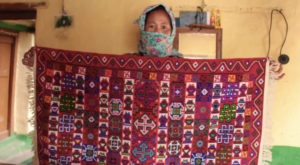
A shawl is every Spitian woman’s true friend. Most shawls are made locally and have evolved over the years. Traditionally made from animal skins (shawls called Yongma), they evolved to be made out of wool that were dyed naturally (called Ramzey Lingze). The current favorite is made using threads and in only woven by women in one village: Demul. It is known as the Demul Linzge.

The Lingze is a cultural essential. Every new bride receives a Lingze at her wedding. The number of Lingze gifted to a new bride, by her family, was a mark of affluence. While this may no longer be the case, the Lingze continues to evolve and remains one of the most important cultural symbols among Spitian women.

We thank the women of Demul who explained the details of the Demul Lingze and let us film them at work. They include Sonam Chukit, Padma Chodon, Sonam Chodon and Panma Youdon. Also, our thanks to Padma Chodon, Kunzang Thinley, Phuchok Dolma and Angrup Chhomo for displaying the Lingze they have inherited.

Cover image: Nawang Tankhe
Additional footage: Kalzang Gurmet

Music:
Strolling in Style by Raymond Grouse for Epidemic sound
Keep Me in Your Sight by JOYSPRING for Epidemic sound


शॉल प्रत्येक स्पिटियन महिला की सच्ची दोस्त है। अधिकांश शॉल स्थानीय स्तर पर बनाए जाते हैं। परंपरागत रूप से जानवरों की खाल (शॉल जिन्हें योंगमो कहा जाता है) से बनाया जाता था, वे ऊन से बनने के लिए विकसित हुए जिन्हें प्राकृतिक रूप से रंगा जाता था (जिन्हें रैमजे लिंग्ज़ कहा जाता है)। वर्तमान पसंदीदा धागों से बना है और केवल एक गांव की महिलाओं द्वारा बुना जाता है: डेमुल। इसे डेमुल लिंज़गे के नाम से जाना जाने लगा है।

लिंग्ज़ एक सांस्कृतिक अनिवार्यता थी, हर नई दुल्हन को अपनी शादी में लिंग्ज़ मिलता था। एक नई दुल्हन को उसके परिवार द्वारा उपहार में दी गई लिंग्ज़ की संख्या समृद्धि का प्रतीक थी। लिंग्ज़ का विकास जारी है और स्पिटियन महिलाओं के लिए सबसे महत्वपूर्ण फैशन सहायक उपकरण में से एक बना हुआ है।

हम डेमुल की कई महिलाओं को धन्यवाद देते हैं जिन्होंने हमें डेमुल लिंग्ज़ के विवरण दिखाए और समझाए और काम करते समय हमें उन्हें फिल्माने दिया। उनमें शामिल हैं: सोनम चूकित, पद्मा चोदोन, सोनम चोदोन और पनमा यूडन। इसके अलावा, कुंजांग थिनले, फुचोक डोल्मा और अंगरूप छोमो को हमारा धन्यवाद।

1200 658 Ajay Bijoor
Ladakhi Losar – New Year celebrations in Ladakh

Ladakhi Losar – New Year celebrations in Ladakh

Ladakh Losar marks the Ladakhi New Year, which coincided with the Gregorian new year this year. Traditional celebrations persist in a few areas, like the village of Gya.

Losar is a time when everyone returns to their village to be with the family and old friends. In Gya, the celebrations go on for days and include praying to the local deities, meeting with old friends and a lot of song and dance. There is also a special day of celebration to remember Gyapacho, a chieftan ruler who administered this region around the 10th century.

Watch how the villagers put on a show to celebrate Losar!

Credits:
Jigmet Gyatso (Singer), Tsering Palden, Rigzen Dorjey, Tundup Lardak, Namgail Tsering, Meme Tsetan Phunchok and Tanzin Norgyal. Our thanks to all the villagers of Gya, Miru, Sasoma, Lato and Rumptse.

A special thanks to Rigzen Mingyur, Kaga Karma Sonam and his entire family in Rumptse for hosting us and making us part of this special experience.

Cover image: Sartaj Ghuman

Music: New Heights by alanajordan via. Pixabay


लद्दाख लोसर लद्दाखी नव वर्ष का प्रतीक है। पारंपरिक लोसर उत्सव केवल कुछ ही क्षेत्रों में जारी है, जैसे ग्या गांव में।

लोसर ऐसा समय है जब हर कोई परिवार और पुराने दोस्तों के साथ रहने के लिए गांव में अपने पैतृक घरों में लौटता है। ग्या में, उत्सव कई दिनों तक चलते हैं और इसमें स्थानीय देवताओं से प्रार्थना करना, पुराने दोस्तों से मिलना और ढेर सारा गाना और नृत्य शामिल होता है। 10वीं शताब्दी के आसपास इस क्षेत्र पर शासन करने वाले सरदार शासक ग्यापाचो को याद करने के लिए उत्सव का एक विशेष दिन भी है।

देखिये कैसे ग्रामीणों ने लोसर मनाने के लिए एक कार्यक्रम का आयोजन किया!

श्रेय:
जिग्मेट ग्यात्सो (गायक), त्सेरिंग पाल्डेन, रिग्जेन दोरजे, टुंडुप लार्डक, नामगेल त्सेरिंग, मेमे त्सेतन फुंचोक और तंजिन नॉर्ग्याल। ग्या, मिरू, ससोमा, लाटो और रुम्पत्से के सभी ग्रामीणों को हमारा धन्यवाद।

हमारी मेजबानी करने और हमें इस विशेष अनुभव का हिस्सा बनाने के लिए रिग्ज़ेन मिंग्यूर, कागा कर्मा सोनम और रम्पत्से में उनके पूरे परिवार को विशेष धन्यवाद।

कवर छवि: सरताज घुमन

संगीत: एलनजॉर्डन द्वारा न्यू हाइट्स। पिक्साबे

1200 654 Ajay Bijoor
Natural farming

Natural farming

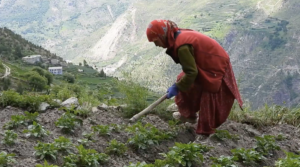
Spring is here and hectic farming activity will soon resume in the mountains. We spoke with Sujata Negi who is Block Technical Manager for the Agricultural Technology Management Agency (ATMA) in Spiti. She tells us points to keep in mind while starting to sow crops for the coming season.
This is the first of a two-part conversation.

Credits:
We thank Ms. Sujata Negi for speaking with us.
Cover image: Nawang Tankhe
Background score:
Warp Speed Accelerating by Suburbanwizard from pixabay
Bass Guitar Pulses by josefpres from pixabay
Quantum World by Magiksolo from Artlist
Additional support: Tanzin Thinley, Kesang Chunit and Kalzang Gurmet


वसंत आ गया है और पहाड़ों में जल्द ही खेती-किसानी का काम फिर से शुरू हो जाएगा। हमने स्पीति में कृषि प्रौद्योगिकी प्रबंधन एजेंसी (ATMA) की ब्लॉक तकनीकी प्रबंधक सुजाता नेगी से बात की। उन्होंने हमें आने वाले मौसम के लिए फसल बोने से पहले ध्यान रखने योग्य बातें बताईं। यह दो भागों वाली बातचीत का पहला भाग है।

1200 666 Ajay Bijoor
Is pastoralism economically viable?

Is pastoralism economically viable?

Pastoralism is a way of life for a very large section of society in India. But is pastoralism receding? We look at an example of the Changpa pastoral herders of eastern Ladakh, famous for producing pashmina, and see if their practice is economically viable.
This exploration is based on a study led by Chamba Tsetan from the Centre for Pastoralism and was carried out with the support of the World Wildlife Fund for Nature (WWF), India as part of a project funded by the Darwin Initiative.
The study makes an interesting distinction to show how pastoralism as a social activity may be undergoing a transformation, even while pastoralism as an economic activity remains lucrative. So, while the nature of pastoralism is changing, this practice is likely to remain active.

Acknowledgement:
We thank Chamba Tsetan for giving us time to explain this work.

Photo credits:
Pashmina: Aaditya Kitroo via. Wikimedia Commons
Bakarwal: Muzamil Bhat for PARI: https://ruralindiaonline.org/en/artic…
Changpa: Prasenjeet Yadav for Nature Conservation Foundation.
Gaddi: Ajay Bijoor for Nature Conservation Foundation.
Van Gujjar: Traditional Cultures Project, https://www.himalayanmigration.com/start

Map of eastern Ladakh is used for representational purposes only and is credited to UNDP Secure Himalaya (https://securehimalaya.org/ladakh/).

Map of pastoralists in Himalaya is credited to Singh, Bhati and Kerven (2023), https://pastres.org/2023/08/25/pastor…

News articles:
BBC https://www.bbc.com/news/world-asia-i…
Frontline: https://frontline.thehindu.com/enviro…
Mint: https://www.livemint.com/news/india/c…
The Asian Age: https://www.asianage.com/india/all-in…
The Economist: https://www.economist.com/asia/2021/1…

Cover image: Nawang Tankhe

Additional footage via. Pixabay (https://pixabay.com/) and Open Planet (https://openplanet.org/)
Music: Nomads by Edward Earl Hanson from Epidemic Sound via. Canva.

Location: Greenland Guest House, Leh

1200 667 Ajay Bijoor
Govt. schemes supporting natural farming

Govt. schemes supporting natural farming

In this story we look at the kind of schemes supporting natural farming through the centrally funded Agricultural Technology Management Agency (ATMA).


इस लेख में हम केन्द्र द्वारा वित्तपोषित कृषि प्रौद्योगिकी प्रबंधन एजेंसी (ए.टी.एम.ए) के माध्यम से प्राकृतिक खेती को समर्थन देने वाली योजनाओं पर नजर डालेंगे।

Credits:
We thank again Ms. Sujata Negi, Block Technical Manager at ATMA in Kaza, for speaking with us.
Cover image: Nawang Tankhe
Background music: Tanpura (Sa-Pa-Sa) in C#, D#, F#, G# and A# via. https://kksongs.org/tanpura/mp3s.html

1200 682 Ajay Bijoor
The Gatpo of upper Himachal Pradesh

The Gatpo of upper Himachal Pradesh

In the high valleys of Spiti and Hangrang, the Gatpo plays a critical role of administering a village, working to ensure it’s overall welfare. The Gatpo is a traditional system of governance, similar to the Praja system in Pangi and the Goba system in Ladakh. This system predates all formal Panchayati Raj institutions that have now come to shape administration of these regions. Historically one individual was chosen for the role, based on a consensus and played the role for up to three years. Some Gatpos have run their village for over 25 years!
The nature of the Gatpo system is now witnessing change with most villages opting for a fixed, one-year tenure and every family taking turns to perform this responsibility. This change brings both benefits and detriments. Despite the change, the institution of the Gatpo remains prevalent and important across Spiti and Hangrang valleys.

For more about this system, do read this report by Kalpavriksh: https://vikalpsangam.org/wp-content/u…

We thank Prithvi Singh Negi of Hango, Chhering Tandup (Gyani) of Losar, Dorje Chhering (Chengez) of Kibber and Takpa Tanzin of Chicham was talking to us for this story.

Music:
Confidence is key by Arthur Benson and Epidemic Sound via. Canva,
Dungma la sho! by Tanzin Thinley.

Additional footage from Open Planet (https://openplanet.org/)


स्पीति और हैंगरंग की ऊँची घाटियों में, गडपो गाँव के प्रशासन में महत्वपूर्ण भूमिका निभाता है और गाँव के समग्र कल्याण को सुनिश्चित करने का प्रयास करता है। गडपो एक पारंपरिक शासन प्रणाली है, जो पांगी की प्रजा प्रणाली और लद्दाख की गोबा प्रणाली के समान है। यह प्रणाली उन सभी औपचारिक पंचायती राज संस्थाओं से भी पुरानी है, जिन्होंने अब इन क्षेत्रों के प्रशासन को आकार दिया है। ऐतिहासिक रूप से, सर्वसम्मति के आधार पर एक व्यक्ति को इस पद के लिए चुना जाता था और वह अधिकतम तीन वर्षों तक इस भूमिका को निभाता था। कुछ गडपो 25 वर्षों से भी अधिक समय तक अपने गाँव का संचालन करते रहे हैं!
गडपो प्रणाली का स्वरूप अब बदल रहा है, क्योंकि अधिकांश गाँव एक निश्चित, एक वर्षीय कार्यकाल को चुन रहे हैं और प्रत्येक परिवार बारी-बारी से इस जिम्मेदारी को निभाता है। इस बदलाव के लाभ और हानि दोनों हैं। इस बदलाव के बावजूद, स्पीति और हैंगरंग घाटियों में गडपो संस्था अभी भी प्रचलित और महत्वपूर्ण बनी हुई है।

हम हांगो के पृथ्वी सिंह नेगी, लोसार के छेरिंग तांडुप (ज्ञानी), किब्बर के दोरजे छेरिंग (चेंगेज) और चिचम के तकपा तानज़िन का धन्यवाद करते हैं जिन्होंने इस कहानी के लिए हमसे बात की।

1200 603 Ajay Bijoor