Lingering memories of my grandmother
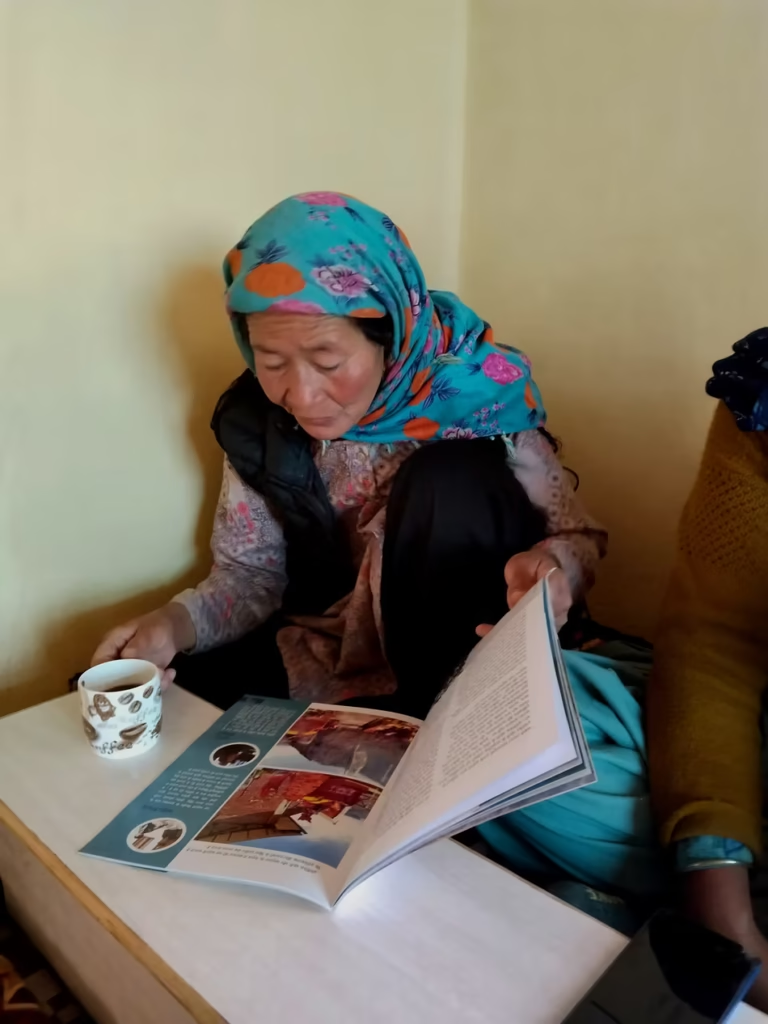
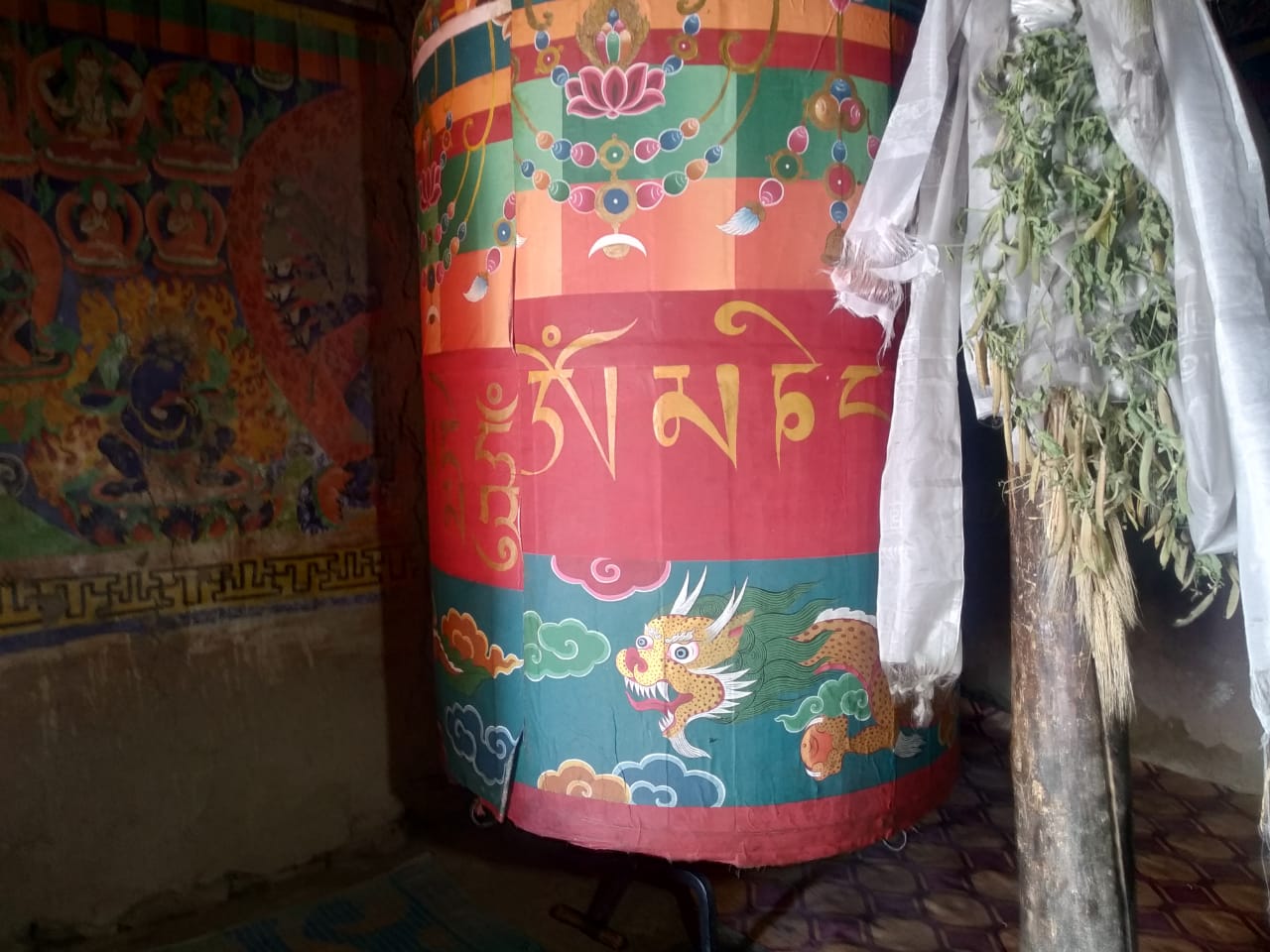
When I was young, I remember my Evi used to take me to yul-sa (Buddhist shrine for village deity) every day in the morning to offer prayers. She would ask me to light butter lamps while she circumambulates around the altar before joining me in prayers. I used to fervently pray for stable electricity at home so that I could watch television the whole day. As an eight year old, I used to be so curious what she prayed and insisted on getting to know. She would shirk me off for some time before succumbing to my pleas and tell me that she prayed for good winter snowfall so that we would have abundant water for our fields and for our animals during summer. She would continue sternly “One should always pray for all sentient beings and your personal wishes will be granted naturally. One should pray for peace, prosperity and abundant snowfall”.
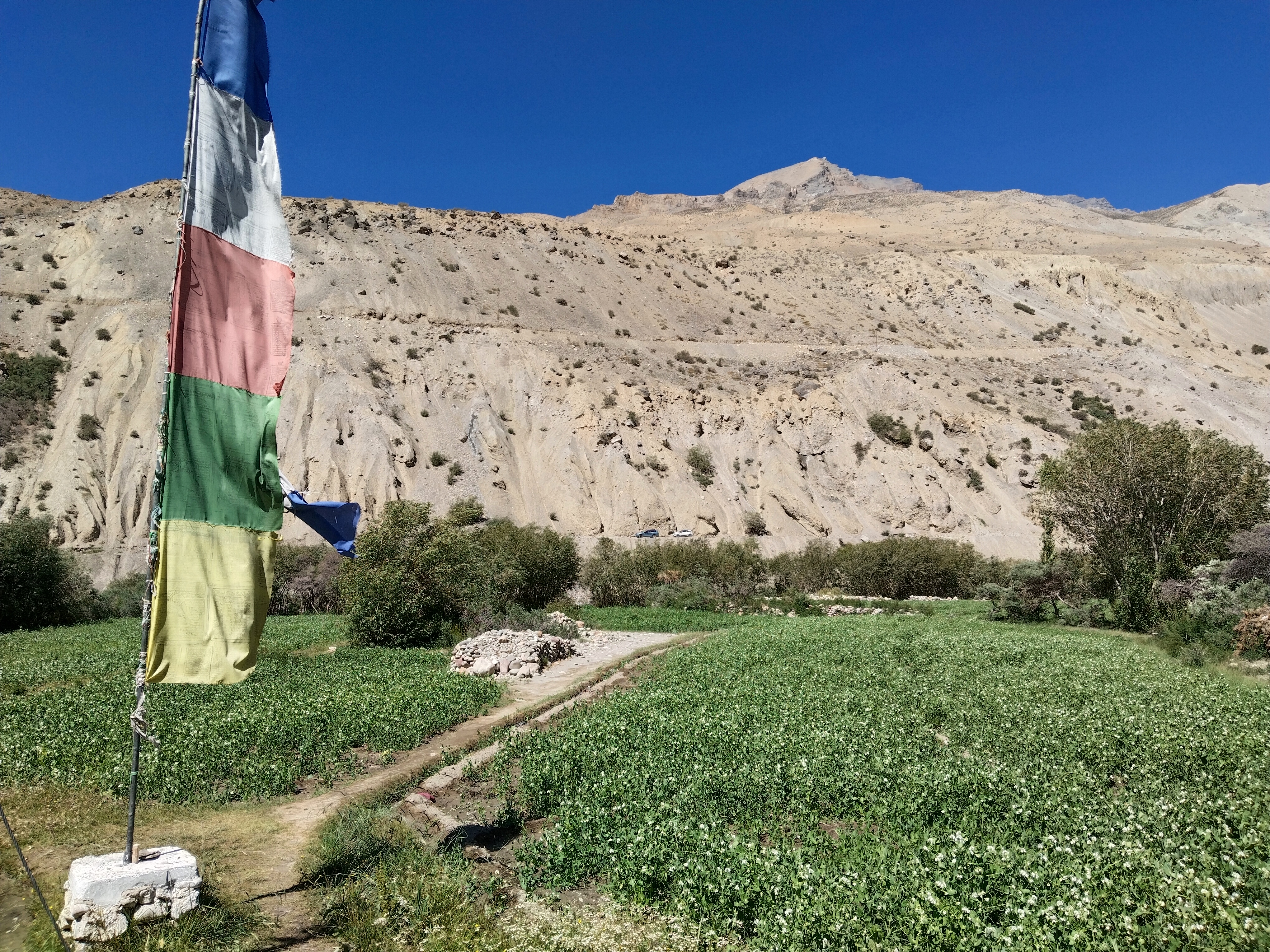
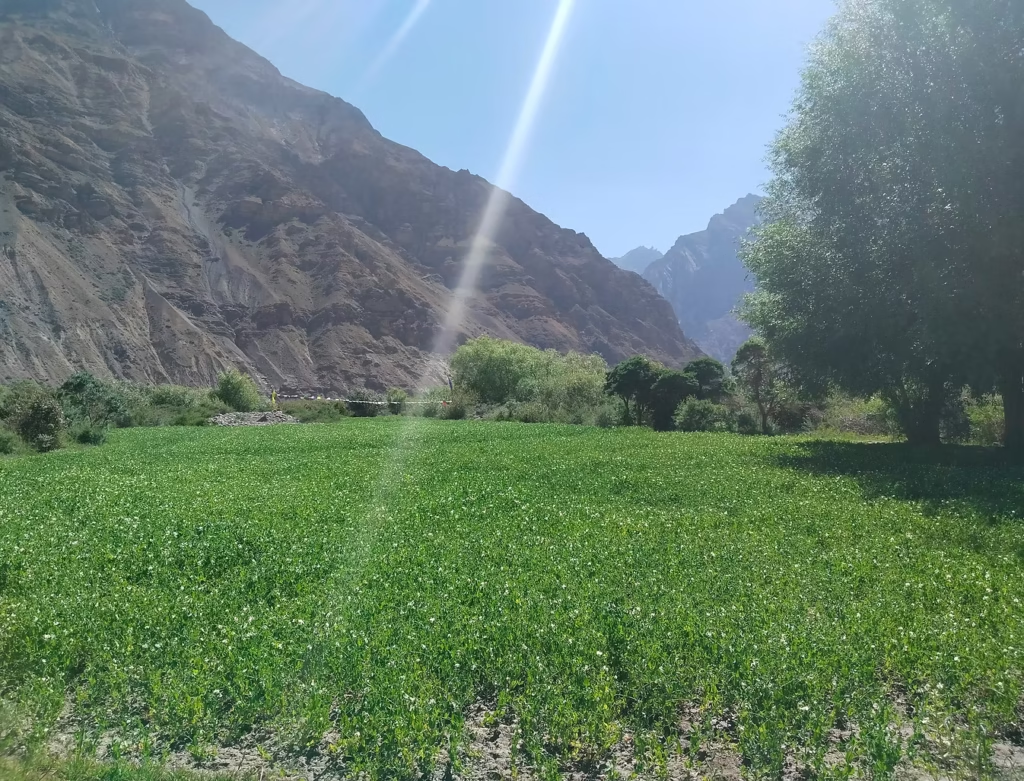
Evi was from Tashi-gang, a quaint village in Spiti with abundant green pastures and less than 6 households. She was quite young when she got married and came to live in Kowang and like any other Spitian women of her generation, Evi had been nurturer all her life; she tended to our fields, the livestock and was sole custodian of our ancestral home where she lived independently until she was too old to live on her own.
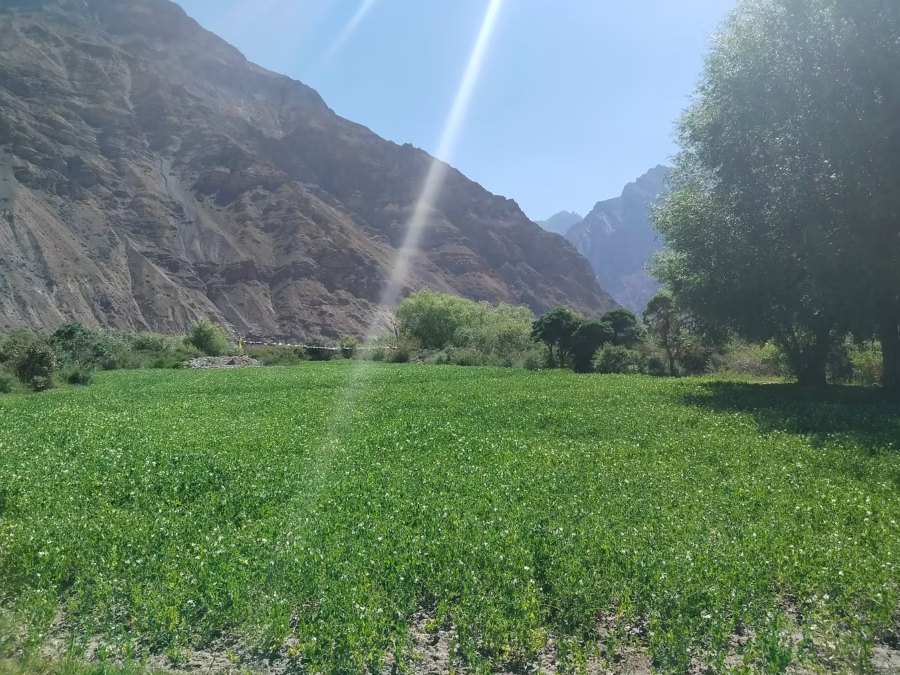
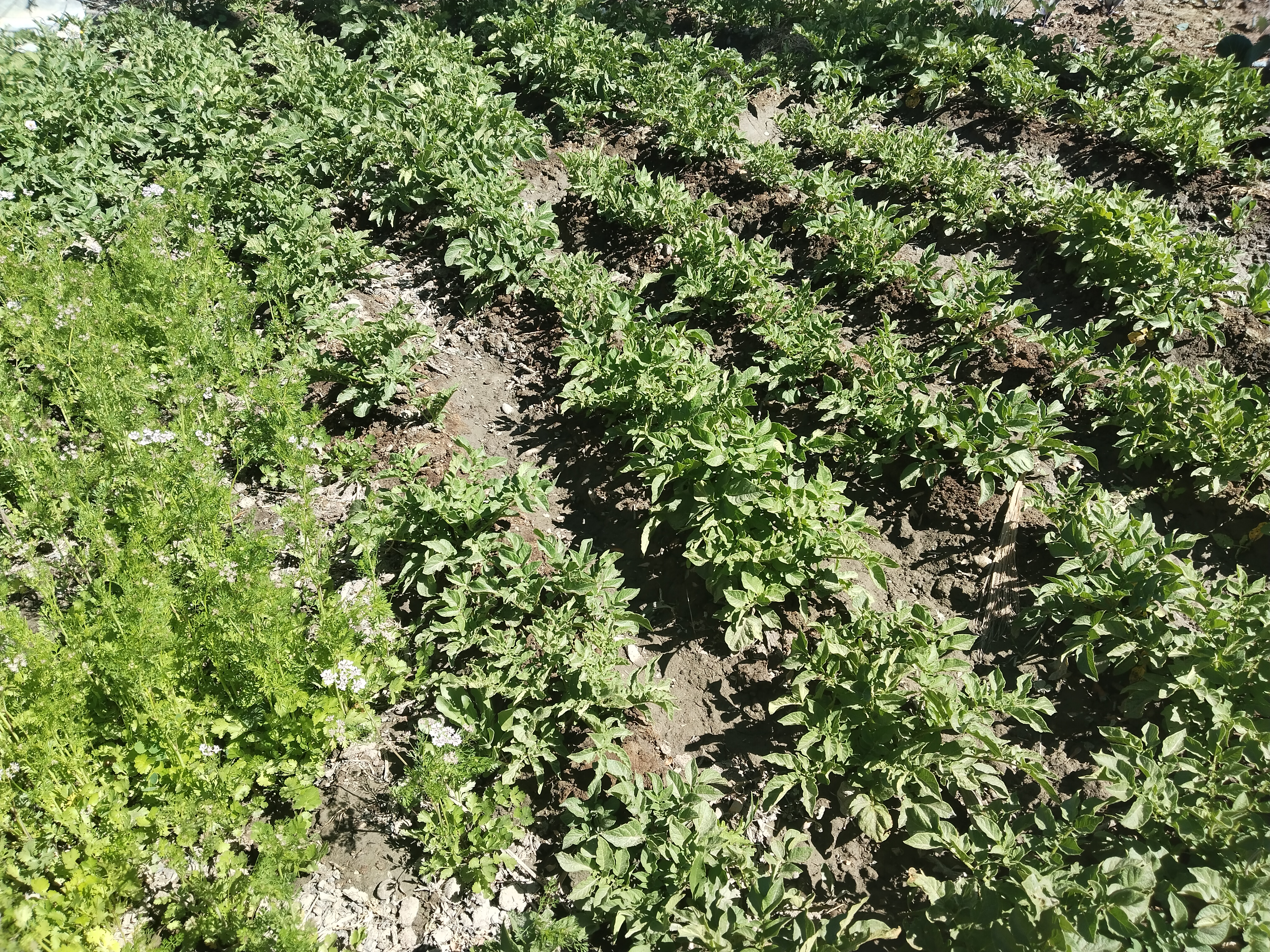
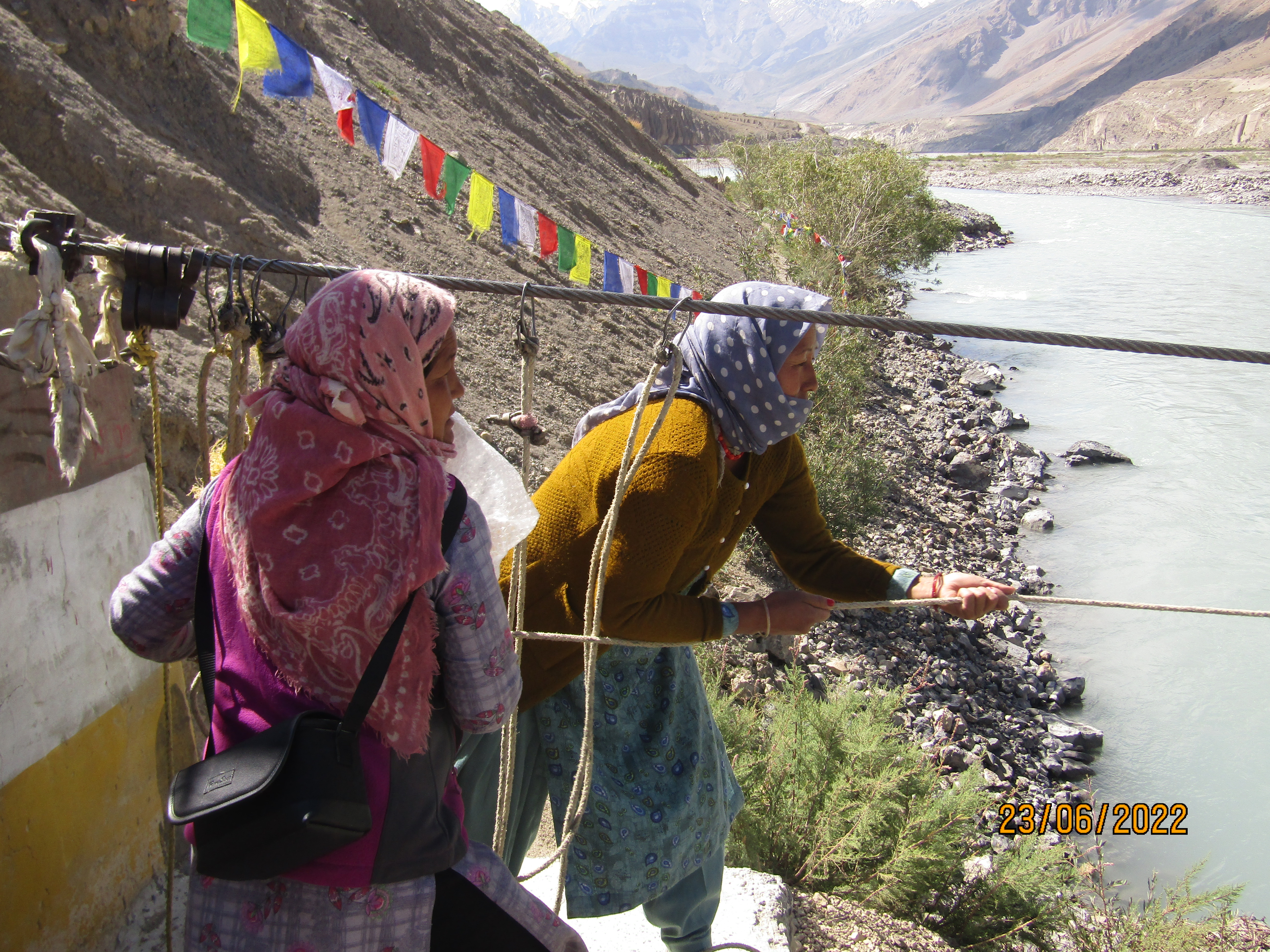
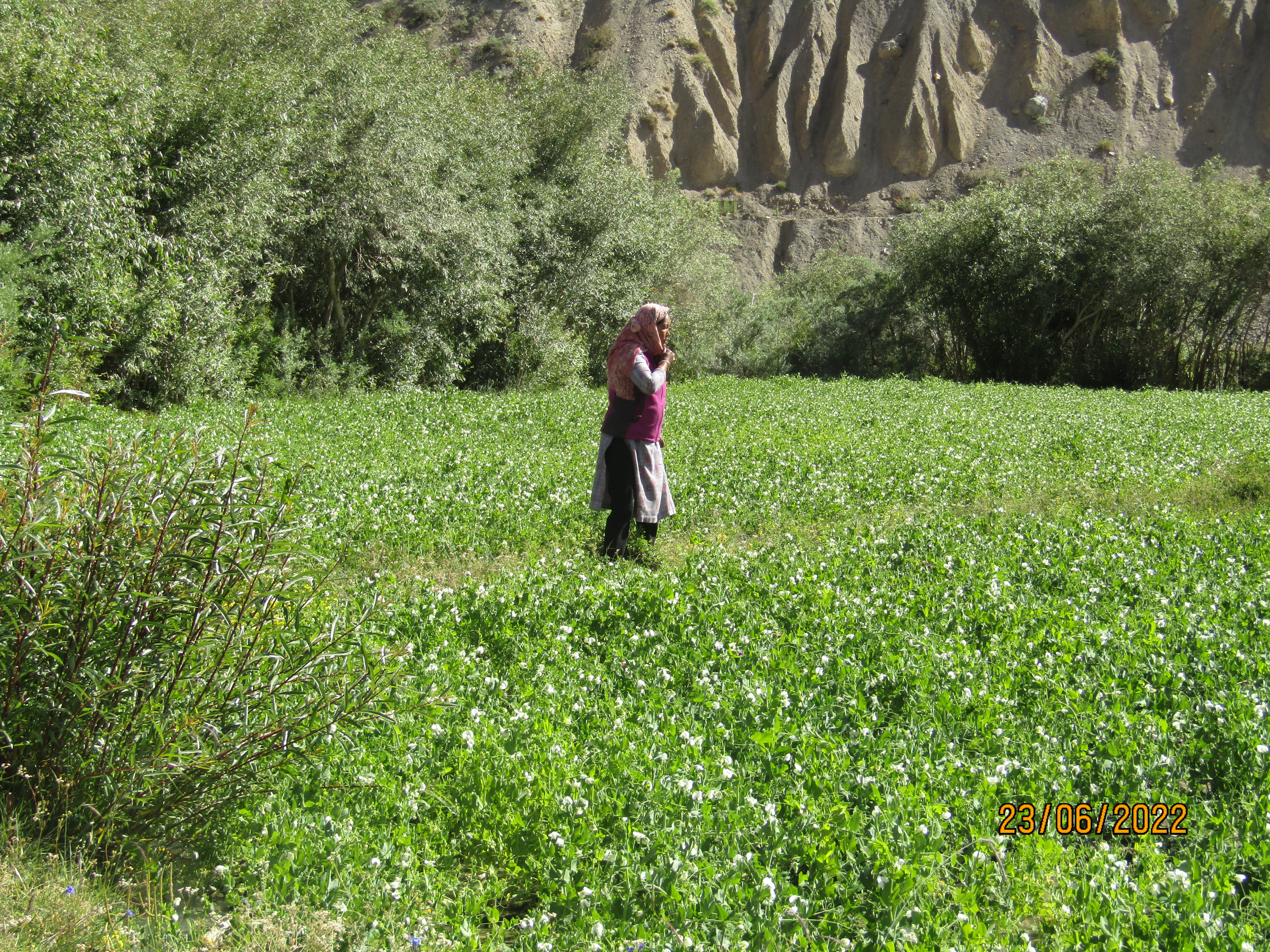
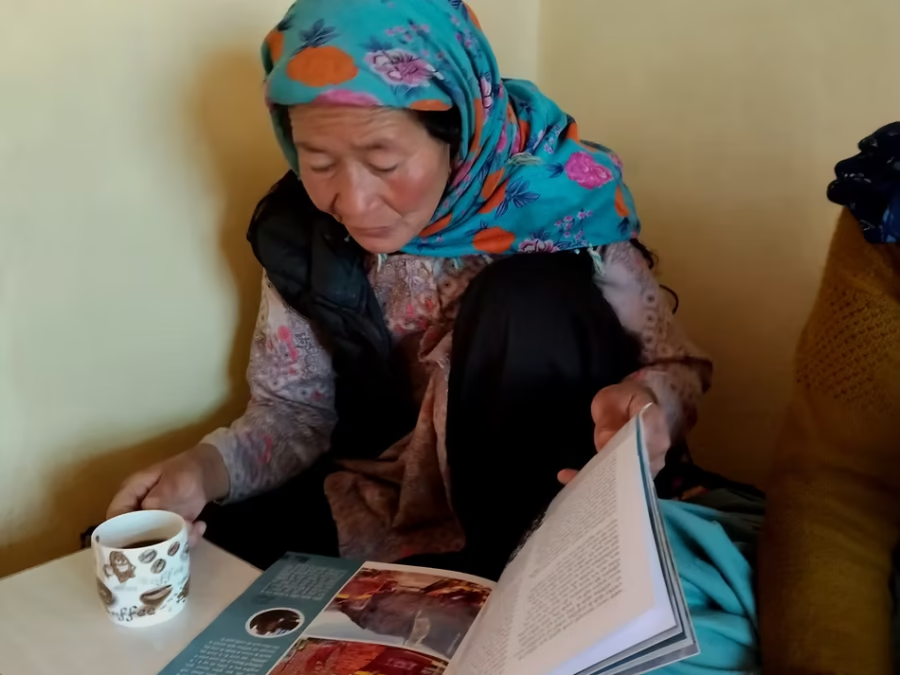
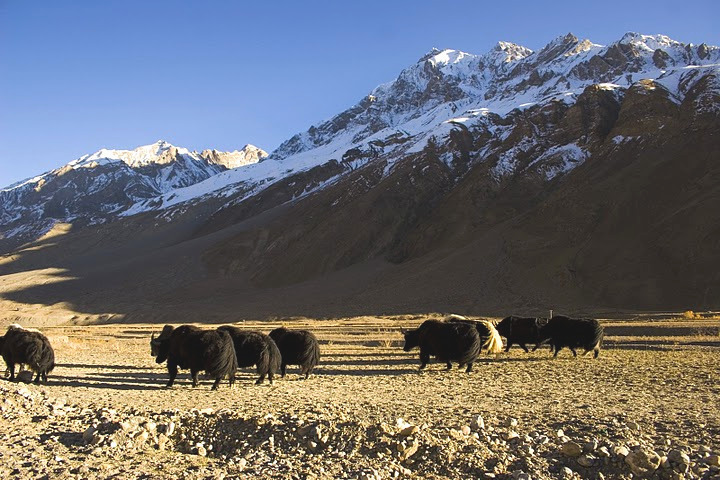
Aapa used to tell me that Evi was deeply attached to her land “there was no difference between us, our shinga (fields) and our dzomos (female hybrid yak). She would tend to us all no differently”. She started working in the fields when she was fifteen and did that for another fifty years. She tilled all our fields, reared livestock and would traverse high mountains in our village to collect dungs and dry twigs for winters. When she got old and frail, she stayed with us briefly and would often tell me stories of her younger days. She’s filled with memories of my father’s, my uncle’s childhood and would often reminisce about the large herd of animals she raised with equal fondness; memories of dead cattle, sick goats she nursed, new-born calf she cared for and about our dZo (hybrid yak) which went missing mysteriously few years back. She took pride in the health of our land, our village chu-mig (spring water) and our cattle in the same vein she identifies as being a woman of Khangchen (Zamindar family) household whose life was devoted to agro-pastoral responsibilities. She was so closely engaged with the materiality of the agrarian landscape that it became a deeply embodying experience and a crucial part of her identity.
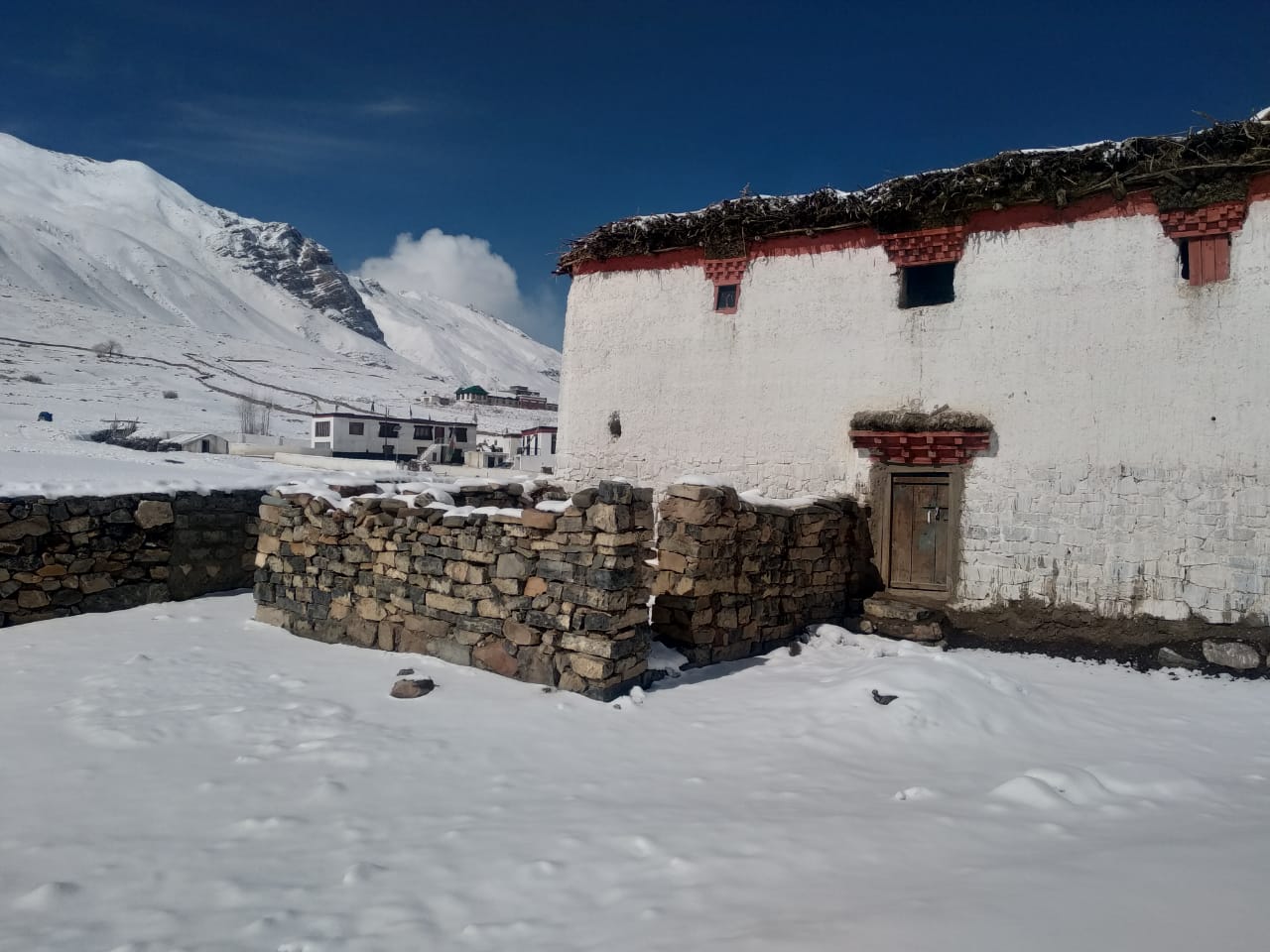
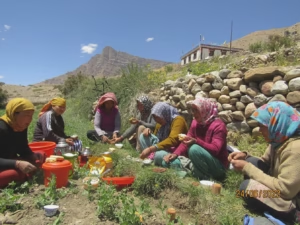
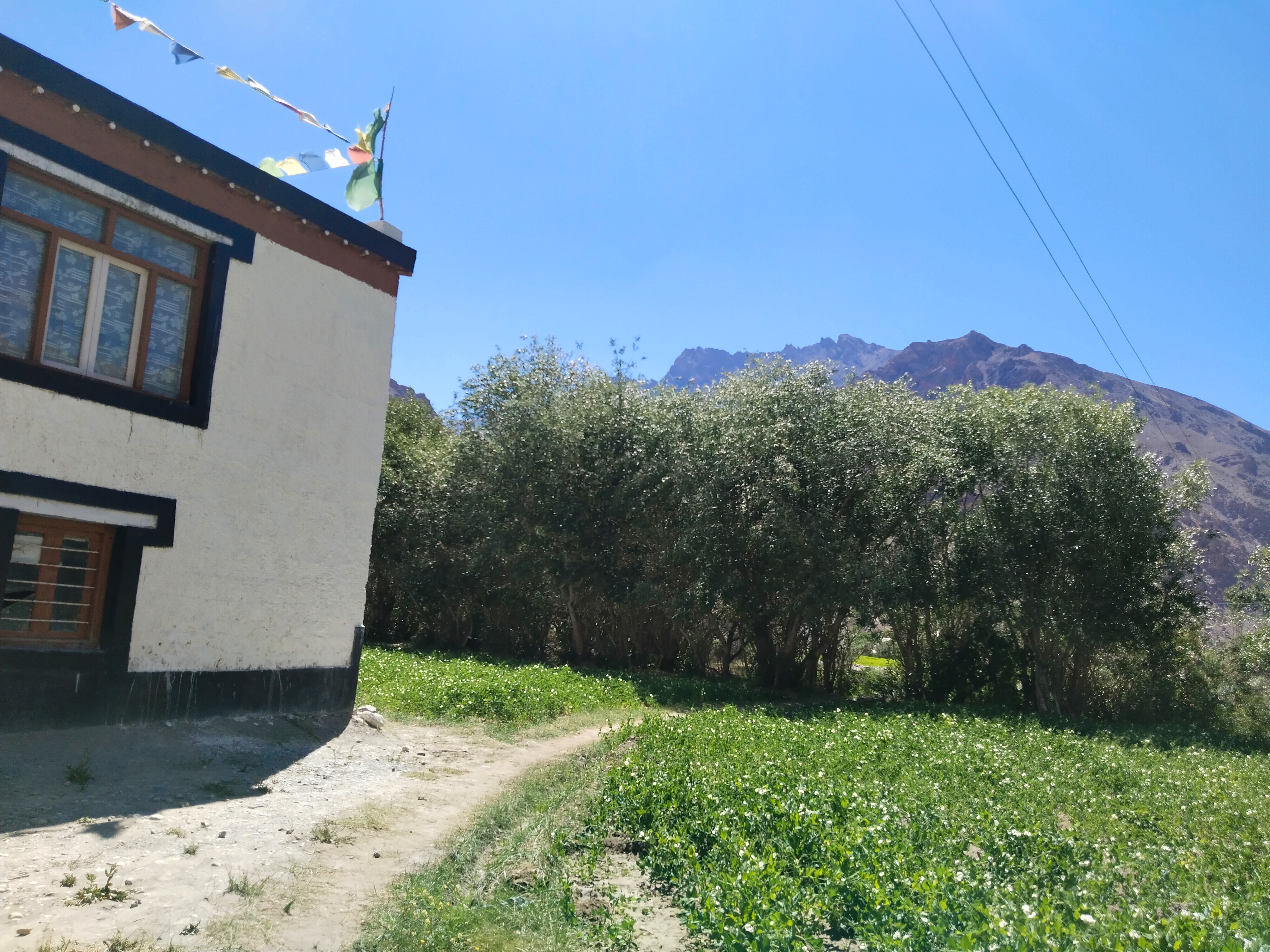
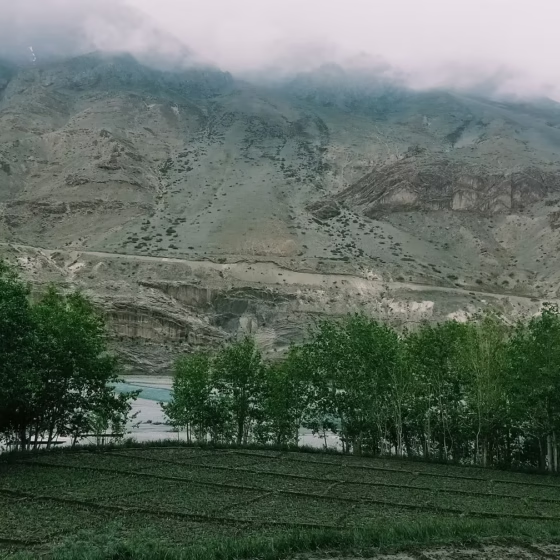
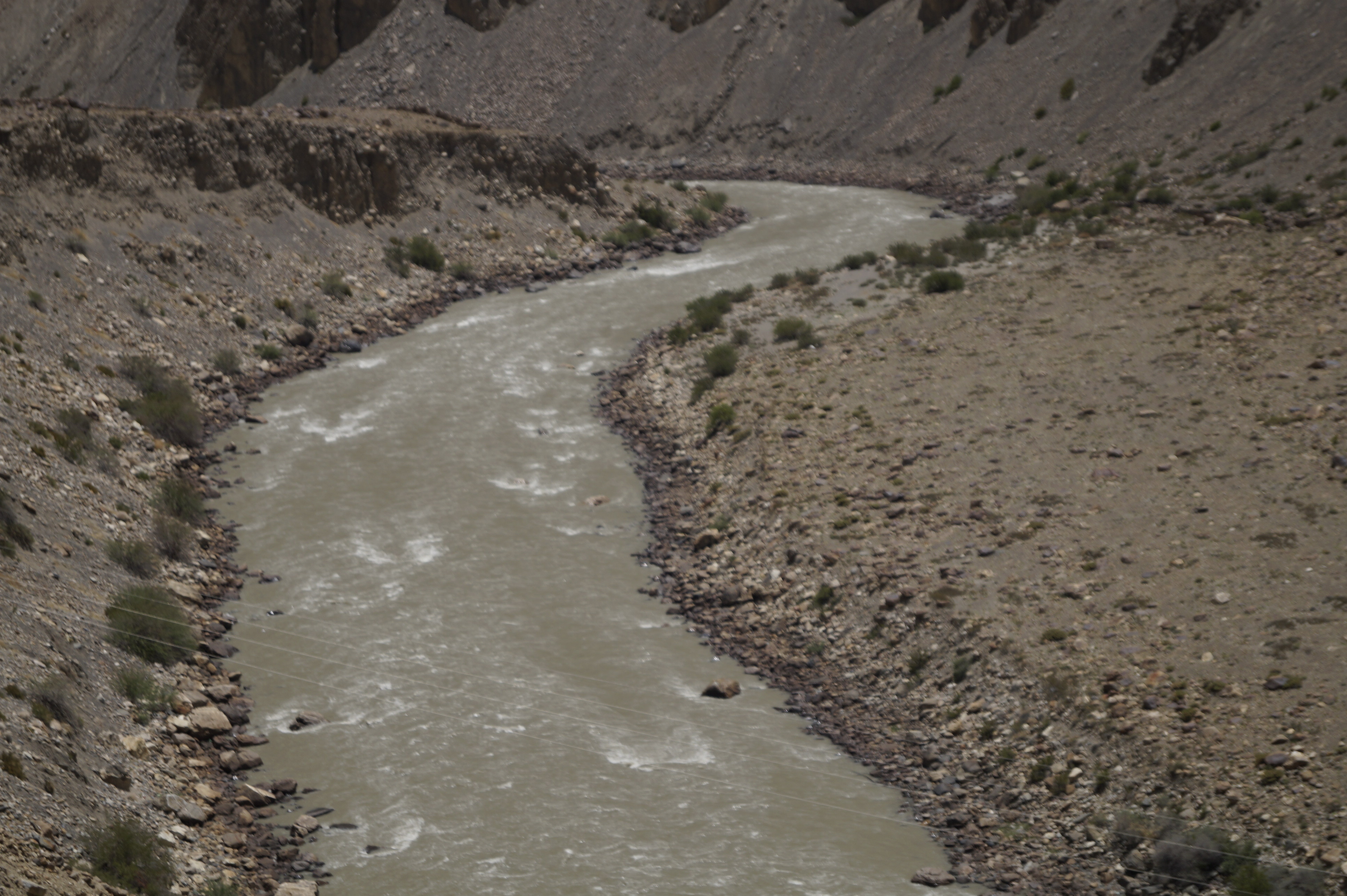
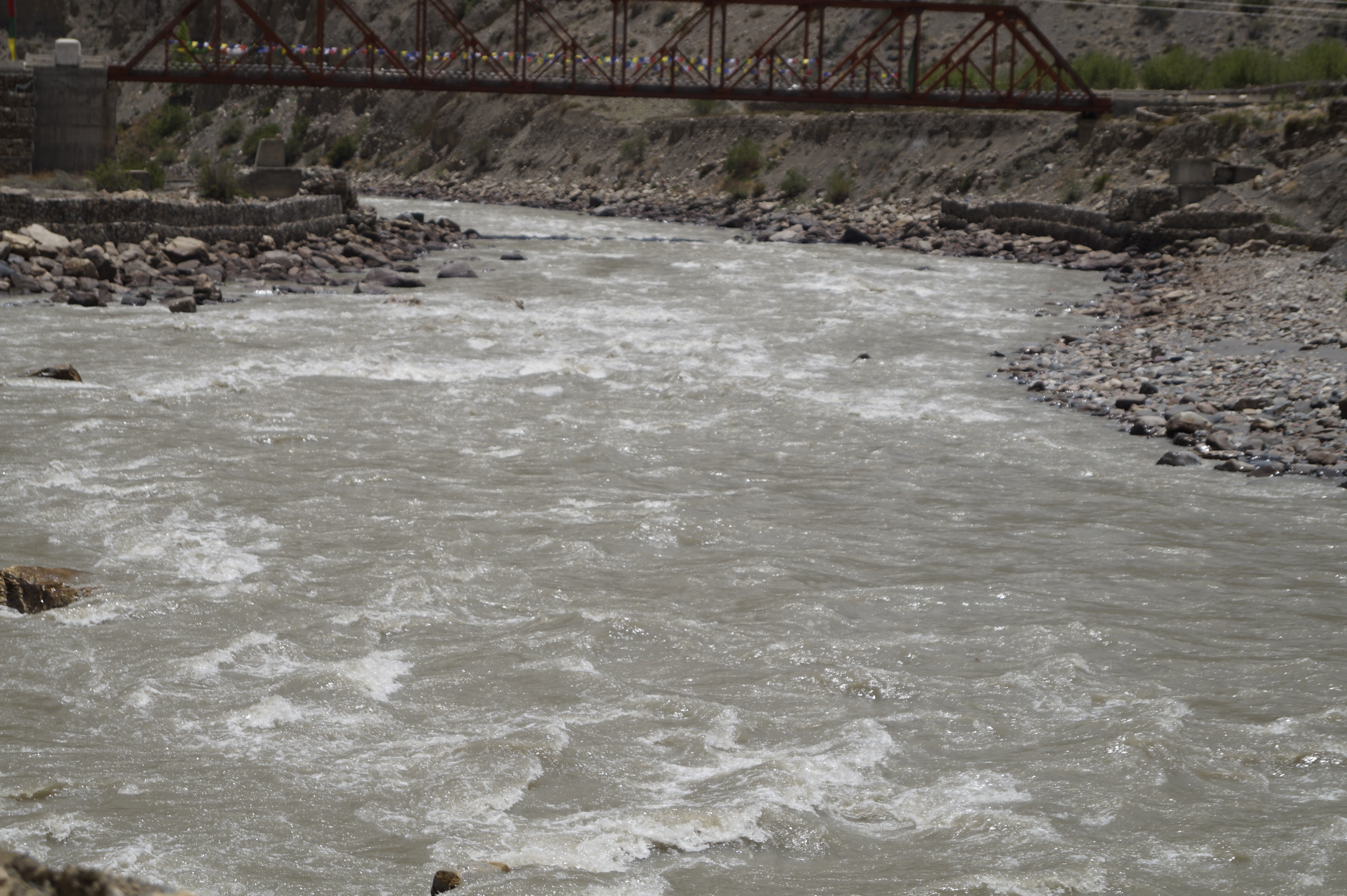
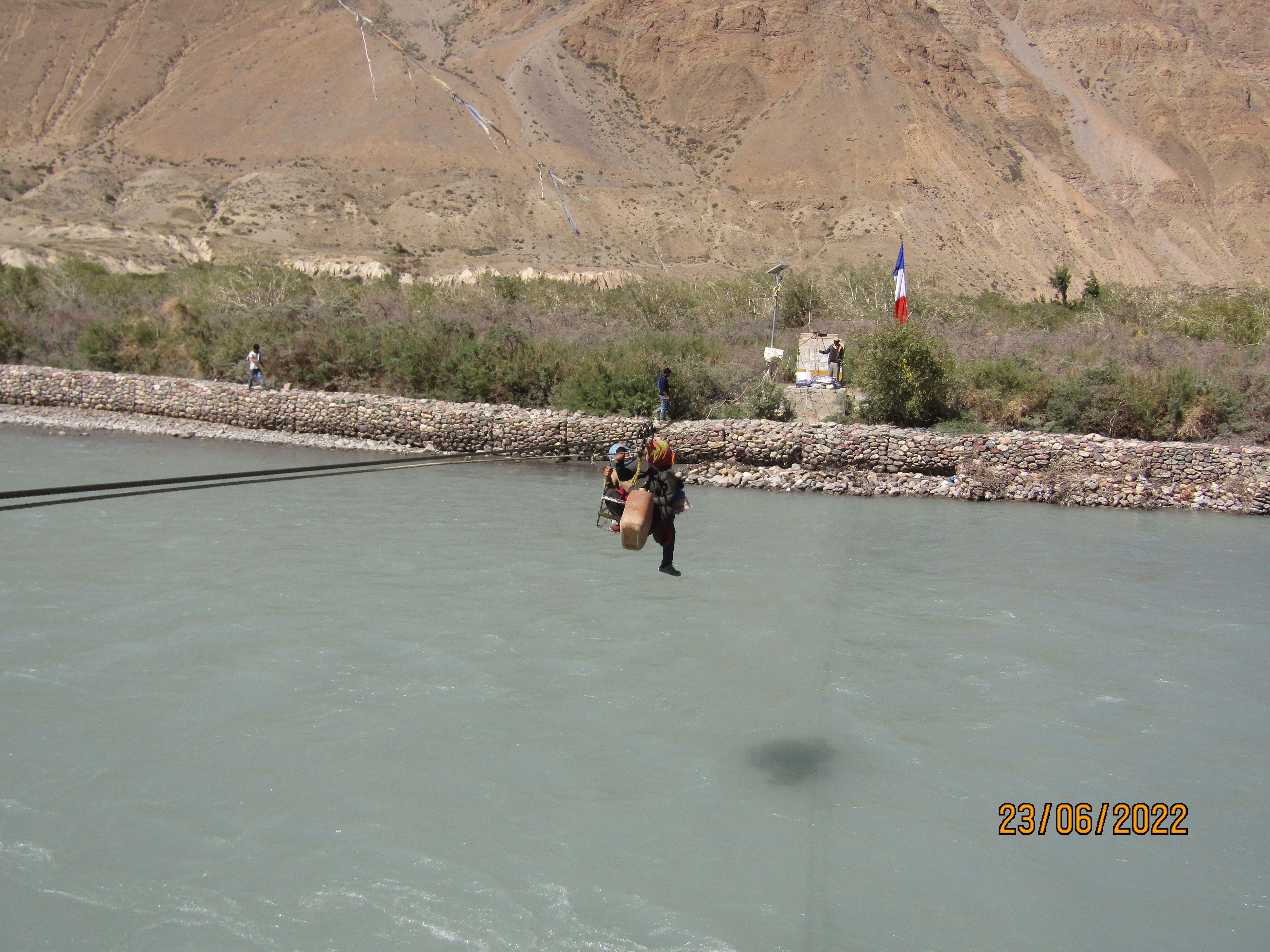
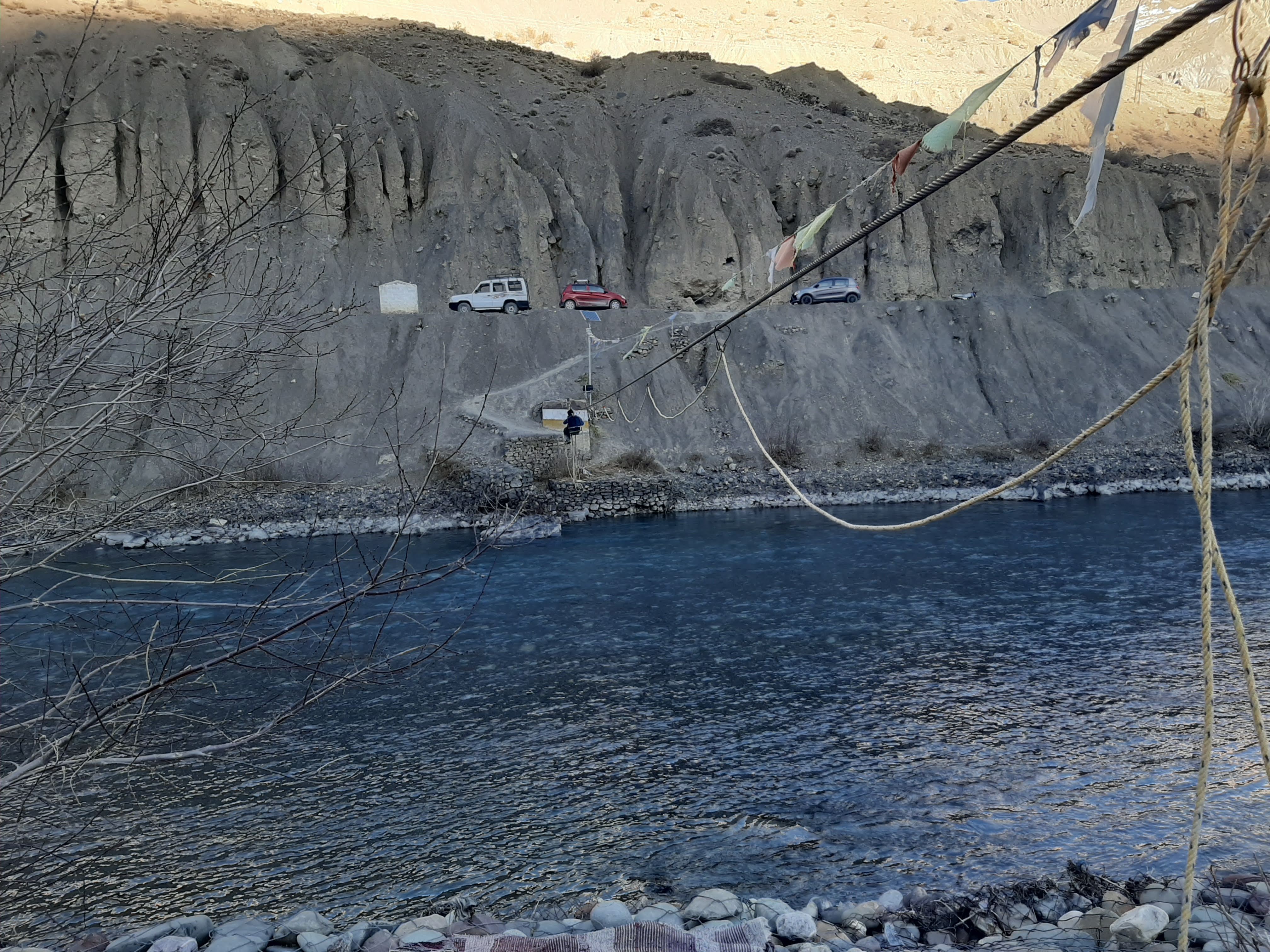
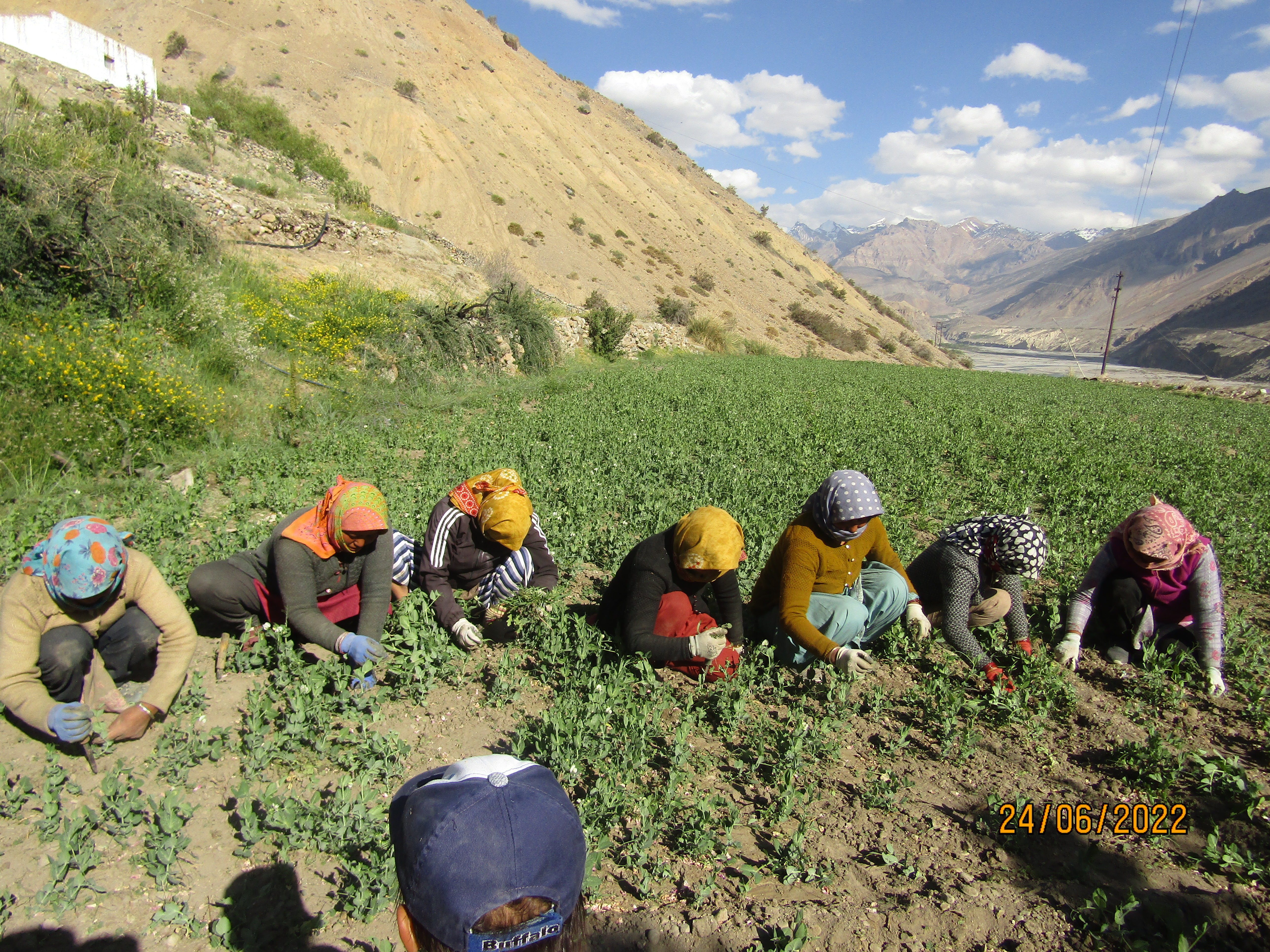
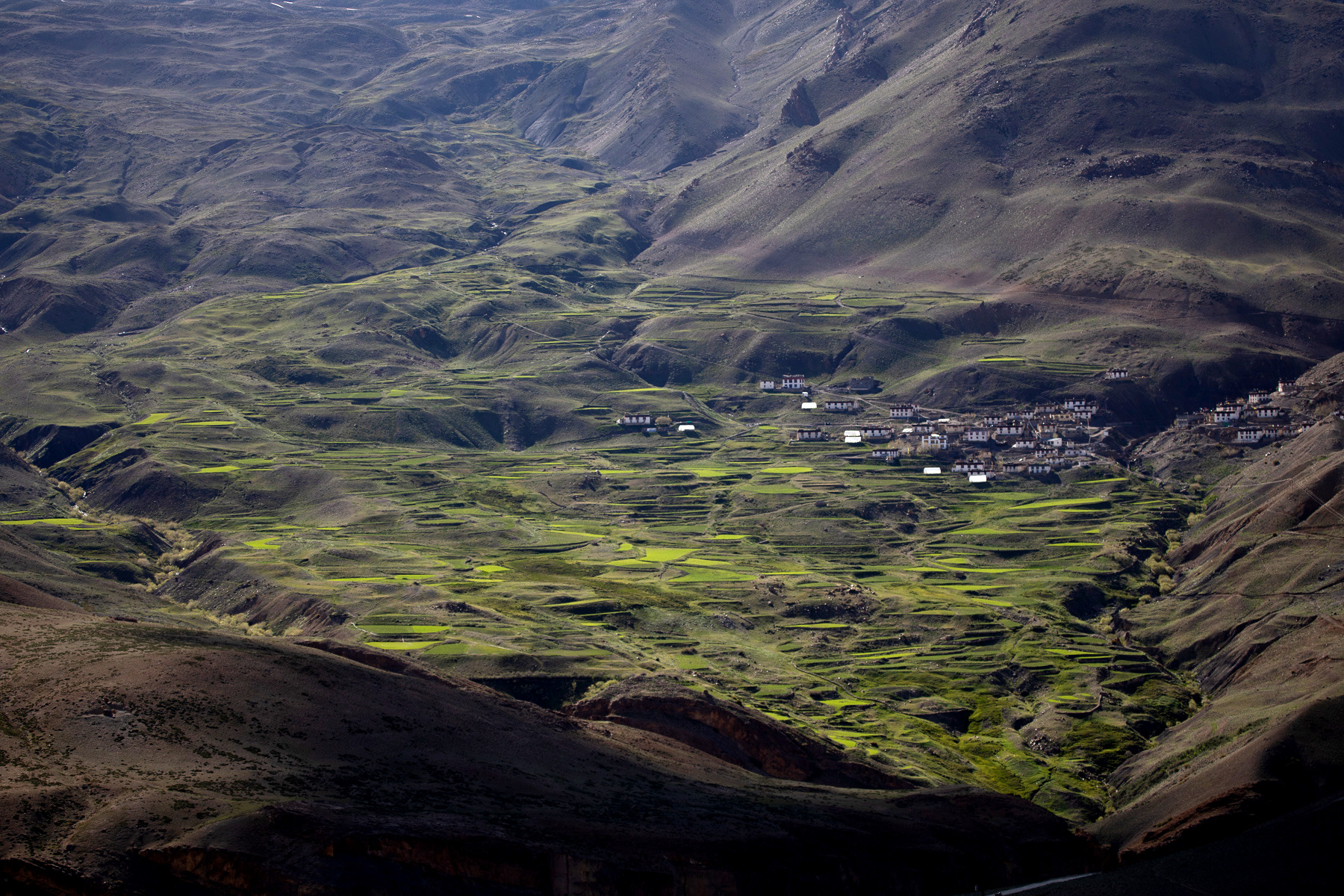
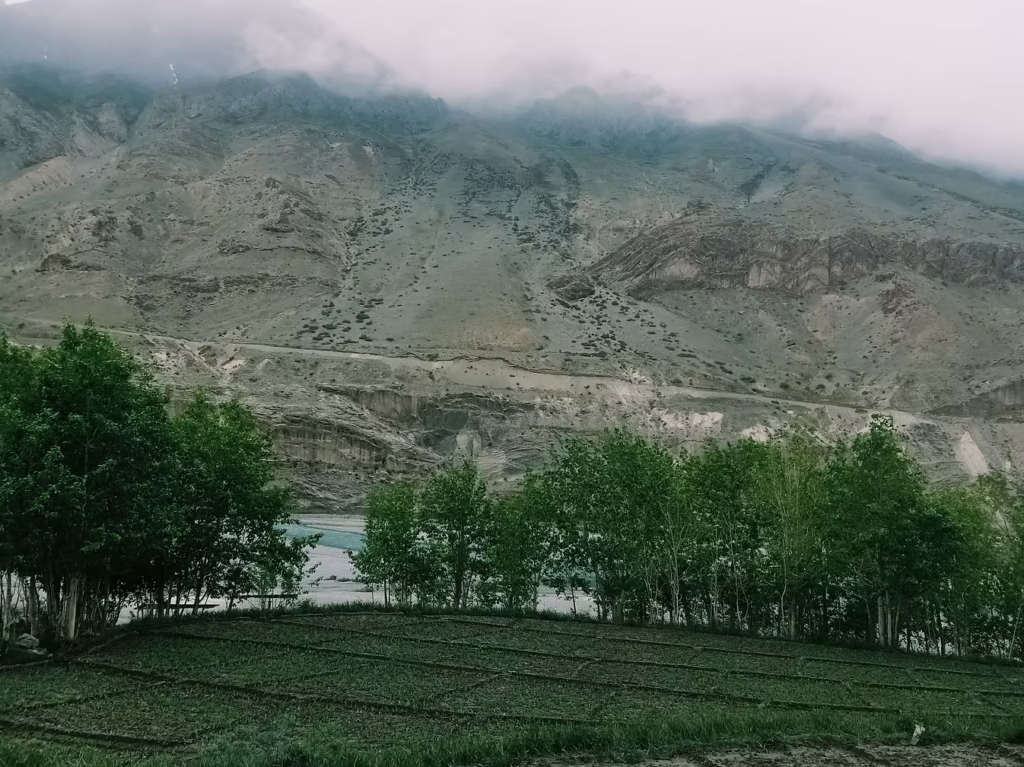
Just like Tashi-gang, Kowang also is a small rural hamlet with just four or five households. Evi made the mountains, the fields, riverbanks and the vast expanse of barren lands an extension of her home. I was often told that she was very fierce and rigorous –someone who toiled hard in her fields and commanded authority. In Spiti, farming and related activities are considered communal affairs. Everyone partakes in the age-old traditional system “Bhey” where there is reciprocal exchange of work which denotes inter-household collectivism. This is further reinforced by Buddhist teachings intricately tying ecological ethics with religious beliefs laying emphasis on the virtue of cooperation and mutual support for each other in a community. Reality however, is more complex – village dynamics play a huge role in shaping agrarian responsibilities. Land ownership, access to resources and decision making is influenced by the undercurrents of unequal power dynamics within different members of a community.
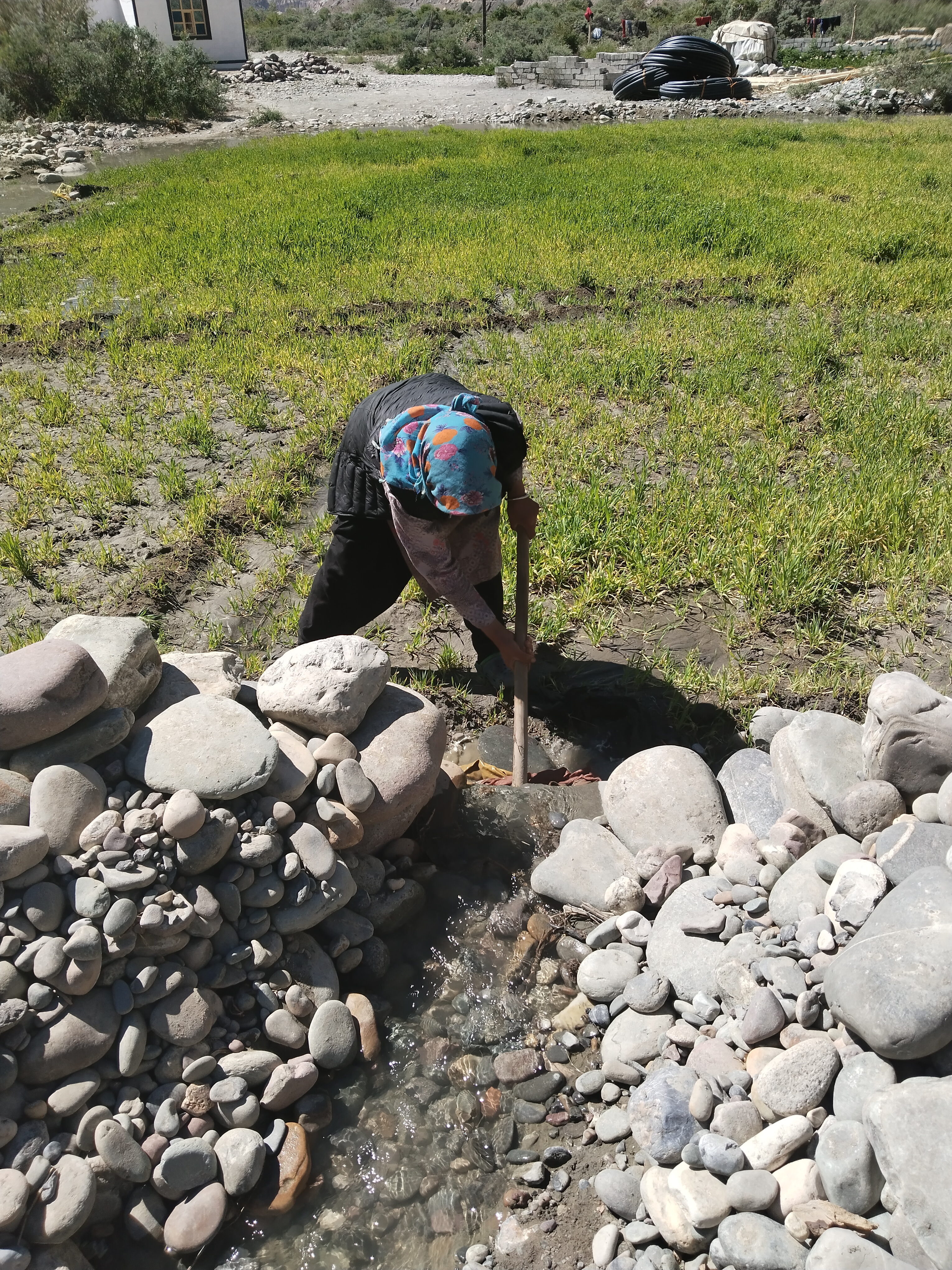
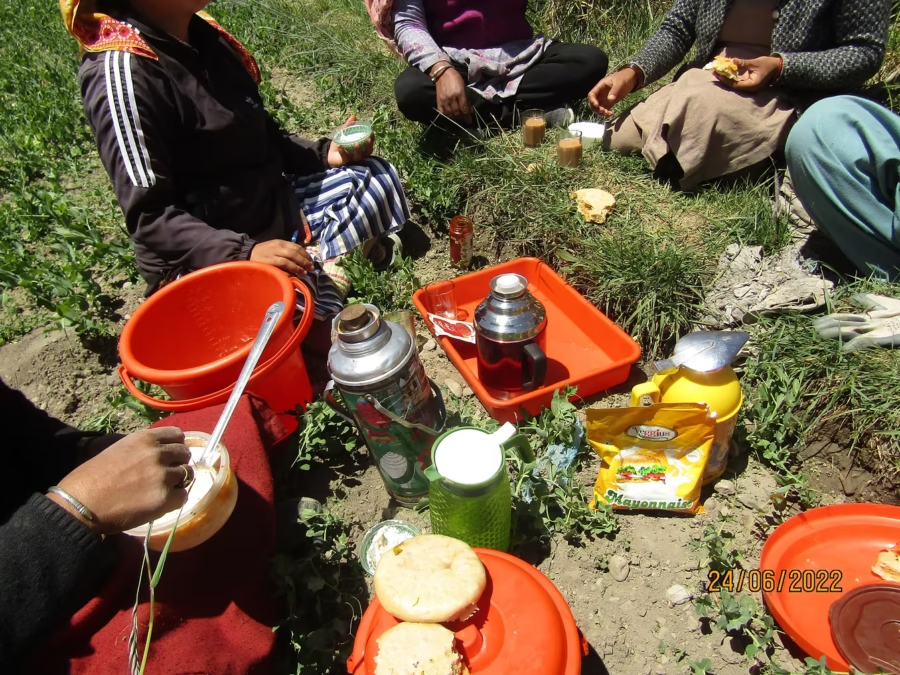
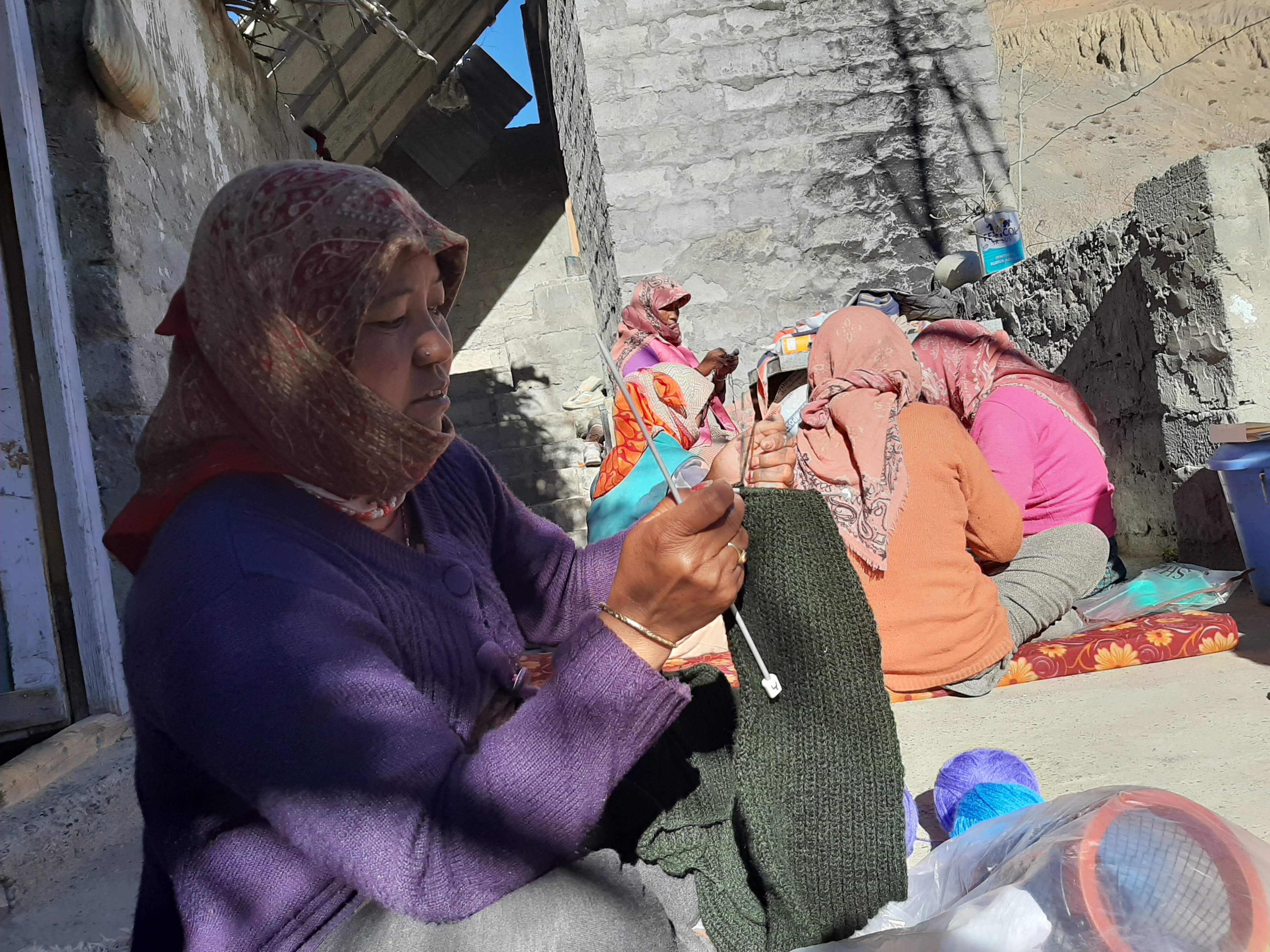
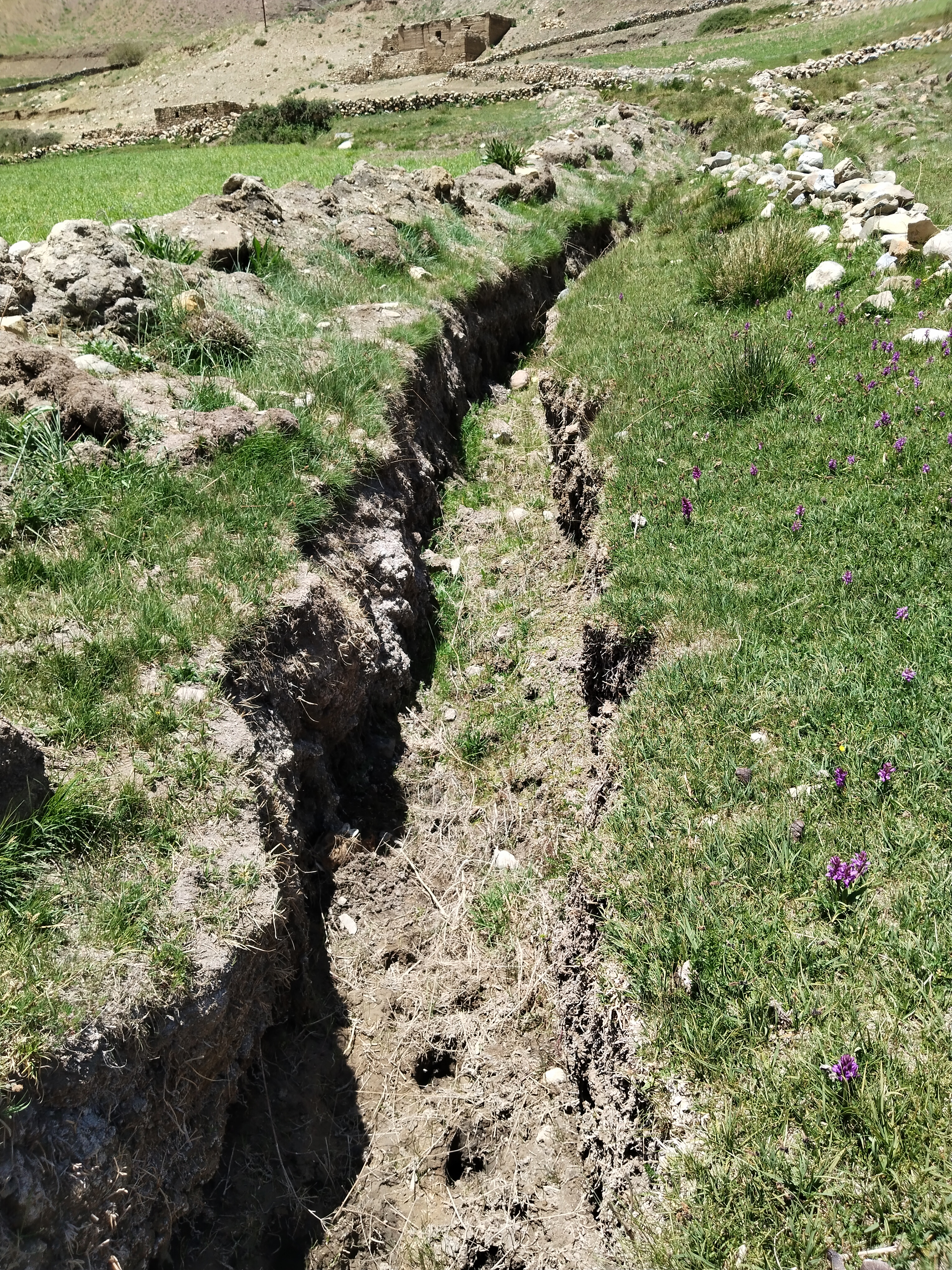
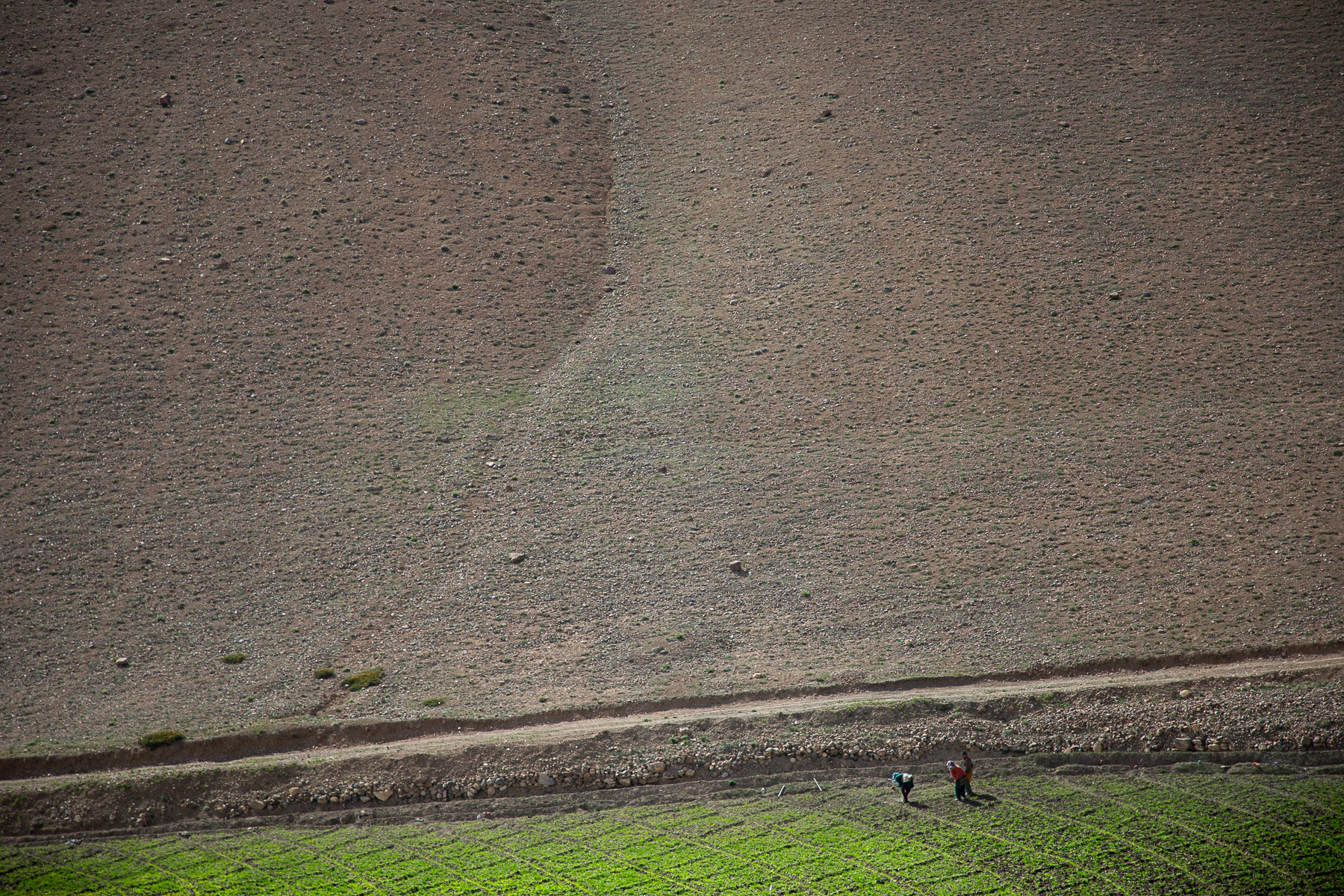
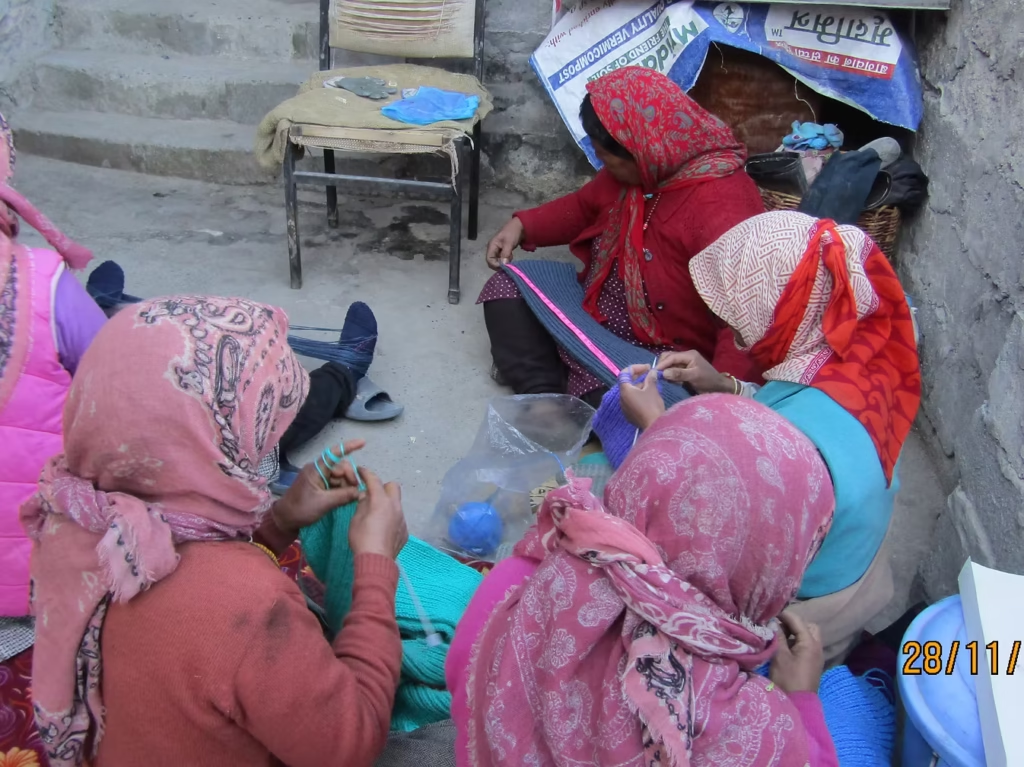
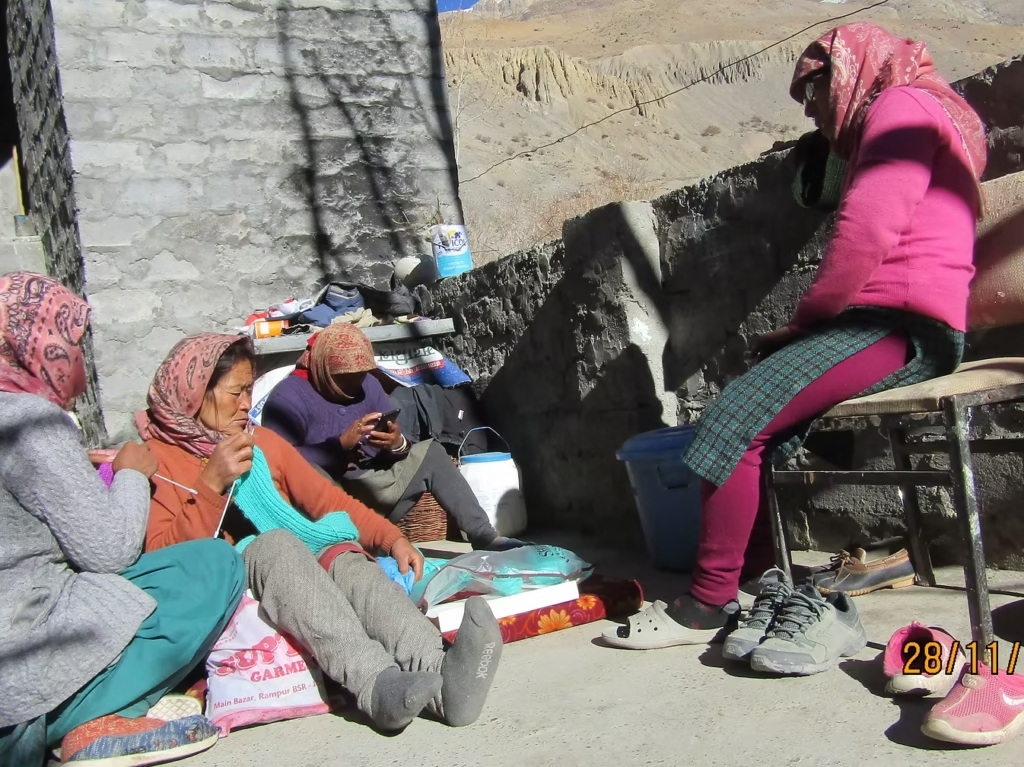
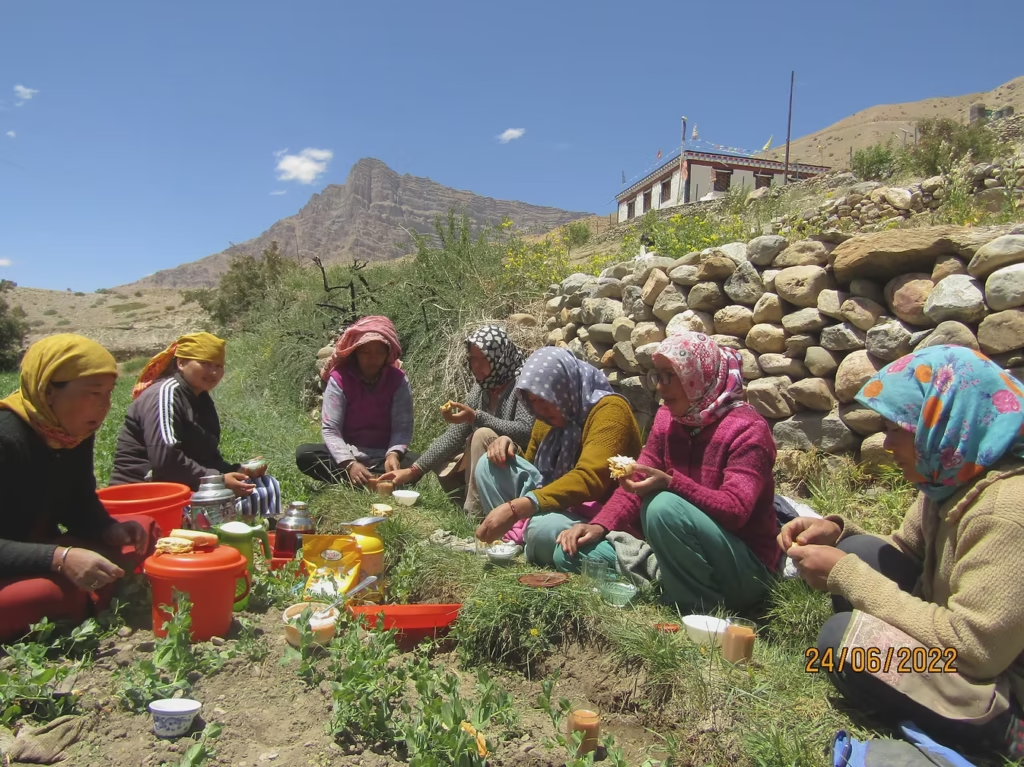
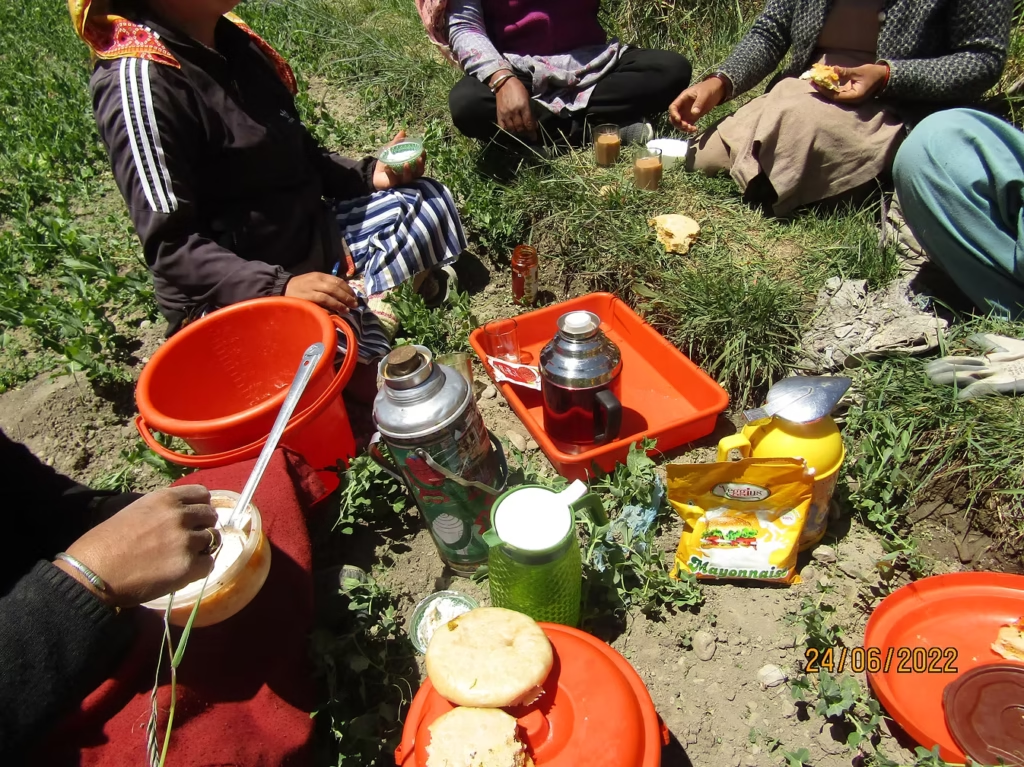
Although men and women both work in fields, there is an apparent work division; Spitian men engage in more cohesive and heavy loaded works like ploughing, harvesting and grazing while women work on array of scattered works (thereby more invisible) like weeding, levelling fields, drawing water channels, irrigation, winnowing, preparatory works of grinding grains and taking out manure from dry toilets. All these supposedly menial works are equally important, time consuming and render solidity to agro-pastoral labour hence are often overlooked. The division of agriculture labour and resource allocation is a reflection of larger social stratification where men of Khangchen household enjoy greatest prestige. “Ane gyi leya la siruk mekak” (there’s no value in women’s work or women’s work is uncounted) is a popular expression and is often said grudgingly to show one’s discontentment.
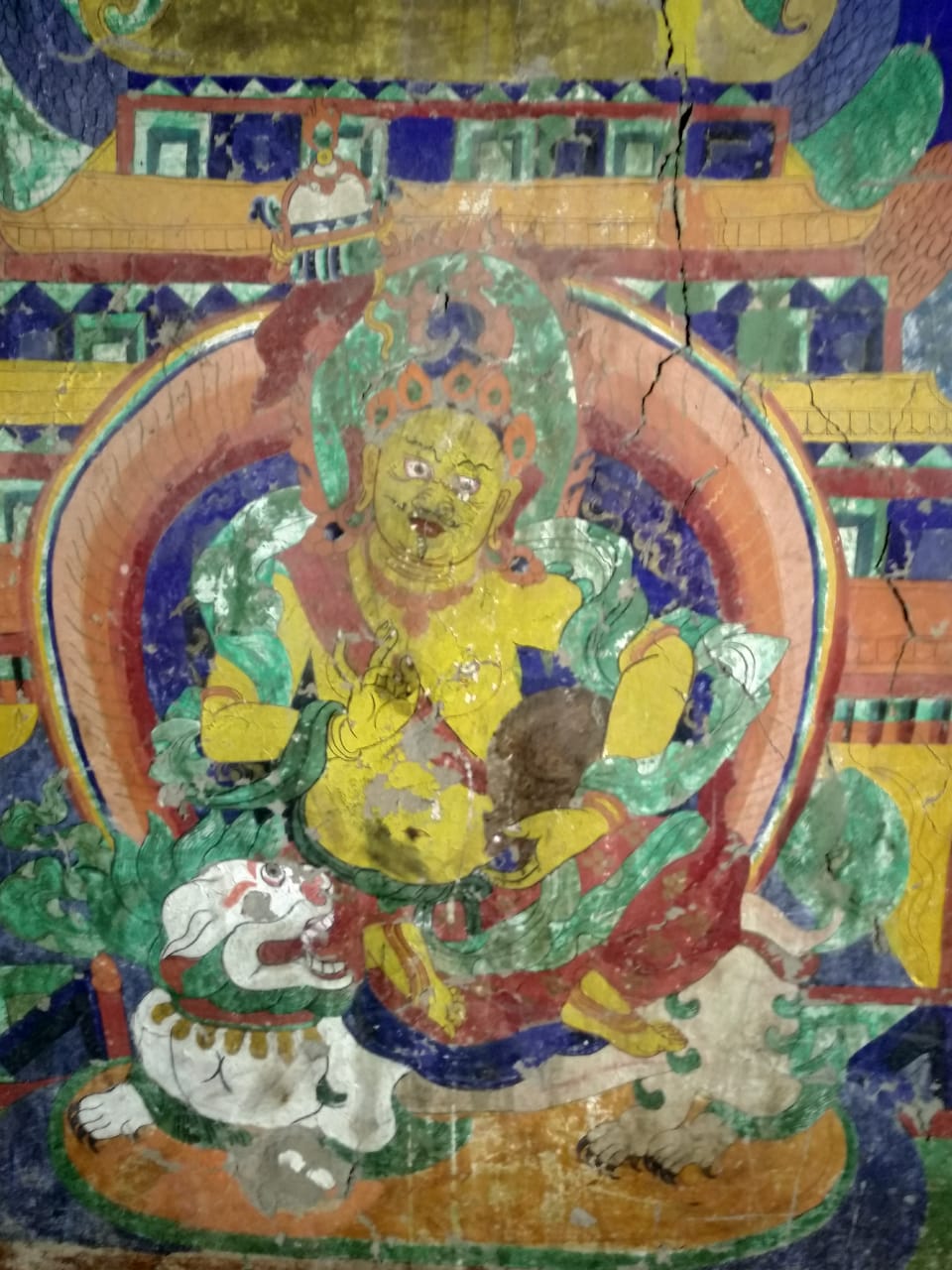
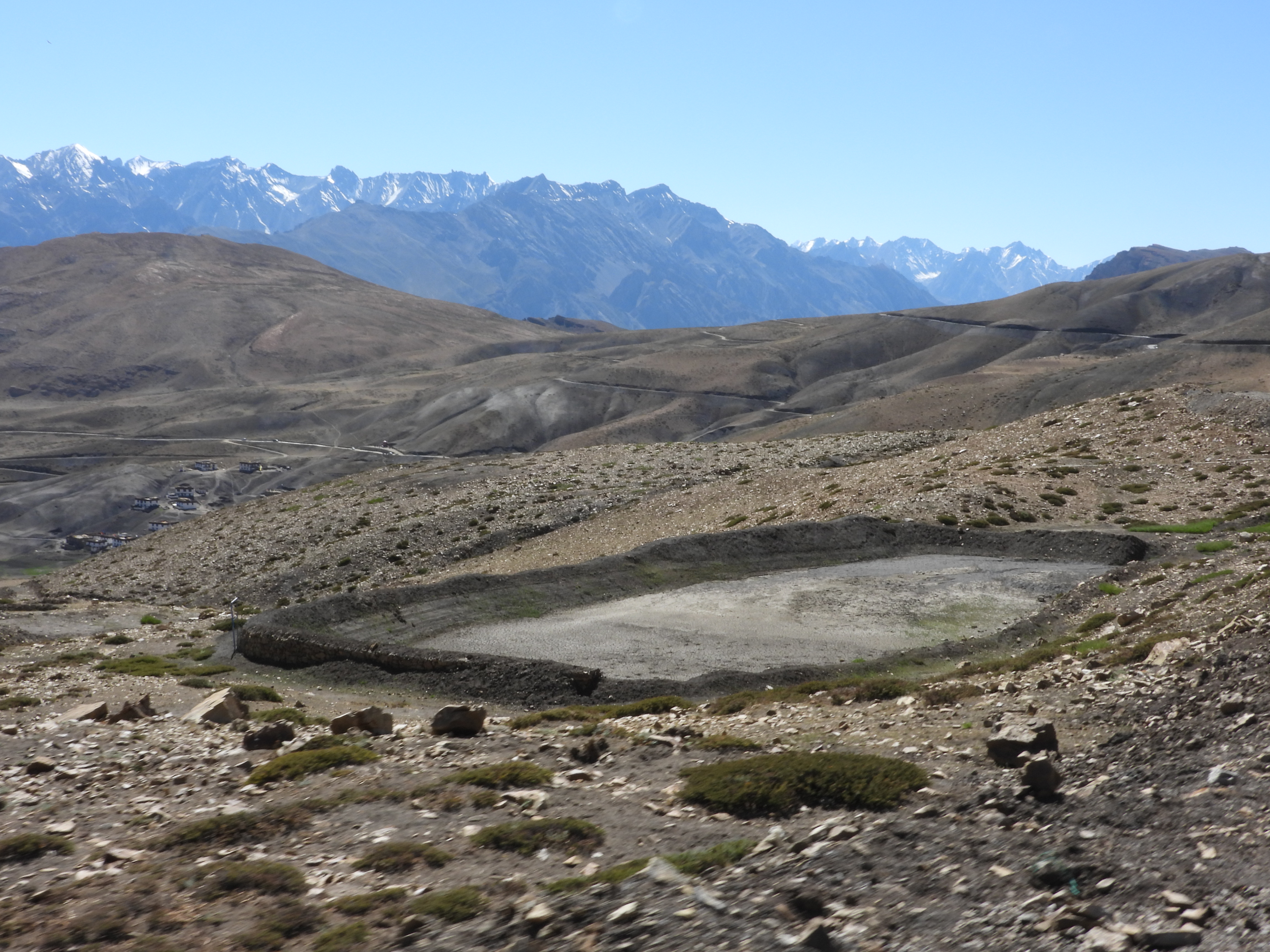
I remember chuckling amusingly at a funny anecdote Evi shared, “Me-me (grandfather) used to be so laid-back. It doesn’t matter whether our luk-chung (lamb) strayed off from the herd or whether our village Zing (water reservoir fed from glacial melt water) is leaking. He has no care in the world. His seeding work is so disorganized that it looks as if he did that in drunken stupor of Aarak.” To balance the narrative she would continue, “What would he know of any farm works; he was a tsongpa (trader) and was always away. I used to do all the field work even the ones like ploughing with Yak and dZo”.
Our ancestors were so well attuned to the natural world they lived in that they bore the harshness of living in a high altitude landscape like Spiti with remarkable resilience and self-sufficiency. Their wisdom was so innate and grounded in the material reality of their everyday life. They were deeply engaged with the physicality of the farm-works that they knew how to harness the health of the whole ecosystem, yet they barely saw their contributions as worthwhile.
Living in remote, resource scarce places like Spiti, the value of rejuvenation is central to their environmental ethics. They might not quite articulate it that way but they embody it and live the experience which is also reflective in their ascetic lifestyle and in their belief of complex connection of living, non-living, material, immaterial, physical, non-physical entities to boost the overall health of an ecosystem. While laying dry hay for goats in Evi’s open corral, she would often lecture vehemently, “Farming is not just acquiring food from nature. It is honouring Kunchok Sum’s (three jewels of the Buddhist trinity) benevolence which looks after our soil, our streams, our pastures and overall health and happiness of our animals”.
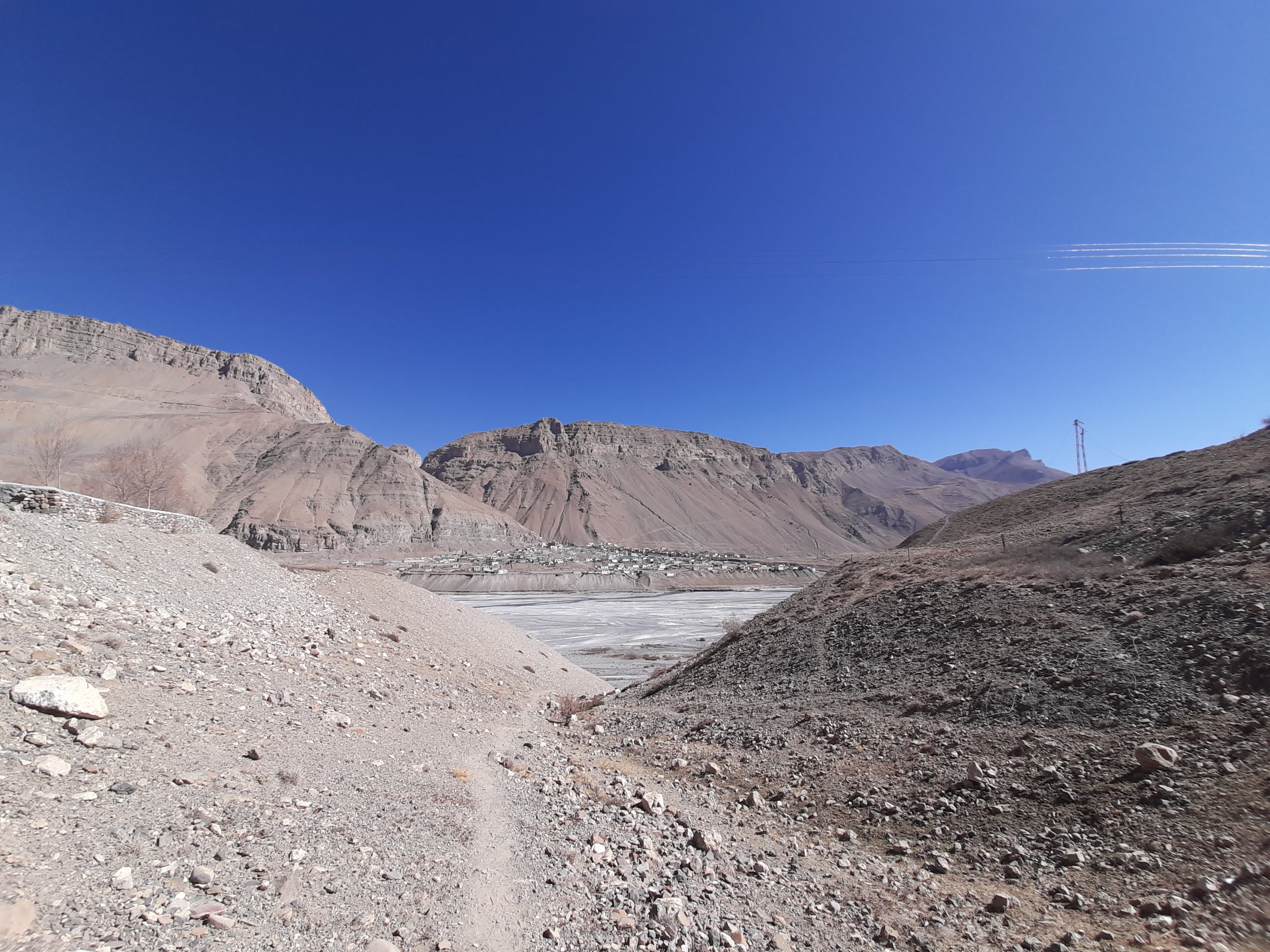
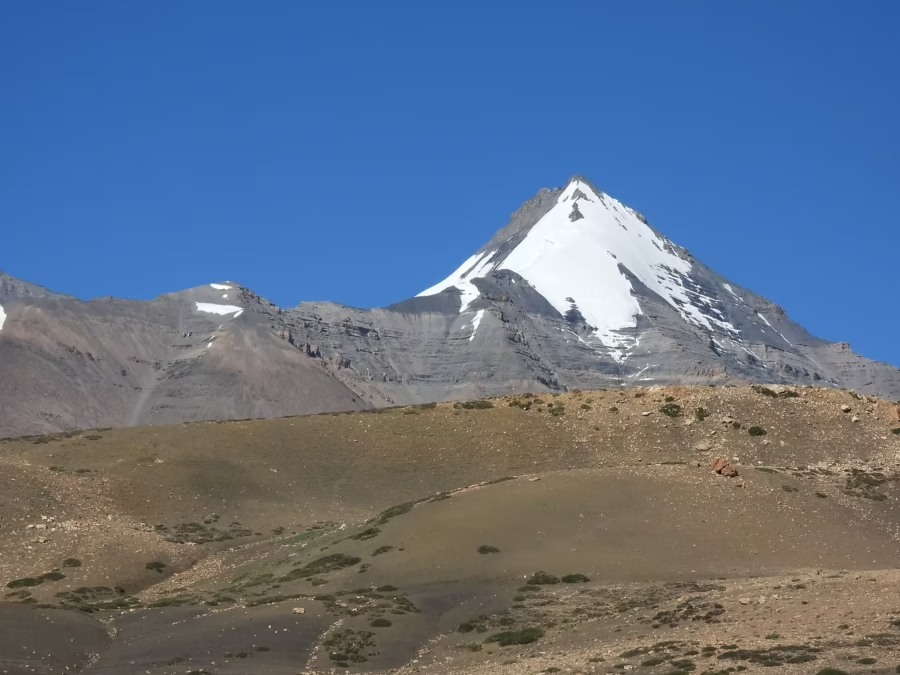
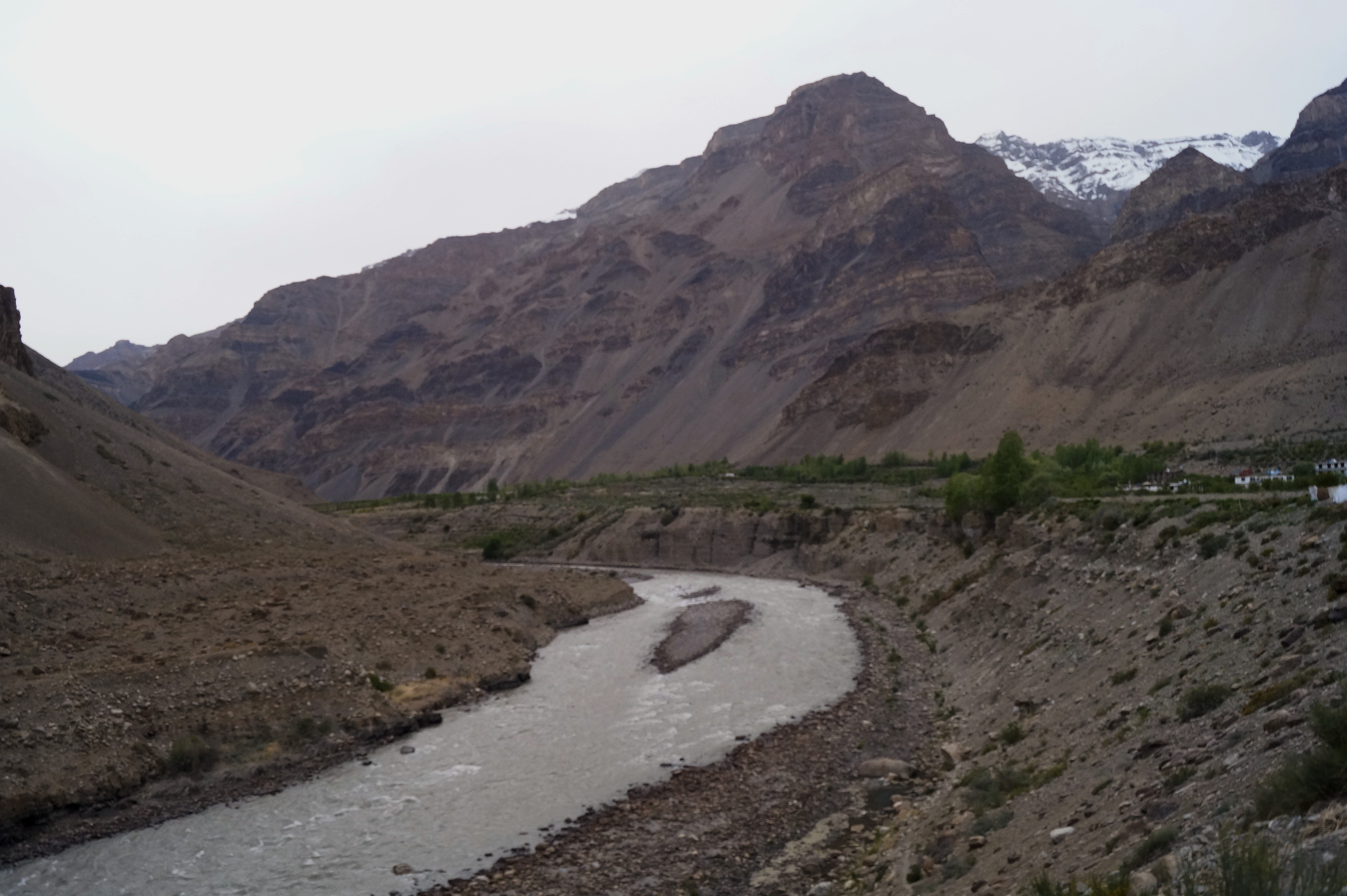
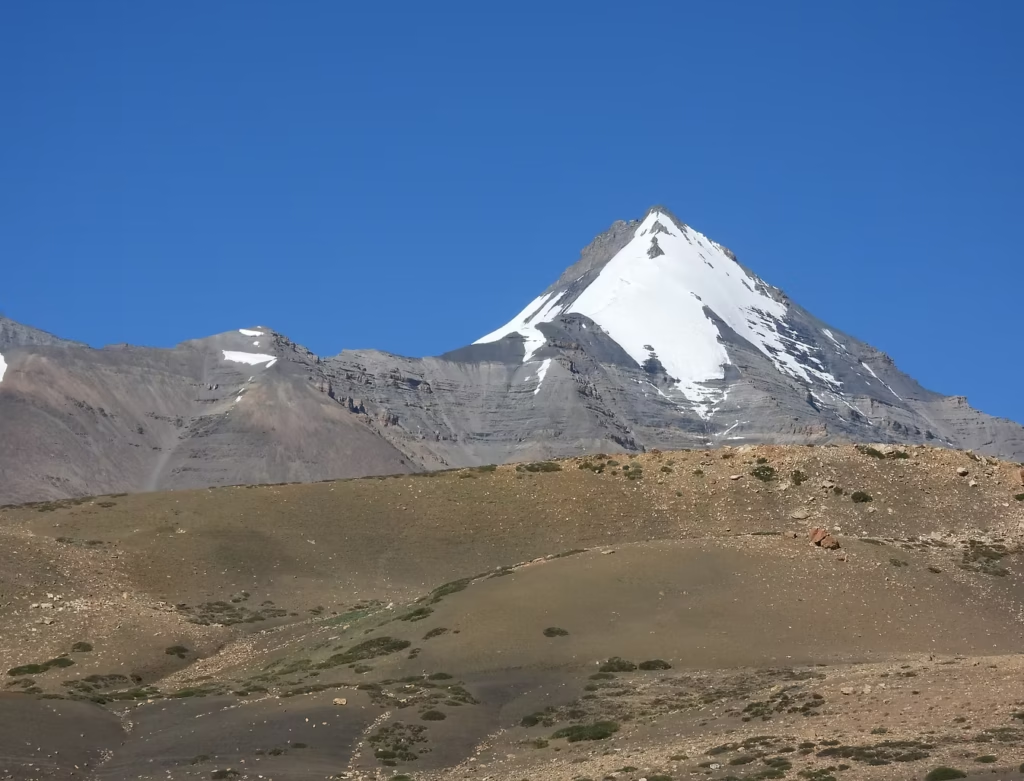
As a child, she used to narrate a story about cursed “srinmos” (demoness). She would say, “behind the gigantic barren mountains of our village lies “srinmo-yul” (land of demoness) where ferocious and hungry demoness lives”. She used to caution me that if we don’t tend to our riluk-balang (livestock), our land, let the crops rot, these “srinmos” can manifest themselves in our fields and can cause destruction to our fields and our animals. I used to believe in her story and would help her in chores like milking cows and putting fodder for cattle. Looking back, I think it was her way of making me reciprocate the deep attachment she shared with our land and our livestock.
The unconventional attachment she shares with the landscape results from decades of tenacious experience of physically engaging with the land yet it is not always idyllic as one would imagine. Living amid vast barren land of our village with scarce human companions posed its own challenge. She despised living in seclusion and would often run away as a newly bride only to be coaxed back to return by family members. Rural isolation drove her to the point of desperation even to pray for “miracle disasters” which would merge Kowang with its neighbouring more populated village Kaza. At her extreme old age she was able to enjoy more familial connections when she jointly lived with my cousin’s family in Rangrik. I was always told my Evi was a brilliant cultivator and I wonder whether I will ever be able to understand the rich tapestry of the life she led with all its apparent glory and poignancy.