
Spiti

Spirits of the mountains: Barley Beer (Chaang)

Spirits of the mountains: Barley Beer (Chaang)

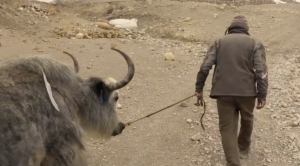
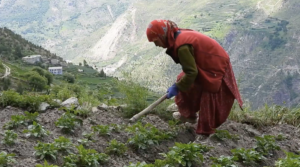
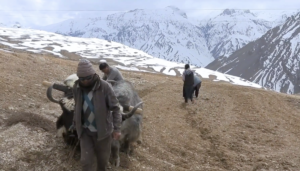
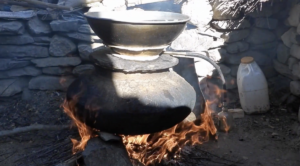
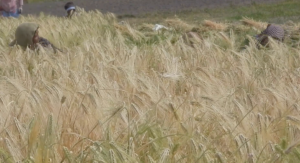
Often referred to as the beer of the high mountains, Chaang is a fermented, alcoholic beverage. In Spiti and Ladakh, it is primarily made using locally-grown, organic barley. More recently, people have started using rice and wheat to make Chaang. Barley, once a staple in the high mountains, is slowly losing out to cash crops despite cash crops being more vulnerable to the risks presented by changing weather patterns. The lack of a market for locally grown barley is leading to its decline.

With special thanks to Tanzin Kunzang


छांग एक किण्वित पेय है जो आमतौर पर ऊंचे पहाड़ों में बनाया जाता है। स्पीति और लद्दाख में, यह मुख्य रूप से स्थानीय रूप से उगाए गए, जैविक जौ का उपयोग करके बनाया जाता है। हाल ही में, लोग छांग बनाने के लिए चावल और गेहूं का भी उपयोग करते हैं। जौ, जो कभी इन भागों का प्रमुख भोजन था, धीरे-धीरे नकदी फसलों की तुलना में कम होता जा रहा है, बावजूद इसके कि नकदी फसलें मौसम के बदलते मिजाज के कारण पैदा होने वाले जोखिमों के प्रति अधिक संवेदनशील हैं।

तंजिन कुंजांग को विशेष धन्यवाद 
1200 663 Ajay Bijoor
Fairies of Kibber | Documentaries by Locals

Fairies of Kibber | Documentaries by Locals

Women in the high altitude village of Kibber carry the weight of water, faith and the future. Fairies of Kibber follows the extraordinary story of women who have become guardians of water in a climate-challenged world.

A film by Varun Chauva.

Music via. Pixabay:
gm6-fmaj7-bbm6-jazz-improvisation-215332.mp3 by drebddronefish
jazz-background-music-349165.mp3 by BackgroundMusicForVideos
loose-and-lazy-blues-110453.mp3 by ShidenBeatsMusic
sleigh-ride-snowflake-swing-10951.mp3 by JuliusH


किब्बर के पहाड़ी गांव में रहने वाली महिलाएं जल, आस्था और भविष्य का भार अपने कंधों पर उठाती हैं। ‘फेयरीज ऑफ किब्बर’ जलवायु परिवर्तन से जूझ रही दुनिया में जल की संरक्षक बनी महिलाओं की असाधारण कहानी बयां करती है।

1200 670 Varun Chauva
Yak Vs Machines

Yak Vs Machines

Who will survive? | कौन बचेगा?

Music: Eye of the Tiger (Instrumental) via. https://mp3.pm/
Based on the original “Eye Of The Tiger” by Survivor.

1200 663 Ajay Bijoor
Shawls of Spiti: Lingze

Shawls of Spiti: Lingze

A shawl is every Spitian woman’s true friend. Most shawls are made locally and have evolved over the years. Traditionally made from animal skins (shawls called Yongma), they evolved to be made out of wool that were dyed naturally (called Ramzey Lingze). The current favorite is made using threads and in only woven by women in one village: Demul. It is known as the Demul Linzge.

The Lingze is a cultural essential. Every new bride receives a Lingze at her wedding. The number of Lingze gifted to a new bride, by her family, was a mark of affluence. While this may no longer be the case, the Lingze continues to evolve and remains one of the most important cultural symbols among Spitian women.

We thank the women of Demul who explained the details of the Demul Lingze and let us film them at work. They include Sonam Chukit, Padma Chodon, Sonam Chodon and Panma Youdon. Also, our thanks to Padma Chodon, Kunzang Thinley, Phuchok Dolma and Angrup Chhomo for displaying the Lingze they have inherited.

Cover image: Nawang Tankhe
Additional footage: Kalzang Gurmet

Music:
Strolling in Style by Raymond Grouse for Epidemic sound
Keep Me in Your Sight by JOYSPRING for Epidemic sound


शॉल प्रत्येक स्पिटियन महिला की सच्ची दोस्त है। अधिकांश शॉल स्थानीय स्तर पर बनाए जाते हैं। परंपरागत रूप से जानवरों की खाल (शॉल जिन्हें योंगमो कहा जाता है) से बनाया जाता था, वे ऊन से बनने के लिए विकसित हुए जिन्हें प्राकृतिक रूप से रंगा जाता था (जिन्हें रैमजे लिंग्ज़ कहा जाता है)। वर्तमान पसंदीदा धागों से बना है और केवल एक गांव की महिलाओं द्वारा बुना जाता है: डेमुल। इसे डेमुल लिंज़गे के नाम से जाना जाने लगा है।

लिंग्ज़ एक सांस्कृतिक अनिवार्यता थी, हर नई दुल्हन को अपनी शादी में लिंग्ज़ मिलता था। एक नई दुल्हन को उसके परिवार द्वारा उपहार में दी गई लिंग्ज़ की संख्या समृद्धि का प्रतीक थी। लिंग्ज़ का विकास जारी है और स्पिटियन महिलाओं के लिए सबसे महत्वपूर्ण फैशन सहायक उपकरण में से एक बना हुआ है।

हम डेमुल की कई महिलाओं को धन्यवाद देते हैं जिन्होंने हमें डेमुल लिंग्ज़ के विवरण दिखाए और समझाए और काम करते समय हमें उन्हें फिल्माने दिया। उनमें शामिल हैं: सोनम चूकित, पद्मा चोदोन, सोनम चोदोन और पनमा यूडन। इसके अलावा, कुंजांग थिनले, फुचोक डोल्मा और अंगरूप छोमो को हमारा धन्यवाद।

1200 658 Ajay Bijoor
Natural farming

Natural farming

Spring is here and hectic farming activity will soon resume in the mountains. We spoke with Sujata Negi who is Block Technical Manager for the Agricultural Technology Management Agency (ATMA) in Spiti. She tells us points to keep in mind while starting to sow crops for the coming season.
This is the first of a two-part conversation.

Credits:
We thank Ms. Sujata Negi for speaking with us.
Cover image: Nawang Tankhe
Background score:
Warp Speed Accelerating by Suburbanwizard from pixabay
Bass Guitar Pulses by josefpres from pixabay
Quantum World by Magiksolo from Artlist
Additional support: Tanzin Thinley, Kesang Chunit and Kalzang Gurmet


वसंत आ गया है और पहाड़ों में जल्द ही खेती-किसानी का काम फिर से शुरू हो जाएगा। हमने स्पीति में कृषि प्रौद्योगिकी प्रबंधन एजेंसी (ATMA) की ब्लॉक तकनीकी प्रबंधक सुजाता नेगी से बात की। उन्होंने हमें आने वाले मौसम के लिए फसल बोने से पहले ध्यान रखने योग्य बातें बताईं। यह दो भागों वाली बातचीत का पहला भाग है।

1200 666 Ajay Bijoor
Govt. schemes supporting natural farming

Govt. schemes supporting natural farming

In this story we look at the kind of schemes supporting natural farming through the centrally funded Agricultural Technology Management Agency (ATMA).


इस लेख में हम केन्द्र द्वारा वित्तपोषित कृषि प्रौद्योगिकी प्रबंधन एजेंसी (ए.टी.एम.ए) के माध्यम से प्राकृतिक खेती को समर्थन देने वाली योजनाओं पर नजर डालेंगे।

Credits:
We thank again Ms. Sujata Negi, Block Technical Manager at ATMA in Kaza, for speaking with us.
Cover image: Nawang Tankhe
Background music: Tanpura (Sa-Pa-Sa) in C#, D#, F#, G# and A# via. https://kksongs.org/tanpura/mp3s.html

1200 682 Ajay Bijoor
The Gatpo of upper Himachal Pradesh

The Gatpo of upper Himachal Pradesh

In the high valleys of Spiti and Hangrang, the Gatpo plays a critical role of administering a village, working to ensure it’s overall welfare. The Gatpo is a traditional system of governance, similar to the Praja system in Pangi and the Goba system in Ladakh. This system predates all formal Panchayati Raj institutions that have now come to shape administration of these regions. Historically one individual was chosen for the role, based on a consensus and played the role for up to three years. Some Gatpos have run their village for over 25 years!
The nature of the Gatpo system is now witnessing change with most villages opting for a fixed, one-year tenure and every family taking turns to perform this responsibility. This change brings both benefits and detriments. Despite the change, the institution of the Gatpo remains prevalent and important across Spiti and Hangrang valleys.

For more about this system, do read this report by Kalpavriksh: https://vikalpsangam.org/wp-content/u…

We thank Prithvi Singh Negi of Hango, Chhering Tandup (Gyani) of Losar, Dorje Chhering (Chengez) of Kibber and Takpa Tanzin of Chicham was talking to us for this story.

Music:
Confidence is key by Arthur Benson and Epidemic Sound via. Canva,
Dungma la sho! by Tanzin Thinley.

Additional footage from Open Planet (https://openplanet.org/)


स्पीति और हैंगरंग की ऊँची घाटियों में, गडपो गाँव के प्रशासन में महत्वपूर्ण भूमिका निभाता है और गाँव के समग्र कल्याण को सुनिश्चित करने का प्रयास करता है। गडपो एक पारंपरिक शासन प्रणाली है, जो पांगी की प्रजा प्रणाली और लद्दाख की गोबा प्रणाली के समान है। यह प्रणाली उन सभी औपचारिक पंचायती राज संस्थाओं से भी पुरानी है, जिन्होंने अब इन क्षेत्रों के प्रशासन को आकार दिया है। ऐतिहासिक रूप से, सर्वसम्मति के आधार पर एक व्यक्ति को इस पद के लिए चुना जाता था और वह अधिकतम तीन वर्षों तक इस भूमिका को निभाता था। कुछ गडपो 25 वर्षों से भी अधिक समय तक अपने गाँव का संचालन करते रहे हैं!
गडपो प्रणाली का स्वरूप अब बदल रहा है, क्योंकि अधिकांश गाँव एक निश्चित, एक वर्षीय कार्यकाल को चुन रहे हैं और प्रत्येक परिवार बारी-बारी से इस जिम्मेदारी को निभाता है। इस बदलाव के लाभ और हानि दोनों हैं। इस बदलाव के बावजूद, स्पीति और हैंगरंग घाटियों में गडपो संस्था अभी भी प्रचलित और महत्वपूर्ण बनी हुई है।

हम हांगो के पृथ्वी सिंह नेगी, लोसार के छेरिंग तांडुप (ज्ञानी), किब्बर के दोरजे छेरिंग (चेंगेज) और चिचम के तकपा तानज़िन का धन्यवाद करते हैं जिन्होंने इस कहानी के लिए हमसे बात की।

1200 603 Ajay Bijoor
Can indigenous liquors reach the market?

Can indigenous liquors reach the market?

India has a rich tradition of indigenous liquors dating back almost 4000 years. For many tribal communities, indigenous liquors have been a part of their tribal rites and rituals since times immemorial and they consider them as a gift bestowed upon humankind by their guradian spirits.

From toddy, feni and mahua in south and central India, to apong, judima, hor, zao and zutho in north-east India, and to arrack, chaang, angoori and moori up north – the diversity of indigenous liquors is stunning! Using the example of mahua, which was launched in the market in 2023, we see the possibilities and challenges involved in taking indigenous liquors to the market.

We acknowledge that drinking is injurious to health. This story does not promote drinking, rather it hopes to celebrate indigenous techniques that have stood the test of time.

Credits:
We thank Aniruddha Mookerjee aka Jhampan, for sharing his insights and experience.

Pictures:
Cover image: Nawang Tankhe
Toddy: Wikimedia commons
Feni: https://www.villagesquare.in/how-auth...
Mahua: Wikimedia commons, Aniruddha Mookerjee and https://www.villagesquare.in/how-the-…

Map of Mahua: Mah Spirits (https://www.mahspirit.com/post/the-ca…)

Music by penguinmusic – Earth Day from Pixabay
Tribal Ethinic by Epidemic Sound via. CanvaPro

Location: Dolma Homestay, Kibber


भारत में लगभग 4000 वर्ष पुरानी पारंपरिक मदिरा की समृद्ध परंपरा है। कई जनजातीय समुदायों के लिए, पारंपरिक मदिरा प्राचीन काल से ही जनजातीय संस्कारों और अनुष्ठानों का हिस्सा रही है और वे इसे अपनी देवी-देवताओं द्वारा मानव जाति को दिया गया उपहार भी मानते हैं।

दक्षिण और मध्य भारत में ताड़ी, फेनी और महुआ से लेकर, उत्तर-पूर्व भारत में अपोंग, जुडिमा, होर, ज़ाओ और ज़ुथो तक, और उत्तर में अरक, छांग, अंगूरी और मूरी तक – पारंपरिक मदिरा की विविधता आश्चर्यजनक है! महुआ के उदाहरण का उपयोग करते हुए, जो 2023 में बाजारों में लॉन्च किया गया था, हम पारंपरिक मदिरा को बाजार में लाने में शामिल संभावनाओं और चुनौतियों को देखते हैं।

हम मानते हैं कि शराब पीना स्वास्थ्य के लिए हानिकारक है। यह कहानी शराब पीने को बढ़ावा नहीं देती है, बल्कि यह उन स्वदेशी तकनीकों का जश्न मनाने की उम्मीद करती है जो समय की कसौटी पर खरी उतरी हैं।

श्रेय:
हम महुआ के साथ काम करने के अपने अनुभव को साझा करने के लिए अनिरुद्ध मुखर्जी उर्फ ​​झम्पन को धन्यवाद देते हैं।

चित्र:
टोडी: विकिमीडिया कॉमन्स
फेनी: https://www.villagesquare.in/how-auth… made/
महुआ: विकिमीडिया कॉमन्स, अनिरुद्ध मुखर्जी और https://www.villagesquare.in/how-the-…

महुआ का मानचित्र: माह स्पिरिट्स (https://www.mahspirit.com/post/the-ca…)

पेंगुइनम्यूजिक द्वारा संगीत – पिक्साबे से पृथ्वी दिवस
एपिडेमिक साउंड द्वारा जनजातीय जातीयता के माध्यम से कैनवाप्रो

स्थान: डोल्मा होमस्टे, किब्बर

1200 664 Ajay Bijoor
The uncertain future of Himalayan Barley

The uncertain future of Himalayan Barley

Barley grown organically has been a staple produce in the high altitude regions of Spiti, Lahaul and Ladakh. In the 1980s, the cold summer weather allowed farmers to move towards growing more lucrative cash crops. However, the same weather is now becoming the biggest risk. In this story, Tanzin Thinley, a farmer from Kibber in Spiti talks about this change and the challenges facing farmers like him.

Credits:
Thanks to Tanzin Thinley
Also, thanks to Dikit Lamo of Chicham
Additional footage: Lama Tanzin Chhewang
Stock Footage from Pixabay (https://pixabay.com/)
Music: The Old Farmer by Dream-Protocol via. Pixabay


जैविक तरीके से उगाई गई जौ स्पीति, लाहौल और लद्दाख के क्षेत्रों में एक प्रमुख उपज रही है। 1980 के दशक में, ठंडी गर्मी के मौसम के कारण, किसानों को अधिक लाभदायक नकदी फसलें उगाने की ओर बढ़ने का मौका मिला। हालांकि, यही मौसम अब सबसे बड़ा खतरा भी बनता जा रहा है। इस कहानी में, स्पीति के किब्बर के एक किसान तंजिन थिनले इस बदलाव और उनके जैसे किसानों के सामने आने वाली चुनौतियों के बारे में बात करते हैं।

फिल्मांकन क्रेडिट:
तंजिन थिनले को धन्यवाद
इसके अलावा, चिचम के डिकिट लामो को भी धन्यवाद
अतिरिक्त फुटेज: लामा तंजिन छेवांग
पिक्साबे से स्टॉक फुटेज (https://pixabay.com/)

1200 650 Ajay Bijoor
Lapsol – Prayer to the mountain spirits

Lapsol – Prayer to the mountain spirits

Several communities follow traditional belief systems. Many mountain communities have faith in mystical entities like mountain spirits and deities, who they believe control the elements. In the high Himalaya, water is a critical and often limiting resource. Many communities believe the source of these water bodies to be sacred, which are controlled by individual spirits or deities. In this video-story, we visit Spiti to look at the annual celebration of Lapsol. Lapsol is celebrated to gratify mountain spirits, in the hope that the region receives bountiful snow. It is a solemn prayer made by the villagers for another year peace and tranquility.

Special thanks to Chhering Tashi, Padma Dimdul, Paljor Lundup and Champa Dorje of Kibber village.
Music: Abode of Snow SPmusic by via. Pixabay
Asian Cinematic by @AlekseyChistilin (Lexin_Music) via. Pixabay
Additional Footage: Kalzang Gurmet
Audio: DesiVocal (https://www.desivocal.com/en)
Cover Illustration: Nawang Tankhe


कई पहाड़ी समुदाय, पहाड़ी ल्हा और ल्हामो (देवी-देवताओं) जैसी रहस्यमय स्थाओं में विश्वास और श्रद्धा रखते हैं। उनका मानना ​​है कि पहाड़ी देवी-देवता तत्वों को नियंत्रित रखते हैं। हिमालय के ऊँचे क्षेत्र में, पानी एक महत्वपूर्ण और अक्सर सीमित संसाधन है। कई समुदाय इन जल निकायों के स्रोत को पवित्र मानते हैं, जिसे स्थानीय देवी-देवता नियंत्रित करते हैं। इस वीडियो-कहानी में, हम लाप्सोल के वार्षिक उत्सव को देखने के लिए स्पीति का दौरा करते हैं। लाप्सोल स्थानीय देवी-देवताओं को संतुष्ट करने के लिए मनाया जाता है, इस उम्मीद में कि आने वाला वर्ष समृद्ध और किसी भी मुश्किलों से मुक्त हो।

किब्बर गांव के छेरिंग ताशी, पद्मा डिमडुल, पलजोर लुंडुप और चंपा दोरजे को विशेष धन्यवाद।
संगीत: एबोड ऑफ स्नो SPmusic के माध्यम से (पिक्साबे)
एशियन सिनेमैटिक @AlekseyChistilin द्वारा (पिक्साबे)
अतिरिक्त फ़ुटेज: कलज़ंग गुरमेत
ऑडियो: देसीवोकल
कवर चित्रण: नवांग तन्खे

1200 675 Ajay Bijoor