Wildlife

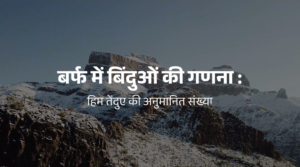
भारत में पहली बार हिम तेंदुए की जनगणना कैसे की गई?

भारत में पहली बार हिम तेंदुए की जनगणना कैसे की गई?

अंतर्राष्ट्रीय हिम तेंदुआ दिवस 23 अक्टूबर को मनाया जाता है। भारत इस साल अपनी पहली हिम तेंदुए की जनगणना के नतीजे घोषित करेगा। यह परिणाम देश के हिमालयी क्षेत्रों में किए गए 4 साल के व्यापक अभ्यास पर आधारित है। यह विशाल अभ्यास देश के सुदूर ऊंचाई वाले क्षेत्रों में रहने वाले स्थानीय लोगों के समर्थन और भागीदारी के बिना पूरा नहीं किया जा सकता था।

वीडियो: समर्थ ज्योति
कथन: अक्षिता अशोकन
अनुवाद: सीमा बजाज
कैमरा ट्रैप छवियां: हिमाचल प्रदेश वन विभाग, नेचर कंजर्वेशन फाउंडेशन और स्नो लेपर्ड ट्रस्ट
फुटेज: तेंज़िन थुक्तान, मुनीब खन्यारी और अजय बिजूर
छवियाँ: हाई एल्टीट्यूड प्रोग्राम और प्रसेनजीत यादव
अतिरिक्त फ़ुटेज: ओपन प्लैनेट
2444 1360 Himkatha
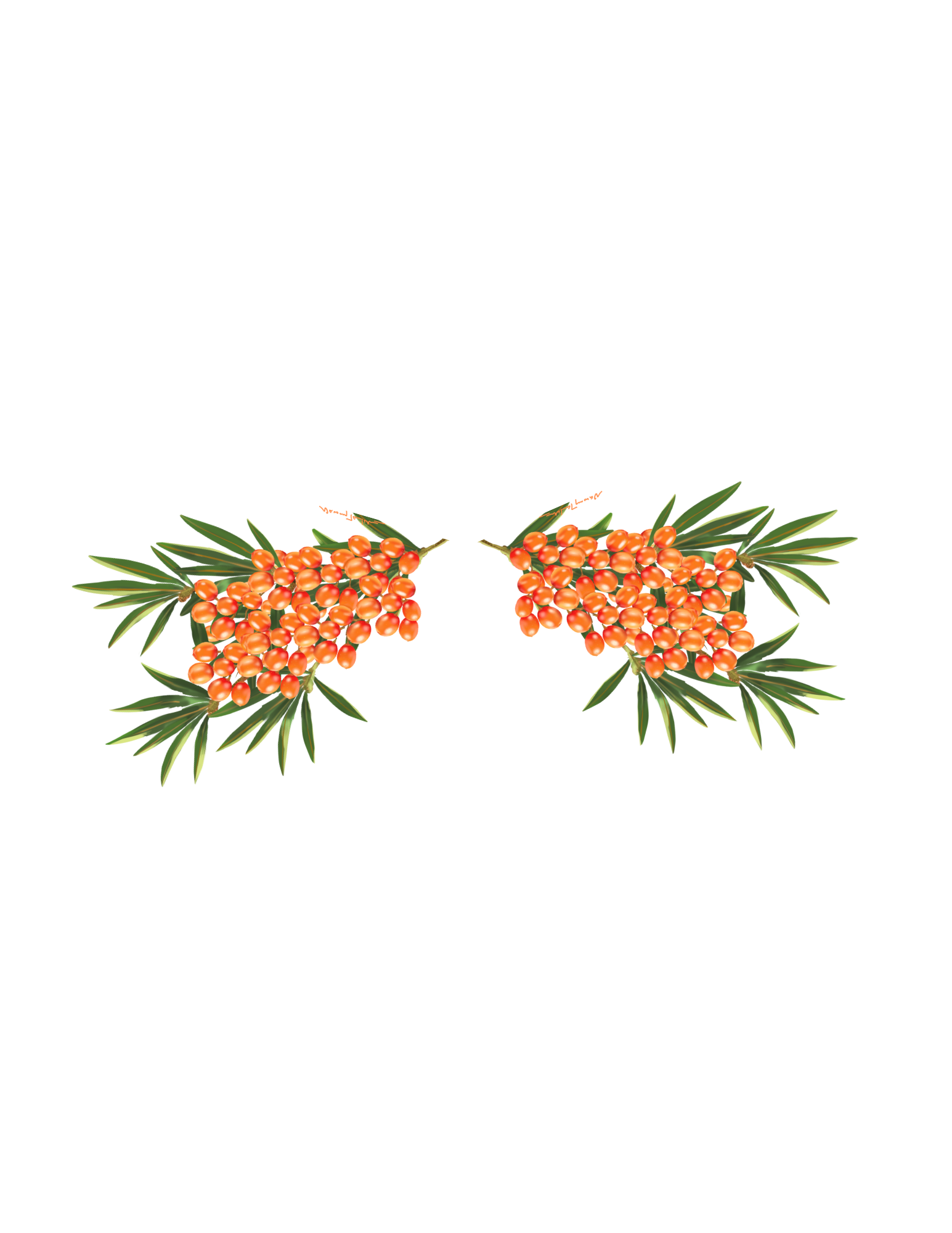
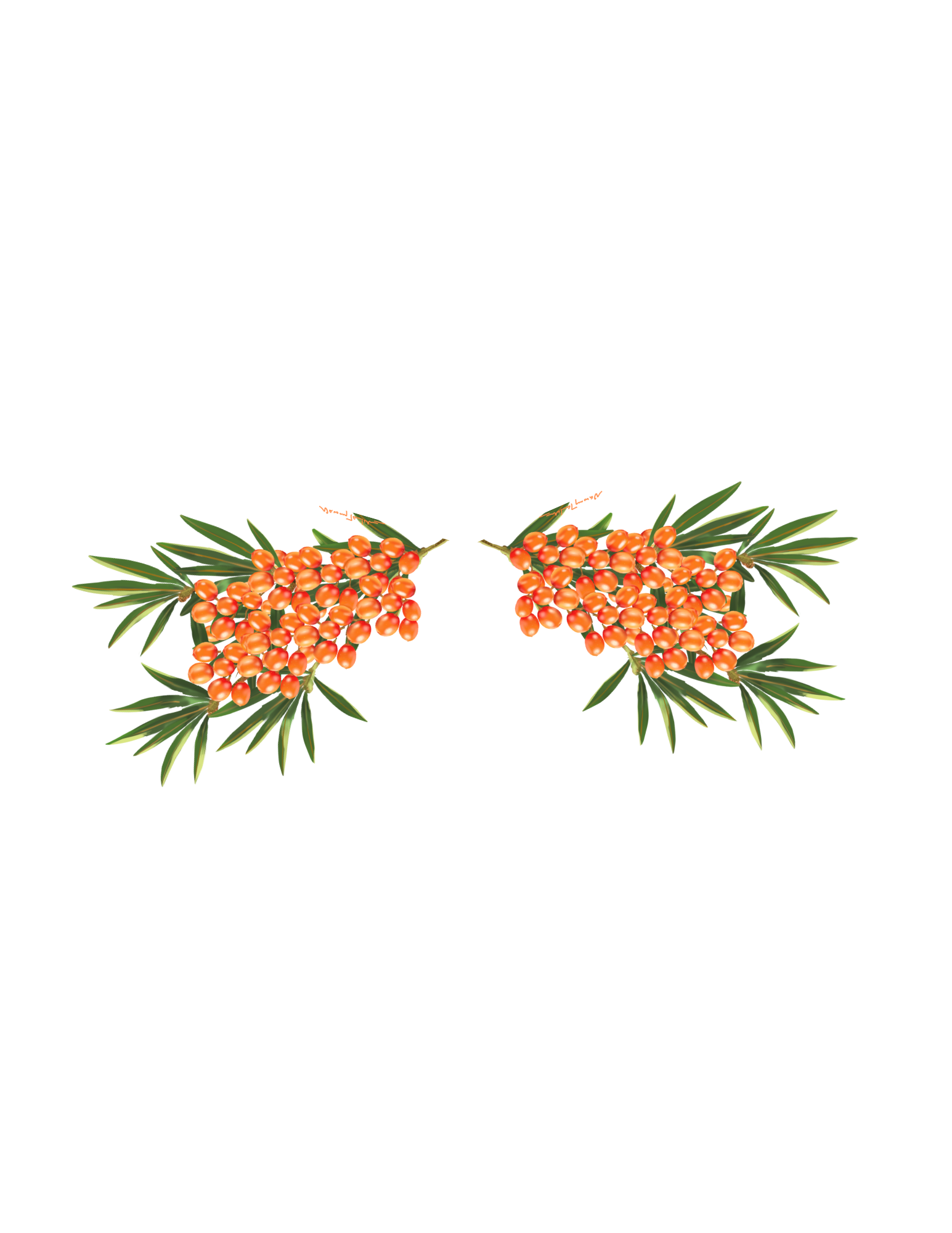
Unveiling an Enigmatic Jewel: Sea Buckthorn

Unveiling an Enigmatic Jewel: Sea Buckthorn

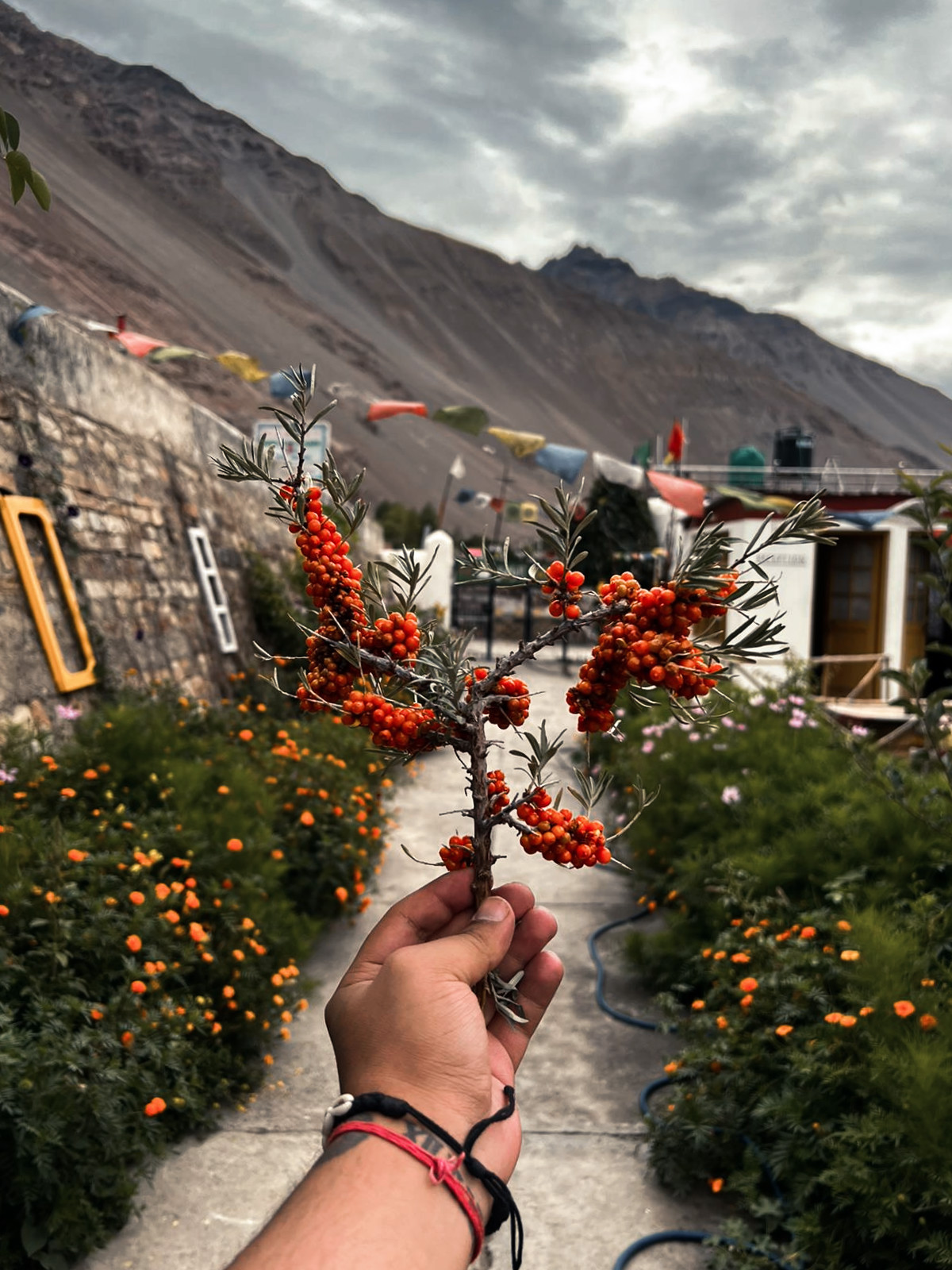
Nestled high amidst the majestic peaks of the Himalayas lies a hidden treasure, a rare and mystical berry known as sea buckthorn. Revered for its extraordinary nutritional profile and therapeutic properties, this vibrant orange jewel has captivated the hearts and taste buds of travellers and locals alike. Join me on a journey of discovery as we delve into the intriguing world of sea buckthorn, unearthing its rich history, cultural significance, and the myriad ways in which it contributes to sustainable living and a holistic lifestyle.

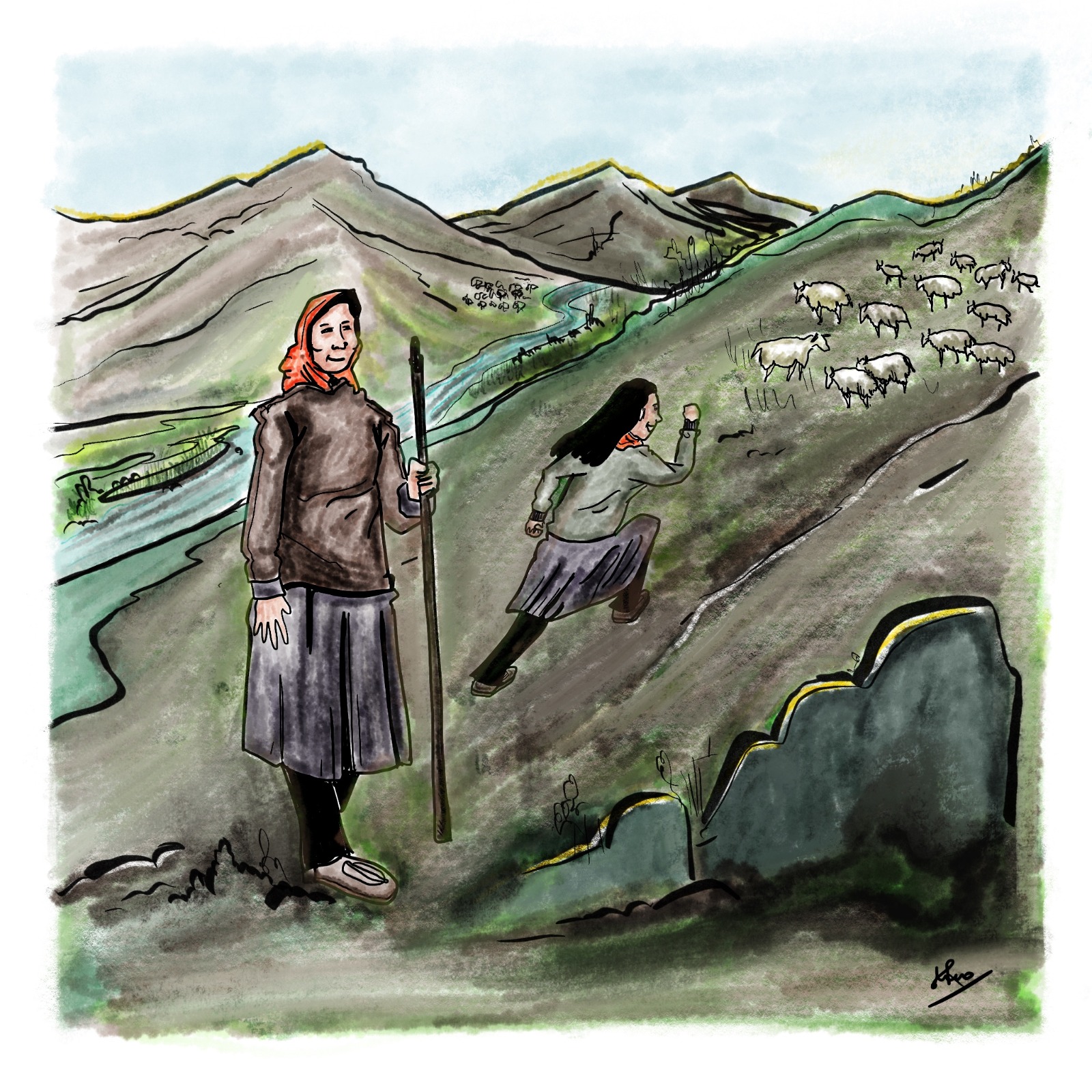
I came across the sea buckthorn berry around three years ago, when my friend and I were searching for a picnic spot in the hidden valleys of Spiti, Himachal Pradesh. We had heard about a beautiful flowing freshwater stream where we could bathe and cook food on woodfire. Our plan was to find this spot. My friend, Yangzom, and I ended up hiking for about 1.5-2 hours and on the way stumbled across thorny shrubs that kept pricking our legs and lower body. We got extremely annoyed and cursed the shrubs since they were growing along the entire stretch. When we looked closely, we saw that they had small orange-yellow berries. At first, we were hesitant to try them, but when we did, they tasted tangy (a citrusy burst of flavour). We plucked many for our way back home. It was very difficult to even try plucking them due to the thorny branches. We managed to bring some back and when we inquired about them with a local, we learnt that these were sea buckthorn berries and they had superfood properties. This was the same berry being sold at the Himalayan cafes and homestays in the form of teas, juices and jams.

Illustration: Nawang Tankhe

The human consumption of sea buckthorn (Hippophae rhamnoides) dates back thousands of years. Revered in traditional Tibetan and ayurvedic medicine, it has been treasured for its remarkable healing properties. Growing abundantly in the Himalayan region, sea buckthorn is an integral part of the local culture, where it is known by various names such as tirhuk and lehtar. The berry is known to be a nutritional powerhouse.  They are a potent source of vitamins, including vitamin C, E, and beta-carotene, which support a robust immune system and promote healthy skin. Rich in essential fatty acids, such as omega-3, -6, -7, and -9, sea buckthorn nourishes the body from within, benefiting cardiovascular health and aiding in the management of cholesterol levels.

In traditional medicine, sea buckthorn has been revered as a natural remedy for various ailments. Its oil, extracted from the berries, is highly sought-after for its potent antioxidant and anti-inflammatory properties. This golden elixir is used topically to heal wounds, soothe sunburns, and combat the signs of aging. When ingested, sea buckthorn oil aids in digestion, reduces inflammation, and promotes healthy liver function.

Beyond its remarkable health benefits, sea buckthorn plays a crucial role in sustainable travel and environmental conservation. This hardy shrub thrives in high altitudes, growing in the harsh and barren landscape, and helping to prevent soil erosion. Its roots anchor the soil, while its branches create natural windbreaks, protecting delicate ecosystems. Harvesting sea buckthorn berries provides a supplementary income to local communities, encouraging the preservation of traditional Himalayan farming practices.

The tangy and slightly astringent flavour of sea buckthorn has found its way into the culinary world, captivating chefs and food enthusiasts alike. The berries are used to create delightful jams, syrups, and sauces, lending a burst of vibrant colour and a refreshing acidity to dishes. Sea buckthorn tea is cherished for its invigorating taste, while innovative mixologists are crafting enticing cocktails featuring this Himalayan gem.

Immerse yourself in the awe-inspiring beauty of the Himalayas as you embark on a journey to discover sea buckthorn in its natural habitat. Trek through breath-taking landscapes, where the shimmering orange berries cling to branches, contrasting against the snowy peaks. Engage with local communities and witness their time-honoured techniques of harvesting and processing sea buckthorn, gaining a deeper appreciation for their sustainable way of life. You don’t have to travel to the Himalayas to incorporate the benefits of sea buckthorn into your everyday life. Seek out products infused with sea buckthorn oil, such as skincare items and supplements, to harness its rejuvenating and immune-boosting properties. Experiment with sea buckthorn-infused recipes and drinks to add a nutritious twist to your culinary repertoire.

The enigmatic sea buckthorn, with its vibrant colour, remarkable health benefits, and deep cultural roots, is a true embodiment of sustainable travel and holistic lifestyle. Its presence in the Himalayas enriches the local communities and provides an opportunity for travellers to experience the wonders of this ancient berry. Let the allure of sea buckthorn ignite your curiosity and inspire you to explore the world, one sustainable and wellness-infused adventure at a time.

1545 2000 Sheetansh
Counting Spots in the Snow

Counting Spots in the Snow

International Snow Leopard Day is celebrated on 23 Oct. India is expected to announce the results of it’s first snow leopard census based on an extensive 4-year exercise undertaken in the Himalayan regions of the country. This mammoth exercise could not have been accomplished without the support and participation of local people living in the remote high altitude regions of the country.

1200 670 Himkatha
The sun returns home for the mother bird
Photo: Stanzin Dorjai (Gya)

The sun returns home for the mother bird

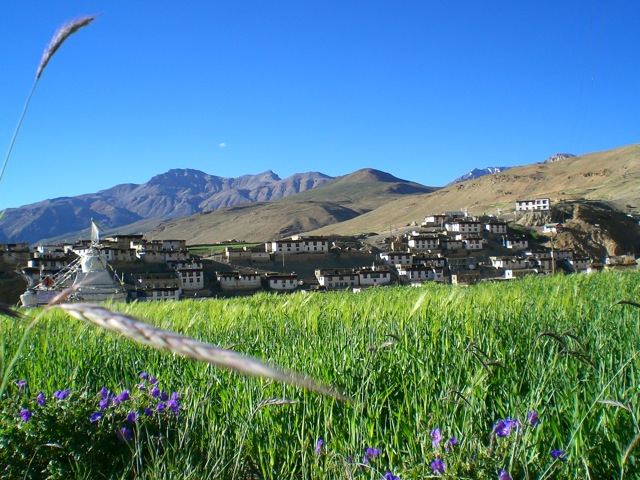
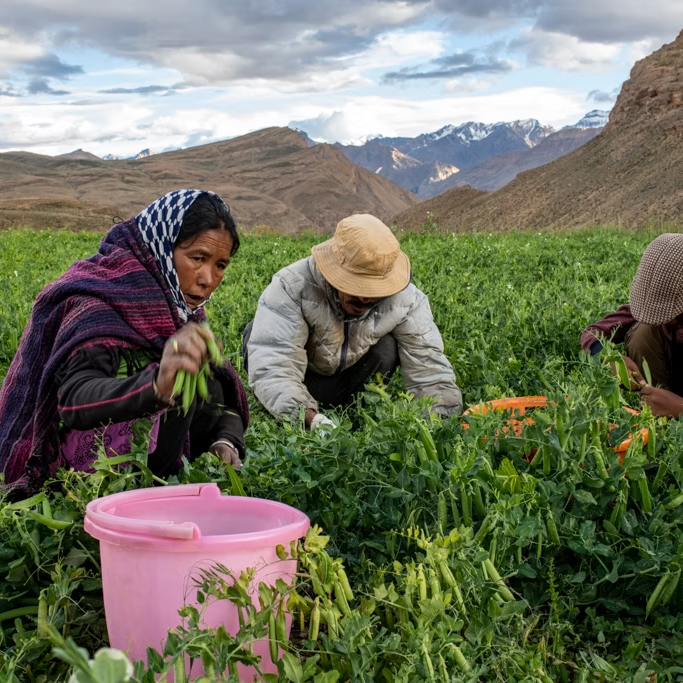
Spiti Valley has a remarkable ancient agricultural heritage that has sustained several thousand people in the remotest corner of high and arid Western Himalayas—one of the most inhospitable and climate-sensitive regions in the world—for more than a thousand years. The enduring sustainability of agriculture in Spiti Valley rests with its farming calendar.  The calendar uses stories, evocative names for months, and traditional knowledge to guide the timing of local farming activities according to the unique natural rhythms of “Spiti, the Valley of Gods” (Piti Lhayi Lungpa).

The natural rhythms of Spiti Valley are captured in Spiti’s calendar with unique timing and names of months, which are different even from neighbouring Tibetan Buddhist regions of Ladakh and Kinnaur.  In addition to local timing and names of months explained below, the calendar is used with other local and Indigenous practices of telling time. For example, Spiti farmers mark sunrise and sunset over stone cairn markers atop high mountains and note shadow lines on mountainsides to identify important days and times, such as the solstices and equinoxes. Farmers also use their observations of colours, sounds, and rhythms of local plants and animals to tell time, such as observations of brightness and colour of the sky when birds sing at dawn.

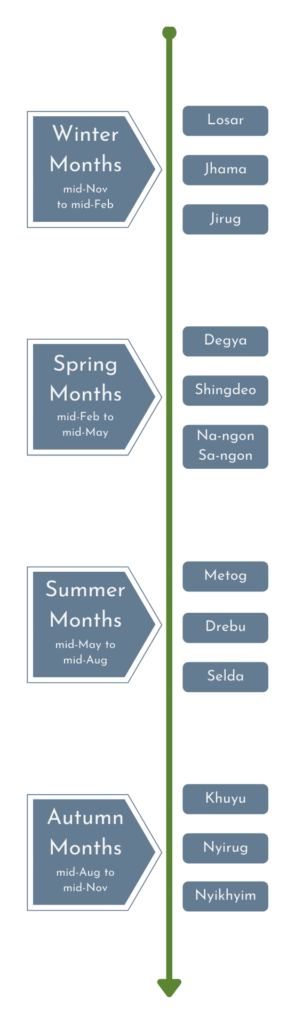
Winter Months 

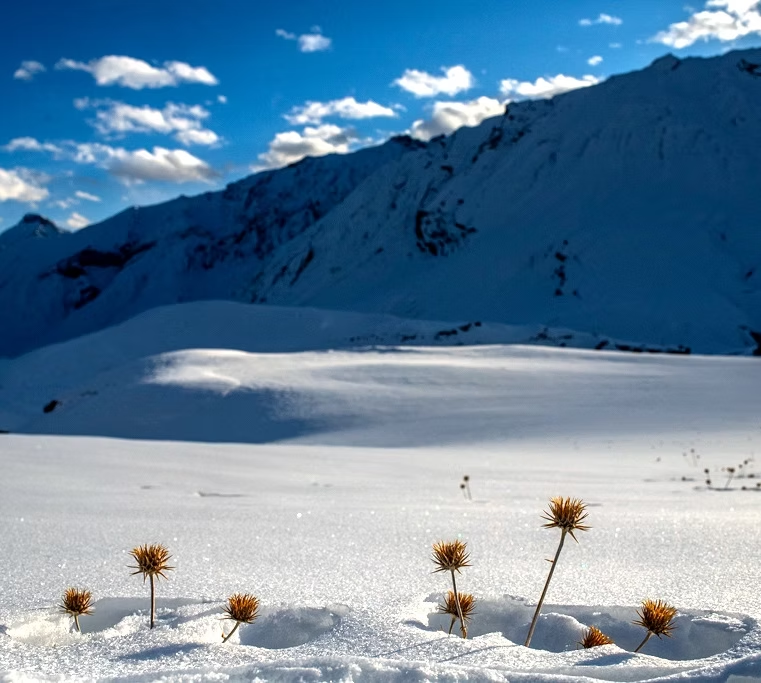
For Spiti farmers, the year begins early in winter with rest and celebration after a hard year of work in the field.  The first month is called Losar or “New Year” and is celebrated three months before the Tibetan new year.  Losar is celebrated early in Spiti, usually around mid-November of the Gregorian calendar, because the valley, including the villages and pathways, will soon get covered under layers of snow for months.  The timing is ideal for Spiti farmers who have customarily completed all essential seasonal livelihood activities, and are now ready to turn their attention to the important family, communal, and religious gatherings of the Losar month.

Photo: Prasenjeet Yadav

The second month is called Jhama or “Mother Bird.” The bird here is Gharog or raven.  Raven is a bird of augury and protection in ancient Spiti and Tibetan beliefs, like in many cultures around the world.  It is said that once upon a time the divine bird, Gharog (raven), was unable to hatch chicks from eggs despite its many attempts because its body was excessively warm for incubation.

Devastated by this failure, the raven prayed that it would be able to hatch chicks from golden eggs during the coldest winter months. That is the reason ravens prepare their nest on a mountain cliff during the second winter month and the month is named Jhama. There is a local saying that describes Spiti’s coldest winter months: “Jhama Jhama zerna Jirug a-chu-chu.”  This saying suggests one shouldn’t complain about Jhama’s cold weather because Jirug, the following month, is even colder.

The coldest winter month is called Jirug or “Baby Bird” because it is the time when ravens lay eggs and hatch their baby birds. References to divine birds are common in Tibetan calendars. For example, the 2008-09 farming almanac of the nearby region of Kinnaur notes the following during Spiti’s Jirug month: “the divine bird has completed 30 days, if this is followed by snowfall, the divine bird will lay golden eggs, and there will be bountiful agro-pastoralism in Tibet.” It is also important to note that Jhama and Jirug are named not only for mythological reasons but also, and more importantly, to categorize seasonal times based on timely behaviour of natural environment. Researchers, for example, have found that common raven egg-laying and brooding behaviour begins in February, which comes during Jirug month.

Spring Months

The first spring month is called Degya (‘de rgya), which means to “soak in the Sun’s energy” as days become warmer and longer with the spring equinox. As snow cover begins to melt and days become brighter, blue sheep and ibex nibble on dormant plants on distant mountains, often under the lurking eyes of hungry snow leopards.  The month is named after the Sun’s warming energy during this month because it is crucial for melting the snow from the fields so that farmers can start Spiti’s short growing season early next month.

Photo: Dr. Tashi Tsering

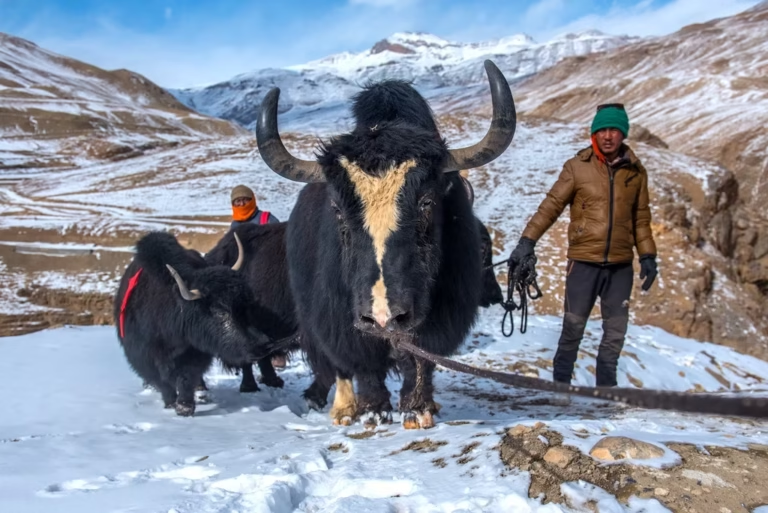
The second spring month is Shingdeo (zhing ‘debs) or “cultivate the fields.” On the chosen auspicious day of the month, the farmers gather a few loose rocks on their fields, between which they burn juniper leaves to make smoke offerings. This is followed by offerings of libation drink carefully wrapped in a white scarf and marked symbolically with a dab of butter called yar. Yar-butter is marked on the foreheads of people, on horns of the yaks, and on the ploughs. And all through the ploughing period, the ploughman sings songs and prayers which may guide the yaks to turn, stop, or continue ploughing, or pray for absolution of sins that may come from harming insects and bugs in the process of ploughing.

Photo: Deepshikha Sharma

Spiti comes alive in bright colours during the final spring month of Na-ngon Sa-ngon, which means “blue skies blue earth.” This name invokes the beauty of lush green fields under bright blue skies.  Yaks graze freely on the mountains for the rest of the year until winter snowfall to produce the main source of energy for the village economy: dung for fuel and manure.  During this month, farmers count and wait forty days from seeding to first watering, guided by traditional knowledge, to ensure ideal conditions for seed germination in local soil, water, and weather conditions. Then expert women farmers do the first “mother watering” or Yurma, with Tirping, an irrigation tool made of blue sheep horns that ensures greener crops.

Summer Months

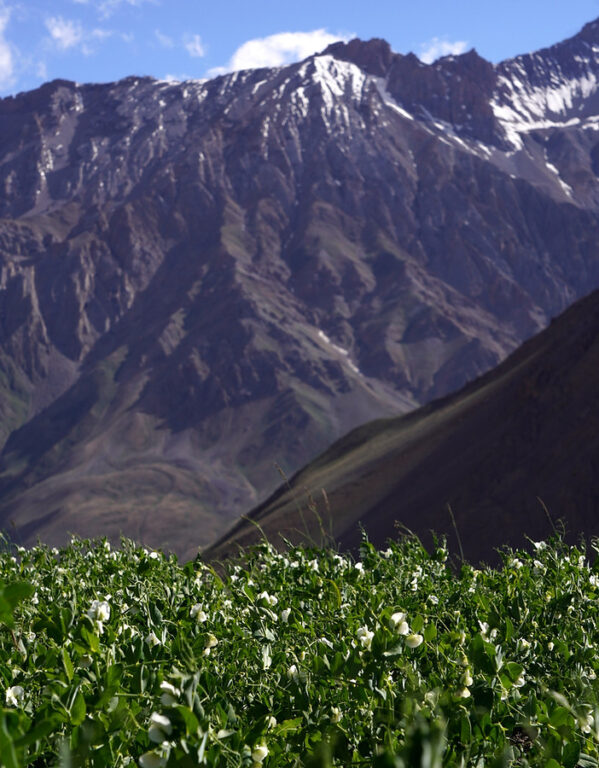
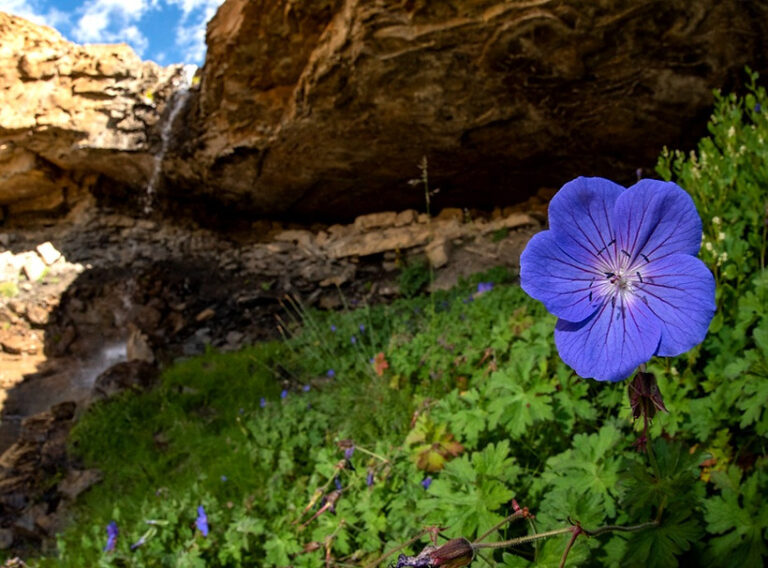
The young, irrigated crops begin to flower in early summer which is why the first summer month is called Metog or “flower”. Metog is indeed a flowering month as all kinds of flowers bloom throughout the valley during this time. The second watering called Rhakti or “watering the sun-burned” plants happens during this month. Farmers allow ten days to pass between the first and the second watering, making young crops dry and sun-burned. This practice teaches the young crops the value of the nourishing powers of scarce water, making them absorb more water in the future. These farming practices follow stringent customs based on the calendar, such as the yearly “ban on the use of sickle” or ban on cutting plants from summer solstice (June 21) until harvest season to ensure maximum plant biomass growth on Spiti’s arid landscape.

Photo: Prasenjeet Yadav

By mid-summer, the farmers’ labor bear fruit as grains begin to grow on the barley ears. This is the reason the mid-summer month is called Drebu or fruition of one’s labor. Farmers wait for the grains to become ripe for harvest next month. As tufts of bristles grow on barley ears, farmers irrigate the fields with a special technique called Kirchuyi. Now watering is done after carefully preparing irrigation channels and sluices in such a way that water will flow to all parts of the field by itself after it is released from the main sluice of the field. Another name for this convenient method is Minchu or seed-ripening water.

The last summer month is called Selda or “harvest month.” Unlike new commercial crops, traditional crops like barley are harvested methodically according to ancient customs. After the crops are cut, the sheaves are laid out in the field in neat rectangle-shaped patches to cover the barley ears from drying under direct sunlight. It is only when the crop sheaves are brought to the threshing ground that the ears are exposed to the sun for drying. The importance of observing this practice is told in the story of Jhojho Druguma.

Photo: Prasenjeet Yadav

Jhojho Druguma was a rich woman who did not bother to dry her barley sheaves in the proper manner. As a result, the ears and grains became too dry, and they fell off when the sheaves were carried from the field to the threshing ground. That is why, to Spiti farmers, the stars of the Milky Way are spread out the way they are so spectacularly over Spiti’s night skies. The stars of the Milky Way are Jhojho Druguma’s grains that fell on her way to the threshing ground.

Autumn Months

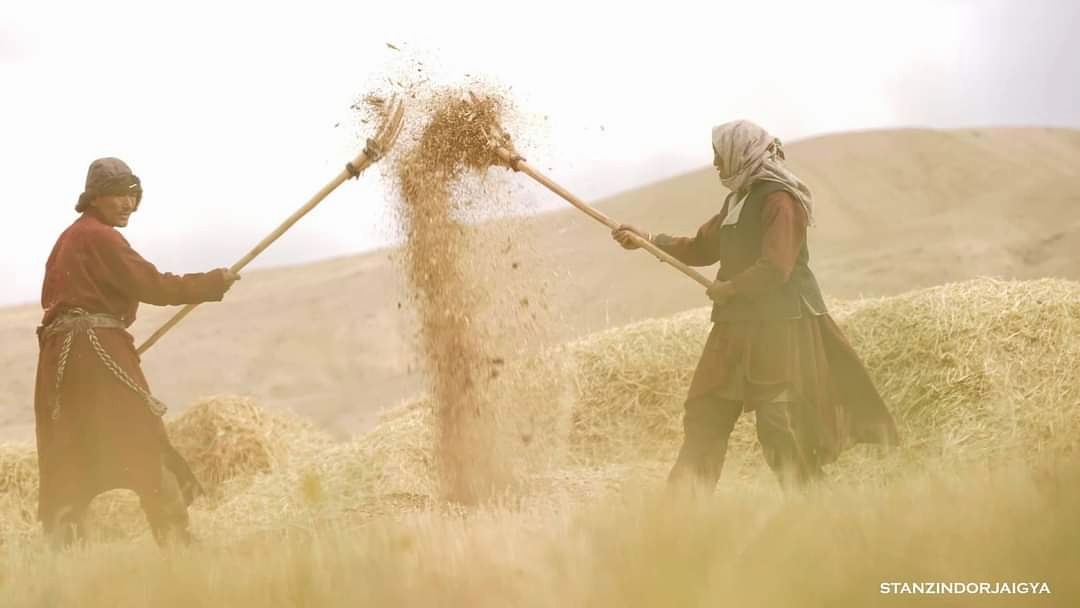
The first autumn month is named Khuyu. Khuyu is the Spiti word for circular threshing that is done to separate the grains from the husks. The process involves tethering yaks and other animals to a sturdy central pole and making the animals trample over harvested crops in a circular fashion. When the animals go round and round, tromping the husks and the grains, farmers use wooden pitchforks (zar) to mix, push or spread the husks so that the grains are properly separated. The whole process is blessed with Khuyu songs that can be heard from distant corners of villages.

The penultimate month is called Nyirug. “Nyi” is a short for Nyima or the Sun. “Rug” means to gather, specifically to gather animals back home before sunset. As such, Nyirug is the month when sun sets early, and days become shorter when farmers gather their horses and yaks back from the mountains in preparation of the oncoming long and cold winters. Farmers also follow stringent customs to ensure that there is enough winter stock of barley flour, dung, and fodder in their households during this month.

The last month is called Nyikhyim, which refers to the twelve zodiac houses of the sun in Tibetan astrology. “Nyi” means sun and “khyim” means house or home. Nyikhyim here refers to the Sun’s return home after completion of its annual cycle. For Spiti farmers, however, the Sun returns home to fulfil the mother bird’s prayers. This is expressed in the local proverb, “nyima garlog, jhama yin”. The Sun returns home so it becomes cold enough for the mother bird to arrive and hatch chicks. As such, the story of mother bird comes to a full circle at the end of the year along with the sun’s annual return home, while in anticipation of “Spiti’s deep cold winters when even yak-horns crack into pieces.”

In sum, the farmers of Spiti Valley practice a calendar that integrates local economy and ecology into a cosmic unity filled with wonderful stories and ancient wisdom that is perhaps more relevant today than it ever was.

1080 608 Dr. Tashi Tsering
Trekking the Forests of Himachal
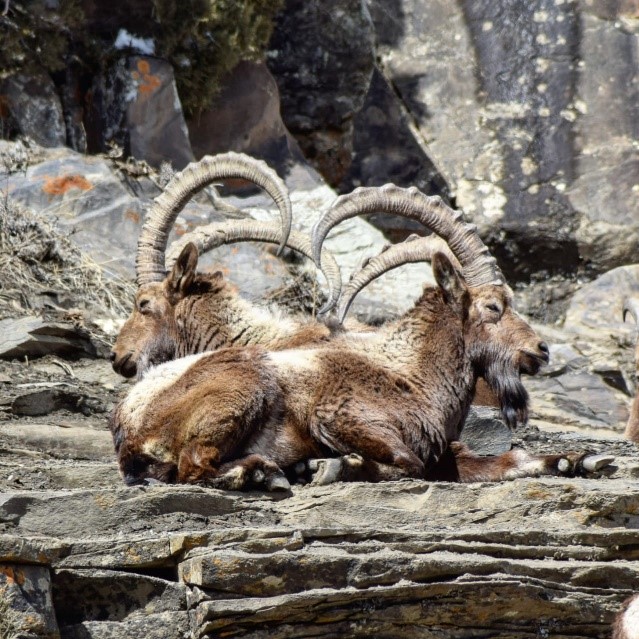
Two male ibexes resting | Photo: Tinkle Bhatt

Trekking the Forests of Himachal

To be a forest guard in Himachal Pradesh means trekking in some of the harshest terrains to document and protect the most vulnerable wildlife. But to me, that is what brings the thrill to my work. A few months back while I was patrolling the forest near Yangla village alone, as I mostly do, I came to learn that a black bear was also roaming the same areas that I had covered. The thought of encountering a bear is a scary one, and I was glad that I didn’t cross paths with the animal. At the same time, I was a little disappointed as I did not get the chance to see it.

Two male ibexes resting | Photo: Tinkle Bhatt

Being a forest guard takes you to new places, you get to meet new people and experience their culture and history and observe their relationship with wildlife. Lahaul offers a lot of opportunities in this regard with its rich culture and heritage. People here really respect forests and nature and it makes my work more enjoyable.

Since I get to travel a lot, I like to document it all through photographs and wildlife photography, although challenging, it is something that I enjoy a lot. This photograph of two male ibex resting on a rock was taken by me on March 17, 2020, at Stingari. I was trekking with a senior who told me that if we stay calm and respectful, the ibex will not run away and they will also take interest in us.

639 639 Tinkle Bhatt
Art From Our Valleys
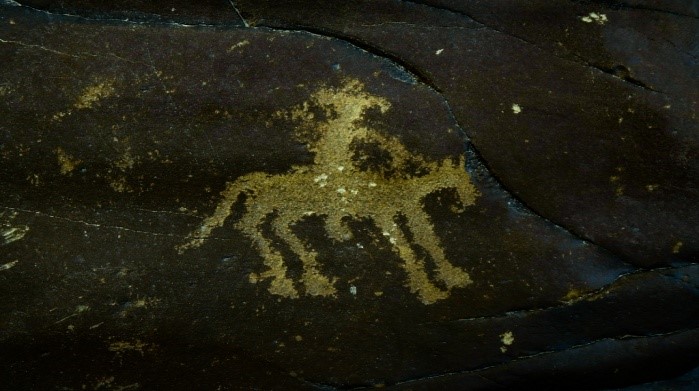
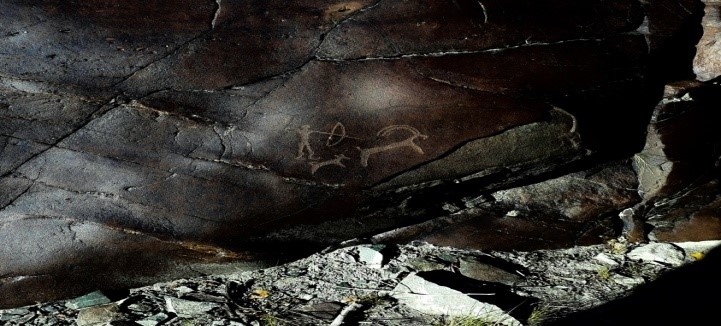
"Huntsman" rock-art, Gya-Miru | Photo: Sherab Lobzang

Art From Our Valleys

Life in the mountains is tough. In addition to physical fitness, it demands a great deal of mental fortitude. This is particularly true among our elders, especially when you hear them speak about their younger days. Stories of how they managed to survive the long winter months tending to their livestock are hard to believe for our generation. Animals reserve a special place in our lives, and they too are often as spirited as hardy mountain people. Growing up in Ladakh, animals were an integral part of my life too: sheep, goat, donkey, horses, and yak. And then there are the wild animals that were seen rarely, but often encountered when they preyed on livestock. Growing up in the village of Kumdok close to the Changthang region of Ladakh, I enjoyed exploring the mountains as a young kid. I still remember joining my mother to graze the village livestock in the pastures around our village. Each family took turns to fulfill this task. During that time my mother would show me wild animals that were seen in the pastures around our village. We had to keep our livestock safe from hungry carnivores.

Illustration: Rohit Rao

I was fascinated by the outdoors and I still cherish those times spent exploring the pastures. I particularly remember the day I first encountered some very interesting art on some of the rocks in these pastures. As a 13-year old then, I wondered who had drawn them. I asked my mother and she told me that these were made many, many years ago. Probably even before our great, great grandparent’s time. This was from a time when there were no notebooks, pencils, and even schools which is why they may have etched them on the rock.

A few years later, I left the village for higher studies. Returning home each year, I noticed that the number of livestock in my village was reducing. Some years back everyone gave up herding sheep and goat. After completing my education, I began to work in wildlife conservation. My work took me to many places across Ladakh. I interacted with locals of every generation. I also worked closely with researchers who were trying to study nature and the relation that we Ladakhi share with them. That often took me back to rock art that my mother had shown me. Our ancestors may have shared a special relation with nature and animals, as was depicted in the art. This got me even more interested in rock art which is both rare and special. In the last few years, I have encountered rock art in the most unlikely places. I make sure to take a picture, each time I find new art. I often find myself thinking about what our forefathers were trying to tell us through the art. I would like to share some of these pictures and my thoughts with you.

"Hunter" rock-art, Ulley | Photo: Sherab Lobzang

Ulley Tokpo is a village in the western part of Ladakh. Walking along the banks of the Indus River, I stumbled upon this curious rock art. The image shows a hunter pointing a bow at an animal with long curved horns, while a guard dog watches on. Did our forefathers hunt for food? Maybe they did not rear animals like sheep and goat then. Why else would they hunt? When did they start rearing livestock and when did we stop hunting? Thanks to livestock rearing we could stop hunting. But while hunting has stopped, archery remains a very popular sport and a cultural event that we participate in every winter. This is a common practice across many mountain communities in the Himalayas.

I recorded this rock art image of a horseman between the villages of Miru and Gya on the highway that connects Leh to Manali. One of my senior colleagues had shown me this image. If you drive past this area today, you will not find this horseman anymore. Unfortunately, a large part of the rock formation that carried this rock art was destroyed during road construction. But this image is a reminder of the role that horses might have played in the lives of our forefathers.

Horses were the most efficient form of transport, be that for hunting or even later for trade and exchange of produce through barter. The significance of horses has diminished with the arrival of vehicles. However, they still reserve an important cultural role in our communities. Horse racing is active in some parts during Losar, the New Year celebrated on the first day of the lunisolar Tibetan calendar. Another sport that was played earlier was Ta Polo, Ta meaning horse, and Polo meaning ball. Could this have been a primitive form of the sport of polo? I often wonder where our forefathers might have learned it from.

"Horseman and Yak" rock-art | Photo: Sherab Lobzang

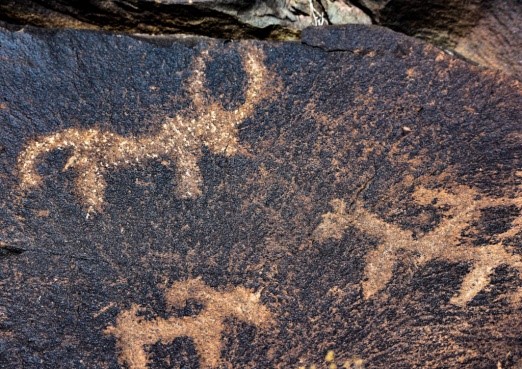
I once encountered this fascinating image of what looked like horsemen pursuing a large animal. I wondered if these were yak. When I spoke with some elders in my village, they mentioned that indeed they were: they were wild yak! Dong, as they are referred to locally, haven’t been seen in a very long time. The domestic yak is believed to have been reared from the wild yak. Our elders explained that dong is much larger than the domestic ones we rear. Today, it is reported from a small part in Changchenmo which is largely unexplored. I wonder if there are other animals like the dong that once occupied these rangelands.

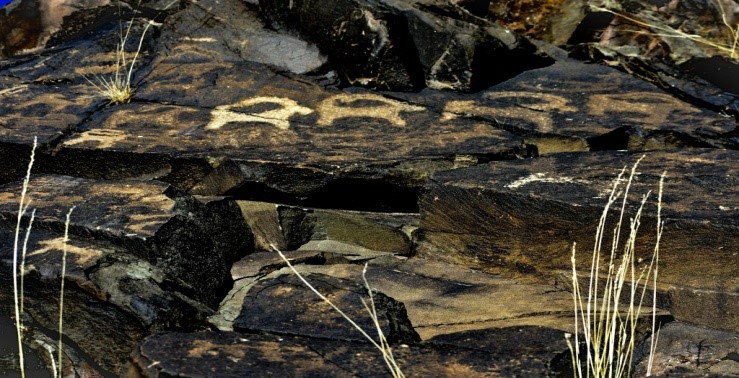
At the mouth of Phuyul valley near the village of Miru, I observed some very interesting rock art while carrying out surveys. This included images of wild animals, stupas which are religious structures in Buddhism, and script which was hard to identify. Some of these etchings look like ibex based on the longhorns they display. I find that particularly interesting because ibex was not found in these areas during our surveys in the past three years. Could the rock art be suggesting that these valleys were home to ibex in prehistoric times? It is hard to say. These are just a few of the images I have found so far. Many more remain undiscovered and I hope to keep finding them and sharing their stories, as I do now. While I have been fortunate to stumble upon these ancient relics that are part of our heritage, I am concerned about the number of these relics we may be losing out of ignorance. Rock art, which may date back several thousand years, are messages to us from our ancestors. They deserve attention and care. If we were to lose them, we might lose an important part of our past heritage.

"Ibex" rock-art | Photo: Sherab Lobzang

This holds true not just for Ladakh, but for all areas where rock art of this kind tells a story of the past. It is up to us to rediscover them and celebrate the wonderful stories they tell. These stories told by our ancestors.

699 391 Sherab Lobzang