
Fermentation

Spirits of the mountains: Barley Beer (Chaang)

Spirits of the mountains: Barley Beer (Chaang)

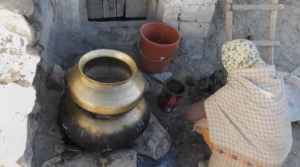
Often referred to as the beer of the high mountains, Chaang is a fermented, alcoholic beverage. In Spiti and Ladakh, it is primarily made using locally-grown, organic barley. More recently, people have started using rice and wheat to make Chaang. Barley, once a staple in the high mountains, is slowly losing out to cash crops despite cash crops being more vulnerable to the risks presented by changing weather patterns. The lack of a market for locally grown barley is leading to its decline.

With special thanks to Tanzin Kunzang


छांग एक किण्वित पेय है जो आमतौर पर ऊंचे पहाड़ों में बनाया जाता है। स्पीति और लद्दाख में, यह मुख्य रूप से स्थानीय रूप से उगाए गए, जैविक जौ का उपयोग करके बनाया जाता है। हाल ही में, लोग छांग बनाने के लिए चावल और गेहूं का भी उपयोग करते हैं। जौ, जो कभी इन भागों का प्रमुख भोजन था, धीरे-धीरे नकदी फसलों की तुलना में कम होता जा रहा है, बावजूद इसके कि नकदी फसलें मौसम के बदलते मिजाज के कारण पैदा होने वाले जोखिमों के प्रति अधिक संवेदनशील हैं।

तंजिन कुंजांग को विशेष धन्यवाद 
1200 663 Ajay Bijoor
Can indigenous liquors reach the market?

Can indigenous liquors reach the market?

India has a rich tradition of indigenous liquors dating back almost 4000 years. For many tribal communities, indigenous liquors have been a part of their tribal rites and rituals since times immemorial and they consider them as a gift bestowed upon humankind by their guradian spirits.

From toddy, feni and mahua in south and central India, to apong, judima, hor, zao and zutho in north-east India, and to arrack, chaang, angoori and moori up north – the diversity of indigenous liquors is stunning! Using the example of mahua, which was launched in the market in 2023, we see the possibilities and challenges involved in taking indigenous liquors to the market.

We acknowledge that drinking is injurious to health. This story does not promote drinking, rather it hopes to celebrate indigenous techniques that have stood the test of time.

Credits:
We thank Aniruddha Mookerjee aka Jhampan, for sharing his insights and experience.

Pictures:
Cover image: Nawang Tankhe
Toddy: Wikimedia commons
Feni: https://www.villagesquare.in/how-auth...
Mahua: Wikimedia commons, Aniruddha Mookerjee and https://www.villagesquare.in/how-the-…

Map of Mahua: Mah Spirits (https://www.mahspirit.com/post/the-ca…)

Music by penguinmusic – Earth Day from Pixabay
Tribal Ethinic by Epidemic Sound via. CanvaPro

Location: Dolma Homestay, Kibber


भारत में लगभग 4000 वर्ष पुरानी पारंपरिक मदिरा की समृद्ध परंपरा है। कई जनजातीय समुदायों के लिए, पारंपरिक मदिरा प्राचीन काल से ही जनजातीय संस्कारों और अनुष्ठानों का हिस्सा रही है और वे इसे अपनी देवी-देवताओं द्वारा मानव जाति को दिया गया उपहार भी मानते हैं।

दक्षिण और मध्य भारत में ताड़ी, फेनी और महुआ से लेकर, उत्तर-पूर्व भारत में अपोंग, जुडिमा, होर, ज़ाओ और ज़ुथो तक, और उत्तर में अरक, छांग, अंगूरी और मूरी तक – पारंपरिक मदिरा की विविधता आश्चर्यजनक है! महुआ के उदाहरण का उपयोग करते हुए, जो 2023 में बाजारों में लॉन्च किया गया था, हम पारंपरिक मदिरा को बाजार में लाने में शामिल संभावनाओं और चुनौतियों को देखते हैं।

हम मानते हैं कि शराब पीना स्वास्थ्य के लिए हानिकारक है। यह कहानी शराब पीने को बढ़ावा नहीं देती है, बल्कि यह उन स्वदेशी तकनीकों का जश्न मनाने की उम्मीद करती है जो समय की कसौटी पर खरी उतरी हैं।

श्रेय:
हम महुआ के साथ काम करने के अपने अनुभव को साझा करने के लिए अनिरुद्ध मुखर्जी उर्फ ​​झम्पन को धन्यवाद देते हैं।

चित्र:
टोडी: विकिमीडिया कॉमन्स
फेनी: https://www.villagesquare.in/how-auth… made/
महुआ: विकिमीडिया कॉमन्स, अनिरुद्ध मुखर्जी और https://www.villagesquare.in/how-the-…

महुआ का मानचित्र: माह स्पिरिट्स (https://www.mahspirit.com/post/the-ca…)

पेंगुइनम्यूजिक द्वारा संगीत – पिक्साबे से पृथ्वी दिवस
एपिडेमिक साउंड द्वारा जनजातीय जातीयता के माध्यम से कैनवाप्रो

स्थान: डोल्मा होमस्टे, किब्बर

1200 664 Ajay Bijoor
Spirits of the mountains: Barley liquor (Arrack)

Spirits of the mountains: Barley liquor (Arrack)

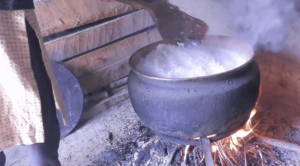
Preparation of barley wine involves a delicate process that is usually mastered over many years. Watch how a blend of barley wine is made traditionally.

Special thanks to Tanzin Kunzang


जौ की वाइन तैयार करना एक नाजुक प्रक्रिया है जिसमें महारत हासिल करने में कई साल लग जाते हैं। देखें कि पारंपरिक रूप से जौ वाइन का मिश्रण कैसे बनाया जाता है।

तंजिन कुंजांग को विशेष धन्यवाद

1200 666 Ajay Bijoor
Spirits of the mountains: How is Rice Beer (chaang) made in Lahaul

Spirits of the mountains: How is Rice Beer (chaang) made in Lahaul

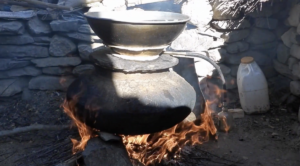
Chaang is a fermented, alcoholic beverage traditionally made from barley in the Himalayan belts. Thanks to an effective Public Distribution System, locals now have access to rice and wheat, which was previously rare. Both are rice and wheat are also used to brew chaang now. The key to a great brew though is the fermenting agent, phaav. Phaav is essentially a way to trap and use the atmospheric yeast as a starter, making it specific to each location. The phaav is what distinguishes a great brew from a good one.


छांग एक मादक पेय है जो पारंपरिक रूप से हिमालयी क्षेत्रों में जौ से बनाया जाता है। प्रभावी सार्वजनिक वितरण प्रणाली की बदौलत, स्थानीय लोगों को अब चावल और गेहूं तक पहुंच प्राप्त हो गई है, जो पहले दुर्लभ था। दोनों चावल और गेहूं का उपयोग अब छांग बनाने के लिए किया जाता है। हालाँकि, एक बेहतरीन शराब की कुंजी किण्वन एजेंट, फाव है। फाव मूल रूप से वायुमंडलीय खमीर को स्टार्टर के रूप में फंसाने और उपयोग करने का एक तरीका है, जो इसे प्रत्येक स्थान के लिए विशिष्ट बनाता है। फाव ही एक बढ़िया ब्रू को अच्छे से अलग करता है।

Special thanks to Angmo Gaaji and Chhering Gaaji.
Cover illustration by Nawang Tankhe.
Supporting cast: Shri. Kesang Chunit.

अंग्मो गाजी और छेरिंग गाजी को विशेष धन्यवाद।
नवांग तन्खे द्वारा कवर चित्रण।
सहायक कलाकार: श्री. केसांग चुनित।

1200 665 Ajay Bijoor