Farmlands

Women and water: a Photostory

Women and water: a Photostory

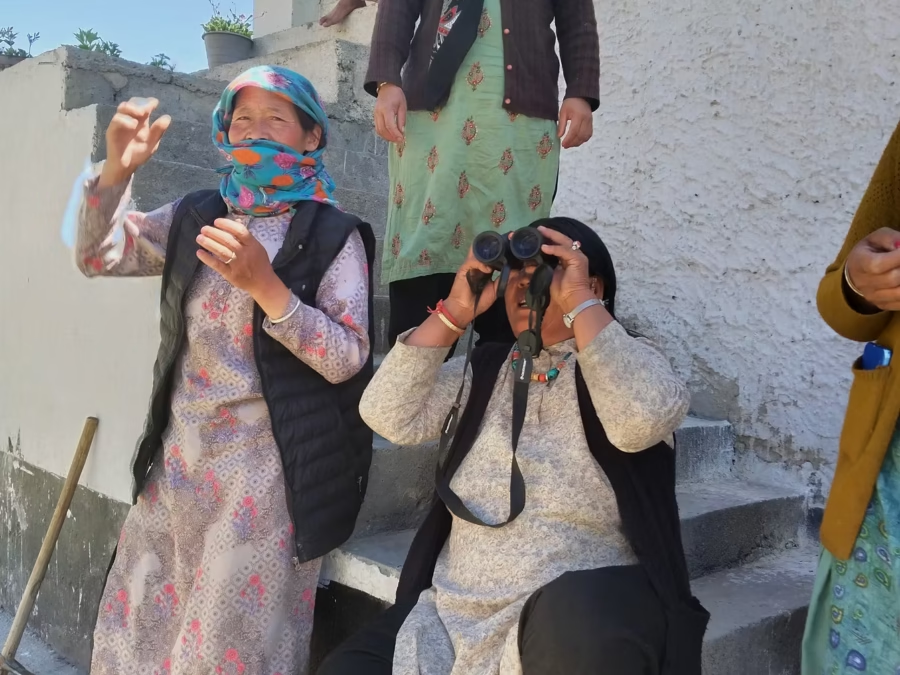
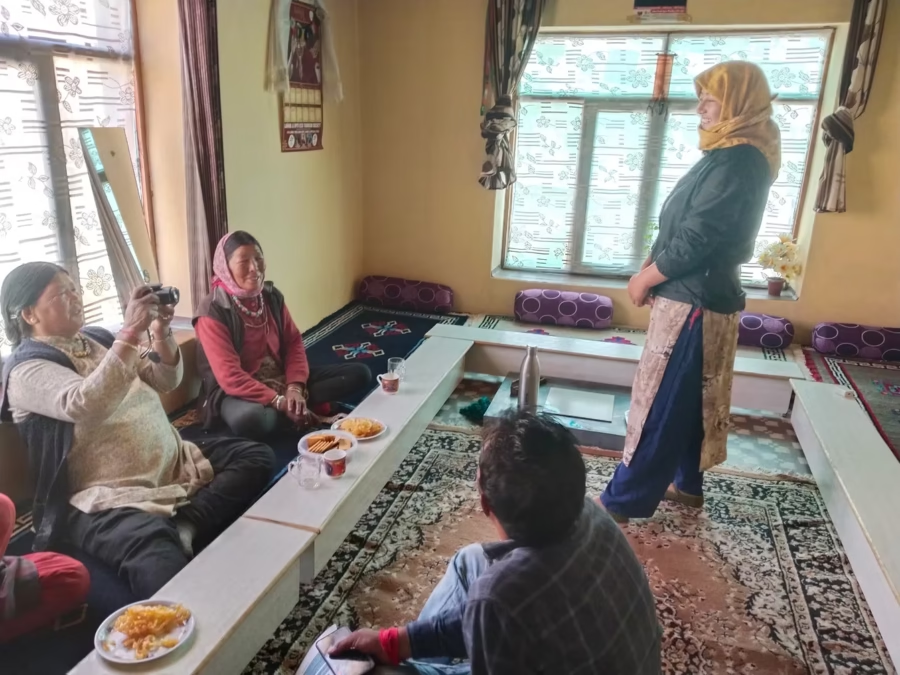
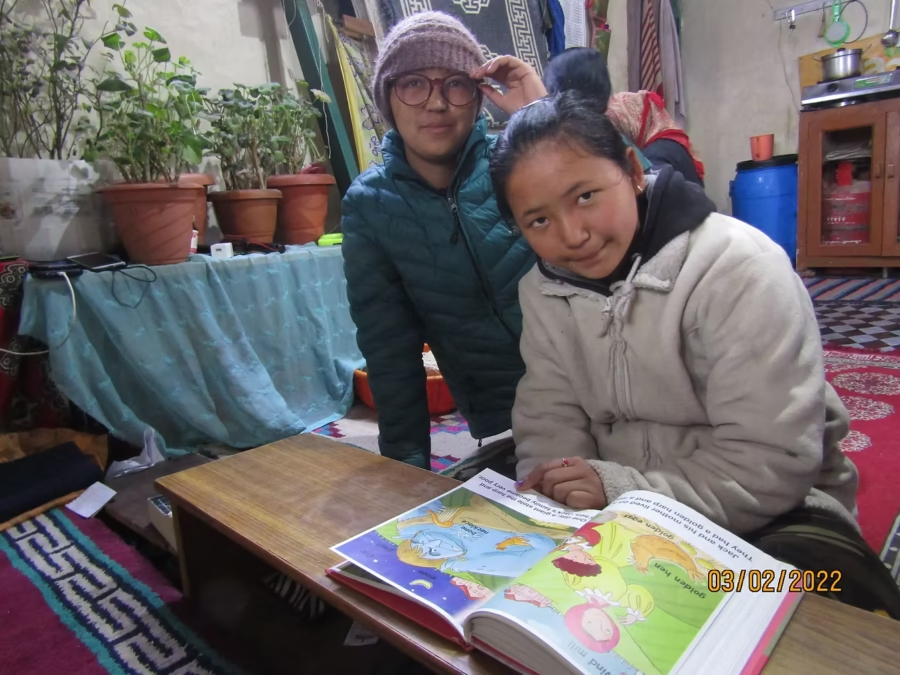
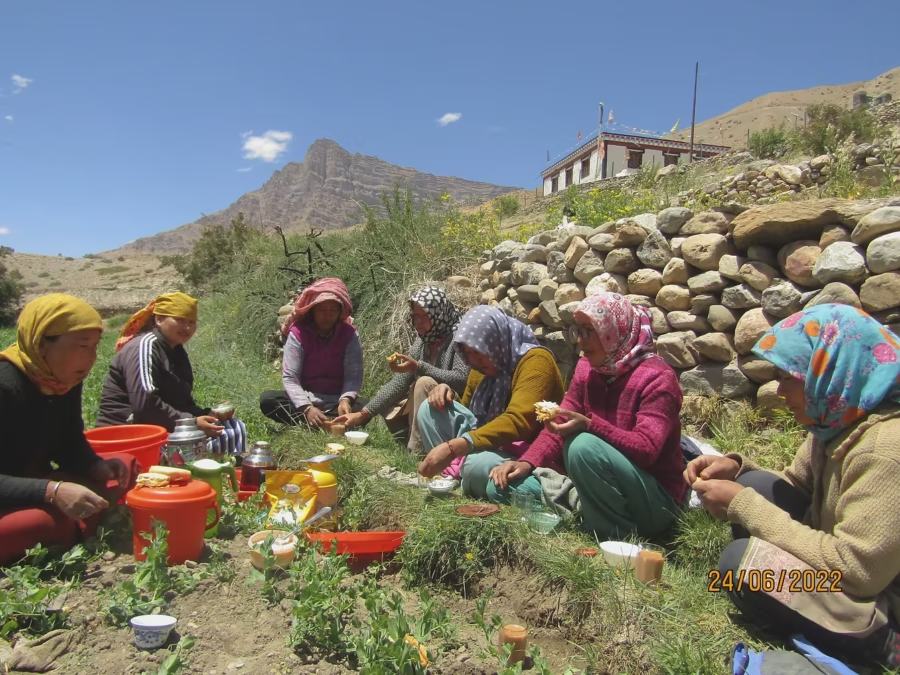
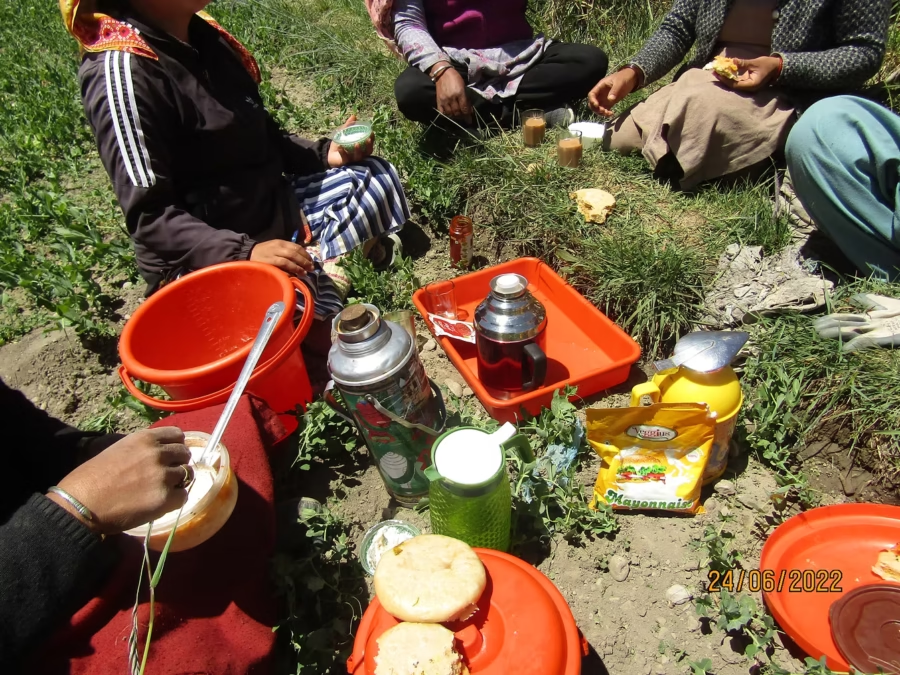
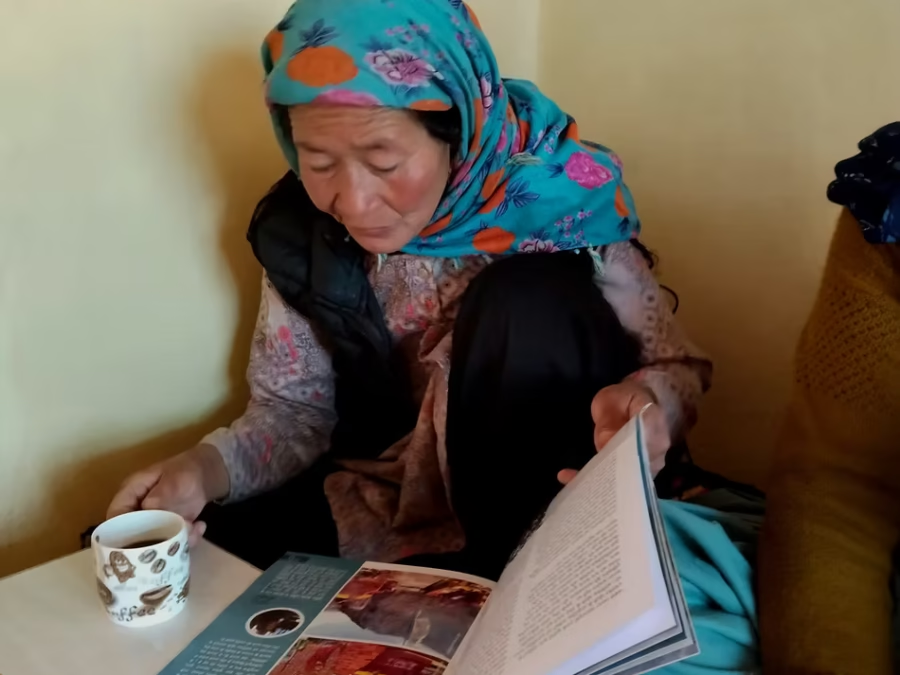
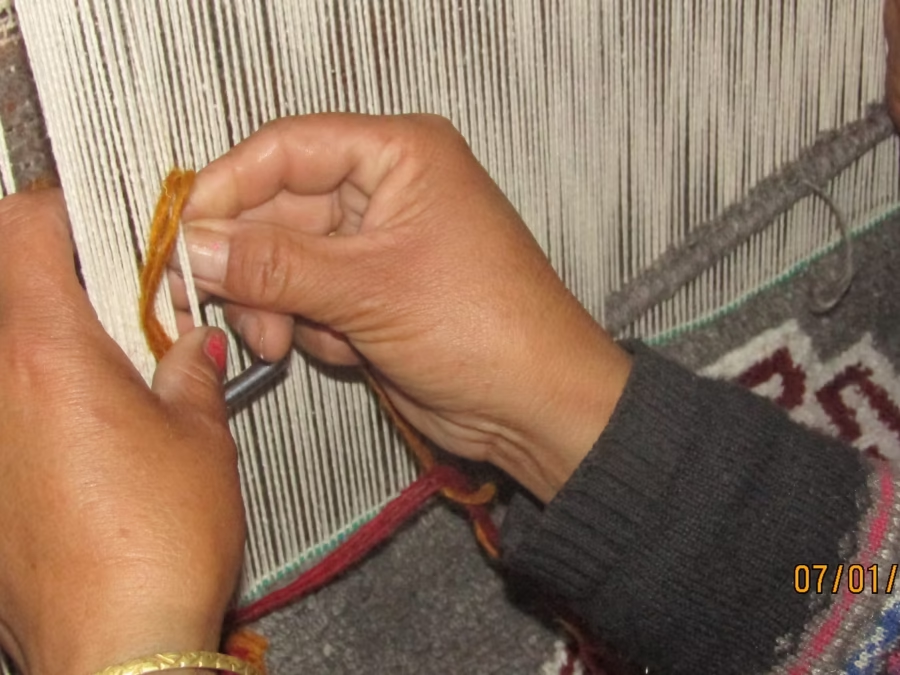
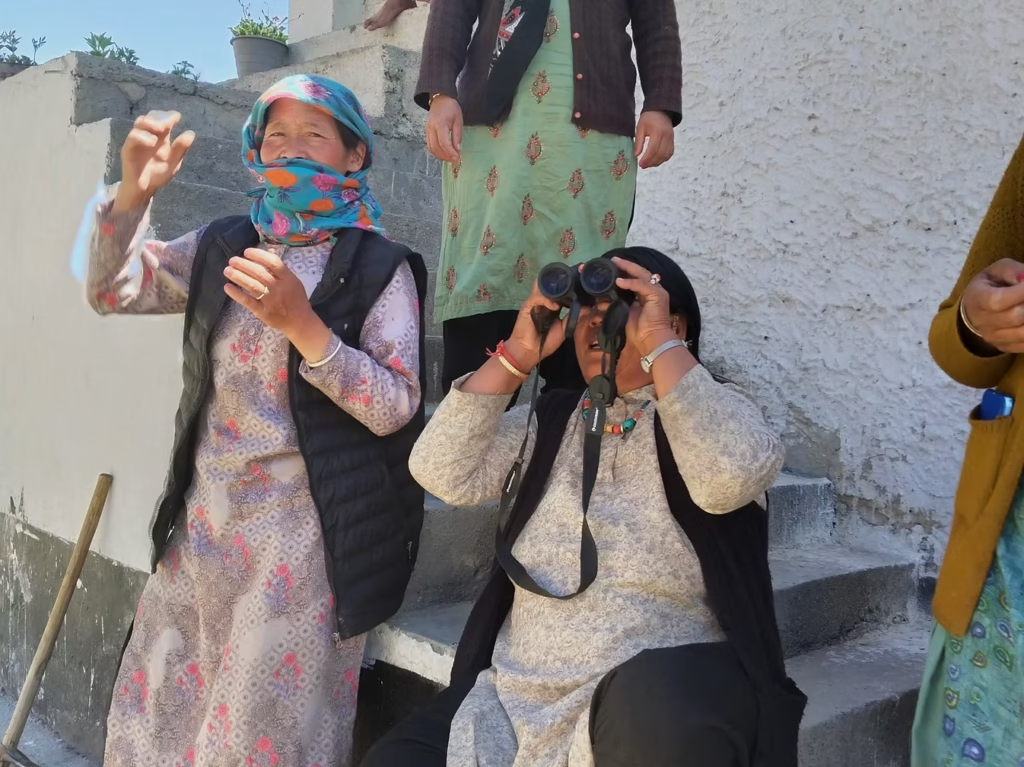
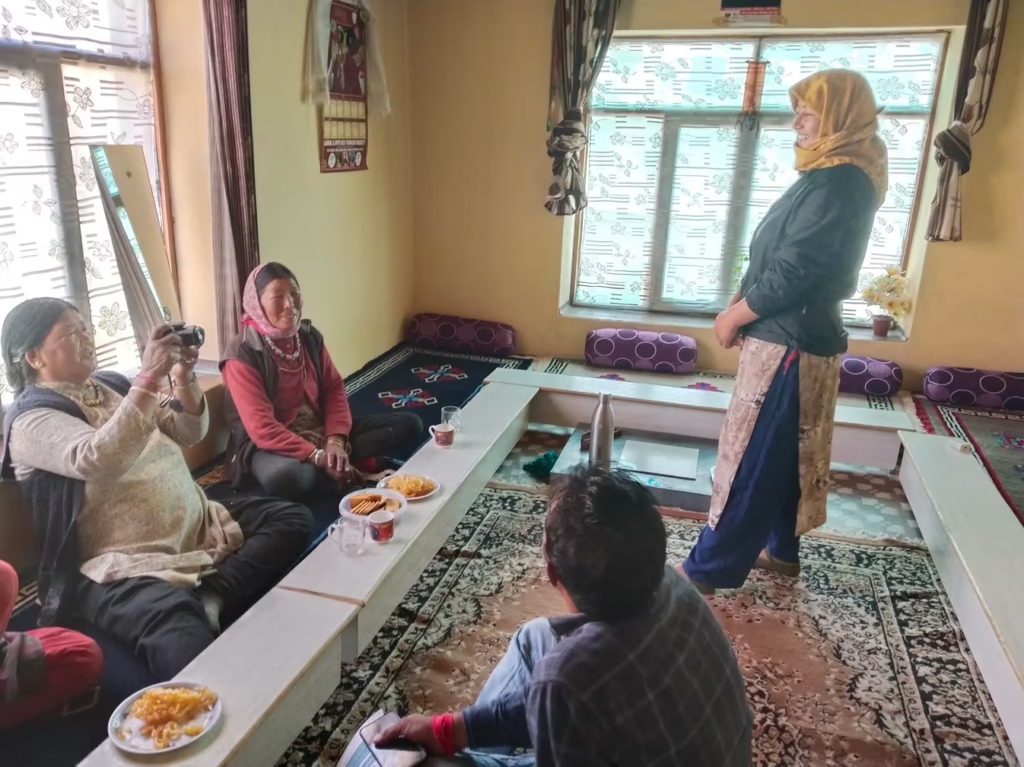
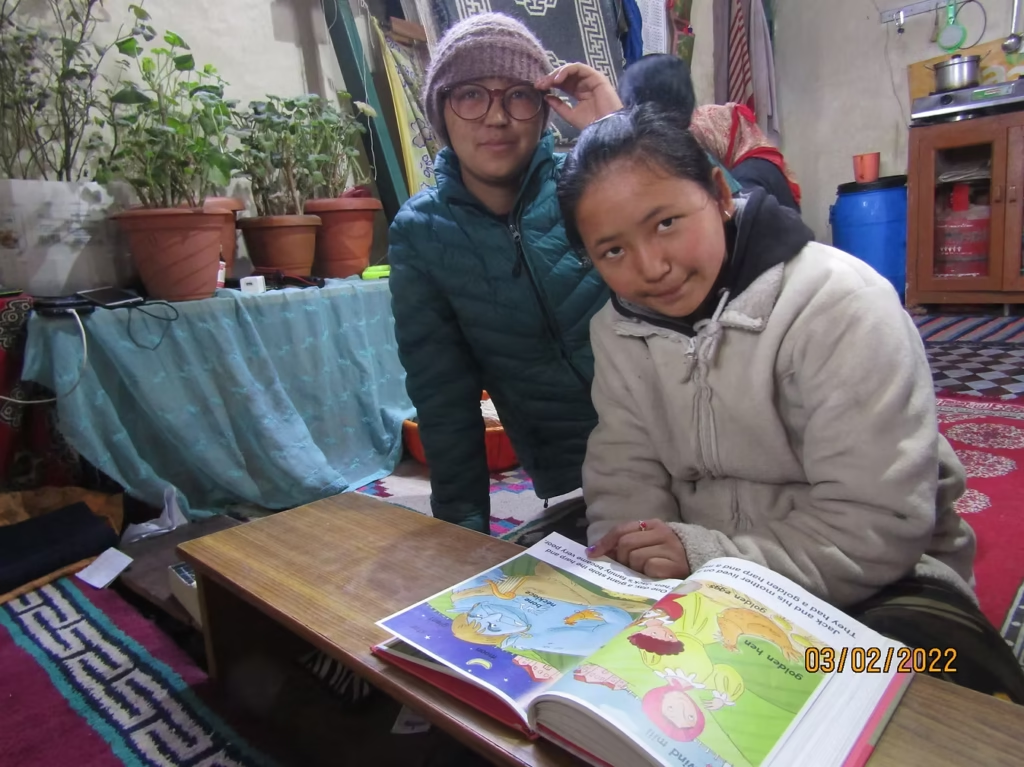
Last year, we did a photography workshop with women’s group in Shushuna village, Spiti Valley, who are primary caretakers and farmers in their households. After the session, we left them a camera and asked them to document their village life in addition to nurturing their photography skills. We returned a year later and they enthralled us with amazing pictures and great stories! Enjoy reading this one!

Kesang Dolker, Yangchen Dolma, Rigzen Youdon, Migmar   Dolma, Panama Dikit, Tsering Yangzom, Prabha Devi, Choddon, Dikit Dolma, Yangchen
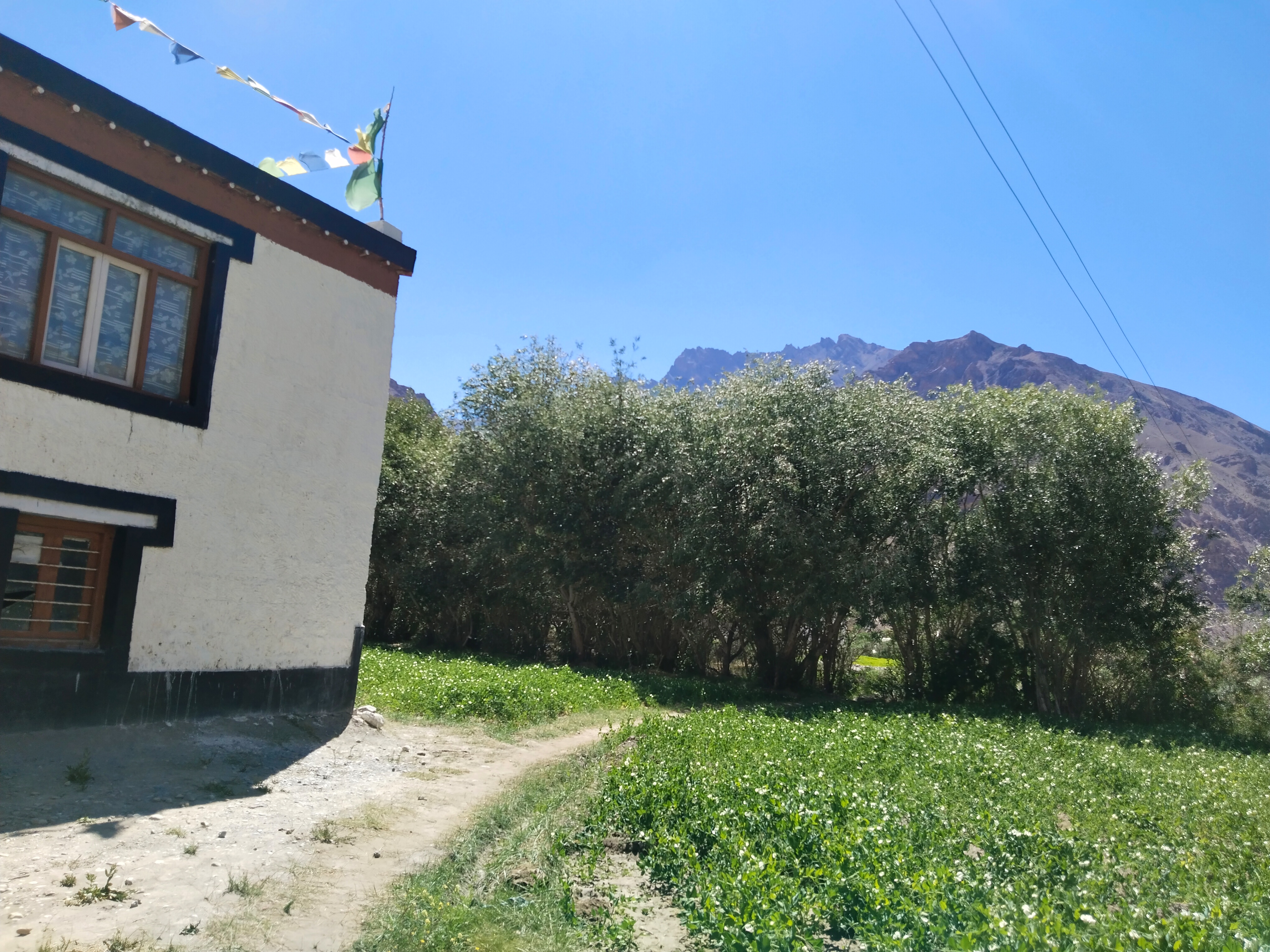
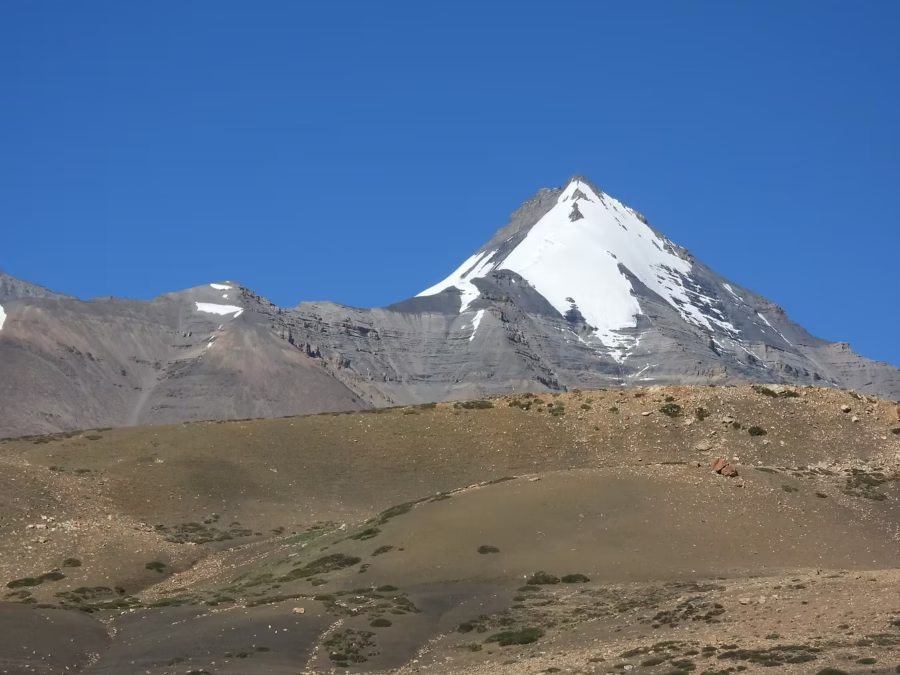
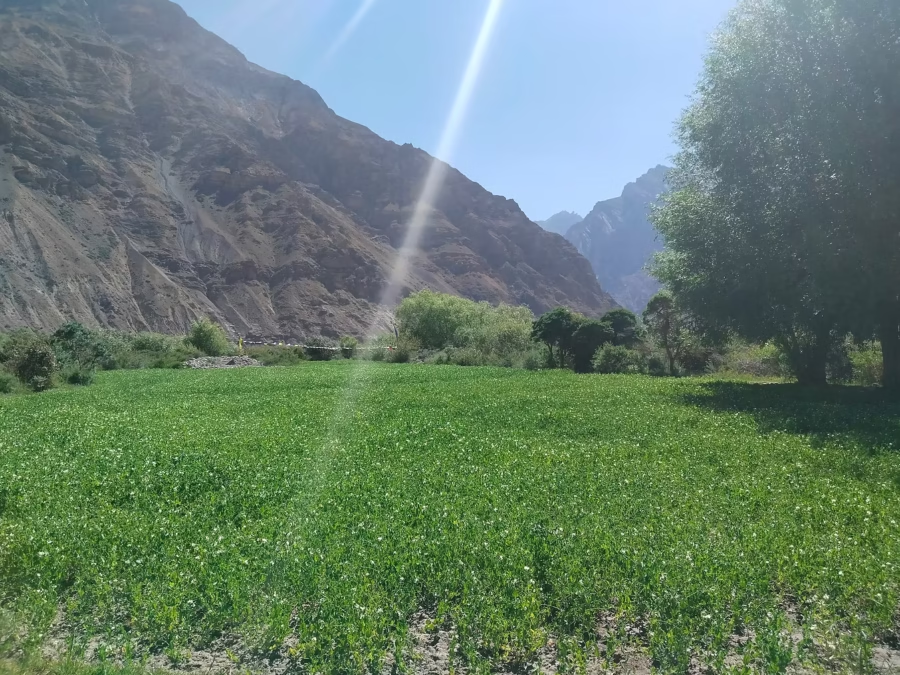
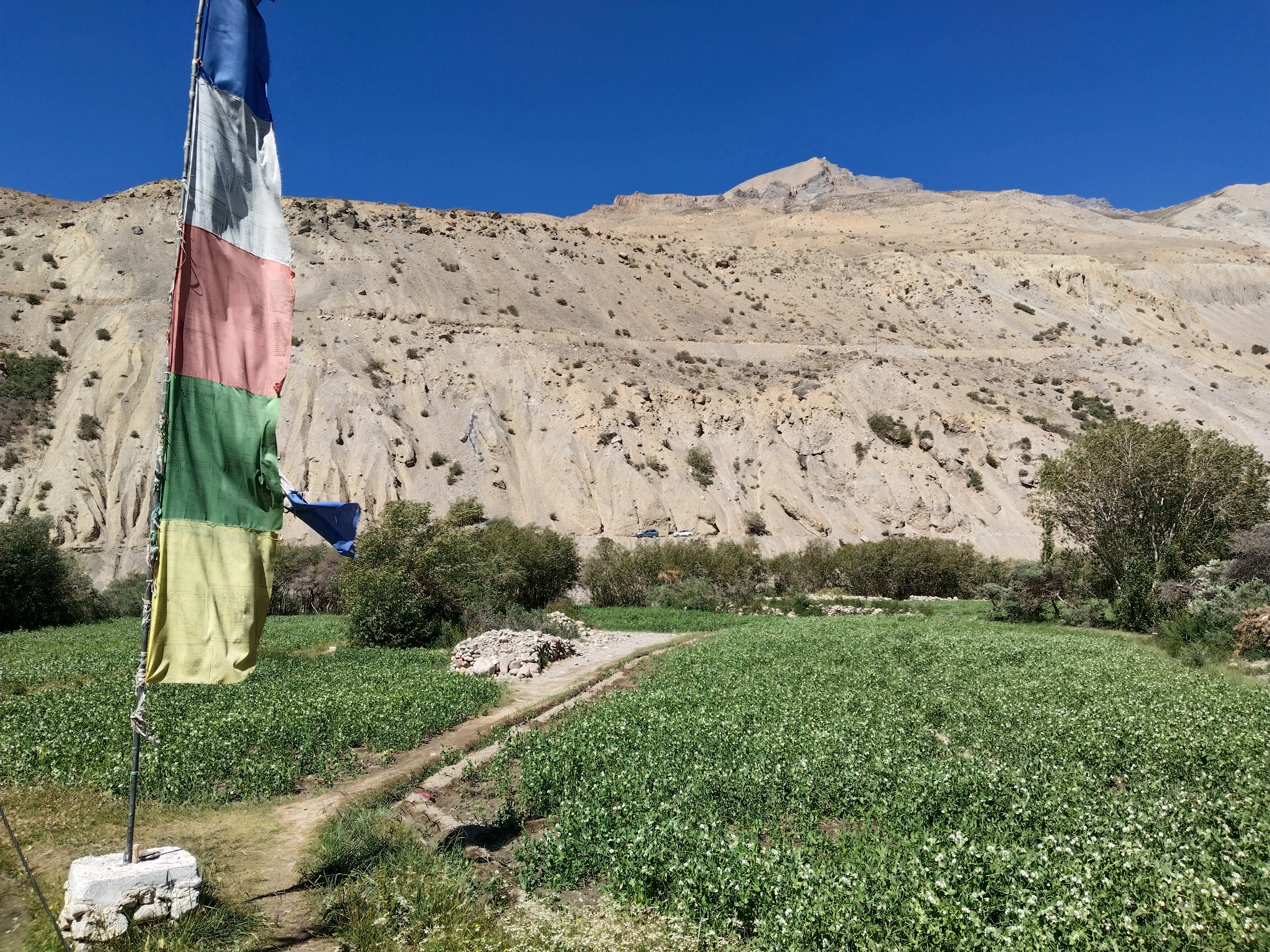
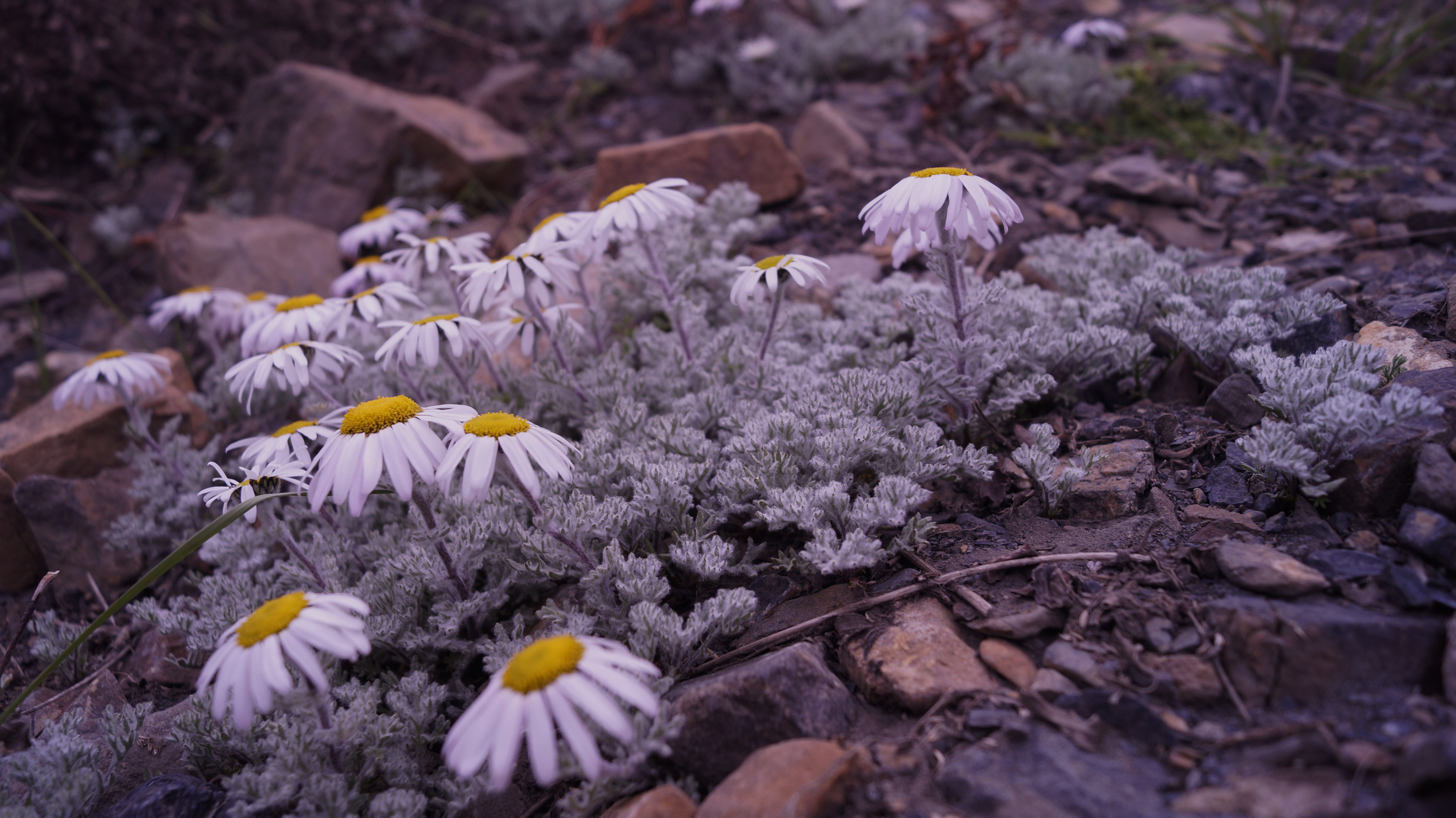
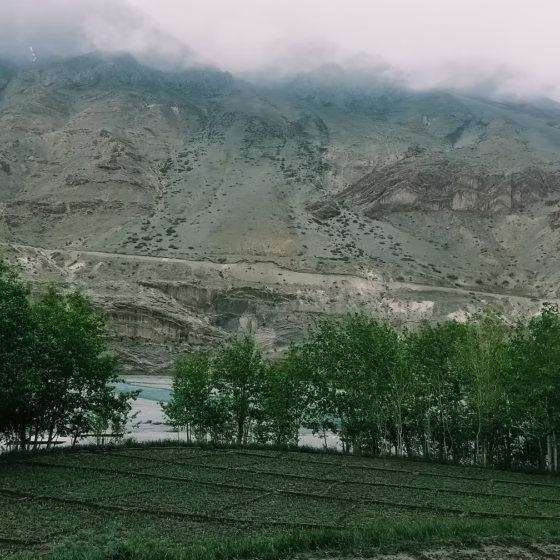
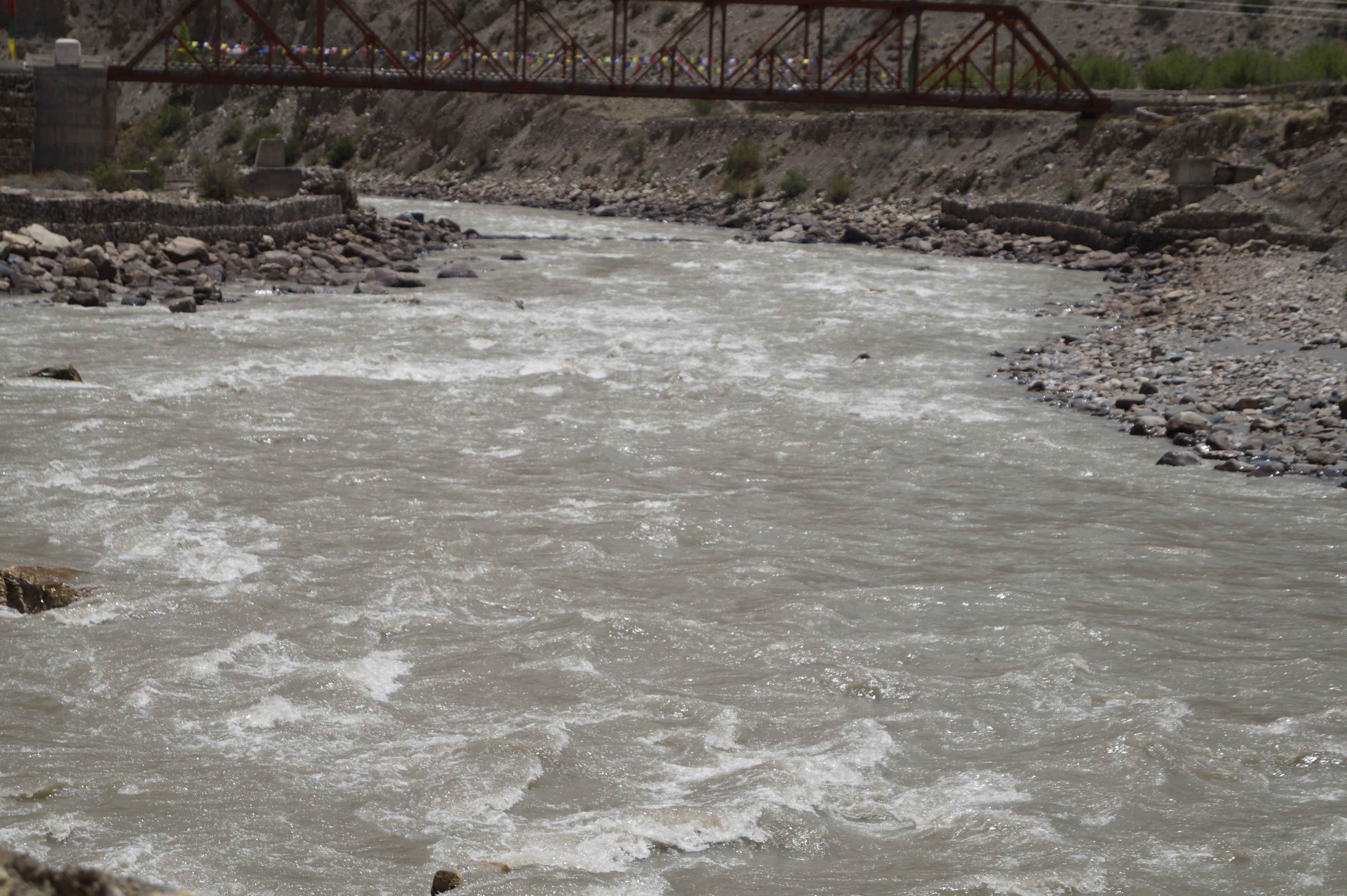
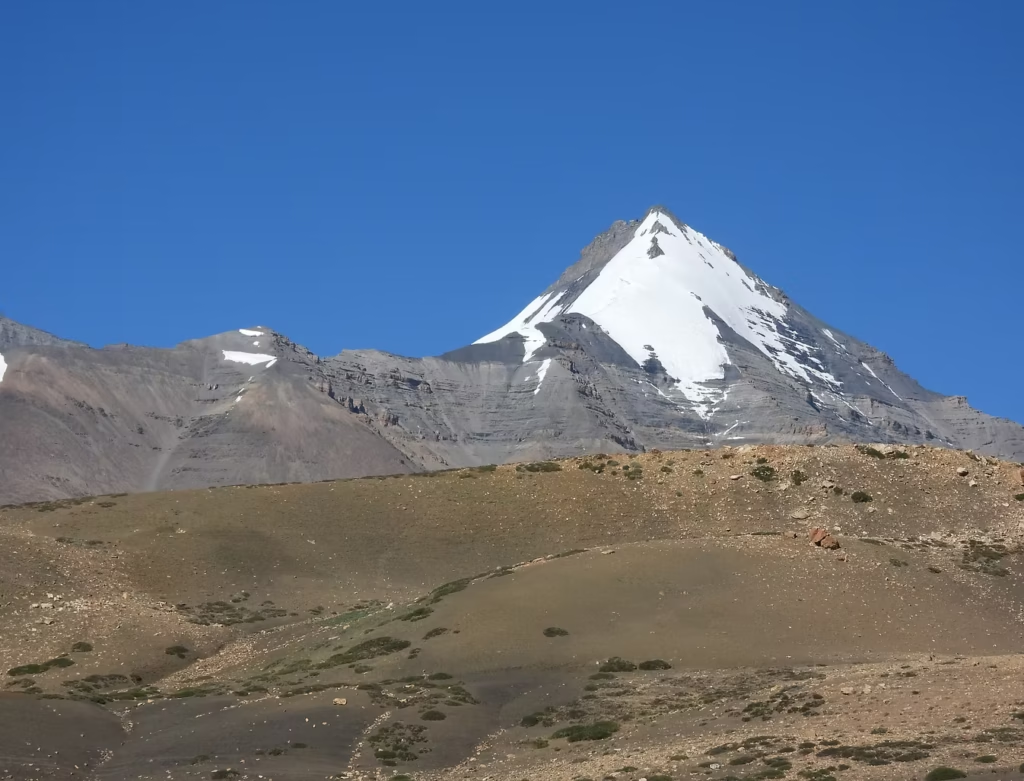
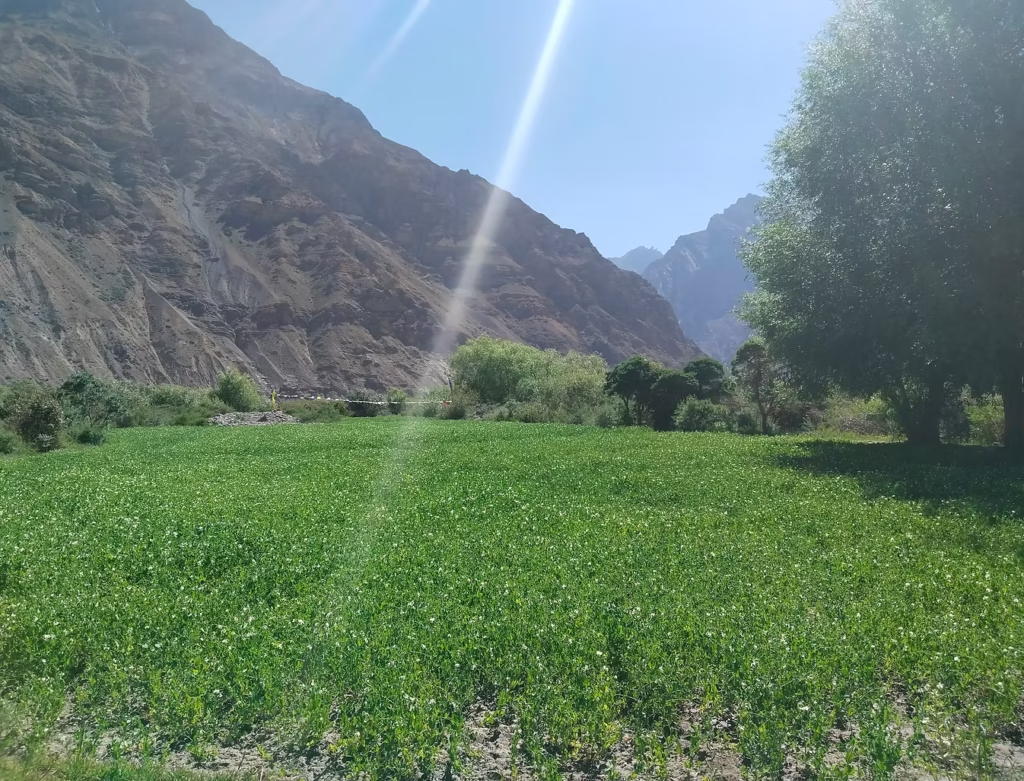
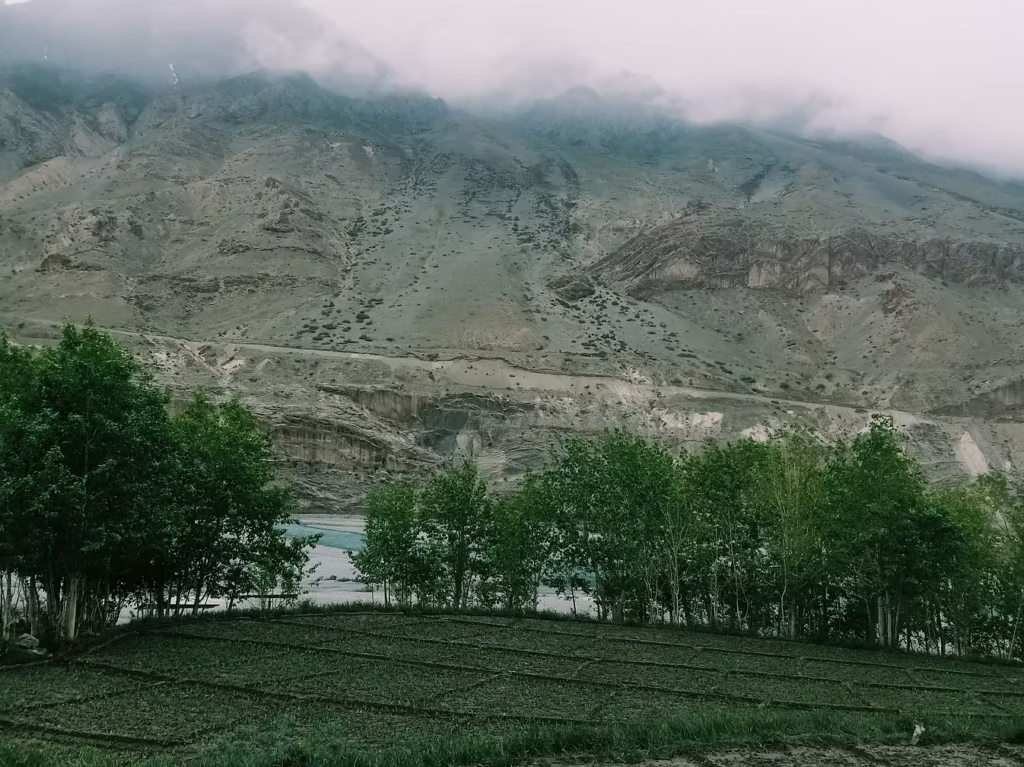
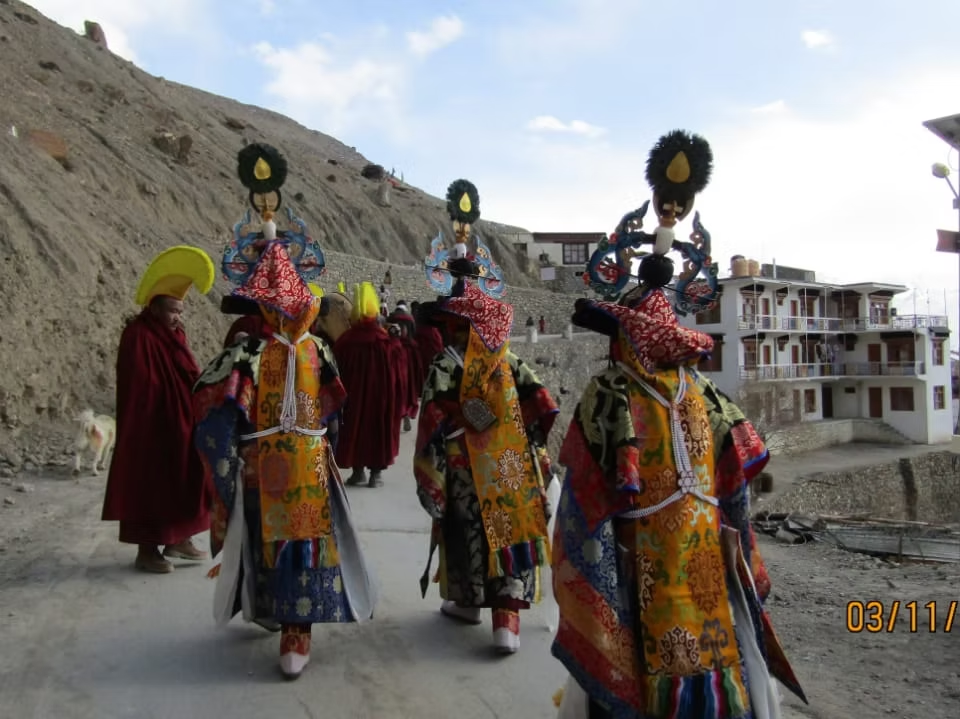
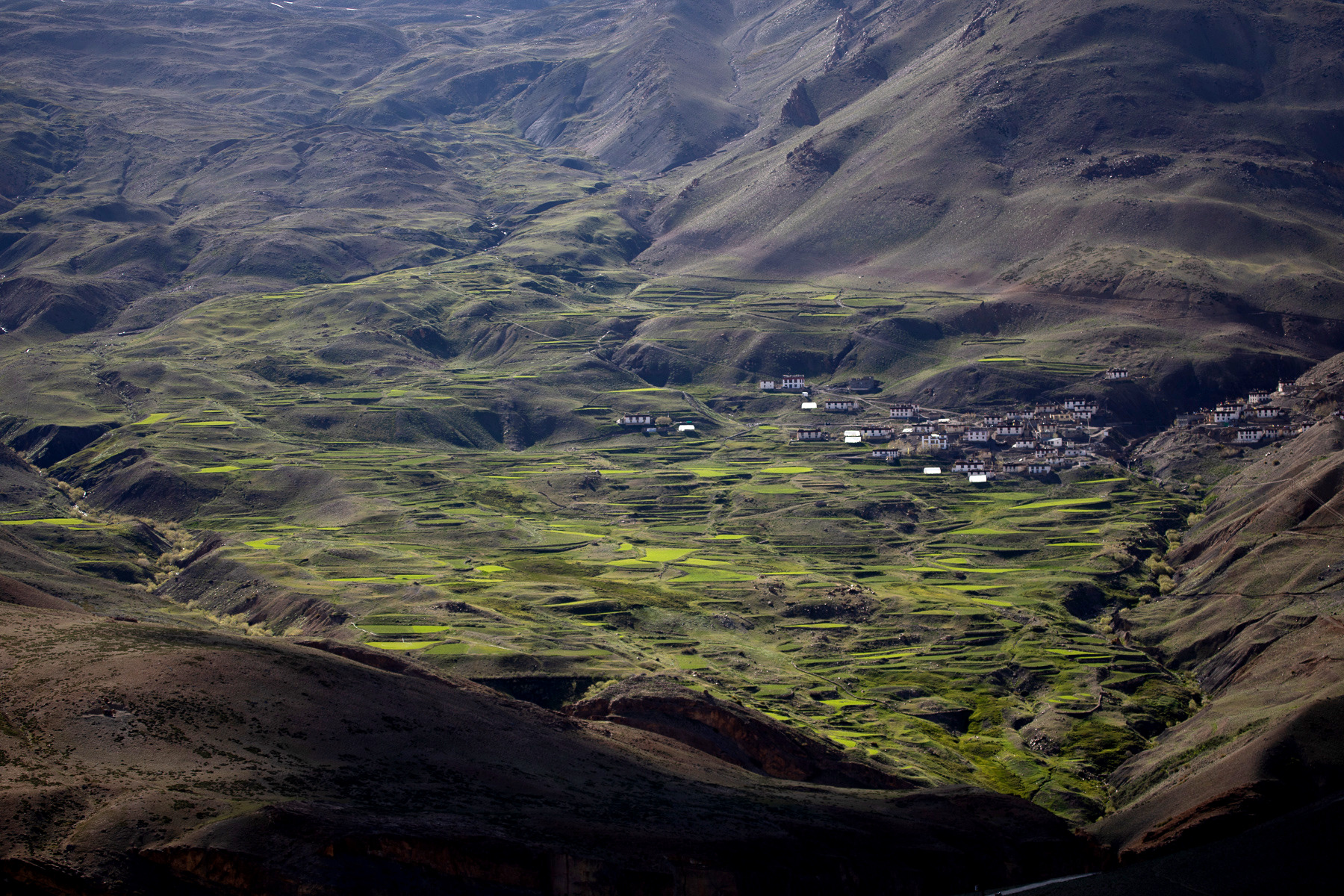
Shushuna is a quaint little hamlet in Spiti. Surrounded by high mountains, lush green fields and gushing rivulet that changes its hue from turquoise green to shades of grey.
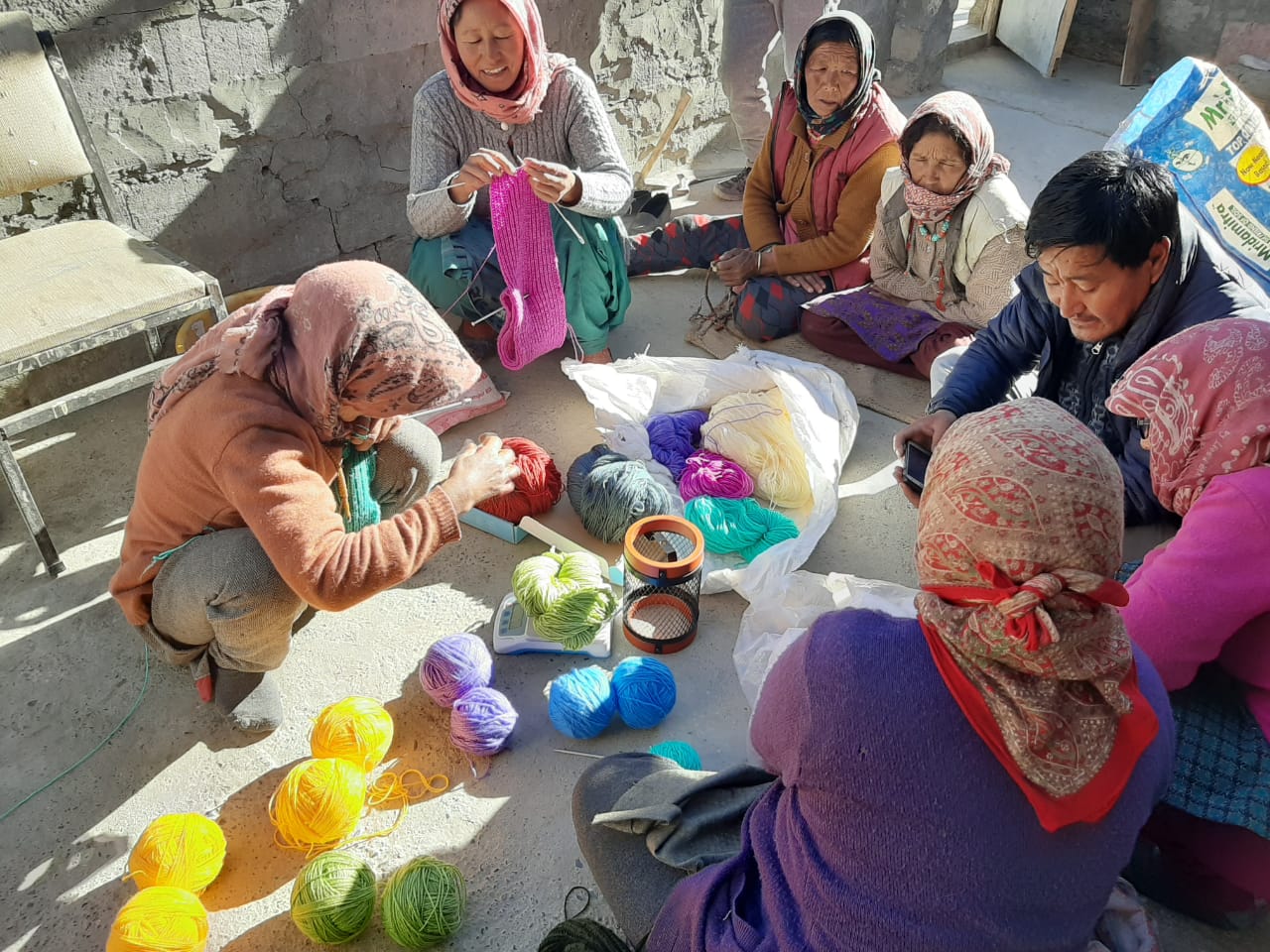
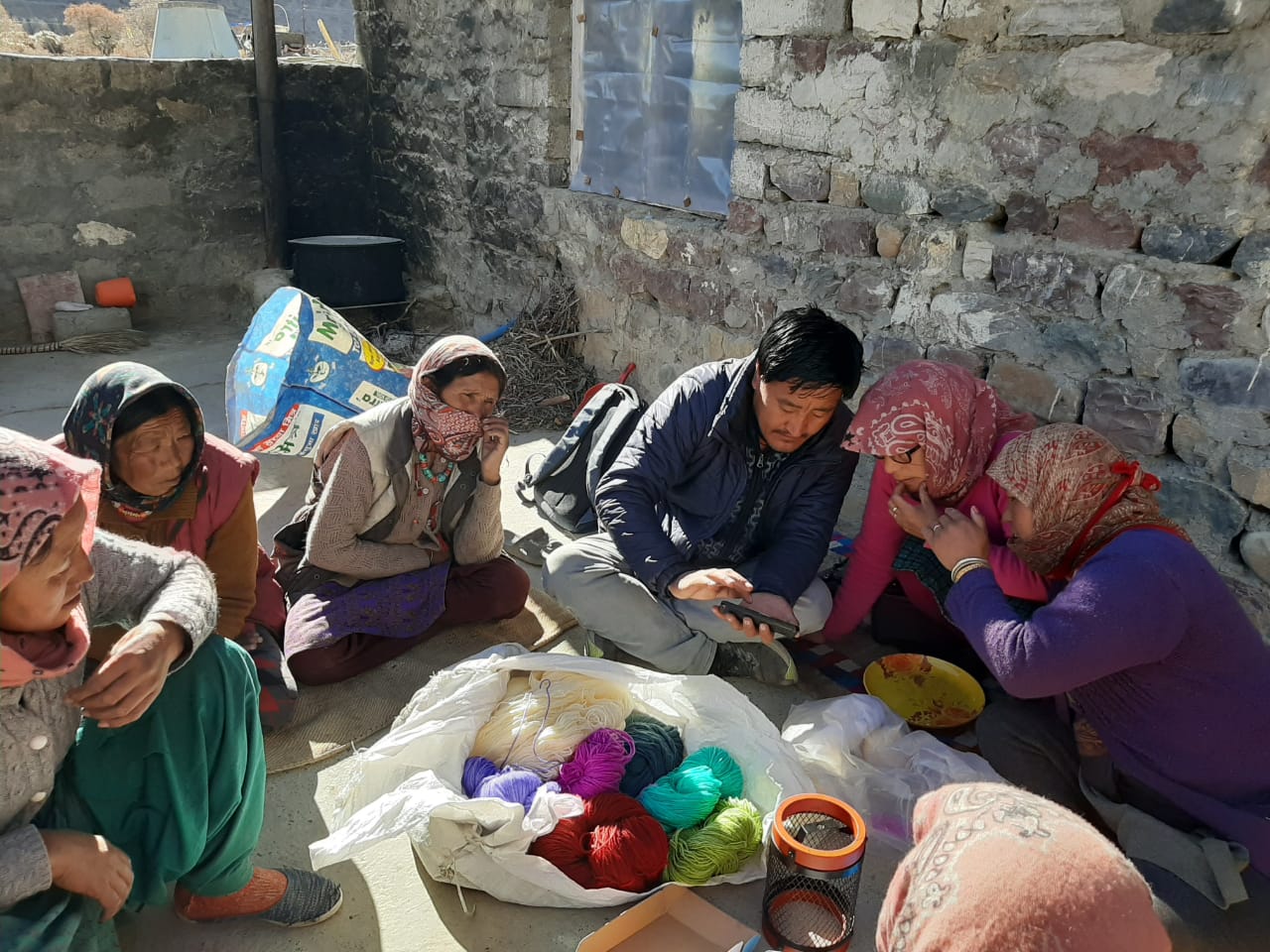
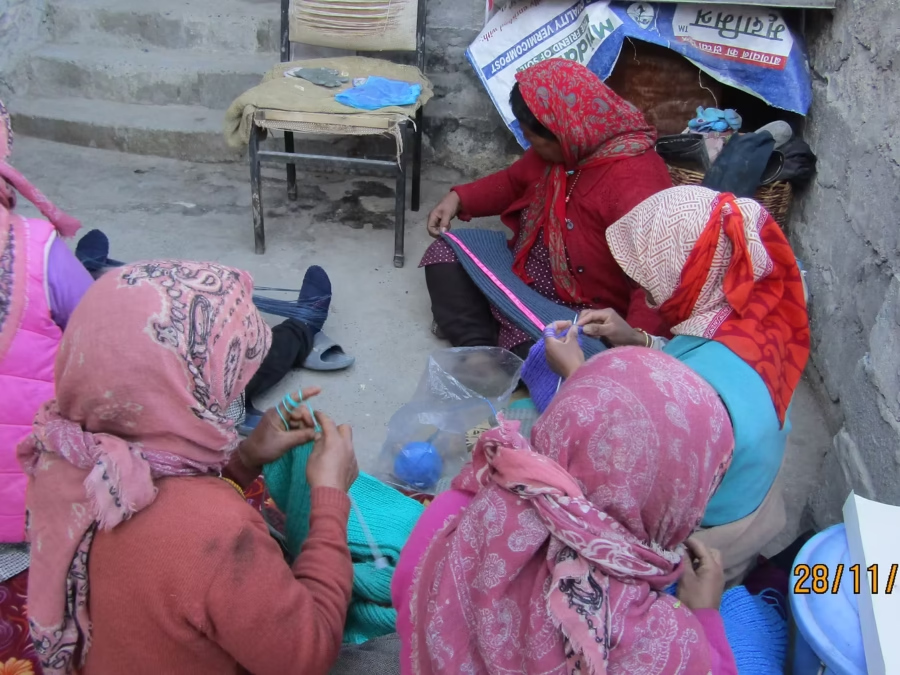
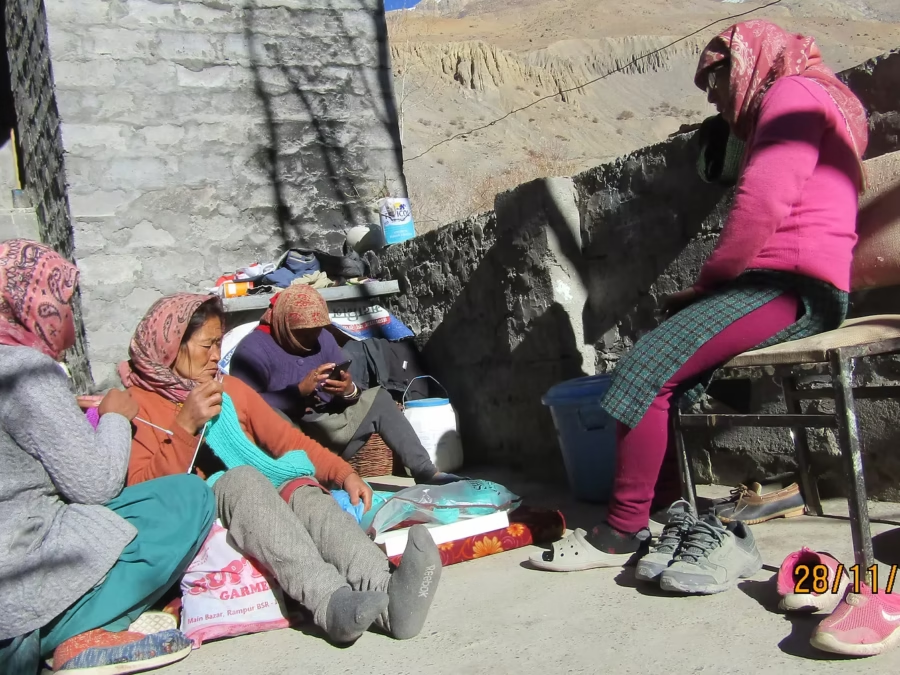
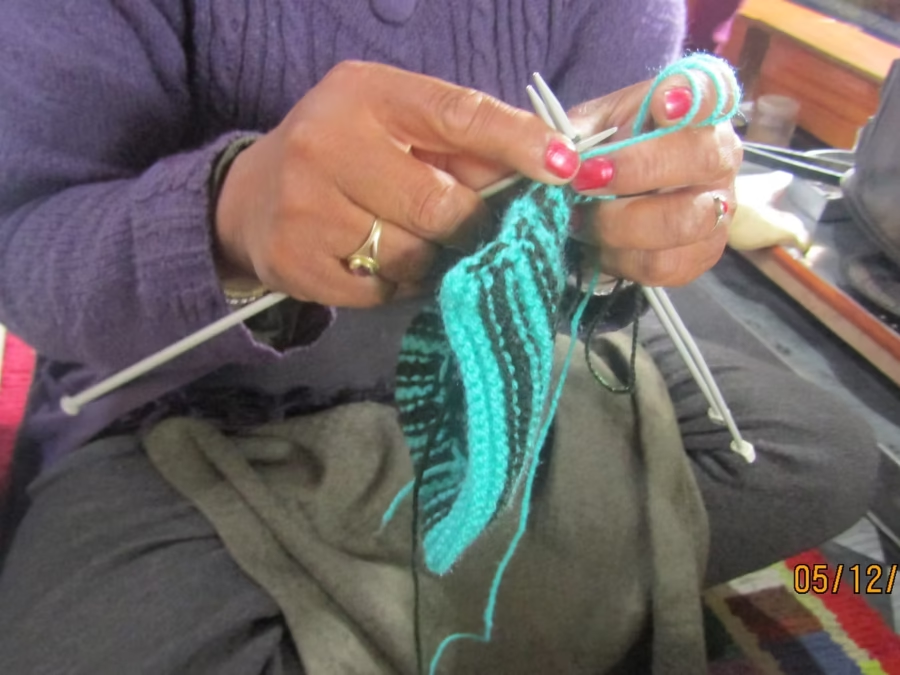
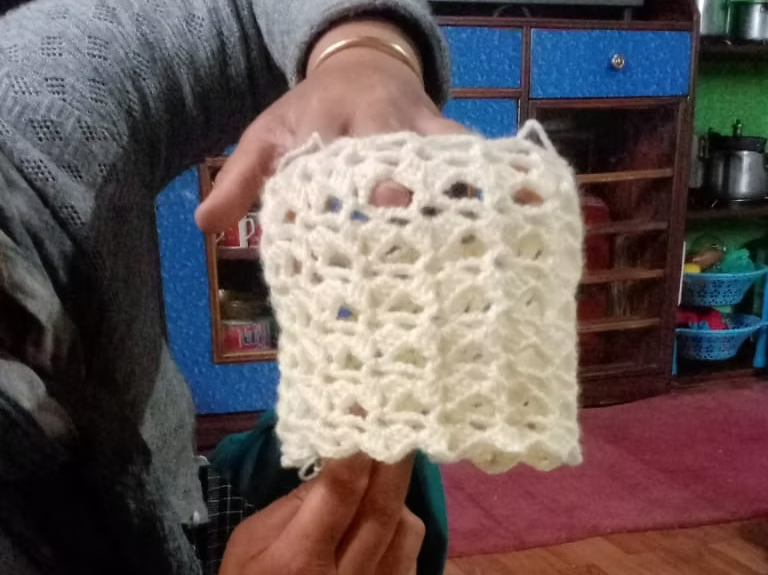
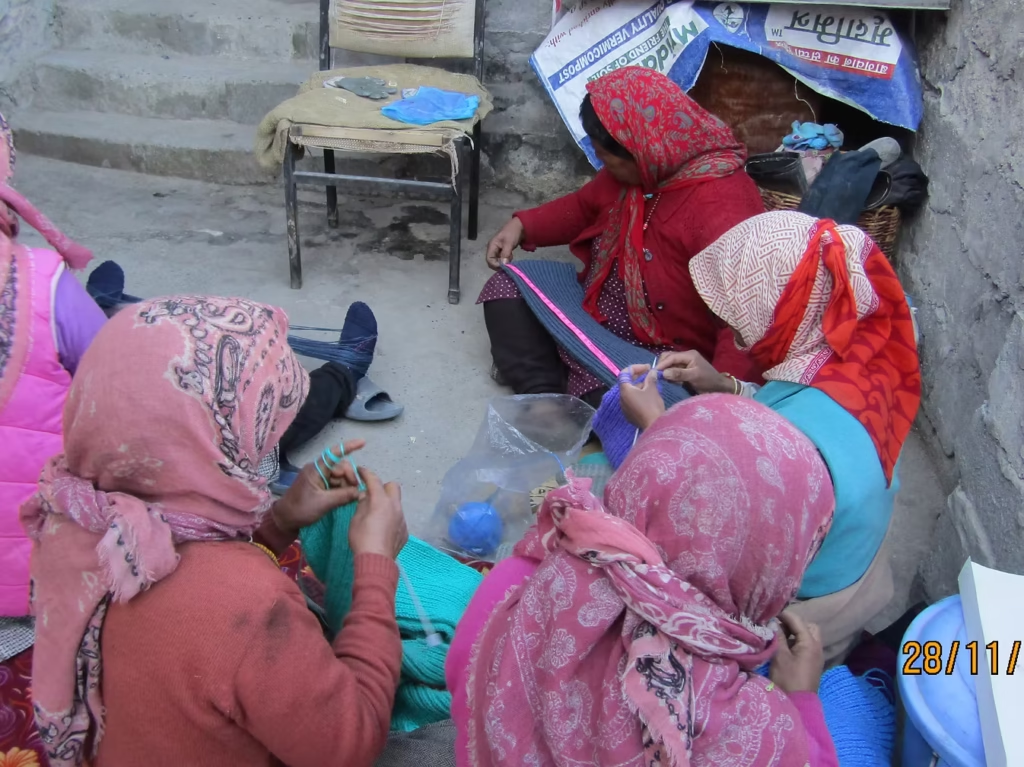
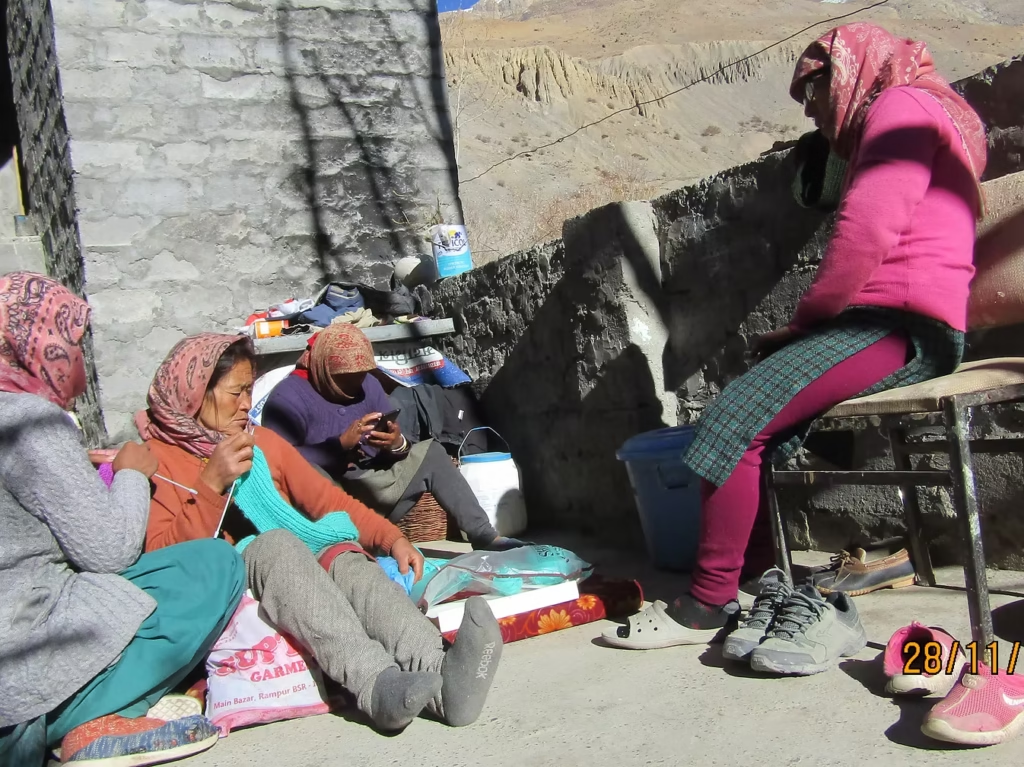
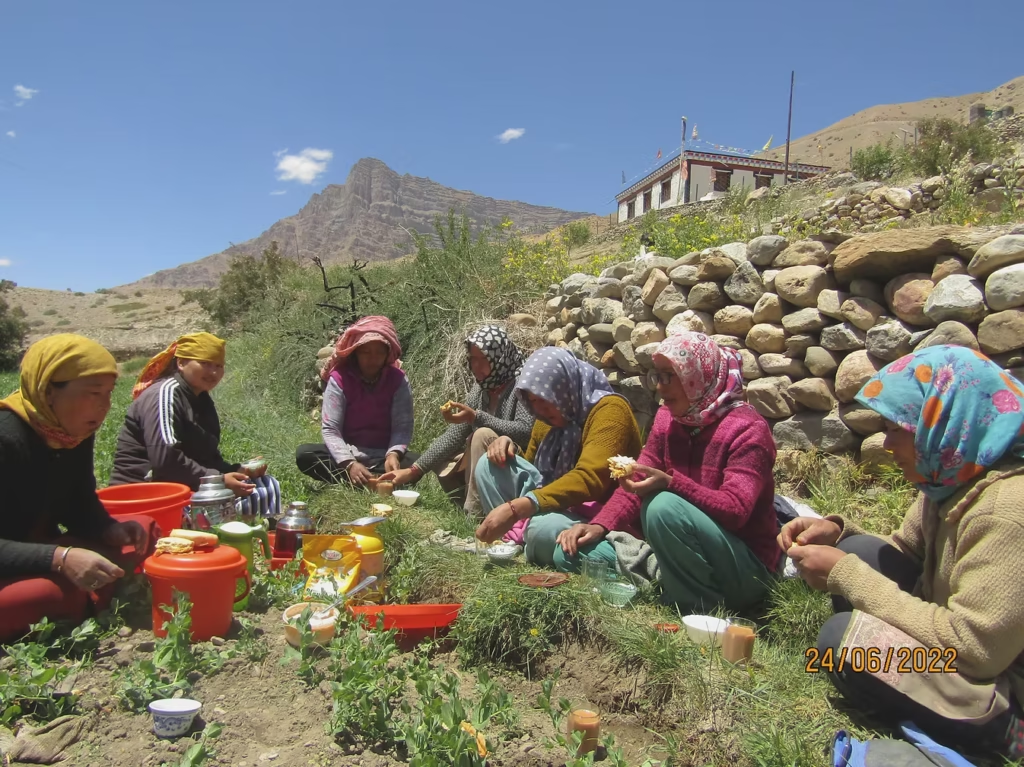
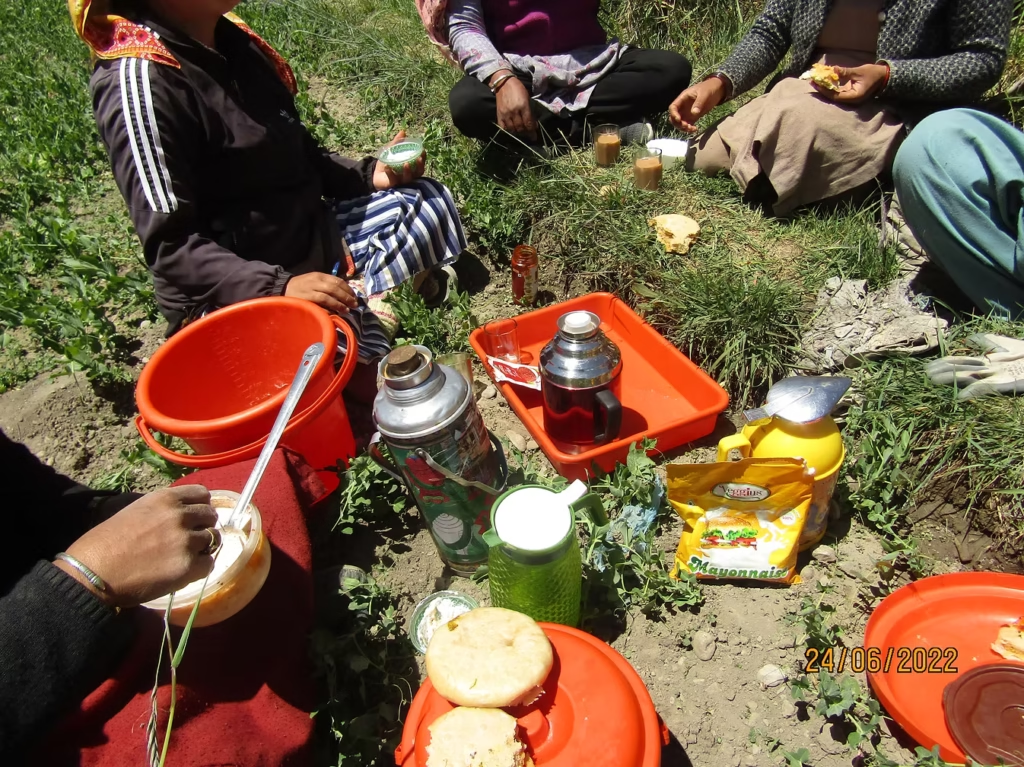
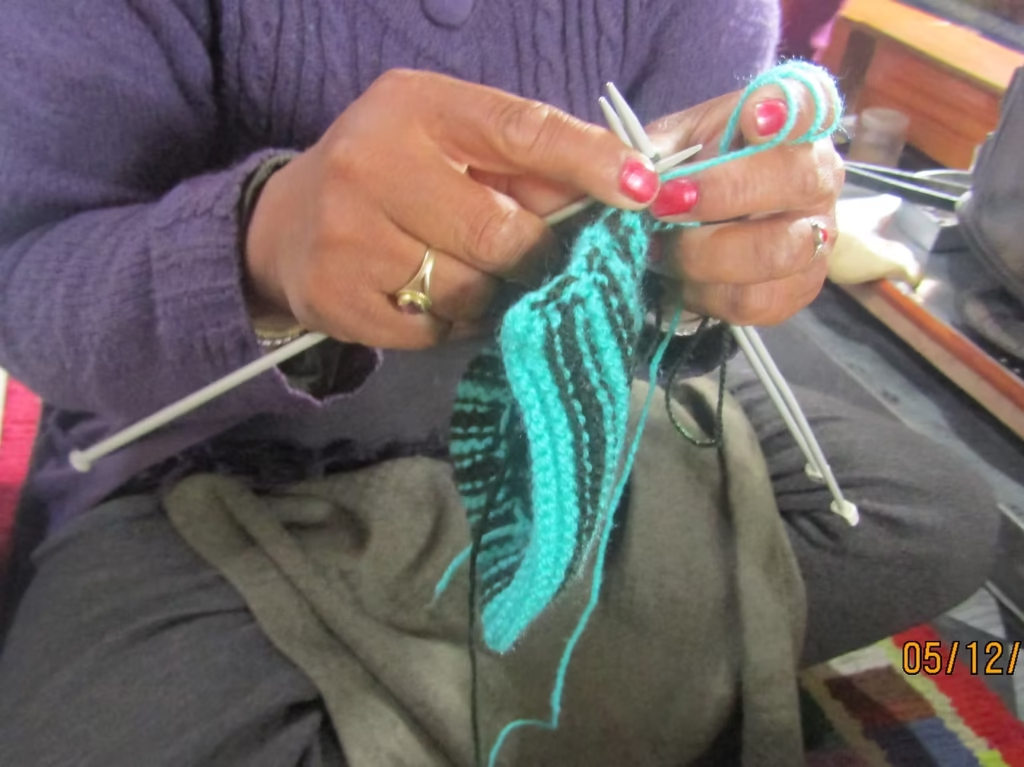
It is a bright sunny day in June and a group of women can be leisurely seen knitting sweaters, mufflers and socks for winter… an unusual sight during peak farming season in Spiti.
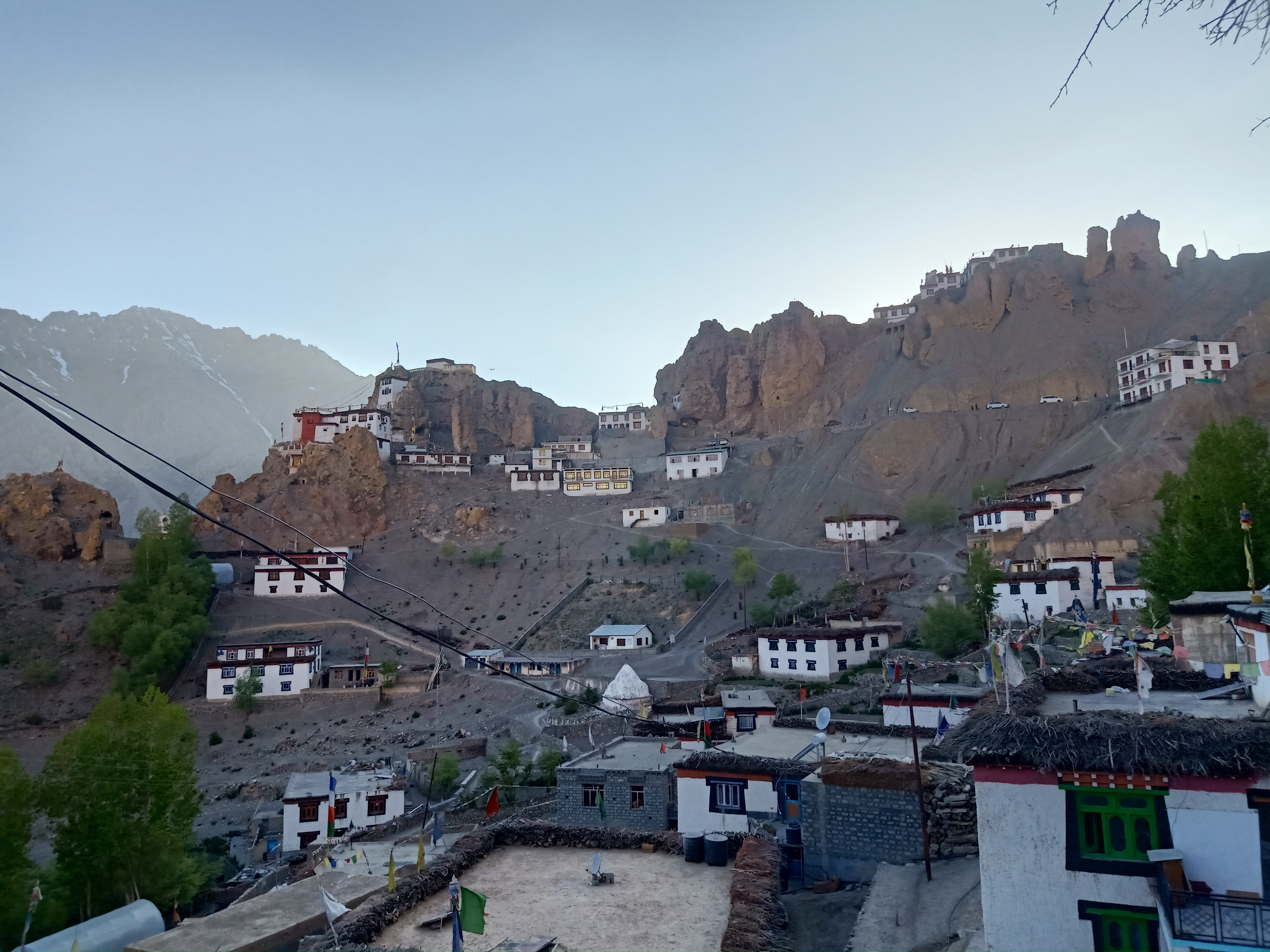
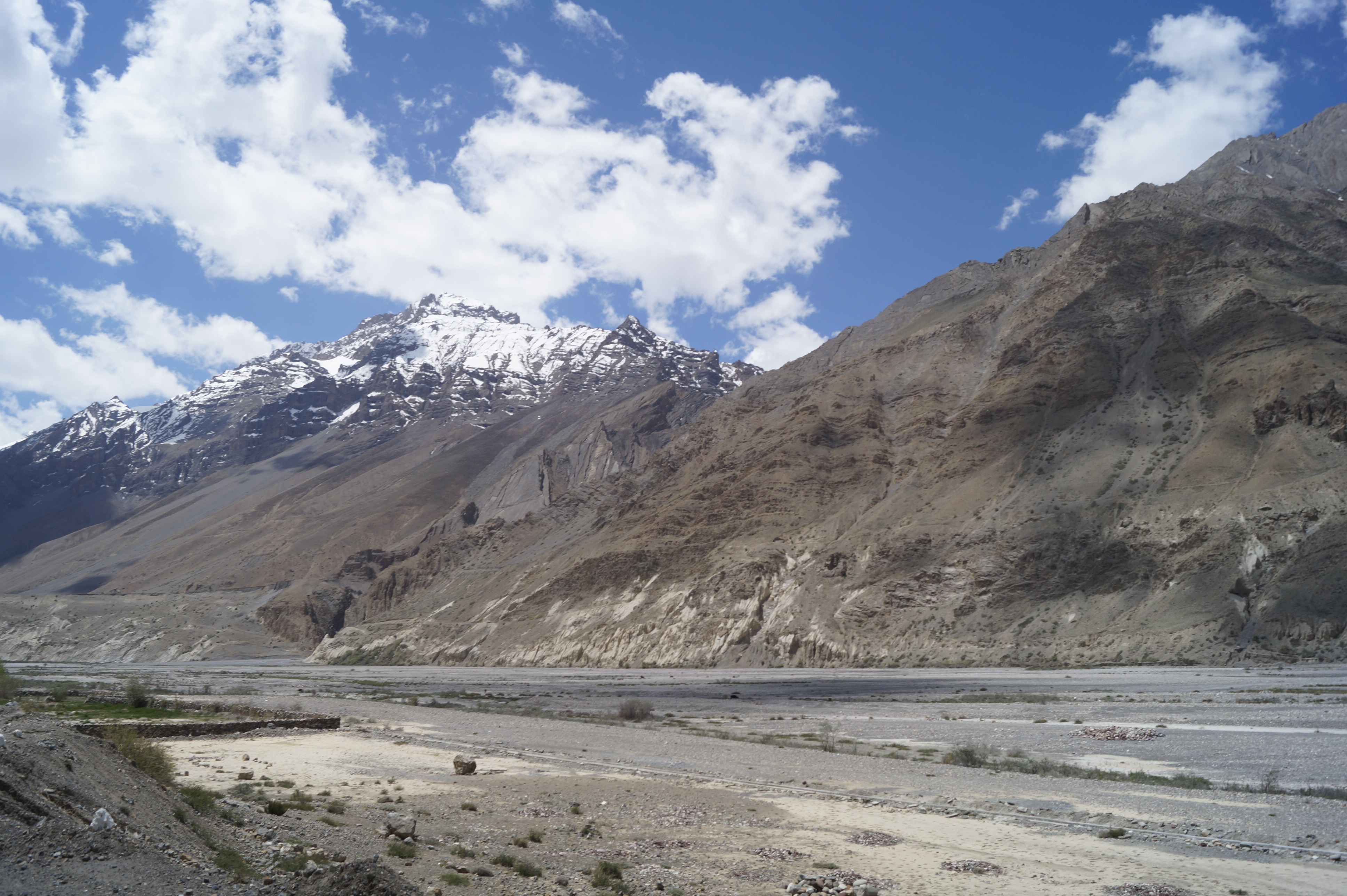
Spiti is a high Himalayan mountain desert with scanty rainfall and glacial melt water as the prime source for most villages. As such, water is sparse, the agricultural season and vegetation short, and lives vulnerable.
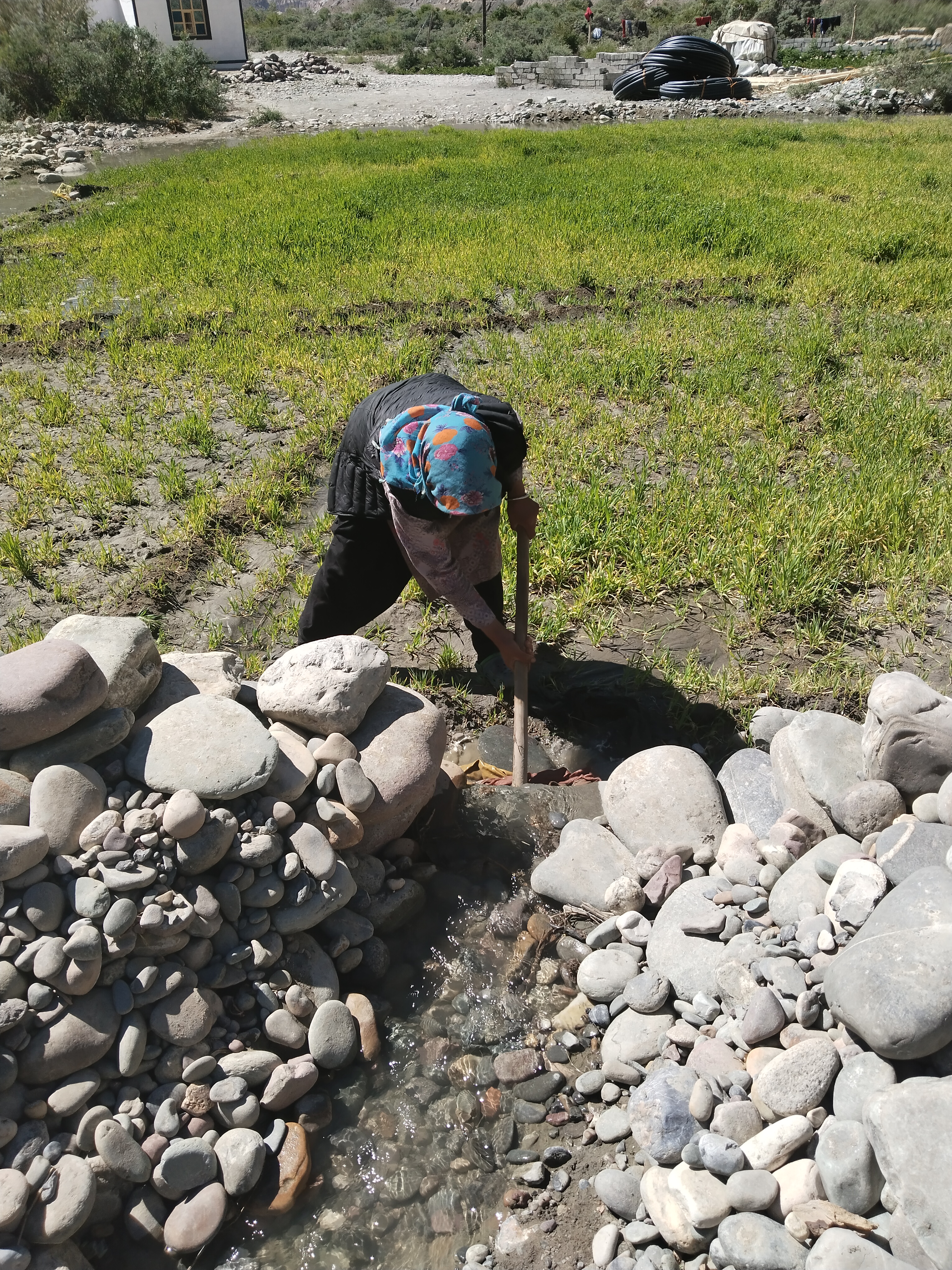
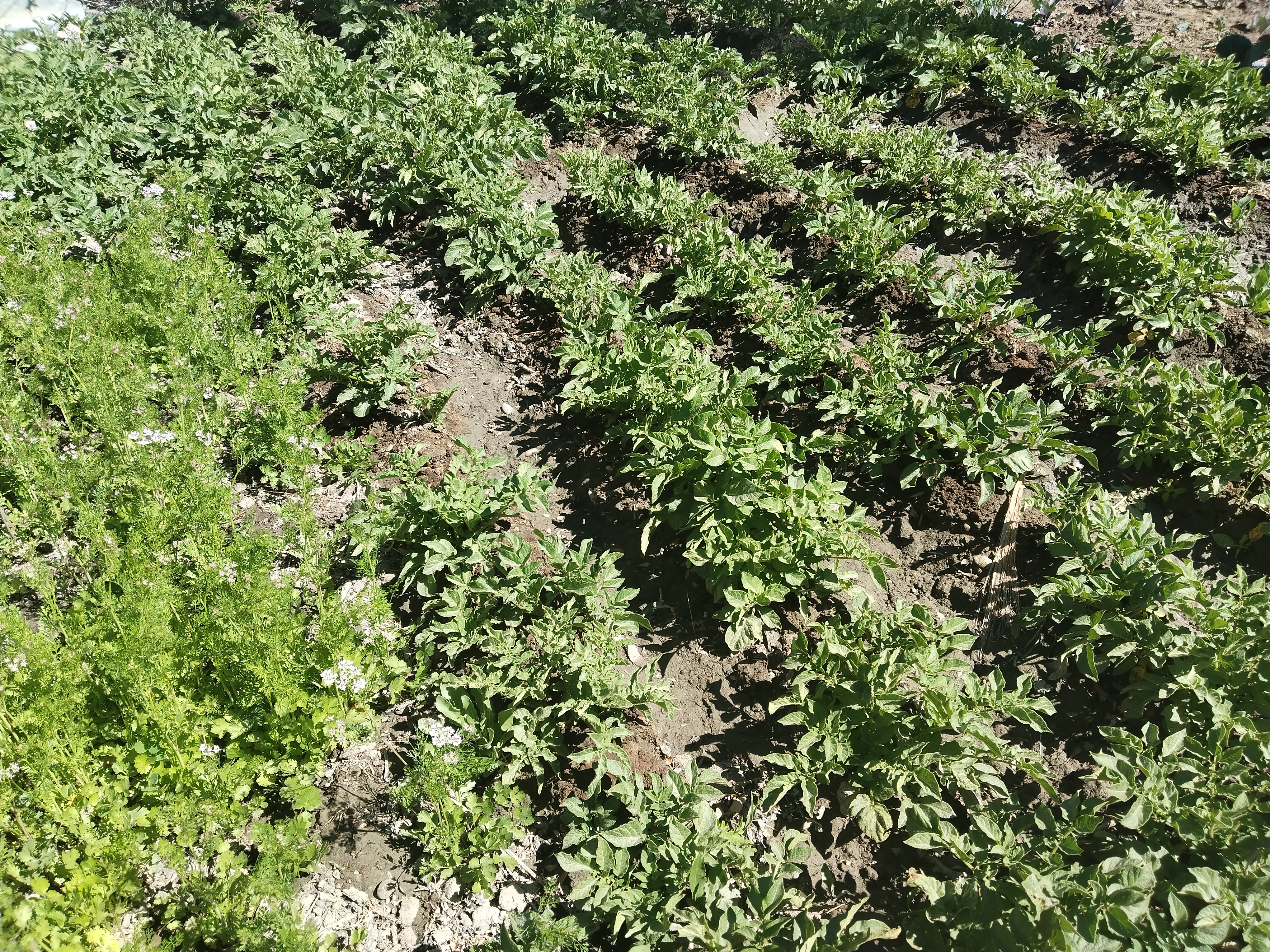
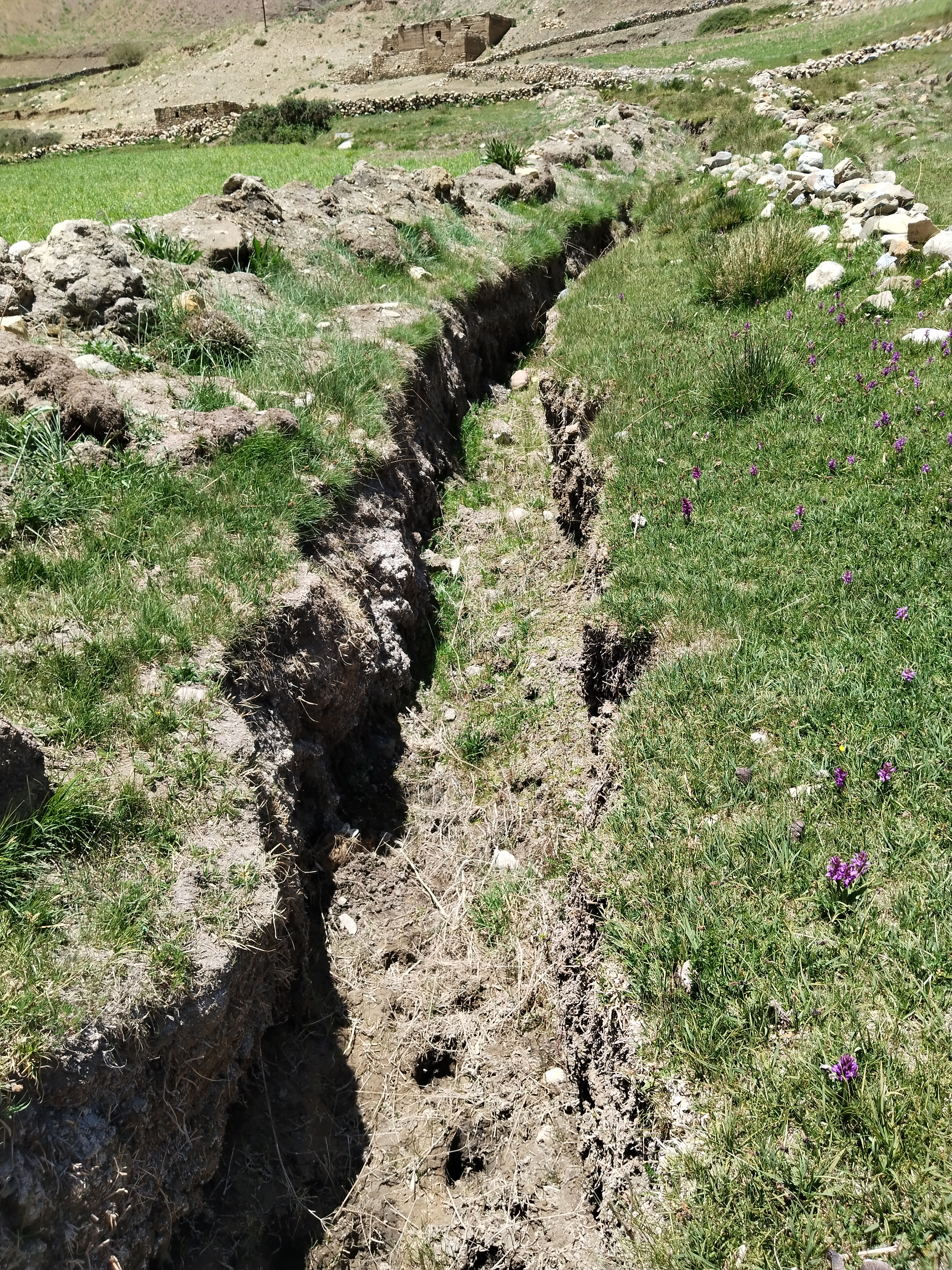
When most Spitian villages are drying up, fields unyielding, brimming Kuls of Shushuna signals benign possibilities.
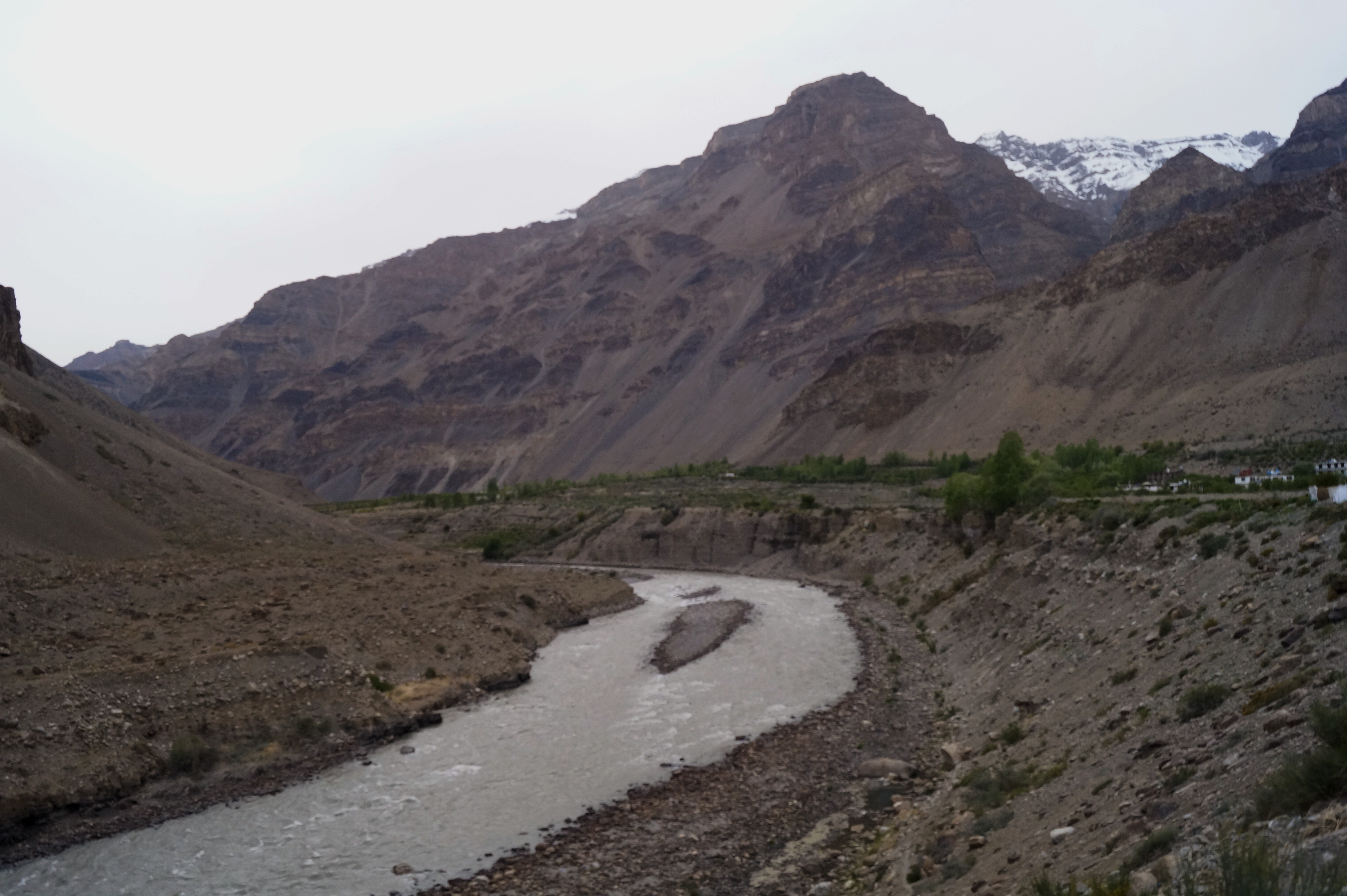
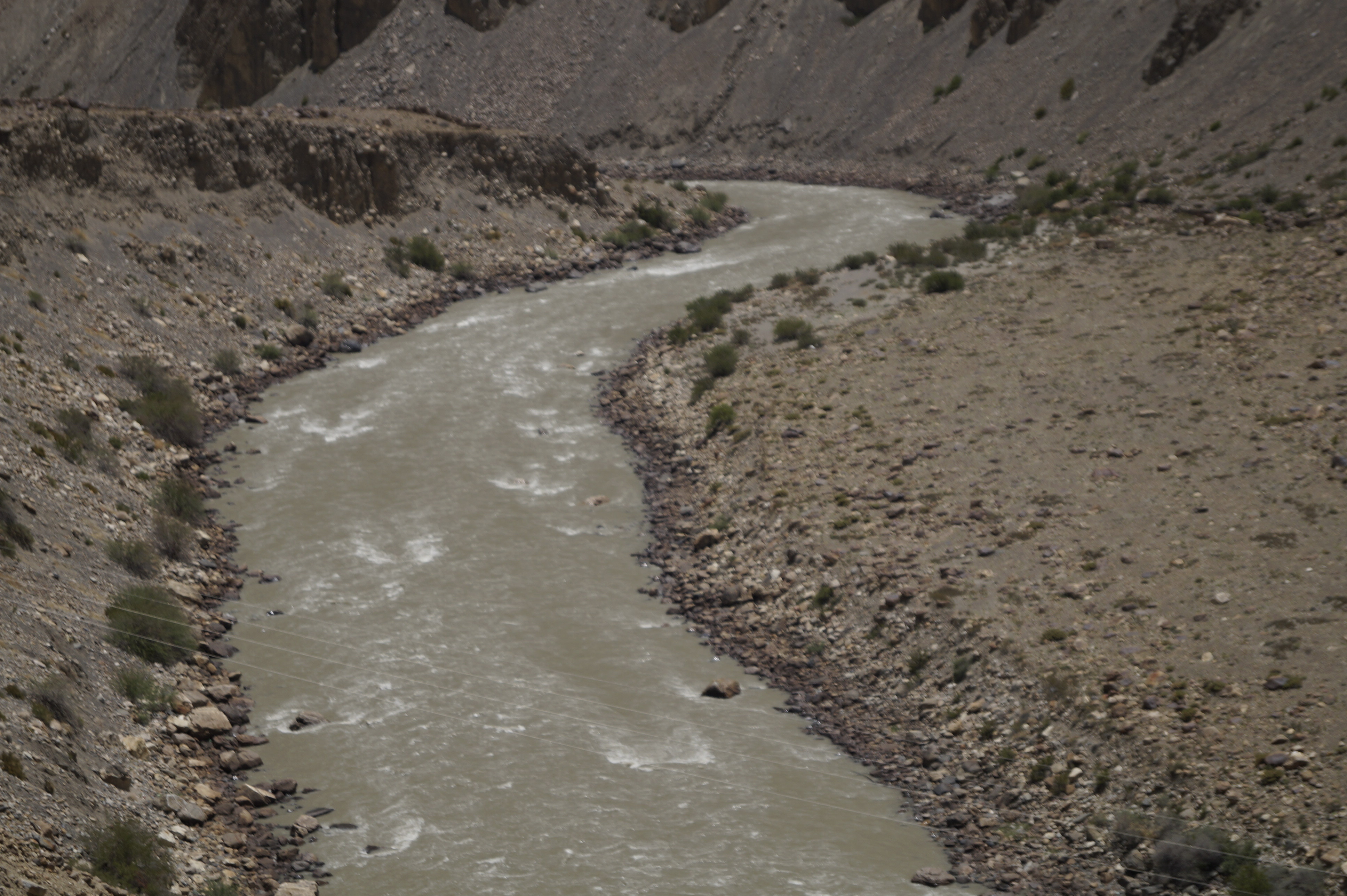
Situated along the river basin, the village owes its blessings to the mighty Spiti river and its tributaries from Pin valley which forms an essential lifeline to the resident farming community.
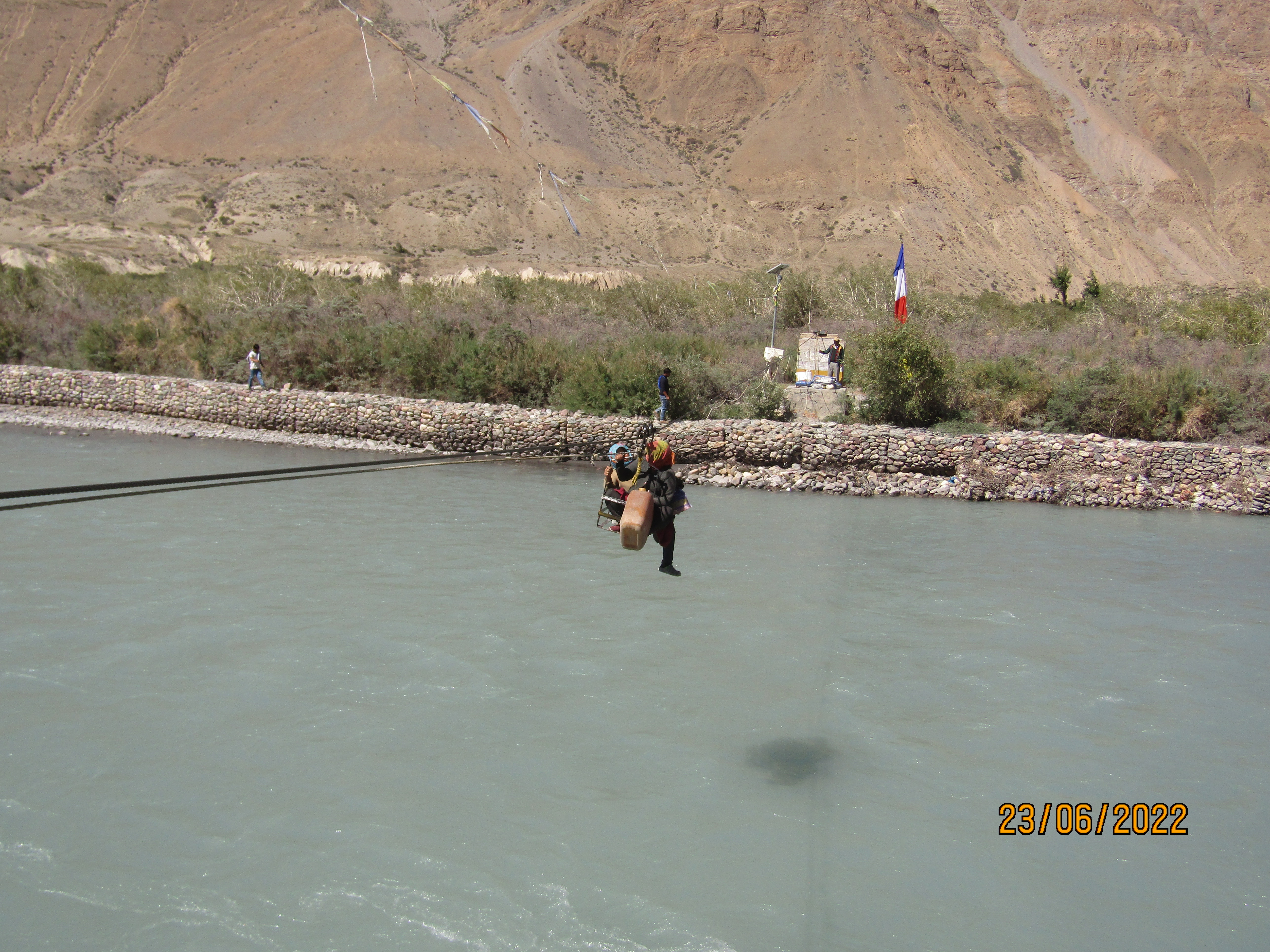
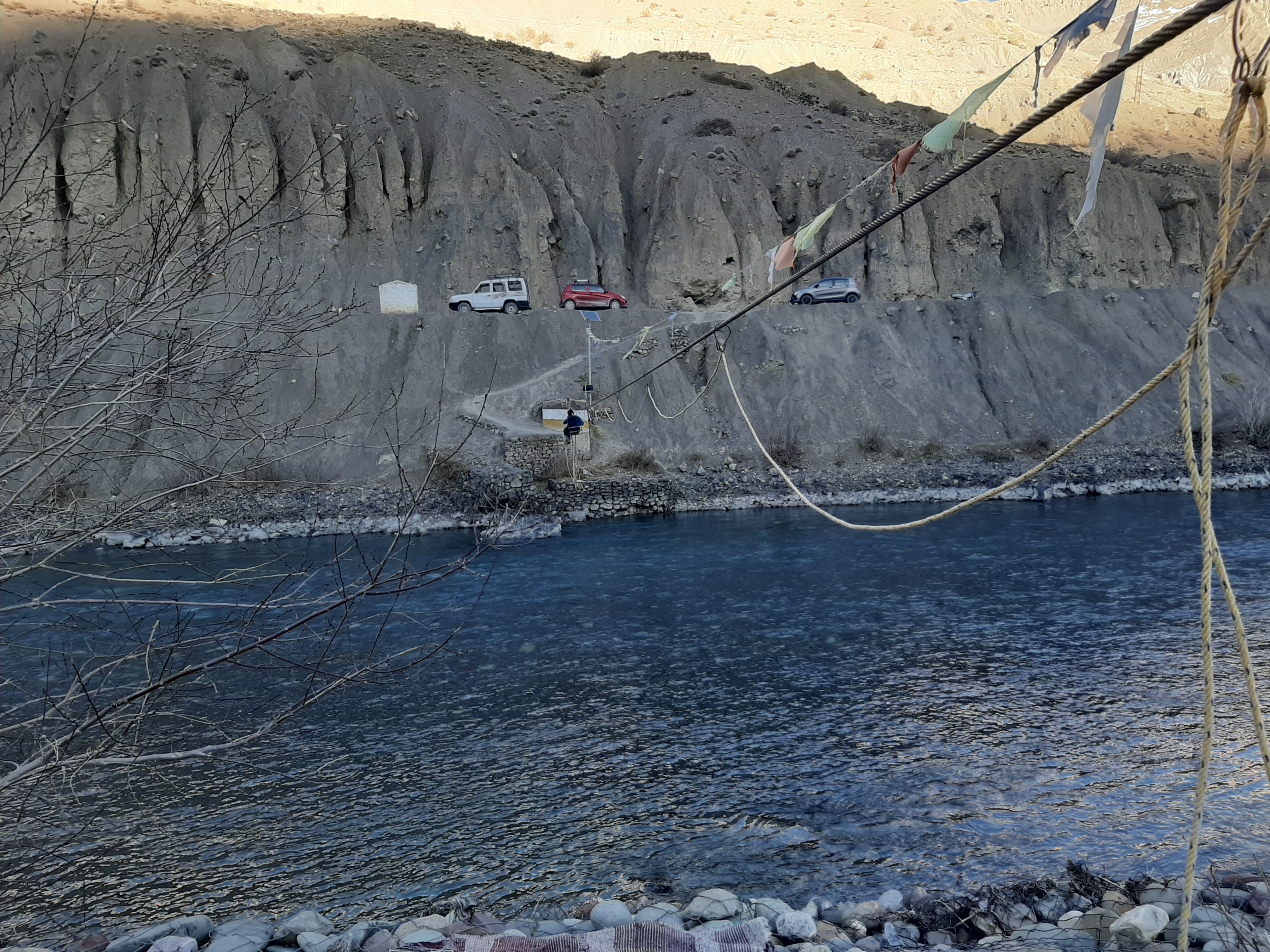
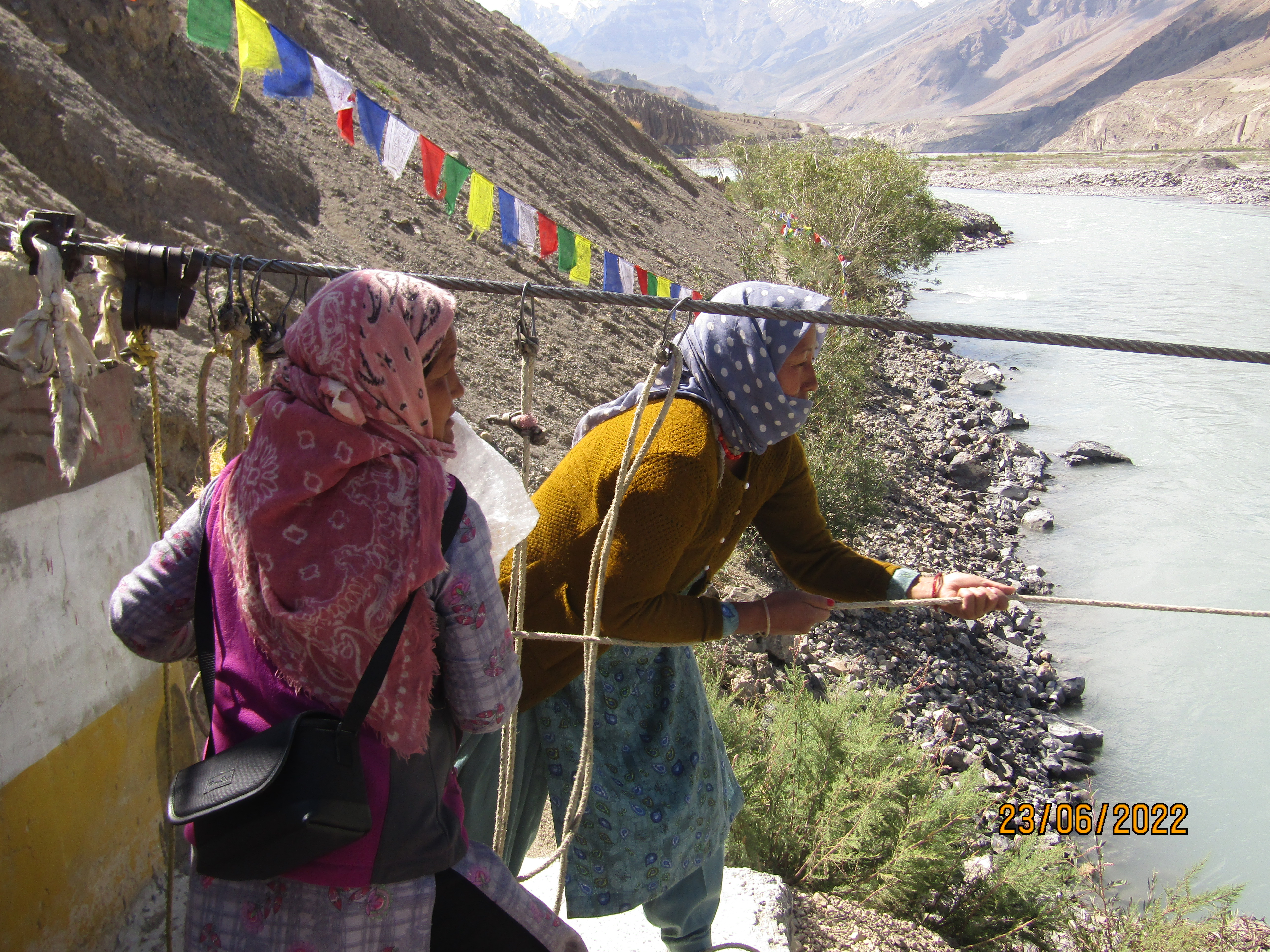
However, to reach the village, one has to take a suspended rope bridge. A dangerous feat villagers have to undertake every day! Women often pair up and cross it together. Holding essentials and looking out for each other – lest it can prove fatal!
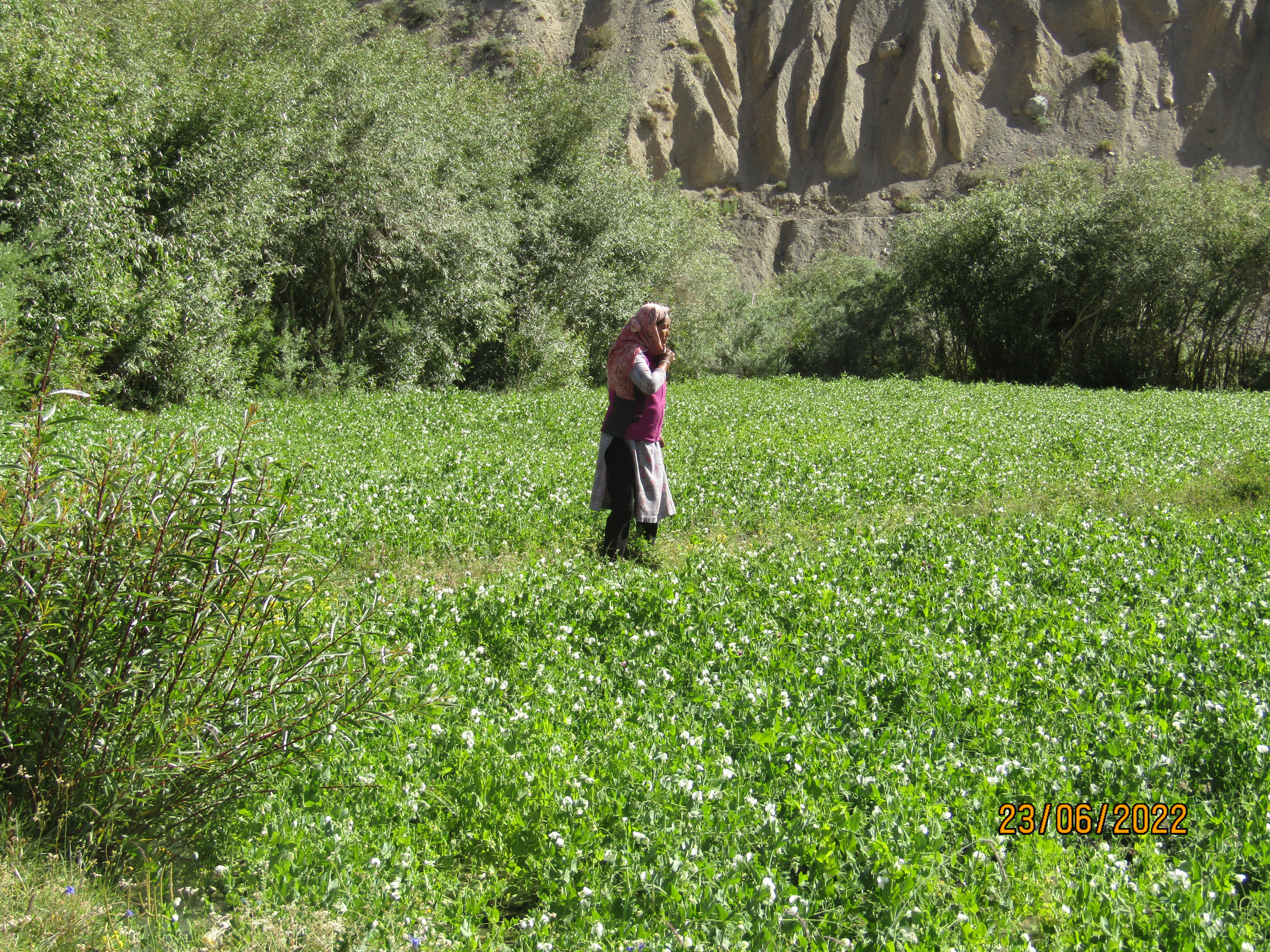
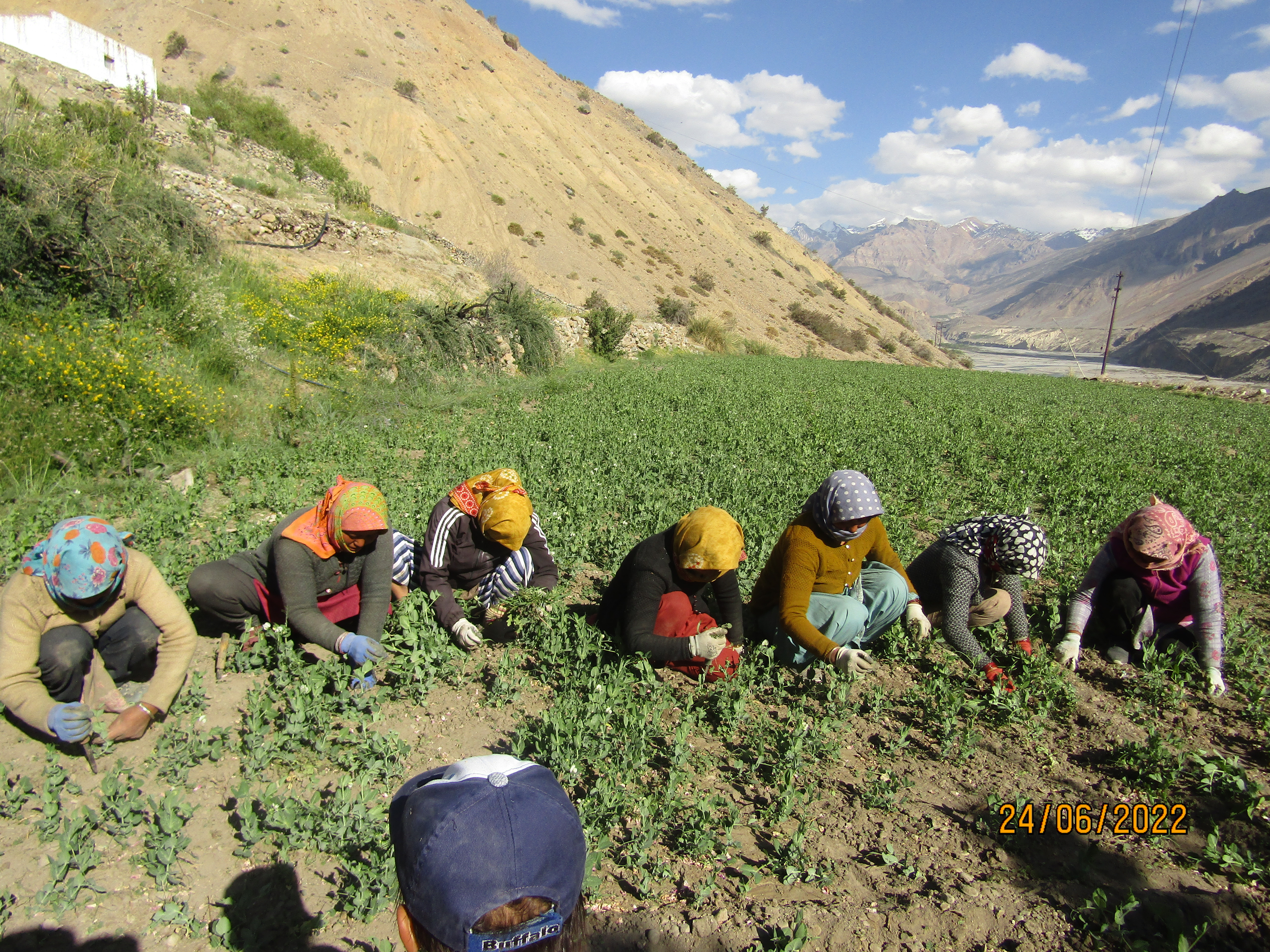
Water which is located at a significant distance in most Himalayan villages, can be found in one’s backyard here – easing huge strain on villagers.

When your fields are at a reachable distance, and when you don’t spend hours fetching water, there’s so much more one can do including spending time with family and more time to self!
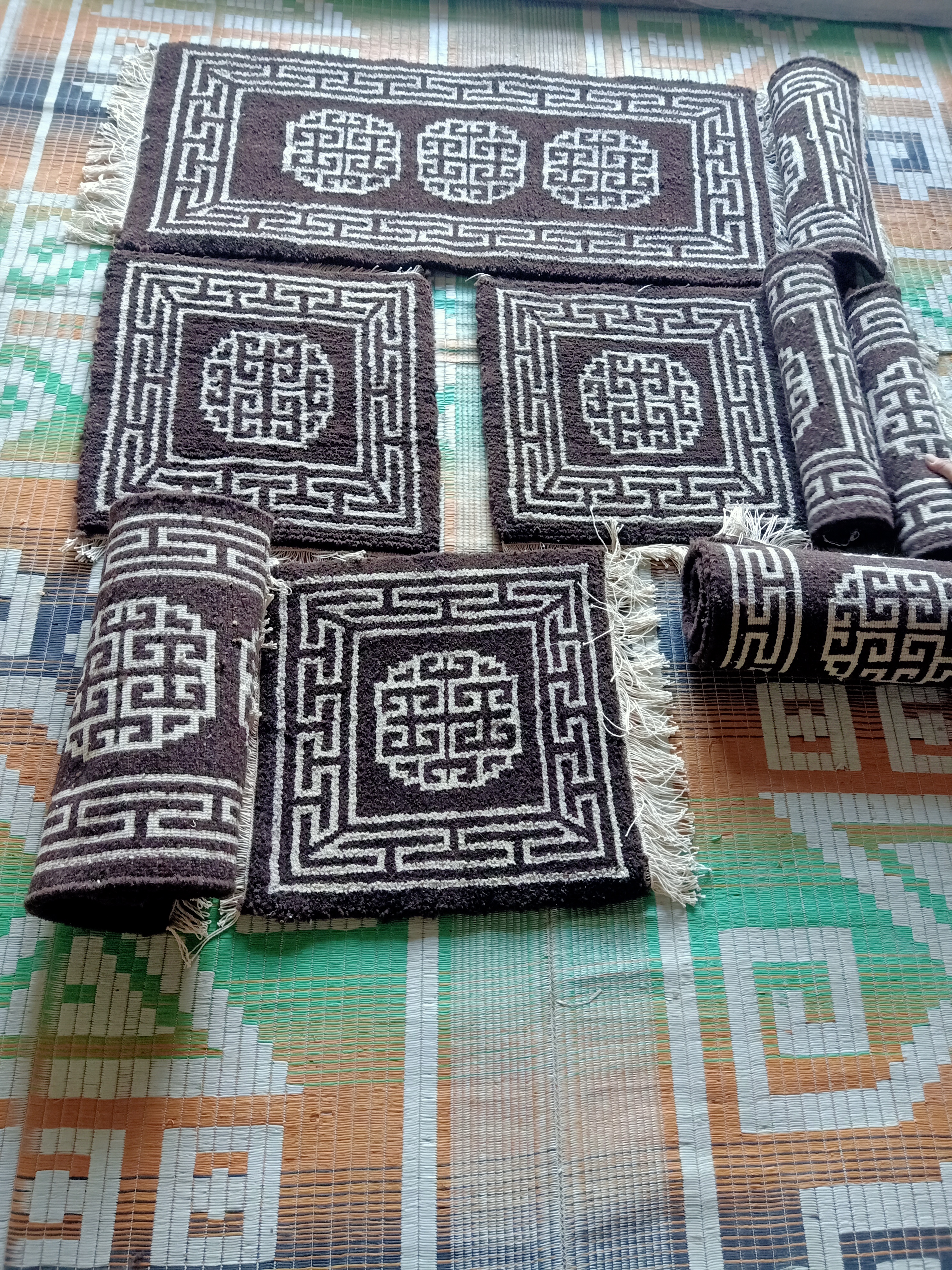
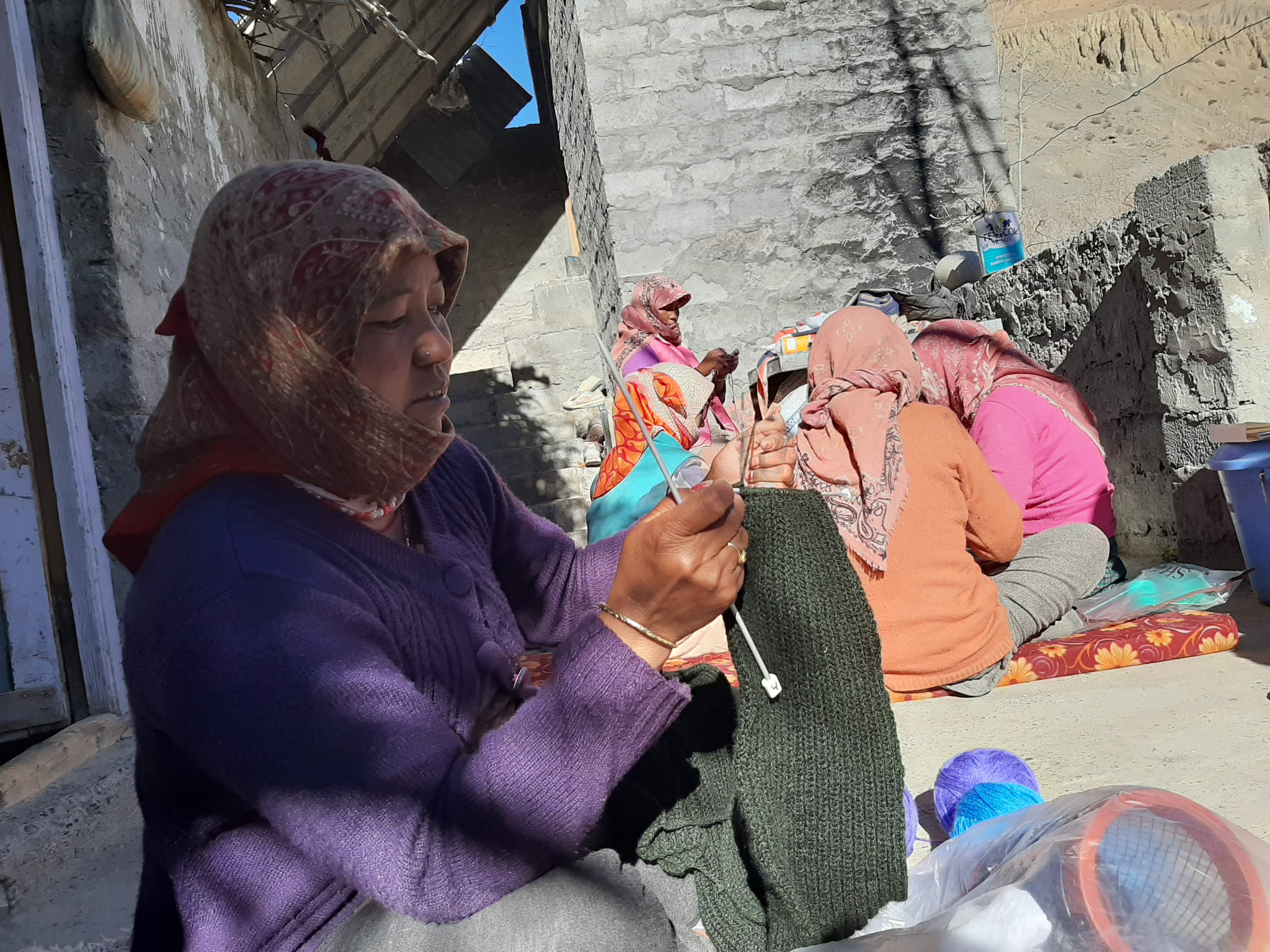
…exploring additional sources of income resulting in greater agency.
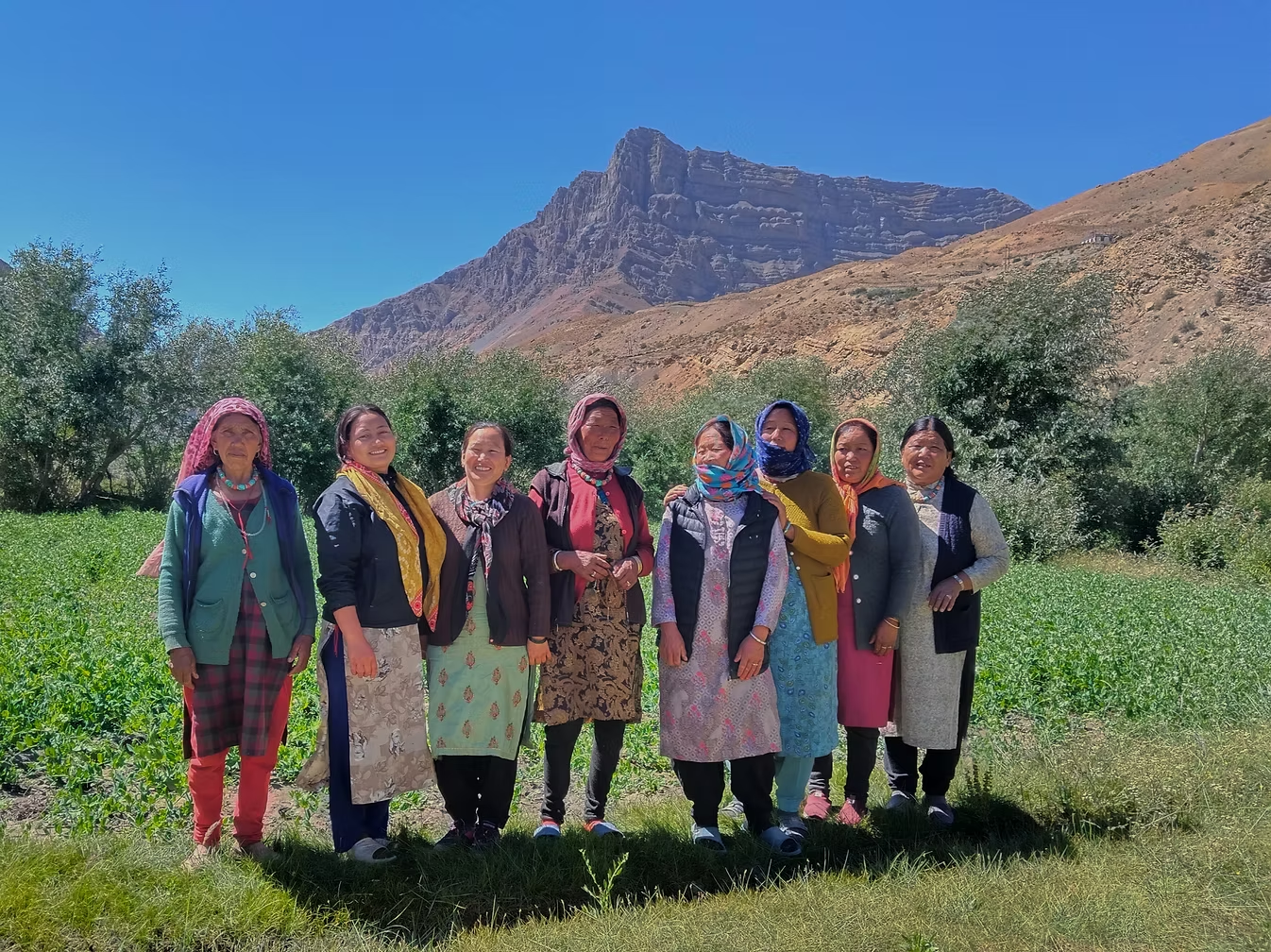
The photography group

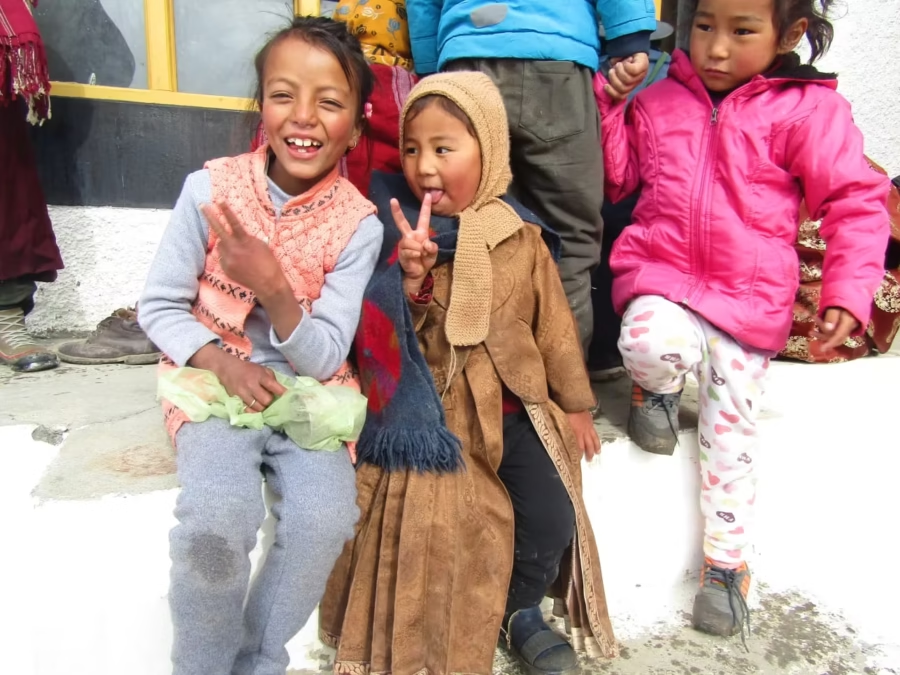
When water is accessible, it leads to happier, healthier communities.
1346 1008 Women of Shushuna
In Conversation with Women of Chicham
Chicham Village | Photo: Tanvi Dutta

In Conversation with Women of Chicham

Tanzin Dawa: How has it changed?

Dikit Lamo: We have been experiencing extremely erratic weather conditions these days. I am 40 now and from my experience, I think it is due to changing weather patterns. We used to have snowfall that levelled our houses and had to clear it with the help of our neighbours! Such was time. There’s lushful greenery in our barley fields and our harvests were abundant. In our village, Chu-mik (spring water) gushed with fresh water – we got to choose from myriad streams flowing around – cold, sweet water to drink while farming. From the past 10 years, there’s been a considerable decrease in precipitation. We used to look up at the sky in hope for rain but to no avail. This year was particularly unexpected. There was very little snowfall during winter and we were even unsure whether we would even get to till our land when summer arrives. We, somehow, adjusted to the difficult situation by either carrying a water tanker to our fields and initiating the seeding work. It worsened as months passed by, we had to leave many of our fields half irrigated or completely fallow. There’s no hope for crops this year.

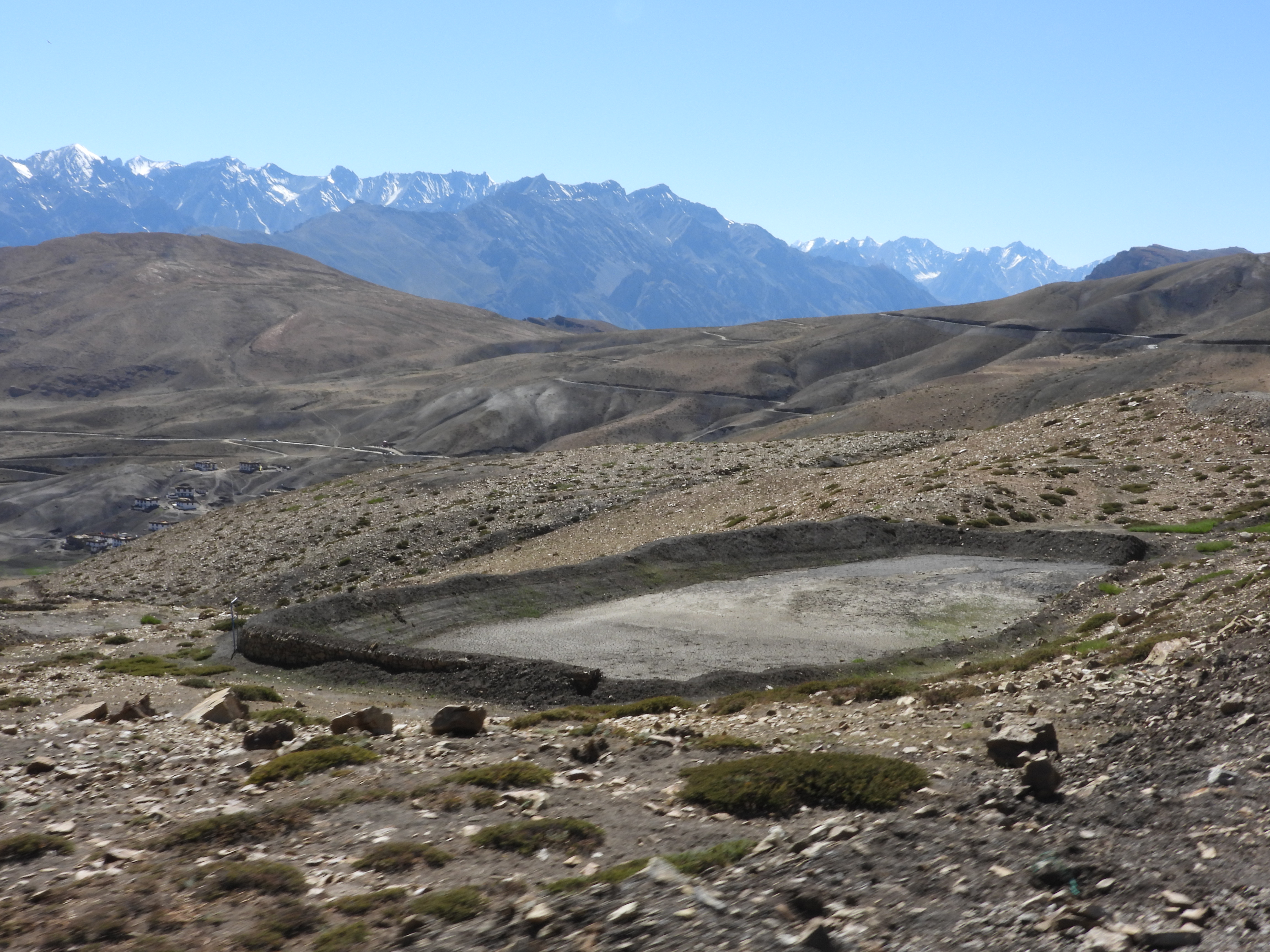
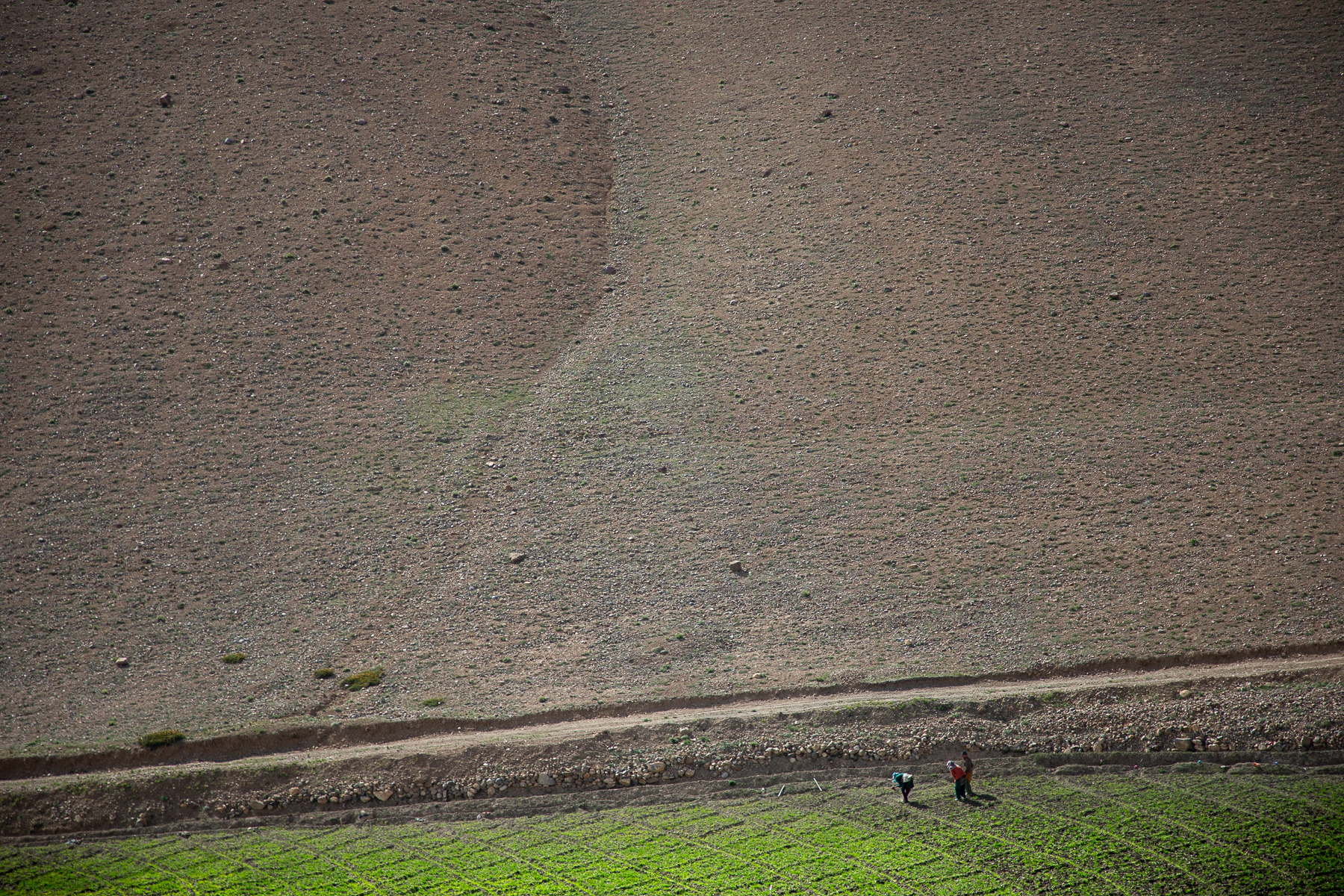
Barren fields and dried reservoir | Photo: Chhunit Kesang
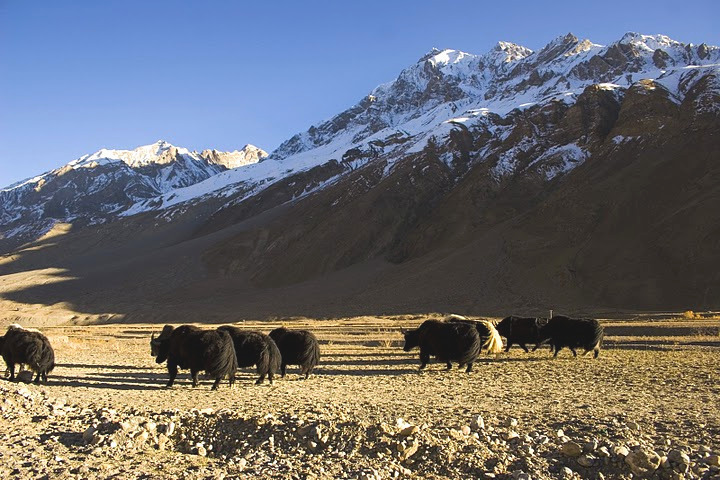
Domesticated Yaks

TD: What do you think is the cause for such changes?

DL: I think it is due to changing weather patterns. They say it is called global warming in English and has to do with plastic usage. I am not sure how it is interrelated and how it impacts our fields here in Spiti but I do believe it. I think about it a lot and think of avoiding plastic usage on my level. But will it make a difference on a larger level? I think collective action is needed. To ensure timely snowfall, we have to revive our traditional ways of living. Rituals are performed according to an astrologically and agriculturally influenced calendar and we have to bring back those traditions and belief systems. We also think about our children’s generation and preserve our natural resources. Tourism has also impacted the way we channel our resources. It is getting extremely rampant nowadays. We have to devise an internal resource and waste management system to reduce impact on nature. I think plantations will be beneficial in desert areas like ours. I hope that will reduce the effect of global warming and our fields begin to blossom again and our kuls brimming fresh snow water.

Padma Norzom: Water situation? It is scarce everywhere this year. In Chicham, even drinking water is getting difficult for us. Our barley and green peas field are all drying up before harvest season due to receding water in our kuls. There was just no water for irrigation and we are forced to abandon our fields. Because of declining water sources, our land, soil, pasture is all drying up and forage availability and grazing system is also impacted.

TD: Was it the same last year?

PN: It used to be enough to sustain our farm work and to feed our cattle but this year has been unfortunate. There was no snowfall during winter and all our spring waters dried up. My jersey cow also looks very weak and without adequate water to drink, milk production has become very less. I stopped selling milk this year. Livestock feeding and water intake behaviours are also negatively impacted and when sent out in the wild for grazing, they gallop towards greener pastures!

TD: How do we resolve this? Is there a way we can utilise water from the Spiti river?

PN: Yes, river water can certainly be channelled but it will be a bit strenuous and resource intensive as it is located far from the village area. If the government can help us, it will be a huge blessing. Some farmers have tried irrigating their green pea fields with generators. But the diesel operated generators turned out very expensive and it was simply not feasible for small farmers like us who also spent a lot of money buying green pea seeds. The cost will come in lakhs – all for nothing without water.

1800 1200 Tanzin Dawa