Farmlands

Changes in Agriculture (Lahaul)
Photos: Prasenjeet Yadav

Changes in Agriculture (Lahaul)

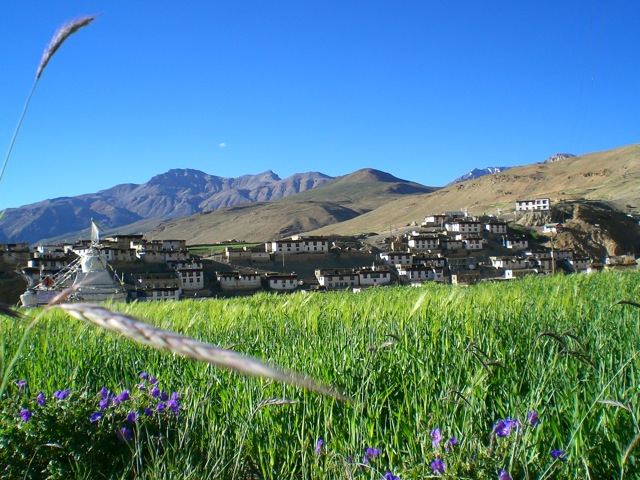
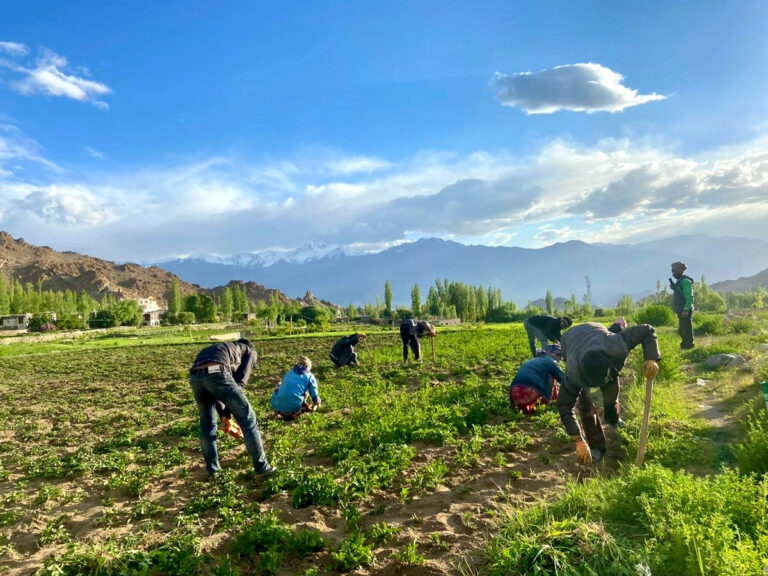
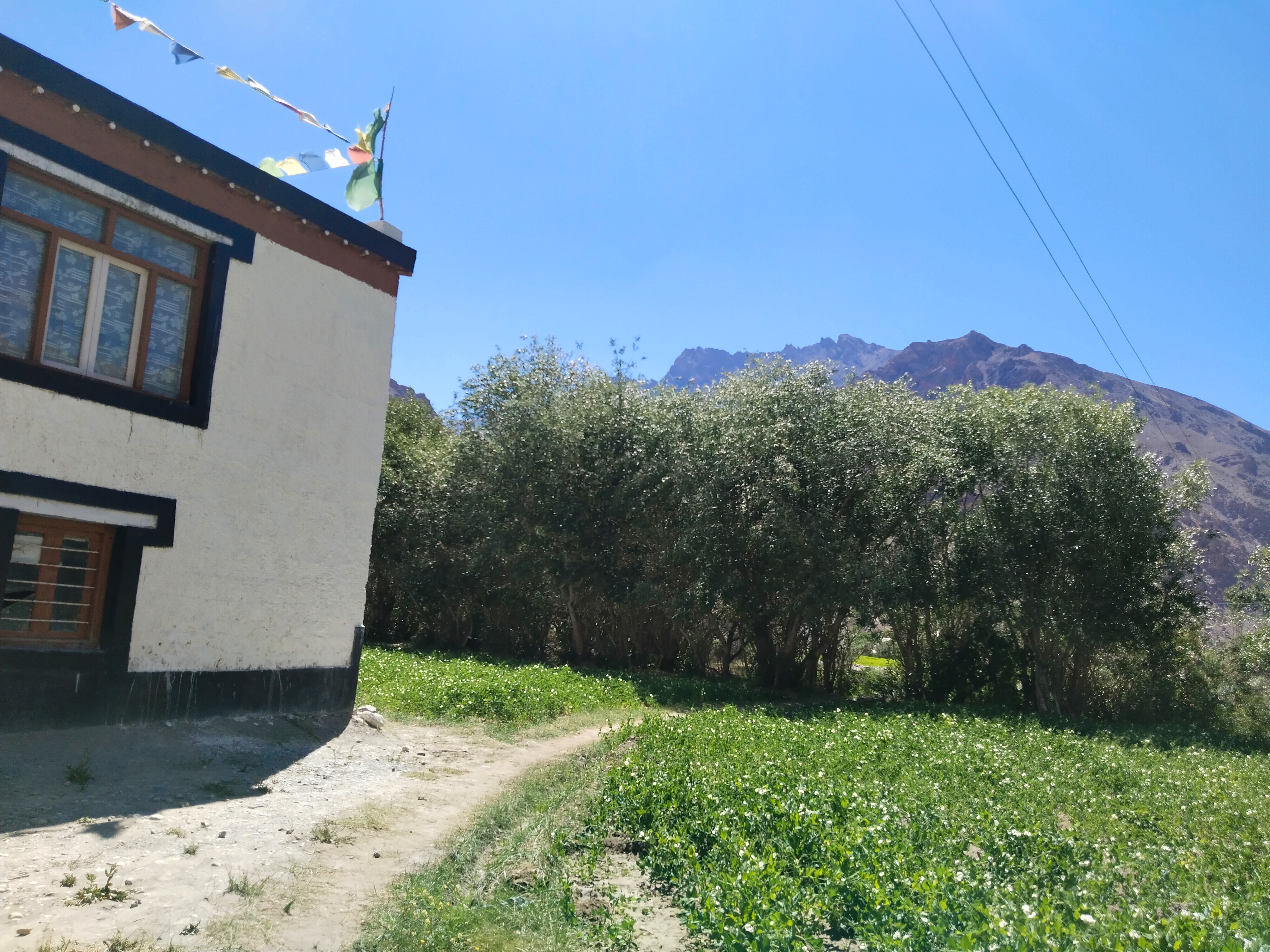
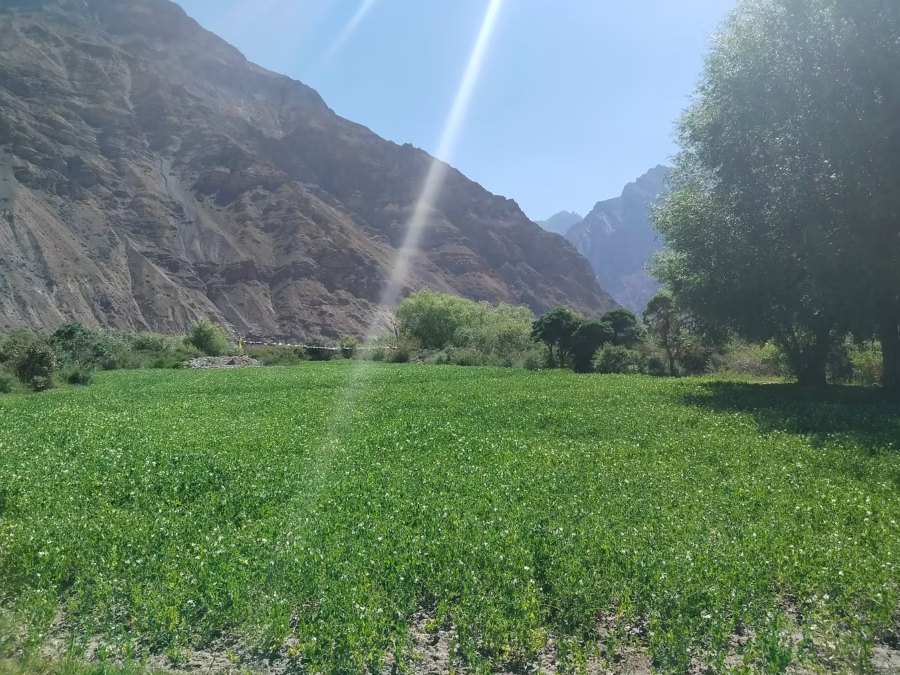
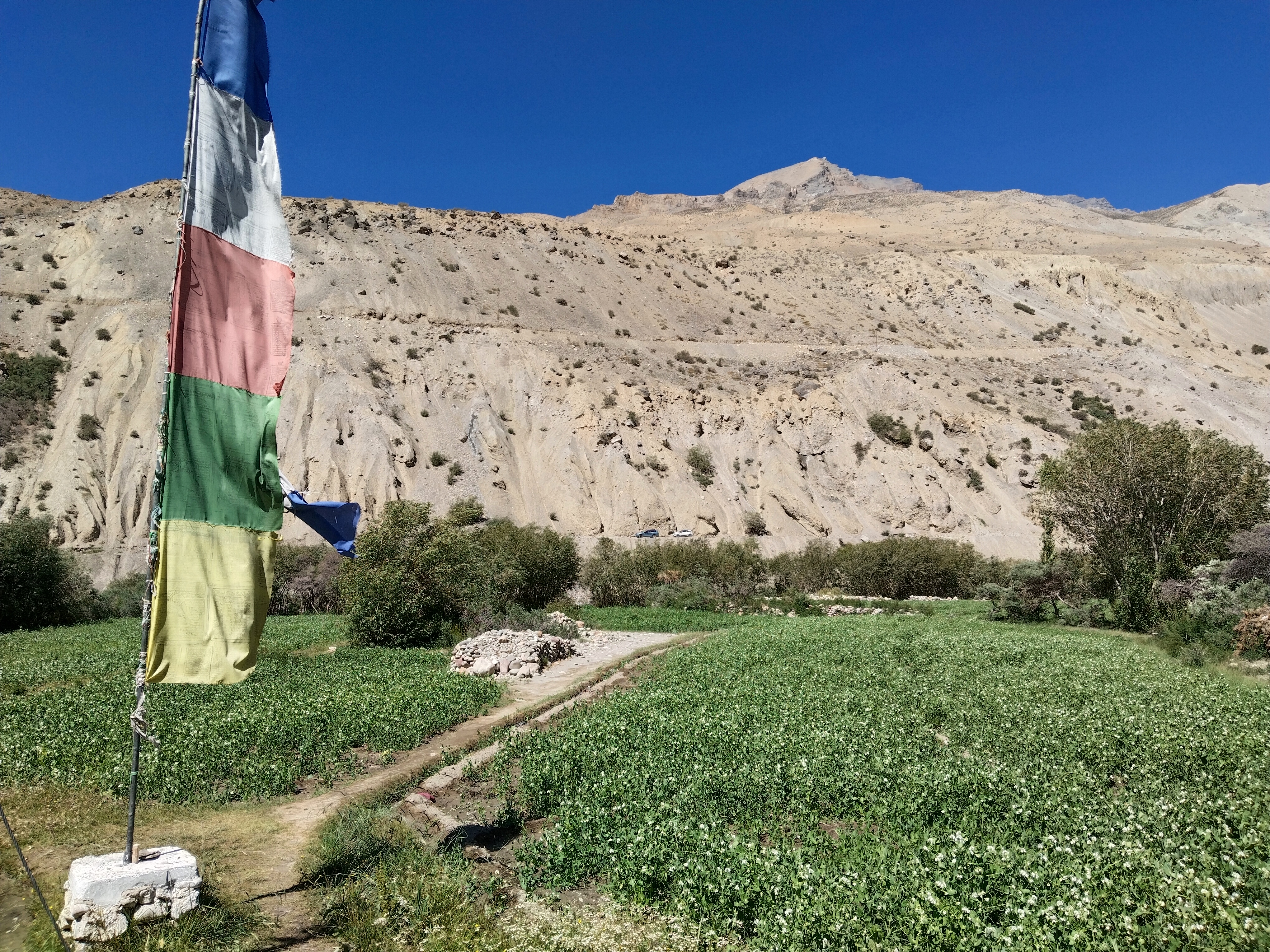
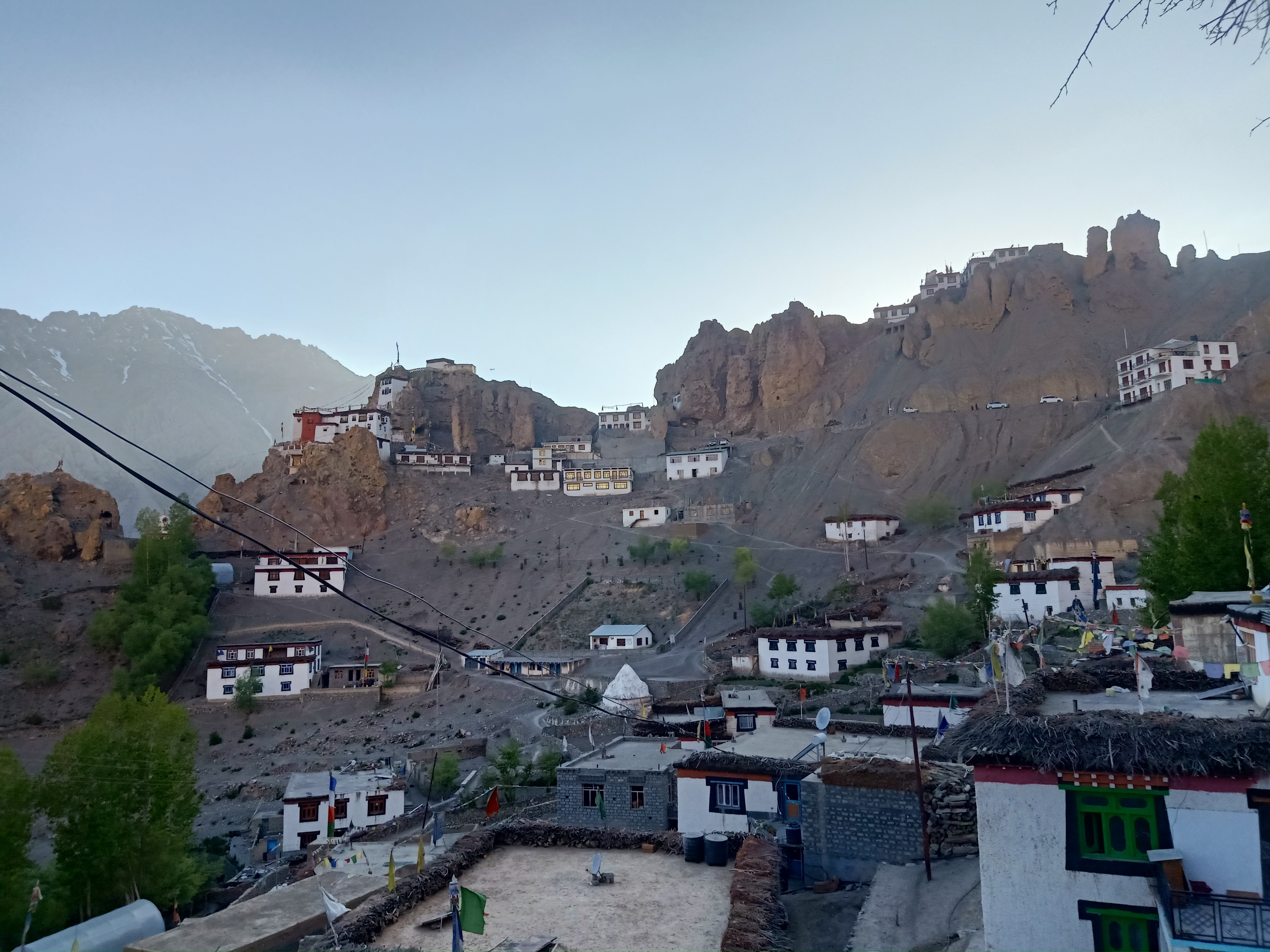
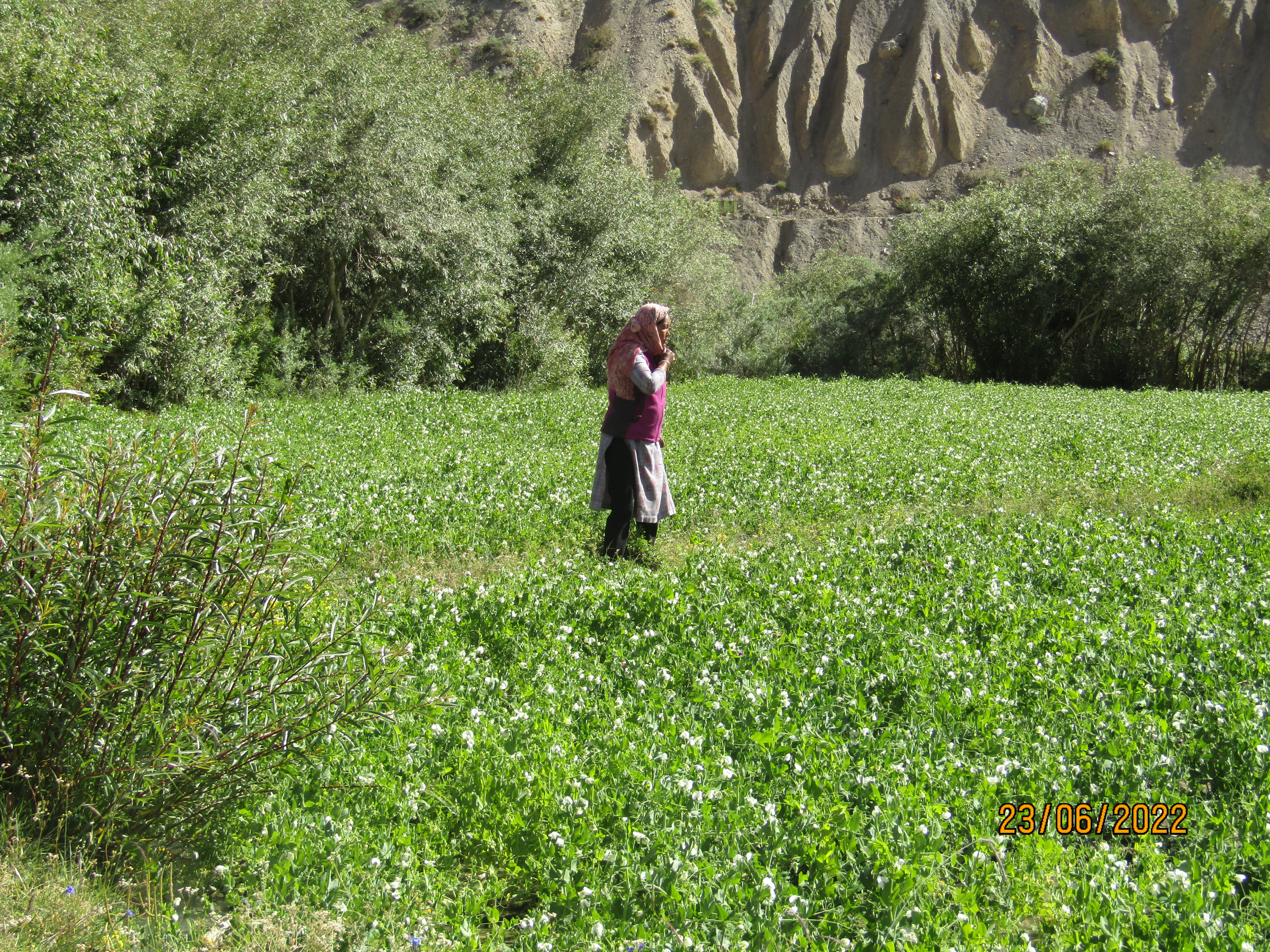
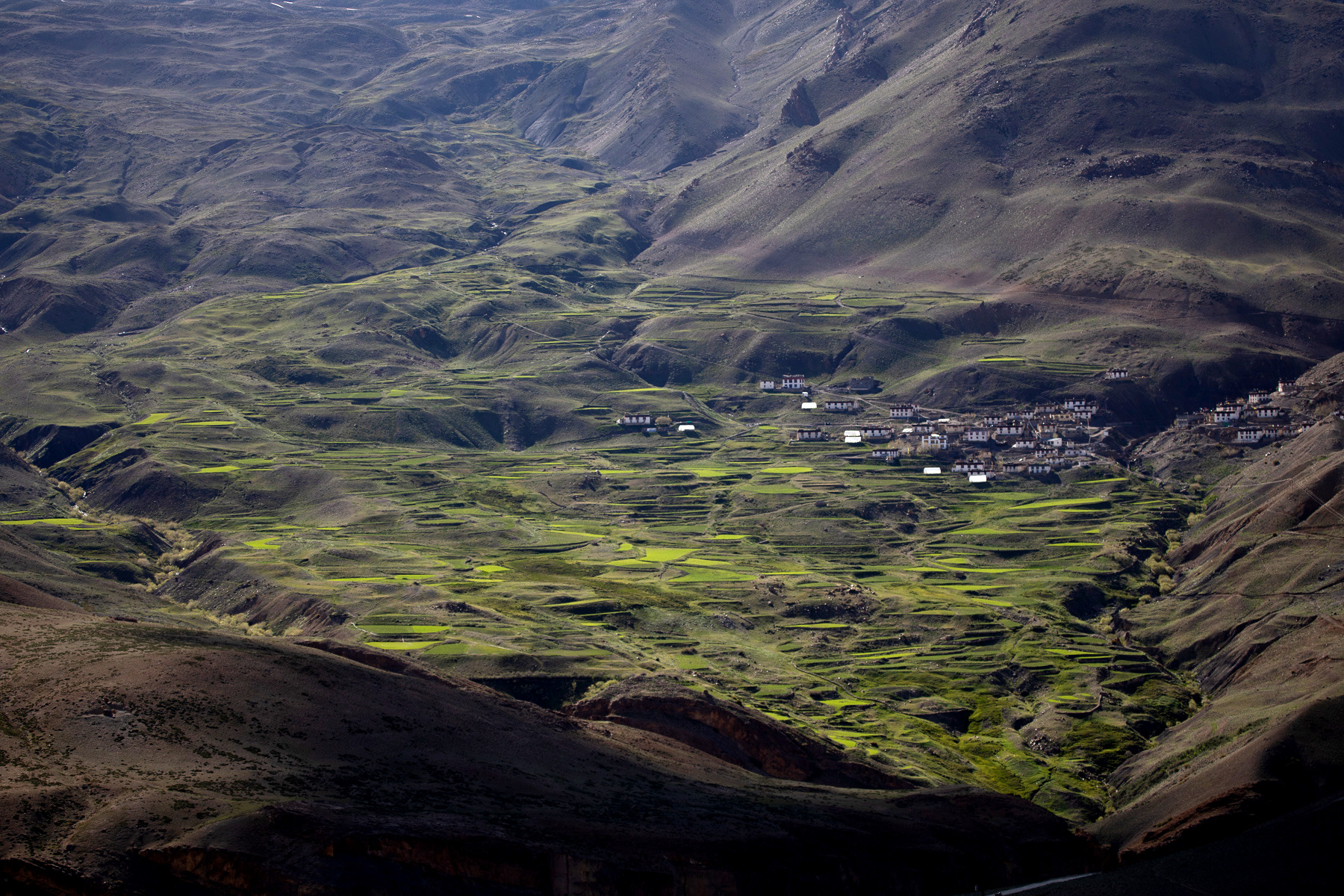
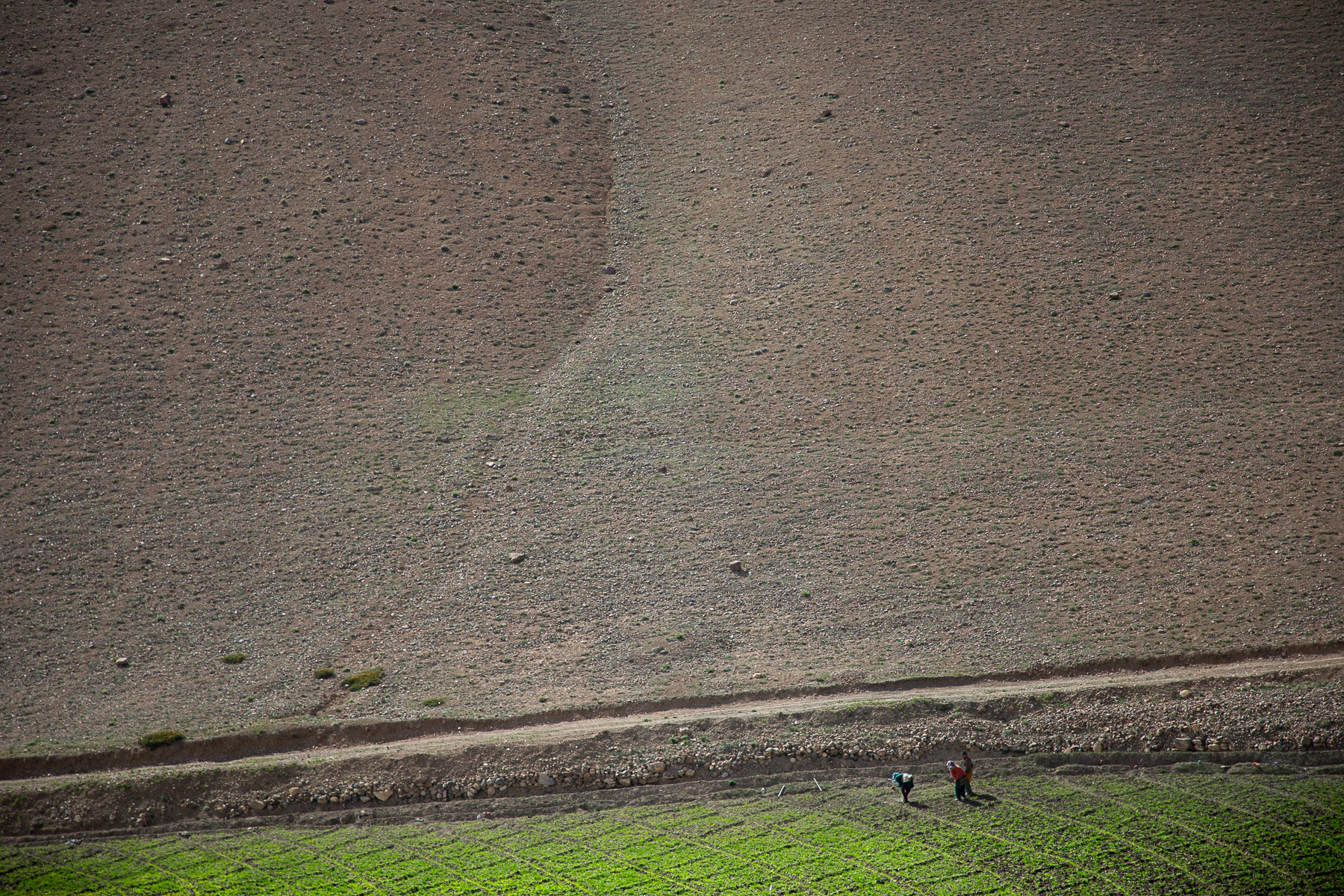
I hail from Gumrang – a small rugged village in Lahaul (Himachal Pradesh). There are about 22 households and we are majorly dependent on agriculture. Farming along with livestock husbandry and agro-pastoralism has been traditional livelihood for locals here but there has been significant changes in since last decade. I have been farming for over the last 17 years, I have seen how much has changed in the valley in terms of food sustenance, practices around agriculture and resource usage.

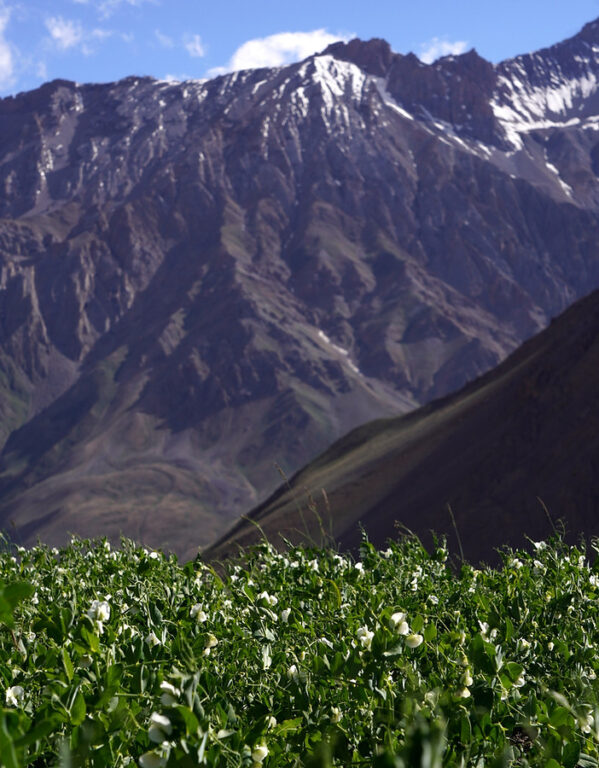
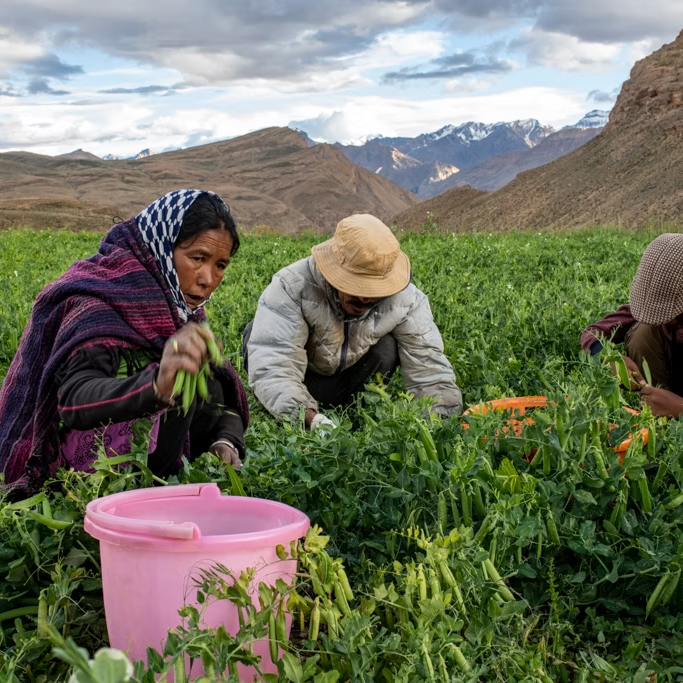
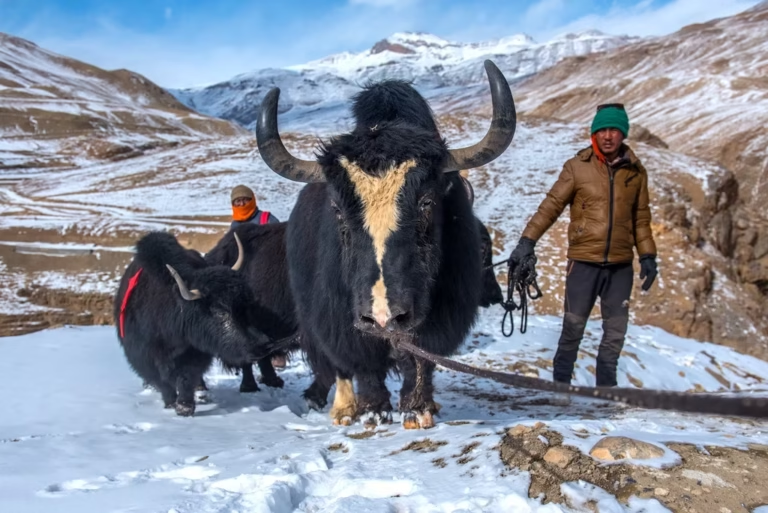
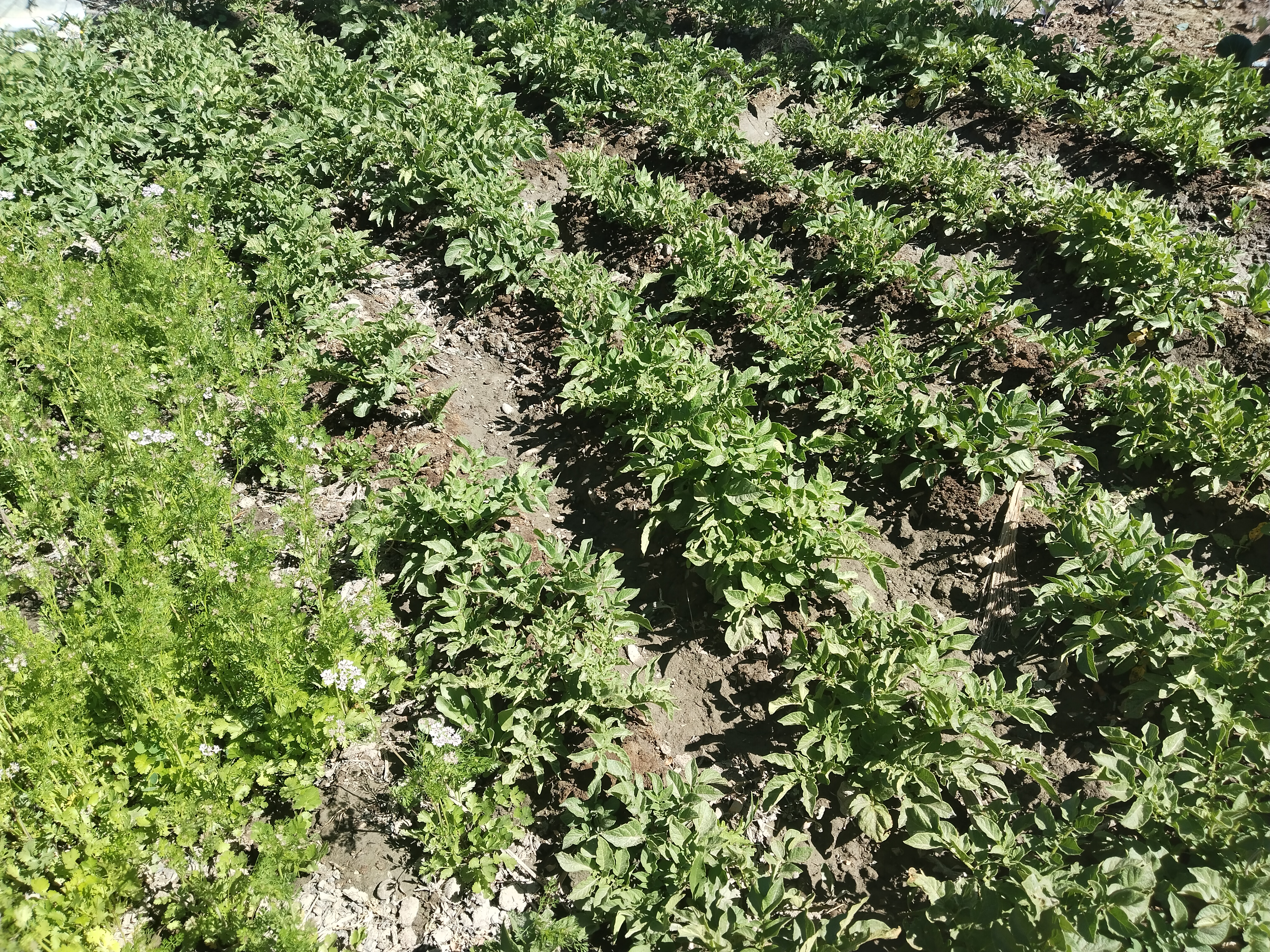
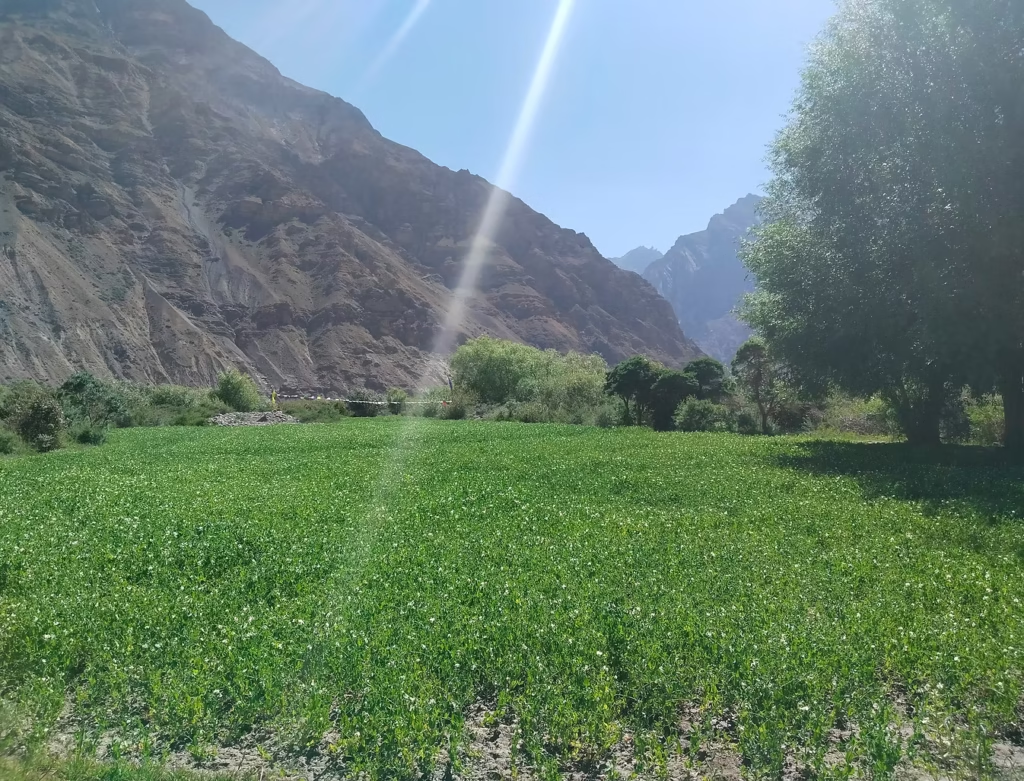
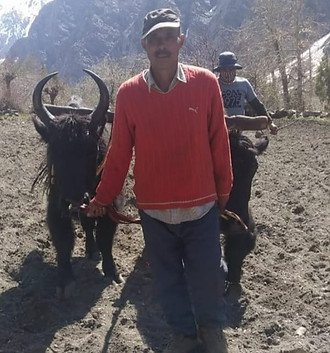
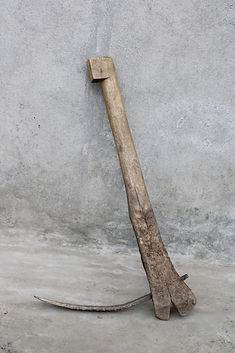
I remember, when I was young, we used Yak and bulls to plough our fields. Traditional methods of ploughing like this required at-least two men and yaks to complete the task but we have gradually shifted to machinery to get the work done single handedly. About 30-40 years ago, we would cultivate Kaatu/Kathu (buckwheat), Jo (barley), Kala matar (black peas) in Lahaul which is enough for our sustenance. These traditional crops are full of nutrients and are suitable for people living in high altitude landscapes. In the current economy, even with introduced cash crops like green peas, potatoes and apples, it is sometimes hard to make ends meet. One cannot fully rely on cultivation anymore, we are less resilient towards changes in weather and crop disease.
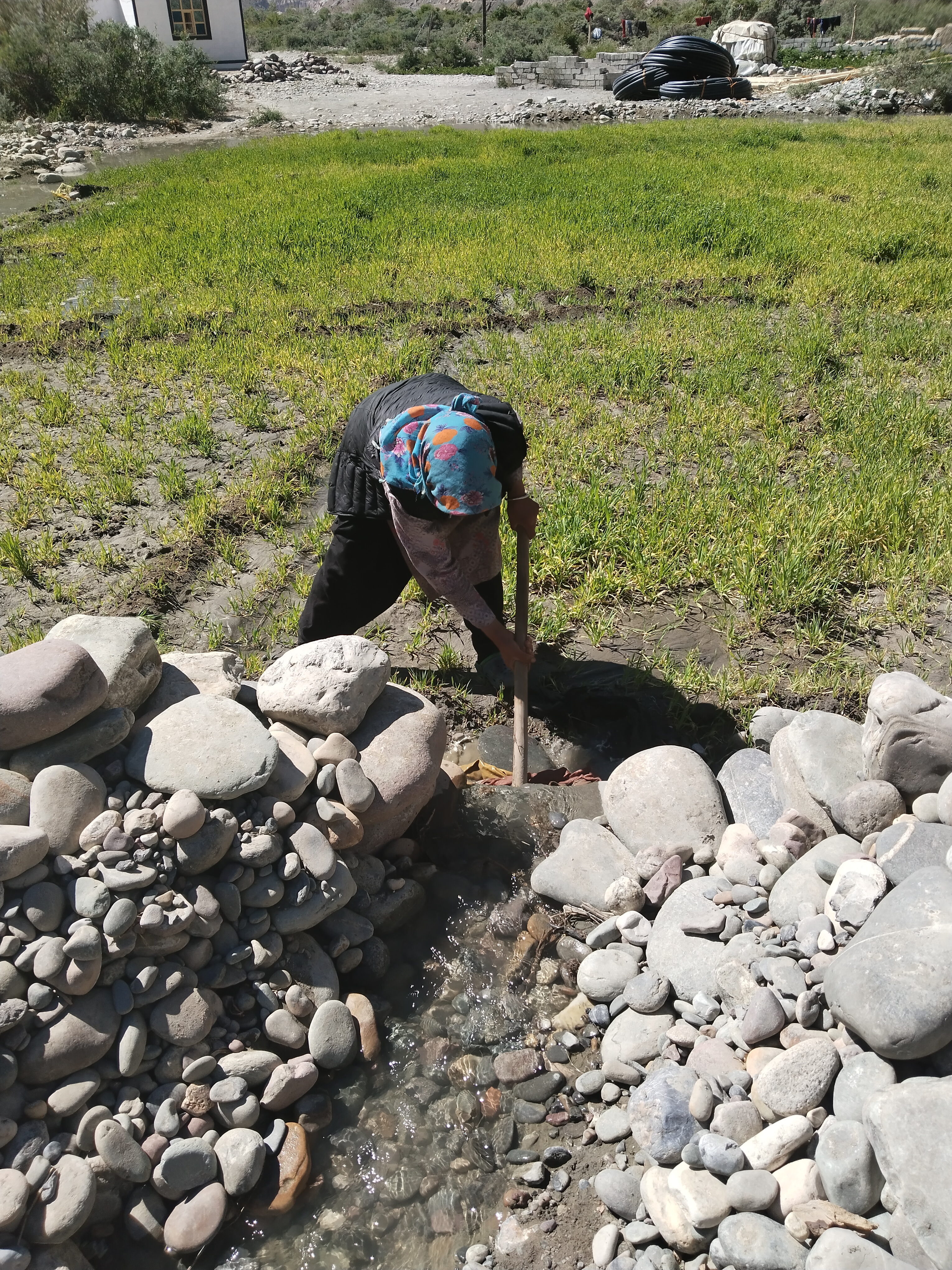
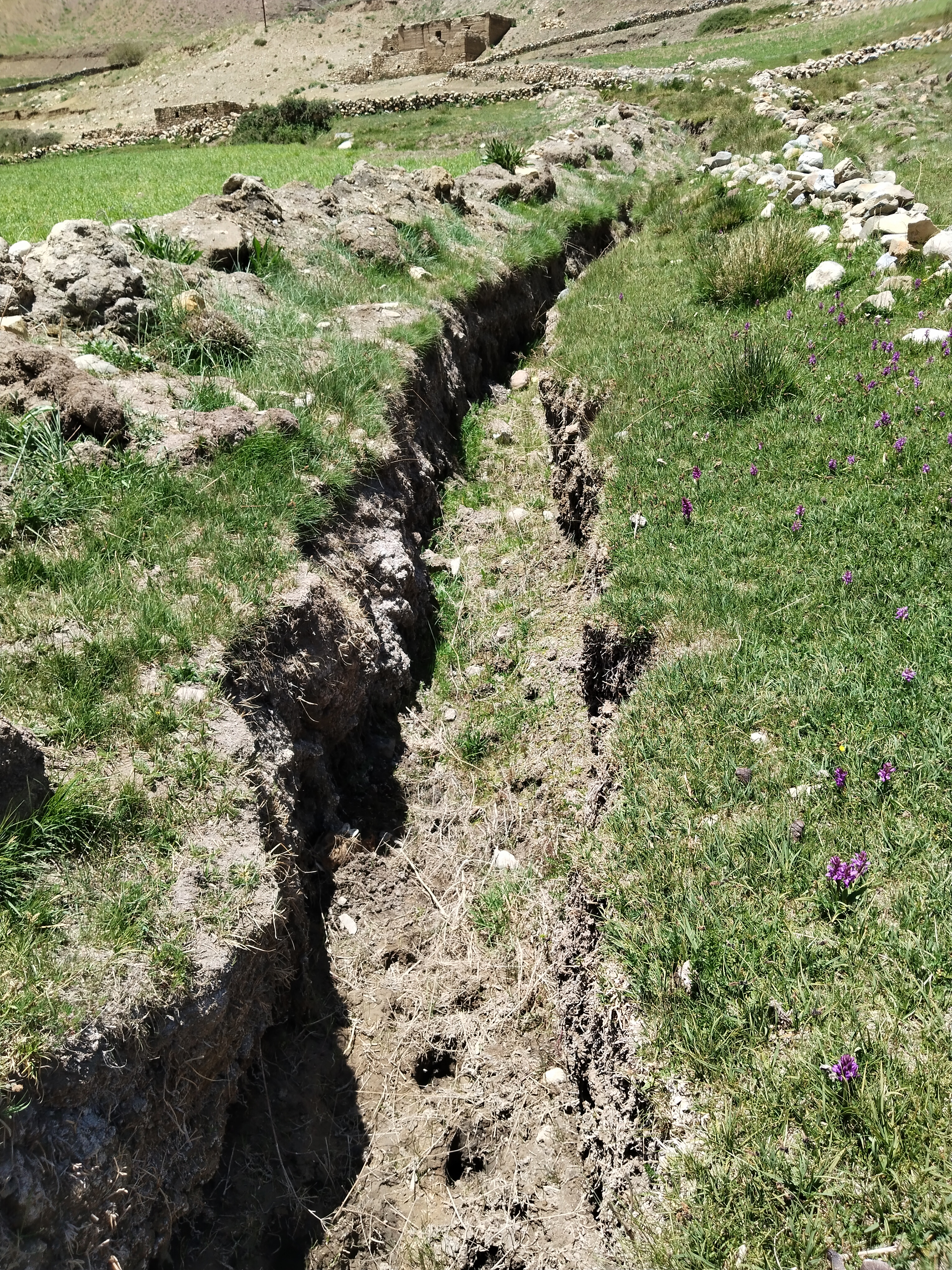
Many villages in Lahaul are dependent on snow fed glaciers and springs for water resources. People wait for glaciers to melt and collect in water reservoirs before it is channelled for various purposes. In older days when the water was abundant, we could make water channels by our hands and get the water to the fields. Irrigation was done through hand-made Kuls (canals) and the water was distributed among different households on a rotational basis. However, due to change in weather patterns and growing need, the glacial water melt is a scarce resource and sometimes there is also a need to pump it up from the river. The general access for water and irrigation has become more convenient with the use of drip and sprinklers in the fields but at the same time, many of the natural water sources like springs are drying up and there’s less water in our Kuls now. Sprinklers and drip irrigation seem to consume less water but I realized our crops require frequent watering (2-3 times a week) as the water is not able to penetrate deeply in soil.

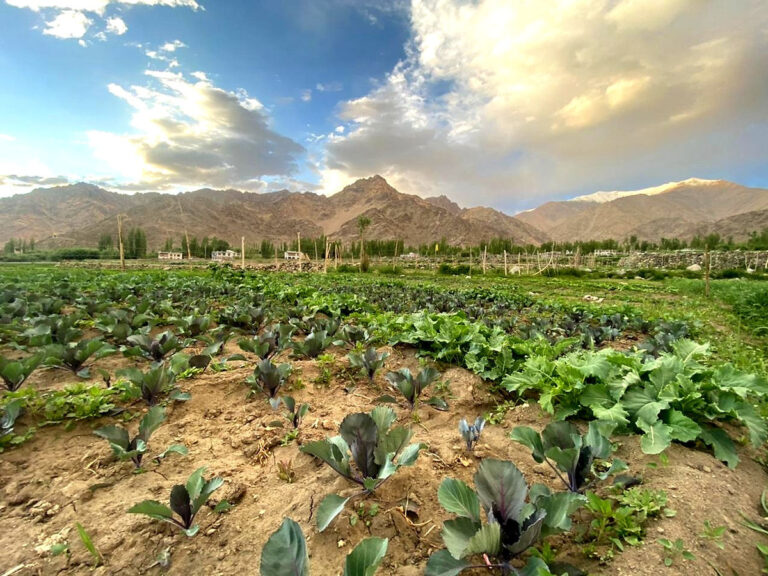
Years ago, each household had 40-60 livestock which was a good source of manure to the fields. Many families now have sold their livestock and now it’s hard to find any cattle in the villages. Due to this, the access to manure also reduced and the fields produced less. Cash crops like green peas, cabbages and the cultivation of exotic vegetables like broccoli which is increasingly becoming more dominant in the valley require more tending. The families then opted to supplement their field with urea fertiliser which caused damage. Excessive usage can deteriorate the soil quality and can lead to more pest attacks. In many cases, it also impacts the field of neighboring families who might be using organic fertilizers for the crops. I hope we, as a community, become more sensitive to these changes and be mindful of long term sustainability of our land and resources.
880 587 Chhering Gaaji
The sun returns home for the mother bird
Photo: Stanzin Dorjai (Gya)

The sun returns home for the mother bird

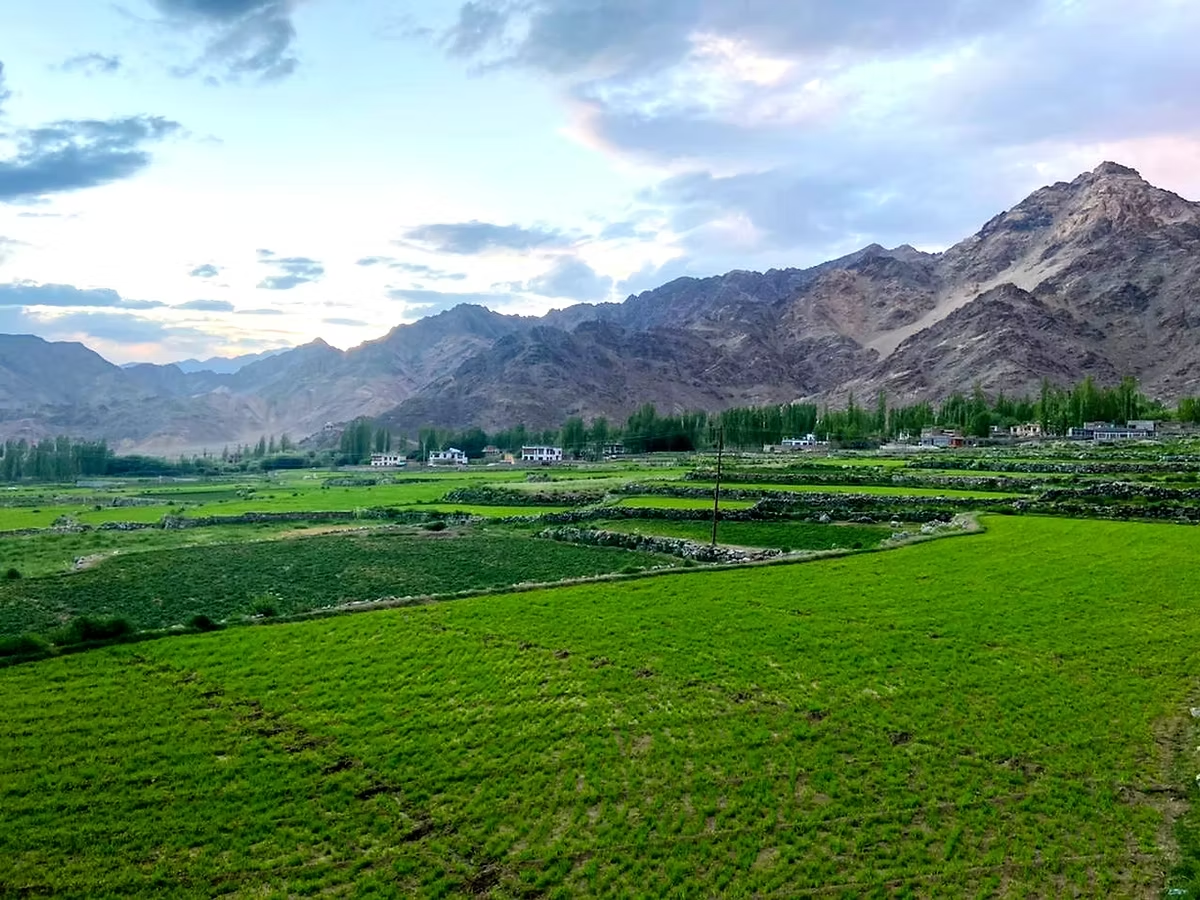
Spiti Valley has a remarkable ancient agricultural heritage that has sustained several thousand people in the remotest corner of high and arid Western Himalayas—one of the most inhospitable and climate-sensitive regions in the world—for more than a thousand years. The enduring sustainability of agriculture in Spiti Valley rests with its farming calendar.  The calendar uses stories, evocative names for months, and traditional knowledge to guide the timing of local farming activities according to the unique natural rhythms of “Spiti, the Valley of Gods” (Piti Lhayi Lungpa).

The natural rhythms of Spiti Valley are captured in Spiti’s calendar with unique timing and names of months, which are different even from neighbouring Tibetan Buddhist regions of Ladakh and Kinnaur.  In addition to local timing and names of months explained below, the calendar is used with other local and Indigenous practices of telling time. For example, Spiti farmers mark sunrise and sunset over stone cairn markers atop high mountains and note shadow lines on mountainsides to identify important days and times, such as the solstices and equinoxes. Farmers also use their observations of colours, sounds, and rhythms of local plants and animals to tell time, such as observations of brightness and colour of the sky when birds sing at dawn.

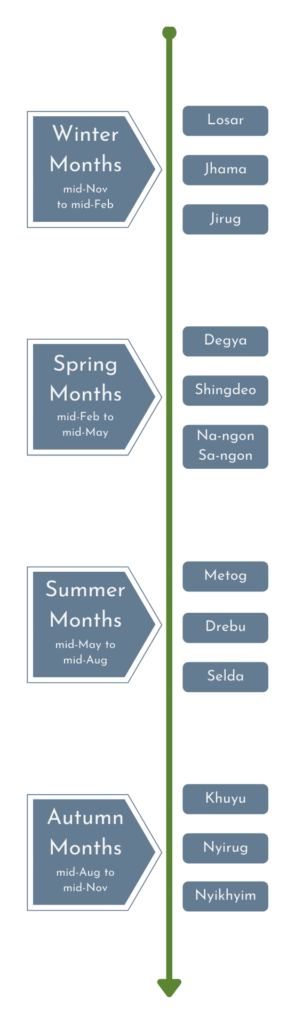
Winter Months 

For Spiti farmers, the year begins early in winter with rest and celebration after a hard year of work in the field.  The first month is called Losar or “New Year” and is celebrated three months before the Tibetan new year.  Losar is celebrated early in Spiti, usually around mid-November of the Gregorian calendar, because the valley, including the villages and pathways, will soon get covered under layers of snow for months.  The timing is ideal for Spiti farmers who have customarily completed all essential seasonal livelihood activities, and are now ready to turn their attention to the important family, communal, and religious gatherings of the Losar month.

Photo: Prasenjeet Yadav

The second month is called Jhama or “Mother Bird.” The bird here is Gharog or raven.  Raven is a bird of augury and protection in ancient Spiti and Tibetan beliefs, like in many cultures around the world.  It is said that once upon a time the divine bird, Gharog (raven), was unable to hatch chicks from eggs despite its many attempts because its body was excessively warm for incubation.

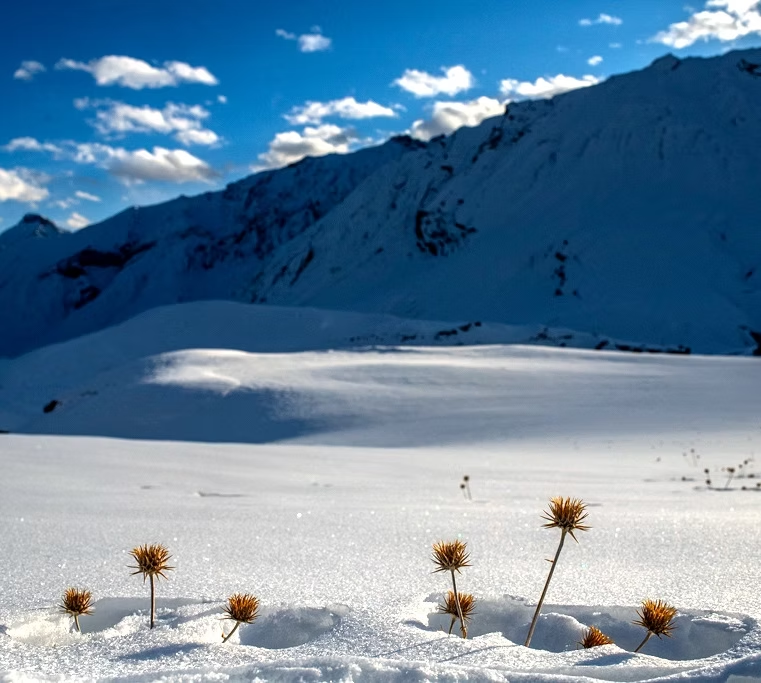
Devastated by this failure, the raven prayed that it would be able to hatch chicks from golden eggs during the coldest winter months. That is the reason ravens prepare their nest on a mountain cliff during the second winter month and the month is named Jhama. There is a local saying that describes Spiti’s coldest winter months: “Jhama Jhama zerna Jirug a-chu-chu.”  This saying suggests one shouldn’t complain about Jhama’s cold weather because Jirug, the following month, is even colder.

The coldest winter month is called Jirug or “Baby Bird” because it is the time when ravens lay eggs and hatch their baby birds. References to divine birds are common in Tibetan calendars. For example, the 2008-09 farming almanac of the nearby region of Kinnaur notes the following during Spiti’s Jirug month: “the divine bird has completed 30 days, if this is followed by snowfall, the divine bird will lay golden eggs, and there will be bountiful agro-pastoralism in Tibet.” It is also important to note that Jhama and Jirug are named not only for mythological reasons but also, and more importantly, to categorize seasonal times based on timely behaviour of natural environment. Researchers, for example, have found that common raven egg-laying and brooding behaviour begins in February, which comes during Jirug month.

Spring Months

The first spring month is called Degya (‘de rgya), which means to “soak in the Sun’s energy” as days become warmer and longer with the spring equinox. As snow cover begins to melt and days become brighter, blue sheep and ibex nibble on dormant plants on distant mountains, often under the lurking eyes of hungry snow leopards.  The month is named after the Sun’s warming energy during this month because it is crucial for melting the snow from the fields so that farmers can start Spiti’s short growing season early next month.

Photo: Dr. Tashi Tsering

The second spring month is Shingdeo (zhing ‘debs) or “cultivate the fields.” On the chosen auspicious day of the month, the farmers gather a few loose rocks on their fields, between which they burn juniper leaves to make smoke offerings. This is followed by offerings of libation drink carefully wrapped in a white scarf and marked symbolically with a dab of butter called yar. Yar-butter is marked on the foreheads of people, on horns of the yaks, and on the ploughs. And all through the ploughing period, the ploughman sings songs and prayers which may guide the yaks to turn, stop, or continue ploughing, or pray for absolution of sins that may come from harming insects and bugs in the process of ploughing.

Photo: Deepshikha Sharma

Spiti comes alive in bright colours during the final spring month of Na-ngon Sa-ngon, which means “blue skies blue earth.” This name invokes the beauty of lush green fields under bright blue skies.  Yaks graze freely on the mountains for the rest of the year until winter snowfall to produce the main source of energy for the village economy: dung for fuel and manure.  During this month, farmers count and wait forty days from seeding to first watering, guided by traditional knowledge, to ensure ideal conditions for seed germination in local soil, water, and weather conditions. Then expert women farmers do the first “mother watering” or Yurma, with Tirping, an irrigation tool made of blue sheep horns that ensures greener crops.

Summer Months

The young, irrigated crops begin to flower in early summer which is why the first summer month is called Metog or “flower”. Metog is indeed a flowering month as all kinds of flowers bloom throughout the valley during this time. The second watering called Rhakti or “watering the sun-burned” plants happens during this month. Farmers allow ten days to pass between the first and the second watering, making young crops dry and sun-burned. This practice teaches the young crops the value of the nourishing powers of scarce water, making them absorb more water in the future. These farming practices follow stringent customs based on the calendar, such as the yearly “ban on the use of sickle” or ban on cutting plants from summer solstice (June 21) until harvest season to ensure maximum plant biomass growth on Spiti’s arid landscape.

Photo: Prasenjeet Yadav

By mid-summer, the farmers’ labor bear fruit as grains begin to grow on the barley ears. This is the reason the mid-summer month is called Drebu or fruition of one’s labor. Farmers wait for the grains to become ripe for harvest next month. As tufts of bristles grow on barley ears, farmers irrigate the fields with a special technique called Kirchuyi. Now watering is done after carefully preparing irrigation channels and sluices in such a way that water will flow to all parts of the field by itself after it is released from the main sluice of the field. Another name for this convenient method is Minchu or seed-ripening water.

The last summer month is called Selda or “harvest month.” Unlike new commercial crops, traditional crops like barley are harvested methodically according to ancient customs. After the crops are cut, the sheaves are laid out in the field in neat rectangle-shaped patches to cover the barley ears from drying under direct sunlight. It is only when the crop sheaves are brought to the threshing ground that the ears are exposed to the sun for drying. The importance of observing this practice is told in the story of Jhojho Druguma.

Photo: Prasenjeet Yadav

Jhojho Druguma was a rich woman who did not bother to dry her barley sheaves in the proper manner. As a result, the ears and grains became too dry, and they fell off when the sheaves were carried from the field to the threshing ground. That is why, to Spiti farmers, the stars of the Milky Way are spread out the way they are so spectacularly over Spiti’s night skies. The stars of the Milky Way are Jhojho Druguma’s grains that fell on her way to the threshing ground.

Autumn Months

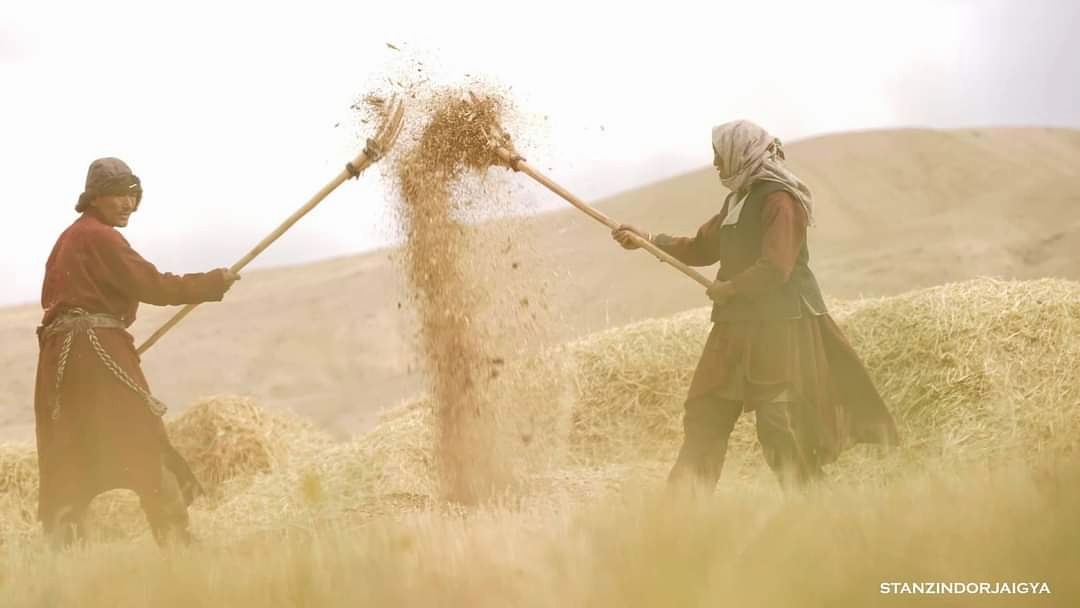
The first autumn month is named Khuyu. Khuyu is the Spiti word for circular threshing that is done to separate the grains from the husks. The process involves tethering yaks and other animals to a sturdy central pole and making the animals trample over harvested crops in a circular fashion. When the animals go round and round, tromping the husks and the grains, farmers use wooden pitchforks (zar) to mix, push or spread the husks so that the grains are properly separated. The whole process is blessed with Khuyu songs that can be heard from distant corners of villages.

The penultimate month is called Nyirug. “Nyi” is a short for Nyima or the Sun. “Rug” means to gather, specifically to gather animals back home before sunset. As such, Nyirug is the month when sun sets early, and days become shorter when farmers gather their horses and yaks back from the mountains in preparation of the oncoming long and cold winters. Farmers also follow stringent customs to ensure that there is enough winter stock of barley flour, dung, and fodder in their households during this month.

The last month is called Nyikhyim, which refers to the twelve zodiac houses of the sun in Tibetan astrology. “Nyi” means sun and “khyim” means house or home. Nyikhyim here refers to the Sun’s return home after completion of its annual cycle. For Spiti farmers, however, the Sun returns home to fulfil the mother bird’s prayers. This is expressed in the local proverb, “nyima garlog, jhama yin”. The Sun returns home so it becomes cold enough for the mother bird to arrive and hatch chicks. As such, the story of mother bird comes to a full circle at the end of the year along with the sun’s annual return home, while in anticipation of “Spiti’s deep cold winters when even yak-horns crack into pieces.”

In sum, the farmers of Spiti Valley practice a calendar that integrates local economy and ecology into a cosmic unity filled with wonderful stories and ancient wisdom that is perhaps more relevant today than it ever was.

1080 608 Dr. Tashi Tsering
Celebration of Churs-pon
Saboo village | Photo: Dawa Dolma

Celebration of Churs-pon

I was a young girl when I first visited Saboo. It was a school picnic and the lush green beauty of Saboo mesmerised me. Having been born and brought up in Choglamsar – a suburb of Leh, filled with overcrowded concrete buildings with sparse vegetation, I assumed all villages in Ladakh to be dull, dusty and barren. So finding a green patch of land was unbelievable. My interest in Ladakh renewed in my early twenties when I first started exploring lesser known places and experiencing its unique socio-cultural practices that sustained life in the region.

Within a few kilometers outside of Leh, one can start to observe the changes in the land-use. Saboo (Sa-phuk in Tibetan), traditionally referring to an inner grassland near mountain foothills, has abundant water resources and greenery. There is relatively less influence of tourism and people still practice traditional agriculture solely dependent on Gang-chu (glacial water melt) and Chu-mig (natural springs). Due to its proximity to glacial water melt, the area supports healthy mountain grassland and diverse agricultural fields. But the main difference between Leh and Saboo is deeper than mere land use. The rural lands in Ladakh are governed by local traditional systems and customs which are truly rooted in the reality of people living there. These governance practices are highly visible in case of village resource management and are as effective as any other form of governance. Although the nearby town has grown multifold in the past few decades, nothing much has changed in Saboo, which is still a village of 500 households. One such fascinating tradition that has stood the test of time is a local custom of electing a water leader in their village. Water leader is the one who is responsible for governing water resources. In my curiosity to know more about water management, I spoke to a local farmer who shared with me the story of Churs-pon.
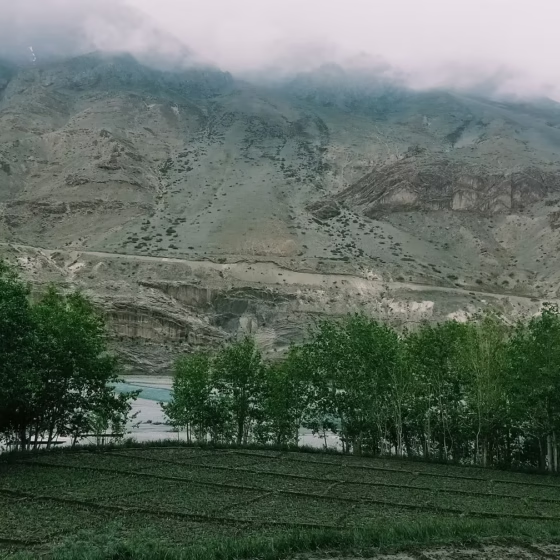
Photo: Dawa Dolma

Water is the most precious resource and the election of Churs-pon is an indispensable part of the traditional festival in this village. “Chu” means water and “pon” means leader. Churs-pon therefore is a unique water management system which ensures local governance, maintenance and distribution of water resources. Located at the high altitude, cold arid zone with a short cultivation period people have devised local systems that maximizes their resource usage with minimal conflict. Like any social institution, churs-pon enables farming communities in Saboo to judiciously use their land, water resources and enjoy greater prosperity. Churs-pon are annually appointed at the beginning of the agricultural season and Saboo being predominantly an agricultural society, the election of churs-pon is quite an important tradition in the region.

Historically, villagers unanimously elected a well respected man in the community who had rigorous knowledge of customary duties, rights and responsibilities around water management. Now, Churs-pon is appointed rotationally. The selection process differs in each village but in Saboo, the day is marked with auspicious ceremonies and prayers. Venerable lamas are consulted for an auspicious date and communal meetings are held. It is no less than any other cultural affair and locals host a festival called “sa-phak” which celebrates the selection process of churs-pon. Water being a crucial resource, there’s great excitement around it and at least one member of each family is present during the selection ceremony to ensure appointment of a competent leader. The two key Buddhist prayers “Tashi Tsekpa” and “Nangsa Nang-gey” are recited by monks to mark the auspicious start of farming work and bless the newly elected “churs-pon”for his work. The religious ceremony is particularly important for the rightful selection of the leader, who ethically follows all rules and regulations to ensure equitable distribution of water and harmony among farming communities. Communal prayers and holy tantric rituals like “tormas” (barley flour effigies) are offered to deities for agricultural productivity and to garner their spiritual support during the farming season.

Photo: Dawa Dolma

Traditionally, high-altitude communities have self-sufficient agricultural systems and religious ceremonies are done to invoke spiritual blessings of the local deities and to harmonize people’s relation with nature. “The tasks are overwhelming and challenging – a churs-pon has to monitor the water reservoir from five in the morning till eleven at night. Therefore, the right to churs-ponship is mostly given to male members”, says Tsering Dorjay (46) who was Saboo’s churs-pon a few years back. “Earlier we used to have 2 churs-pon but these days we have 4 as there are numerous agricultural lands and we need to ensure equitable distribution to all fields. The work has become more laborious” he concludes.

The agriculture in Ladakh is governed by a short growing season during which Gang-chu (glacial meltwater) is the most important resource. All Ladakhi villages have a community water reservoir called “zing” where glacial water melt is directly collected for irrigation. The zings are connected with water canals called “yura” which feeds water to all agricultural fields. The water is distributed based on requirements of the crops. Since food and cereal crops consume more water, it is first distributed to wheat fields, followed by green pea, barley and finally to fodder crops which are more resilient. A churs-pon is responsible for managing water distribution, irrigation turns, overseeing maintenance of zing, yura, resolving water disputes and ensuring equitable distribution of water among all families of the village without any personal bias and favoritism.

Churs-ponship of Saboo village is a classic example of how a community resource like water is effectively self-governed by villagers and is codified into distinct rules and regulations that everyone follows stringently. The lives of people are dependent on such traditional systems which are orally passed to the next generation, representing a unique community-led, self-governing system. The ethics of impartiality, equity, mutual cooperation and reciprocity are built inherently into the system. However, there’s considerable decline in the tradition of churs-pon due to alternative livelihood options like tourism and younger generations growing up without any knowledge and awareness about the local agricultural system. Mohammad Akbar, a 52 year-old churs-pon of Saboo village, painfully mulls over the loss of this beautiful tradition in his village, “it is doubtful whether the youth these days will continue with the tradition and do farming. It will be a huge loss if churs-pon becomes another lost tradition in the coming few years”. Entire agricultural practices of Saboo and other villages following this practice will fall apart if there is no churs-pon system. It is an indispensable part of people’s livelihood and forms crucial part of their identity.

1200 900 Dawa Dolma
Himalayan Agriculture
Photo: Thapasu

Himalayan Agriculture

At 14,200 ft above sea-level, surrounded by the trans Himalayan range, I was looking forward to seeing the yak, for which I had travelled from Mysore to Kibber village in Spiti during the summer of 2016. The walk from the village to the pasture was an arduous one, but I had two girls from the village Lobzang & Tenzin who were accompanying me on my quest. On our way, we crossed many agricultural fields where the villagers were growing green peas. It was unusual to see a cash-crop in such a harsh and remote region. They explained how agriculture had taken shape in the last few decades and opening up of roads and tourism brought many possibilities to these remote places. “For our own consumption, we still grow barley. Green peas are only for the outside market” they exclaimed. Barley, a cereal grain, which has been a staple in upper Himachal has been the source of nutrition especially during the long winter months when supply of any food produce is infrequent and unpredictable. However, due to lack of marketing opportunities, there is hardly any demand for it outside of Spiti. Discussion with these young girls led me to develop the idea of ‘Thapasu’.

Photo: Thapasu

Thapasu is a for-profit impact company that closely works with farmers and other collaborations at multiple levels to make agriculture nutrition-rich and accessible to all. We hope to do this by working at ground level in protecting and preserving the agriculture knowledge and the biodiversity surrounding it. Our work began in early 2016 when, with the help of a few researchers and the Government of India, we were able to start this initiative alongside two farmers – Deepak and Poonam from Kullu valley. We began by cultivating and marketing Jattoo variety of red rice. It was a huge success. Since then, Thapasu has been working with tribal farmers to produce, add-value and market various native, heirloom and wild products promoting natural and organic form of agriculture. Some of these include Barley, Seabuckthorn – a wild berry, Black-peas, Rhododendron, Rose Hips and Tartary Buckwheat. Today, approximately 3200 farmers have joined us from three districts in Himachal Pradesh (Lahaul & Spiti, Kullu, Mandi) and two districts in Karnataka (Mandya & Hassan) along with few regions in Leh, Ladakh.

Thapasu works with a ‘Farm to Store’ Model by marketing these heirloom species with the help of institutional partnerships and Government schemes. Through institutional collaboration, Thapasu also engages in building newer technologies which are then transferred to the farmers and self-help groups in converting the produce to the final product. 10% of our profit goes back into the community through various agricultural services we provide for farmers such as soil testing, land mapping, semi processing subsidies from government, skill training and new technology introductions. We are a team of eight resourceful people who bring various skills to enable this work in the Himalayas.

Photo: Thapasu

Food habits have changed drastically over the last 5-6 decades, however, the importance of saving local food systems is only becoming apparent to us in the recent past. Biodiversity is the key indicator of the health of an ecosystem. But the extinction of wild, native and heirloom food grain species may have unforeseen impacts, sometimes snowballing into the destruction of entire ecosystems. Ancient products still continue to grow in certain parts of the country specifically where climatic conditions are harsh and rough because they are able to withstand drought, fix nitrogen and survive in the harsh climatic condition. Introduced crop needs external inputs to do the same. But we are experiencing this shift where traditional crop patterns are being replaced by newer varieties of produce even in the remotest regions of the country. The best way to save the little that remains is by unlearning modern agricultural practices, re-adopting the traditional practices and building a circular system that benefits the farmer, consumer and the environment.

Why Thapasu?
Farmers growing ancient heirloom products do so mostly for self-consumption. For livelihood, however, they have to depend on introduced crops for which they may be using chemical based fertilizers and pesticides. This is harmful to the soil quality and health of the community in the long run. Thapasu ensures a market for the organically grown heirloom products and fills gaps which are prevalent in the conventional agro-marketing infrastructure.

How Thapasu works?
Any farmer/s who grows ancient heirloom products, organically, can reach out to us to help them sell their produce to the outside market. Once the quality and nutritional value of produce is assessed, we begin marketing and selling the produce as a Thapasu product. We buy a set quantity from the farmer which is mostly stored with the farmer and when we receive an order from our website (www.thapasu.com) we request the farmer to send the package to the address via India post. Bigger orders are managed by us directly.

How are farmers paid?
Farmers are paid when we buy the product from them. All the transfers are made directly to the bank account of the farmer. If the farmer does not have a bank account then the payments are made through our local champion who pays them in cash.

How much share does a farmer earn?
Of the total profits earned, up to 50% goes to the farmer as part of direct income and/or services provided by us.

Are there any other services provided by Thapasu?
Organic farmers or farmers looking to change to organic agriculture, can reach out to us for any grievances or consultation with regards to their fields or produce. In collaboration with other institutions, we also conduct regular workshops for farmers for transitioning to organic farming and skill building. We also do soil-testing, land mapping and support farmers to avail government subsidies.

How can farmers reach out to you?
You can give a call or leave a message with your name on +91 973 140 8844. You can also send an email at amshu@thapasu.com or visit our office in Manali: THAPASU Centre, #83/7, Siyal Village, Post Office Manali 175131, Kullu Dist., H.P, India.

427 320 Amshu CR
Women and water: a Photostory

Women and water: a Photostory

Last year, we did a photography workshop with women’s group in Shushuna village, Spiti Valley, who are primary caretakers and farmers in their households. After the session, we left them a camera and asked them to document their village life in addition to nurturing their photography skills. We returned a year later and they enthralled us with amazing pictures and great stories! Enjoy reading this one!

Kesang Dolker, Yangchen Dolma, Rigzen Youdon, Migmar   Dolma, Panama Dikit, Tsering Yangzom, Prabha Devi, Choddon, Dikit Dolma, Yangchen

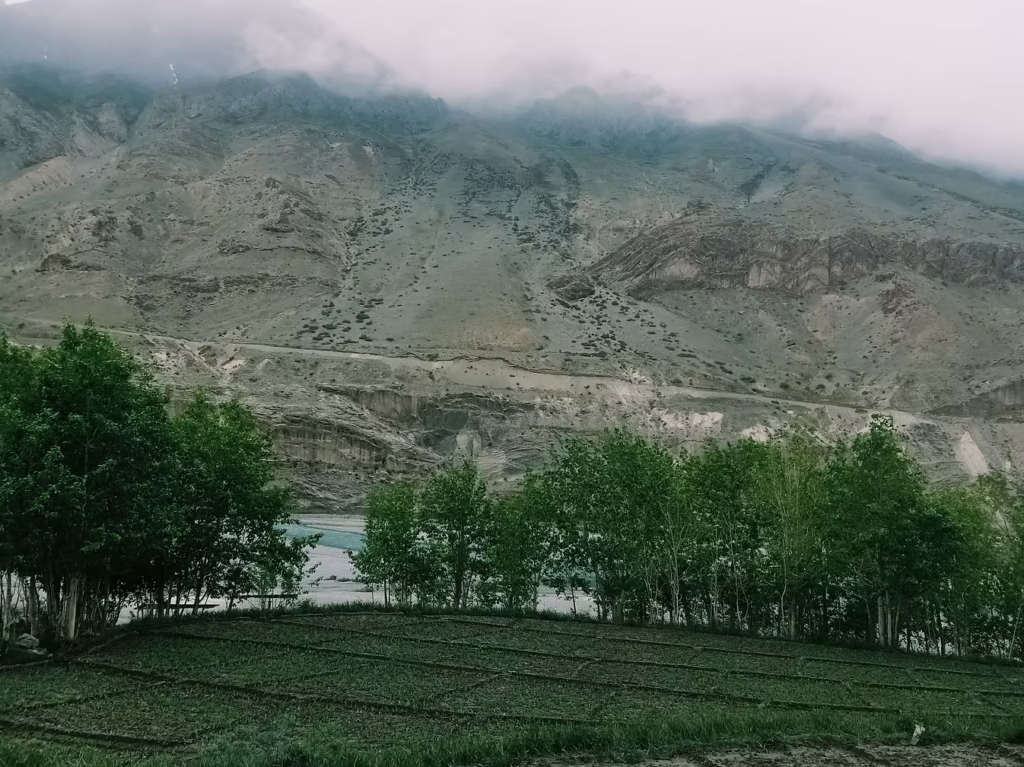
Shushuna is a quaint little hamlet in Spiti. Surrounded by high mountains, lush green fields and gushing rivulet that changes its hue from turquoise green to shades of grey.

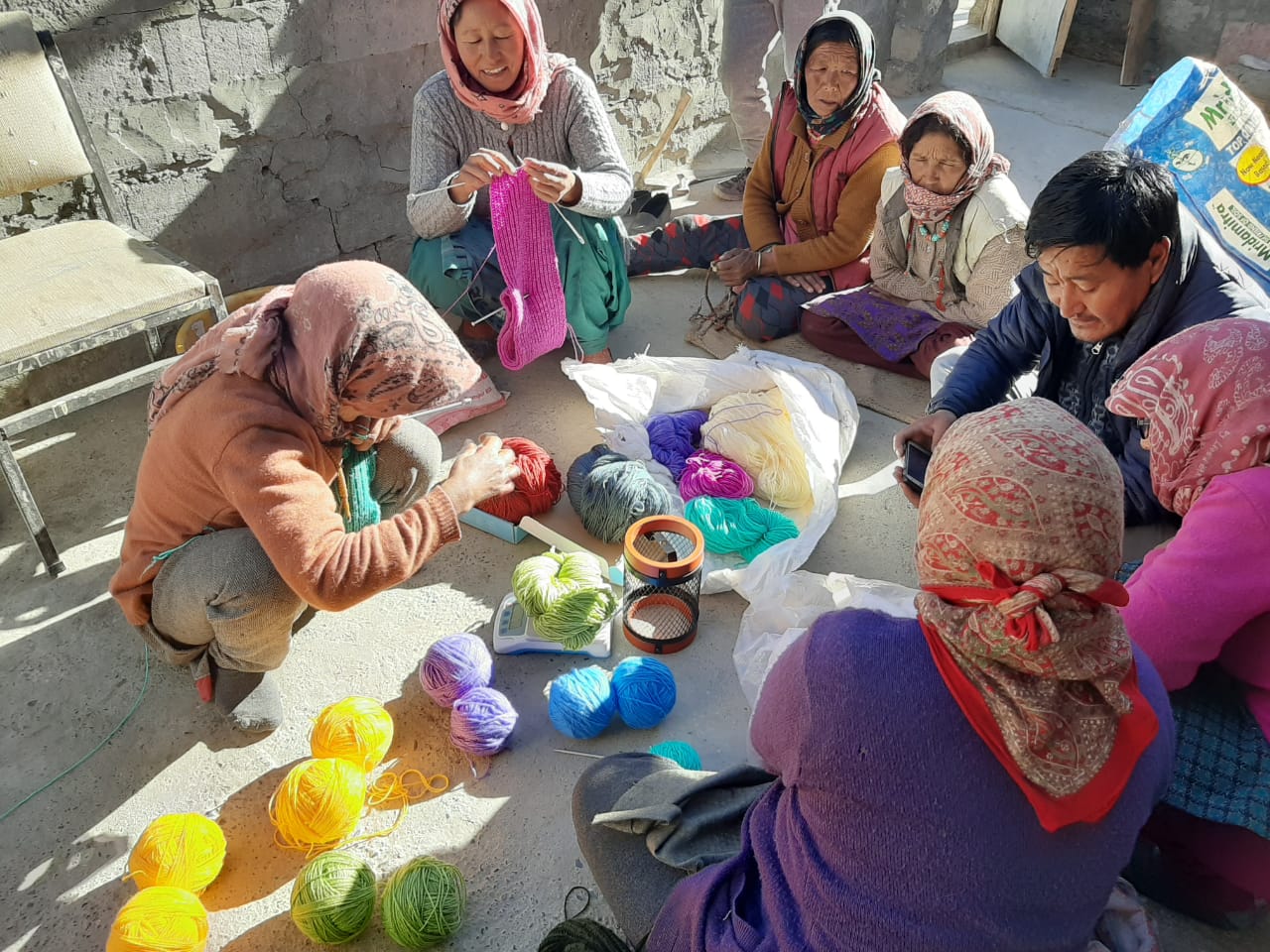
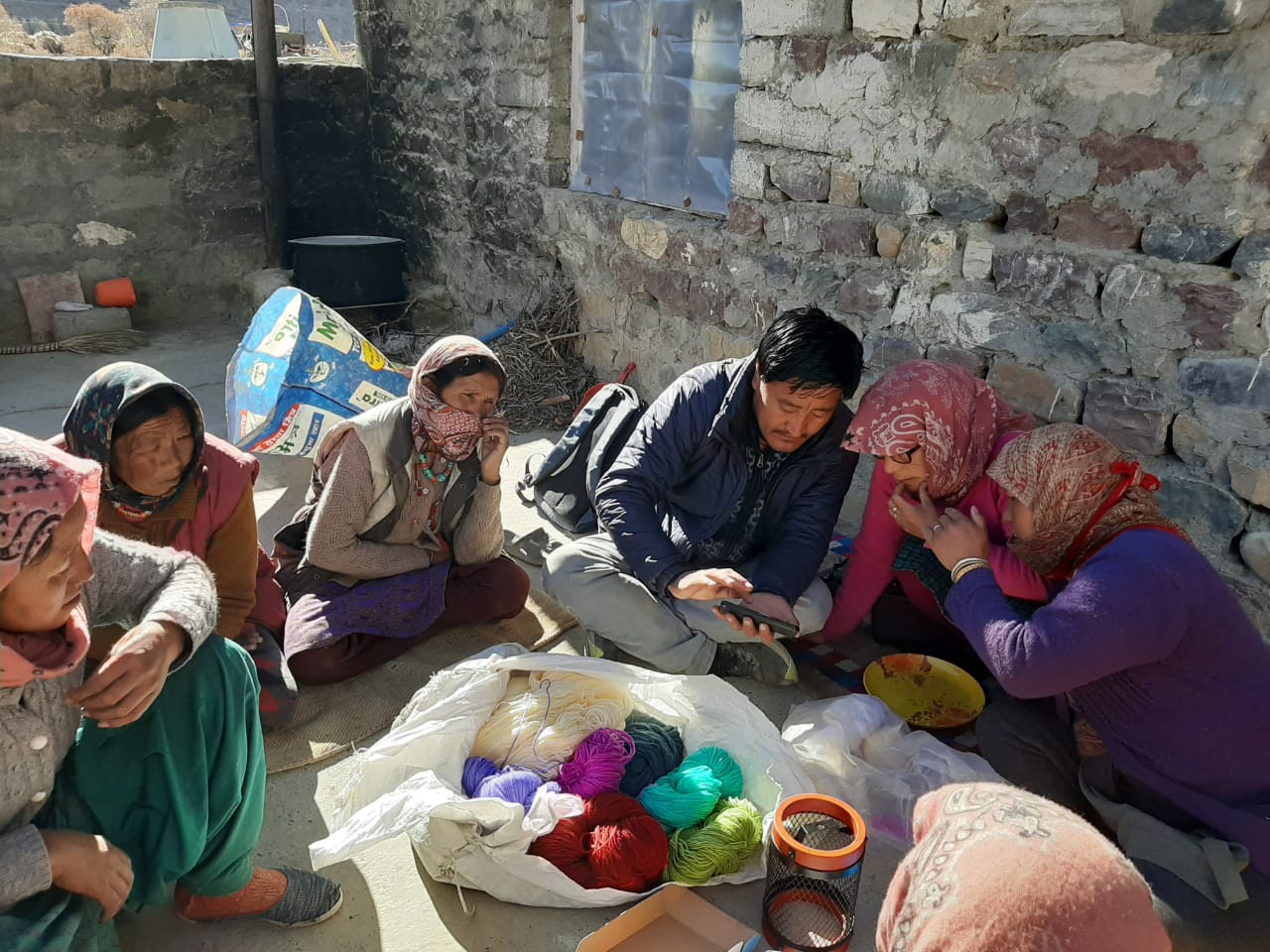
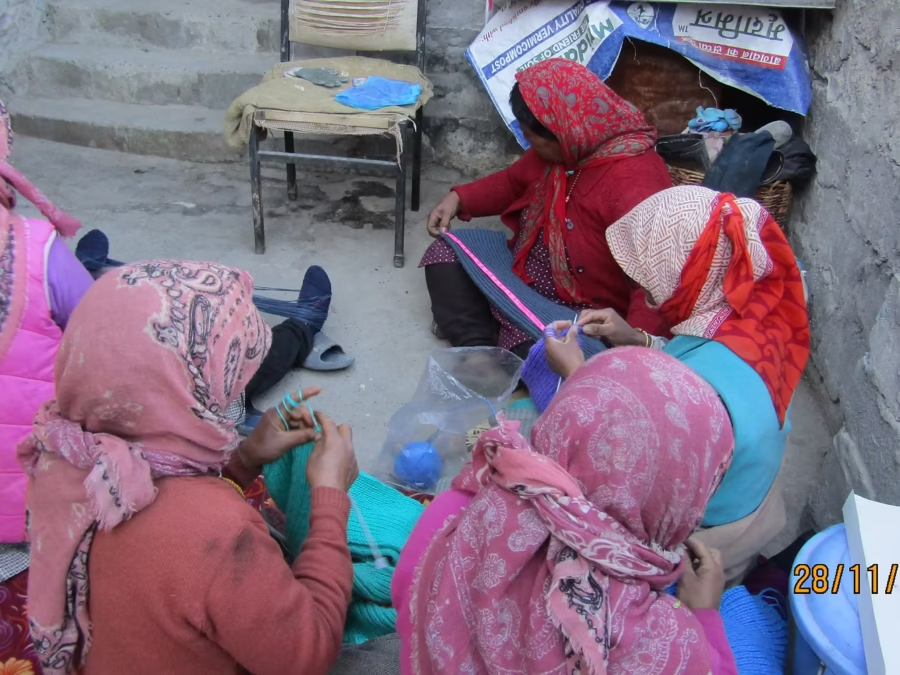
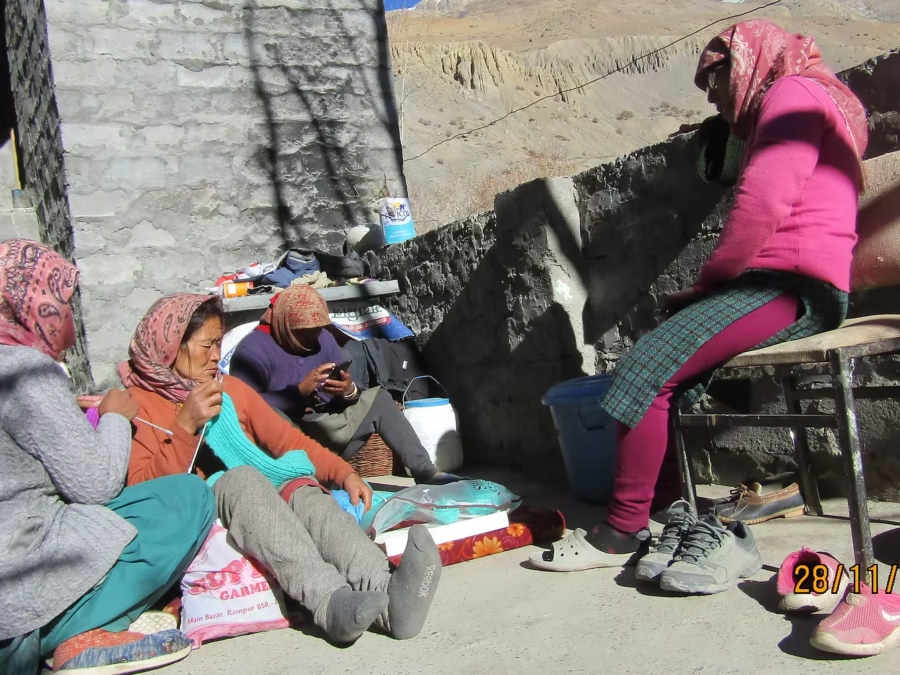
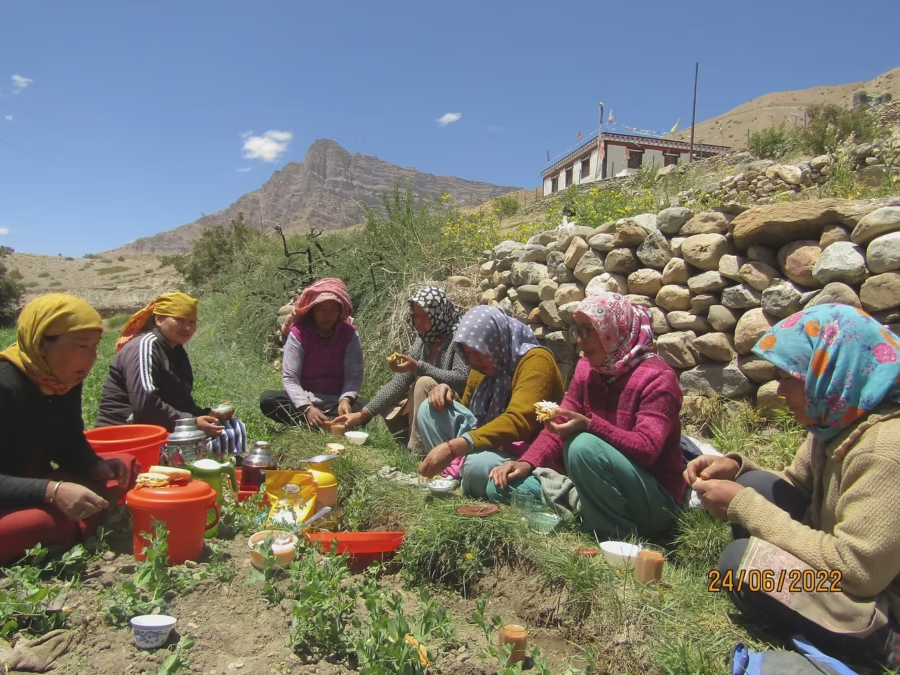
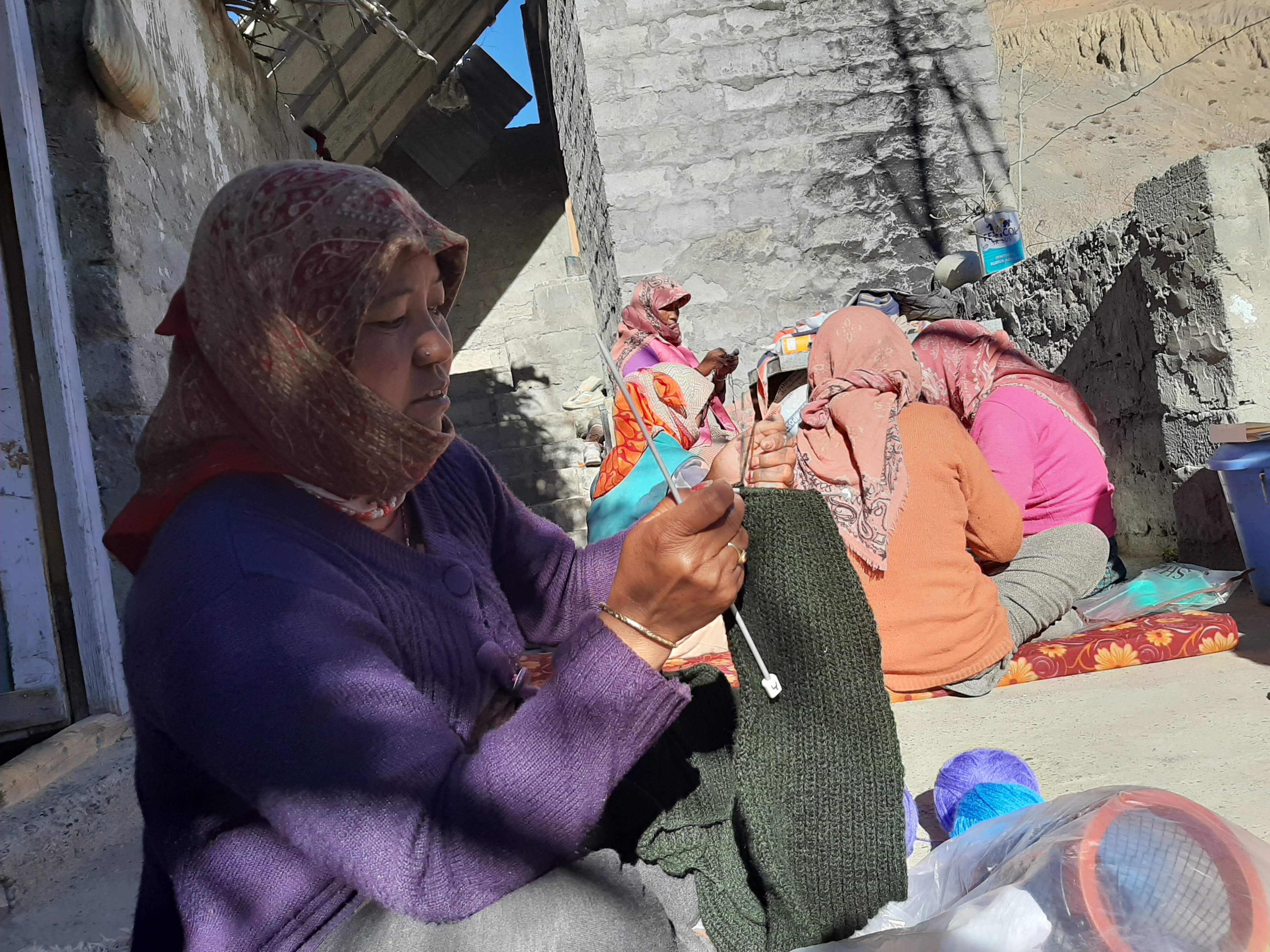
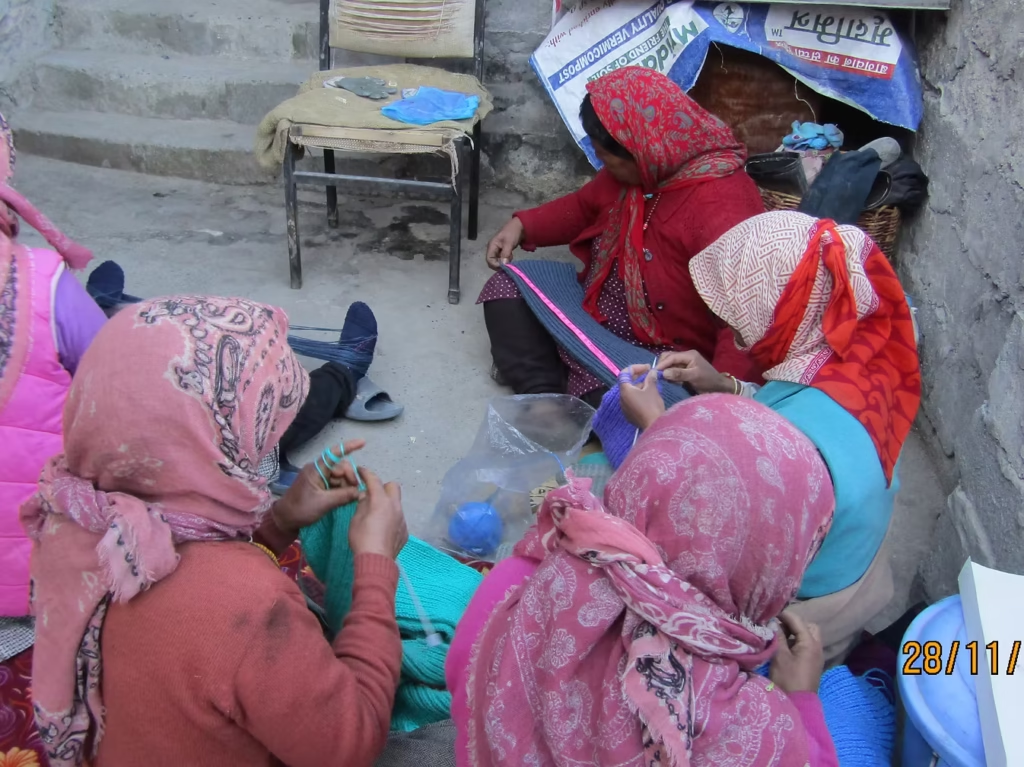
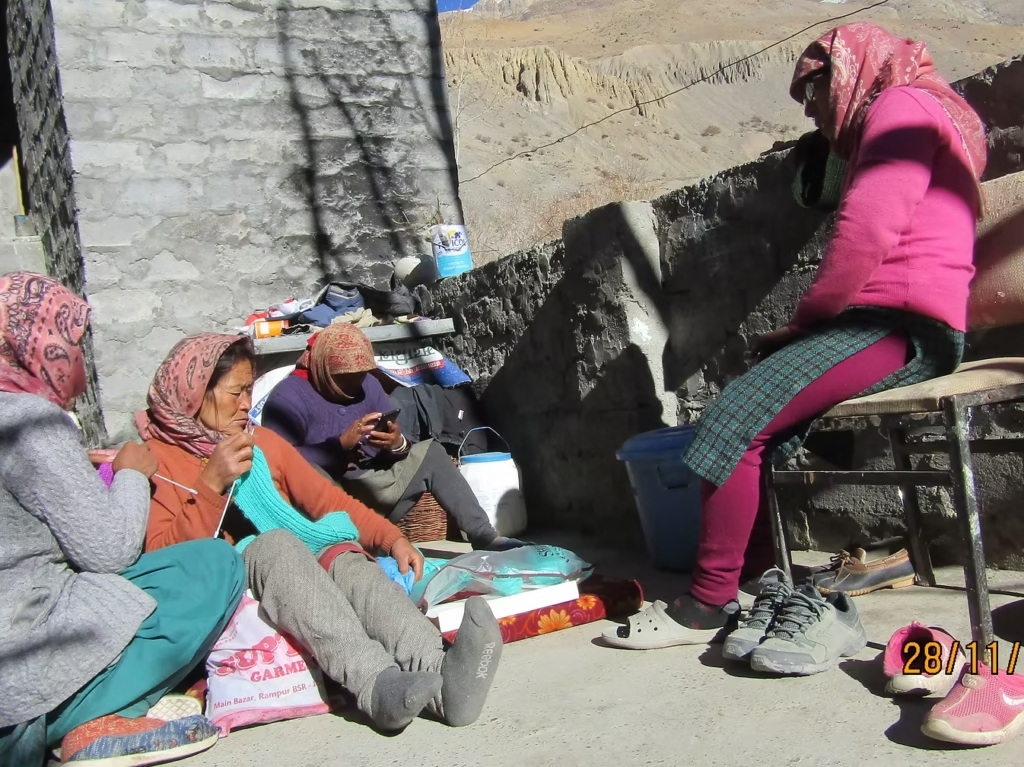
It is a bright sunny day in June and a group of women can be leisurely seen knitting sweaters, mufflers and socks for winter… an unusual sight during peak farming season in Spiti.

Spiti is a high Himalayan mountain desert with scanty rainfall and glacial melt water as the prime source for most villages. As such, water is sparse, the agricultural season and vegetation short, and lives vulnerable.

When most Spitian villages are drying up, fields unyielding, brimming Kuls of Shushuna signals benign possibilities.

Situated along the river basin, the village owes its blessings to the mighty Spiti river and its tributaries from Pin valley which forms an essential lifeline to the resident farming community.

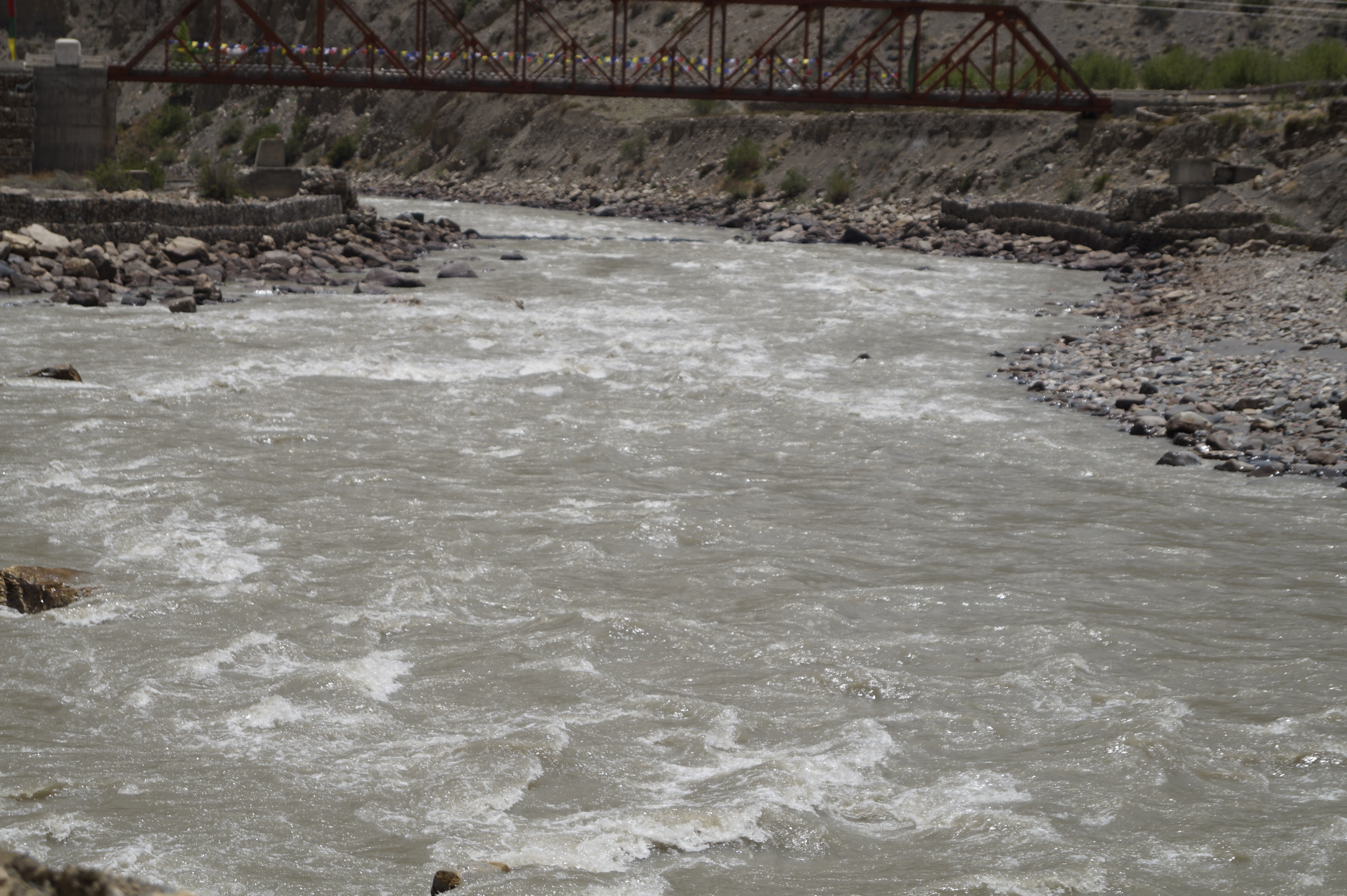
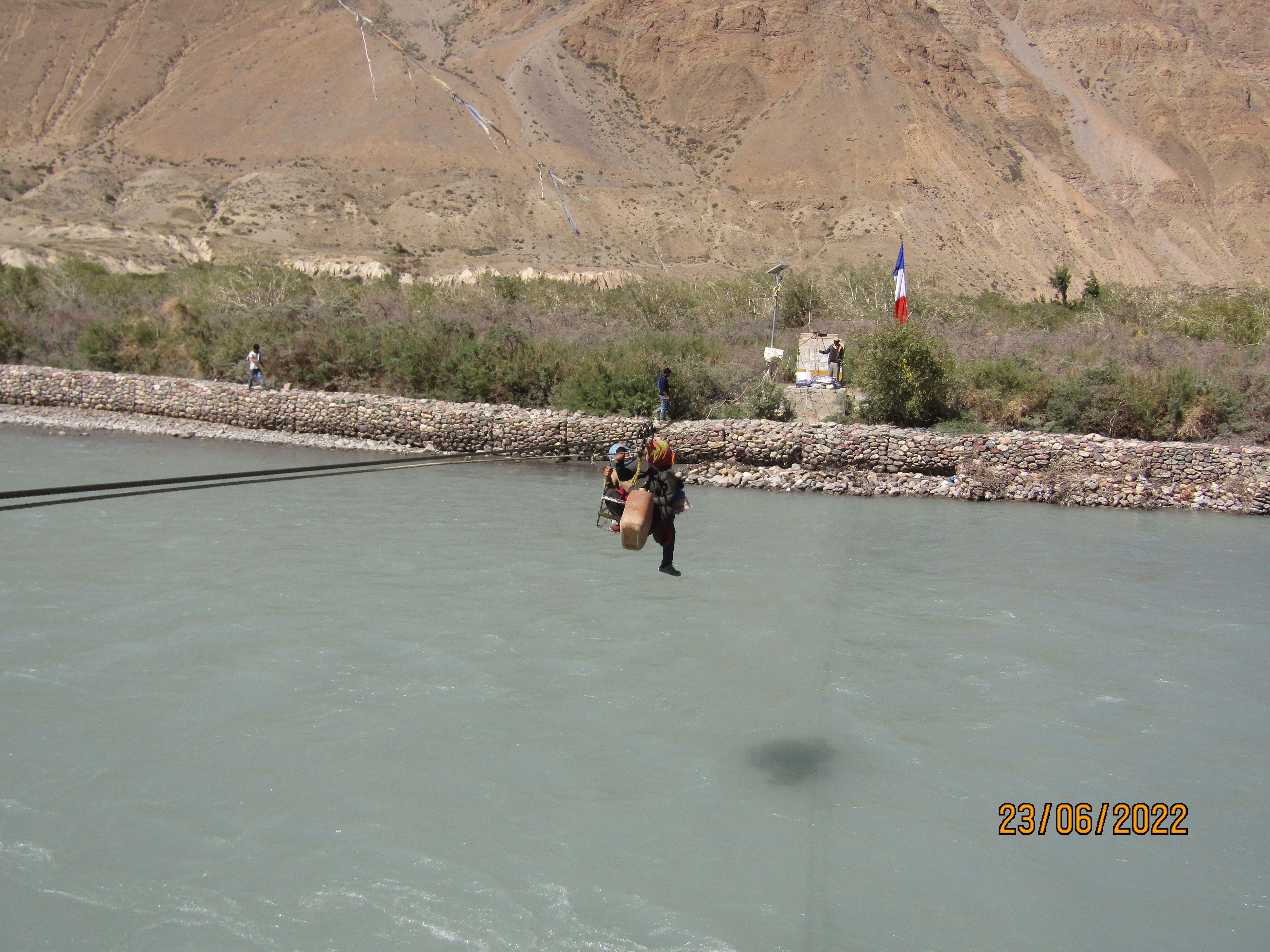
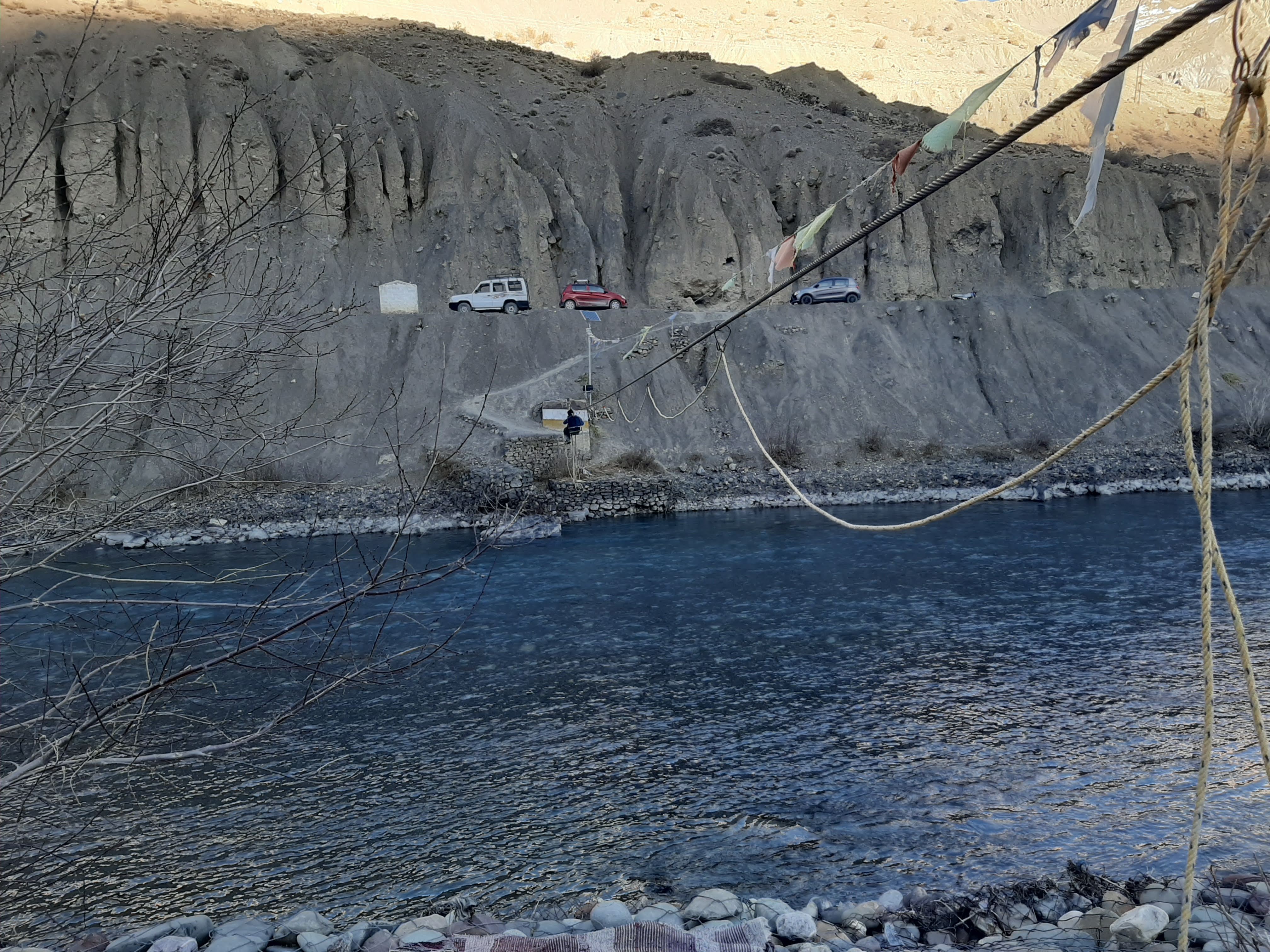
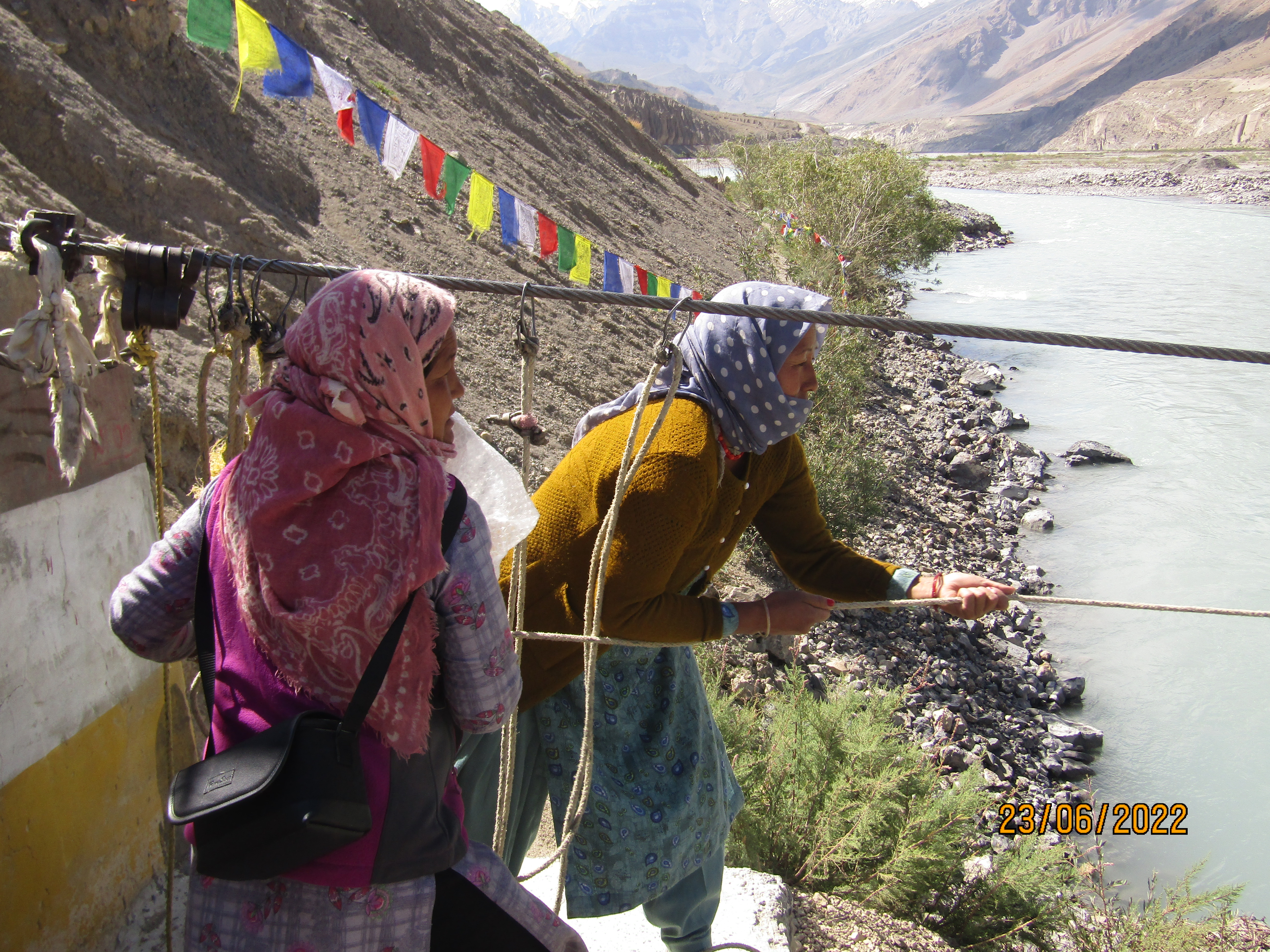
However, to reach the village, one has to take a suspended rope bridge. A dangerous feat villagers have to undertake every day! Women often pair up and cross it together. Holding essentials and looking out for each other – lest it can prove fatal!

Water which is located at a significant distance in most Himalayan villages, can be found in one’s backyard here – easing huge strain on villagers.

When your fields are at a reachable distance, and when you don’t spend hours fetching water, there’s so much more one can do including spending time with family and more time to self!

…exploring additional sources of income resulting in greater agency.

The photography group

When water is accessible, it leads to happier, healthier communities.

1346 1008 Women of Shushuna
In Conversation with Women of Chicham
Chicham Village | Photo: Tanvi Dutta

In Conversation with Women of Chicham

Tanzin Dawa: How has it changed?

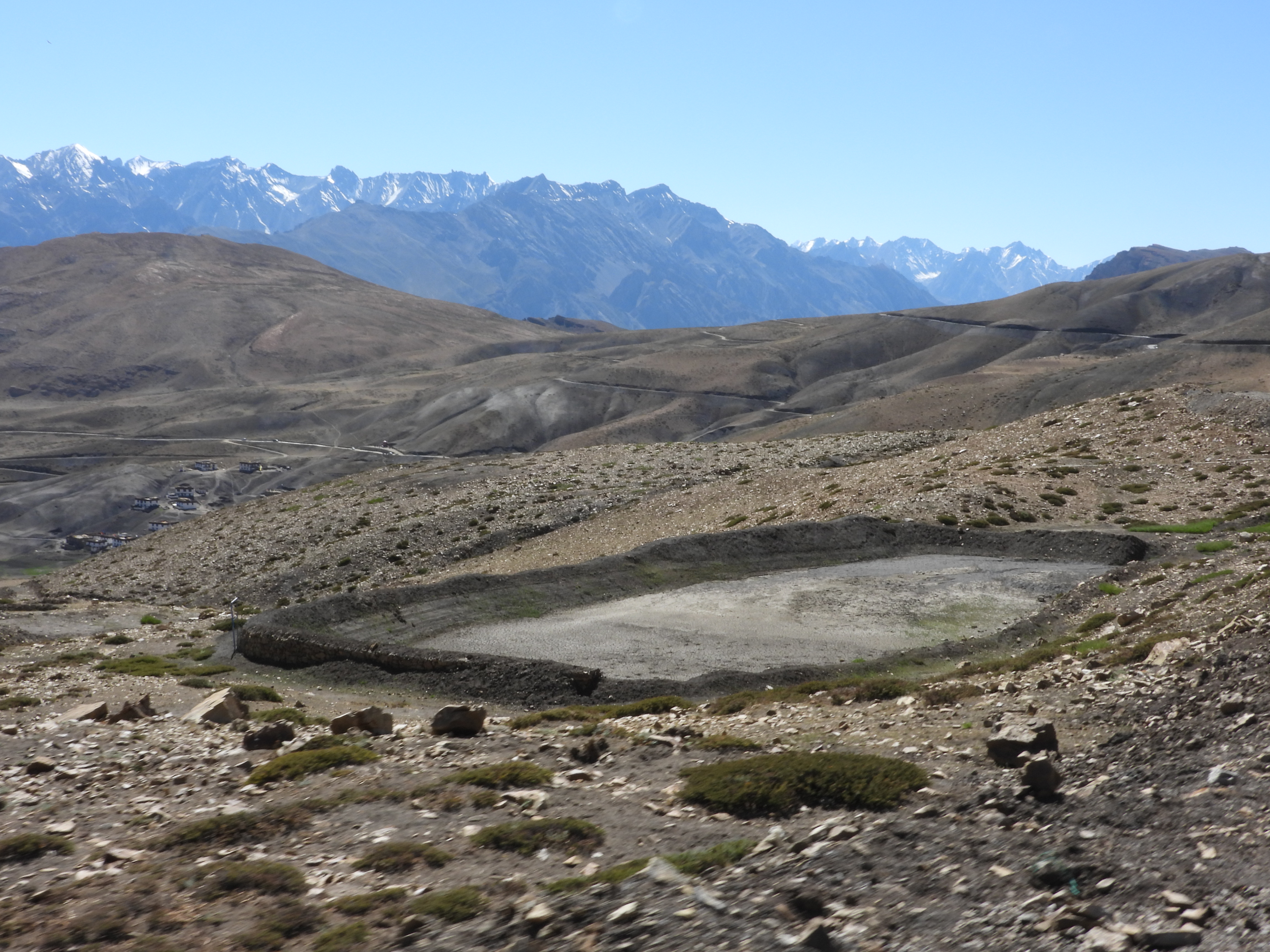
Dikit Lamo: We have been experiencing extremely erratic weather conditions these days. I am 40 now and from my experience, I think it is due to changing weather patterns. We used to have snowfall that levelled our houses and had to clear it with the help of our neighbours! Such was time. There’s lushful greenery in our barley fields and our harvests were abundant. In our village, Chu-mik (spring water) gushed with fresh water – we got to choose from myriad streams flowing around – cold, sweet water to drink while farming. From the past 10 years, there’s been a considerable decrease in precipitation. We used to look up at the sky in hope for rain but to no avail. This year was particularly unexpected. There was very little snowfall during winter and we were even unsure whether we would even get to till our land when summer arrives. We, somehow, adjusted to the difficult situation by either carrying a water tanker to our fields and initiating the seeding work. It worsened as months passed by, we had to leave many of our fields half irrigated or completely fallow. There’s no hope for crops this year.

Barren fields and dried reservoir | Photo: Chhunit Kesang
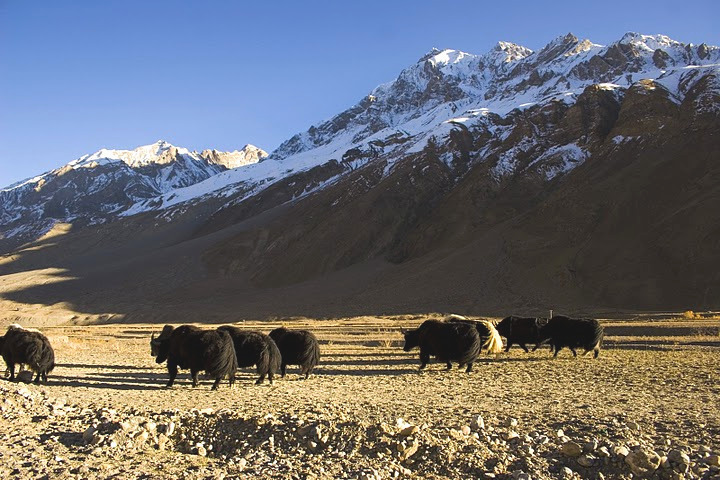
Domesticated Yaks

TD: What do you think is the cause for such changes?

DL: I think it is due to changing weather patterns. They say it is called global warming in English and has to do with plastic usage. I am not sure how it is interrelated and how it impacts our fields here in Spiti but I do believe it. I think about it a lot and think of avoiding plastic usage on my level. But will it make a difference on a larger level? I think collective action is needed. To ensure timely snowfall, we have to revive our traditional ways of living. Rituals are performed according to an astrologically and agriculturally influenced calendar and we have to bring back those traditions and belief systems. We also think about our children’s generation and preserve our natural resources. Tourism has also impacted the way we channel our resources. It is getting extremely rampant nowadays. We have to devise an internal resource and waste management system to reduce impact on nature. I think plantations will be beneficial in desert areas like ours. I hope that will reduce the effect of global warming and our fields begin to blossom again and our kuls brimming fresh snow water.
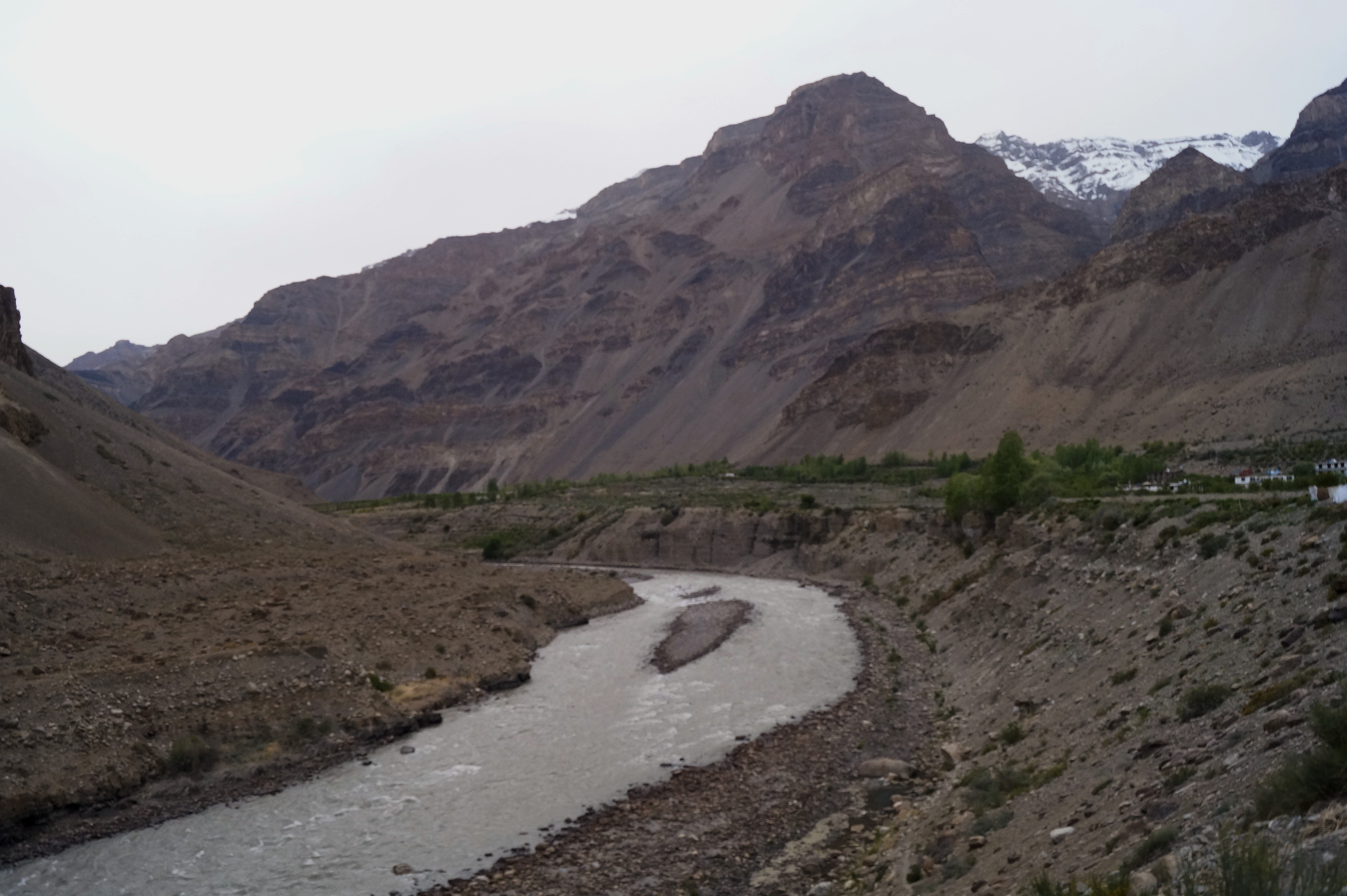
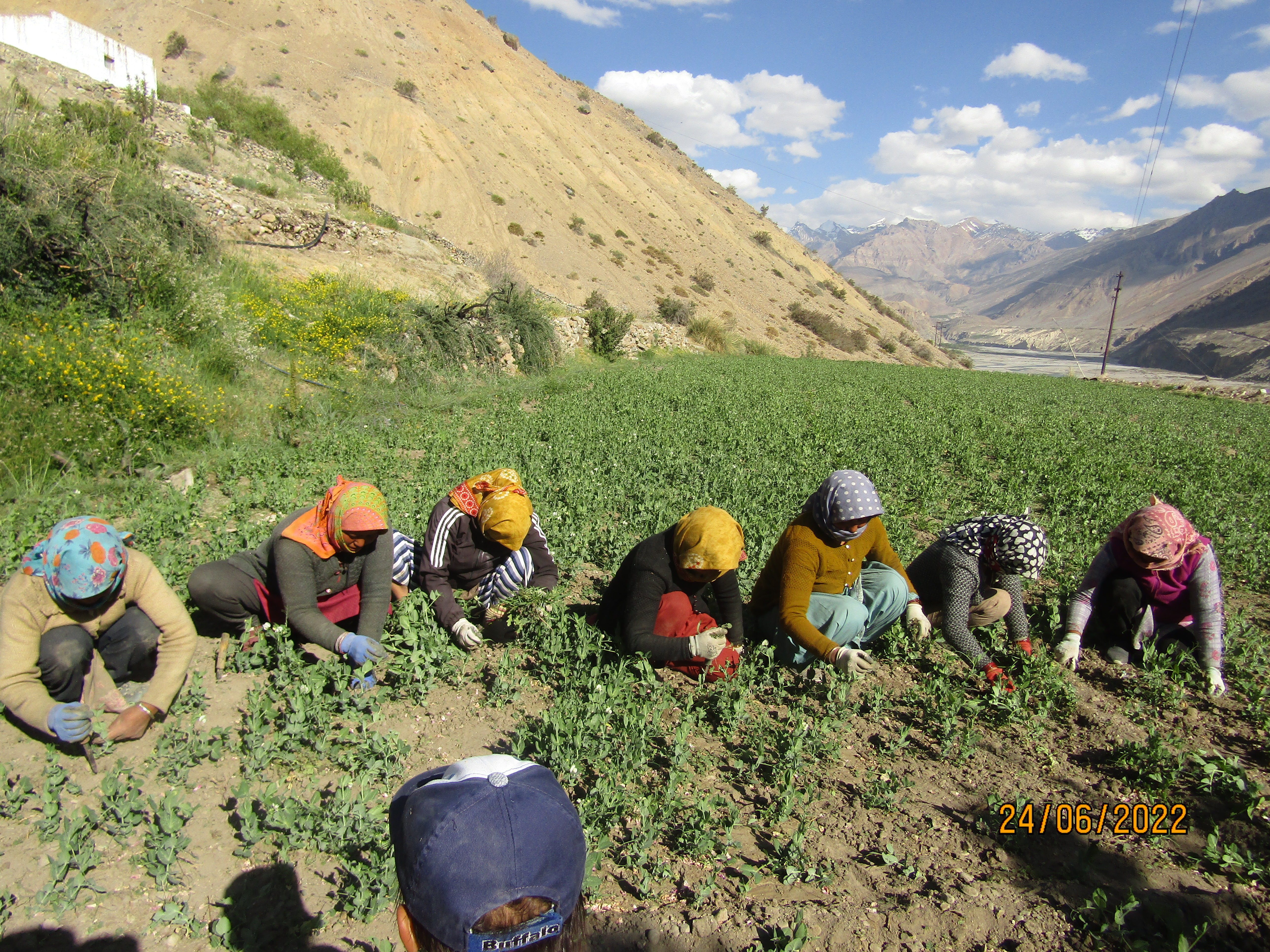
Padma Norzom: Water situation? It is scarce everywhere this year. In Chicham, even drinking water is getting difficult for us. Our barley and green peas field are all drying up before harvest season due to receding water in our kuls. There was just no water for irrigation and we are forced to abandon our fields. Because of declining water sources, our land, soil, pasture is all drying up and forage availability and grazing system is also impacted.

TD: Was it the same last year?

PN: It used to be enough to sustain our farm work and to feed our cattle but this year has been unfortunate. There was no snowfall during winter and all our spring waters dried up. My jersey cow also looks very weak and without adequate water to drink, milk production has become very less. I stopped selling milk this year. Livestock feeding and water intake behaviours are also negatively impacted and when sent out in the wild for grazing, they gallop towards greener pastures!

TD: How do we resolve this? Is there a way we can utilise water from the Spiti river?

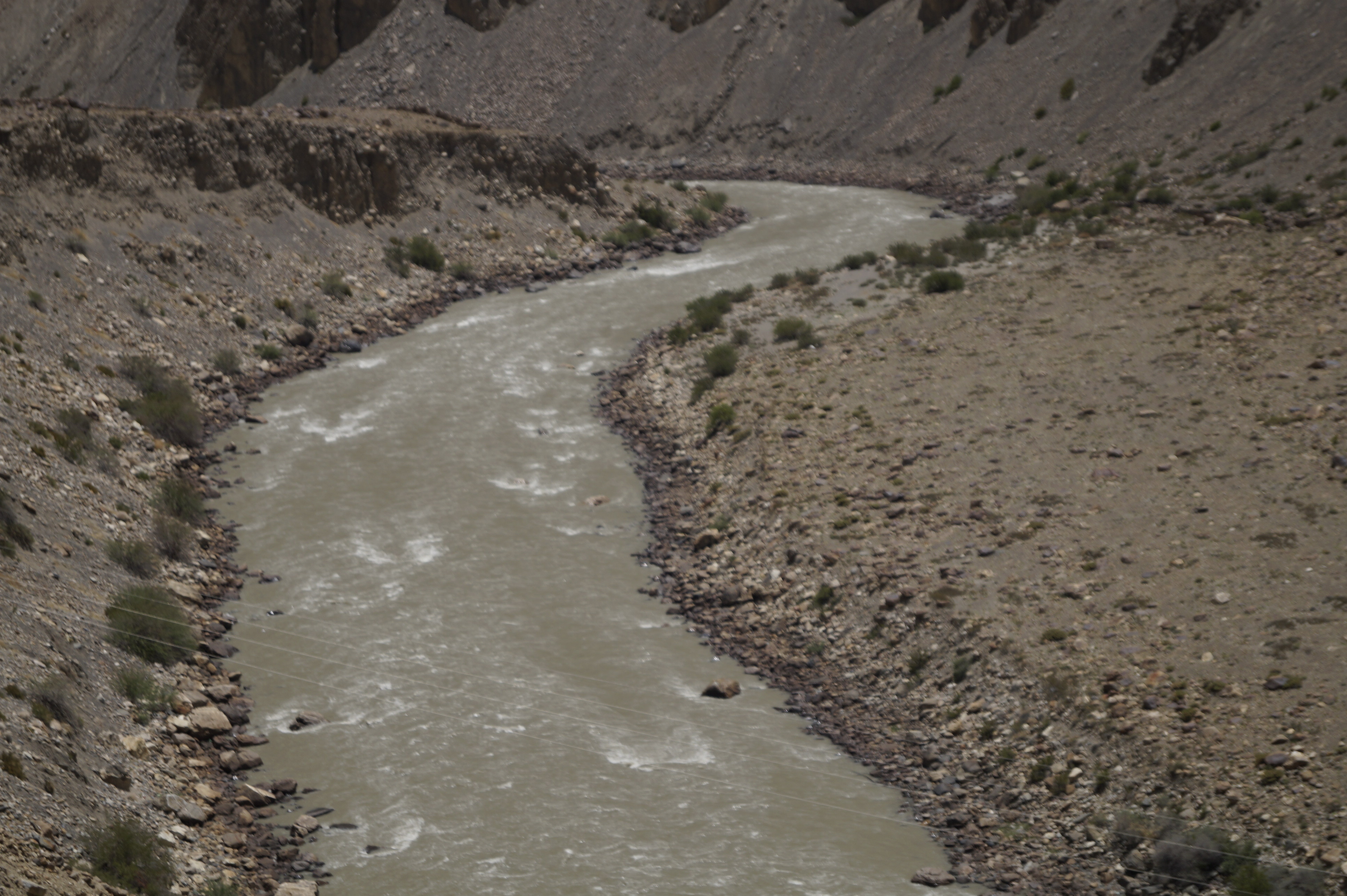
PN: Yes, river water can certainly be channelled but it will be a bit strenuous and resource intensive as it is located far from the village area. If the government can help us, it will be a huge blessing. Some farmers have tried irrigating their green pea fields with generators. But the diesel operated generators turned out very expensive and it was simply not feasible for small farmers like us who also spent a lot of money buying green pea seeds. The cost will come in lakhs – all for nothing without water.

1800 1200 Tanzin Dawa