Climate Change

Counting Spots in the Snow

Counting Spots in the Snow

International Snow Leopard Day is celebrated on 23 Oct. India is expected to announce the results of it’s first snow leopard census based on an extensive 4-year exercise undertaken in the Himalayan regions of the country. This mammoth exercise could not have been accomplished without the support and participation of local people living in the remote high altitude regions of the country.
1200 670 Akash Jyoti
Unpredictable Lifelines
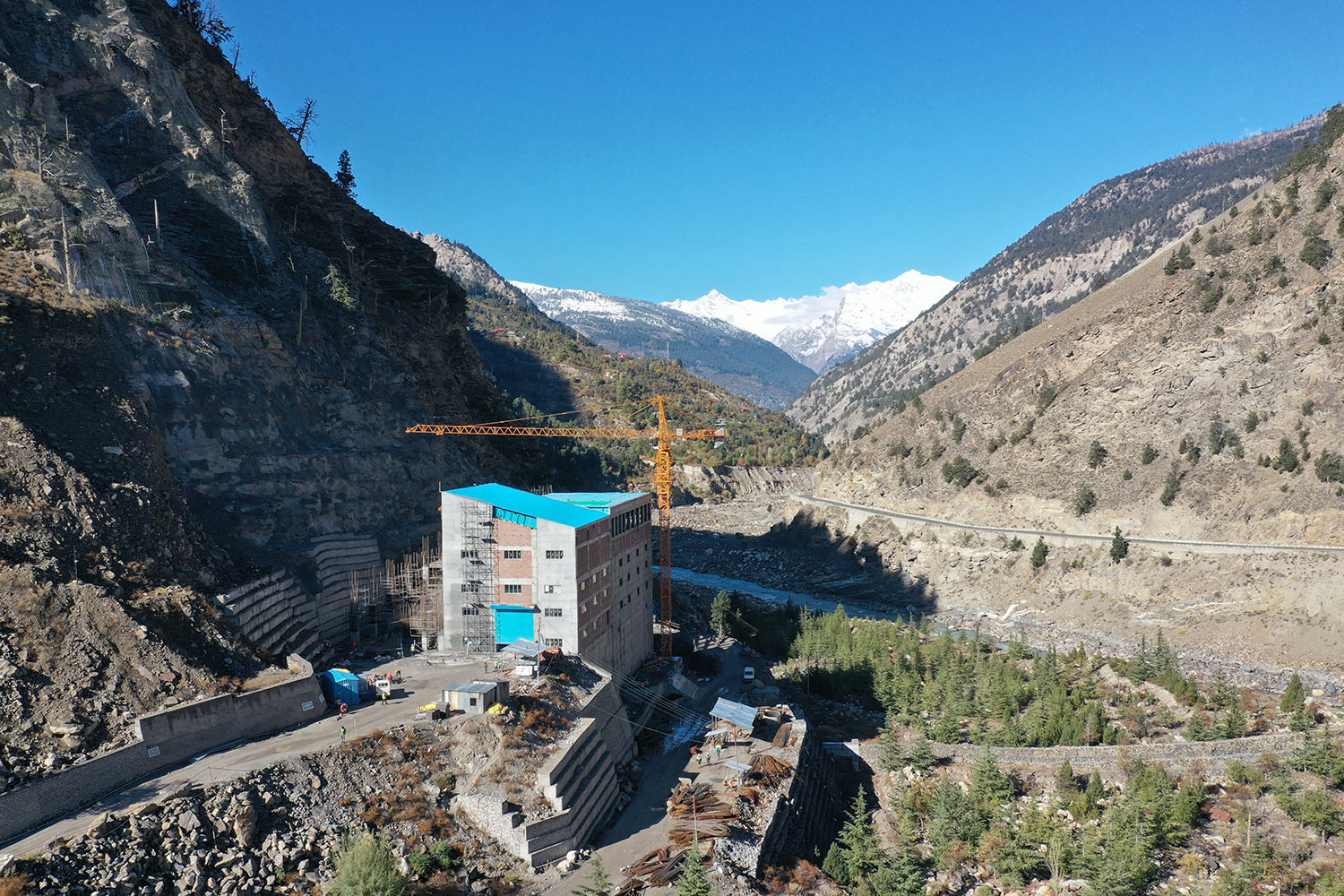
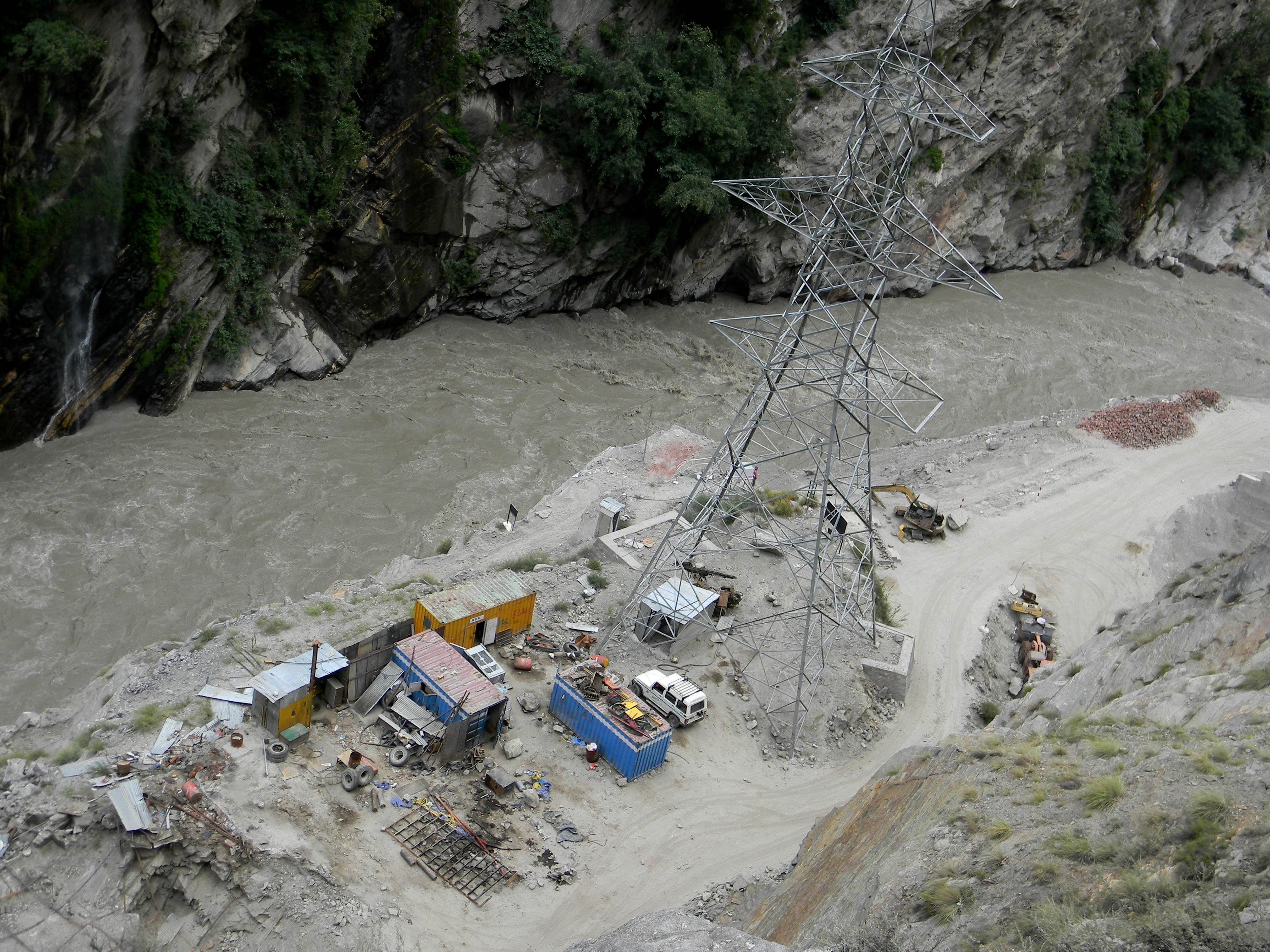
Integrated Kashang Hydroelectricity Project, HP, India| Photo: ejatlas.org

Unpredictable Lifelines

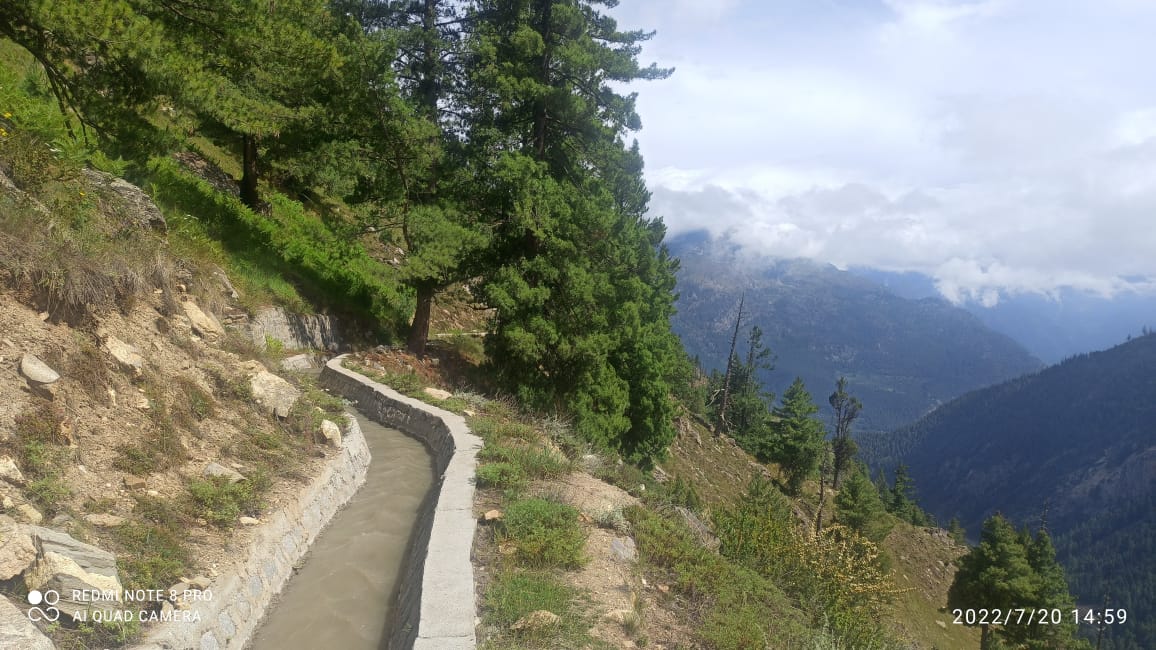
Verses of prayers reverberate throughout the valley as men sing and climb mountains to ensure their village has water in the summer. People from Khadra, Akpa and Rarang village trek for 27 km to reach Pangi top and clear the path of the artificial stream – Kashang nahar to let the water flow freely towards their villages. Generations ago many streams flowed towards the foothills but now only a few remain and Kashang Nahar is the only reliable source. Completed in 2005 this canal is helping the local villages meet their demand for water.

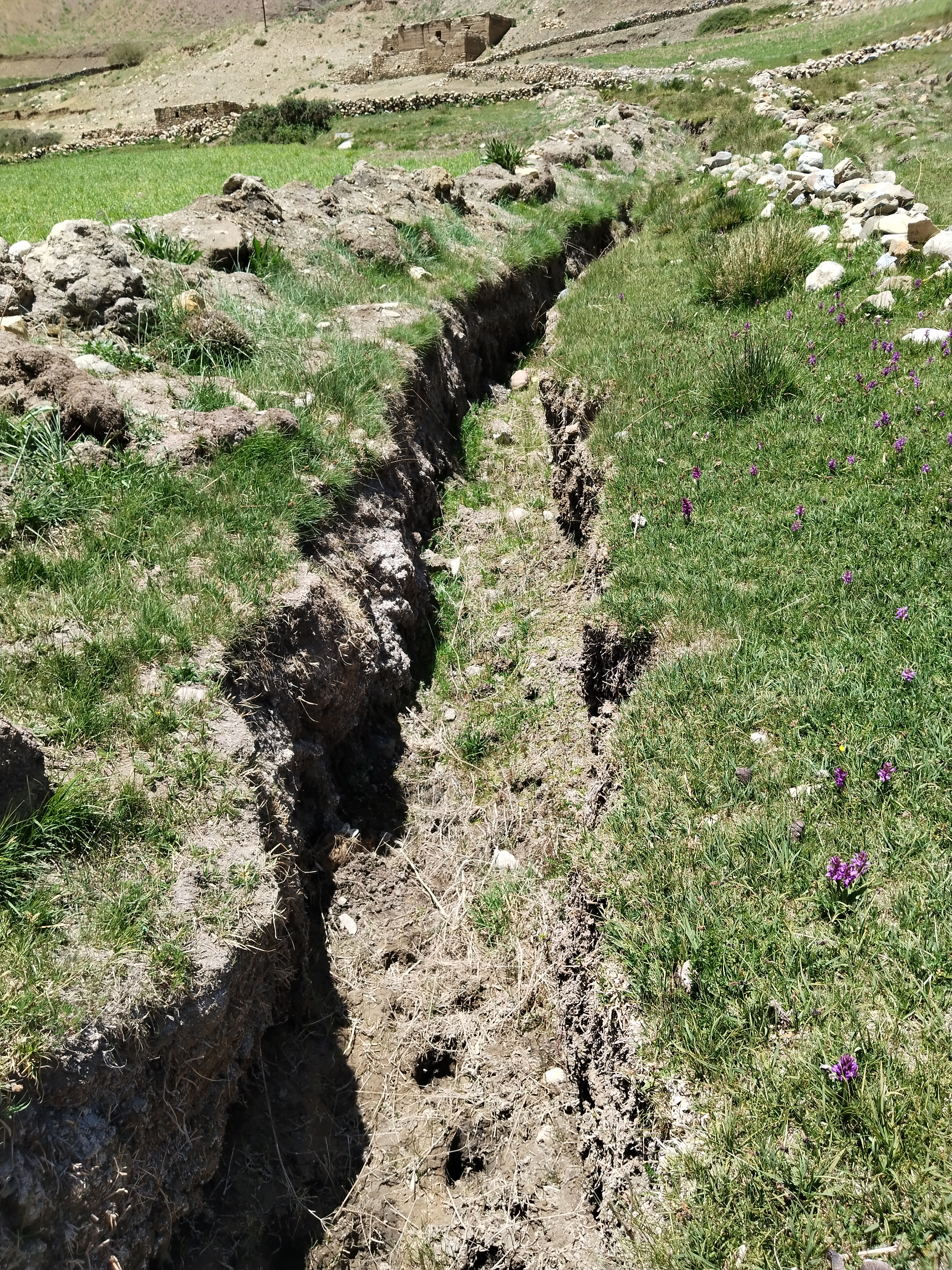
Kashang nahar | Photo: Yowan Negi, (Village Rarang)

Khadra, Akpa and Rarang, villages at 8000ft of Moorang tehsil, fall in the semi-arid region of Kinnaur district in Himachal Pradesh and rely mainly on glacial melt for their water needs. Though over the past few decades things are changing. As the climate is getting warmer, precipitation (rains and snowfall) is getting erratic. With each passing winter the glacier is unable to recover due to reducing snowfall trends. This is not only reducing the water availability during summers to the villages dependent on them but also leading to glacial instability. This phenomenon is already bringing grave consequences to the communities living in the mountains as was observed in Chamoli district of Uttarakhand. A glacier collapsed and released a ton of water and energy which destroyed everything that was in its path.

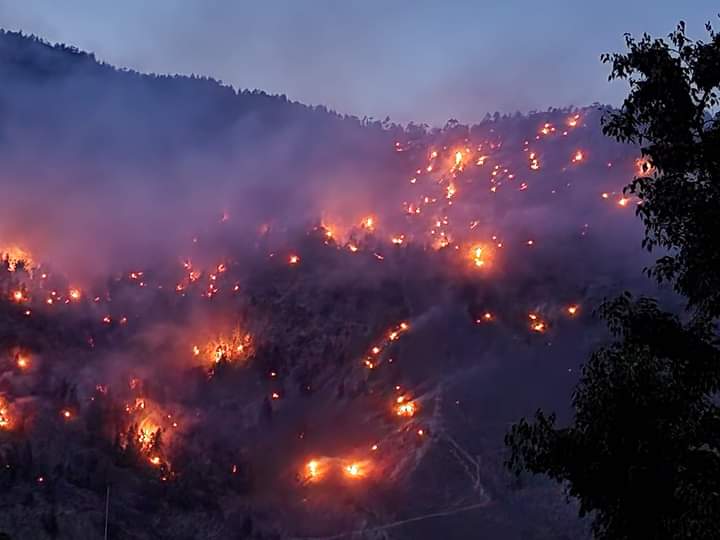
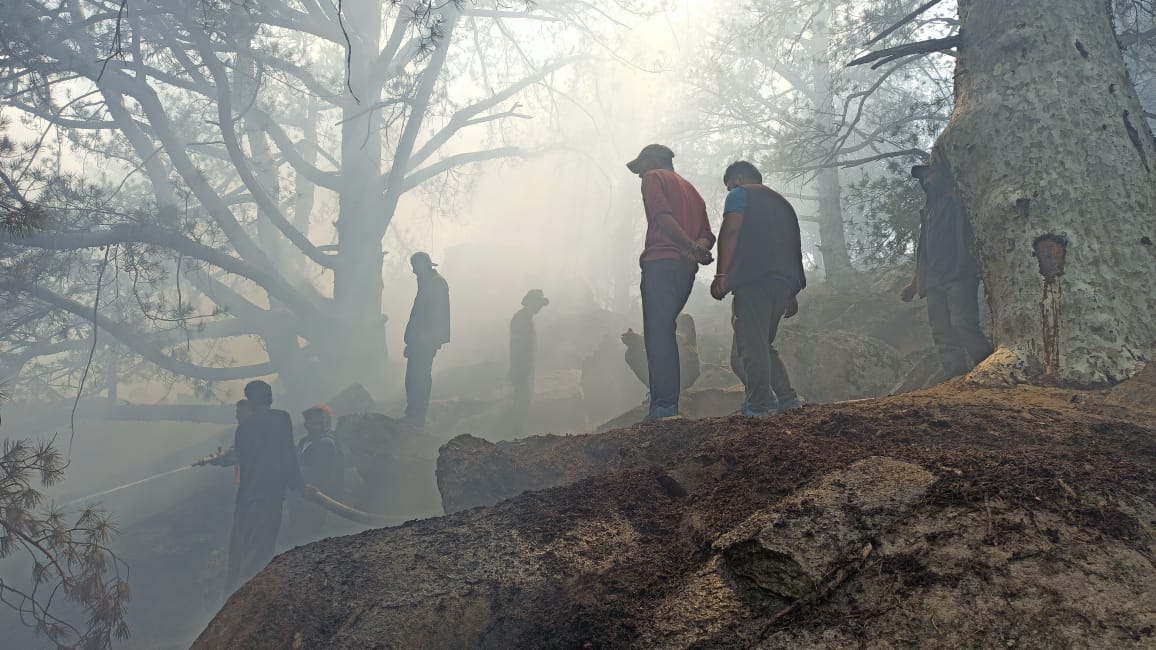
During monsoons, flash floods and landslides are increasing and becoming more frequent by each passing year, adding to the woes of the communities. A few years back, in my village of Khadra and the nearby villages of Akpa and Rarang, a major landslide washed away many agricultural fields leading to loss of acres of productive land. This year we faced a severe heat wave which led to fires in our forests. As Deodar and Chilgoza trees around us burned and fell and the wild species fled, we felt so helpless as the water in Kashang nahar fell short. Some of us collected the water at the base of the nahar and managed to save a few trees. But a lot of the damage had already been done. Each year we are caught up in a dichotomy of drought and heavy devastating rains and we don’t know what we should prepare for.

Forest fires in Akpa & Jangi forest | Photo: Heer Chander (Village Jangi)
Aftermath | Photo: Sunder Negi

Development based on destruction

Himachal Pradesh, being a mountainous and river rich state, is known for its potential to generate hydro power. However that is coming at a cost to the communities. Villages and community forests are sanctioned under different projects to either be submerged or cleared off for the development. Around our village we have two hydro power plants – Tidong (150 MW) & Kashang Integrated (243MW) under construction and one mega project – Jangi Thopan of 804 MW is proposed. Kashang integrated project has plans to divert the Kashang nahar to meet its production needs. These projects are hindering the flow of our already distressed rivers and causing long term implications towards the health of the ecosystems and communities dependent on them. We have always opposed such mega developments and will continue to oppose them.

Photo: statkraft.in

Science and spirituality

To our communities, water means much more than a resource. Our ancestors have revered and protected the resource not just for themselves but for the generations to come. And today we continue to reap the benefits. Even today elders in the village guide us with ways to protect the water and thank the spiritual beings for their benevolence.  Every time we go to the source of a natural spring, we recite Naaga Chhonme, an ode to nature thanking her for the abundance of resources. It is deep rooted in our basic nature to feel connected to the forests, streams, rivers, mountains and we treat them as living being.

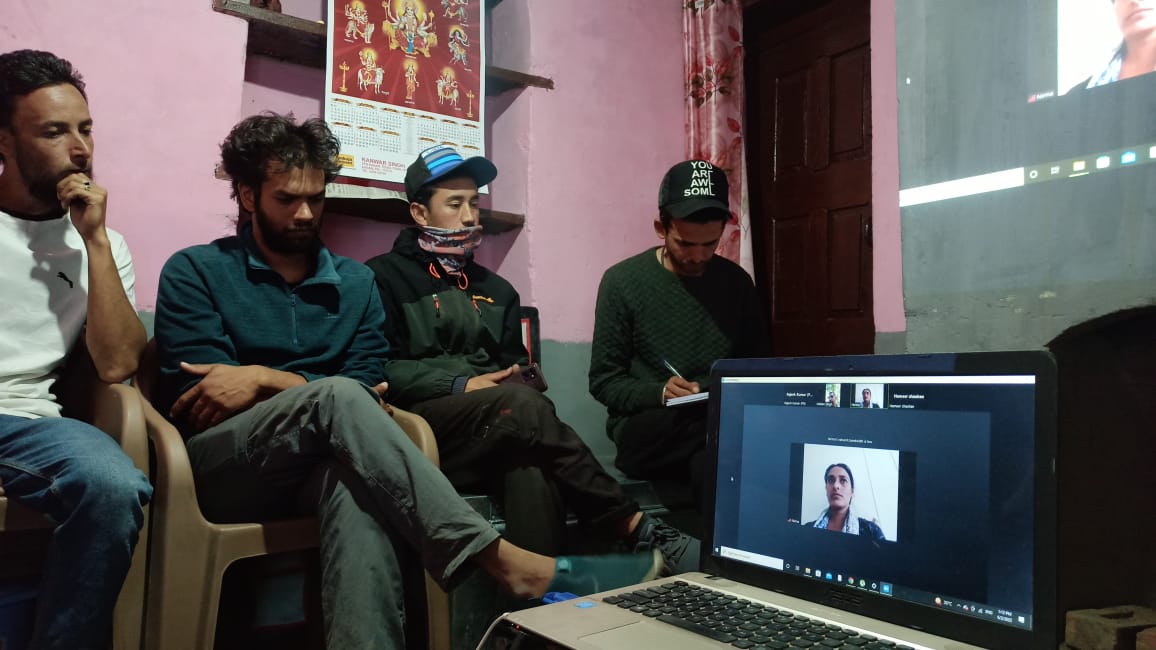
As much as spirituality is important to help us stay grounded and connected to our land and water we are also focusing on taking informed decisions to monitor and manage our resources based on scientific tools at our disposal. In early June this year, the youth of the 7 village clubs- Spillow, Kanam, Moorang, Jangi, Akpa, Rarang and Khadra, organised and attended a workshop conducted by Himdhara and People Science Institute on long-term monitoring of the health of the streams around our village. It was a 3-day workshop and we explored various themes around water including topics of development, climate change and its impact on our hydro and ecosystems. With the help of the Open Foris Collect, a mobile application, the youth have already started recording their readings of our streams.

River monitoring workshop | Photo: Sunder Negi

Climate change is a problem that we cannot solve at our village level. In the coming few years, the negative impact of climate change will only worsen and all we can do is prepare for the challenges we are to face. What we can do as a community is to raise awareness, write about the issues and continue to engage people in action towards climate change.

4000 3000 Sunder Negi
Traversing Climate Change
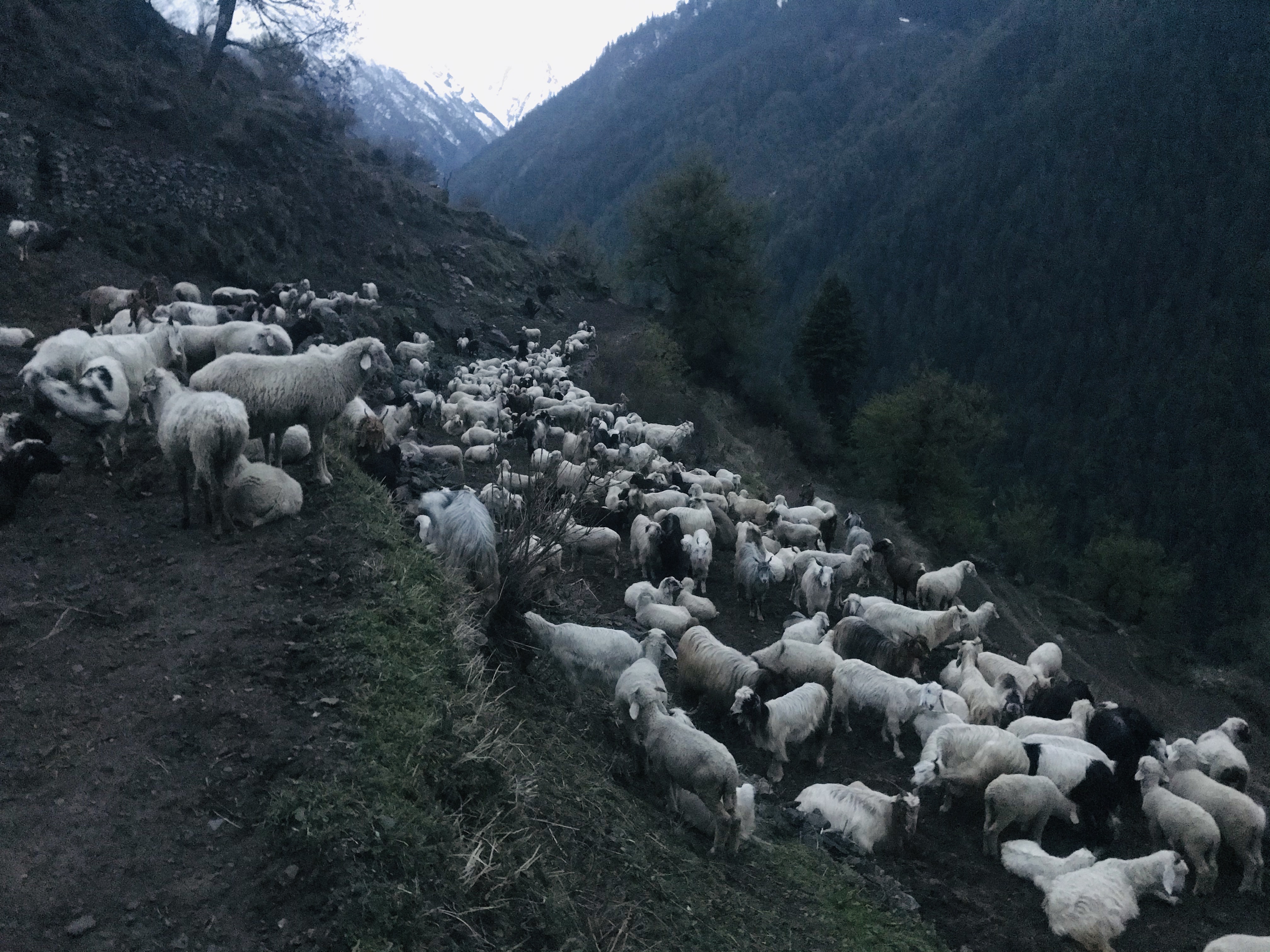
Herds of sheeps and goats return after grazing in the Dhar on the North-east of Kungti village | Photo: Virendra Mathur

Traversing Climate Change

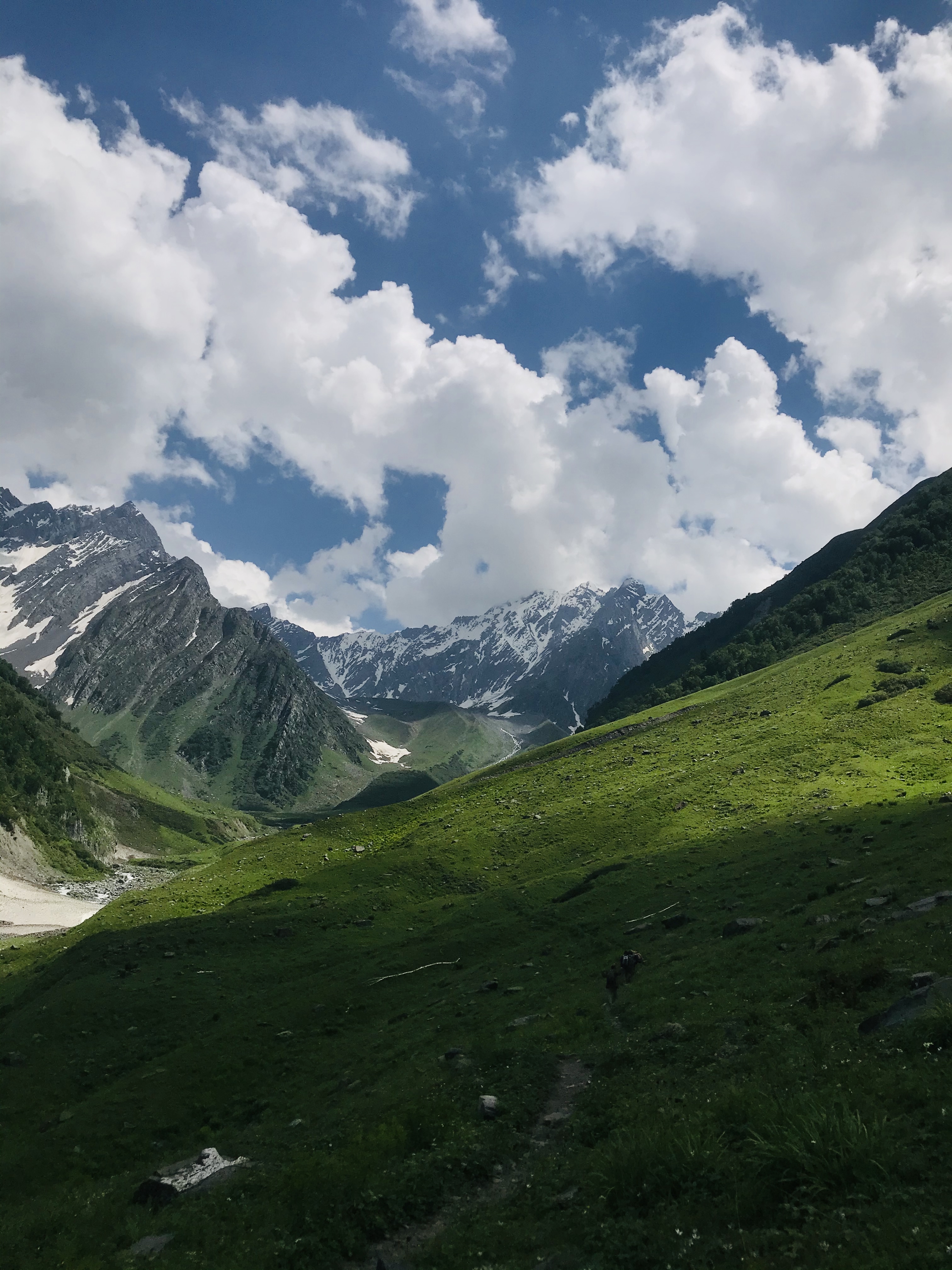
In the mystical lands of Bharmour and Lahaul, located in the north-western part of Himachal Pradesh, India, a seasonal event takes place every year that is an elegant harmony between local culture and nature. Here in the traditional seat of Gaddi shepherds, the community is described variably as semi-nomadic, transhumant pastoralists, or agro-pastoralists. The Gaddis, usually men of the family, start on a migratory event in early April, gathering their goat and sheep herd and taking them to the high-altitude summer foraging grounds. These unbridled pastures, known as alpine meadows are called dhars. This seasonal movement is ingenious at various levels – it sustains the economy of a Gaddi household without being too reliant on agriculture. Further, Gaddi herds provide rich manure to the tilled lands across various agricultural landscapes they pass through and in return receive food and a place to camp; a barter system still in place. And this practice helps avoid low productivity foraging grounds without putting undue pressure on alpine pastures.

The shepherds pass through various towns and villages, as they start their journey from the low-lying areas of Kangra valley and plains of Pathankot, crossing the Dhauladhar mountain range towards Chamba district and travelling north towards the alpine pastures in the inner Himalaya. With them, on this arduous journey, are of course the livestock that they address as “Dhan” which also translates to money and wealth in Hindi. The sheep and goat herd constitute a flexible and continuous source of economic return for this community, especially when small land holdings do not allow for huge returns from agriculture. The flocks serve as a source of meat, milk, fleece and wool. The wool produced by Gaddi sheep is primarily used to make warm clothes, and is considered to be fine quality wool in a market where the quality dictates the price of the wool.

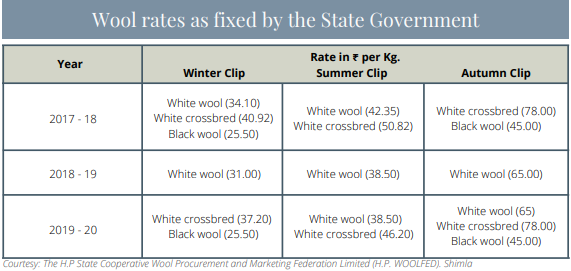
Himachal Pradesh State Wool Federation website displays the minimum support price (MSP) offered by the government for the sheared wool. Based on per kilogram price, the prices are lowest for the wool sheared in winter in the month of January-February, whereas the highest price is set for the wool that is sheared in autumn (in September or October), after the flocks have come down from the alpine pastures. The Gaddi shepherds I interviewed called this an ‘A’ grade wool. In their opinion, the nutritional forage available in the alpine pastures, which consists of medicinal herbs, shrubs, and vital grasses, contributes towards development of such fine and gregarious Gaddi wool.

Even more difficult than the journey to these pastures is living there. When I asked a Gaddi about the most important skill to survive in the alpine pastures, he simply stated that “You have to become an animal to live with an animal.” indicating the laborious life in alpine pastures. The arrival of Gaddi in the alpine pastures is met by receding snow, and below it lays the abundant grass to forage for the livestock/goat and sheep herd. These alpine pastures stretch till the horizon, vast carpets slowly turning green. Guiding herds in these alpine pastures is the least of their worry, the real challenge is to protect the herd from the harsh surroundings. The relationship of herd and the shepherd arises from mutual dependency, and for Gaddi men who remain away from their families, their herd is their family. The relationship of care is intertwined around wool – it transcends the material value and takes up emotional significance. It is the wool that earns shepherds the money, and it is this wool that comes back on the journey – laden on the back of a shepherd in the form of a blanket or a shawl.

They keep a portion of the sheared wool for themselves, and use it to manufacture clothing – their traditional attire, shawls and blankets, which keeps them warm and protected. When a lamb is born, it is wrapped around in this blanket and kept inside their camp, and on the long treks in alpine pastures, lambs and goat kids are carried wrapped inside the blankets. Each head counts in this family, and shepherds sometimes risk their lives for their flock. On two separate instances, a group of shepherds, at night, rescued their stranded goats from potential attack of a black bear, and on another day, Thaapu, a young apprentice jumped into a glacial stream, shattering the thick sheet of ice to rescue a sheep and a goat kid that fell while crossing the glacier. He said that a shepherd has to protect every head he is responsible for, as this proves his credibility to his employer. While the shepherds have adapted to the vagaries of nature, will their resilience fare them through impacts of climate change in the inner Himalaya?

In many ways, the life of a Gaddi shepherd and that of their flocks is interlaced with the seasonal changes in Himalayan pasture lands. Without knowing the term, the shepherds understand that their summer home is undergoing changes. Rainfall patterns have become erratic and it can impact the livelihood of Gaddi communities negatively. Abundant rain could lead to livestock mortality as the sheep contract various diseases in wet environments while less rainfall can delay the growth of grass and herbs in alpine pasture, as was the case this year. This is further worsened by foraging competition from large mountain ungulates; they informed me that a lot of problems has been caused by chur, commonly known as dZo across Himalaya (a magnificent cross between a yak and a cow). These large herbivores are domesticated by the villagers in high-altitude Himalayan communities for agriculture. These massive animals also graze in the alpine pastures, along with other ungulates like Himalayan Ibex and Himalayan Tahr, mules and horses. Large herbivores consume hefty amounts of fresh grown grass leaving only small patches for the sheep and goat herds, creating scarcity for Gaddi livestock. Similarly, the duration of grazing in the alpine pastures can also be cut short by erratic weather patterns, affecting growth of fresh grass and the productivity of alpine pastures in the long-term. A decrease in nutritional quality will in turn impact the quality of the wool produced by the sheep.

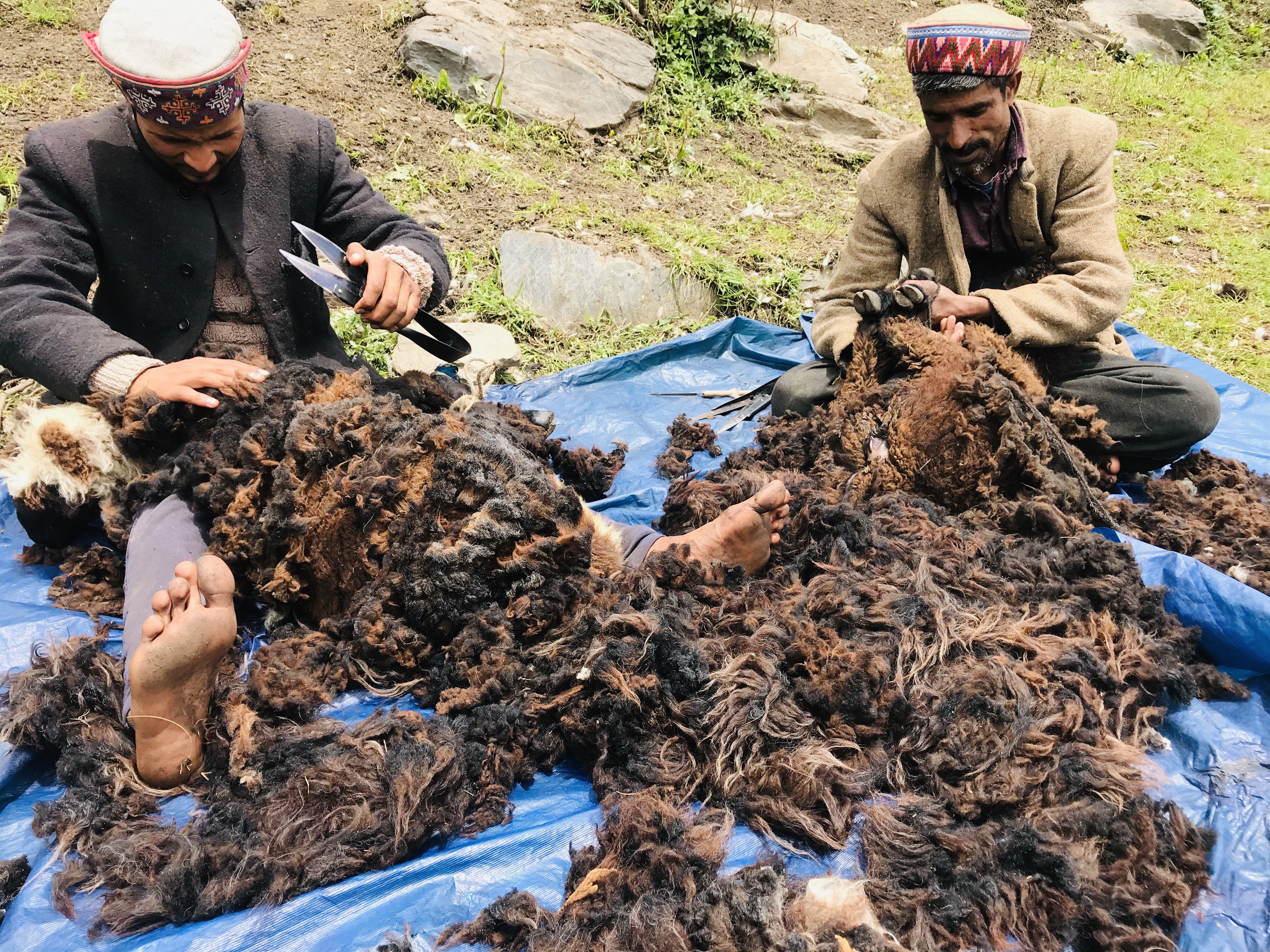
Subhash Bhai and Sonu Bhai shear wool from the sheeps in their herd. Shearing happens thrice in a one- year season, and while some herders use scissors , others use wool-trimmers for shearing the wool | Photo: Virendra Mathur

Today, the market for natural wool is facing increased competition from synthetic wool supplies which has made market accessibility difficult for these shepherds. While the traditional usage of wool is facing a decline, partly due to absence of knowledge transfer across generation, partly due to the lucrative nature of cosmopolitan living, traders and craftsmen now tend to prefer using imported wool. In the face of emerging changes, proper management mechanisms can help survive traditional agro-pastoralism in high Himalaya. Gaddi shepherds who are in this vocation constitute a dynamic medium of cultural exchange and fulfill economic needs of various farming communities through their resource exchange. Thus, the gradual loss of transhumance in Himalaya interacts with the loss of natural cycles of nutrient cycling in high-altitude communities and might possibly have downstream effects.

Acknowledgments:
Virendra would like to thank Wildlife Conservation Trust for funding this fieldwork at Kugti as a part of their Small Grants program. He owes all his gratitude to the humble and loving Gaddi community who make him feel at home through their generous, helping, and cheerful nature.

4032 3024 Virendra Mathur
In Conversation with Women of Chicham
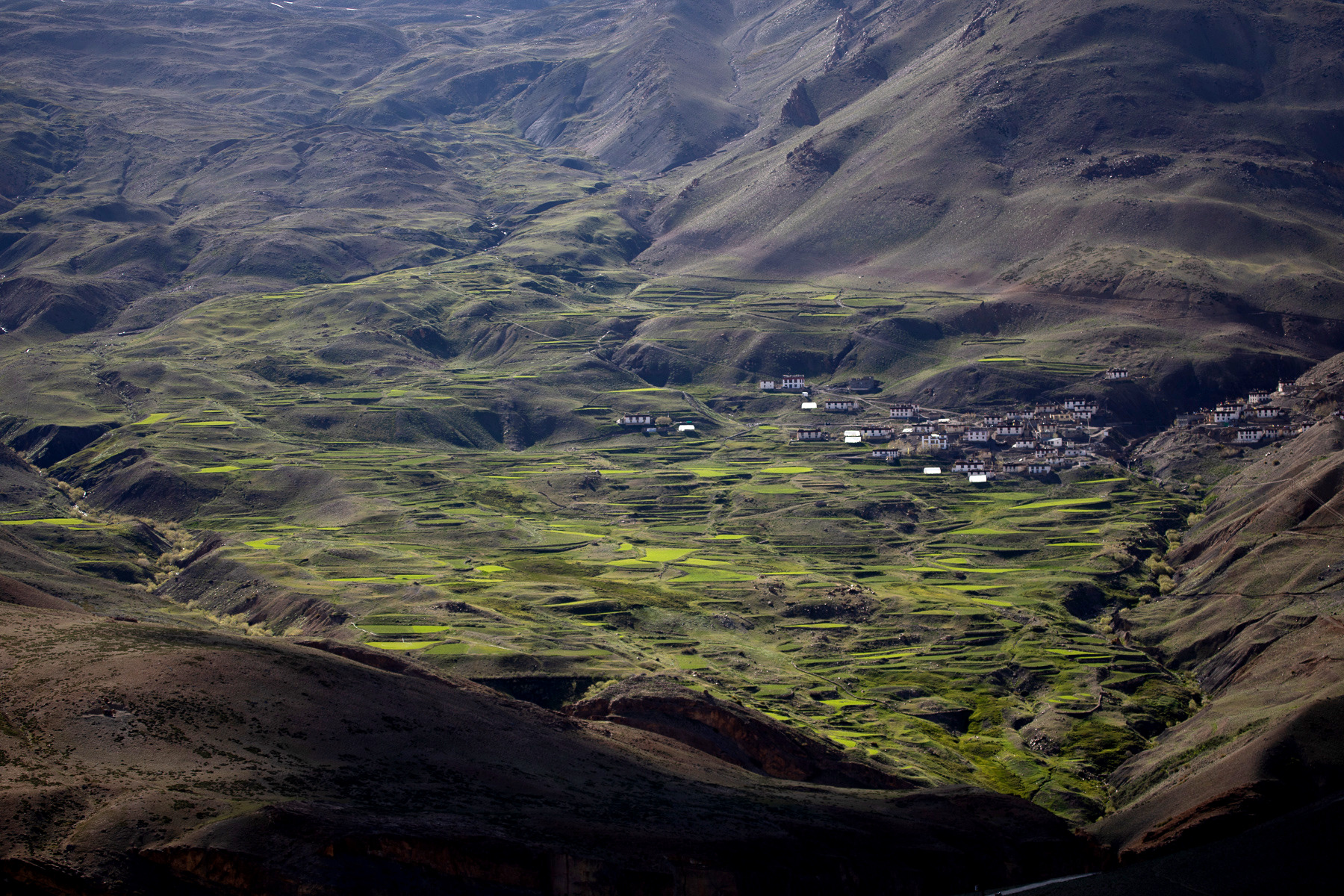
Chicham Village | Photo: Tanvi Dutta

In Conversation with Women of Chicham

Tanzin Dawa: How has it changed?

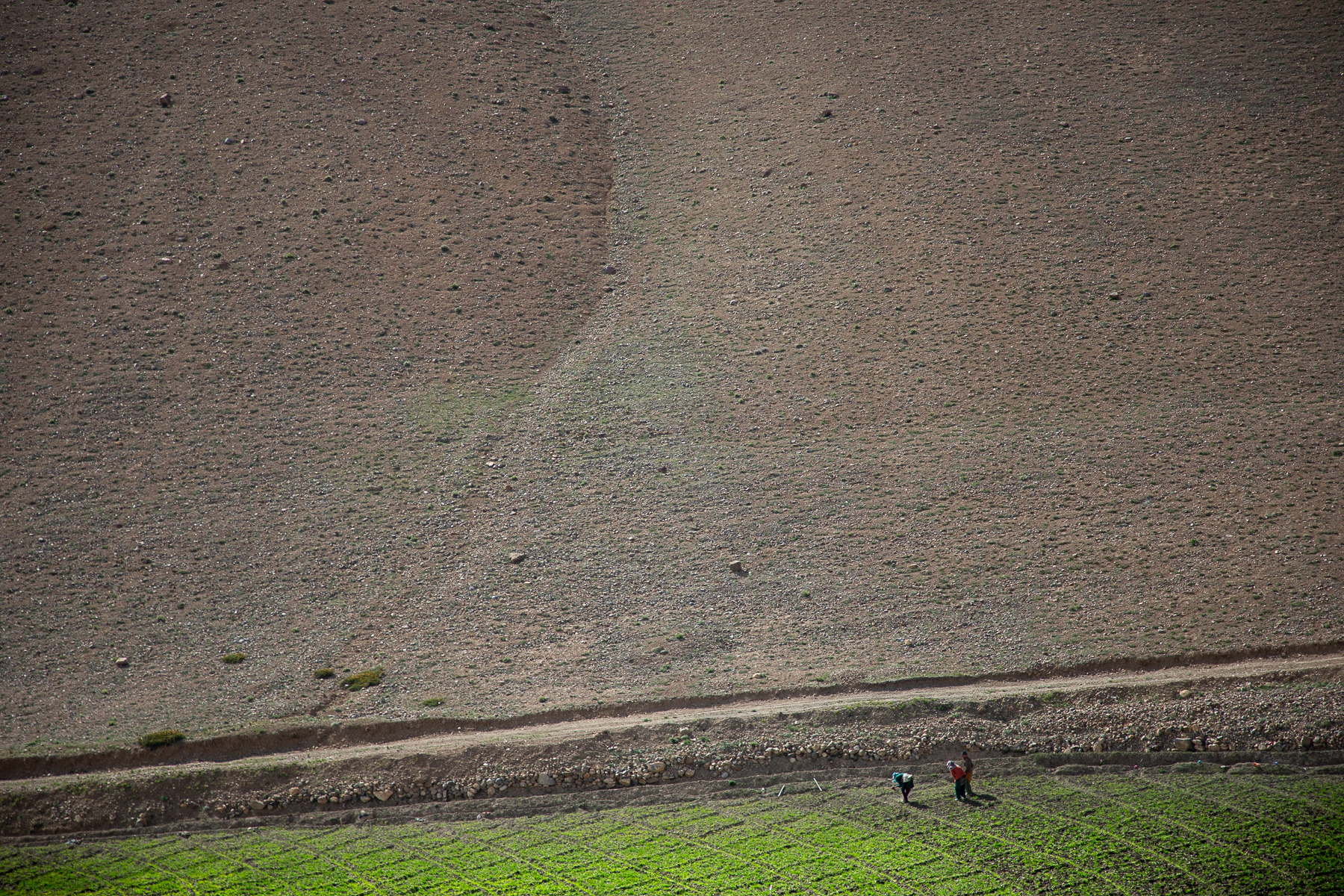
Dikit Lamo: We have been experiencing extremely erratic weather conditions these days. I am 40 now and from my experience, I think it is due to changing weather patterns. We used to have snowfall that levelled our houses and had to clear it with the help of our neighbours! Such was time. There’s lushful greenery in our barley fields and our harvests were abundant. In our village, Chu-mik (spring water) gushed with fresh water – we got to choose from myriad streams flowing around – cold, sweet water to drink while farming. From the past 10 years, there’s been a considerable decrease in precipitation. We used to look up at the sky in hope for rain but to no avail. This year was particularly unexpected. There was very little snowfall during winter and we were even unsure whether we would even get to till our land when summer arrives. We, somehow, adjusted to the difficult situation by either carrying a water tanker to our fields and initiating the seeding work. It worsened as months passed by, we had to leave many of our fields half irrigated or completely fallow. There’s no hope for crops this year.

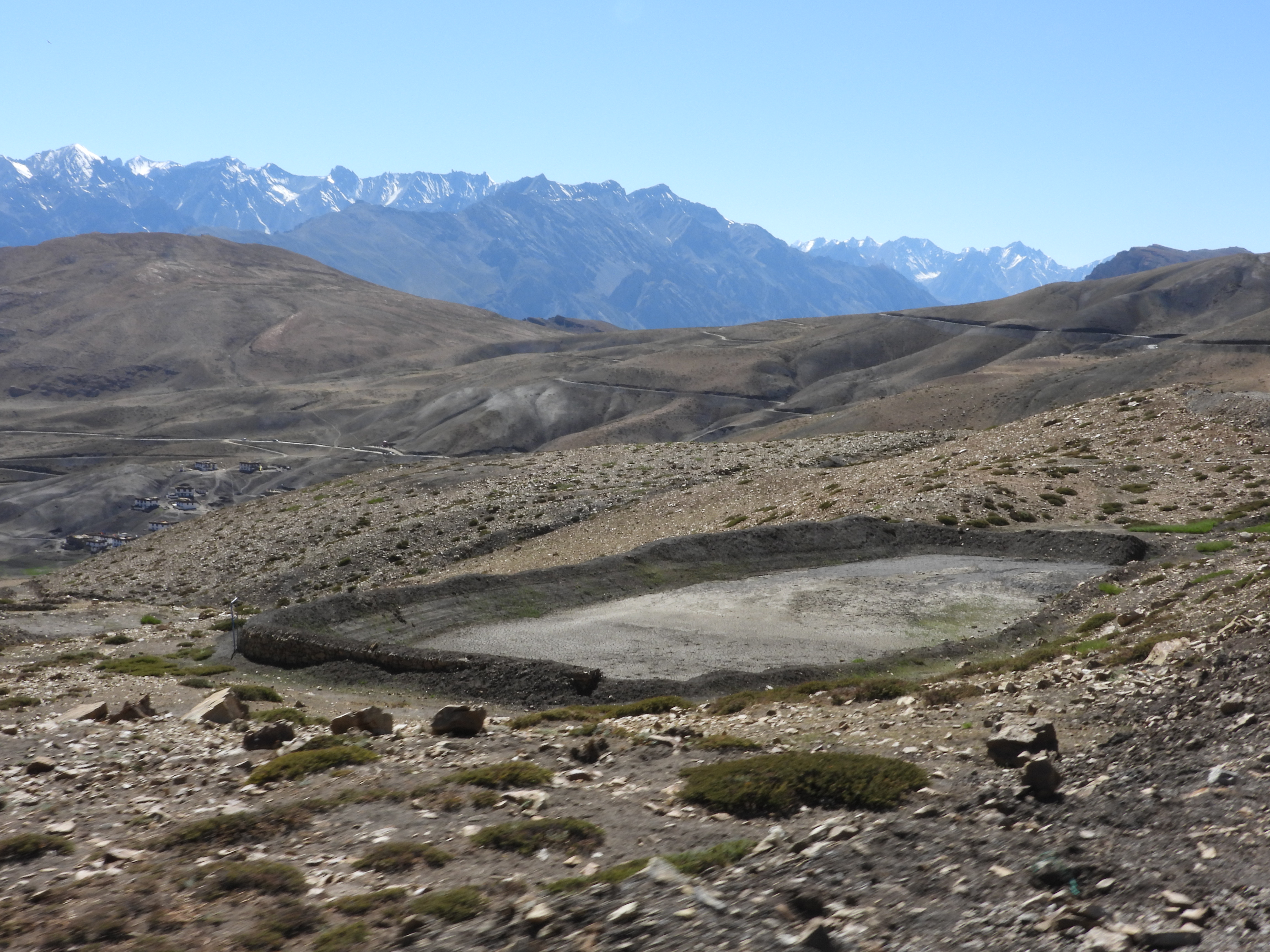
Barren fields and dried reservoir | Photo: Chhunit Kesang
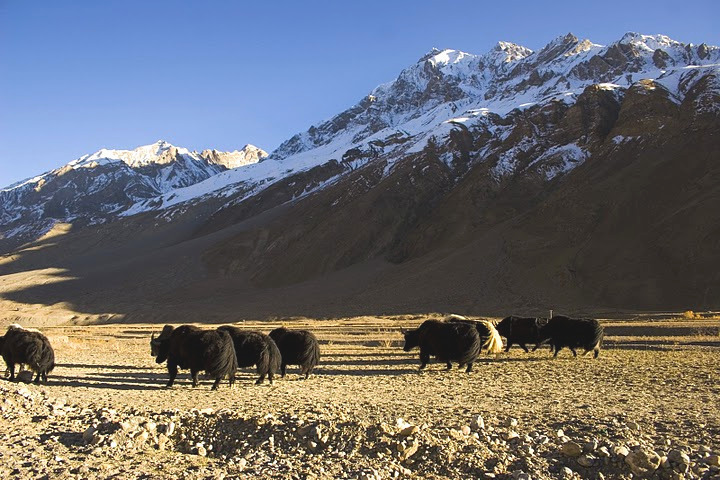
Domesticated Yaks

TD: What do you think is the cause for such changes?

DL: I think it is due to changing weather patterns. They say it is called global warming in English and has to do with plastic usage. I am not sure how it is interrelated and how it impacts our fields here in Spiti but I do believe it. I think about it a lot and think of avoiding plastic usage on my level. But will it make a difference on a larger level? I think collective action is needed. To ensure timely snowfall, we have to revive our traditional ways of living. Rituals are performed according to an astrologically and agriculturally influenced calendar and we have to bring back those traditions and belief systems. We also think about our children’s generation and preserve our natural resources. Tourism has also impacted the way we channel our resources. It is getting extremely rampant nowadays. We have to devise an internal resource and waste management system to reduce impact on nature. I think plantations will be beneficial in desert areas like ours. I hope that will reduce the effect of global warming and our fields begin to blossom again and our kuls brimming fresh snow water.

Padma Norzom: Water situation? It is scarce everywhere this year. In Chicham, even drinking water is getting difficult for us. Our barley and green peas field are all drying up before harvest season due to receding water in our kuls. There was just no water for irrigation and we are forced to abandon our fields. Because of declining water sources, our land, soil, pasture is all drying up and forage availability and grazing system is also impacted.

TD: Was it the same last year?

PN: It used to be enough to sustain our farm work and to feed our cattle but this year has been unfortunate. There was no snowfall during winter and all our spring waters dried up. My jersey cow also looks very weak and without adequate water to drink, milk production has become very less. I stopped selling milk this year. Livestock feeding and water intake behaviours are also negatively impacted and when sent out in the wild for grazing, they gallop towards greener pastures!

TD: How do we resolve this? Is there a way we can utilise water from the Spiti river?

PN: Yes, river water can certainly be channelled but it will be a bit strenuous and resource intensive as it is located far from the village area. If the government can help us, it will be a huge blessing. Some farmers have tried irrigating their green pea fields with generators. But the diesel operated generators turned out very expensive and it was simply not feasible for small farmers like us who also spent a lot of money buying green pea seeds. The cost will come in lakhs – all for nothing without water.

1800 1200 Tanzin Dawa