Climate Change

भारत में पहली बार हिम तेंदुए की जनगणना कैसे की गई?

भारत में पहली बार हिम तेंदुए की जनगणना कैसे की गई?

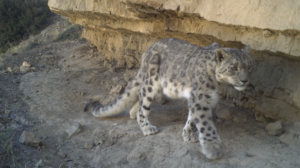
अंतर्राष्ट्रीय हिम तेंदुआ दिवस 23 अक्टूबर को मनाया जाता है। भारत इस साल अपनी पहली हिम तेंदुए की जनगणना के नतीजे घोषित करेगा। यह परिणाम देश के हिमालयी क्षेत्रों में किए गए 4 साल के व्यापक अभ्यास पर आधारित है। यह विशाल अभ्यास देश के सुदूर ऊंचाई वाले क्षेत्रों में रहने वाले स्थानीय लोगों के समर्थन और भागीदारी के बिना पूरा नहीं किया जा सकता था।

वीडियो: समर्थ ज्योति
कथन: अक्षिता अशोकन
अनुवाद: सीमा बजाज
कैमरा ट्रैप छवियां: हिमाचल प्रदेश वन विभाग, नेचर कंजर्वेशन फाउंडेशन और स्नो लेपर्ड ट्रस्ट
फुटेज: तेंज़िन थुक्तान, मुनीब खन्यारी और अजय बिजूर
छवियाँ: हाई एल्टीट्यूड प्रोग्राम और प्रसेनजीत यादव
अतिरिक्त फ़ुटेज: ओपन प्लैनेट
2444 1360 Himkatha
Changes in Agriculture (Ladakh)
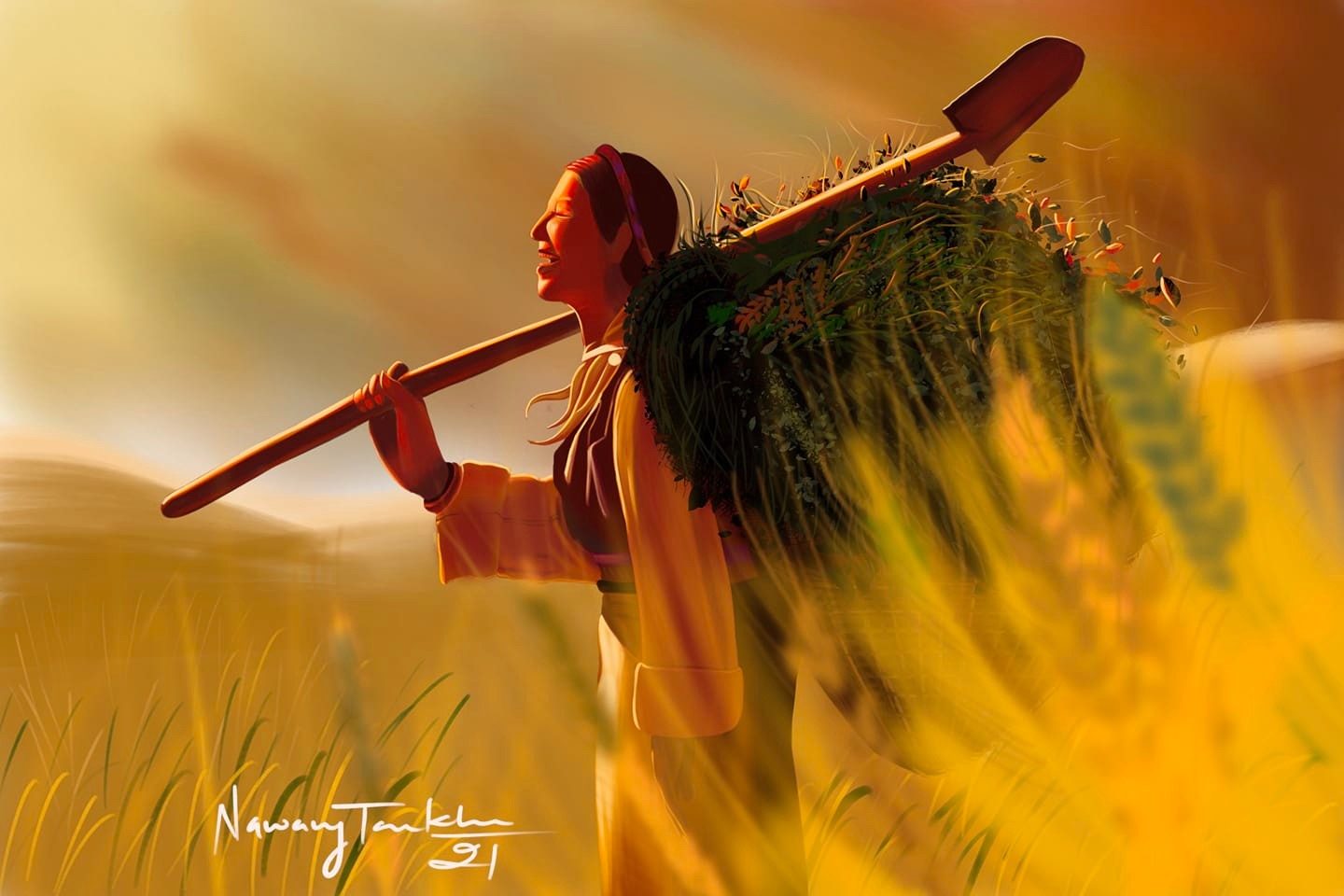
Illustration: Nawang Tankhe

Changes in Agriculture (Ladakh)

The rapid shift away from agriculture to other economic activities is a common trend in many agrarian economies globally, often driven by factors such as urbanization, changing lifestyles, and economic opportunities outside the agricultural sector. Agriculture in Ladakh is no exception.

In the traditional Ladakhi farming and food system, the sun provided the primary energy, enabling plant growth, muscle-based labour power and fast-flowing water for milling and irrigating. The fertility of the soil and crops came from recycling of manure and compost (lut, chulut, and the like) into the fields and from minerals in the glacial melt-water. ‘Packaging’ – if any – was in the form of hand-made woolen sacks, wooden and clay vessels, willow baskets, and masonry granaries, all of which could be safely returned to the soil after they wore out. Transportation of the crops was done with muscle power, and cooking done with local renewable fuels like dung cakes or wood sticks. Care was taken to conserve pasturelands through rotational grazing, and farmers tried to minimise harm done even to insects in the fields. The ecological footprint – meaning total ecological impacts including energy and water consumption, waste generation, etc. – was very low. In current terms, we could say that the traditional Ladakhi farming and food system was solar-powered, zero-external input, zero-waste, regenerative, closed-loop, and sustainable!

Today, while much of the traditional farming and food system continues to exist, it is steadily being eroded by a number of profound socio-economic changes. The environmental impacts of these changes are increasing year by year.

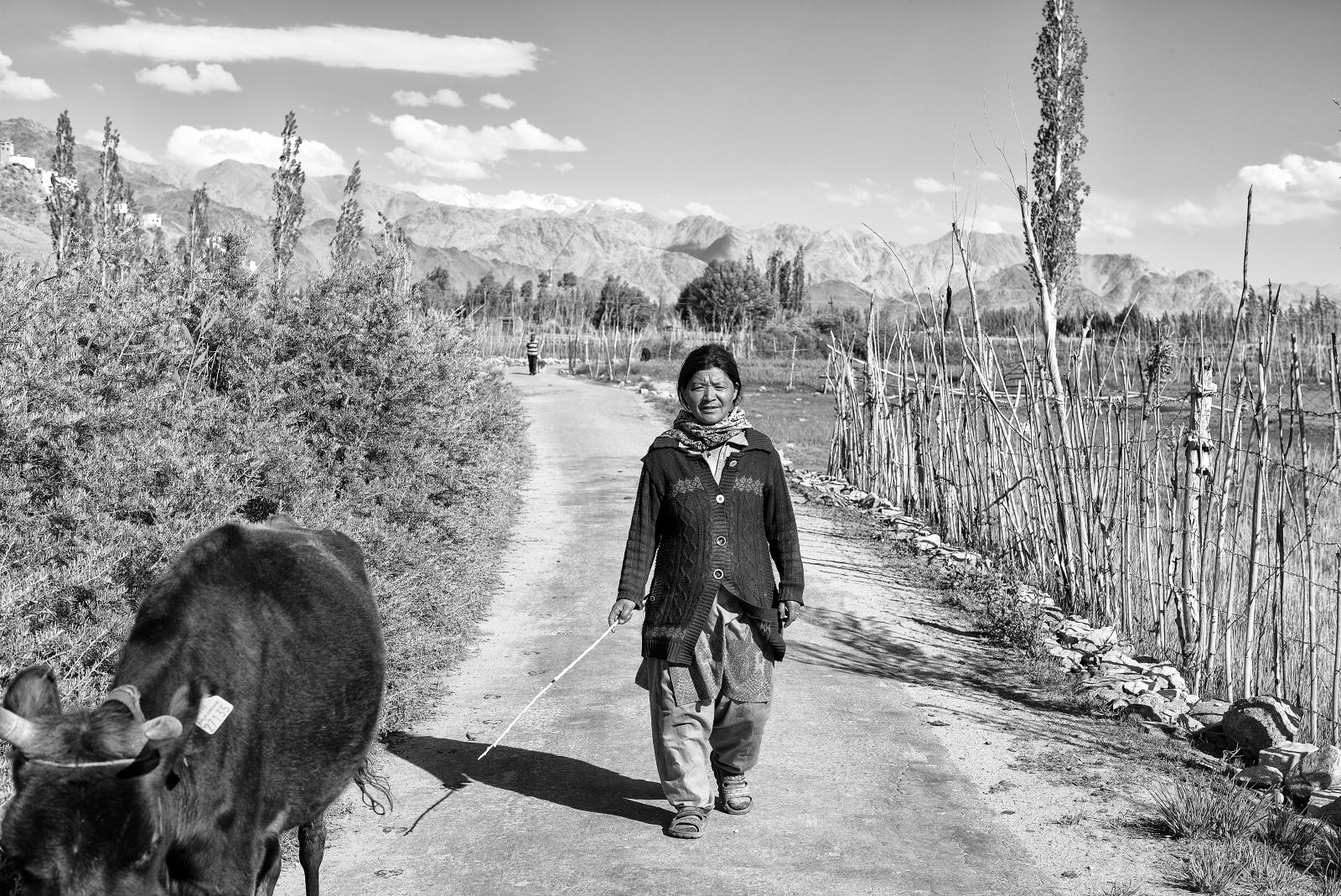
One of the important changes has been the decline of villages due to various reasons and the decline in farming-pastoralism systems that sustained them for centuries. The growth of tourism, the army, and competitive education have combined to drain young people, and young men in particular, out of the villages and into Leh, or even further away. As a result, there is less total labour available, and more farming work has fallen on village women and paid labour. Many fields that were once lush and green in the summers today lie fallow for lack of people to work them. With fewer people, livestock herds have decreased significantly, and in the case of goats and sheep nearly disappeared from many villages. While this change may have benefitted wild herbivores to some extent by reducing competition for forage, it has also reduced the amount of rich, organic local manure available for soil and crop nutrition. To make up for this, many farmers turn to the use of synthetic fertilisers which pollute both water and air, and are very energy-intensive to manufacture from fossil fuels.

Crops & Water

The decline of agriculture is also seen in the reduction of diversity in crops including pulses, cereals and pseudo cereals like buckwheat (although efforts are slowly being made to bring back buckwheat). Fewer local pulses like the traditional black bean in Ladakhi fields and kitchens diminishes the health of the local diet as well as local soils. Pulses naturally fix atmospheric nitrogen into the soil, so when they are planted there is no need for nitrogen fertilisers. Without them, however, an important source of natural fertility is lost. In terms of oilseeds, whereas Ladakhis formerly cultivated local mustard more extensively and produced much of their own edible oil, today mustard farming is also declining. Commercial edible oils, packaged in plastic bottles and trucked in from the Indian plains are now widely used in Ladakhi kitchens.

In the 14,000-foot village of Gya, farmers used to cultivate different varieties of barley because the area’s climate was conducive to their growth. Because of the region’s low temperatures, wheat is rarely grown in Ladakh’s eastern region. The people in that same region are currently cultivating over thirty-six to thirty-seven different kinds of grains and vegetables. Acho Urgain, from Gya village, says that this may be because he has access to a wider range of plants these days. He is cultivating new crops like quinoa, and Tse Tse (Foxtail millet), which are native Ladakh millets that are rarely grown these days. Since 2014, green peas have been grown extensively throughout Ladakh because of factors including climate change that favours such crops, but more importantly because of increasing commercialisation of agriculture, as green peas have high market demand inside and outside Ladakh. A variety of relatively novel vegetables are today grown, such as cauliflower, cabbage, beetroot, and various turnip varieties.

One of the many changes in agriculture that people in the mountains are facing is a lack of water, especially during times of great need.  It is imperative that water be given to the fields by the end of March or the start of April. Variable weather patterns cause glaciers to hold onto water by not melting during the seeding season. June 21st marks the change of the days, so in July there will still be a water shortage. Another impact of climate change on agriculture is from increasing likelihood and severity of glacial lake outburst floods, which have had catastrophic impacts on downstream villages, such as in Gya village in 2007, 2009, and 2014.

Land use

The perspective of agri-entrepreneur Rinchen Yutol from Reetsot in Ladakh highlights the rapid changes in the past decade, which may present both challenges and opportunities.

The conversion of agricultural lands into concrete structures poses a significant challenge, and reversing this process is often impractical. This irreplaceable loss reduces self-reliance in food and increases dependency on imported foods. Such dependency increases vulnerability in the case of any disruptions (like fuel shortages, or road closures) in the transportation network across the Himalaya. Additionally, the fragmentation of agricultural lands due to nuclear families can further reduce the overall agricultural land use.

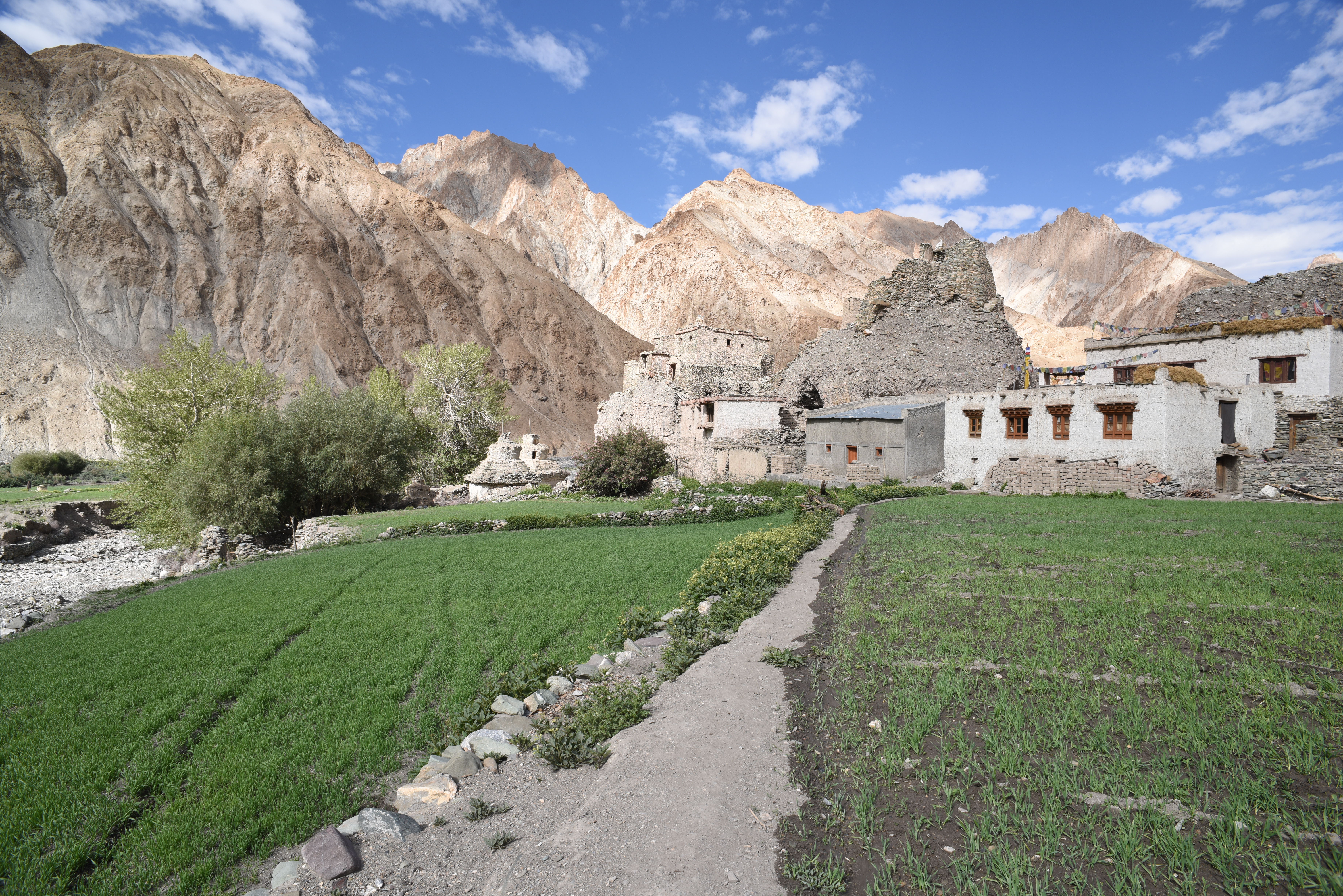
Chortens and fields of Markha | Photo: Wikimedia Commons

Fertilisers

Synthetic fertilisers have been used in Ladakh since about the late 1970s, supplied by the government at highly subsidised rates. Three main synthetic fertilisers are used: urea, DAP (diammonium phosphate), and MOP (Muriate of Potash/potassium chloride). Data from the Agriculture Department and Mission Organic Development Initiative of Ladakh show that in general, quantities of synthetic fertiliser use are decreasing in Ladakh. This trend is reflective of the Hill Council’s new vision to make Leh District fully organic within 10 years. This is very encouraging, since the more fertilisers are used, the more they disrupt the availability of natural nitrogen in the soil, which requires more fertilisers – a chemical addiction!

Besides the loss of livestock manure, the shift to flush toilets and septic tanks accompanying tourism – especially but not only in Leh – is also depriving the soil of rich human manure from traditional compost toilets.

To supplement local supplies, there are new initiatives to bring animal manure from Changthang for use in villages in the farming districts of Ladakh, and the government is also importing organic manure from Punjab. While this is certainly a welcome change from chemical fertilisers, transporting manure and compost also carries an environmental cost in terms of fuel consumption and diesel smoke exhaust. A future challenge will therefore be to generate organic manure and compost closer to where it is to be used, to reduce transport costs and pollution, and to keep valuable local nutrients recycling through local soils. Aggressive promotion of compost toilets, restaurant and residential food scrap collection and composting, and other initiatives could play a role in regenerating the local compost economy.

Seeds

One of the most crucial factors to consider when examining the changes in any region’s agriculture is the seed. The availability of native or local seeds is impacted by the decline in production of native or older crops. The majority of seeds for vegetables that are currently offered by the government or in the market are or hybrid seeds, which have the potential to alter the agricultural landscape of Ladakh, and have implications for the food sovereignty of the region and the economic independence of its farmers.

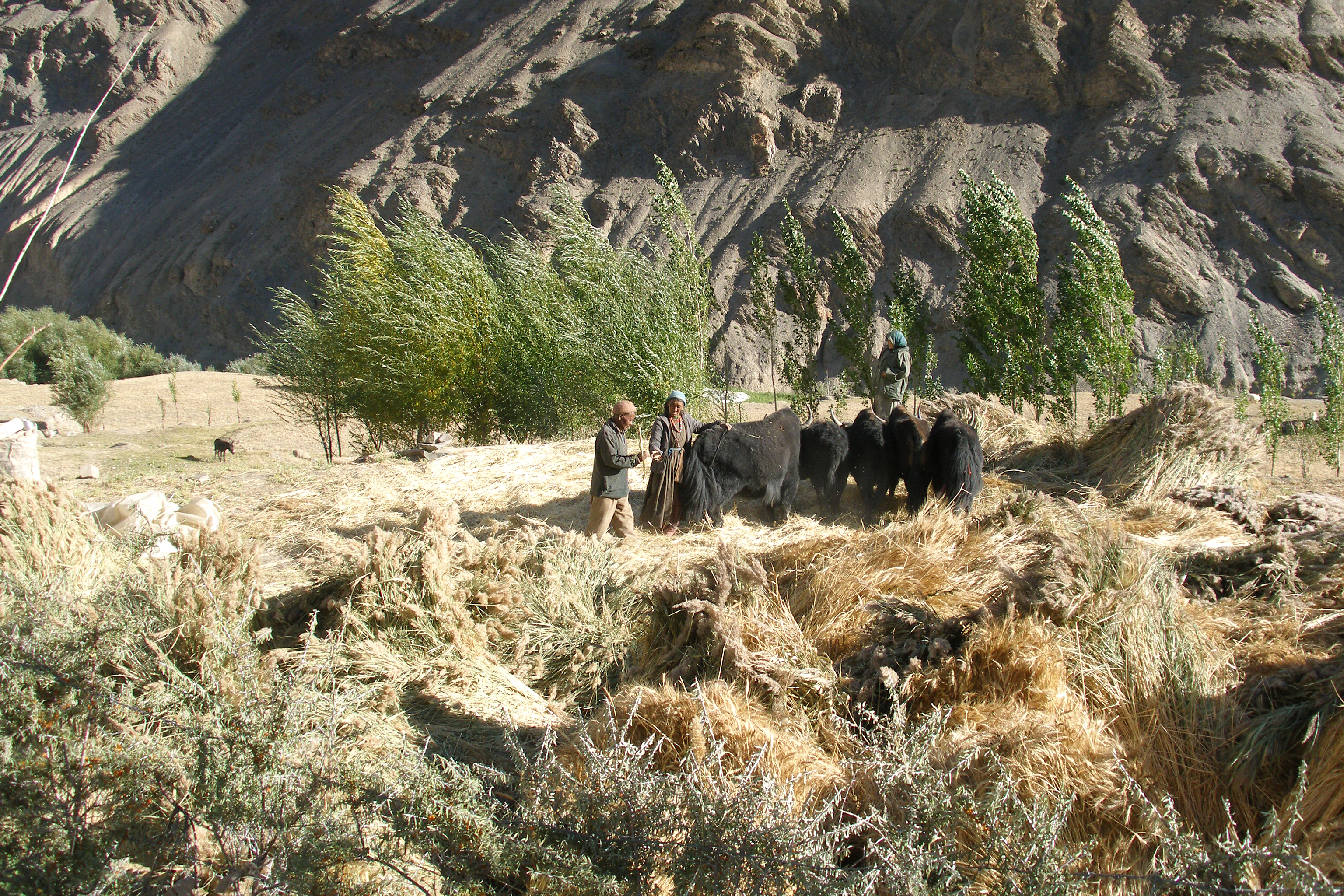
Traditional threshing of harvest in Lamayuru | Photo:Wikimedia Commons

Mechanisation

Dependence on fossil fuel energy has also been increasing in agriculture and pastoralism, as traditional tools, draught animals and techniques are replaced by mechanical, gas-powered threshing machines, mills, ploughs, tractors, etc. In Changthang, pick-up trucks and jeeps are steadily replacing draught animals, which impact the topsoil of the rangelands. This transition also increases dependency on the money economy and outside jobs to pay for hiring or buying the machines and the fuel to power them.

Conclusion

The shift away from the traditional farming and food system in Ladakh, combined with forces like tourism, is clearly having very undesirable environmental impacts. If both public health and the environment are being degraded by this shift, then maybe it is time to rethink, change direction and regenerate the local food economy. How could this happen? The Hill Council’s commitment to making Ladakh an organic farming region is a very encouraging first step. Additionally, the optimism and enthusiasm shown by individuals like Acho Urgain and Rinchen Youtol are encouraging. Their deep understanding of the importance of agriculture in the current era, both economically and beyond, suggests a potential for positive change. Initiatives that focus on sustainable and innovative agricultural practices, coupled with educational programs to raise awareness about the significance of agriculture, can contribute to the revival and retention of this essential sector. In what other ways can the government and local people support such a change, discouraging packaged junk food while encouraging a return to traditional crops, restoration of livestock herds, village renewal, and so on? How can arable land be protected in perpetuity for farming? Can modern farm machines be powered by local, renewable energy? How can young people addicted to junk food rediscover and revalue healthy local foods? What role can tourists play in supporting local, organic food and farming? These and many other questions will need to be urgently answered.

1440 960 Alex Jensen
Navigating the challenges of climate change in the Himalaya
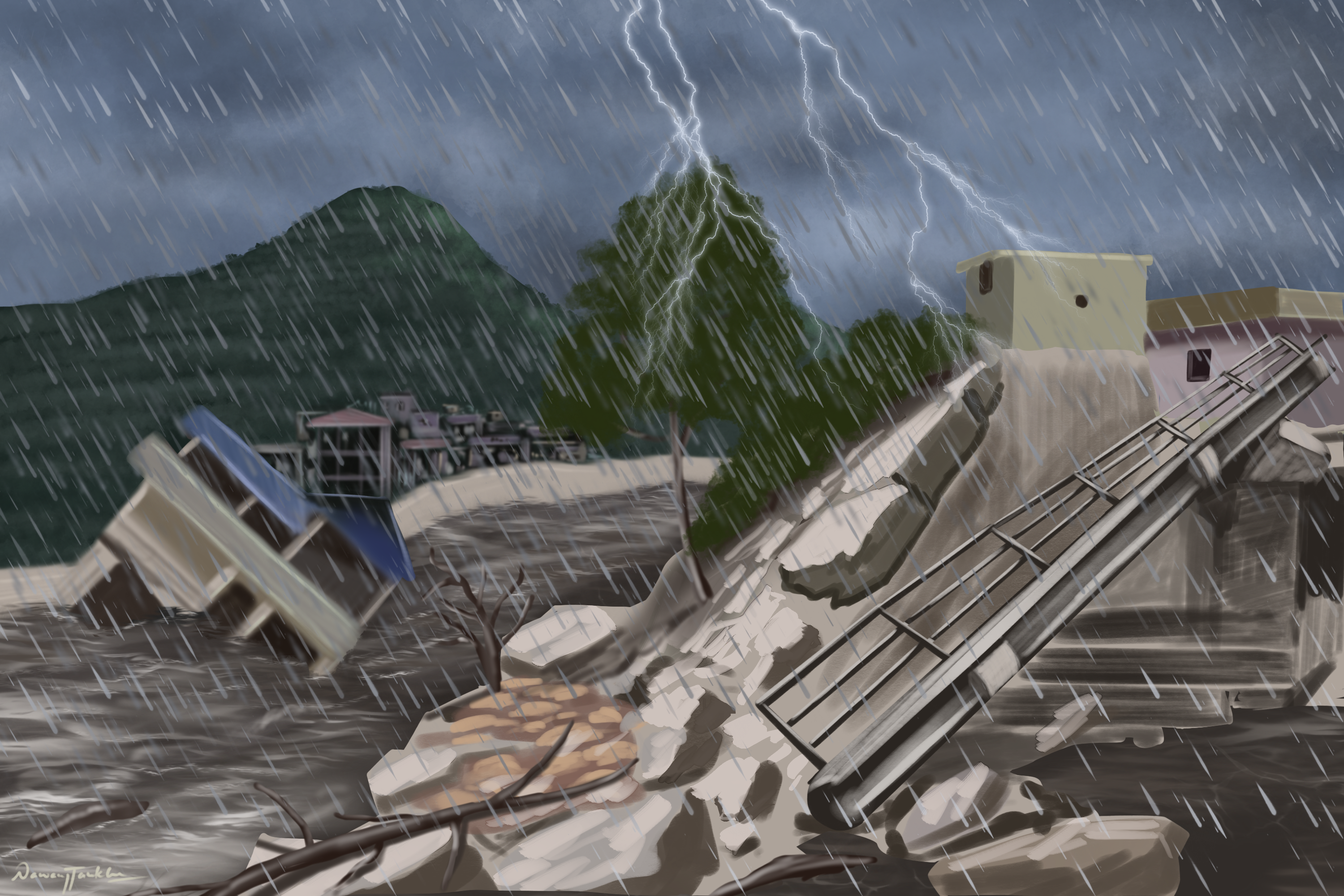
Illustration: Nawang Tankhe

Navigating the challenges of climate change in the Himalaya

The heart of the mighty Himalaya is witnessing a profound transformation shaped by the relentless force of climate change. With Himalaya playing a crucial role in shaping the weather patterns across India, climate change is disrupting these patterns. And the Western Himalaya Region comprising of Jammu & Kashmir, Ladakh, Himachal Pradesh and Uttarakhand characterised by complex geography with various local warm and cold zones is affected differently from one location to another.

Climate change refers to long-term shifts in weather patterns that affect local, regional, and global climates on earth. Most of us are familiar with greenhouses that are commonly used to grow vegetables in winter, because the temperature inside these enclosures stays warmer than outside. A greenhouse keeps the enclosure warm by letting in as much light as possible and then trapping it as thermal energy. Now imagine what might happen if our planet acted similarly? In fact, it is because the earth works like a large greenhouse, that our planet can support such a wide variety of life. This phenomenon is called the greenhouse effect. However, a rapid rise in burning of fossil fuels over the last 150 years has significantly increased the level of carbon dioxide in our atmosphere leading to increased warming and a rise in unforeseen weather events.

Research findings paint a stark picture of the Himalaya’s changing climate. Over the years the region has witnessed a noticeable rise in both seasonal maximum and minimum temperatures. The difference between daytime and night-time temperatures is also getting larger, indicating a warming trend. Snowfall events have shown variability in terms of intensity and timing. Scientists note a decrease in early snowfall during December and January, accompanied by an extension into February and March. While rainfall intensity remains relatively unchanged, there is a notable shift in its timings. Monsoon rains, once confined up to mid-August, now linger beyond their traditional timeframe, accompanied by a rise in cloudburst events. This shift, intertwined with delayed snowfall, alters the distribution of rainfall and cloud cover across the region.

The impact of this climatic transformation is not an abstract concept but a harsh reality affecting various sectors. Agriculture, the lifeline of many in the region, is particularly vulnerable. In the Kullu valley of Himachal Pradesh, delayed snowfall has cast its icy shadow on apple orchards. The blossoming, bearing, and overall yield of apples have suffered due to altered chilling conditions. Orchards, once thriving in lower elevations, now seek refuge in higher altitudes, affecting not just the geographical landscape but the very quality of the produce.

In Ladakh’s western regions, horticulture crops like apricots and walnuts are facing severe challenges. Spring seasons are turning cooler, delaying the fruiting process and impacting the quality of the produce. Barley, a locally grown crop, is witnessing a substantial reduction in yield, echoing the broader struggle against a changing climate.

Villagers in Spiti tell a poignant tale of declining green pea production, a crucial revenue-generating crop. This decline, attributed to persistent water scarcity, reached its peak in 2022 when Langza village faced complete crop loss due to the unavailability of water. The transformation is not confined to the fields; it seeps into the very identity of these regions.

Agriculture in Uttarakhand, highly vulnerable to climate change, experiences shift in production dynamics, causing changes in crop yield, reduced diversity, and a surge in pest invasions. In districts like Pithoragarh, Chamoli, and Uttarkashi, climate change is altering the traditional collection period of non-timber forest products, impacting livelihoods.

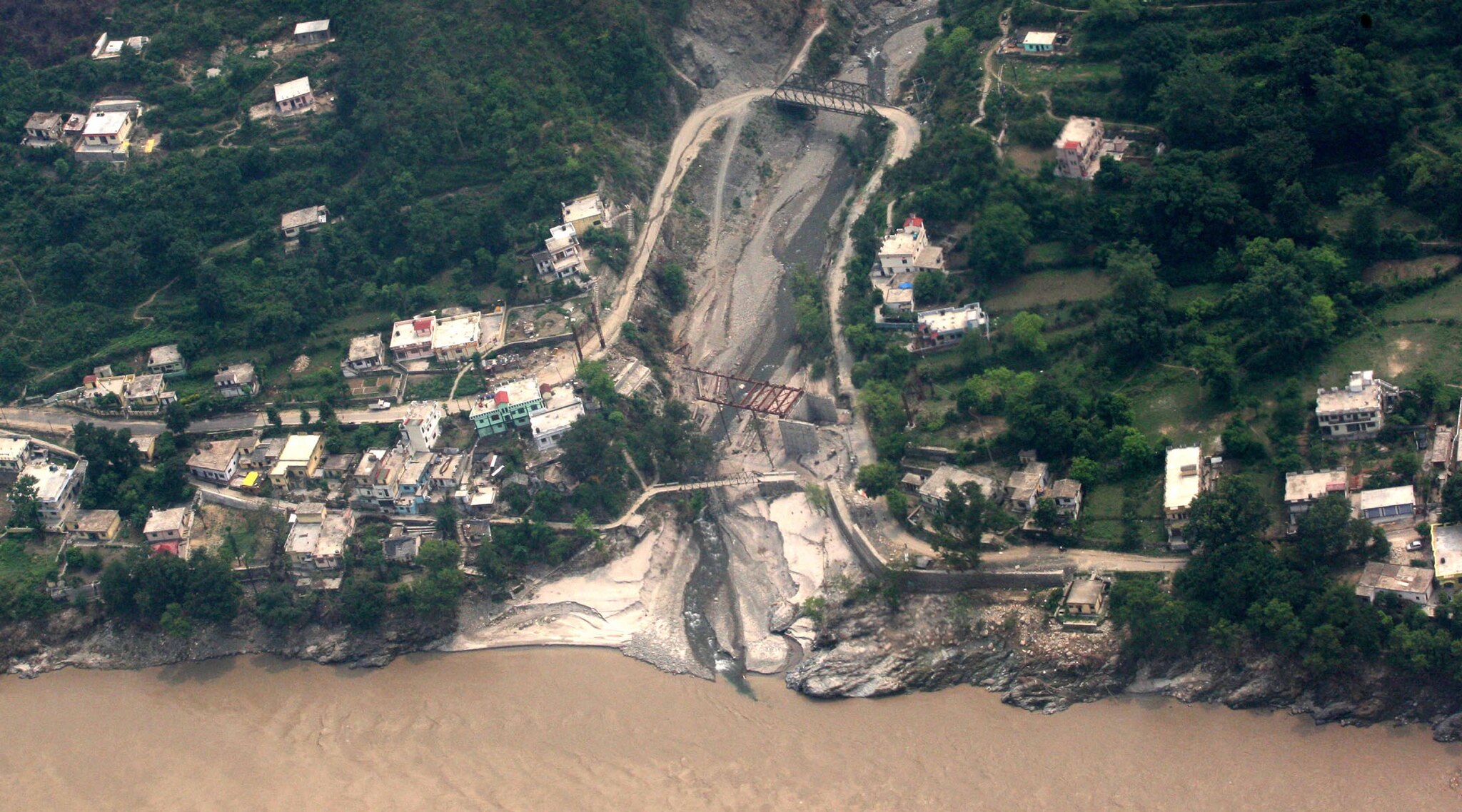
An aerial view of flood-ravaged Rudraprayag, in Uttarakhand | Photo: Wikimedia Commons

The farmers, the custodians of the land, echo this change.

Earlier, we could not see stars in the sky for the whole of July and August. Continuous rains for days during the monsoon season in old times was good for the soil and the crops. But now, sudden and untimely torrential rains are spoiling the soil as well as the crops. The rains have completely disappointed us.

by a farmer from Uttarakhand

Summers are more intense and drier now because of which the crops ripen at an early stage without proper grain development.

by an elderly farmer from Uttarakhand

Earlier the snow was about a foot high and it used to stay for weeks but now if ever there is snowfall it is less than 5 inches and melts within a day.

by a farmer from Himachal Pradesh

Every year, we travelled from Zanskar to Kishtwar by crossing the glacier. Over the years, this glacier has been reducing. The new snowfall is not sufficient for settling, posing challenges to our traditional migration routes.

by a pastoralist from Ladakh

This replacement about 50-60 years ago, which turned agri-culture on its head did not come with the Green Revolution (more appropriately called Greed Revolution) then but was the consequence of what had emerged as the industrial revolution two-three hundred years ago. And it started with de-legitimising traditional society’s existence, identity and knowledge by naming it ‘backward’ and following it up by seeking to shame people’s knowledge systems and their seeds. It was crucial and strategic that this society begin to have an inferiority complex about oneself. This was the first essential stage of the conspiracy. Once this was achieved, it was followed by a systematic replacement of the principles, methods, seeds with the means that it had created. As a result, a creative, productive and self-reliant society has today become a dependent slave farmer society.

3000 2000 Ajay Bijoor
Counting Spots in the Snow

Counting Spots in the Snow

International Snow Leopard Day is celebrated on 23 Oct. India is expected to announce the results of it’s first snow leopard census based on an extensive 4-year exercise undertaken in the Himalayan regions of the country. This mammoth exercise could not have been accomplished without the support and participation of local people living in the remote high altitude regions of the country.

1200 670 Himkatha
Unpredictable Lifelines
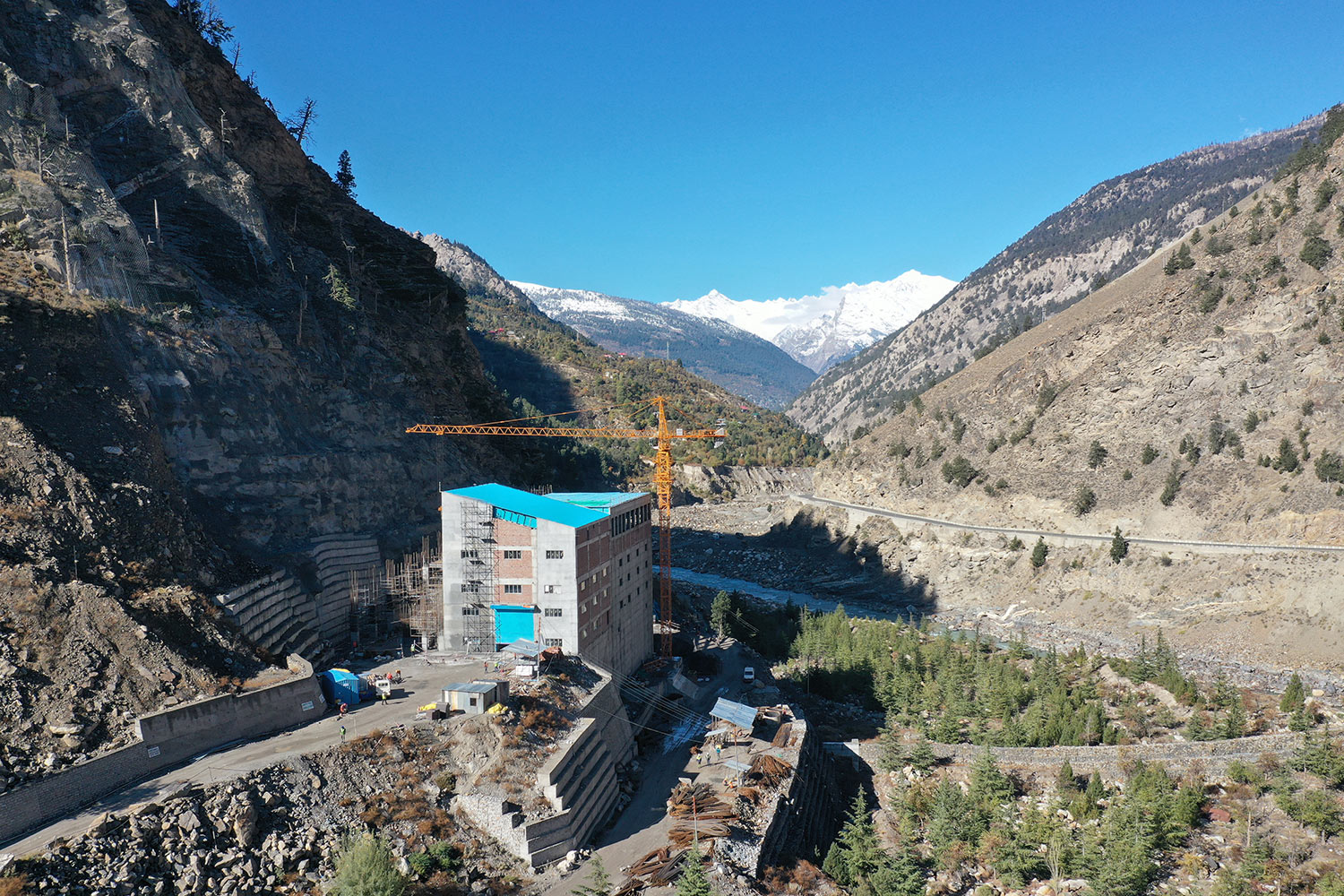
Integrated Kashang Hydroelectricity Project, HP, India| Photo: ejatlas.org

Unpredictable Lifelines

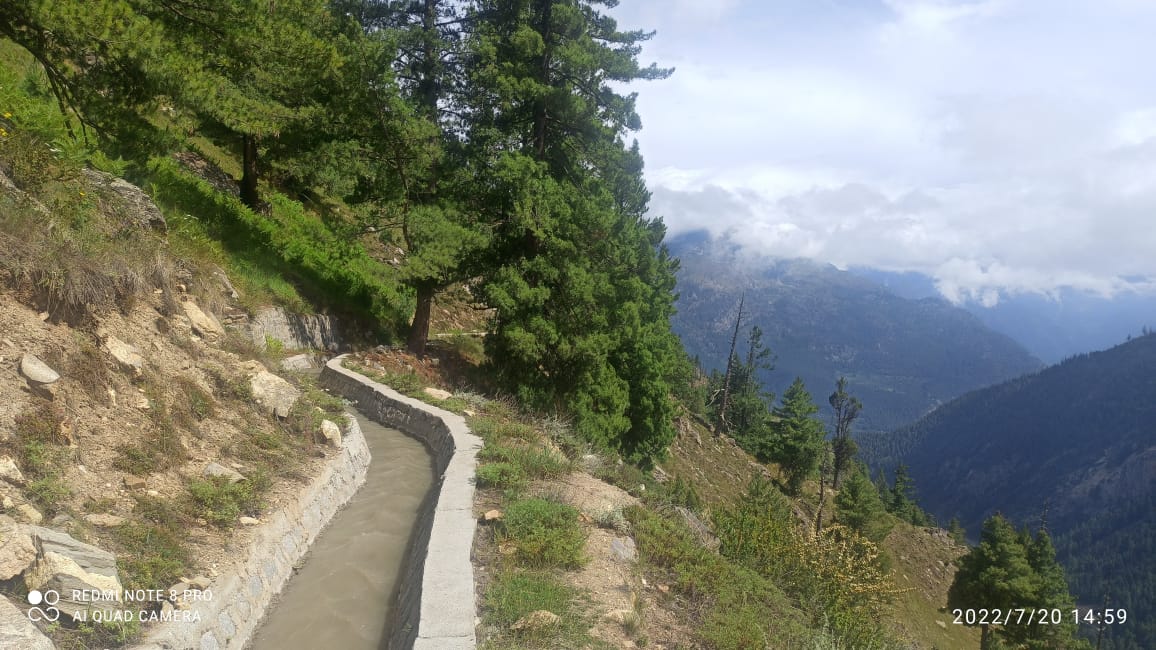
Verses of prayers reverberate throughout the valley as men sing and climb mountains to ensure their village has water in the summer. People from Khadra, Akpa and Rarang village trek for 27 km to reach Pangi top and clear the path of the artificial stream – Kashang nahar to let the water flow freely towards their villages. Generations ago many streams flowed towards the foothills but now only a few remain and Kashang Nahar is the only reliable source. Completed in 2005 this canal is helping the local villages meet their demand for water.

Kashang nahar | Photo: Yowan Negi, (Village Rarang)

Khadra, Akpa and Rarang, villages at 8000ft of Moorang tehsil, fall in the semi-arid region of Kinnaur district in Himachal Pradesh and rely mainly on glacial melt for their water needs. Though over the past few decades things are changing. As the climate is getting warmer, precipitation (rains and snowfall) is getting erratic. With each passing winter the glacier is unable to recover due to reducing snowfall trends. This is not only reducing the water availability during summers to the villages dependent on them but also leading to glacial instability. This phenomenon is already bringing grave consequences to the communities living in the mountains as was observed in Chamoli district of Uttarakhand. A glacier collapsed and released a ton of water and energy which destroyed everything that was in its path.

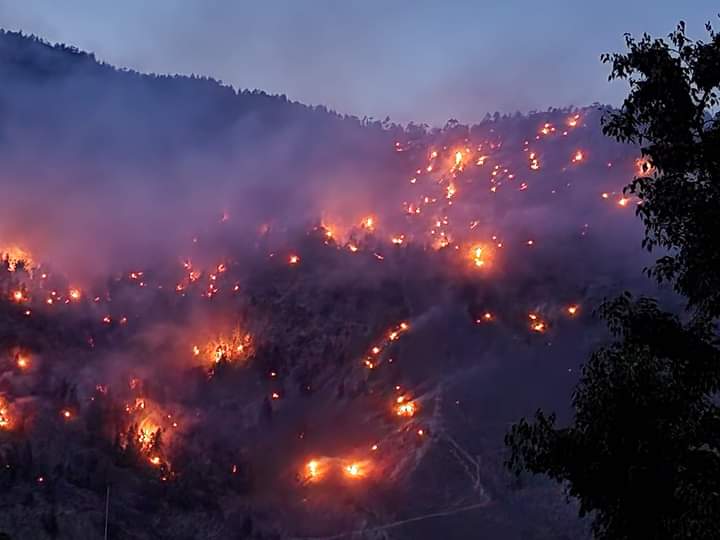
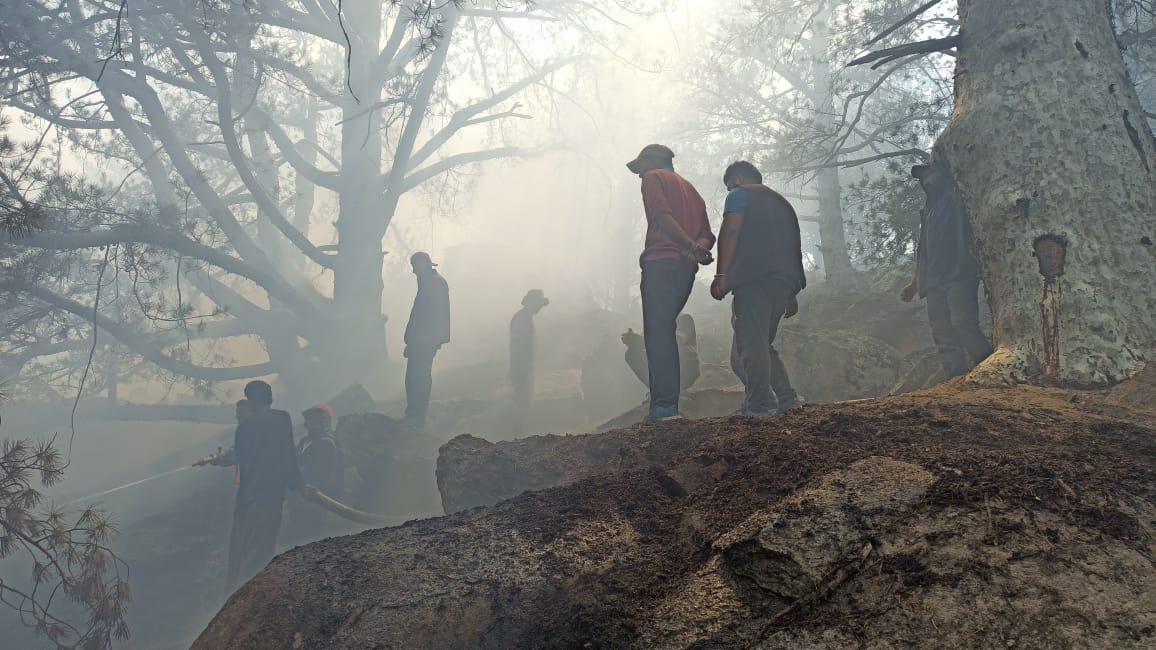
During monsoons, flash floods and landslides are increasing and becoming more frequent by each passing year, adding to the woes of the communities. A few years back, in my village of Khadra and the nearby villages of Akpa and Rarang, a major landslide washed away many agricultural fields leading to loss of acres of productive land. This year we faced a severe heat wave which led to fires in our forests. As Deodar and Chilgoza trees around us burned and fell and the wild species fled, we felt so helpless as the water in Kashang nahar fell short. Some of us collected the water at the base of the nahar and managed to save a few trees. But a lot of the damage had already been done. Each year we are caught up in a dichotomy of drought and heavy devastating rains and we don’t know what we should prepare for.

Forest fires in Akpa & Jangi forest | Photo: Heer Chander (Village Jangi)
Aftermath | Photo: Sunder Negi

Development based on destruction

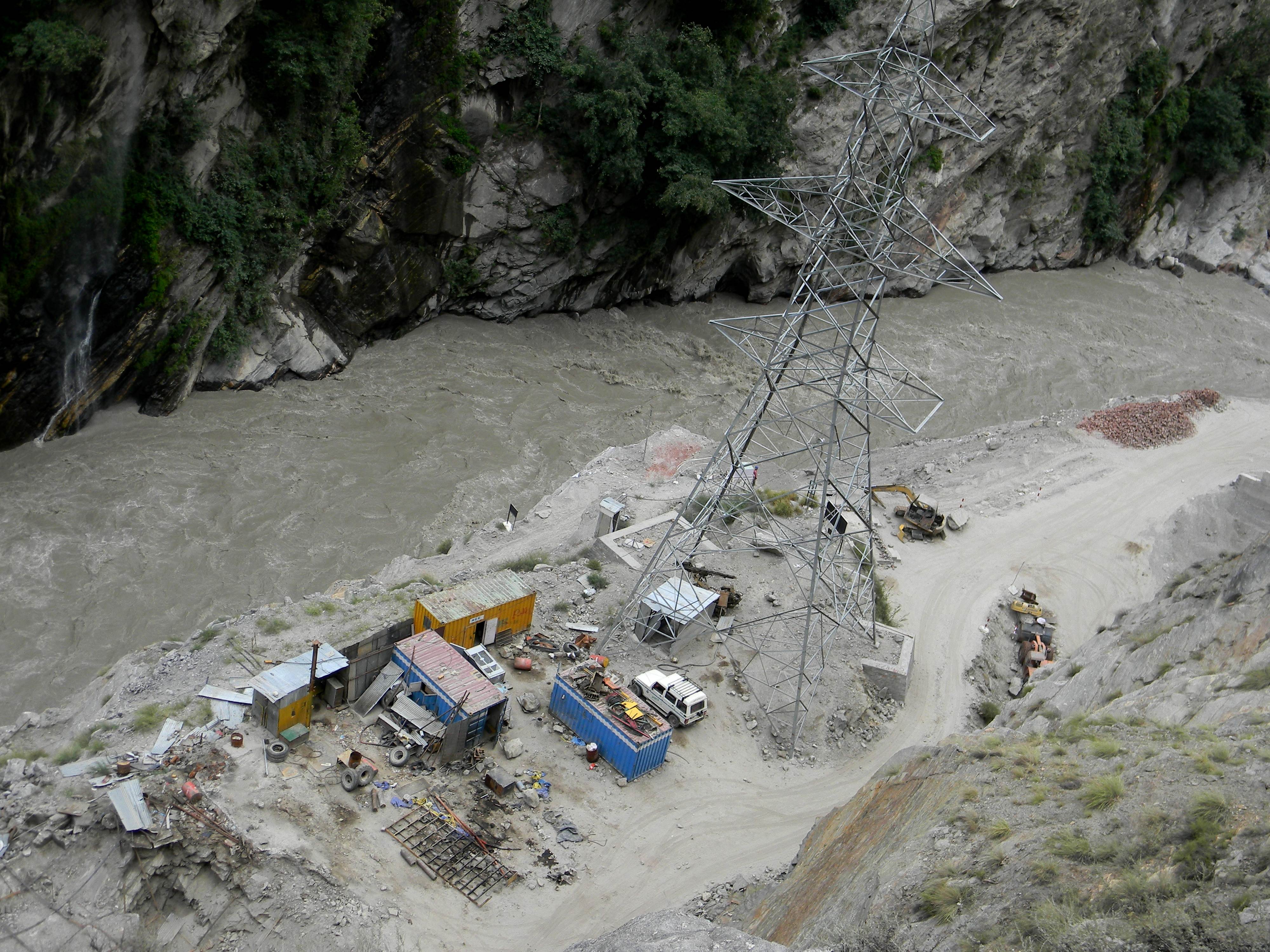
Himachal Pradesh, being a mountainous and river rich state, is known for its potential to generate hydro power. However that is coming at a cost to the communities. Villages and community forests are sanctioned under different projects to either be submerged or cleared off for the development. Around our village we have two hydro power plants – Tidong (150 MW) & Kashang Integrated (243MW) under construction and one mega project – Jangi Thopan of 804 MW is proposed. Kashang integrated project has plans to divert the Kashang nahar to meet its production needs. These projects are hindering the flow of our already distressed rivers and causing long term implications towards the health of the ecosystems and communities dependent on them. We have always opposed such mega developments and will continue to oppose them.

Photo: statkraft.in

Science and spirituality

To our communities, water means much more than a resource. Our ancestors have revered and protected the resource not just for themselves but for the generations to come. And today we continue to reap the benefits. Even today elders in the village guide us with ways to protect the water and thank the spiritual beings for their benevolence.  Every time we go to the source of a natural spring, we recite Naaga Chhonme, an ode to nature thanking her for the abundance of resources. It is deep rooted in our basic nature to feel connected to the forests, streams, rivers, mountains and we treat them as living being.

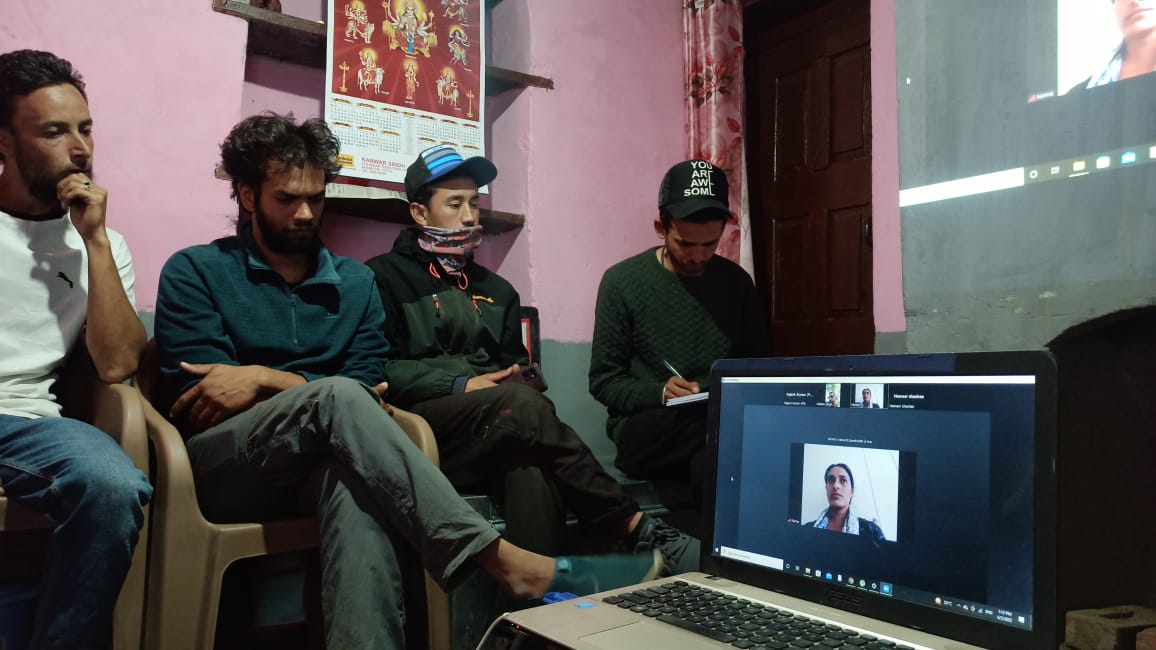
As much as spirituality is important to help us stay grounded and connected to our land and water we are also focusing on taking informed decisions to monitor and manage our resources based on scientific tools at our disposal. In early June this year, the youth of the 7 village clubs- Spillow, Kanam, Moorang, Jangi, Akpa, Rarang and Khadra, organised and attended a workshop conducted by Himdhara and People Science Institute on long-term monitoring of the health of the streams around our village. It was a 3-day workshop and we explored various themes around water including topics of development, climate change and its impact on our hydro and ecosystems. With the help of the Open Foris Collect, a mobile application, the youth have already started recording their readings of our streams.

River monitoring workshop | Photo: Sunder Negi

Climate change is a problem that we cannot solve at our village level. In the coming few years, the negative impact of climate change will only worsen and all we can do is prepare for the challenges we are to face. What we can do as a community is to raise awareness, write about the issues and continue to engage people in action towards climate change.

4000 3000 Sunder Negi
Traversing Climate Change
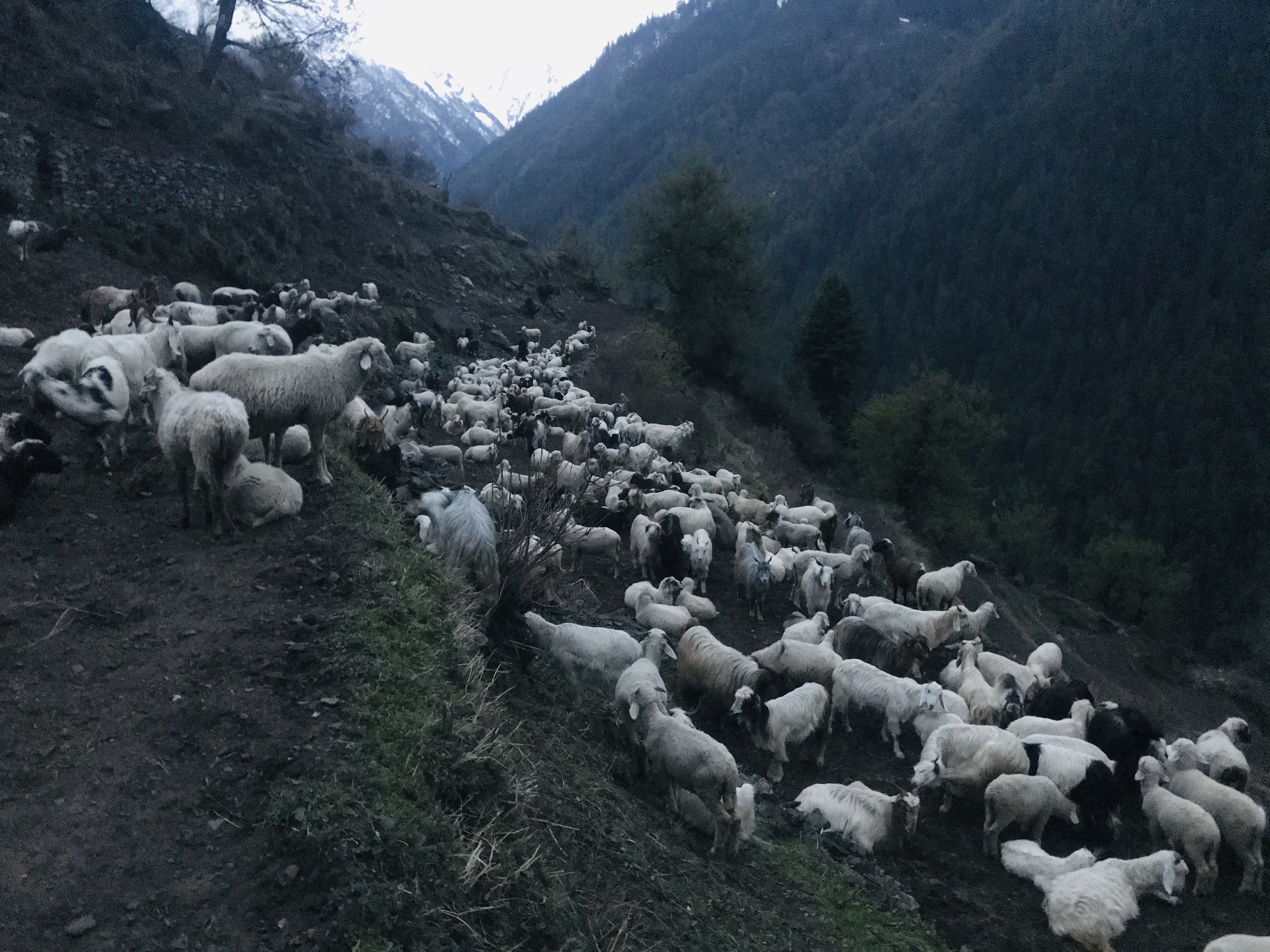
Herds of sheeps and goats return after grazing in the Dhar on the North-east of Kungti village | Photo: Virendra Mathur

Traversing Climate Change

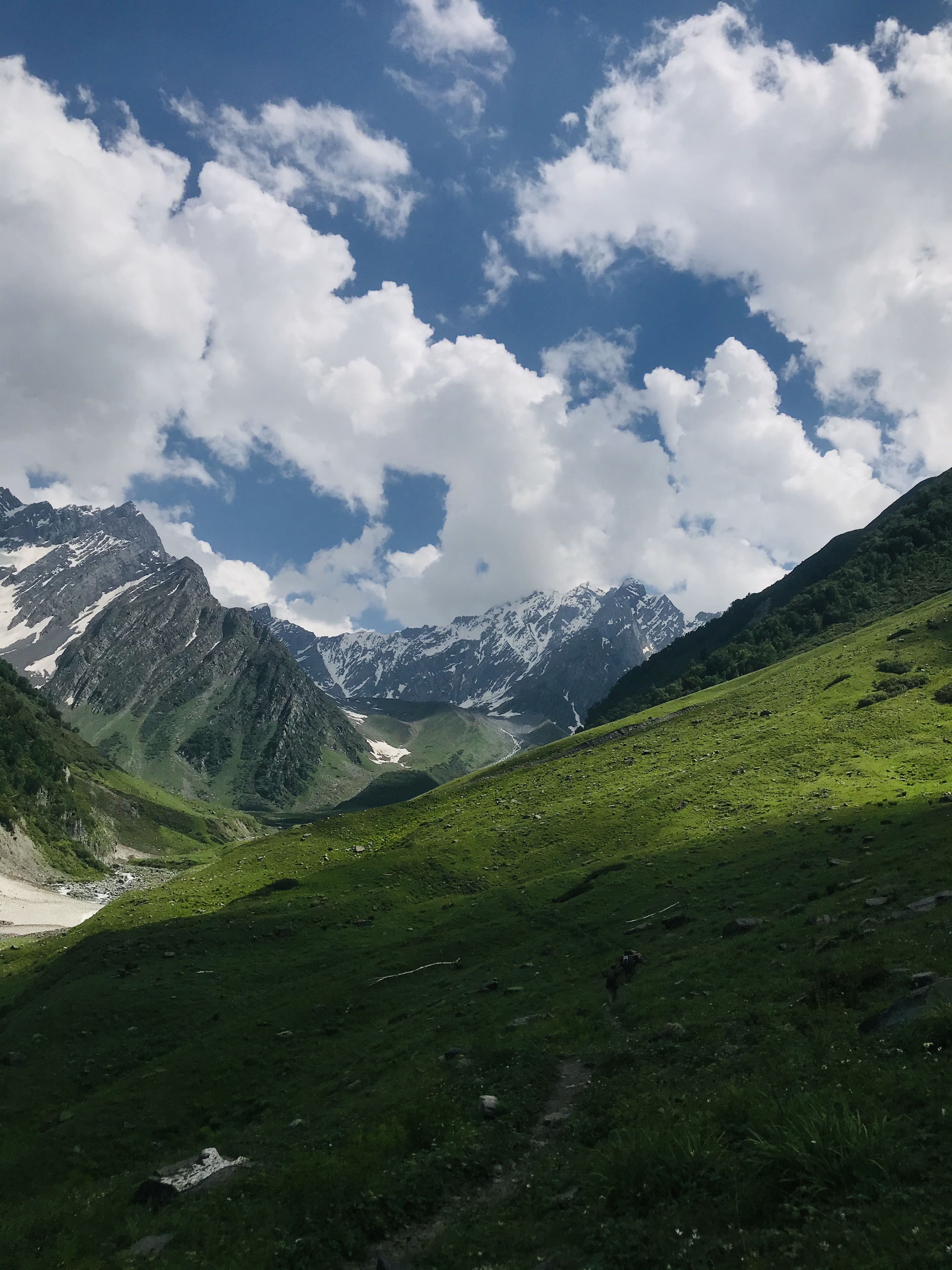
In the mystical lands of Bharmour and Lahaul, located in the north-western part of Himachal Pradesh, India, a seasonal event takes place every year that is an elegant harmony between local culture and nature. Here in the traditional seat of Gaddi shepherds, the community is described variably as semi-nomadic, transhumant pastoralists, or agro-pastoralists. The Gaddis, usually men of the family, start on a migratory event in early April, gathering their goat and sheep herd and taking them to the high-altitude summer foraging grounds. These unbridled pastures, known as alpine meadows are called dhars. This seasonal movement is ingenious at various levels – it sustains the economy of a Gaddi household without being too reliant on agriculture. Further, Gaddi herds provide rich manure to the tilled lands across various agricultural landscapes they pass through and in return receive food and a place to camp; a barter system still in place. And this practice helps avoid low productivity foraging grounds without putting undue pressure on alpine pastures.

The shepherds pass through various towns and villages, as they start their journey from the low-lying areas of Kangra valley and plains of Pathankot, crossing the Dhauladhar mountain range towards Chamba district and travelling north towards the alpine pastures in the inner Himalaya. With them, on this arduous journey, are of course the livestock that they address as “Dhan” which also translates to money and wealth in Hindi. The sheep and goat herd constitute a flexible and continuous source of economic return for this community, especially when small land holdings do not allow for huge returns from agriculture. The flocks serve as a source of meat, milk, fleece and wool. The wool produced by Gaddi sheep is primarily used to make warm clothes, and is considered to be fine quality wool in a market where the quality dictates the price of the wool.

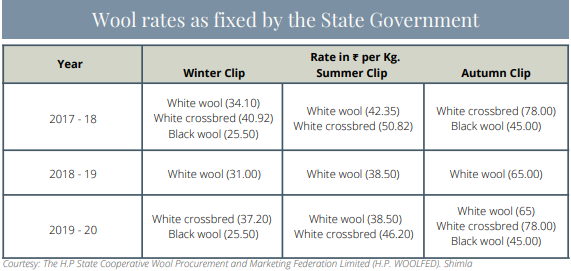
Himachal Pradesh State Wool Federation website displays the minimum support price (MSP) offered by the government for the sheared wool. Based on per kilogram price, the prices are lowest for the wool sheared in winter in the month of January-February, whereas the highest price is set for the wool that is sheared in autumn (in September or October), after the flocks have come down from the alpine pastures. The Gaddi shepherds I interviewed called this an ‘A’ grade wool. In their opinion, the nutritional forage available in the alpine pastures, which consists of medicinal herbs, shrubs, and vital grasses, contributes towards development of such fine and gregarious Gaddi wool.

Even more difficult than the journey to these pastures is living there. When I asked a Gaddi about the most important skill to survive in the alpine pastures, he simply stated that “You have to become an animal to live with an animal.” indicating the laborious life in alpine pastures. The arrival of Gaddi in the alpine pastures is met by receding snow, and below it lays the abundant grass to forage for the livestock/goat and sheep herd. These alpine pastures stretch till the horizon, vast carpets slowly turning green. Guiding herds in these alpine pastures is the least of their worry, the real challenge is to protect the herd from the harsh surroundings. The relationship of herd and the shepherd arises from mutual dependency, and for Gaddi men who remain away from their families, their herd is their family. The relationship of care is intertwined around wool – it transcends the material value and takes up emotional significance. It is the wool that earns shepherds the money, and it is this wool that comes back on the journey – laden on the back of a shepherd in the form of a blanket or a shawl.

They keep a portion of the sheared wool for themselves, and use it to manufacture clothing – their traditional attire, shawls and blankets, which keeps them warm and protected. When a lamb is born, it is wrapped around in this blanket and kept inside their camp, and on the long treks in alpine pastures, lambs and goat kids are carried wrapped inside the blankets. Each head counts in this family, and shepherds sometimes risk their lives for their flock. On two separate instances, a group of shepherds, at night, rescued their stranded goats from potential attack of a black bear, and on another day, Thaapu, a young apprentice jumped into a glacial stream, shattering the thick sheet of ice to rescue a sheep and a goat kid that fell while crossing the glacier. He said that a shepherd has to protect every head he is responsible for, as this proves his credibility to his employer. While the shepherds have adapted to the vagaries of nature, will their resilience fare them through impacts of climate change in the inner Himalaya?

In many ways, the life of a Gaddi shepherd and that of their flocks is interlaced with the seasonal changes in Himalayan pasture lands. Without knowing the term, the shepherds understand that their summer home is undergoing changes. Rainfall patterns have become erratic and it can impact the livelihood of Gaddi communities negatively. Abundant rain could lead to livestock mortality as the sheep contract various diseases in wet environments while less rainfall can delay the growth of grass and herbs in alpine pasture, as was the case this year. This is further worsened by foraging competition from large mountain ungulates; they informed me that a lot of problems has been caused by chur, commonly known as dZo across Himalaya (a magnificent cross between a yak and a cow). These large herbivores are domesticated by the villagers in high-altitude Himalayan communities for agriculture. These massive animals also graze in the alpine pastures, along with other ungulates like Himalayan Ibex and Himalayan Tahr, mules and horses. Large herbivores consume hefty amounts of fresh grown grass leaving only small patches for the sheep and goat herds, creating scarcity for Gaddi livestock. Similarly, the duration of grazing in the alpine pastures can also be cut short by erratic weather patterns, affecting growth of fresh grass and the productivity of alpine pastures in the long-term. A decrease in nutritional quality will in turn impact the quality of the wool produced by the sheep.

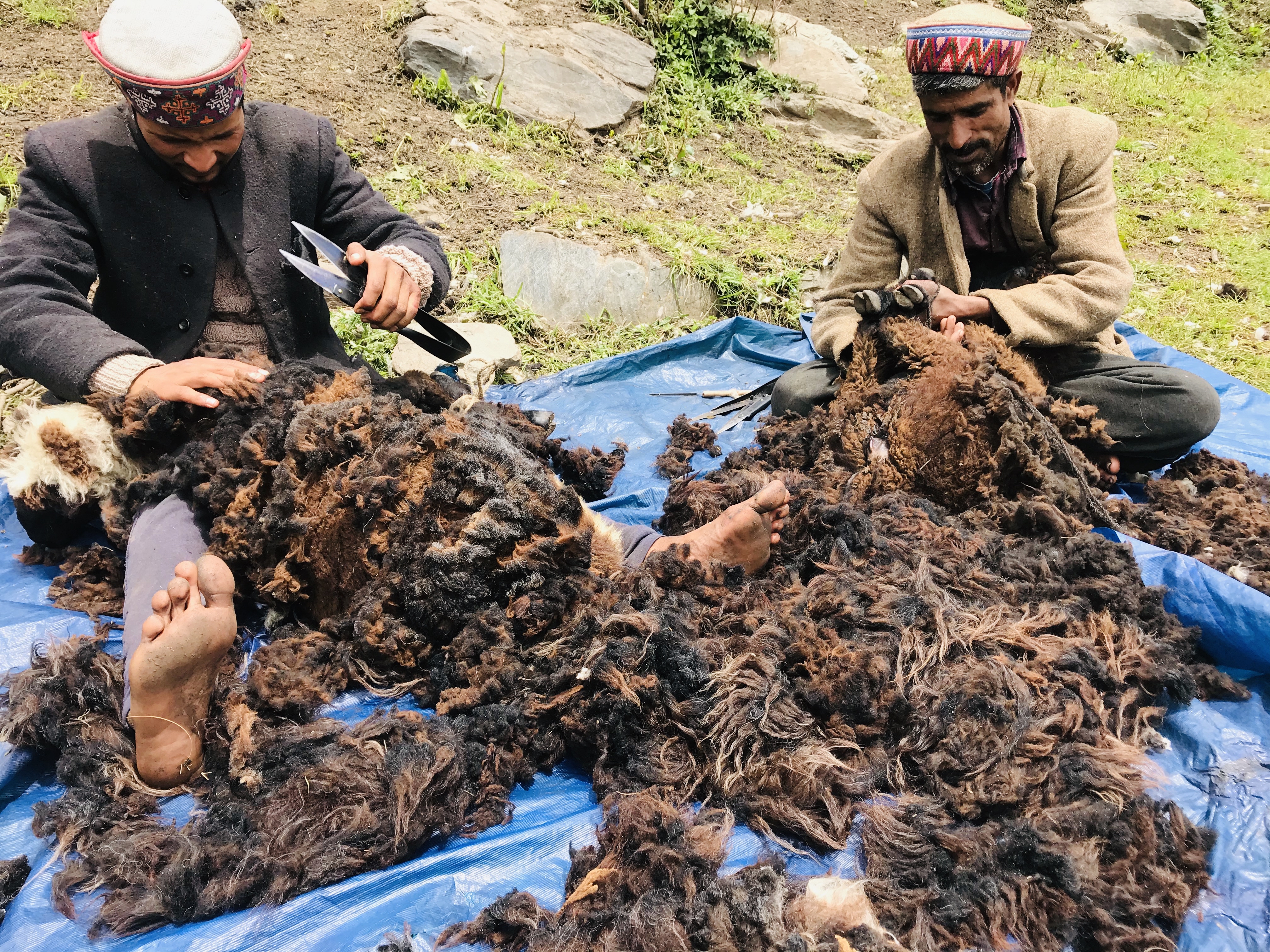
Subhash Bhai and Sonu Bhai shear wool from the sheeps in their herd. Shearing happens thrice in a one- year season, and while some herders use scissors , others use wool-trimmers for shearing the wool | Photo: Virendra Mathur

Today, the market for natural wool is facing increased competition from synthetic wool supplies which has made market accessibility difficult for these shepherds. While the traditional usage of wool is facing a decline, partly due to absence of knowledge transfer across generation, partly due to the lucrative nature of cosmopolitan living, traders and craftsmen now tend to prefer using imported wool. In the face of emerging changes, proper management mechanisms can help survive traditional agro-pastoralism in high Himalaya. Gaddi shepherds who are in this vocation constitute a dynamic medium of cultural exchange and fulfill economic needs of various farming communities through their resource exchange. Thus, the gradual loss of transhumance in Himalaya interacts with the loss of natural cycles of nutrient cycling in high-altitude communities and might possibly have downstream effects.

Acknowledgments:
Virendra would like to thank Wildlife Conservation Trust for funding this fieldwork at Kugti as a part of their Small Grants program. He owes all his gratitude to the humble and loving Gaddi community who make him feel at home through their generous, helping, and cheerful nature.

4032 3024 Virendra Mathur
In Conversation with Women of Chicham
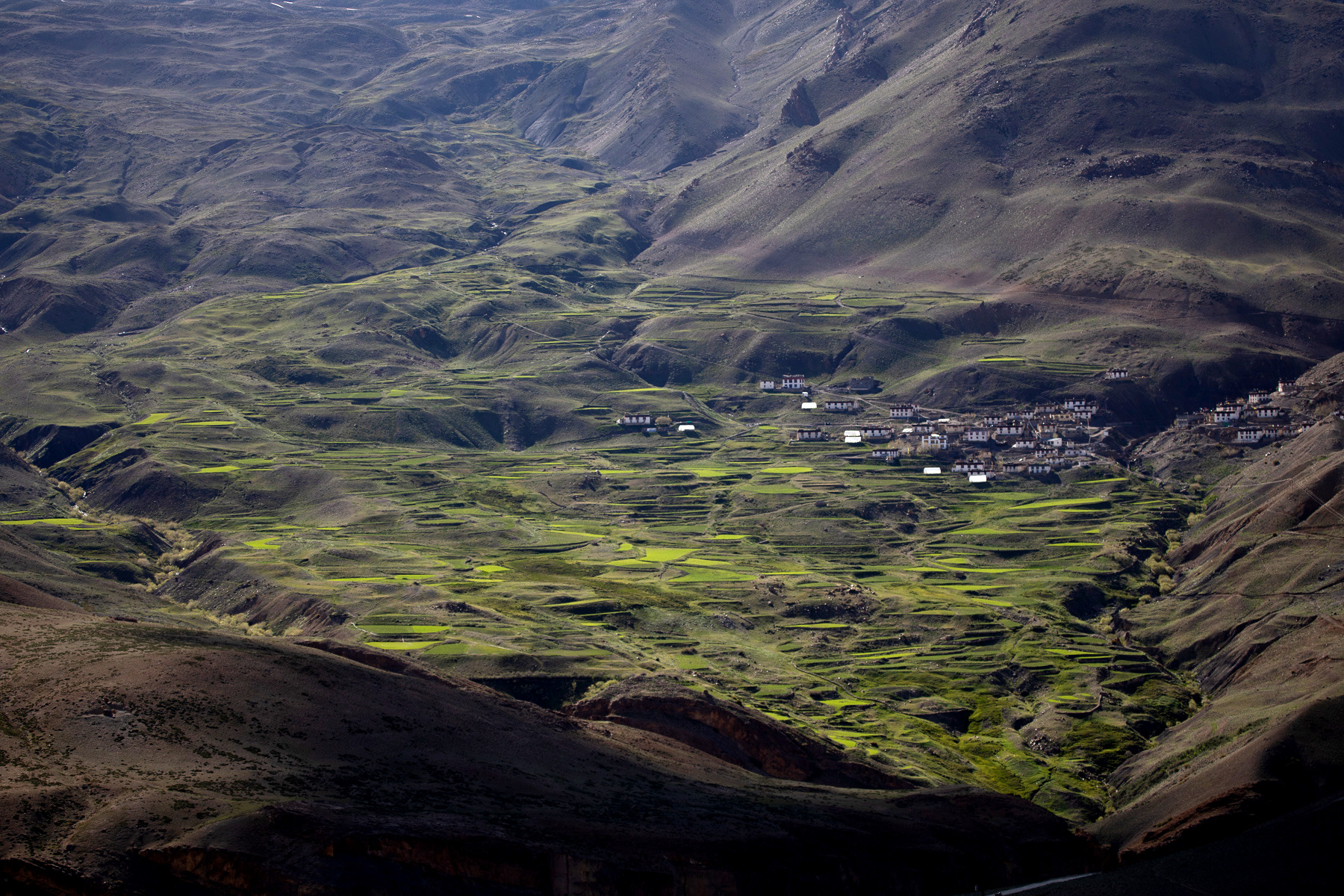
Chicham Village | Photo: Tanvi Dutta

In Conversation with Women of Chicham

Tanzin Dawa: How has it changed?

Dikit Lamo: We have been experiencing extremely erratic weather conditions these days. I am 40 now and from my experience, I think it is due to changing weather patterns. We used to have snowfall that levelled our houses and had to clear it with the help of our neighbours! Such was time. There’s lushful greenery in our barley fields and our harvests were abundant. In our village, Chu-mik (spring water) gushed with fresh water – we got to choose from myriad streams flowing around – cold, sweet water to drink while farming. From the past 10 years, there’s been a considerable decrease in precipitation. We used to look up at the sky in hope for rain but to no avail. This year was particularly unexpected. There was very little snowfall during winter and we were even unsure whether we would even get to till our land when summer arrives. We, somehow, adjusted to the difficult situation by either carrying a water tanker to our fields and initiating the seeding work. It worsened as months passed by, we had to leave many of our fields half irrigated or completely fallow. There’s no hope for crops this year.

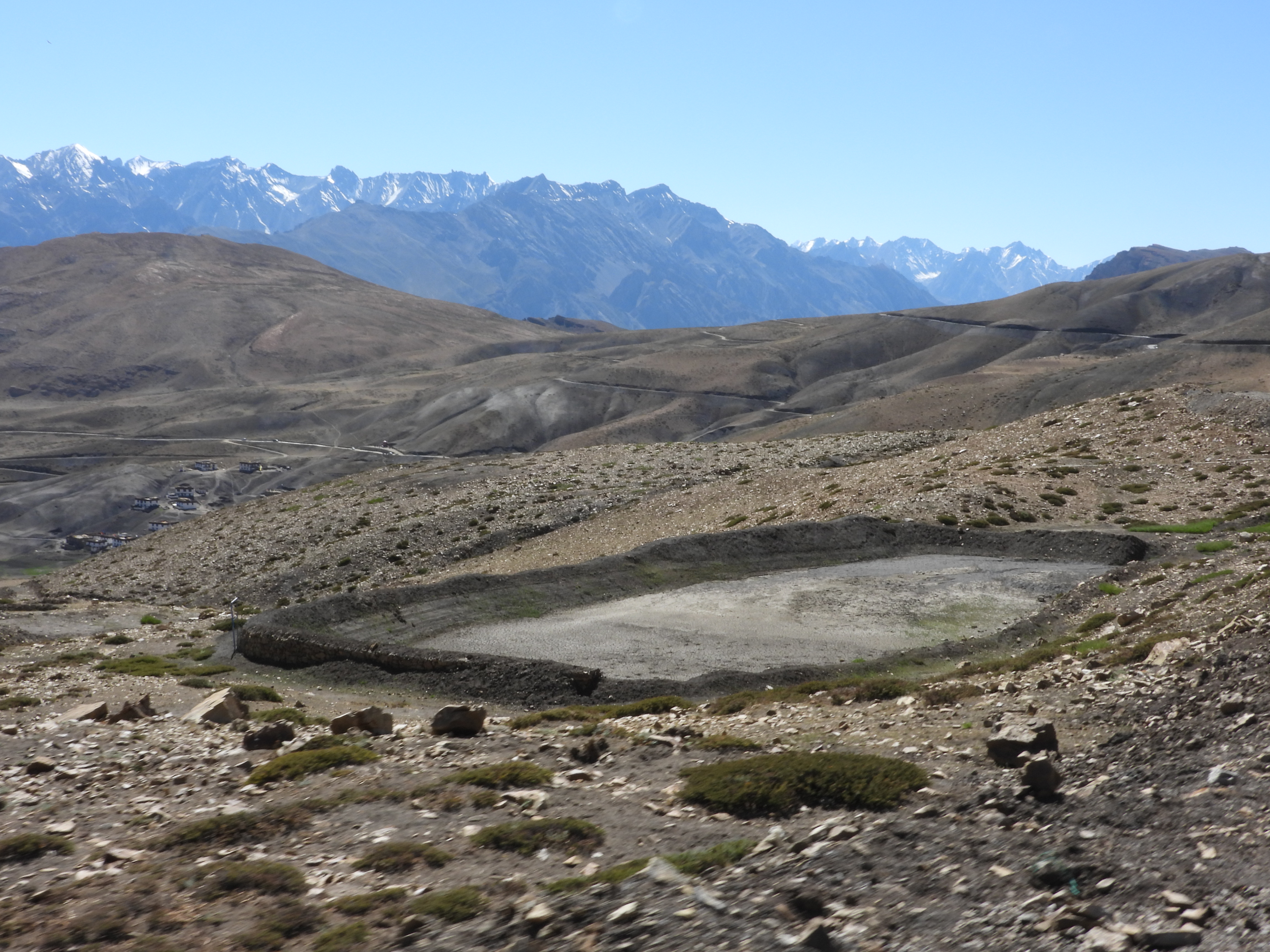
Barren fields and dried reservoir | Photo: Chhunit Kesang
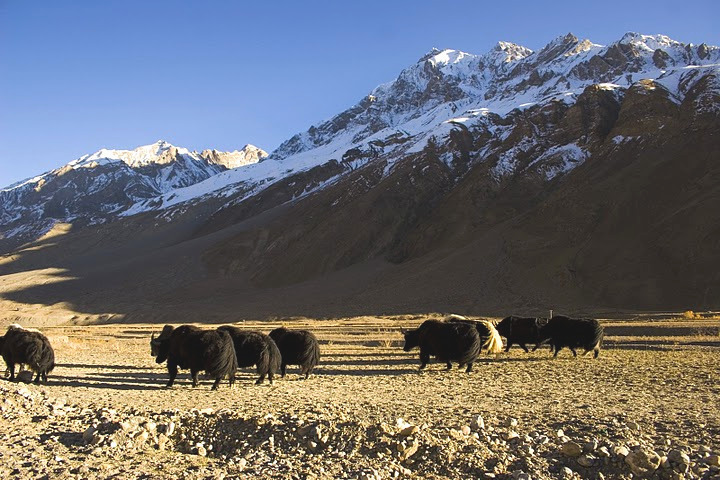
Domesticated Yaks

TD: What do you think is the cause for such changes?

DL: I think it is due to changing weather patterns. They say it is called global warming in English and has to do with plastic usage. I am not sure how it is interrelated and how it impacts our fields here in Spiti but I do believe it. I think about it a lot and think of avoiding plastic usage on my level. But will it make a difference on a larger level? I think collective action is needed. To ensure timely snowfall, we have to revive our traditional ways of living. Rituals are performed according to an astrologically and agriculturally influenced calendar and we have to bring back those traditions and belief systems. We also think about our children’s generation and preserve our natural resources. Tourism has also impacted the way we channel our resources. It is getting extremely rampant nowadays. We have to devise an internal resource and waste management system to reduce impact on nature. I think plantations will be beneficial in desert areas like ours. I hope that will reduce the effect of global warming and our fields begin to blossom again and our kuls brimming fresh snow water.

Padma Norzom: Water situation? It is scarce everywhere this year. In Chicham, even drinking water is getting difficult for us. Our barley and green peas field are all drying up before harvest season due to receding water in our kuls. There was just no water for irrigation and we are forced to abandon our fields. Because of declining water sources, our land, soil, pasture is all drying up and forage availability and grazing system is also impacted.

TD: Was it the same last year?

PN: It used to be enough to sustain our farm work and to feed our cattle but this year has been unfortunate. There was no snowfall during winter and all our spring waters dried up. My jersey cow also looks very weak and without adequate water to drink, milk production has become very less. I stopped selling milk this year. Livestock feeding and water intake behaviours are also negatively impacted and when sent out in the wild for grazing, they gallop towards greener pastures!

TD: How do we resolve this? Is there a way we can utilise water from the Spiti river?

PN: Yes, river water can certainly be channelled but it will be a bit strenuous and resource intensive as it is located far from the village area. If the government can help us, it will be a huge blessing. Some farmers have tried irrigating their green pea fields with generators. But the diesel operated generators turned out very expensive and it was simply not feasible for small farmers like us who also spent a lot of money buying green pea seeds. The cost will come in lakhs – all for nothing without water.

1800 1200 Tanzin Dawa