
Video

Lapsol – Prayer to the mountain spirits

Lapsol – Prayer to the mountain spirits

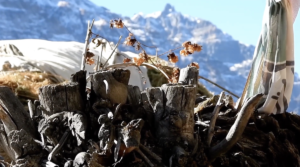
Several communities follow traditional belief systems. Many mountain communities have faith in mystical entities like mountain spirits and deities, who they believe control the elements. In the high Himalaya, water is a critical and often limiting resource. Many communities believe the source of these water bodies to be sacred, which are controlled by individual spirits or deities. In this video-story, we visit Spiti to look at the annual celebration of Lapsol. Lapsol is celebrated to gratify mountain spirits, in the hope that the region receives bountiful snow. It is a solemn prayer made by the villagers for another year peace and tranquility.

Special thanks to Chhering Tashi, Padma Dimdul, Paljor Lundup and Champa Dorje of Kibber village.
Music: Abode of Snow SPmusic by via. Pixabay
Asian Cinematic by @AlekseyChistilin (Lexin_Music) via. Pixabay
Additional Footage: Kalzang Gurmet
Audio: DesiVocal (https://www.desivocal.com/en)
Cover Illustration: Nawang Tankhe


कई पहाड़ी समुदाय, पहाड़ी ल्हा और ल्हामो (देवी-देवताओं) जैसी रहस्यमय स्थाओं में विश्वास और श्रद्धा रखते हैं। उनका मानना ​​है कि पहाड़ी देवी-देवता तत्वों को नियंत्रित रखते हैं। हिमालय के ऊँचे क्षेत्र में, पानी एक महत्वपूर्ण और अक्सर सीमित संसाधन है। कई समुदाय इन जल निकायों के स्रोत को पवित्र मानते हैं, जिसे स्थानीय देवी-देवता नियंत्रित करते हैं। इस वीडियो-कहानी में, हम लाप्सोल के वार्षिक उत्सव को देखने के लिए स्पीति का दौरा करते हैं। लाप्सोल स्थानीय देवी-देवताओं को संतुष्ट करने के लिए मनाया जाता है, इस उम्मीद में कि आने वाला वर्ष समृद्ध और किसी भी मुश्किलों से मुक्त हो।

किब्बर गांव के छेरिंग ताशी, पद्मा डिमडुल, पलजोर लुंडुप और चंपा दोरजे को विशेष धन्यवाद।
संगीत: एबोड ऑफ स्नो SPmusic के माध्यम से (पिक्साबे)
एशियन सिनेमैटिक @AlekseyChistilin द्वारा (पिक्साबे)
अतिरिक्त फ़ुटेज: कलज़ंग गुरमेत
ऑडियो: देसीवोकल
कवर चित्रण: नवांग तन्खे
1200 675 Ajay Bijoor
How women manage Himalayan river sources

How women manage Himalayan river sources

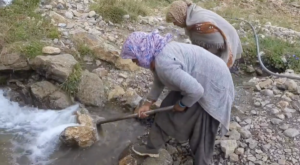
Rivers emerging from the Himalayan region support fresh water needs of over a billion people. But do you know how the source of these rivers are preserved, and of the special role women play in their management? This story shows you not just how the headwaters of Himalayan rivers support agriculture, but also of the broader role they play in the life of the people – especially the women.

Acknowledgements:
Thanks to the women of Kibber and especially to Kalzang Dolkit, Chhering Lanzom, Rigzen Lamo, Ane Sonam Dolma, Ane Rinchen Dolma and Kesang Paldon. A special thanks to our young friends Tanzin Saldon, Chhering Lanzom, Tanzin Chhoying, Tanzin Palmo, and Tanzin Chhoesang for letting us film their impromptu dance at the river source.

Also, thanks to Shri. Rakesh Kumar Chadda aka Bablu, for sharing his insights on the production of green peas in Spiti and Hangrang valleys.

This story is based on an article by Dr. Ranjini Murali: Link which was based on her original research titled Gender and the Commons: Water Management in Trans-Himalayan Spiti Valley, India (Link)

Additional footage: Lama Tanzin Chhewang and Kalzang Gurmet
Additional support: Kesang Chunit
Stock footage: Canva elements
Music: Inspirational Asia by Lexin Music via. PixaBay

जल जीवन है। हिमालय क्षेत्र से निकलने वाली नदियाँ एक अरब से अधिक लोगों की ताज़ा पानी की ज़रूरतों को पूरा करती हैं। लेकिन क्या आप जानते हैं कि इन नदियों के स्रोत को कैसे संरक्षित किया जाता है और इनके प्रबंधन में महिलाओं की विशेष भूमिका कैसे होती है? यह कहानी आपको न केवल यह दिखाती है कि हिमालयी नदियों का प्रवाह किस प्रकार कृषि को बढ़ावा देता है, बल्कि यह भी दिखाता है कि वे लोगों – विशेषकर महिलाओं – के जीवन में कितनी व्यापक भूमिका निभाते हैं।

यह कहानी डॉ. रंजिनी मुरली के एक लेख पर आधारित है: Link

स्वीकृतियाँ:
किब्बर की महिलाओं और विशेष रूप से कलजंग डोलकिट, चेरिंग लानज़ोम, रिग्ज़ेन लामो, अने सोनम डोलमा, अने रिनचेन डोलमा और केसांग पाल्डन को धन्यवाद। किब्बर की युवा महिलाओं को विशेष धन्यवाद: तेंज़िन सैलडन, चेरिंग लानज़ोम, तेंज़िन छोयिंग, तेंज़िन पाल्मो, और तेंज़िन छोएसांग को नदी के स्रोत पर उनके अचानक नृत्य के लिए।
साथ ही श्री को भी धन्यवाद. राकेश कुमार चड्डा उर्फ ​​बब्लू को स्पीति और हंगरंग घाटियों में हरी मटर के उत्पादन पर अपनी अंतर्दृष्टि साझा करने के लिए।

अतिरिक्त फ़ुटेज: लामा तंजिन छेवांग और कलज़ंग गुरमेत
अतिरिक्त सहायता: केसांग चुनित
स्टॉक फ़ुटेज: कैनवा
संगीत: लेक्सिन म्यूज़िक द्वारा इंस्पिरेशनल एशिया। पिक्साबे

1200 659 Ajay Bijoor
How to care for livestock in harsh Himalayan winters

How to care for livestock in harsh Himalayan winters

Recent research highlights that viral loads in livestock rise in summer and affect animal health just before the onset of winter. Winters being the harshest season in the high Himalaya, a weak start to the season may mean a higher risk of losing weak animals. We explain some findings from this latest research which was led by Dr. Munib Khanyari and list some easy steps that could help reduce livestock damages from poor health in winter.

You can read the full research here: https://www.frontiersin.org/journals/…
Stock Footage from Pixabay (https://pixabay.com/)


हाल के शोध से पता चला है कि गर्मियों में पशुओं में वायरल लोड बढ़ जाता है और सर्दियों की शुरुआत से ठीक पहले पशु स्वास्थ्य को प्रभावित करता है। उच्च हिमालय में सर्दियाँ सबसे कठोर मौसम होती हैं, मौसम की कमजोर शुरुआत का मतलब कमजोर जानवरों के खोने का अधिक जोखिम हो सकता है। हम इस नवीनतम शोध से कुछ निष्कर्षों की व्याख्या करते हैं जिसका नेतृत्व डॉ. मुनीब खन्यारी ने किया था और कुछ आसान कदम सूचीबद्ध किए हैं जो सर्दियों में खराब स्वास्थ्य से पशुधन के नुकसान को कम करने में मदद कर सकते हैं।

आप पूरा शोध यहां पढ़ सकते हैं: https://www.frontiersin.org/journals/…
पिक्साबे से स्टॉक फुटेज (https://pixabay.com/)

1200 680 Ajay Bijoor
How Shalkar village went fully organic

How Shalkar village went fully organic

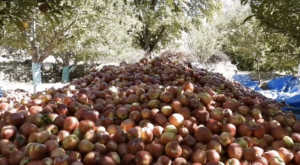
The Indian State of Himachal Pradesh produces apples worth INR 5000 Crores (USD 600 million) annually. Himachali apples are popular across India. The high mountain district of Kinnaur in Himachal Pradesh is known to produce the best quality of apples. Shalkar, one of the remotest villages in Kinnaur, decided to go fully organic few years back. But why did they decide to do so, and did they succeed or fail? Watch this story to find out.

Story credits:
Bahadur Singh from Shalkar
Special thanks to Guru Sant Ram of Shalkar and Accho Padma of Shalkar
Illustration: Nawang Tankhe
Data sources: Statistical Abstract of Himachal Pradesh 2020-21 (Dept. of Economic and Statistics, Govt. of HP); DownToEarth (https://shorturl.at/ahnrV)
Voice-over: https://www.desivocal.com/
Background score: Dreams of India meditation, NaturesEye (pixabay)
Additional support: Tanzin Thinley


हिमाचल प्रदेश में सालाना 5000 करोड़ रुपये (600 मिलियन अमेरिकी डॉलर) मूल्य के सेब का उत्पादन होता है।
हिमाचली सेब पूरे भारत में लोकप्रिय हैं। हिमाचल प्रदेश का उच्च पर्वतीय जिला किन्नौर सर्वोत्तम गुणवत्ता वाले सेब के उत्पादन के लिए जाना जाता है। किन्नौर के सबसे दूरदराज के गांवों में से एक शालकर ने कुछ साल पहले पूरी तरह से जैविक खेती करने का फैसला किया। लेकिन उन्होंने ऐसा क्यों किया और क्या वे सफल हुए या असफल? जानने के लिए यह कहानी देखें।

कहानी का श्रेय:
शालकर गांव के बहादुर सिंह
शलकर के गुरु संत राम और अचो पद्मा को विशेष धन्यवाद
चित्रण: नवांग तन्खे
वॉयस-ओवर: https://www.desivocal.com/
अतिरिक्त सहायता: तंज़िन थिनले

1200 661 Ajay Bijoor
How innovation is helping Lahauli farmers

How innovation is helping Lahauli farmers

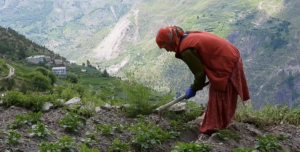
Water management by women in Spiti has brought rich economic rewards to the locals. We now take you to Lahaul valley, which is adjacent to Spiti, to see how the introduction of a small change has benefitted locals. This story highlights the value in combining traditional knowledge with locally-relevant innovations.

Credits:
We thank Angmo Gaaji and Chhering Gaaji of Grimass village in Lahaul for speaking with us.
Cover illustration by Nawang Tankhe.
Background score via. Pixabay
In the presence of mountains by micgreens
Sparkling water by Alfred Grupstra
Stock footage via. Canva Pro
Voice-over using DesiVocal.


स्पीति में महिलाओं द्वारा जल प्रबंधन ने स्थानीय लोगों को समृद्ध आर्थिक लाभ दिलाया है। अब हम आपको स्पीति से सटी लाहौल घाटी में ले चलते हैं, यह देखने के लिए कि एक छोटे से बदलाव की शुरूआत से स्थानीय लोगों को कैसे फायदा हुआ है। यह कहानी स्थानीय-प्रासंगिक नवाचारों के साथ पारंपरिक ज्ञान के संयोजन के महत्व पर प्रकाश डालती है।

क्रेडिट:
हमसे बात करने के लिए हम लाहौल के ग्रिमास गांव के अंगमो गाजी और छेरिंग गाजी को धन्यवाद देते हैं।
नवांग तन्खे द्वारा कवर चित्रण।
संगीत: पिक्साबे
DesiVocal का उपयोग करके वॉयस-ओवर।

1200 607 Ajay Bijoor
Food of the mountains: Stinging nettle (Zatsod)

Food of the mountains: Stinging nettle (Zatsod)

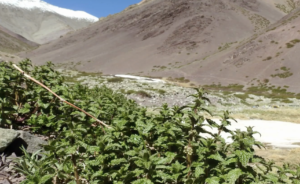
People of the high mountains have traditionally gathered plants and herbs from the wild, which would then be carefully stored and consumed in winter. Most of this collection is for personal use and never for commercial purposes. In this story, Karma Sonam of Gya village of Ladakh tells us about the traditional technique for collection and storage of zatsod or stinging nettle. He also shares a recipe of zatsod thukpa.

ऊंचे पहाड़ों के समुदाय पारंपरिक रूप से जंगली पौधों और जड़ी-बूटियों की तलाश करते हैं, जिन्हें बाद में सावधानीपूर्वक संग्रहीत किया जाता है और सर्दियों में खाया जाता है। इस संग्रह का अधिकांश भाग व्यक्तिगत उपयोग के लिए था, न कि व्यावसायिक उद्देश्यों के लिए। इस कहानी में, लद्दाख के ग्या गाँव से कर्मा सोनम हमें बिच्छू बूटी के संग्रह की तकनीक के बारे में बताते हैं। वह स्थानीय सामग्रियों का उपयोग करके बनाई गई थुकपा की एक पारंपरिक रेसिपी भी साझा करते हैं।

This story was narrated, shot and edited by Karma Sonam.

यह कहानी कर्मा सोनम द्वारा सुनाई, शूट और संपादित की गई है।

1718 1052 Karma Sonam
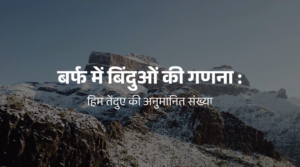
भारत में पहली बार हिम तेंदुए की जनगणना कैसे की गई?

भारत में पहली बार हिम तेंदुए की जनगणना कैसे की गई?

अंतर्राष्ट्रीय हिम तेंदुआ दिवस 23 अक्टूबर को मनाया जाता है। भारत इस साल अपनी पहली हिम तेंदुए की जनगणना के नतीजे घोषित करेगा। यह परिणाम देश के हिमालयी क्षेत्रों में किए गए 4 साल के व्यापक अभ्यास पर आधारित है। यह विशाल अभ्यास देश के सुदूर ऊंचाई वाले क्षेत्रों में रहने वाले स्थानीय लोगों के समर्थन और भागीदारी के बिना पूरा नहीं किया जा सकता था।

वीडियो: समर्थ ज्योति
कथन: अक्षिता अशोकन
अनुवाद: सीमा बजाज
कैमरा ट्रैप छवियां: हिमाचल प्रदेश वन विभाग, नेचर कंजर्वेशन फाउंडेशन और स्नो लेपर्ड ट्रस्ट
फुटेज: तेंज़िन थुक्तान, मुनीब खन्यारी और अजय बिजूर
छवियाँ: हाई एल्टीट्यूड प्रोग्राम और प्रसेनजीत यादव
अतिरिक्त फ़ुटेज: ओपन प्लैनेट

2444 1360 Akash Jyoti
The Sowa-Rigpa medicine system

The Sowa-Rigpa medicine system

In this episode of Himkatha Charcha, we spoke with Amchi Chhering Tashi of Hansa village in Spiti about the Sowa Rigpa medicine system which is being practiced in his family for at least four generations. We tried to center our conversation on the origin of this system and the deep knowledge it preserves about local plants. Amchi Chhering Tashi was interviewed by Dr. Mayank Kohli and Tanzin Thinley. Additional footage via. Open Planet (https://openplanet.org/)

हिमकथा चर्चा के इस एपिसोड में हमने स्पीति के हंसा गांव के अमची छेरिंग ताशी से सोवा रिग्पा चिकित्सा प्रणाली के बारे में बात की, जो उनके परिवार में कम से कम चार पीढ़ियों से चली आ रही है। हमने अपनी बातचीत को इस प्रणाली की उत्पत्ति और स्थानीय पौधों के बारे में इसके द्वारा संरक्षित गहन ज्ञान पर केंद्रित करने का प्रयास किया। अमची छेरिंग ताशी का इंटरव्यू डॉ. मयंक कोहली और तंजिन थिनले ने लिया। अतिरिक्त फुटेज ओपन प्लैनेट (https://openplanet.org/) के माध्यम से।

1200 668 Dr. Mayank Kohli
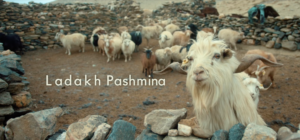
Ladakh Pashmina

Ladakh Pashmina

The story of Ladakh Pashmina: The authentic, sustainable cashmere. A film by Munmun Dhalaria. (Language: English and Ladakhi with English subtitles)

2292 1072 Munmun Dhalaria
Kinzin Racho

Kinzin Racho

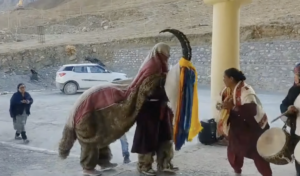
Watch a 200-year old ritual performed in Rangrik village on the third day of Spiti Losar (Spitian New Year) remembering the village deity who appeared as a magnificent ibex. Kinzin Racho Halema meaning, the splendid horns of the ibex, is the song sung across Spiti valley in the first week of the Spitian New Year.

स्पीति लोसर (स्पिटियन नव वर्ष) के तीसरे दिन रंग्रिक गांव में एक शानदार आइबेक्स के रूप में प्रकट हुए गांव के देवता की याद में मनाया जाने वाला 200 साल पुराना उत्सव देखें। किंज़िन राचो हलेमा जिसका अर्थ है, आइबेक्स के शानदार सींग, स्पिटियन लोसर के पहले सप्ताह में गाया जाने वाला गीत है।

Singer: Yangchen Dolma
Additional footage: Tanzin Thinley and Kesang Chunit
गायक: यांगचेन डोल्मा
अतिरिक्त फ़ुटेज: तंज़िन थिनले और केसांग चुनिट

1200 702 Ajay Bijoor