Livelihoods

A day in the life of a young farmer
Photo: Vicky

A day in the life of a young farmer

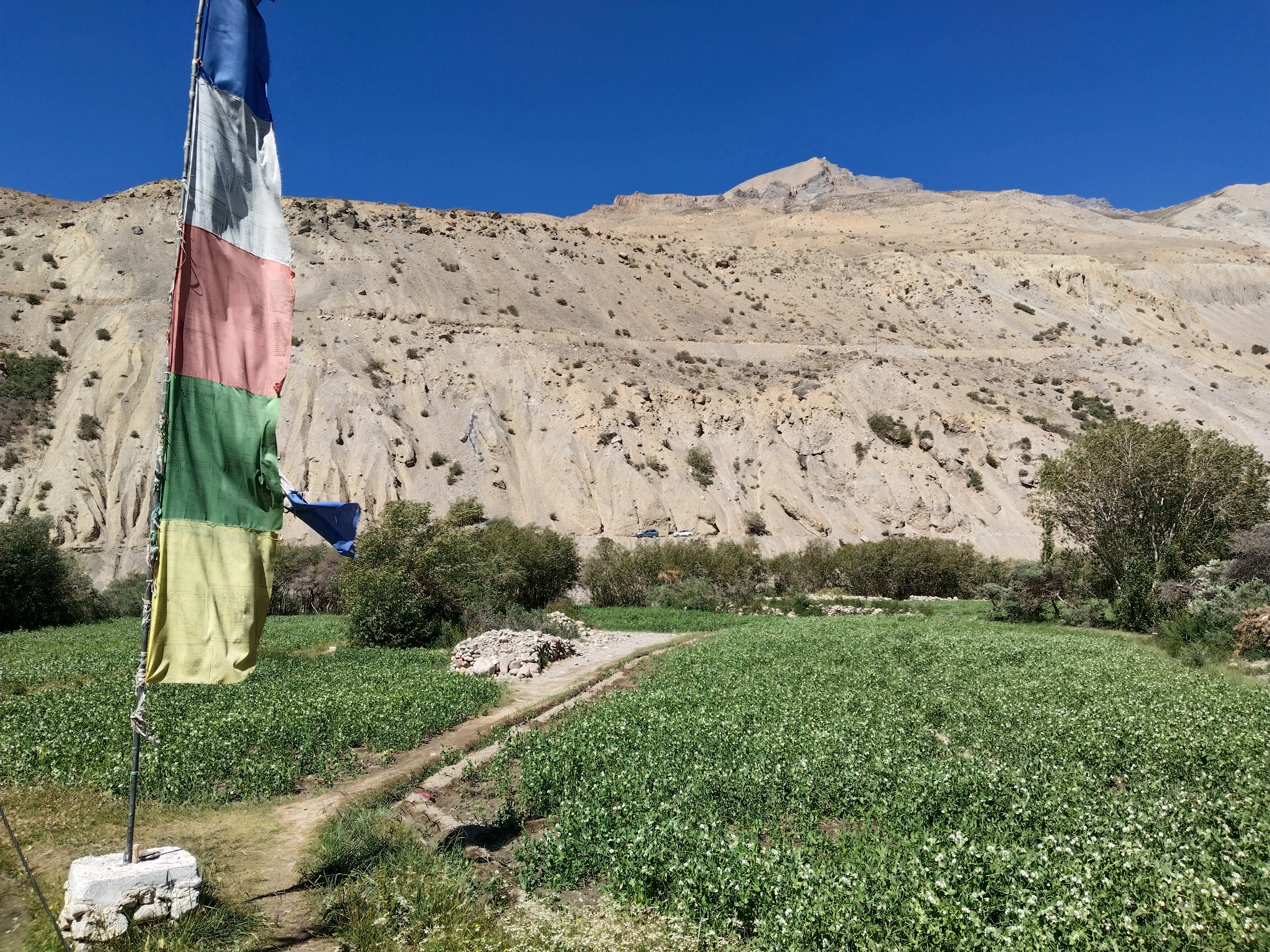
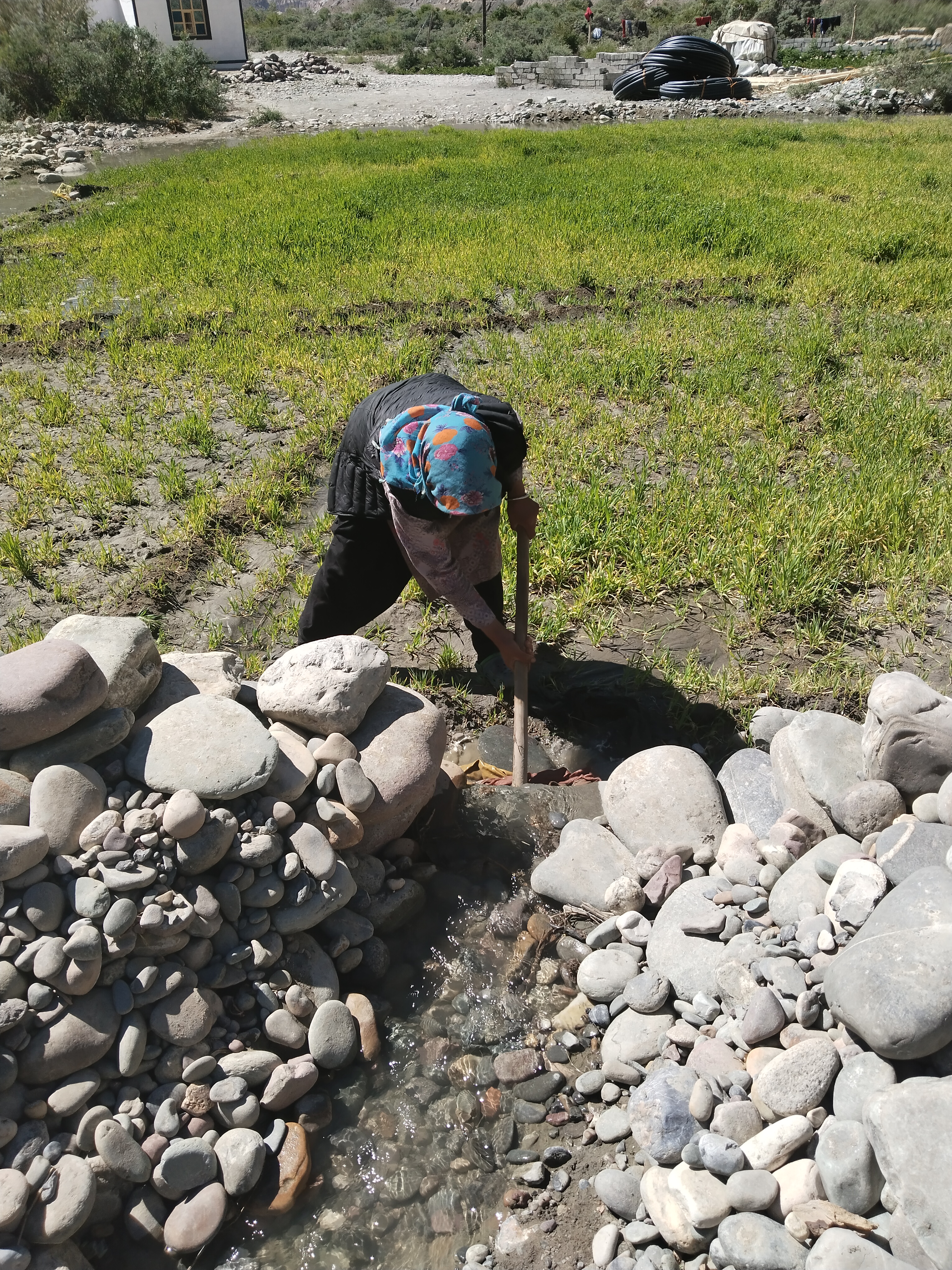
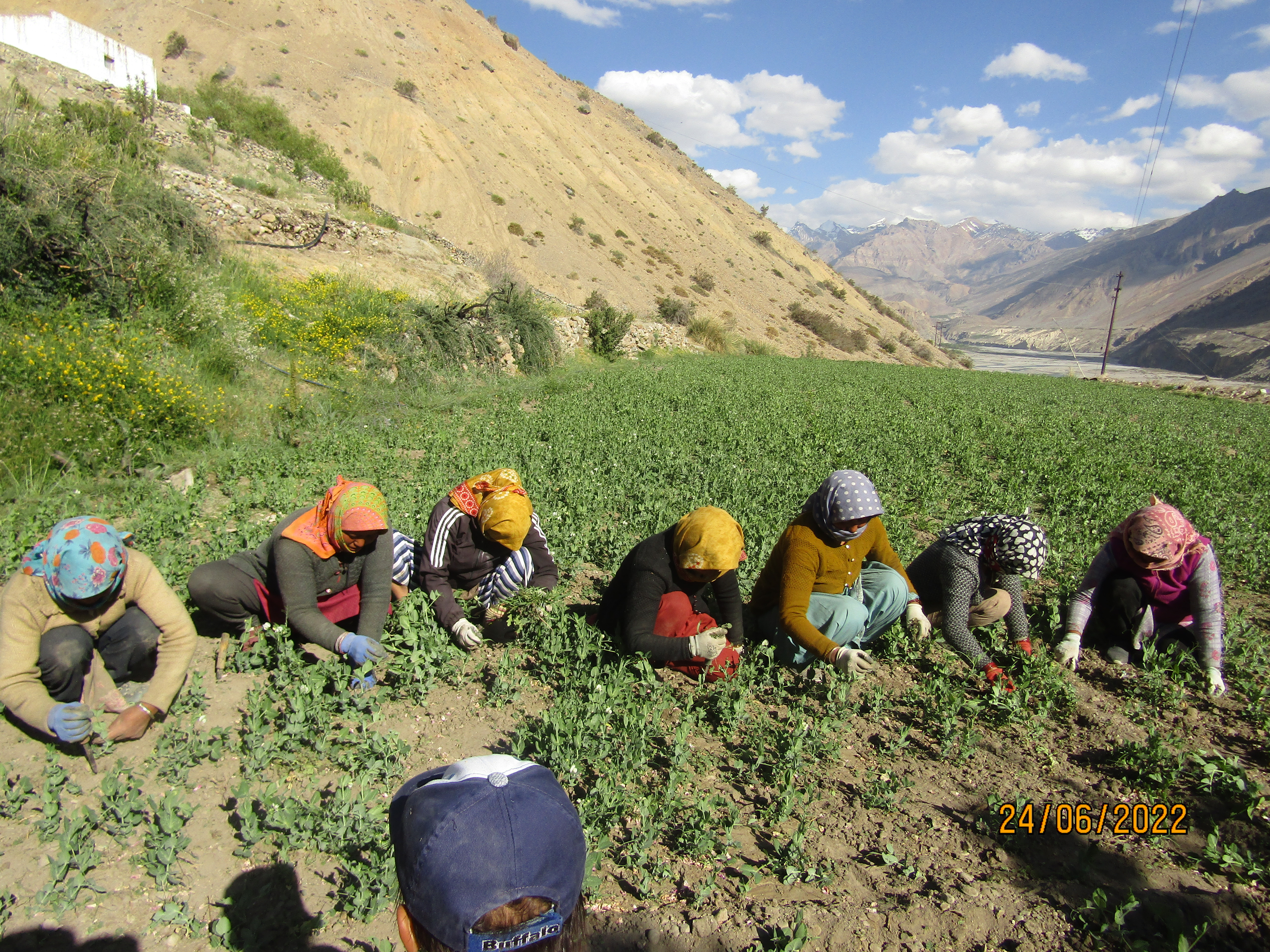
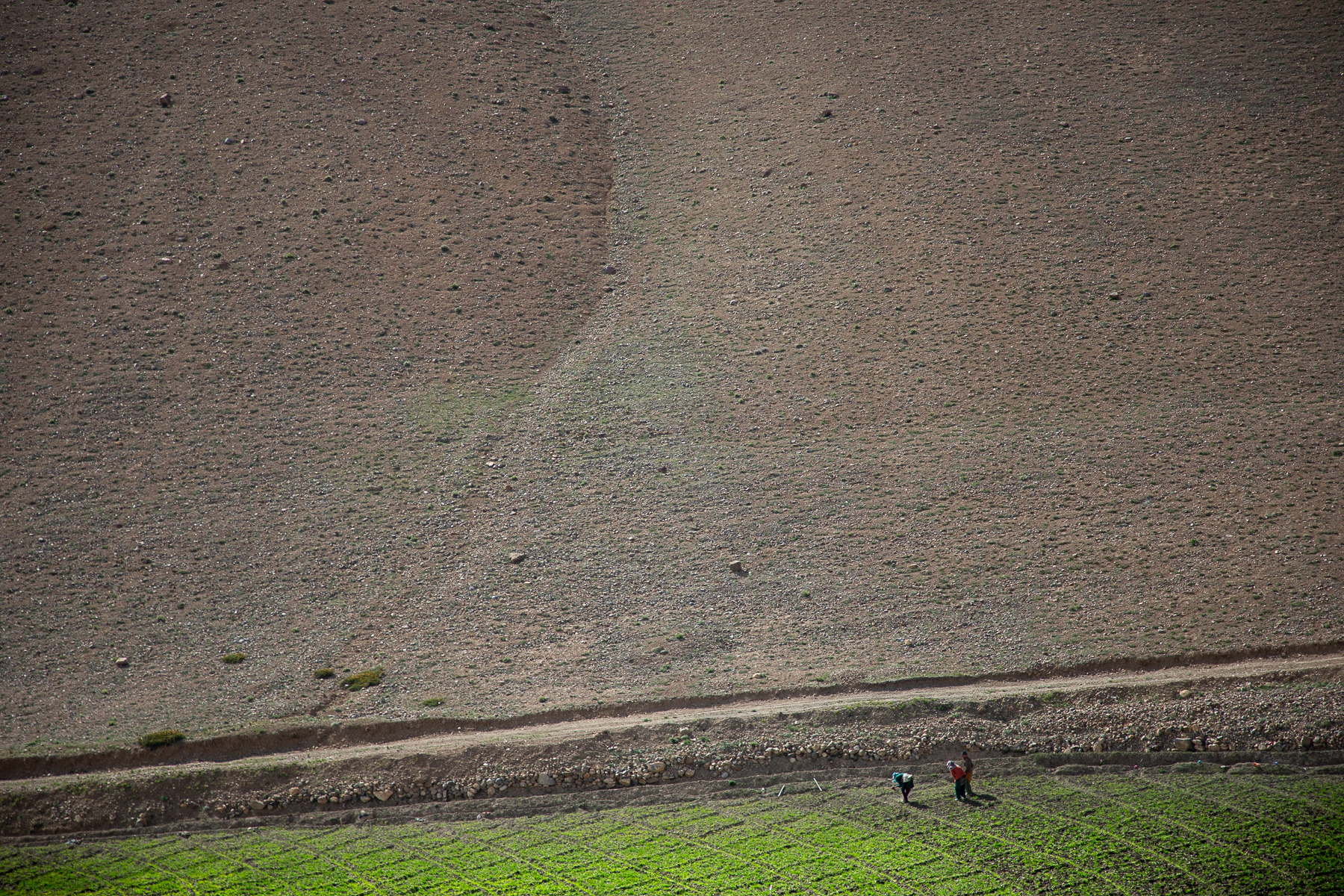
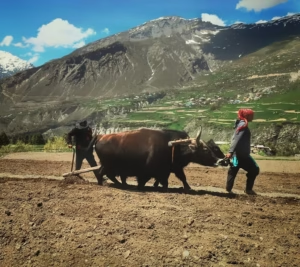
There’s an air of celebration when the agricultural season begins in my village. It is time to end the dormancy of long winter days and come out and start preparing the fields. I remember enjoying working in the fields and on the days when the fields had to be ploughed, I used to try to take leave from school on the pretext of doing some necessary work. We used to take out all the farming tools, clean it and check for any repairs. A day earlier, our bulls were also brought from another village and were prepared for ploughing. The excitement would not let me sleep and I would think of all possible excuses to take leave form school so I could and help my family in the field.

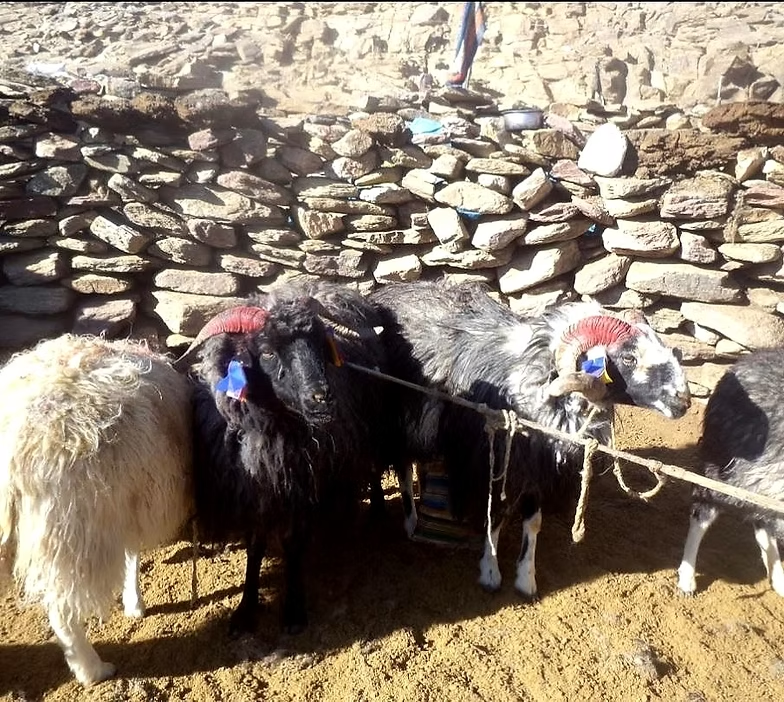
The next day, my grandfather would make a barley offering to the local deity Jogani. After the prayers everyone would take the offerings as blessings and proceed to prepare for the day. Before going to the fields, we would place flowers in the horns of the bulls. All the equipment and the bulls were then taken to the agriculture fields. I would also help out in guiding the bulls to the field which would give me immense pleasure. For traditional rituals, my mother would bring roasted barley (kha) & local alcohol (chhang) to the fields. We would then gather the bulls in teams of 2 and attach the plougher to them. After that we would offer chaang, kha and our prayers to our fields facing east (to garner the sun’s positive energy into our lives).
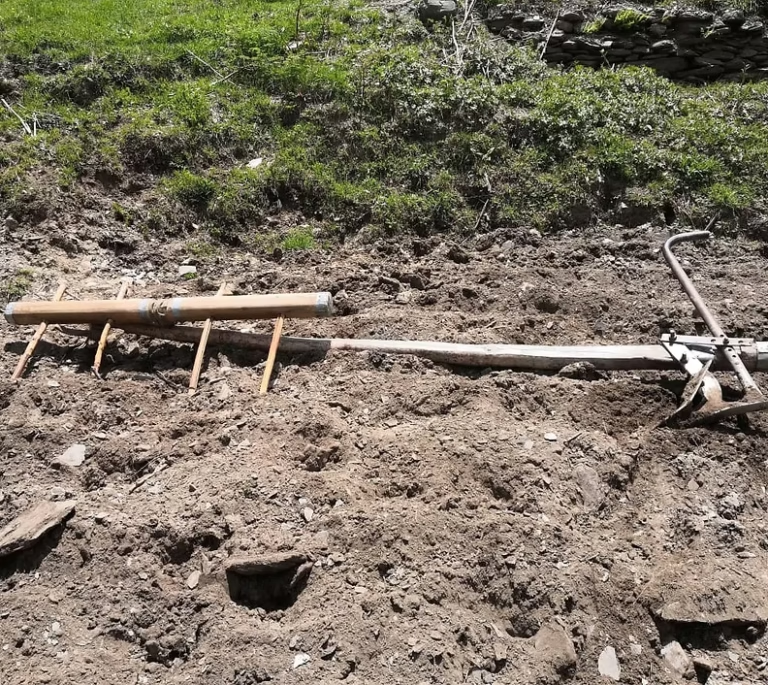
Photo: Vicky

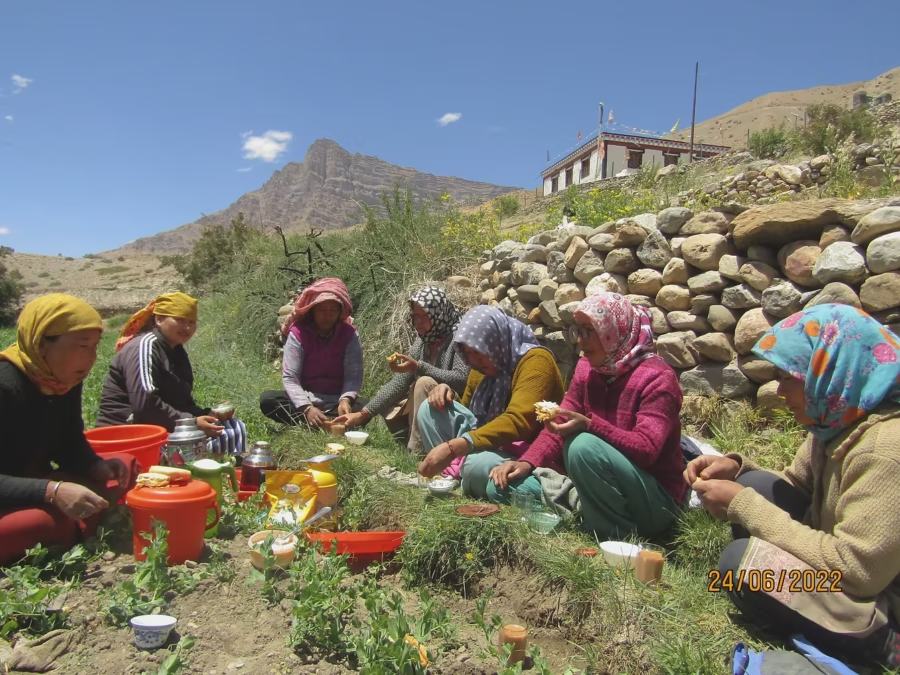
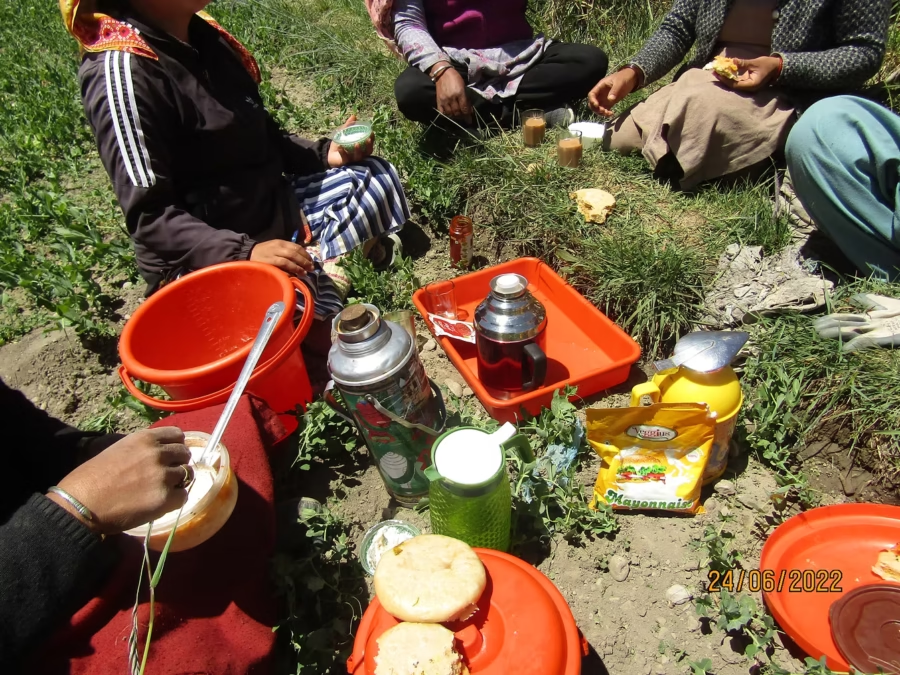
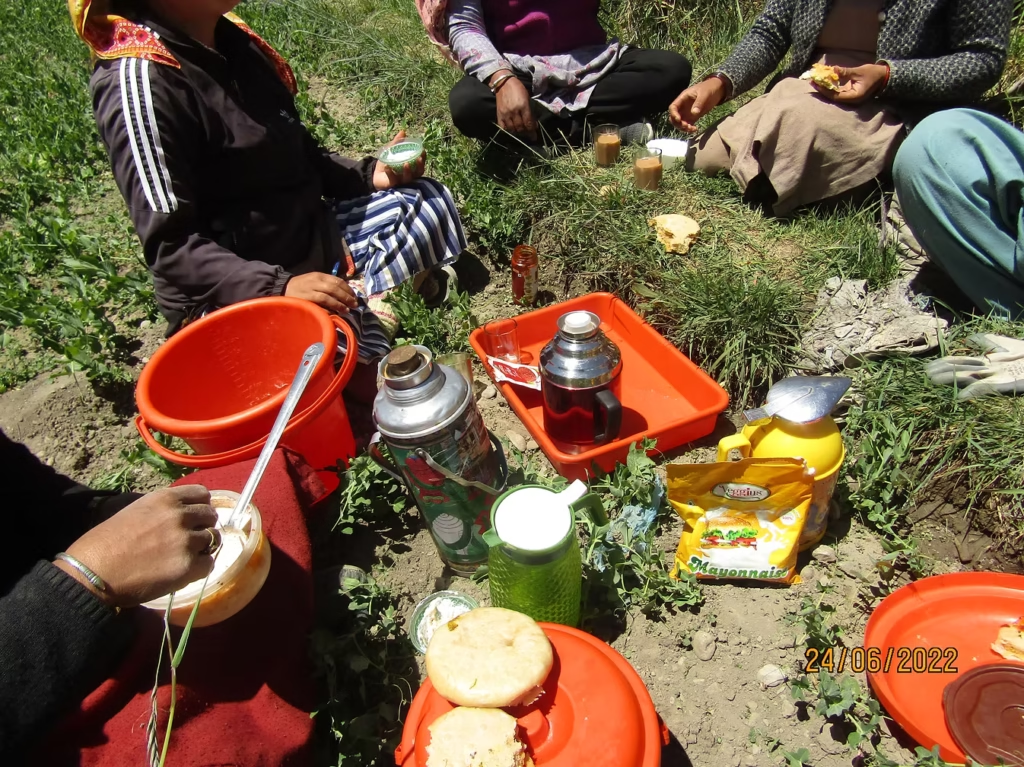
My family would then begin the hardwork of ploughing the fields which would last a few days. The fields which were harder to plough, were then ploughed with the help of Shaalu – my favourite mare. Unfortunately, I would never get permission from school to take off for a full day, so after the rituals, I had to rush to the school! Lunch for the farmers was prepared in the community hall and was served every day at 12:30 pm. For the bulls, the farmer would prepare Pinniyan balls of barley dough Sattu kneaded with local alcohol Chaang. This would give them strength for the remaining day’s work. After resting for an hour after lunch the farmers would get back to work. In the evening, the farmers would have tea and local bread puri at 6, around the same time we would return from school. We would help out our parents till the sunset and then head back home. If there was any time left before it got dark, we would level out the uneven fields. The blades of the plough would be replaced by a plank of wood and the bulls would then walk the fields levelling it. To add extra weight, my sibling and I would fight to climb onto the plank. By the end we would be covered in mud. We had an amazing childhood.

Farming life has changed drastically. The new age equipment gets the job done quickly but it’s not a celebration like the old times. Earlier whole family would partake in the ploughing, sowing and harvest process, now it’s a one person job. These equipment have in some way facilitated migration as now women single-handedly manage the fields. Bulls are replaced by power tillers and are rarely seen in any village. Agriculture was not just about growing produce for sustenance, but it was a way to form connections with our land, our animals and nature. And now, I see those connections fade.
792 706 Vicky
Beyond Agriculture
Photo: Tashi Angroop

Beyond Agriculture

Agriculture has made considerable progress in Himalayan states. One of the major changes in the mountain farming system is from subsistence to commercial farming practice. There’s a curious move towards high-value cash crops and diversification of cropping patterns. With connectivity and better exposure, farmers in these landscapes are increasingly becoming more innovative. Their approach in production, managing supply chains, and marketing are aimed at higher returns from farming. The New Age farmers from High Himalayan villages are more experimental and are more focused on searching for niches -apples, cash crops, fruits, exotic vegetables, flowers. Their engagement with farming goes beyond survival and sees it as an economically lucrative option for themselves and others associated in the value chain. Stories of such individuals dismiss stereotypical myths about farming and show how it can be adopted in changing times.

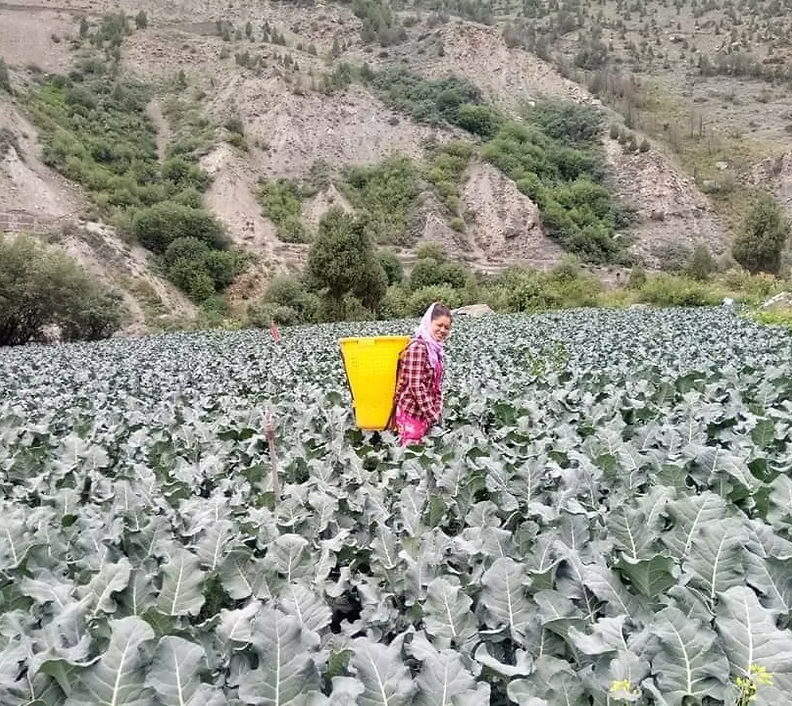
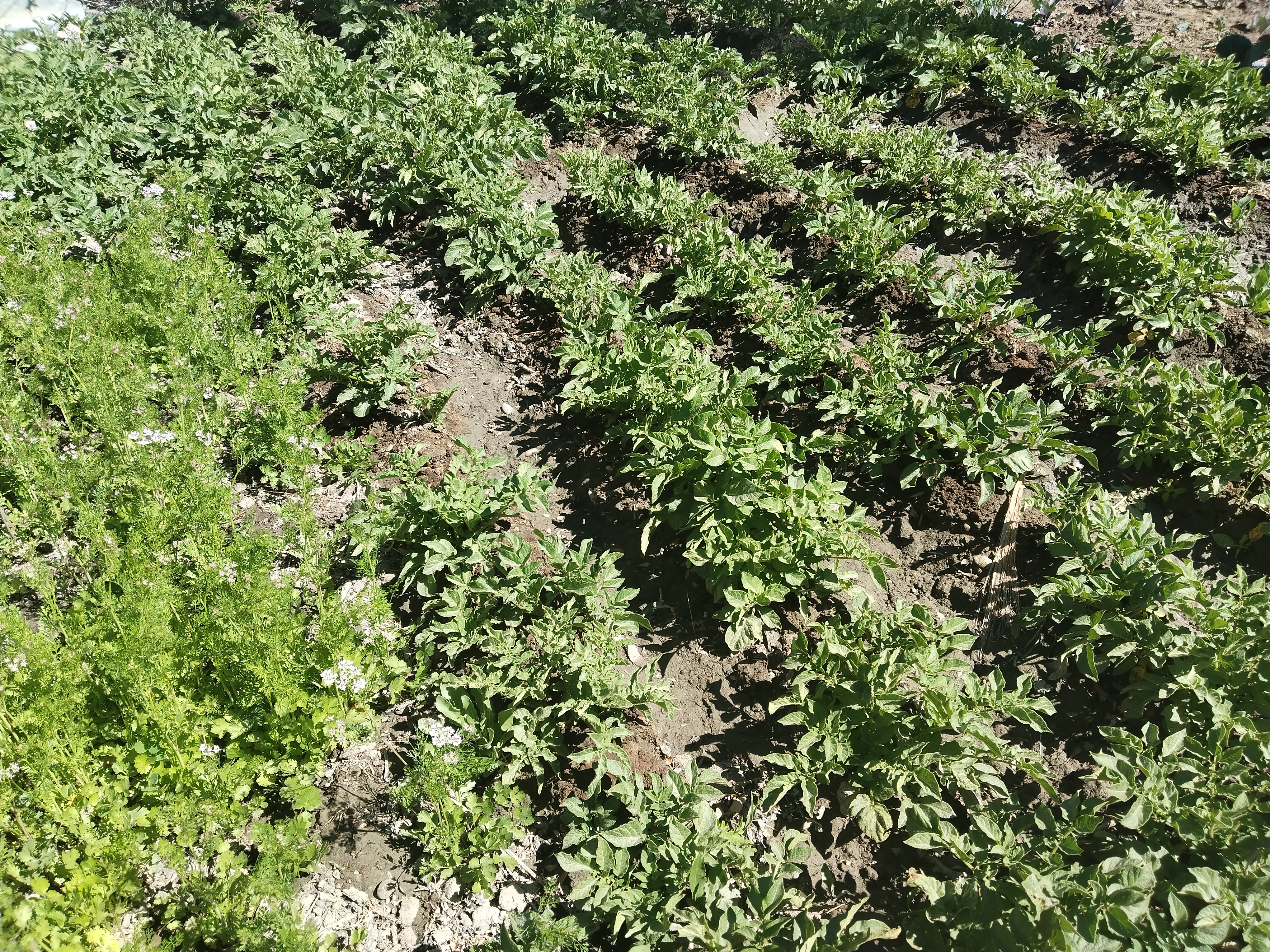
Tashi Angroop from Tinno village in Lahaul (H.P) dons more than one hat. He is a farmer, passionate entrepreneur, and agri-businessman who cultivates traditional grains, experimented and scaled up the cultivation of exotic vegetables in Todh valley, and is also initiating agro-tourism in his village. He started his journey in 2007 when he got an opportunity to work with World Bank’s Project in Lahaul promoting Seabuckthorn nurseries. Further collaboration with the Department of Horticulture on Desert Development Program (DDP) deepened his experience of developing poplar tree nurseries and building seabuckthorn nurseries. With Jain Irrigation System, he extensively traveled in Himachal Pradesh covering 11 districts to understand diverse cultivation processes within the state and train locals in nursery building. He took a leap at his own venture in 2014 when he decided to take up farming as a full-time vocation. He took land on lease in his village to cultivate organic vegetables and experiment with the cultivation of exotic vegetables which is a fairly new intervention in Lahaul back then. He began by procuring 1000 potato seeds (1000 Katta) and started growing them in his field. Initially, it was just potatoes, green peas, and cauliflower.

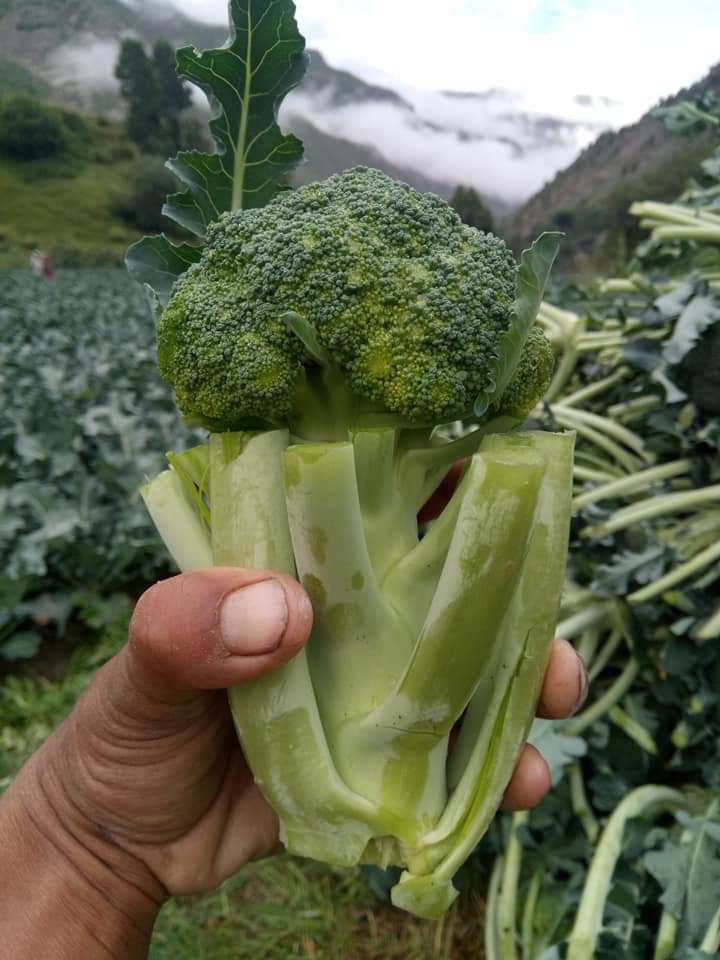
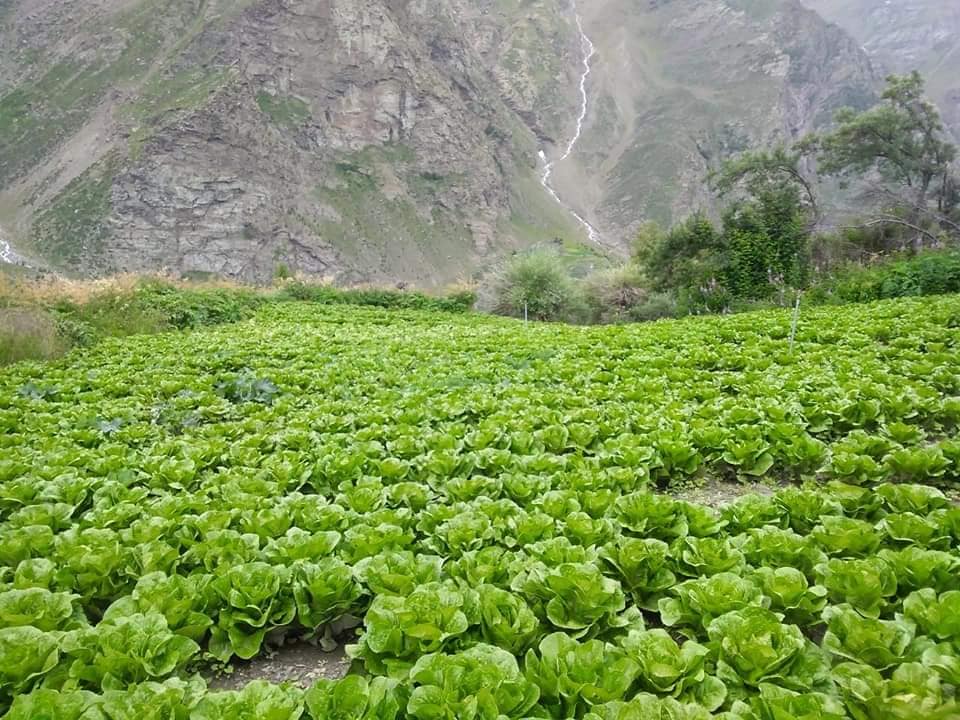
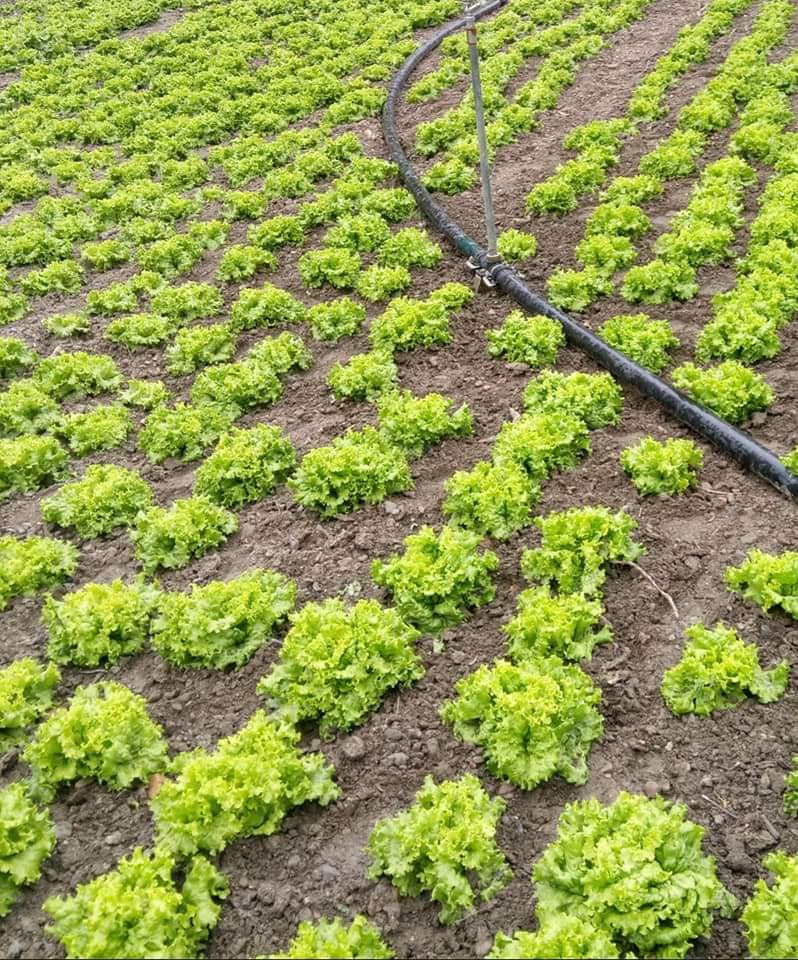
Over the years, Tashi gradually started diversifying and began cultivating more varieties of exotic vegetables and made efficient use of farming technologies and irrigation facilities. He now cultivates 19 varieties (mostly European exotic vegetables) vegetables in his field including broccoli, Iceberg lettuce, Red leaf, Yellow leaf lettuce, green leaf lettuce, Squash (Jugni), Yellow & green zucchini, celery, parsley, leek, snow peas, fennel, European carrots, red cabbages, other herbs, and exotic roots, etc. He introduced the same to many villages in Todh valley (Tinno, Gaimur, Jispa, Chika, and Sumdo) in Lahaul where farmers are now able to grow vegetables during off-seasons and sell them at a premium rate in metropolitan markets. Within his own community, he became the face of changing agricultural practices and popularized the phrase “Tel bharo, Kheti Karo” in Lahaul where he encouraged young farmers to adopt improved technologies like tillage machines and JCBs to do farming. In many instances, he even lent his own JCB and tiller machines to help people till rocky barren lands for farming.

The farming communities in Todh valley of Lahaul are now incorporating off-season vegetables along with traditional cereal crops. Different farming technologies like power tillers, tractor, power bidders, grass cutter, spray machine, sprinklers to improve the yield. Compared to Spiti the neighboring district, Lahaul receives more rain which is suitable for cultivation, potatoes, green peas, hops, cabbages, and other exotic vegetables and herbs. In fact, Lahauli potatoes are considered some of the best in the country and it is believed that these crops have brought prosperity to Lahaul.

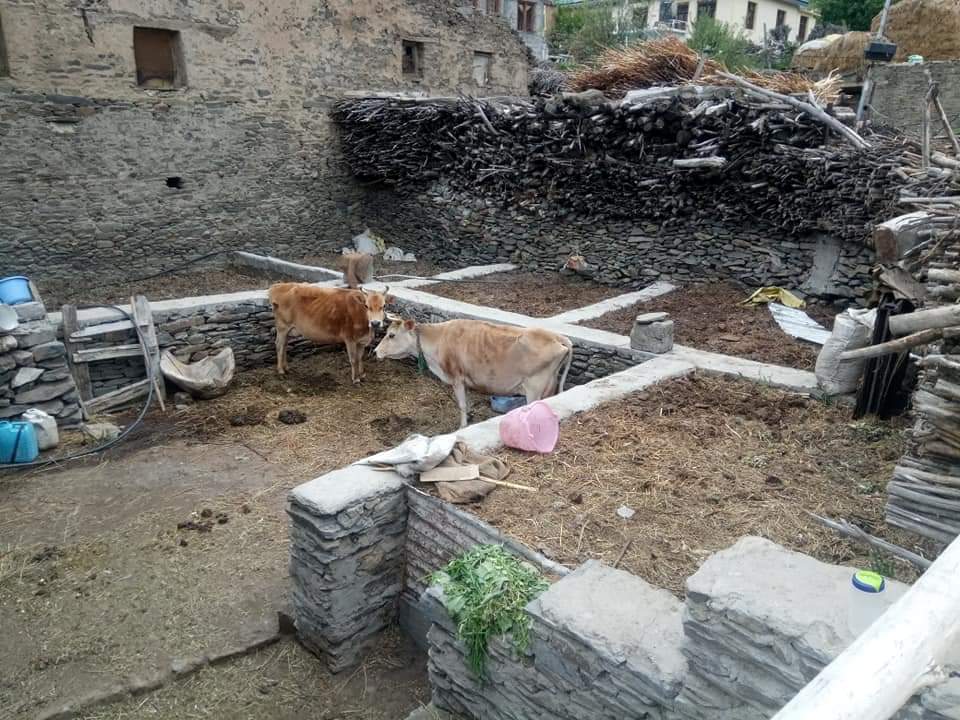
Composting is an essential requirement to grow exotic vegetables and locals rely heavily on vermicomposting. Most Lahauli households have separate vermicompost structure at their home. Tashi himself annually prepares around 17 tonnes of compost to use it in his fields. He adds “We use jungle wastes like wild leaves, raw leaves, dry leaves, Juniper leaves, and other organic waste inlcuding manure, human waste, and Kenchua (organic manure)”. “Every household prepares compost 3-4 times in the unit and use it in their field to improve soil fertility”.

With time, locals were also able to enhance irrigation system and equip technologies which is more efficient and convenient. Earlier water resources are distributed among farming households on a rotational basis. There’s a watering turn for everyone and a farmer has to wait for about 6 days to receive his share of water to irrigate the fields. With improved irrigation systems in most Lahauli villages, the watering turns have almost disappeared. Direct pipes were connected from glacial sources to Kuccha Kuls (field canals) and every household have direct access to it. Tashi enthusiastically adds “one can finish the irrigation within 3-4 hours now! Almost unthinkable in the past.” Almost 90 percent of Lahauli villages are relying on piped or drip irrigation systems. There’s an increased use of sprinklers and rain gun watering systems.

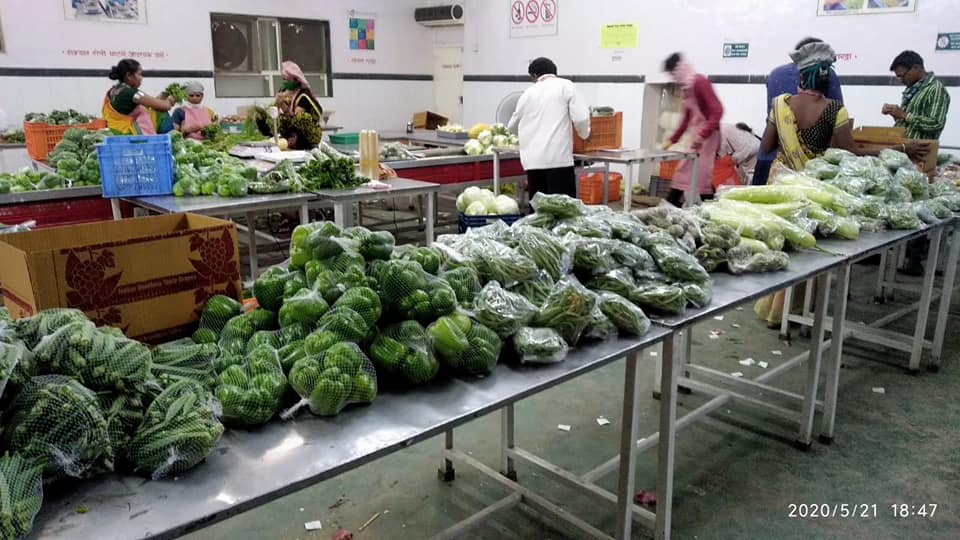
With improved road connectivity, better transportation system, and the availability of new crop inputs like hybrid seeds and organic fertilizers, the farmers in the hilly region of Lahaul are able to fetch gain higher yields and better prices. The returns from the sale of vegetables are five times higher than that of traditional crops. There’s a high demand for exotic vegetables in metropolitan cities and Lahauli cultivators are now able to sell their produce in Delhi, Chandigarh, Ahmedabad, Surat, etc. The farmers from Todh, Turat and Keylong have collectivized and formed a union of 101 farming households to provide better market exposure and greater revenues for the local producers.

Some of the initiatives include farmers market, over-the-counter payment system for the farmers, and also experimenting with the concept of “one village, one crop” where each village will focus on producing a single crop unique to their area and giving better opportunities for farm entrepreneurs. The farmer’s union will be collaborating with big hotel chains like Taj to supply them year-round vegetables.

Opening up of Atal Tunnel has also huge impact on farming in Lahaul. There’s surge in tourists flocking in the valley and farmers are keen on integrating agriculture and tourism. They have initiated farm-based enterprises like camps and homestays where tourists can take part in the sowing process, harvesting, procuring vegetables, and immerse themselves in rural agricultural life with locals during their stay. Tashi’s own farm camp in Tinno and Keylong attracts a lot of tourists. He shares that the motive is to give them first-hand experience of agriculture, self-cooking and be part of the collective experience of the landscape. Cultivators like Tashi show that there can be a more forward-looking approach for agriculture and it can harp beyond the traditional way of life. With greater solidarity, there’s positive hope for farming in high Himalayan landscapes to empower small farmers.

960 720 Tashi Angroop
Mushroom Cultivation in Spiti
Photo: Kalzang Ladey

Mushroom Cultivation in Spiti

Majority of Indians stay in rural areas with agriculture as their primary source of livelihood making India, largely, an agricultural country. Farming varies greatly across different regions given its geographical conditions and access to resources. It is increasingly becoming difficult due to growing effects of climate change across the country. Melting of glaciers, extreme weather patterns and excessive drought and rain have further increased our vulnerability. Farmers who are completely dependent on agriculture for their livelihood will face the brunt of changing phenomena and it is important to diversify our cultivation patterns. To aptly complement existing agricultural patterns, these alternatives need to be time-saving, less laborious and should also offer decent economic returns for the cultivator.

Photo: Kalzang Ladey

Given Spiti’s mono cultural practises, I realised that mushroom cultivation in Spiti will provide a viable option for the locals. Growing mushrooms is fairly easy and anyone can replicate the process once they are a bit familiar with it. One can easily cultivate mushrooms 2-3 times a year without any mechanical equipment. Moreover, there are no constraints on the scale of cultivation. It can be considered as a viable option by both small and big farmers alike. All they need is a small space in their houses. It roughly takes one month to cultivate mushrooms from scratch. In addition to usual agricultural crops, mushrooms can be added delicacy to your meals. Mushrooms are one the cheapest crops to cultivate if done with proper care -thus, with limited space and time, one can obtain a good yield. Mushrooms are extremely delicious and nutritious. It is a great way to build a diet full of protein, fibre and minerals. It contains a lot of vitamins, especially vitamin D. The nutrients available in mushrooms are helpful for people suffering from diabetes and other ailments. It is not surprising, then, that its presence in global as well as Indian diets is increasing. This is all the more reason for farmers to take up mushroom cultivation.

Photo: Kalzang Ladey

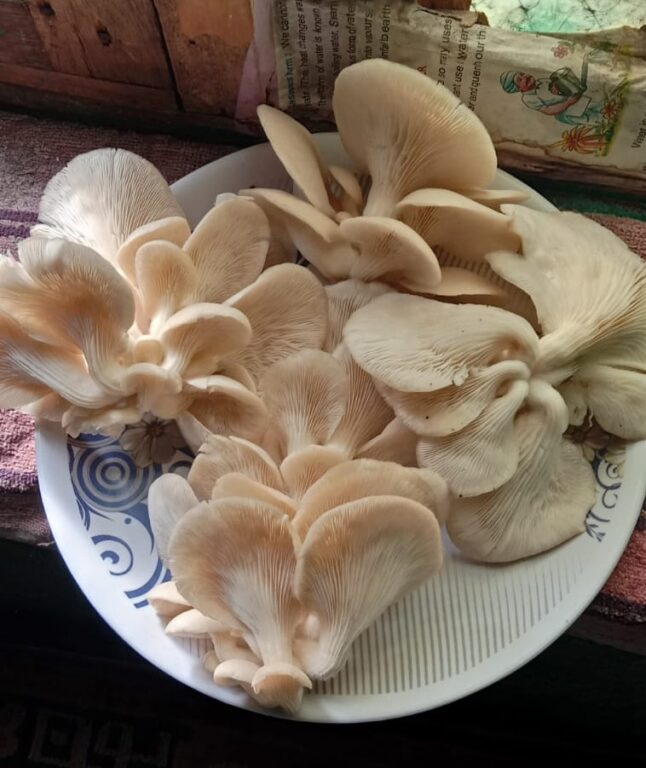
Many types of mushrooms are in demand, but specifically in Spiti, we cultivate oyster mushrooms. Both fresh and dry varieties of these mushrooms are sold in the market. The mushroom soup you get is made from these oyster mushrooms. We have experimented with the cultivation of White oyster mushrooms (Pleurotus florida), Pink Oyster mushroom (Pleurotus Djamor), King Oyster mushroom (Pleurotus Eryngii/Kabuli Dhingri), Gray oyster mushroom (Pleurotus Sajor Caju) and Tree Oyster mushroom (Pleurotus Ostreatus). Oyster mushrooms are the best varieties to cultivate if you are trying it for the first time. These are very nutritious and require much less space and environmental conditions for a beginner. Mushrooms can be grown either through spawns or substrate. Spawns are referred to any carrier material which has mycelial growth to propagate mushroom. It can be considered like a seed in mushroom farming and comes in various forms like sawdust spawn, grain spawn (most popular for home grown mushroom cultivation process), woodchip spawn and straw spawn. Substrate is a soil-like material that provides mushrooms with the nutrients, moisture and energy. It is high in organic matter making it desirable for cultivation. Different species of mushroom have different preferences of substrate hence it is important to match those requirements. A good substrate is dense woody fibrous material full of carbon.

I will briefly explain the cultivation process for those who are interested. There are two methods of mushroom cultivation:

  1. Organic sterilisation method
  2. Chemical sterilisation method but I will recommend people to follow the organic cultivation method.

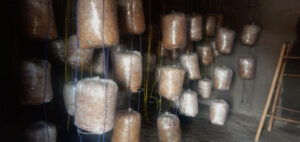
In the organic sterilisation method, fill a large sized utensil with ⅓ of water and keep it to boil. When the water starts boiling, add straw which will play the role of substrate. In Spiti, we add dry grass chips called Phungma. Keep the mixture on boil for about 2 hours (depending upon the quantity). Drain the excess water, lay the straw on a clean mat to dry it (overnight). When it is completely dry, you will need strong poly bags (14X18 or 16X24 inches) to transfer the material. As for spawning, for 80 Kgs of straw, we require 1 Kg of spawn (mushroom seeds). The spawn can be sprinkled on the straw and can be mixed. Then comes layering where first we put some spawn in the polybag, then apply the first layer (2 inch straw), followed by another layer of spawn and finally topping it with the final layer of straw till we fill the poly bags to the brim. When this is done, close the bags in a way that it’s air-tight and there’s no room for moisture to enter. Once the bag is closed, make around 10-15 holes in each bag. Place these bags in a dark empty room or closet at 25 degrees Celsius for 15-20 days until the entire bag turns white. If there is any other colour formation, you’ll have to dispose of the bag and start over.

It is important to keep the bags in a clean room with good humidity. Keep checking the mushroom bags every other day and start sprinkling the floor with water to increase the humidity in the room. Once it starts sprouting, softly twist individual mushrooms and pluck them for consumption. For the chemical sterilisation process, add 125ml of formalin and 10 gm of bovesteen (fungicide) in 100 litres of water. Washed and damp straw is then soaked in this water for 12 hours. Following that, the excess water is drained and straw is dried out and then transferred to polybags. The polybags are then tightly closed with a string and left for cultivation. Once the bags start becoming white, you can make a few more holes in it. Roughly, at every 3 inches, there should be one hole in the bag. This will help you get a better yield. These holes should be made by only those cultivators who are unable to maintain 90% humidity in the room.If the room temperature is between 20-22 degree celsius, then it is considered to be the most ideal for incubation.

Once it sprouts, same bag of mushrooms should be harvested together otherwise, it would take longer to prepare for the second flash. Second flash can be carried out roughly 7-8 days after the previous harvest. In this way, each bag can take 3-4 flashes easily. After 3-4 flashes of harvesting, remove the poly bags and prepare for the second batch using different bags. If this is done with proper care, the mushrooms will be ready in 25-30 days. If you are planning to cultivate pink oysters (Pleurotus Djamor), then a slightly higher temperature is required in the room. Thus, you can cultivate these mushrooms in the month of June or July in Spiti. Other mushrooms can be cultivated between the months of April to September.

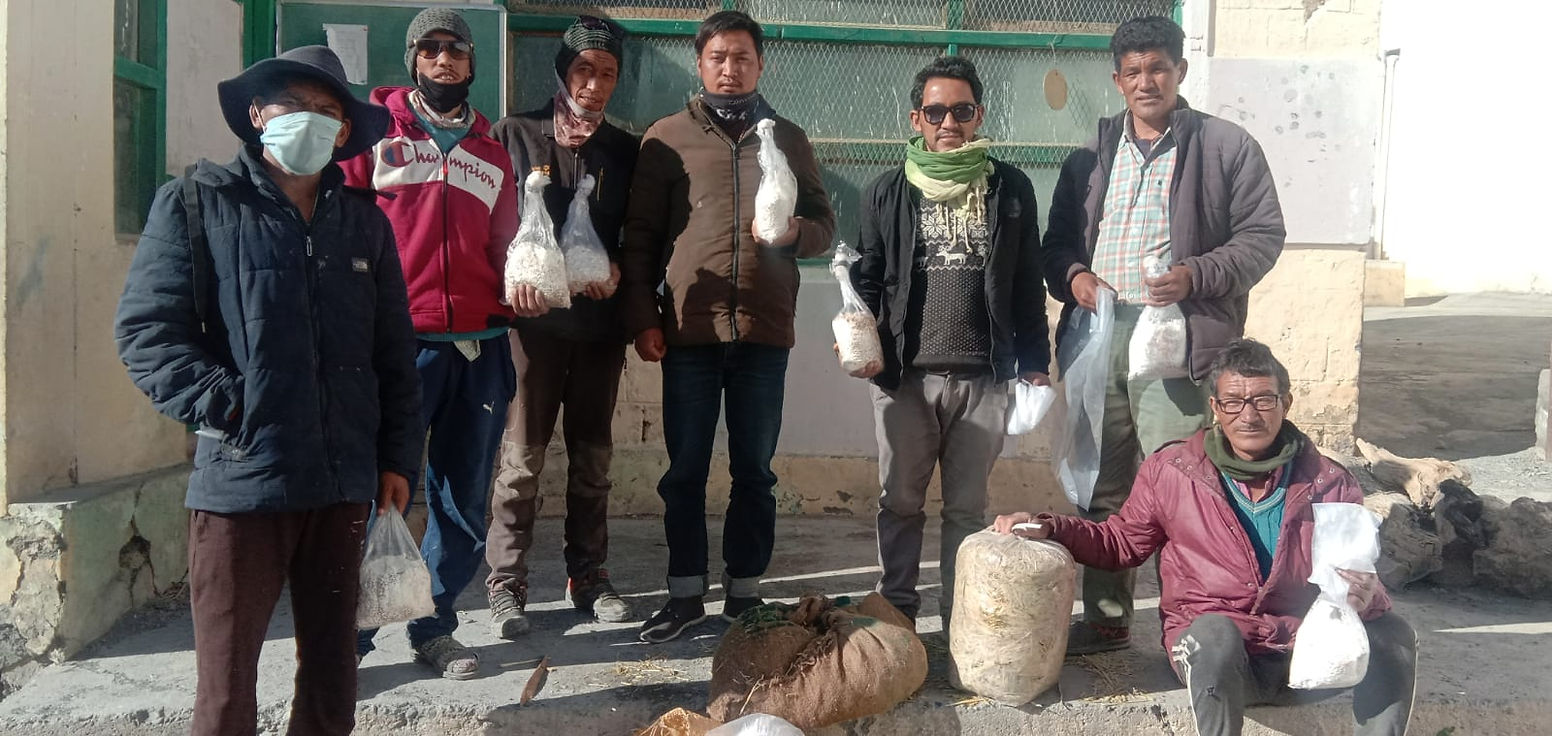
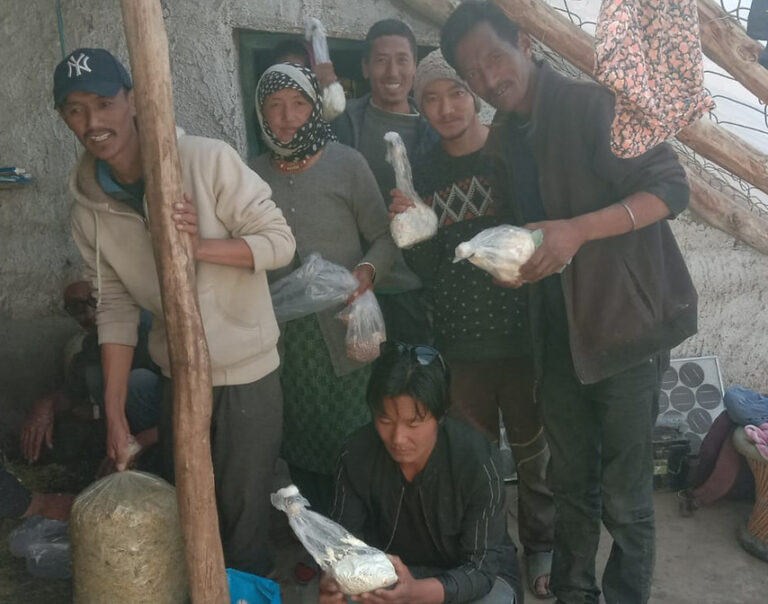
The Department of Horticulture in Spiti and honourable Agricultural Minister Shri. Ramlal Markanda helped me immensely in my journey of cultivating mushrooms. They helped me procure seeds, gain training and greater awareness about mushroom cultivation and subsequently helped me popularise it among local farmers. Along with the Department of Horticulture in Spiti, I have visited multiple villages to spread awareness and conduct training about spawn. We visited Losar Panchayat, Pangmo, Kibber Panchayat, Pin Valley, Kewling, Langza, Komic and trained about 500 people on mushroom cultivation. Men, women, young and elders all showed great interest and several of them started cultivating at household level. Along with awareness, we would also distribute free Spawns to encourage them.

We have been cultivating Oyster mushrooms till now, we can certainly try button mushrooms if we get the seeds. Institutions like ICR-DMR (Directorate of Mushroom Research), Centre for Mushroom Research and Training in Palampur and Dr. Y. S. Parmar University of Horticulture and Forestry, in Nauni (Solan) has been carrying out extensive research and training for mushroom cultivation. We should gain firsthand insights and attend their workshop. Their hands-on training is extremely beneficial. I am very thankful to the department and its officials. I will continue to work for mushroom development in Spiti and I hope that we are able to bear the fruits of this venture in future. My request to all farmers is to adopt mushroom cultivation actively and in case of any hurdles, please do not hesitate to reach out to me for any queries.

1036 492 Kalzang Ladey
Losar : Animal’s Day

Losar : Animal’s Day

I think I am in fact the least excited and most boring person at any form of festival. Much of it could be due to my introverted genes that wouldn’t fancy gatherings, dancing, fireworks or any other things which involve interacting with strangers, but part of it must be because of my upbringing. I am not sure of both though. But my heart just cannot seem to invite festivity as much as my friends and family do.

I hail from a small nomadic village in Ladakh where the livelihood of everyone is dependent on livestock. Almost every household owns some goats, sheep, horses and yak. These animals aren’t merely our source of income, but are used for obtaining food, fetching water, traveling, and most importantly seeking comforts and friendship. Since our life revolves around rearing these animals and more importantly enduring the harsh reality of having no access to electricity, water and worse not even a single shop in the vicinity throughout the year, we have little time for festivity. Or, many of us are even oblivious of its existence, except for Losar– the Tibetan new year and Thrungkar Duechen – His Holiness The Dalai Lama’s birthday. Hence, every single person in the village looks forward to these two days like a child, although for different reasons.

Photo: Namgyal Lhamo

My fondest memories of Losar and Thrungkar were significantly boring compared to my cousins. But these days, no matter how many festivals I witness as I travel through urban life, there is nothing more meaningful and beautiful than this idea of celebration I got to see early in my life. It was on one of the third days of Losar. My father came to me, patted my head gently and said with a smile “Life of your polled lamb will be set free”. I was elated beyond words and this memory has remained in my heart so vividly. In my village, on the third day of Losar or Thrungkar, fathers of the households are the busiest. They get up early in the morning to appease the Land God and other deities who are believed to be the true owners of our land according to their ancestors. This is followed by their brief journey to the animal shed where they would choose some animals randomly and set their life free. By that, we are not allowed to send them to slaughter houses, milk them and are expected to watch them with unconditional love and care which every animal receives anyway, until they die. It was my most awaited moment of the festival. My siblings and I would always hug our father with utter joy after he would come out of the shed. This act is mostly done to honor and thank the sacrifices of animals for our livelihoods while it is also performed for the health and long life of His Holiness and carry his message of love, kindness and compassion towards animals.

We eventually shifted to a town nearby, leaving the whole nomadic life behind due to the inability of my family to see the animals suffer for our survival. But, as I look back, I realised that it was this place where I gave birth to my love for animals. Today, even if we live a totally different life, my parents make sure to celebrate these two days by setting at least one animal’s life free. There is nothing more rewarding at a festival for me than this act of genuine kindness. Somehow I think of these two days as a festival of animals and I hope to carry this tradition forward in my own life too.

792 706 Namgyal Lhamo
Women and water: a Photostory

Women and water: a Photostory

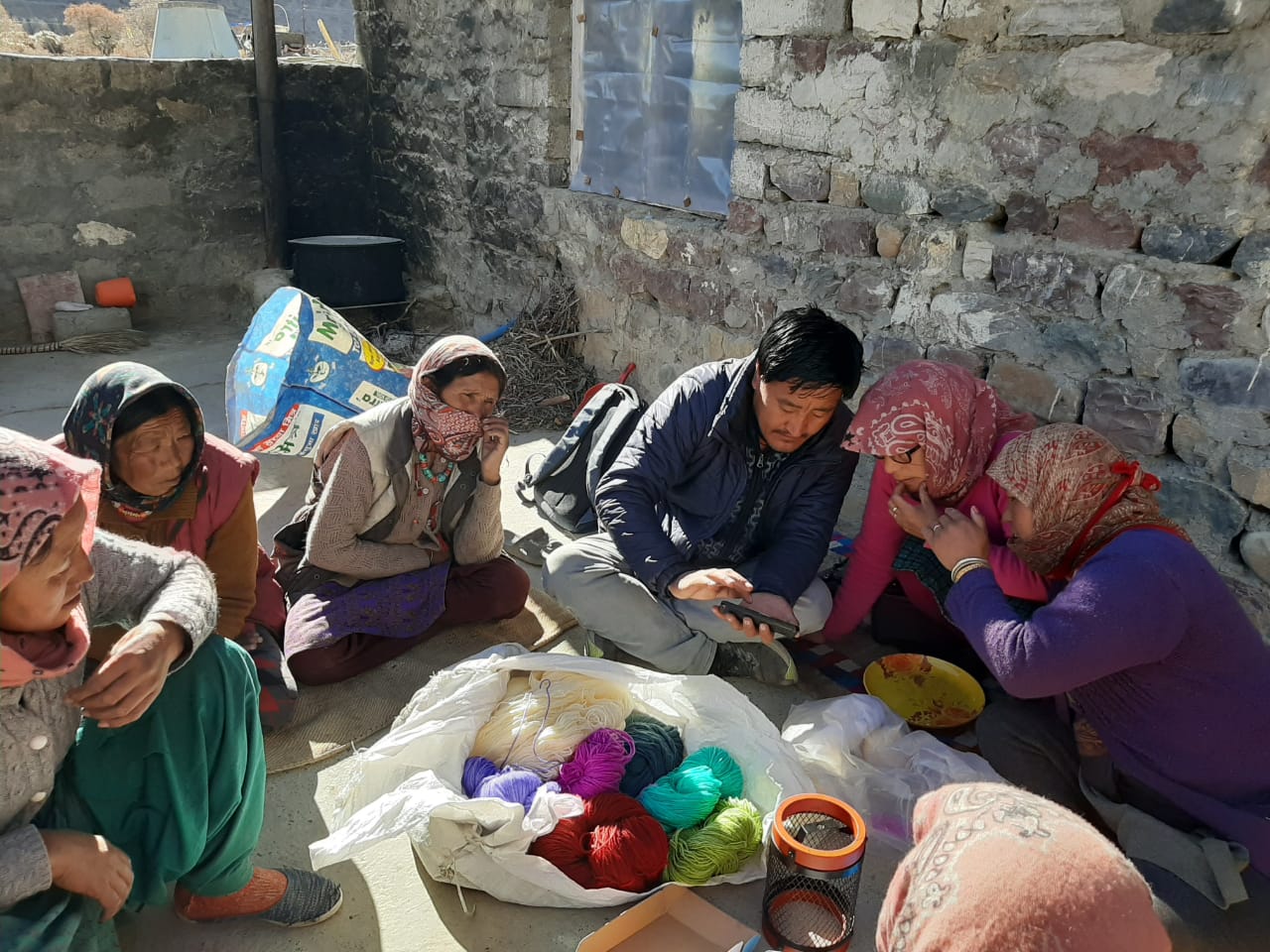
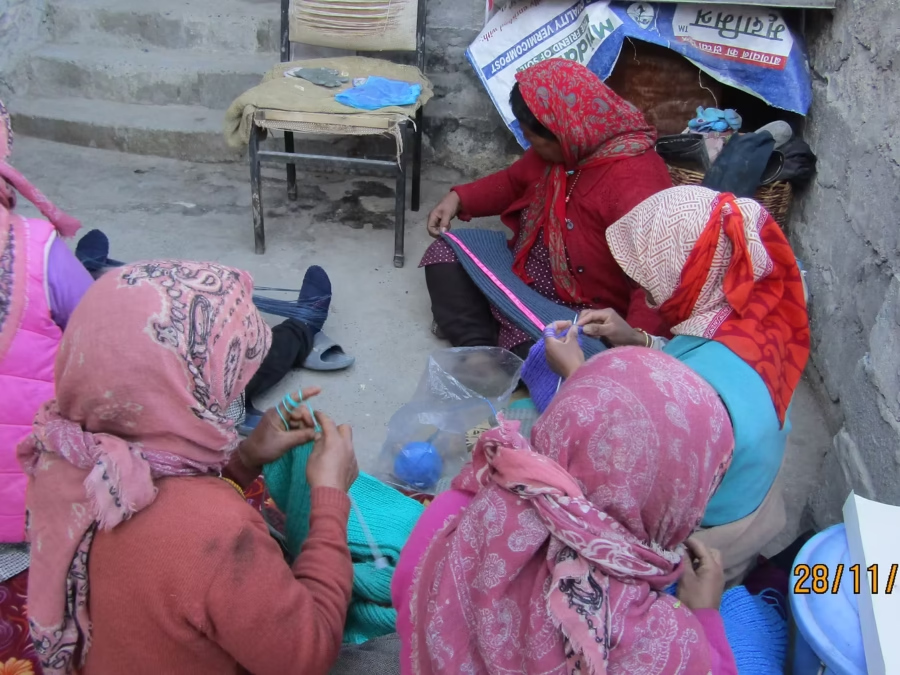
Last year, we did a photography workshop with women’s group in Shushuna village, Spiti Valley, who are primary caretakers and farmers in their households. After the session, we left them a camera and asked them to document their village life in addition to nurturing their photography skills. We returned a year later and they enthralled us with amazing pictures and great stories! Enjoy reading this one!

Kesang Dolker, Yangchen Dolma, Rigzen Youdon, Migmar   Dolma, Panama Dikit, Tsering Yangzom, Prabha Devi, Choddon, Dikit Dolma, Yangchen

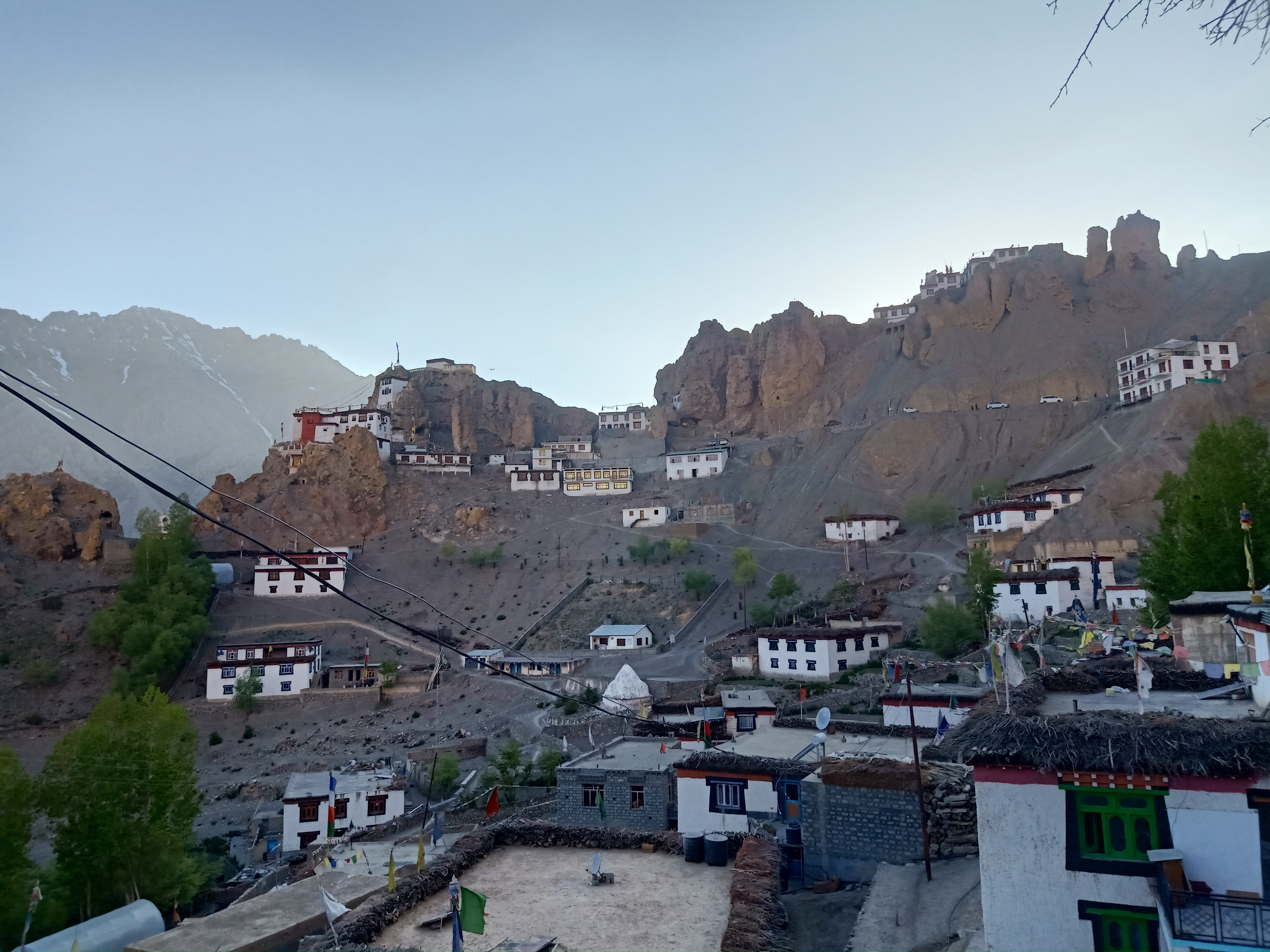
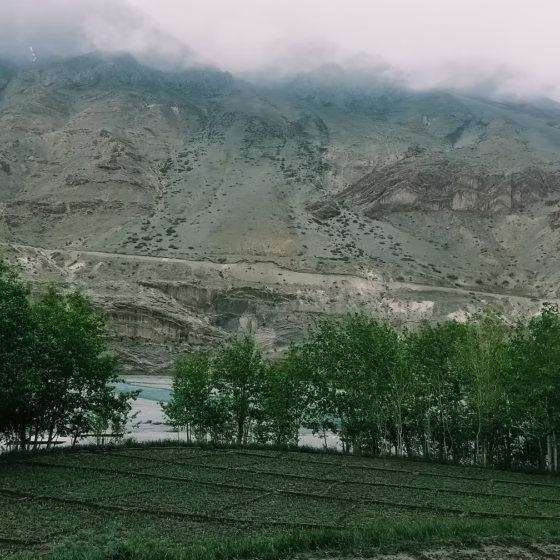
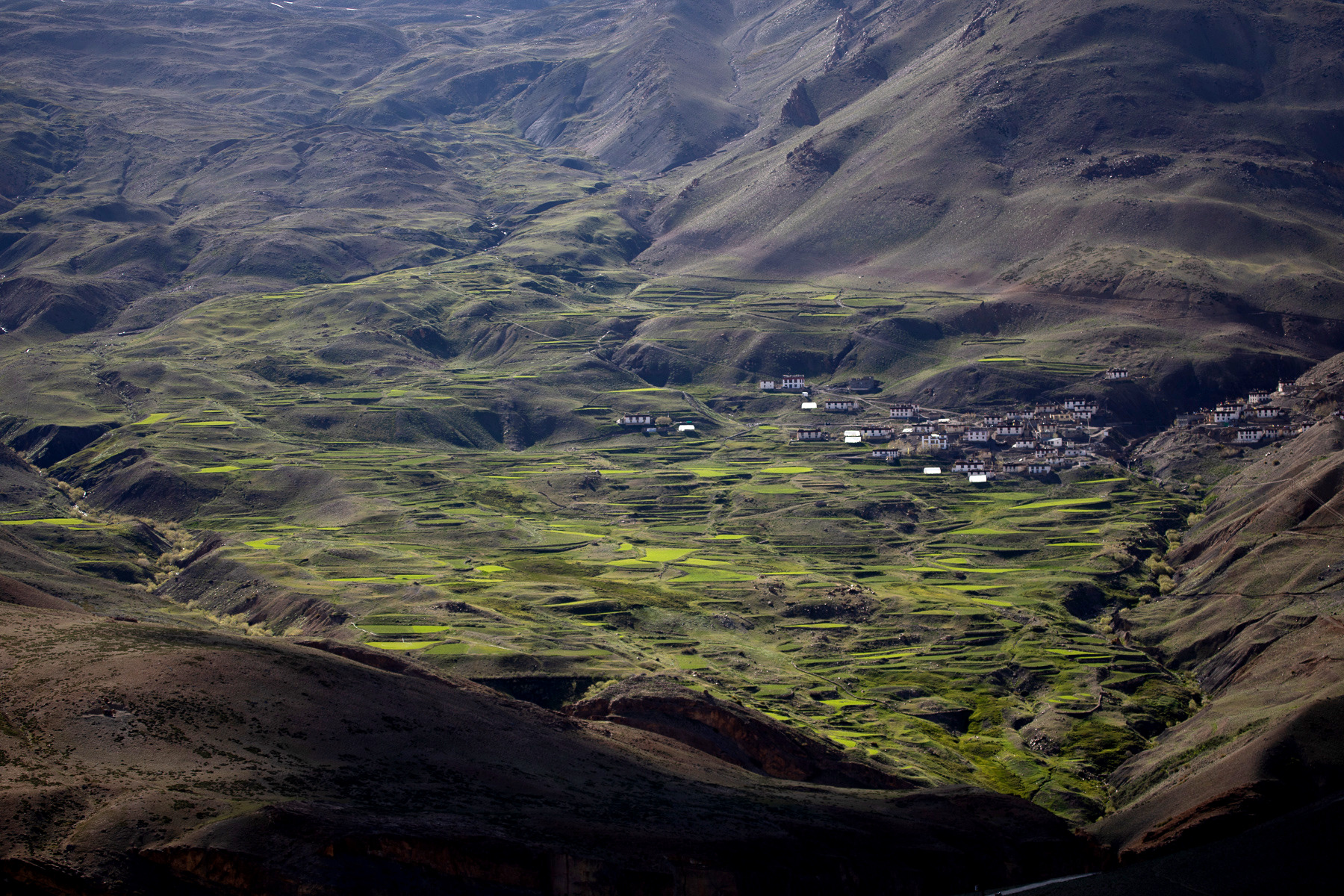
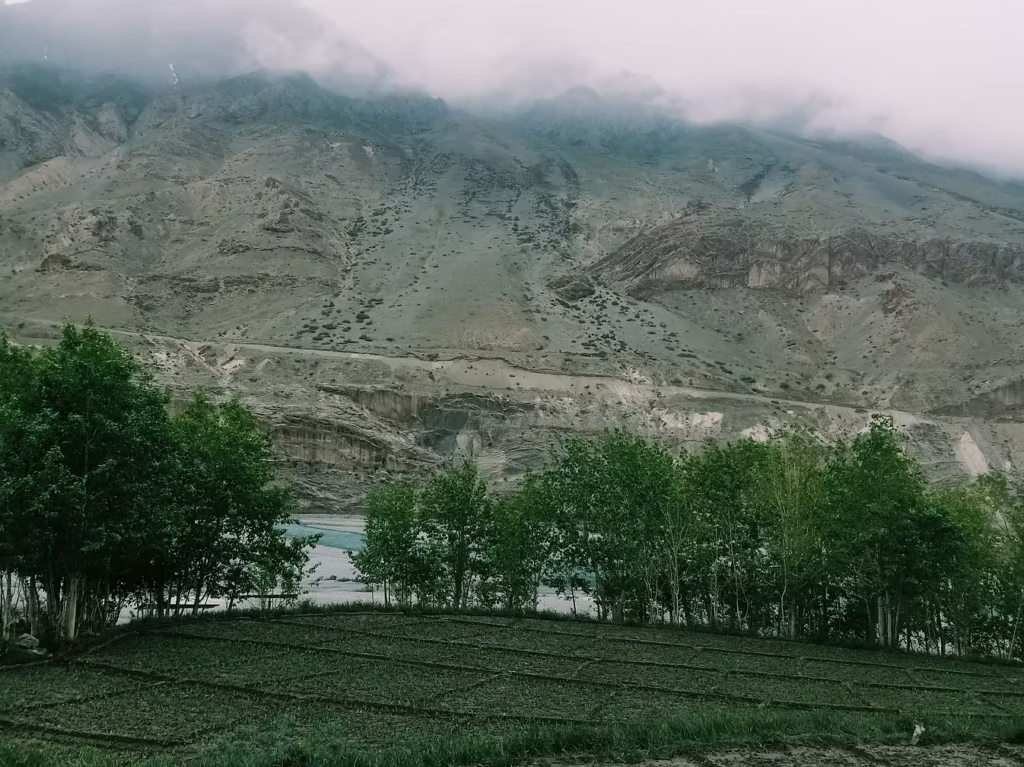
Shushuna is a quaint little hamlet in Spiti. Surrounded by high mountains, lush green fields and gushing rivulet that changes its hue from turquoise green to shades of grey.

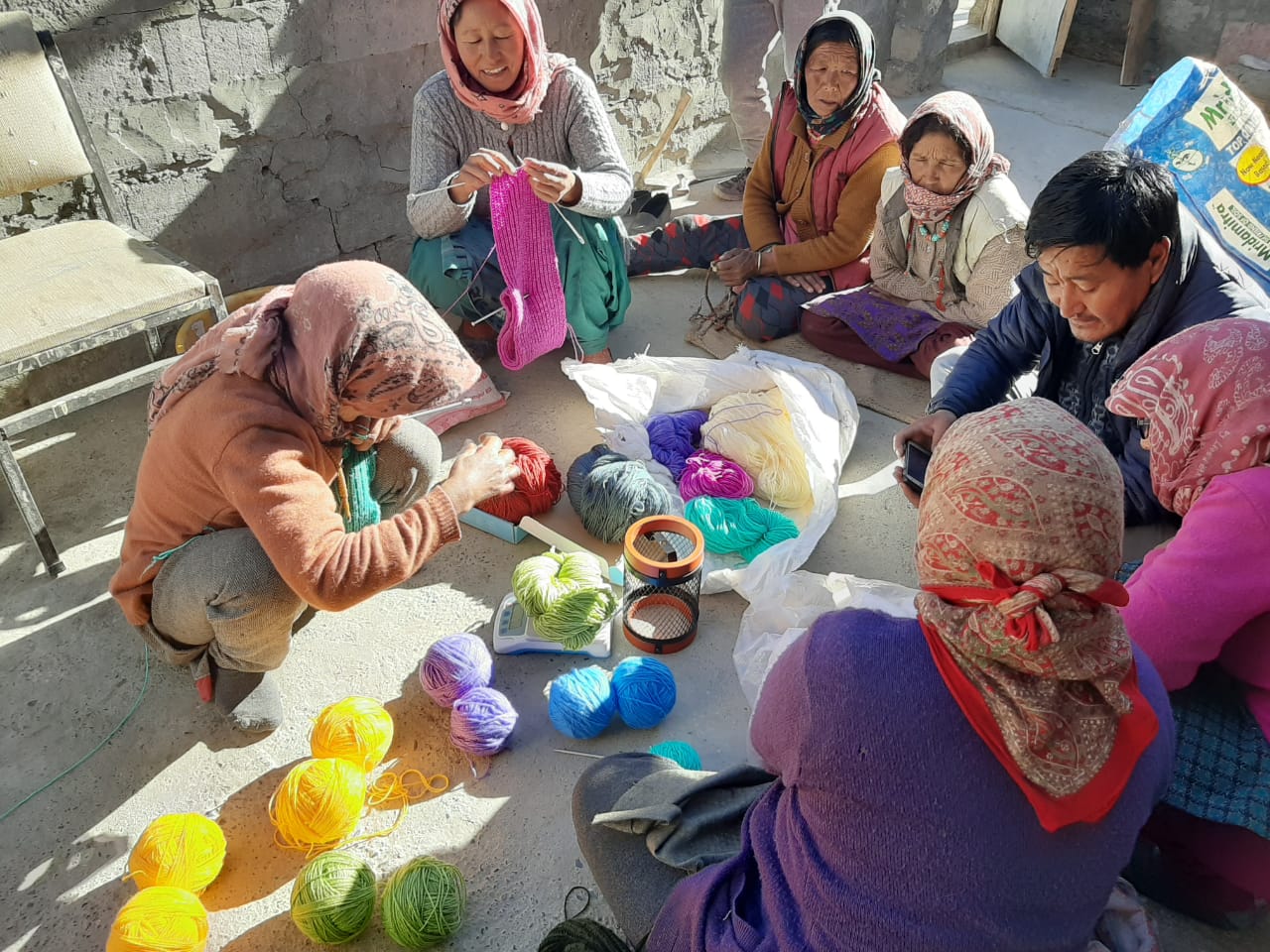
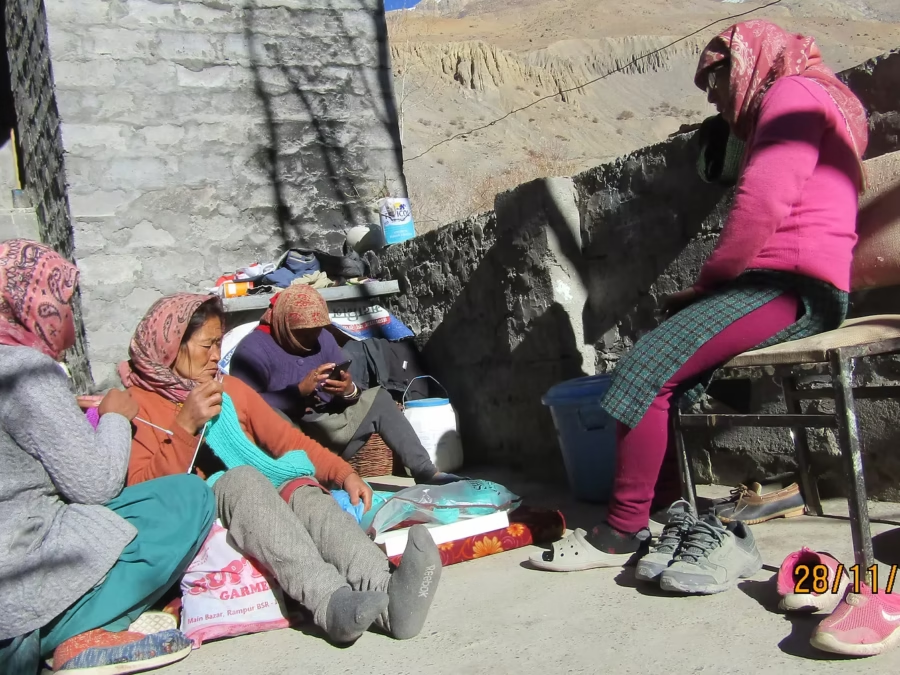
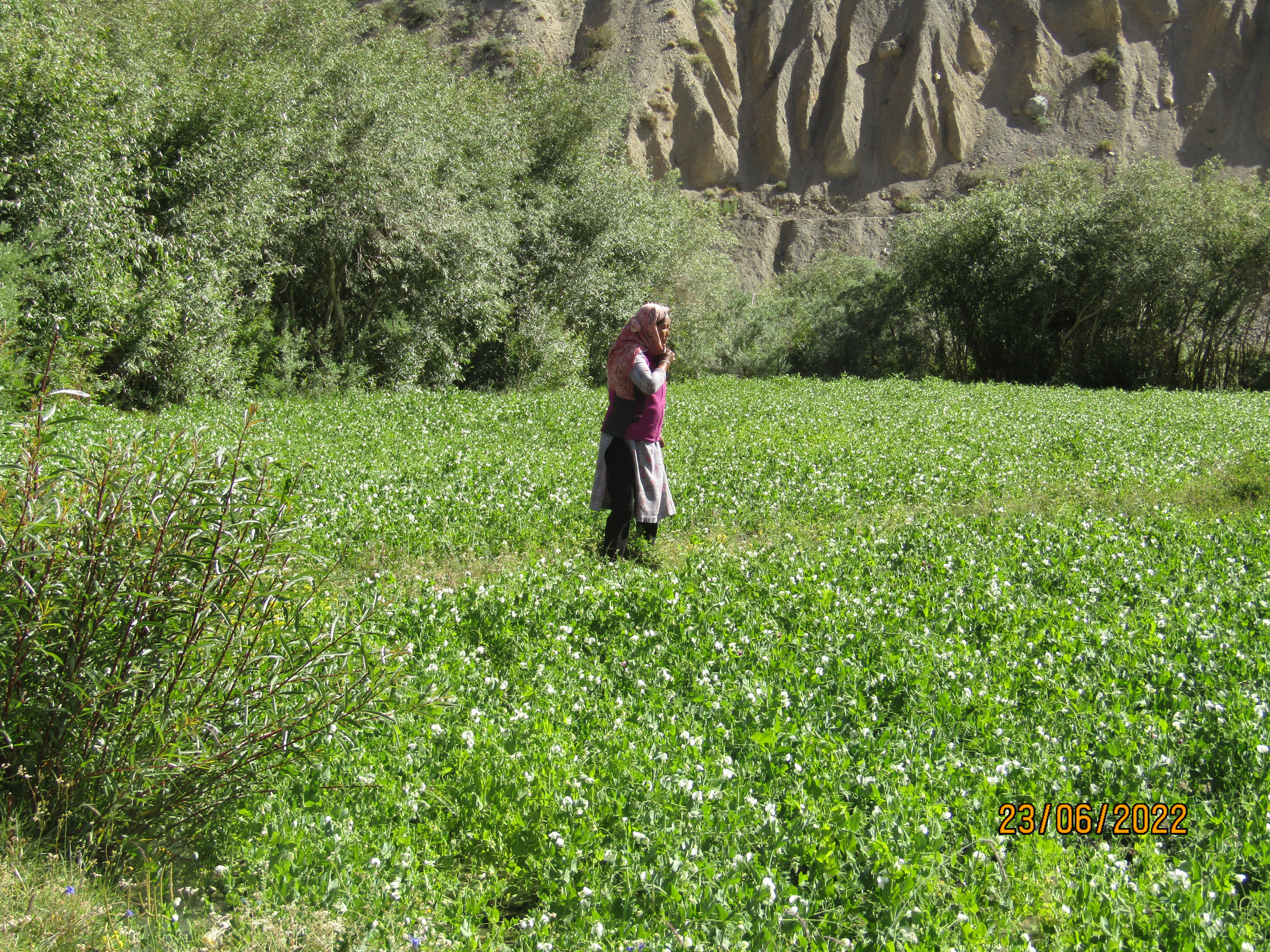
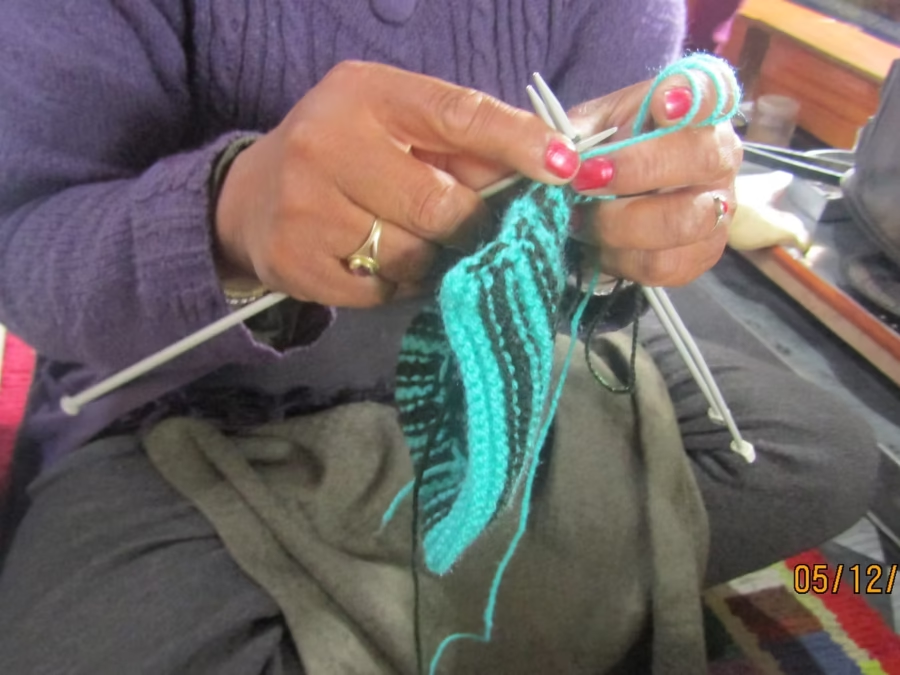
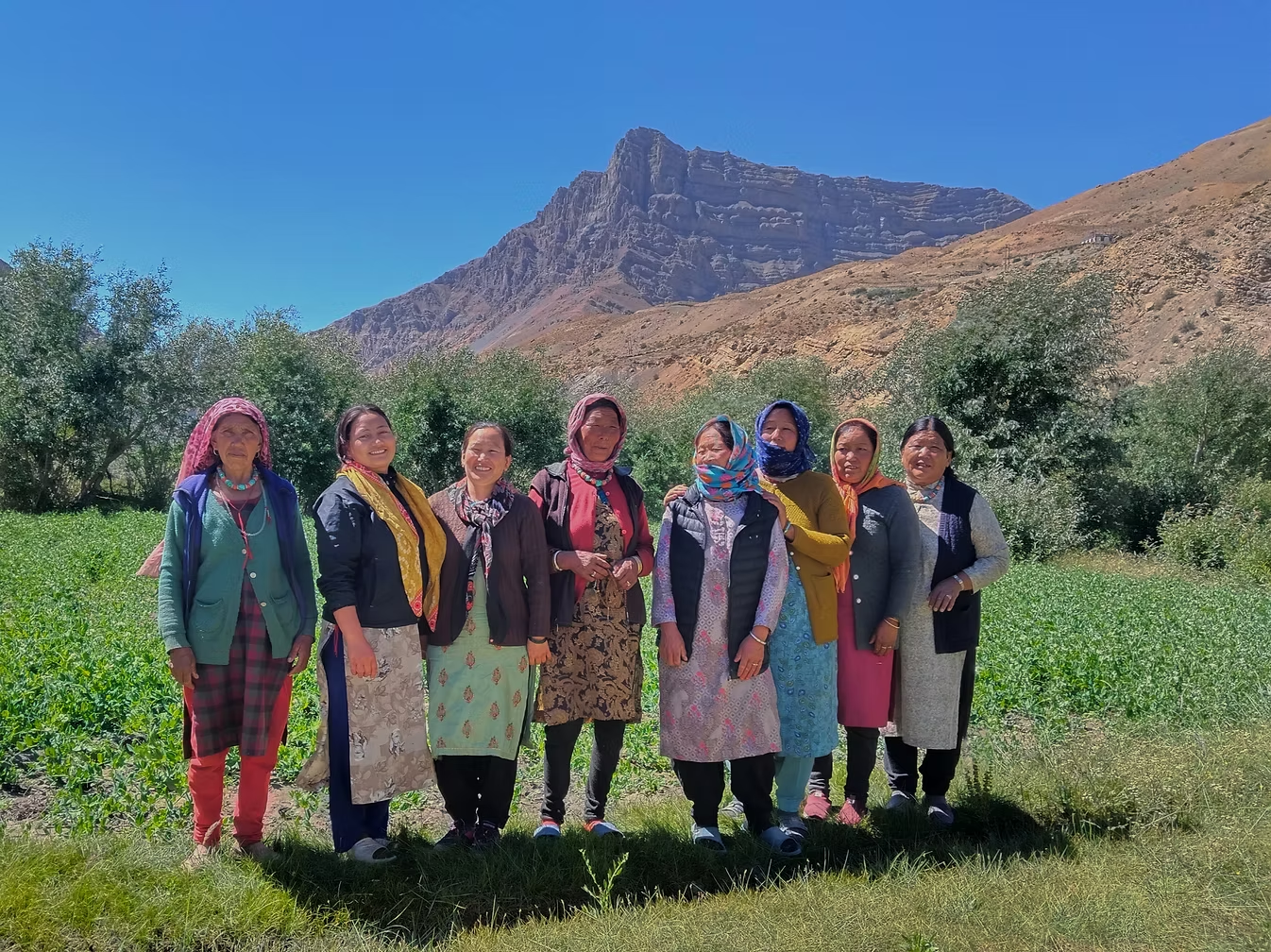
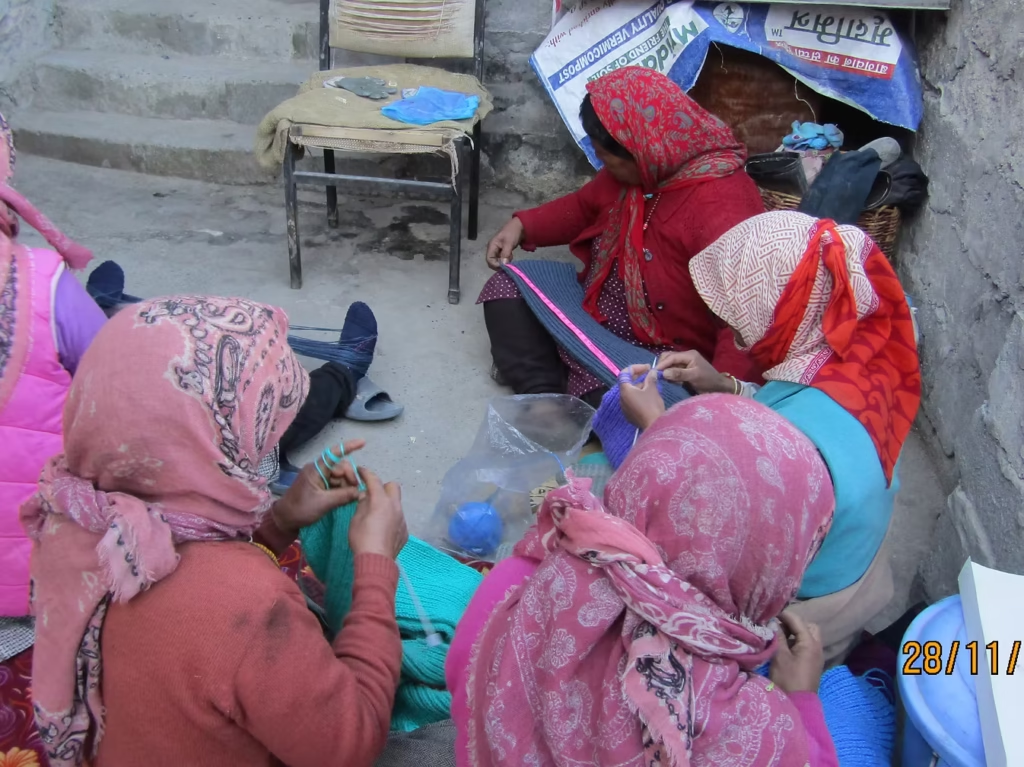
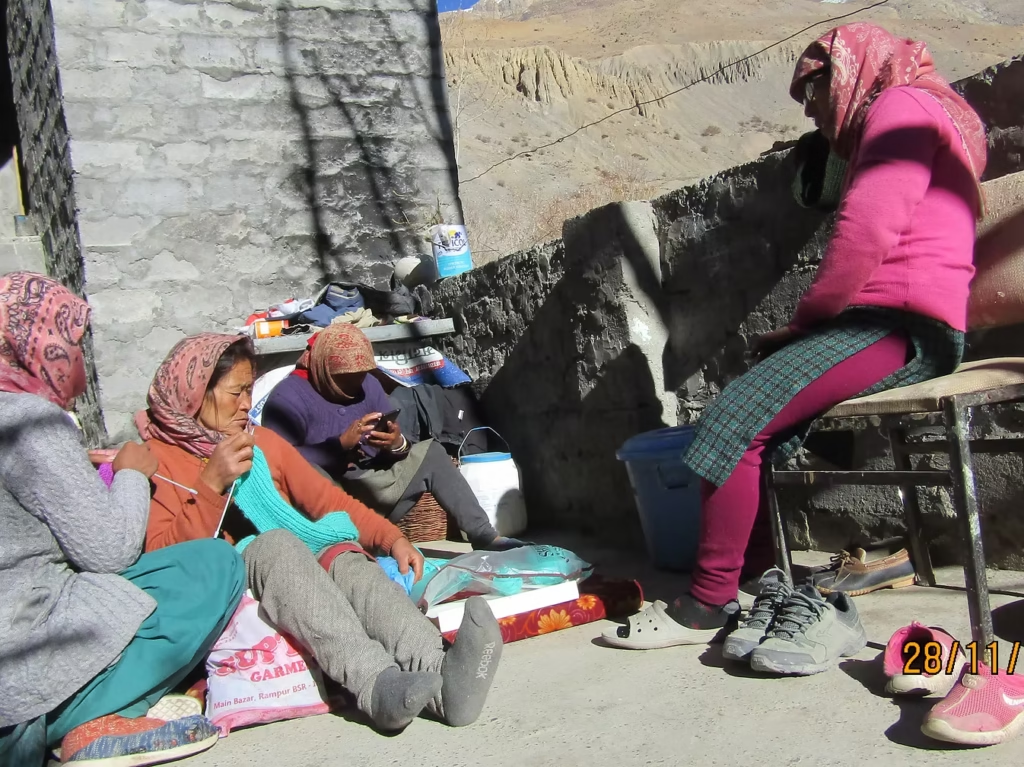
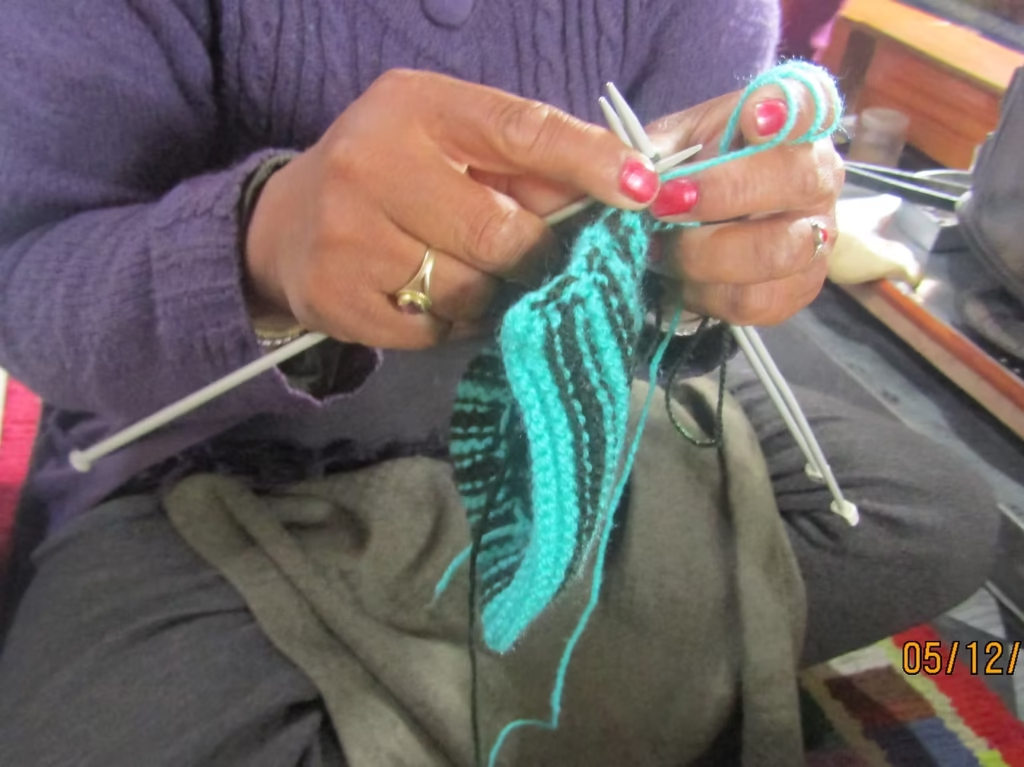
It is a bright sunny day in June and a group of women can be leisurely seen knitting sweaters, mufflers and socks for winter… an unusual sight during peak farming season in Spiti.

Spiti is a high Himalayan mountain desert with scanty rainfall and glacial melt water as the prime source for most villages. As such, water is sparse, the agricultural season and vegetation short, and lives vulnerable.

When most Spitian villages are drying up, fields unyielding, brimming Kuls of Shushuna signals benign possibilities.

Situated along the river basin, the village owes its blessings to the mighty Spiti river and its tributaries from Pin valley which forms an essential lifeline to the resident farming community.

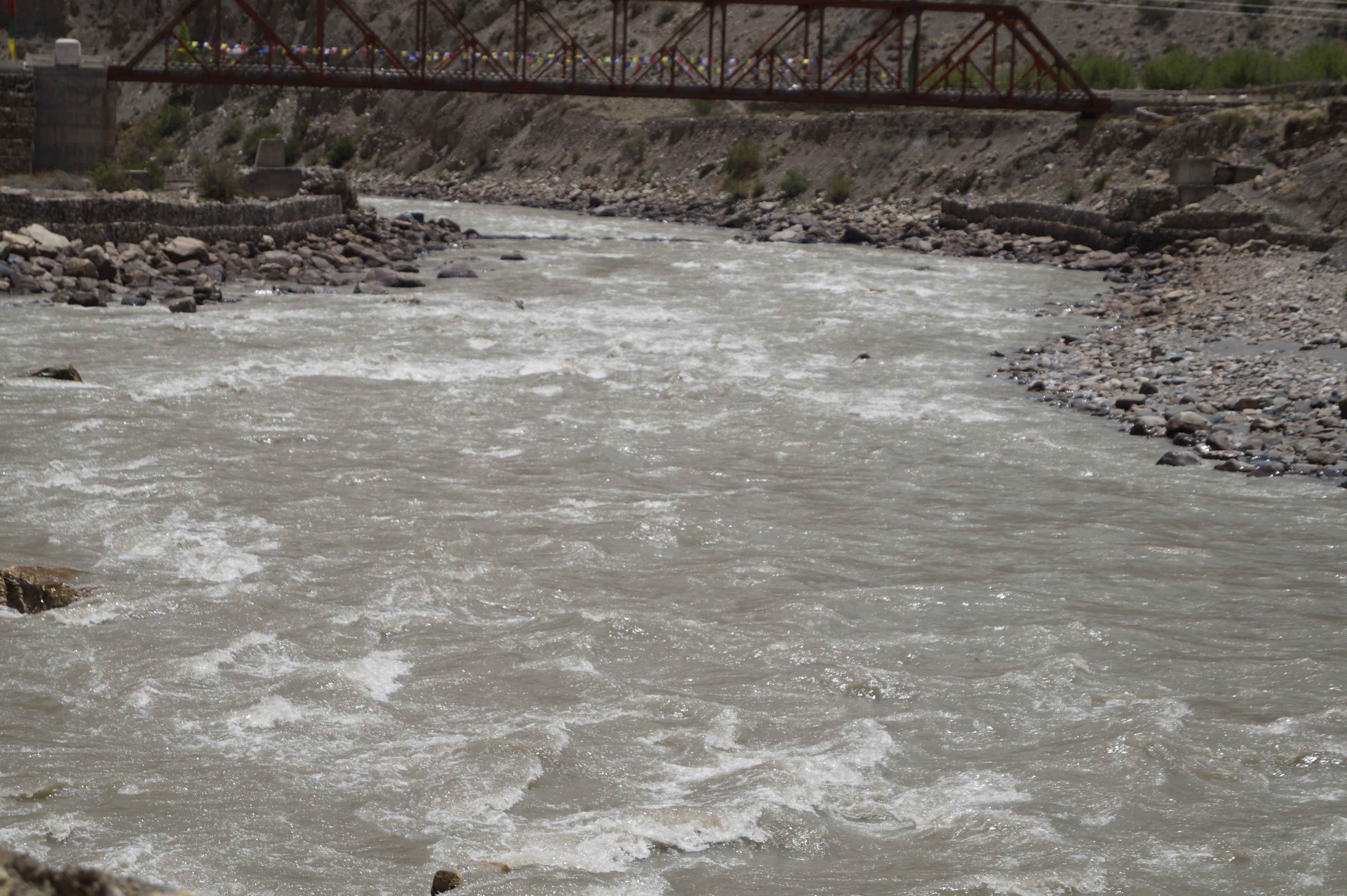
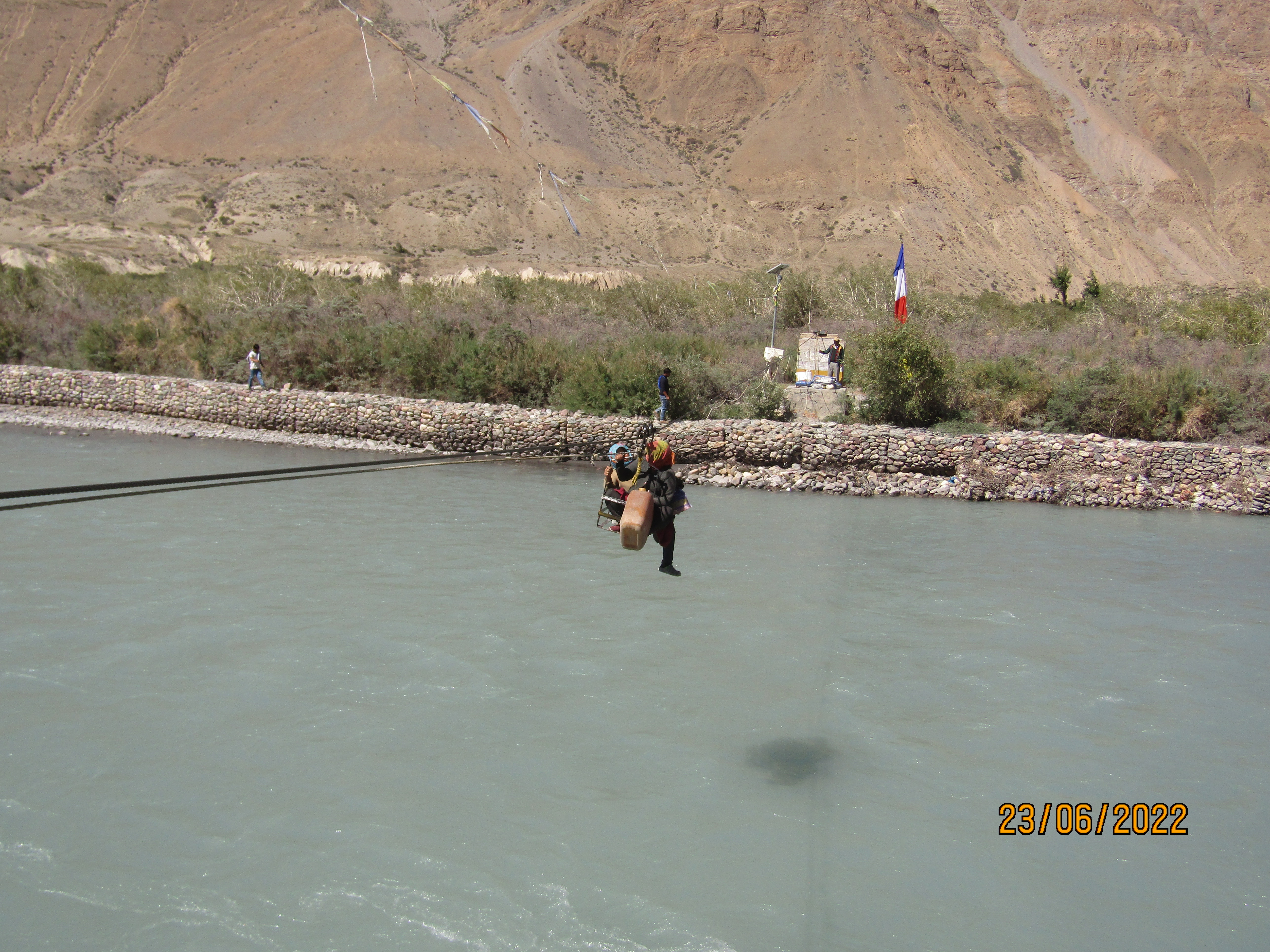
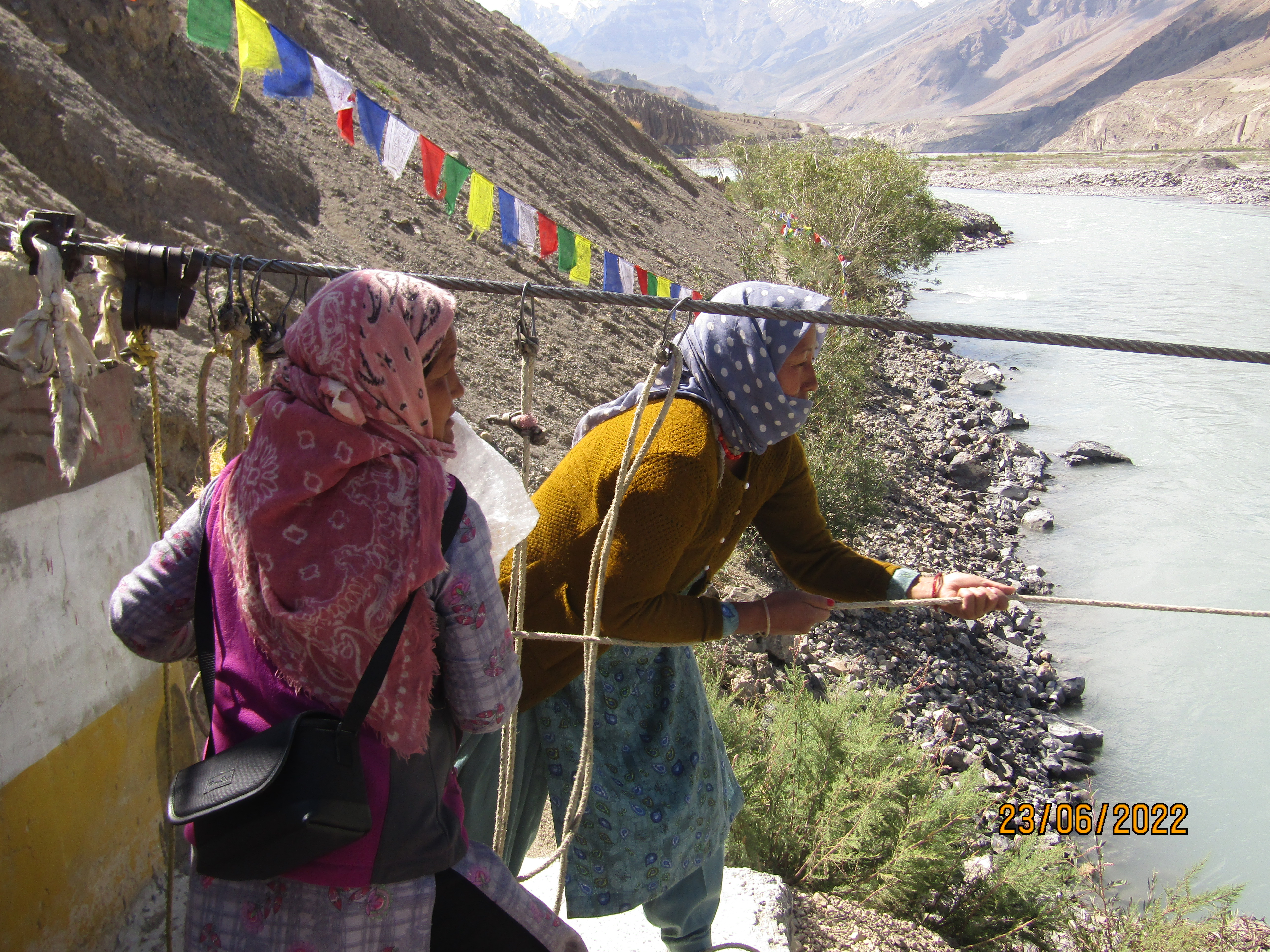
However, to reach the village, one has to take a suspended rope bridge. A dangerous feat villagers have to undertake every day! Women often pair up and cross it together. Holding essentials and looking out for each other – lest it can prove fatal!

Water which is located at a significant distance in most Himalayan villages, can be found in one’s backyard here – easing huge strain on villagers.

When your fields are at a reachable distance, and when you don’t spend hours fetching water, there’s so much more one can do including spending time with family and more time to self!

…exploring additional sources of income resulting in greater agency.

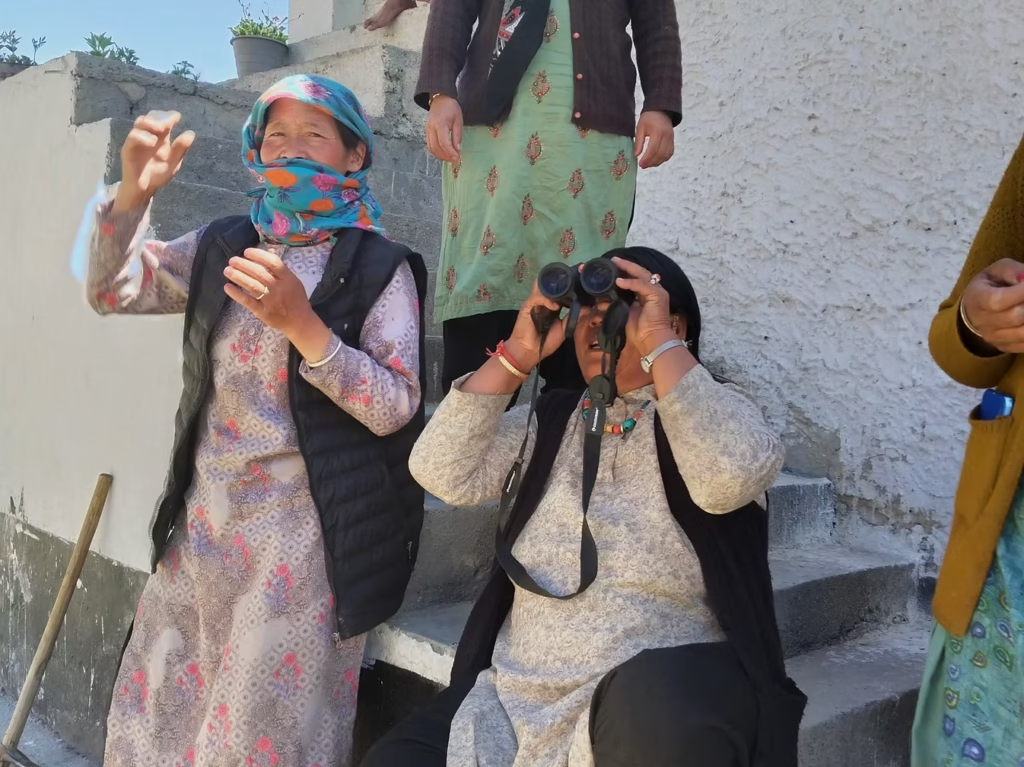
The photography group

When water is accessible, it leads to happier, healthier communities.

1346 1008 Women of Shushuna
Traversing Climate Change
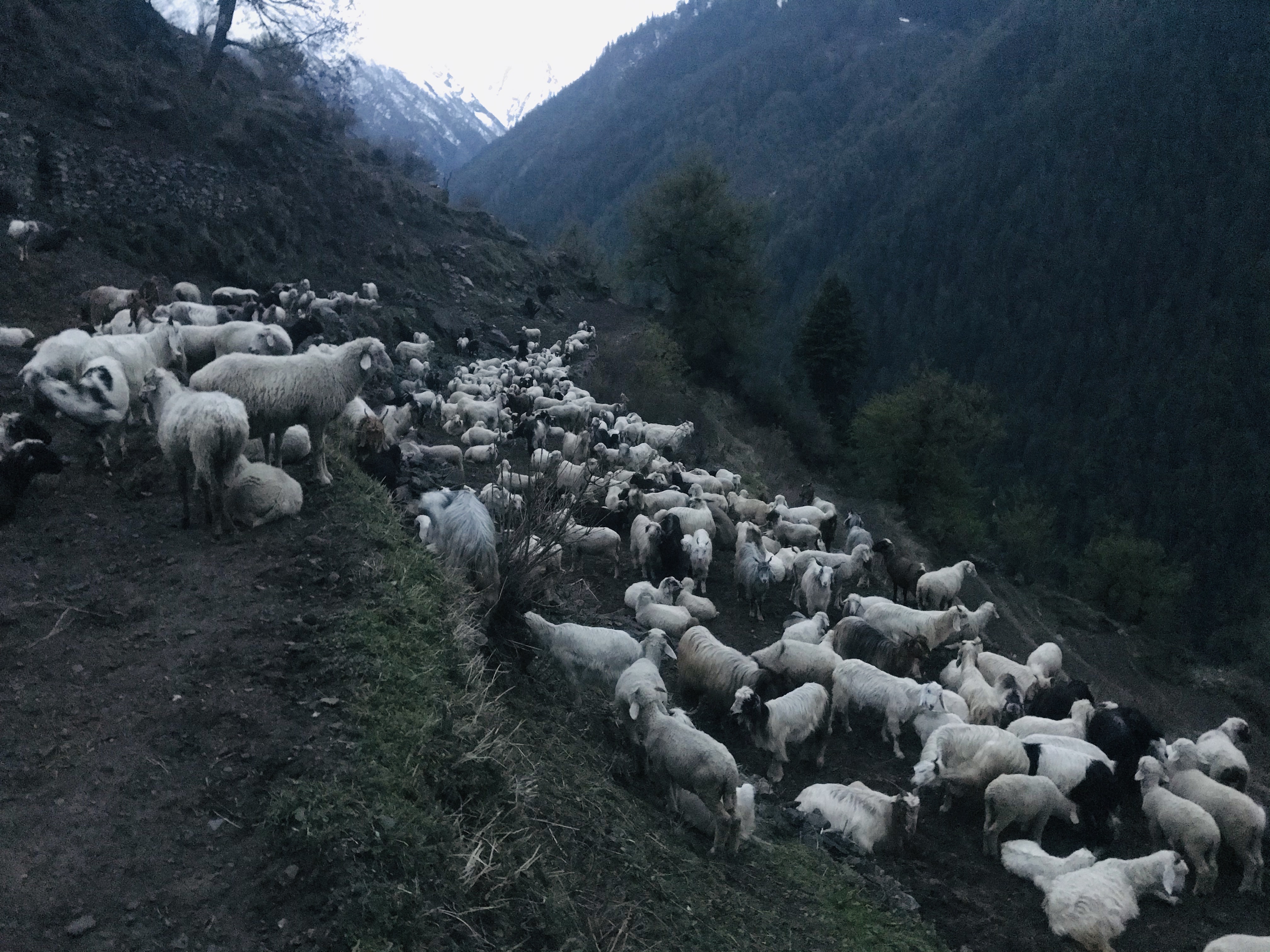
Herds of sheeps and goats return after grazing in the Dhar on the North-east of Kungti village | Photo: Virendra Mathur

Traversing Climate Change

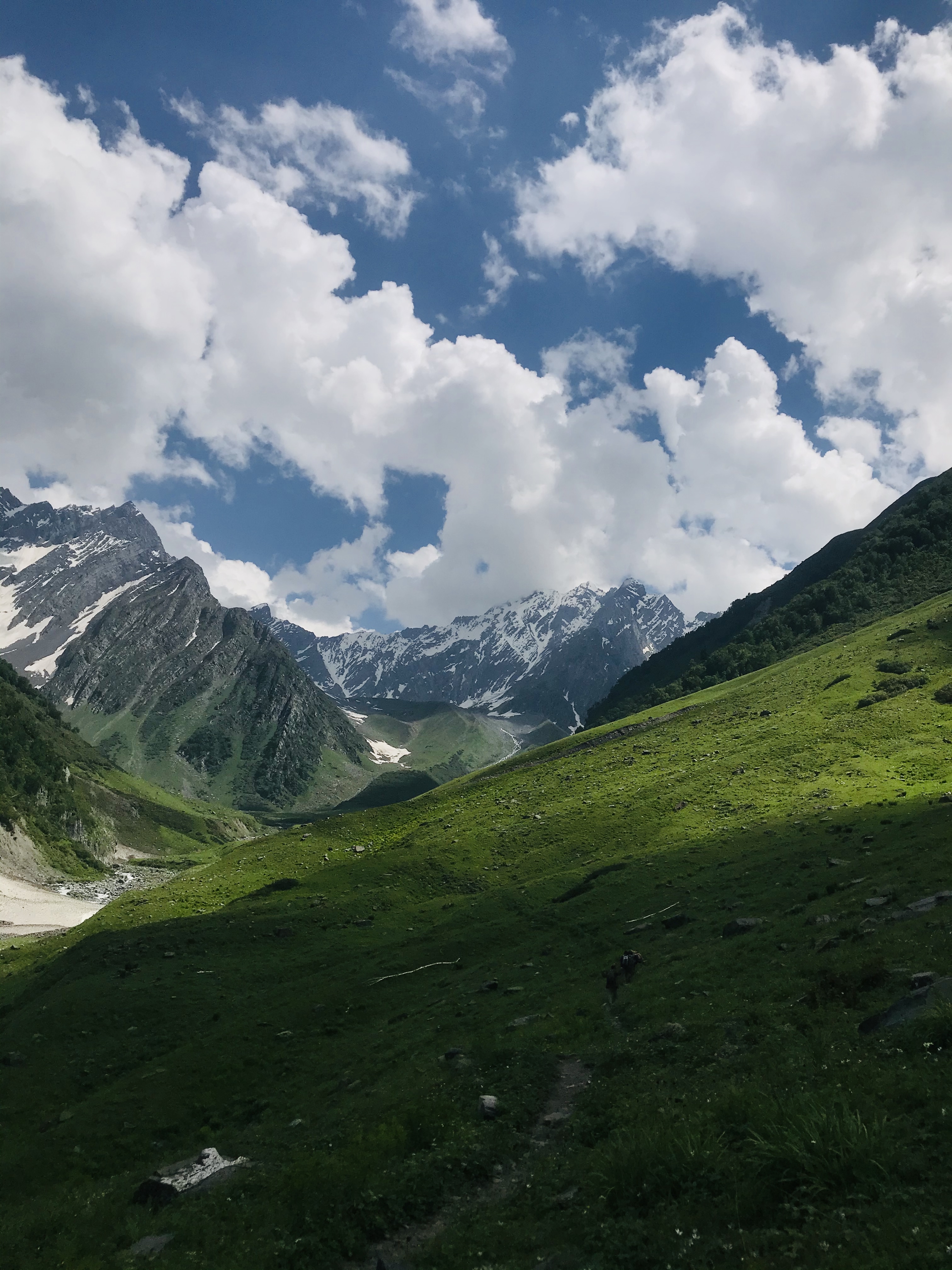
In the mystical lands of Bharmour and Lahaul, located in the north-western part of Himachal Pradesh, India, a seasonal event takes place every year that is an elegant harmony between local culture and nature. Here in the traditional seat of Gaddi shepherds, the community is described variably as semi-nomadic, transhumant pastoralists, or agro-pastoralists. The Gaddis, usually men of the family, start on a migratory event in early April, gathering their goat and sheep herd and taking them to the high-altitude summer foraging grounds. These unbridled pastures, known as alpine meadows are called dhars. This seasonal movement is ingenious at various levels – it sustains the economy of a Gaddi household without being too reliant on agriculture. Further, Gaddi herds provide rich manure to the tilled lands across various agricultural landscapes they pass through and in return receive food and a place to camp; a barter system still in place. And this practice helps avoid low productivity foraging grounds without putting undue pressure on alpine pastures.

The shepherds pass through various towns and villages, as they start their journey from the low-lying areas of Kangra valley and plains of Pathankot, crossing the Dhauladhar mountain range towards Chamba district and travelling north towards the alpine pastures in the inner Himalaya. With them, on this arduous journey, are of course the livestock that they address as “Dhan” which also translates to money and wealth in Hindi. The sheep and goat herd constitute a flexible and continuous source of economic return for this community, especially when small land holdings do not allow for huge returns from agriculture. The flocks serve as a source of meat, milk, fleece and wool. The wool produced by Gaddi sheep is primarily used to make warm clothes, and is considered to be fine quality wool in a market where the quality dictates the price of the wool.

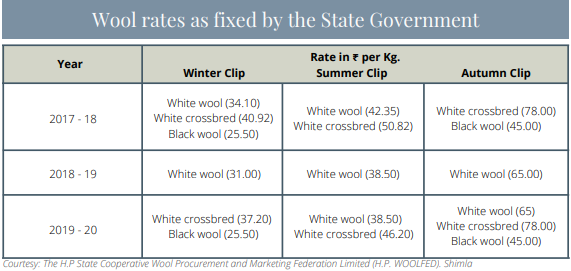
Himachal Pradesh State Wool Federation website displays the minimum support price (MSP) offered by the government for the sheared wool. Based on per kilogram price, the prices are lowest for the wool sheared in winter in the month of January-February, whereas the highest price is set for the wool that is sheared in autumn (in September or October), after the flocks have come down from the alpine pastures. The Gaddi shepherds I interviewed called this an ‘A’ grade wool. In their opinion, the nutritional forage available in the alpine pastures, which consists of medicinal herbs, shrubs, and vital grasses, contributes towards development of such fine and gregarious Gaddi wool.

Even more difficult than the journey to these pastures is living there. When I asked a Gaddi about the most important skill to survive in the alpine pastures, he simply stated that “You have to become an animal to live with an animal.” indicating the laborious life in alpine pastures. The arrival of Gaddi in the alpine pastures is met by receding snow, and below it lays the abundant grass to forage for the livestock/goat and sheep herd. These alpine pastures stretch till the horizon, vast carpets slowly turning green. Guiding herds in these alpine pastures is the least of their worry, the real challenge is to protect the herd from the harsh surroundings. The relationship of herd and the shepherd arises from mutual dependency, and for Gaddi men who remain away from their families, their herd is their family. The relationship of care is intertwined around wool – it transcends the material value and takes up emotional significance. It is the wool that earns shepherds the money, and it is this wool that comes back on the journey – laden on the back of a shepherd in the form of a blanket or a shawl.

They keep a portion of the sheared wool for themselves, and use it to manufacture clothing – their traditional attire, shawls and blankets, which keeps them warm and protected. When a lamb is born, it is wrapped around in this blanket and kept inside their camp, and on the long treks in alpine pastures, lambs and goat kids are carried wrapped inside the blankets. Each head counts in this family, and shepherds sometimes risk their lives for their flock. On two separate instances, a group of shepherds, at night, rescued their stranded goats from potential attack of a black bear, and on another day, Thaapu, a young apprentice jumped into a glacial stream, shattering the thick sheet of ice to rescue a sheep and a goat kid that fell while crossing the glacier. He said that a shepherd has to protect every head he is responsible for, as this proves his credibility to his employer. While the shepherds have adapted to the vagaries of nature, will their resilience fare them through impacts of climate change in the inner Himalaya?

In many ways, the life of a Gaddi shepherd and that of their flocks is interlaced with the seasonal changes in Himalayan pasture lands. Without knowing the term, the shepherds understand that their summer home is undergoing changes. Rainfall patterns have become erratic and it can impact the livelihood of Gaddi communities negatively. Abundant rain could lead to livestock mortality as the sheep contract various diseases in wet environments while less rainfall can delay the growth of grass and herbs in alpine pasture, as was the case this year. This is further worsened by foraging competition from large mountain ungulates; they informed me that a lot of problems has been caused by chur, commonly known as dZo across Himalaya (a magnificent cross between a yak and a cow). These large herbivores are domesticated by the villagers in high-altitude Himalayan communities for agriculture. These massive animals also graze in the alpine pastures, along with other ungulates like Himalayan Ibex and Himalayan Tahr, mules and horses. Large herbivores consume hefty amounts of fresh grown grass leaving only small patches for the sheep and goat herds, creating scarcity for Gaddi livestock. Similarly, the duration of grazing in the alpine pastures can also be cut short by erratic weather patterns, affecting growth of fresh grass and the productivity of alpine pastures in the long-term. A decrease in nutritional quality will in turn impact the quality of the wool produced by the sheep.

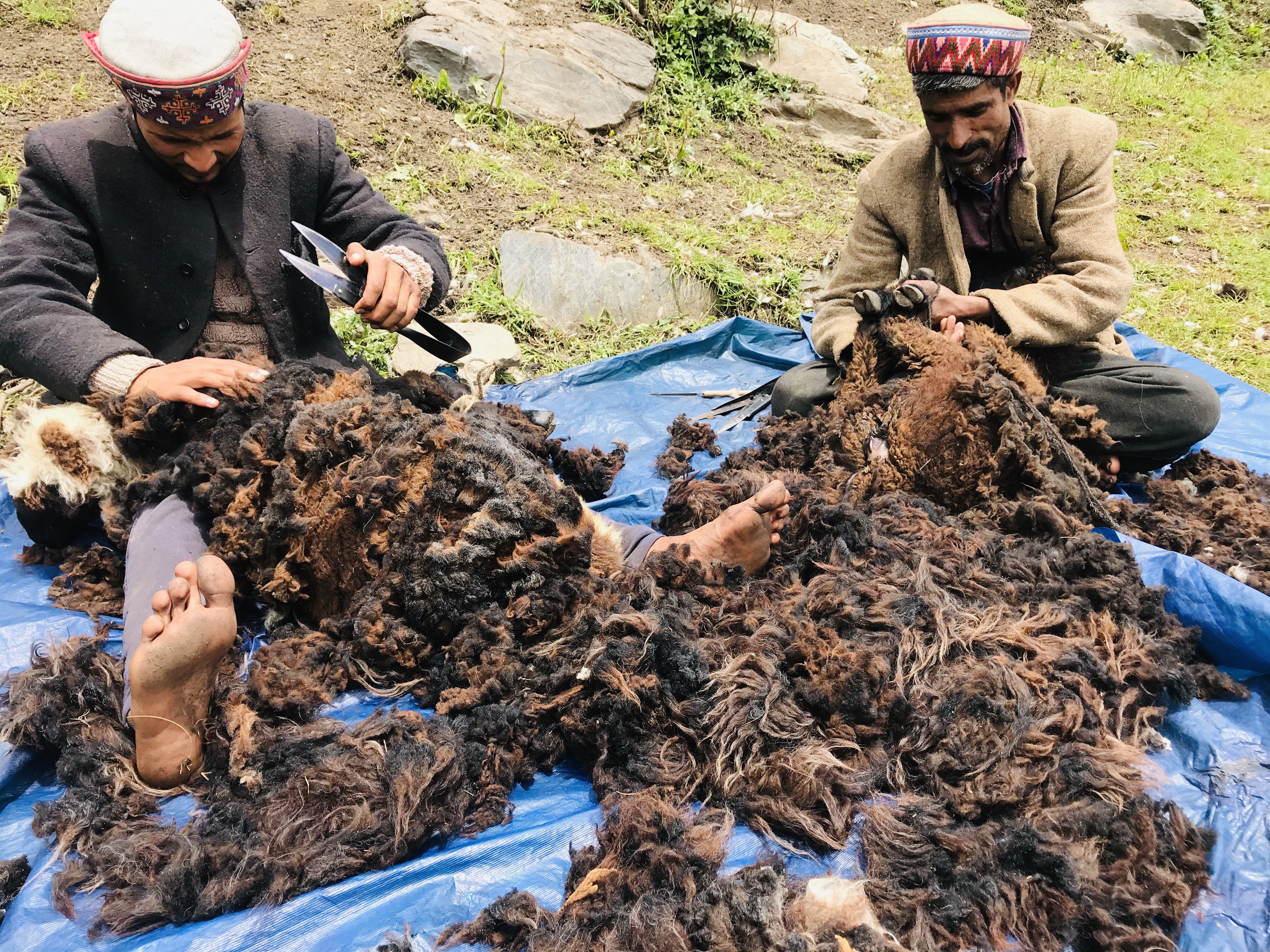
Subhash Bhai and Sonu Bhai shear wool from the sheeps in their herd. Shearing happens thrice in a one- year season, and while some herders use scissors , others use wool-trimmers for shearing the wool | Photo: Virendra Mathur

Today, the market for natural wool is facing increased competition from synthetic wool supplies which has made market accessibility difficult for these shepherds. While the traditional usage of wool is facing a decline, partly due to absence of knowledge transfer across generation, partly due to the lucrative nature of cosmopolitan living, traders and craftsmen now tend to prefer using imported wool. In the face of emerging changes, proper management mechanisms can help survive traditional agro-pastoralism in high Himalaya. Gaddi shepherds who are in this vocation constitute a dynamic medium of cultural exchange and fulfill economic needs of various farming communities through their resource exchange. Thus, the gradual loss of transhumance in Himalaya interacts with the loss of natural cycles of nutrient cycling in high-altitude communities and might possibly have downstream effects.

Acknowledgments:
Virendra would like to thank Wildlife Conservation Trust for funding this fieldwork at Kugti as a part of their Small Grants program. He owes all his gratitude to the humble and loving Gaddi community who make him feel at home through their generous, helping, and cheerful nature.

4032 3024 Virendra Mathur
In Conversation with Women of Chicham
Chicham Village | Photo: Tanvi Dutta

In Conversation with Women of Chicham

Tanzin Dawa: How has it changed?

Dikit Lamo: We have been experiencing extremely erratic weather conditions these days. I am 40 now and from my experience, I think it is due to changing weather patterns. We used to have snowfall that levelled our houses and had to clear it with the help of our neighbours! Such was time. There’s lushful greenery in our barley fields and our harvests were abundant. In our village, Chu-mik (spring water) gushed with fresh water – we got to choose from myriad streams flowing around – cold, sweet water to drink while farming. From the past 10 years, there’s been a considerable decrease in precipitation. We used to look up at the sky in hope for rain but to no avail. This year was particularly unexpected. There was very little snowfall during winter and we were even unsure whether we would even get to till our land when summer arrives. We, somehow, adjusted to the difficult situation by either carrying a water tanker to our fields and initiating the seeding work. It worsened as months passed by, we had to leave many of our fields half irrigated or completely fallow. There’s no hope for crops this year.

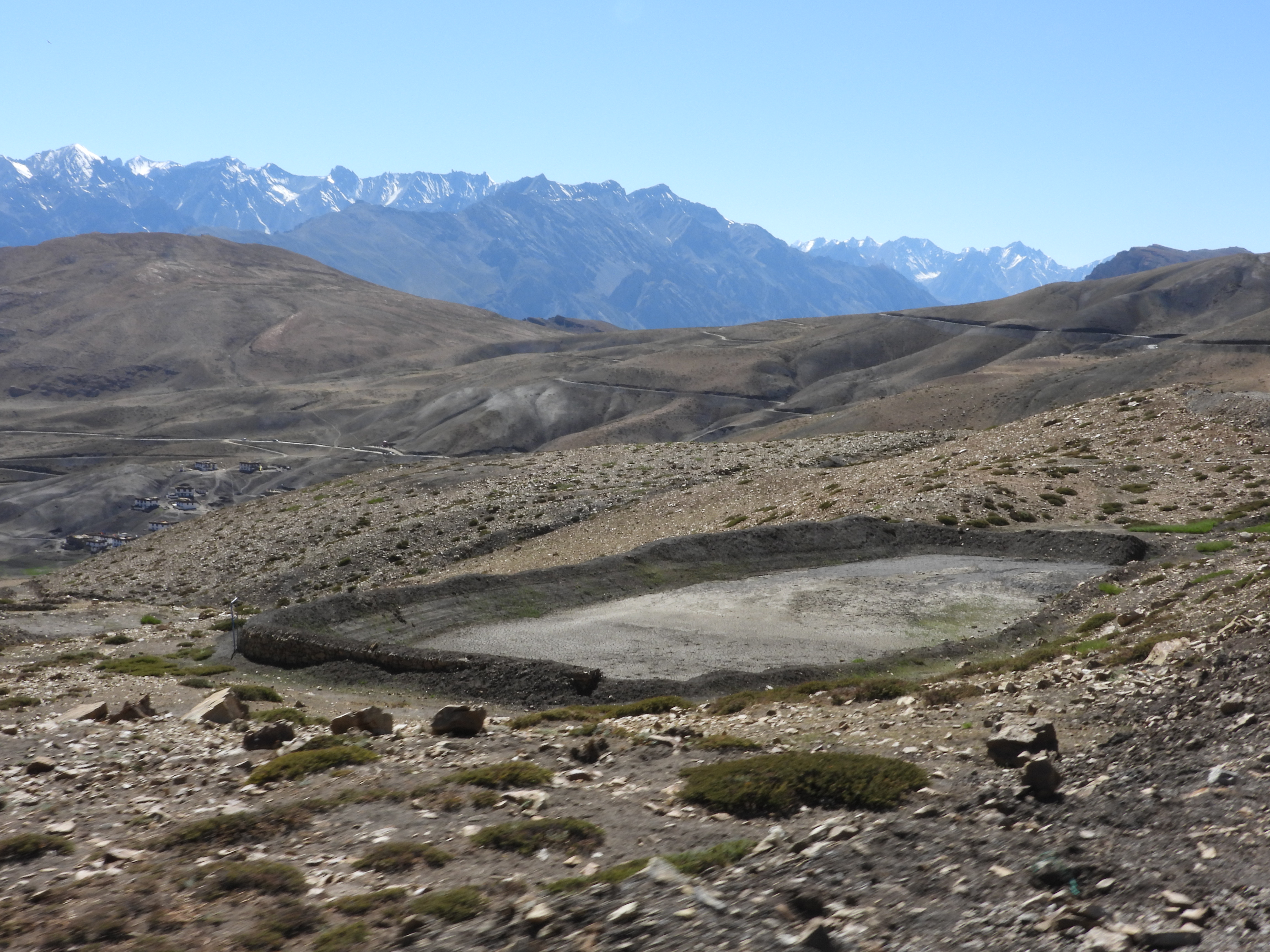
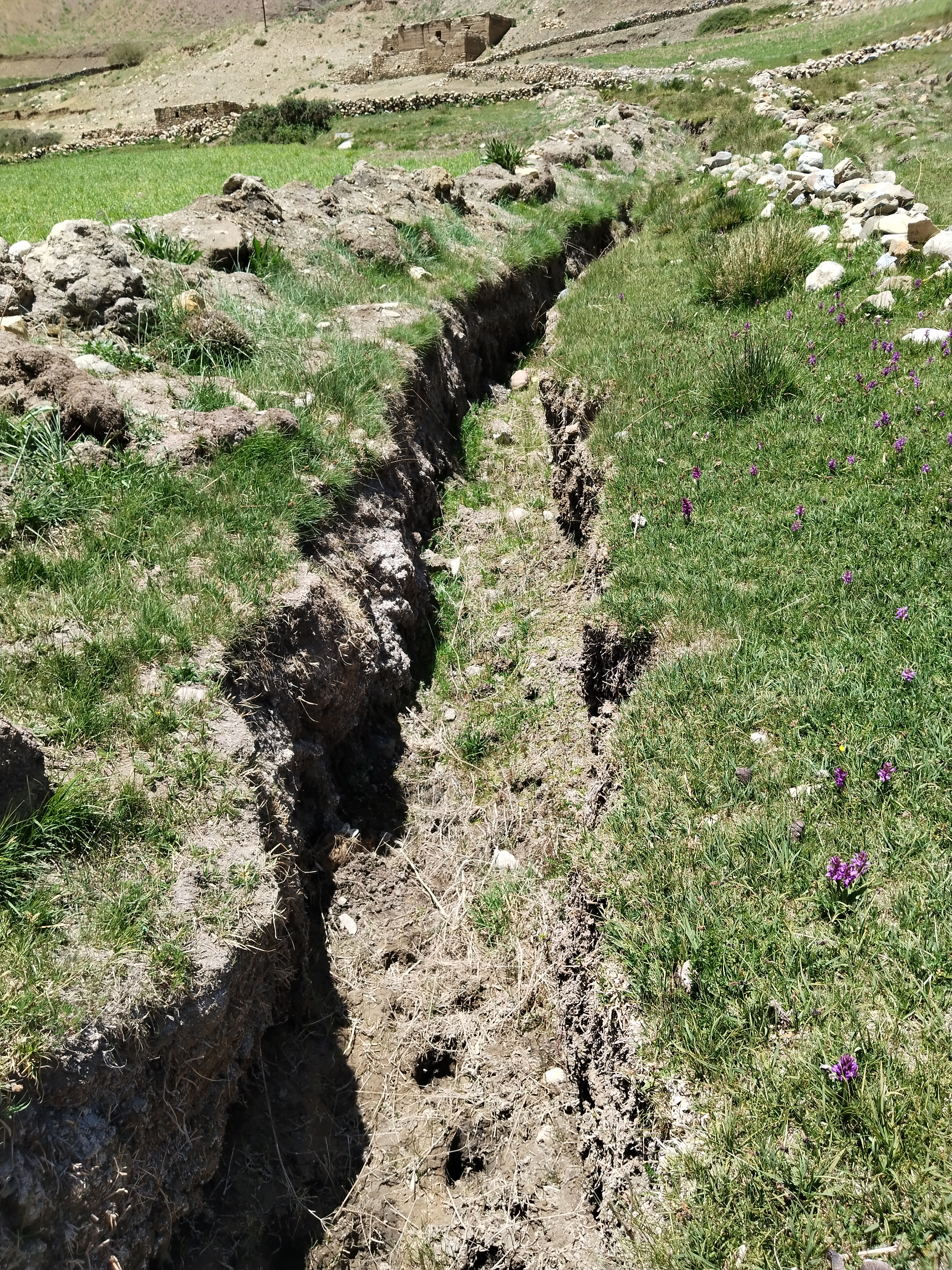
Barren fields and dried reservoir | Photo: Chhunit Kesang
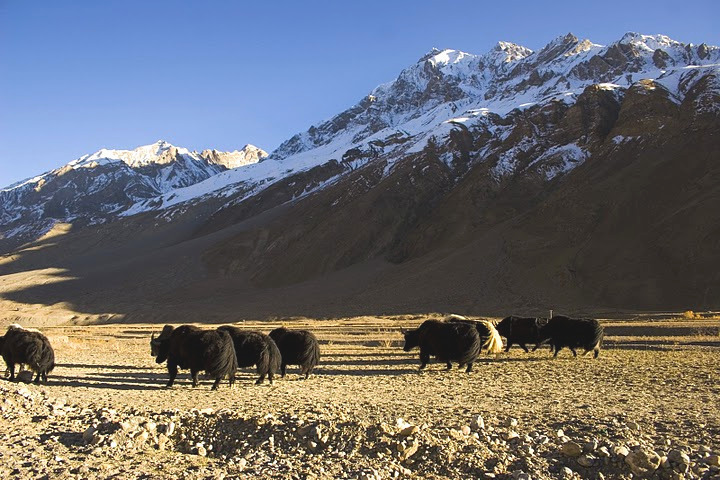
Domesticated Yaks

TD: What do you think is the cause for such changes?

DL: I think it is due to changing weather patterns. They say it is called global warming in English and has to do with plastic usage. I am not sure how it is interrelated and how it impacts our fields here in Spiti but I do believe it. I think about it a lot and think of avoiding plastic usage on my level. But will it make a difference on a larger level? I think collective action is needed. To ensure timely snowfall, we have to revive our traditional ways of living. Rituals are performed according to an astrologically and agriculturally influenced calendar and we have to bring back those traditions and belief systems. We also think about our children’s generation and preserve our natural resources. Tourism has also impacted the way we channel our resources. It is getting extremely rampant nowadays. We have to devise an internal resource and waste management system to reduce impact on nature. I think plantations will be beneficial in desert areas like ours. I hope that will reduce the effect of global warming and our fields begin to blossom again and our kuls brimming fresh snow water.

Padma Norzom: Water situation? It is scarce everywhere this year. In Chicham, even drinking water is getting difficult for us. Our barley and green peas field are all drying up before harvest season due to receding water in our kuls. There was just no water for irrigation and we are forced to abandon our fields. Because of declining water sources, our land, soil, pasture is all drying up and forage availability and grazing system is also impacted.

TD: Was it the same last year?

PN: It used to be enough to sustain our farm work and to feed our cattle but this year has been unfortunate. There was no snowfall during winter and all our spring waters dried up. My jersey cow also looks very weak and without adequate water to drink, milk production has become very less. I stopped selling milk this year. Livestock feeding and water intake behaviours are also negatively impacted and when sent out in the wild for grazing, they gallop towards greener pastures!

TD: How do we resolve this? Is there a way we can utilise water from the Spiti river?

PN: Yes, river water can certainly be channelled but it will be a bit strenuous and resource intensive as it is located far from the village area. If the government can help us, it will be a huge blessing. Some farmers have tried irrigating their green pea fields with generators. But the diesel operated generators turned out very expensive and it was simply not feasible for small farmers like us who also spent a lot of money buying green pea seeds. The cost will come in lakhs – all for nothing without water.

1800 1200 Tanzin Dawa
The Predicament of a Herder

The Predicament of a Herder

Winters in Spiti valley are filled with celebrations of a fruitful year and prayers for a bountiful year ahead. Most of the time is spent within the villages as travel is usually difficult especially when heavy snowfall causes roadblocks. The year 2018 was also not much different. In the month of November, as we were readying ourselves for the coming winter months in Kibber, I received an urgent message from a colleague in Mysore in Karnataka.

“A herder has lost much livestock in Chango, possibly killed by a wild animal” the message said.

These were the only details along with a WhatsApp video that was being circulated. Understanding that the matter could be grave and the weather was still permitting travel, I decided to leave immediately for Chango which is in Kinnaur. I requested Tanzin Thuktan, my colleague, to join me. Chango is about 110 km away from Kibber.

We did not have any details about the owner or where exactly the incident had happened. Upon reaching Chango we were clueless, but the good thing about small towns and villages is that everyone knows each other very well. So, when we enquired about the case with local shopkeepers, they were well aware of it and they told us that Thuktan Tender was the owner of the livestock and showed us the way to his house. Thuktanji is an apple farmer in Chango and has a settlement at Liti Dogri. When we arrived at his house, he was confused about why we had traveled from so far to talk about his loss. With a little hesitation, he narrated the whole incidence to us.

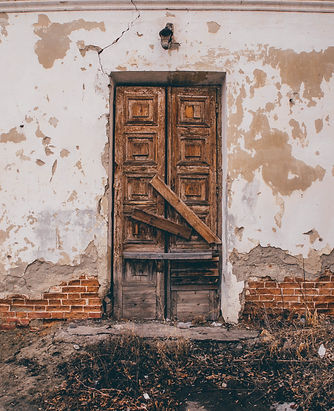
On 16th November 2018, Raju, the caretaker of the corral, had returned to the village to gather supplies for the Dogri. He decided to stay back in the village for the night. The next day when he went back and opened the door of the corral, the animals rushed out in panic. Usually, he would have had to take a lot of effort into getting the animals out of the corral. He knew  something was wrong. It was  strange behavior.

Broken Door | Photo: Mikey Dabro

Standing by the door he carefully scanned the inside of the corral and to his surprise, he saw a set of shining eyes staring back at him in the dark. He immediately knew what it was and slammed the door shut. He called Thuktan and narrated the incident. Within a few hours, the news had reached every household in Chango and nearby villages.

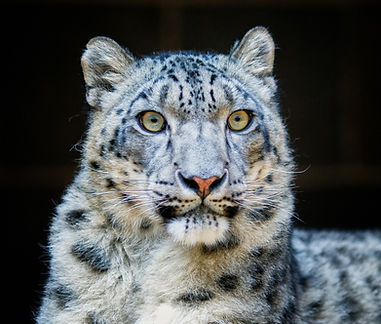
Snow Leopard | Photo: Adriaan Greyling

A snow leopard, which had entered the corral in the dark of the night, had somehow got trapped inside. It garnered a lot of attention from local leaders and the forest department to school teachers. Everyone had reached the Dogri to enquire about the incident and see the snow leopard. Upon many assurances of receiving relief for the loss, Thuktan released the snow leopard. He also made a video of the release as a record that the animal had been released unharmed. When they inspected the corral from inside, they saw 19 animals that had been killed and 11 critically injured. Within 2-3 days even they succumbed to their injuries. However, after the release, all the hype around the case vanished. So, when I met with Thuktanji, a few weeks later, he was understandably angry and had lost hope of receiving any financial help. I asked him if I could visit the Dogri, to which he agreed.
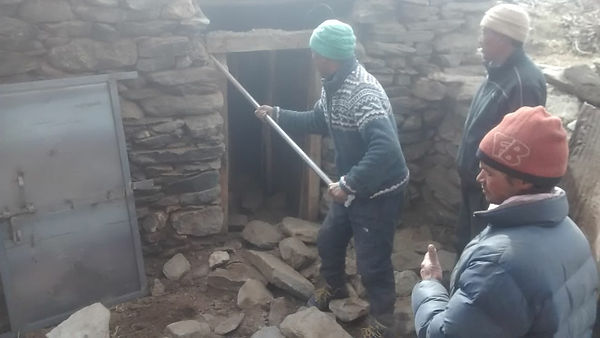
Liti Dogri is about 15 km away from Chango. It has three big corrals which houses small-bodied animals like goats and sheep of several livestock owners of the village. Thuktan ji’s corral at any time has 200-250 animals. Upon inspection of the corral, we noticed that the door of the corral was old and did not shut completely. We gathered that the snow leopard must have entered through the door and had gotten trapped inside. To prevent further loss, we decided that we would replace the door with a new sturdy one. The next few days were filled with hurdles. The closest material shop and welder was 130 km away in Reckong Peo. Getting the material on time was crucial to avoid further losses. The three of us drove to Peo in Thuktan ji’s car and bought doors for the corral. The villagers came to help us fix the door. The compensation process as well as the relief amount was also not very clear.
Repairing broken door of Thuktanji | Photo: Nature Conservation Foundation

We decided to speak to the local Forest Guards and Range Officers. They informed us that the compensation file had been sent to the DFO’s office in Reckong Peo. We then met with the DFO who was very sympathetic and assured us that Thuktanji would receive the claim as per the new notification rates. Within few weeks Thuktanji received the claim from the department. Compared to the actual loss suffered and other collateral costs incurred, the financial relief offered by the Forest Department was often considered too little. Fortunately, the department has revised these rates since August 2018 to ensure that the herders can cope with these situations better than before.

As a herder myself, I believe that we must try to ensure that such events are avoided in the first place. Wild animals have always lived around us and will continue to do so. We have always taken precautions to keep our livestock safe from them, and we have to continue doing so. With access to better resources in our remote areas, we may be able to plan this more effectively and upgrade our corrals to make them predator-proof. This way we may be able to prevent any future losses that might occur.

1014 676 Tanzin Thinley
Living With The Wild
Brown Bear | Photo: Janko Ferlic (Pexels)

Living With The Wild

The 19th day of November 2018 was like any other day for Vikram of Pangi, Chamba district. He was walking his cattle in the nearby village pasture by the banks of the Chenab river. Little did he know that his life was about to change. While walking through thick shrubs and vegetation, he didn’t realize that he had accidentally come too close to a brown bear. The sudden realization of the proximity threatened the animal, and out of fear, it attacked Vikram. Vikram caught off guard, did his best to reduce the impact of the attack. He managed to save his life but suffered multiple grievous injuries all over his body and partial loss of eyesight. He immediately went to the nearest hospital to get medical help. He later filed for compensation with the Range Office in Pangi.

In another part of Himachal, a snow leopard, in the dark of the night, entered the corral of a herder and killed 20 animals. The herder, overnight, lost most of his livestock, and being in one of the remote areas, he had no clear idea of what had to be done and how he could get some economic relief from the forest department.

Such cases are not new to these herding communities who often come in close quarters with the wildlife around their villages and pastures. Some of these instances lead to a lot of emotional stress and in some scenarios may also impact the individuals’ personal relationships. It is a very heavy price one pays for living around wildlife. We must ensure that anyone who suffers such a loss is not neglected and helped throughout the process.

Although this problem has been a part of herder’s life for many generations, there are new-age solutions to prevent and mitigate some of these economic losses.

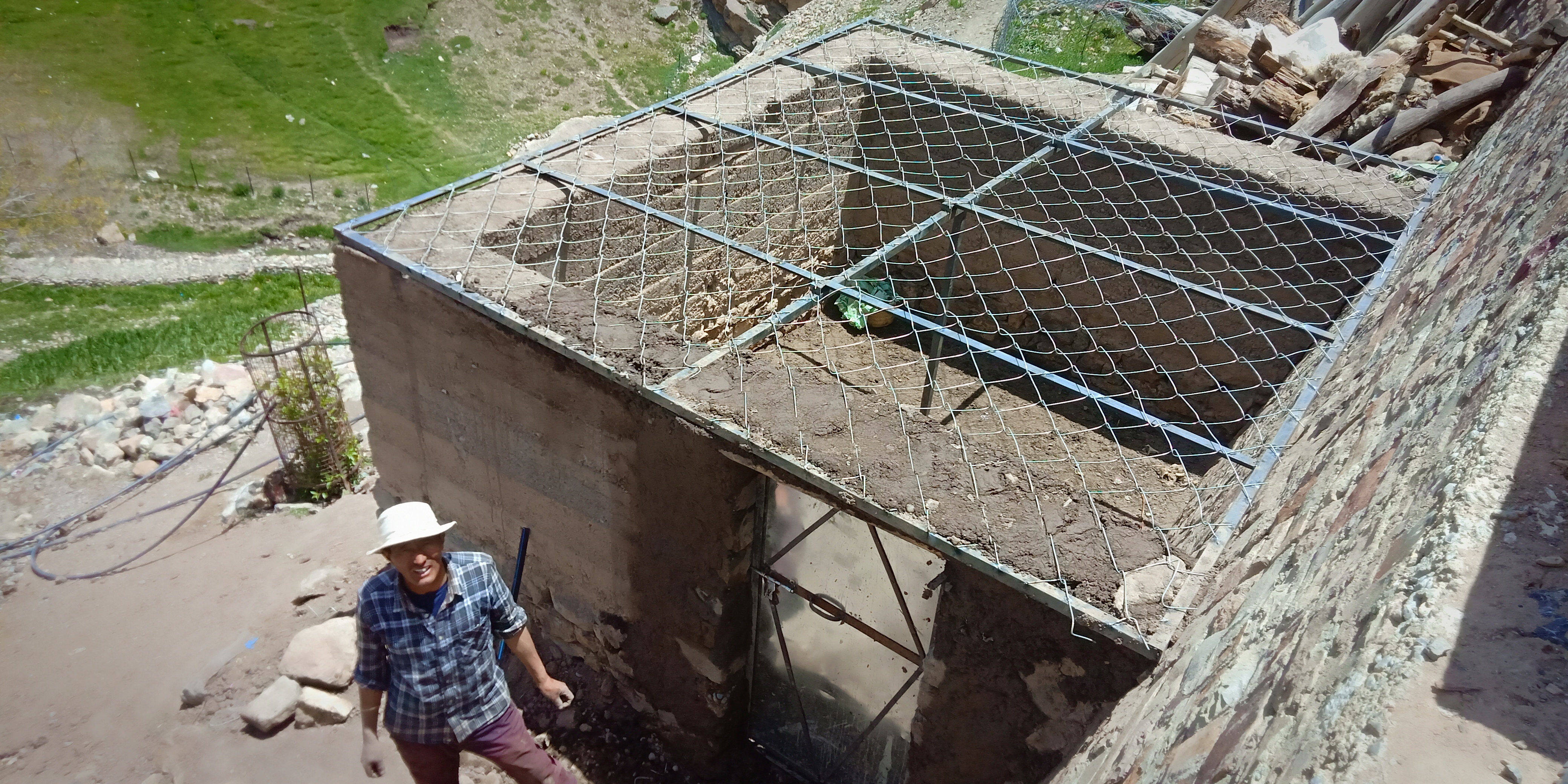
Reinforcing the roofs of the corral to make them predator-proof | Photo: Nature Conservation Foundation

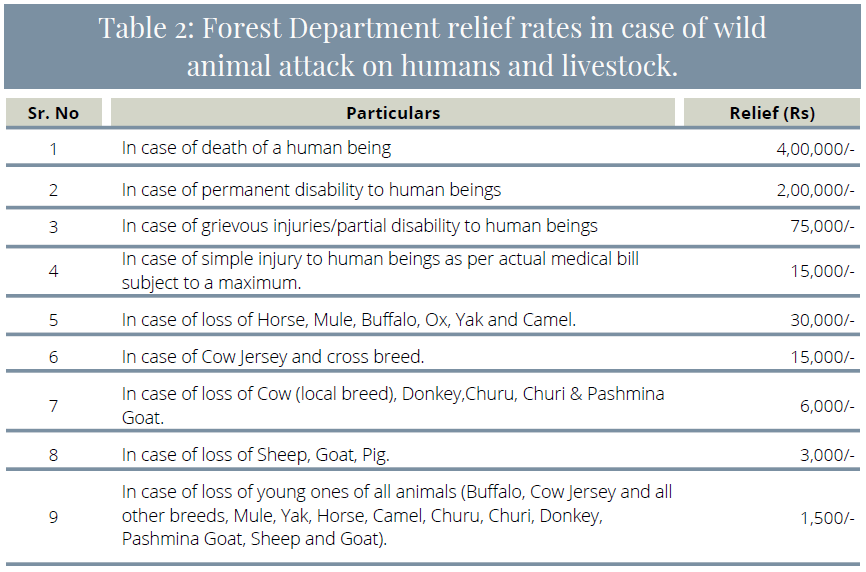
One thing that every individual can do beforehand is to economically safeguard themselves and their family, in case of a medical emergency, by opting for accidental death and disability insurance offered by the central government under Pradhan Mantri Suraksha Bima Yojana (PMSBY) scheme. Although there are eligibility criteria, some degree of financial coverage can be availed from Ayushman Bharat as well. Himachal Pradesh Government offers Ayushman Bharat through its Himachal Pradesh Swasthya Bima Yojna Society (HPSBY). If one does not have any life insurance or pension plan, they should also consider getting one from Pradhan Mantri Jeevan Jyoti Bima Yojana (PMJJBY) and Atal Pension Yojana (APY). For more details on these insurances refer to Table 1. The Forest department also has provisions for providing relief in case one is attacked by wildlife. For details on relief rates offered by Forest Department refer to Table 2.

For livestock, one could take steps to prevent such an incident by repairing and reinforcing corrals to ensure no gaps in walls/doors remain. The roofs can be reinforced with metal mesh to close off all possibilities of attack in the corral. Regular and timely maintenance is of utmost importance. However, the livestock is prone to attack in the pastures and forests as well. Village-level measures, like the insurance program, can help reduce the losses suffered due to such attacks. When the collective losses of the village are high, then insurance of livestock can be planned where the premium and compensation are decided by the villagers and a village committee manages the insurance fund. In case of a loss suffered by a family, compensation is paid out from such a fund. However, the community must be careful and set clear rules and guidelines when starting a village-level insurance program. Currently, there are three villages in Spiti valley where are the community runs the insurance program.

The forest department also provides compensation to the herders in case the livestock is killed by wildlife. However, despite all good intentions, there can be genuine difficulties in timely administering such claims by the forest department and one must be patient but persistent. For details on relief rates offered by Forest Department refer to Table 2.

There are also some traditional solutions to the problem of livestock depredation. For example, in Gue village of Lahaul & Spiti district, there were multiple cases of surplus killing this year. Whoever lost their livestock were helped out by the entire community by each household contributing an animal to the owners. This practice not only takes the stress of losing livestock away but also does not let herder suffer economically. Such practices are reported in other parts of Himachal as well. I am sure that there will be many other local solutions that I have not talked about. I would love to hear about them. Do write about the practices adopted to prevent and mitigate losses from wildlife in your village. Also, if you want to take up this issue in your own village or start an insurance program and need further assistance, do reach out to me or my team. Our details are available on the last page of the newsletter.

In the end, I would like to mention that there is no one, sure shot solution to such complex problems, but Himachalis have continuously been adapting to these challenges, a characteristic of life in the hills, and putting up with the adversities they face.

5824 3744 Deepshikha Sharma