Conservation

Tepang – the Pride of Kinnaur
Kinnauri Tepang | Photo: Anuradha Miyan

Tepang – the Pride of Kinnaur

Nestled amid beautiful gigantic mountain ranges, Kinnaur is one of the most picturesque districts of Himachal Pradesh. Owing to its geographical proximity to Spiti and having been historically part of Rampur Bushahr, Kinnaur inhibits the unique cultural amalgamation of Buddhists and Hindus. One of the defining features of people living in Kinnaur is their vibrant traditional dress and the unmistakable headwear Kinnauri Topi which forms an integral part of the whole attire. The headwear is colloquially called “Tepang” or “Khunnu Tiwi” and is different from the Himachali Topis of Shimla, Kangra, Kullu, and Chamba. The design variations and the aesthetics of this headwear represent different parts of Himachal where it is worn. The Bushehri (Rampur region) cap is plain maroon in color with the same design as the Kinnauri topi, the Kulluvi (Kullu-Manali) topis have vibrant multicolored stripes, and the Kinnauri Topi has unique green velvet color and the ones worn in Kangra is a deep saffron color.

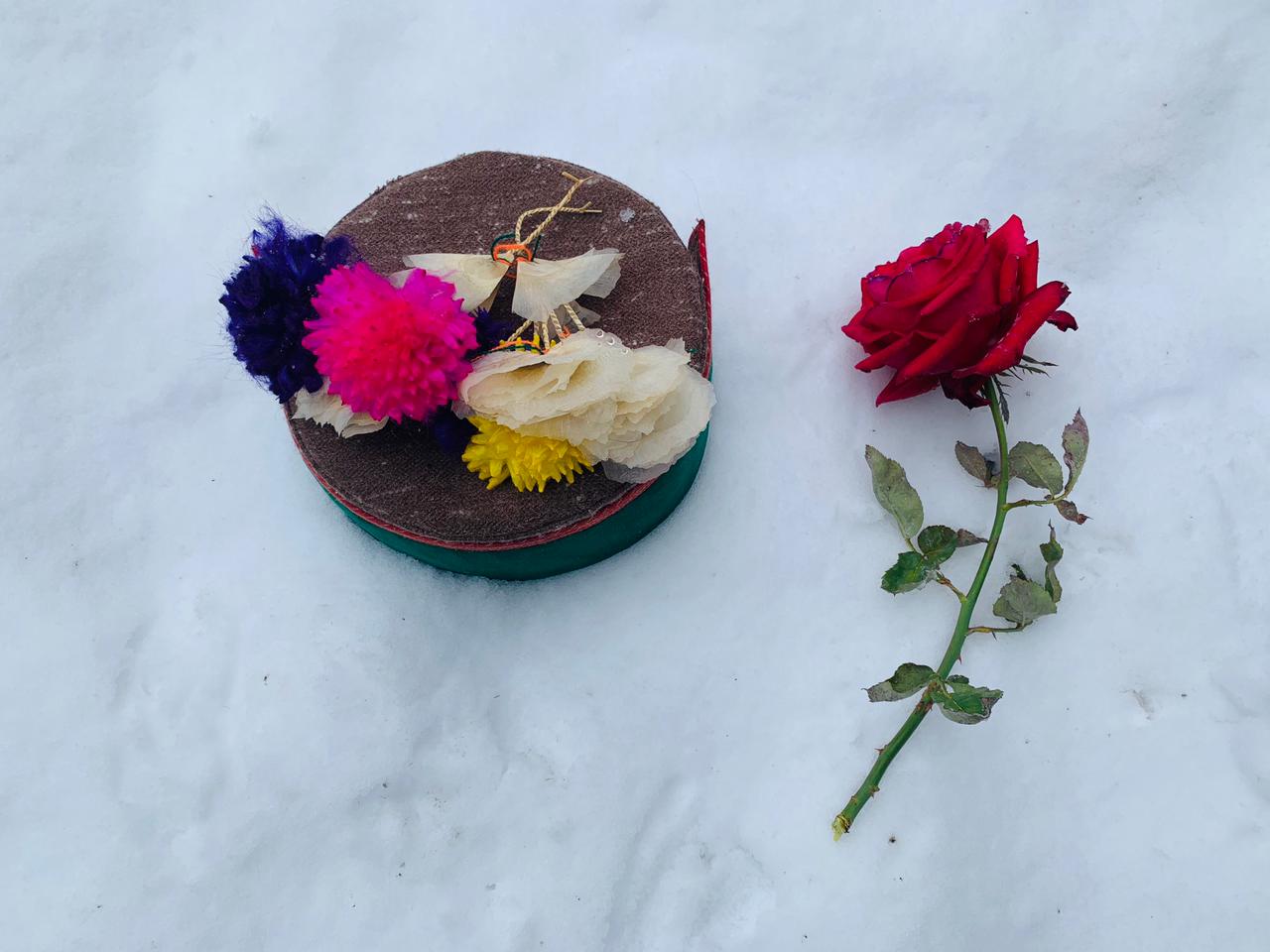
Made up of local wool yarn with velvet green stripe, it is adorned with beautiful wildflowers among which the bright white colored flower seed called “Chamakha” ( oroxyllum Indicum) is preferred among locals. The flower is not indigenous to the region and is mostly found in the lower Himachal region like Mandi, Palampur, Bilaspur, Nalagarh, etc. The usage of Chamakha flower seeds became popular in Kinnaur because of the flower’s resilient qualities – once plucked from its pod, the flower seeds don’t get spoiled and can last for years without getting dried.

Kinnauri Tepang

The Chamakha seeds are split open from their’s pod and a bundle of seeds called “Dalang” is strung together on a green, and red thread and is fixed on the Tepang. Apart from that, the cap is also accessorized with peacock feathers, marigold flowers, or the dried petals of the rare Himalayan Brahma Kamal (Lotus). However, the use of Chamakha flower seeds as well as the Brahma Kamal is decreasing as these flowers are endangered.
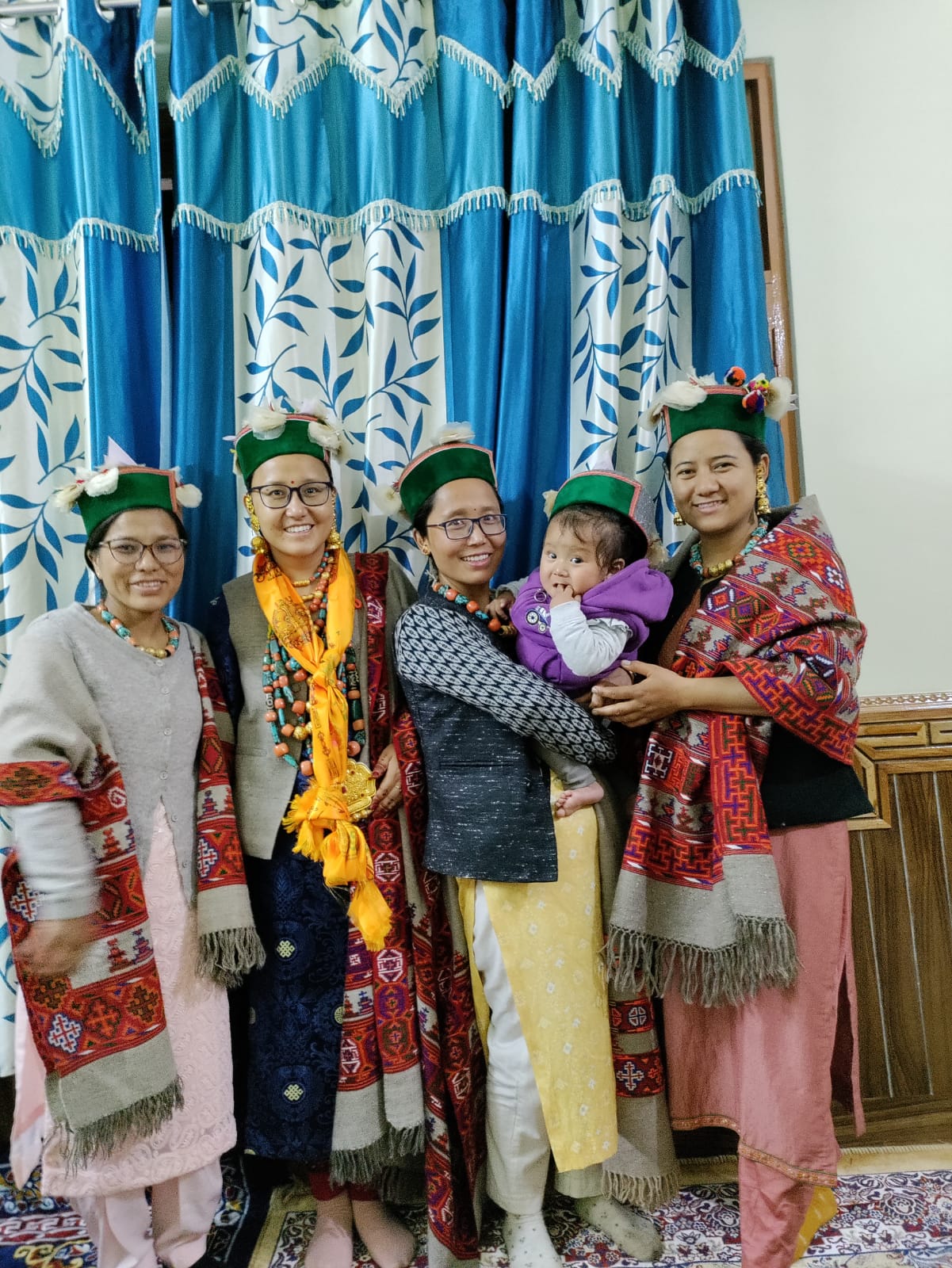
Kinnauri Tepang forms an integral part of their identity |  Photo: Tanzin Palkit

In the olden days, the Tepangs were domestically made at home by all households but the weaving tradition has become less popular nowadays and it is woven only in a few cluster villages like Leo, other parts of Hangrang valley, Pooh and Reckong Peo. Unlike Kinnauri Shawl and other traditional dresses, the handweaving tradition of Tephang disappeared among general people and is now kept alive among a handful of skilled artisans and weavers. In recent years, machine-made Topis are also getting more popular in Looms and handicraft centers in Lower Himachal. However, the difference between handwoven and machine-made topis is so stark.
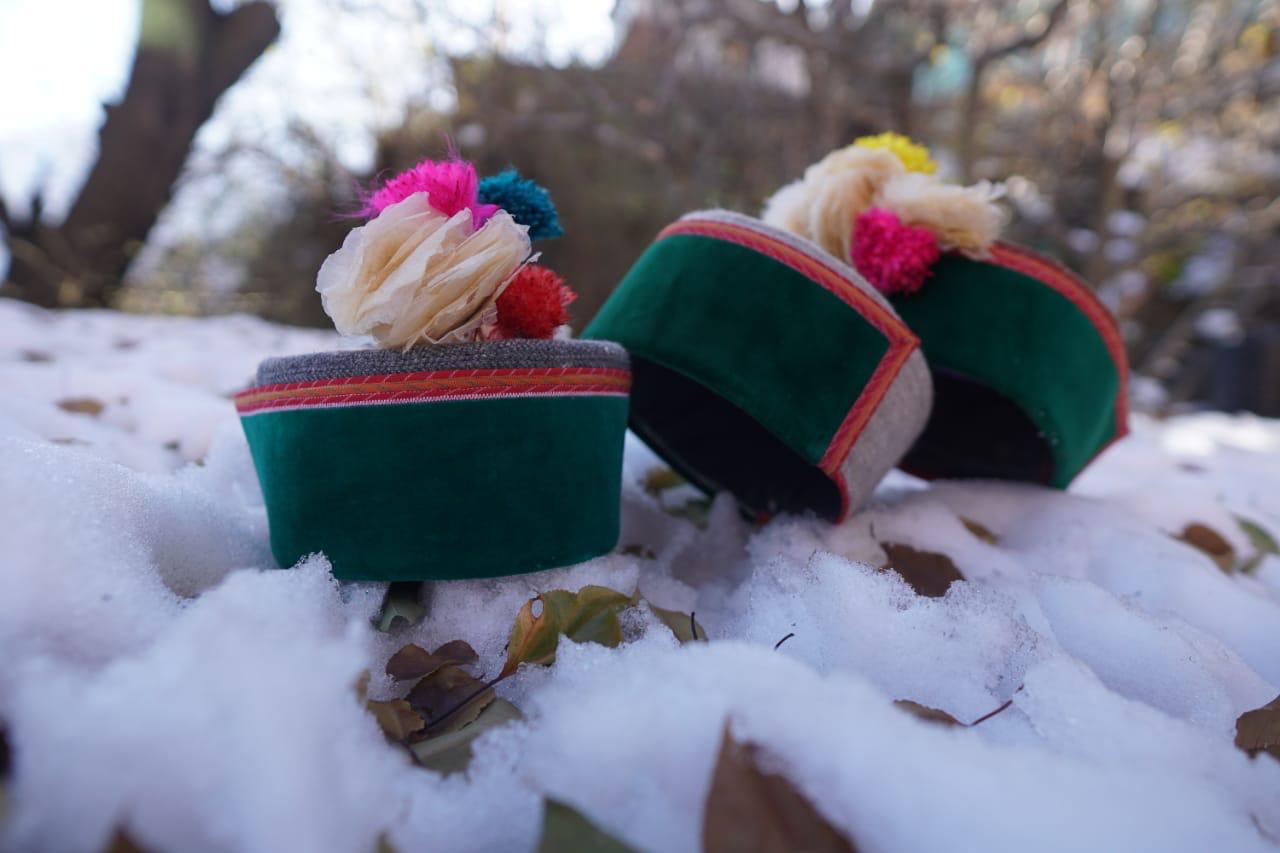
There’s a huge difference in terms of material, quality, technique, appeal,  garment feel, and usability. The handwoven Topis, although takes a long time to make and is more labor intensive, the overall usage and desirability isare higher due to warmth and durability. A topi once woven can last for years till its natural wear and tear, while the usage of machine-made topis is more popular among non-locals and tourists for it is also treated as a souvenir. The native Kinnauri people always prefer the handwoven ones for it has far more value than their materiality.

The use of Tepang is ubiquitous across all villages of Kinnaur and locals people take great pride in wearing it. The local communities lovingly refer to it as their crown, symbolizing communal pride and prestige, and they believe it upholds their indigenous cultural values. It is worn both by men and women on a daily basis and during festivals, ceremonies and occasions, people heap it with all kinds of floral adornments. There’s also a tradition of gifting Tepangs to one’s special guest and during weddings as ceremonial gifts. The use of Tepang has percolated so deeply in the collective consciousness of Kinnauris that it not only holds significant cultural value but is also seen as a defining part of their identity.

“One of the defining features of people living in Kinnaur is their vibrant traditional dress and the unmistakable headwear Kinnauri Topi which forms an integral part of the whole attire.”
1280 960 Tanzin Palkit Negi
Reviving Organic Apple cultivation in Shalkar (Kinnaur)
Photo: Mayank Pathak

Reviving Organic Apple cultivation in Shalkar (Kinnaur)

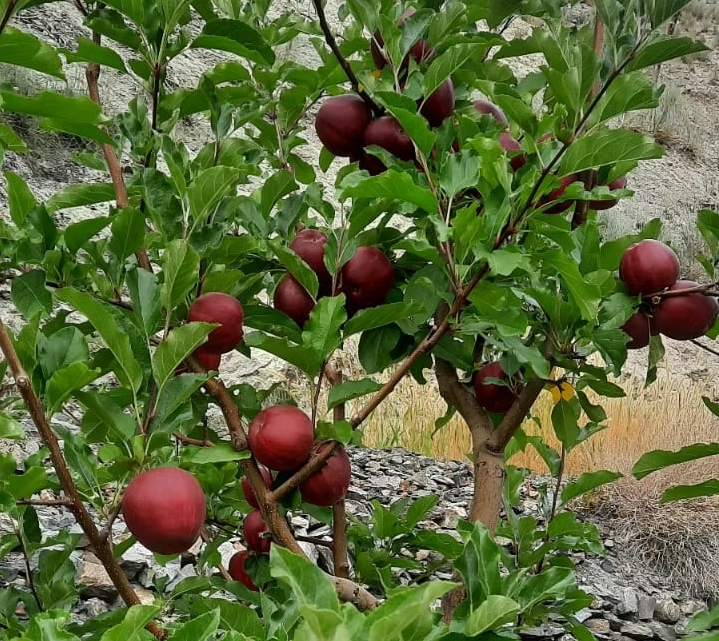
Kinnaur valley in Himachal Pradesh is well known for their apple cultivation. These high hills provide ideal climatic conditions for apple crops with the requisite chilling season in the winter. An apple variety known as Malus Pumila is a widely grown cash crop in the entire Upper Kinnaur valley. Shalkar village in particular is known for growing organic apples that’s much coveted for it’s sweetness and crunchiness. However, organic cultivation hasn’t always been the default practice in the village. This change is inspired by one man’s zeal and subsequent community resilience for better farming practises.

Photo: Karam Singh Negi

Perched at the altitude of 3200 metres, Shalkar is one of the last villages of Upper Kinnaur region before Spiti valley starts. There are over 110 households in the village – most of them dependent on apple cultivation for livelihood. While apples produced from other districts of Himachal ripen by July, the Kinnaur apples grown at a higher altitude start ripening around mid September or sometimes stretching till November hitting fruit markets across the country just before winter. The apples produced here are bulk transported to neighbouring metropolitan states where it is sold at a premium rate. Like many apple producing regions, the farmers here use chemical fertilisers and pesticides for bulk production. The usage became particularly more popular in recent years. In Kinnaur, It begins during the flowering season and continues till harvest. Use of chemical pesticides like Tefgor, Malathion, insecticide like Rogor, Durmet and a wide range of fungicides like Lethal, Kashstin, Majestic became quite handy for farmers seeking higher yield.

Earlier, many farmers do not use pesticides and fertilisers; most of them cannot even afford these but in recent years, the chemical spraying has increased from doing twice in a year up to spraying seven times in a year. The rampant usage of pesticides deeply bothered Karam Sing Negi – a cultivator from Shalkar village. He became conscious of the long term health and environmental hazards of pesticides and was determined to find an alternative. He gradually minimised the use of harmful pesticides and other chemical fertilisers in his own orchard.

The apple worm | Photo: Chunnit Kesang

For a farmer whose livelihood is entirely dependent on his orchard produce it was a risky move but for Karam Singh, there’s no greater satisfaction than reviving natural ways of farming his ancestors practised for generations. Transitioning his orchard for organic farming wasn’t easy – it needed a slow but consistent approach. He started minimising heavy chemical inputs and used only animal manure, human waste and other biodegradable waste suitable for it. For the initial few years, there was no prominent change and the yields were low. But he kept moving on with the same approach – his land needed to heal and the soil, the plants needed to reach its natural equilibrium.

Photo: Mayank Pathak

Hearing his approach, His Holiness Lochen Tulku Rinpoche (Highly revered spiritual leader) advised everyone in the village to follow the same path. Rinpoche also shared Karam Singh’s concerns regarding long term ecological damage. Adopting natural ways of farming will not only restore damaged ecosystems but also will help avoid killing of small insects and microorganisms. Convincing everyone else in the village to avoid using pesticides and chemical fertilisers was challenging. Shalkar village comprised both big Zamindars as well as marginal farmers. The villagers had an internal community meeting regarding it and there were various opinions/reactions regarding it. Few agreed with the idea while others were concerned about low yield and low productivity which could eventually impact their own livelihood as apple orchards were subject to a lot of pests and diseases. After much discussion, everyone in the village unanimously agreed to avoid chemical fertilisers in their orchards. The villagers even hosted a religious ceremony seeking blessings from local deities for good harvest. Lochen Rinpoche inaugurated the “Jinshak” ceremony by scattering ash and manure in the apple orchards of Shalkar village and advising everyone to revive traditional farming practises. For the first 3-4 years, the apple yield from Shalkar village dropped drastically. With dwindling yields, there were many uncertainties – some farmers even struggled to pay school fees for their children. However, their resilience paid off when the apple orchards of Shalkar village slowly recovered and started bearing luscious apples again!

With passing years, the villagers experienced improved yield from their orchard and noticed the apples from their village are different from neighbouring Kinnaur villages. Apples grown in organic farms in Shalkar have a distinctive sweet, crunchy taste with a natural waxy exterior which even gained preference among bidders who are involved in large scale apple export business. The villagers are working towards organic certification which will help them gain due recognition in the market. This story of organic farming and community led change in a small himalayan village shows it is possible to grow pristine apples without harmful pesticides.

1368 912 Villagers of Shalkhar
Unpredictable Lifelines
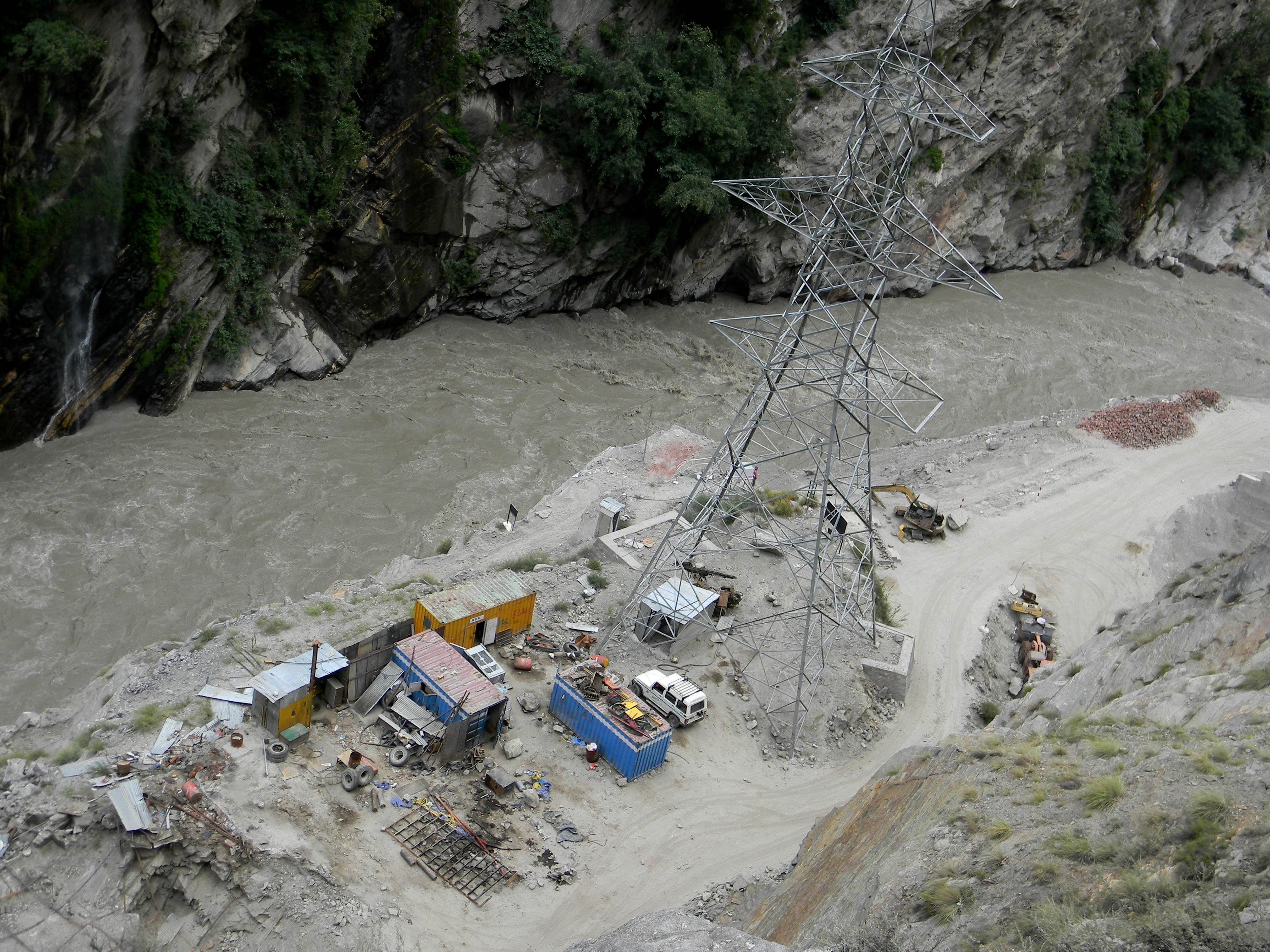
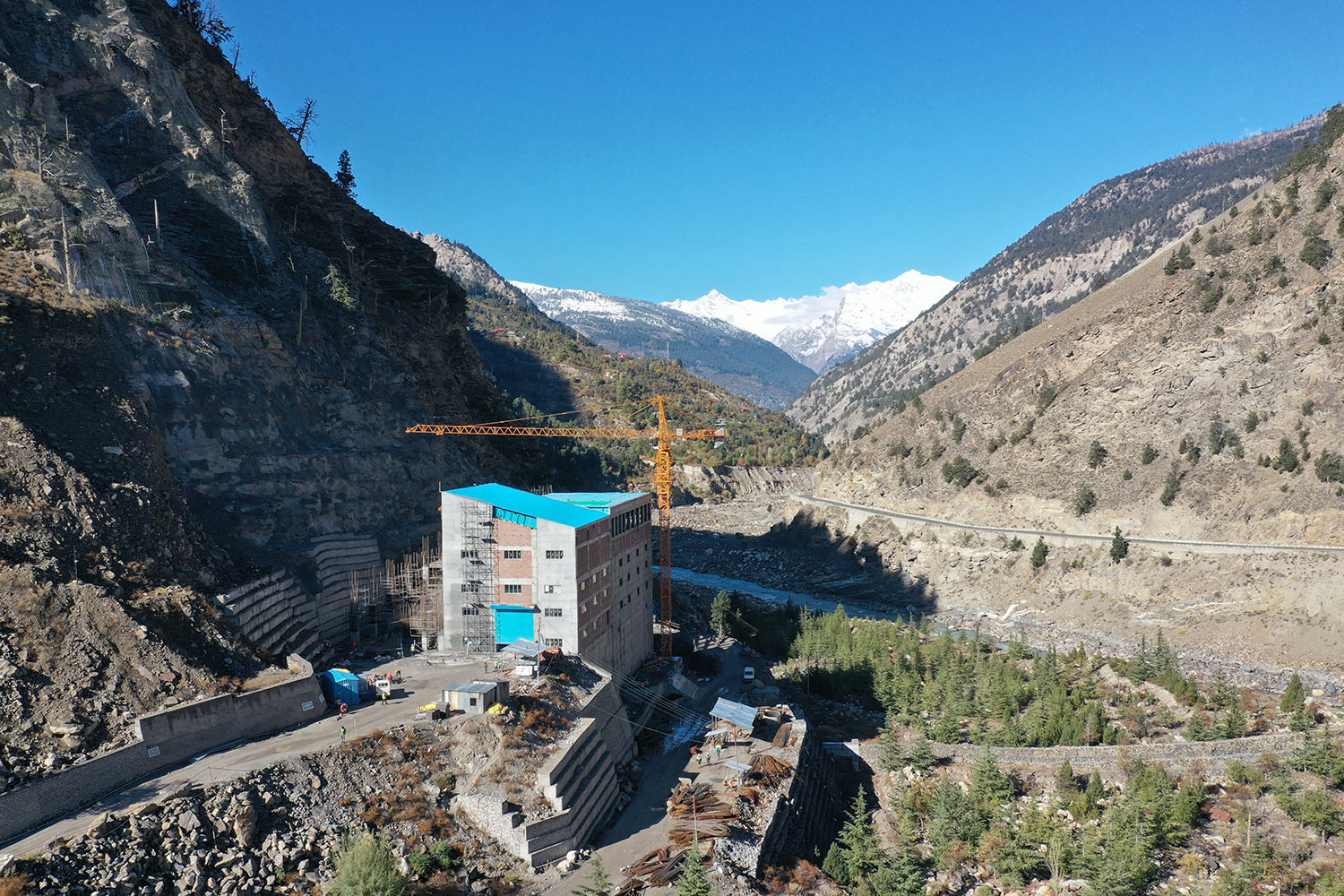
Integrated Kashang Hydroelectricity Project, HP, India| Photo: ejatlas.org

Unpredictable Lifelines

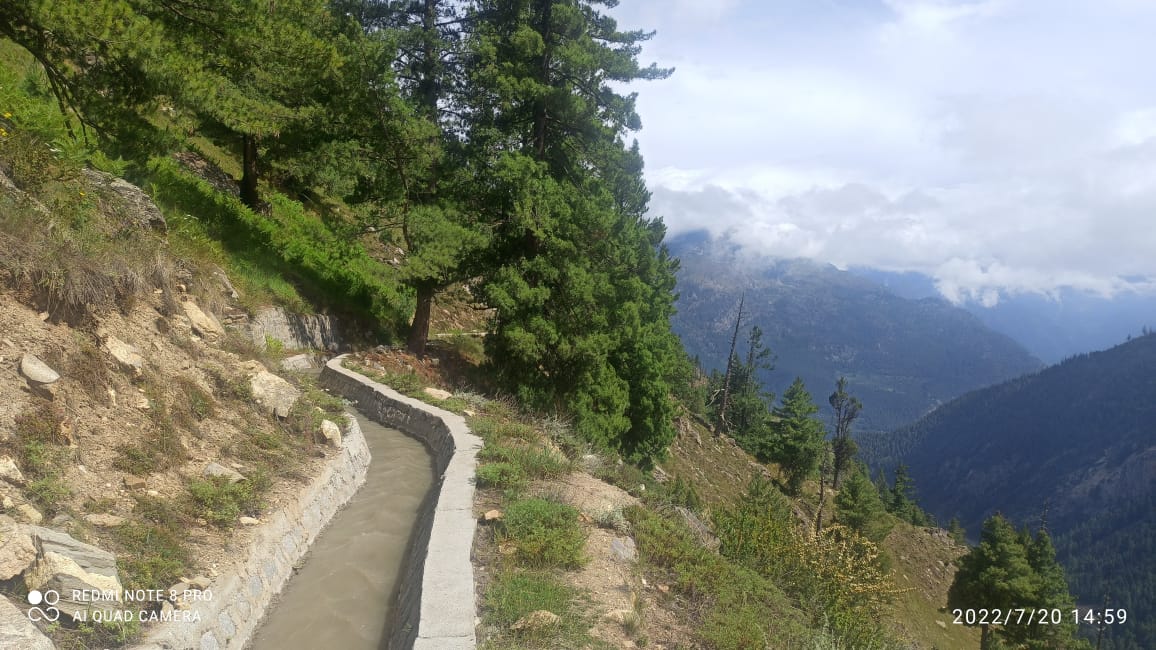
Verses of prayers reverberate throughout the valley as men sing and climb mountains to ensure their village has water in the summer. People from Khadra, Akpa and Rarang village trek for 27 km to reach Pangi top and clear the path of the artificial stream – Kashang nahar to let the water flow freely towards their villages. Generations ago many streams flowed towards the foothills but now only a few remain and Kashang Nahar is the only reliable source. Completed in 2005 this canal is helping the local villages meet their demand for water.

Kashang nahar | Photo: Yowan Negi, (Village Rarang)

Khadra, Akpa and Rarang, villages at 8000ft of Moorang tehsil, fall in the semi-arid region of Kinnaur district in Himachal Pradesh and rely mainly on glacial melt for their water needs. Though over the past few decades things are changing. As the climate is getting warmer, precipitation (rains and snowfall) is getting erratic. With each passing winter the glacier is unable to recover due to reducing snowfall trends. This is not only reducing the water availability during summers to the villages dependent on them but also leading to glacial instability. This phenomenon is already bringing grave consequences to the communities living in the mountains as was observed in Chamoli district of Uttarakhand. A glacier collapsed and released a ton of water and energy which destroyed everything that was in its path.

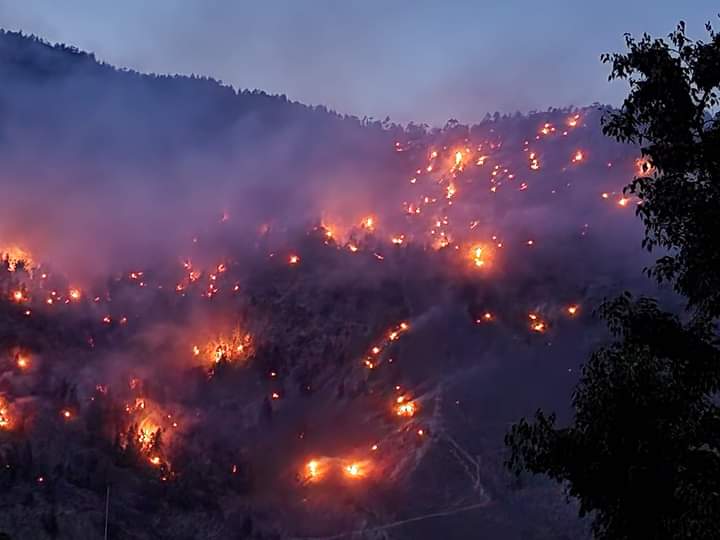
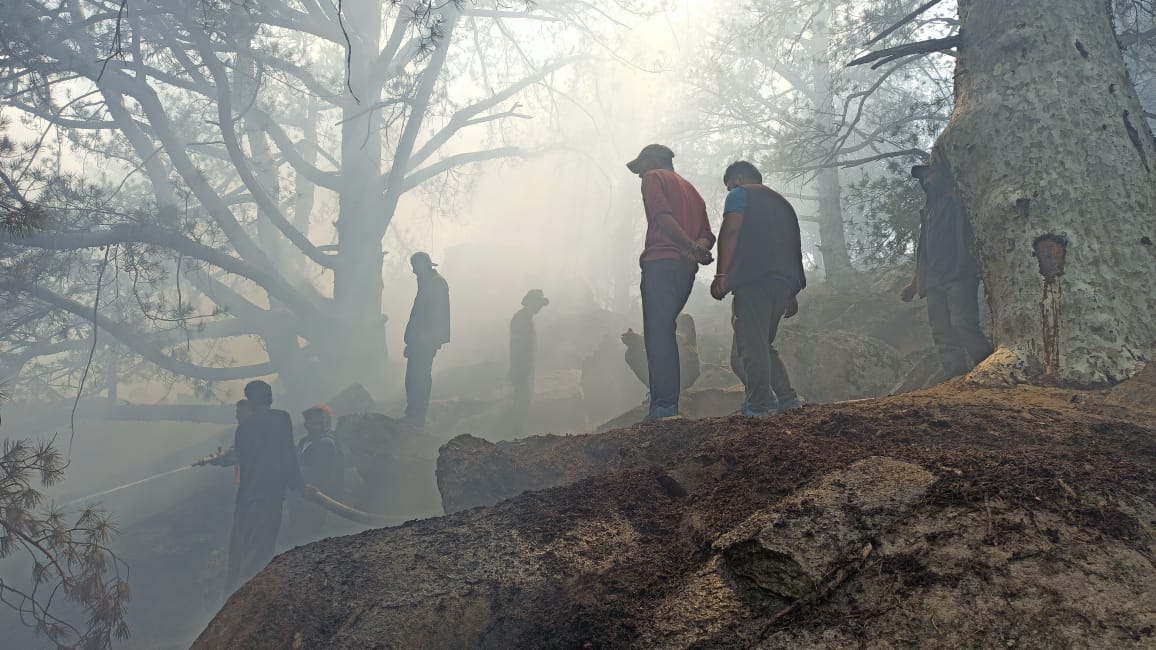
During monsoons, flash floods and landslides are increasing and becoming more frequent by each passing year, adding to the woes of the communities. A few years back, in my village of Khadra and the nearby villages of Akpa and Rarang, a major landslide washed away many agricultural fields leading to loss of acres of productive land. This year we faced a severe heat wave which led to fires in our forests. As Deodar and Chilgoza trees around us burned and fell and the wild species fled, we felt so helpless as the water in Kashang nahar fell short. Some of us collected the water at the base of the nahar and managed to save a few trees. But a lot of the damage had already been done. Each year we are caught up in a dichotomy of drought and heavy devastating rains and we don’t know what we should prepare for.

Forest fires in Akpa & Jangi forest | Photo: Heer Chander (Village Jangi)
Aftermath | Photo: Sunder Negi

Development based on destruction

Himachal Pradesh, being a mountainous and river rich state, is known for its potential to generate hydro power. However that is coming at a cost to the communities. Villages and community forests are sanctioned under different projects to either be submerged or cleared off for the development. Around our village we have two hydro power plants – Tidong (150 MW) & Kashang Integrated (243MW) under construction and one mega project – Jangi Thopan of 804 MW is proposed. Kashang integrated project has plans to divert the Kashang nahar to meet its production needs. These projects are hindering the flow of our already distressed rivers and causing long term implications towards the health of the ecosystems and communities dependent on them. We have always opposed such mega developments and will continue to oppose them.

Photo: statkraft.in

Science and spirituality

To our communities, water means much more than a resource. Our ancestors have revered and protected the resource not just for themselves but for the generations to come. And today we continue to reap the benefits. Even today elders in the village guide us with ways to protect the water and thank the spiritual beings for their benevolence.  Every time we go to the source of a natural spring, we recite Naaga Chhonme, an ode to nature thanking her for the abundance of resources. It is deep rooted in our basic nature to feel connected to the forests, streams, rivers, mountains and we treat them as living being.

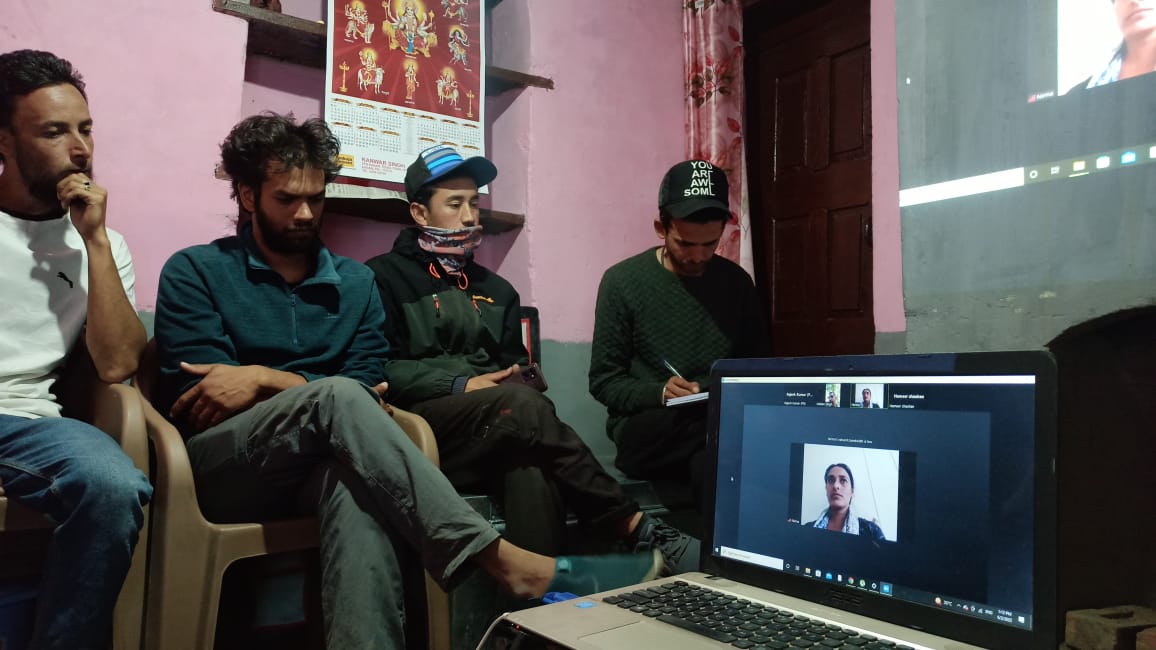
As much as spirituality is important to help us stay grounded and connected to our land and water we are also focusing on taking informed decisions to monitor and manage our resources based on scientific tools at our disposal. In early June this year, the youth of the 7 village clubs- Spillow, Kanam, Moorang, Jangi, Akpa, Rarang and Khadra, organised and attended a workshop conducted by Himdhara and People Science Institute on long-term monitoring of the health of the streams around our village. It was a 3-day workshop and we explored various themes around water including topics of development, climate change and its impact on our hydro and ecosystems. With the help of the Open Foris Collect, a mobile application, the youth have already started recording their readings of our streams.

River monitoring workshop | Photo: Sunder Negi

Climate change is a problem that we cannot solve at our village level. In the coming few years, the negative impact of climate change will only worsen and all we can do is prepare for the challenges we are to face. What we can do as a community is to raise awareness, write about the issues and continue to engage people in action towards climate change.

4000 3000 Sunder Negi
A Quiet Desperation
Photo: Chunnit Chhering

A Quiet Desperation

Nestled at the foothills of gigantic mountains, my village Gue is located south – east of Spiti near the Indo-China border. Away from the hustle-bustle of urban plains, we have always lived a quiet life. Our lives revolve around what we primarily derive from nature. Our days are spent tending to our barley farm and grazing livestock in the high pastures of my village. Growing up, I never fathomed this could change or imagined any alternative. Whether it is our elders, women, younger children, almost everyone is tied to some form of agrarian work and everyone did their bit.
​
In the recent few years, we are gradually experiencing an insidious shift – the weakening of the agricultural foundation upon which everything else is built. Water which forms a crucial base for our sustenance is slowly becoming unreliable. Uneven rainfall, drying up of water sources and flash floods are new normal to my village. As far as climate change is concerned, it cannot be more real. Spiti is a high altitude cold desert. We experience cold weather throughout the year with a short period for agriculture. But it feels like a lot has changed since my childhood. The weather feels much warmer and our glaciers appear thinner. Gue is Spiti’s highland settlement and therefore we depend on glaciers and spring water for both domestic use and irrigation. In our village we have a total of 4 sources of water channeled to different households and each of them is facing a threat.

Kirki Phak: A northern side mountain range which possesses a huge reserve of scattered spring waters. All the spring water flowing in this mountain combines at the mountain foot and becomes a rivulet. This used to be the prime source of water for villagers whose fields are located in Gang (north side) but now this blessing has turned into a river of sorrow. During unseasonal rainfall, this river swells up and gives birth to flash floods. A dreadful flash flood in 2010 wrecked havoc and many farmers lost their fertile land. The debris, huge boulders, unwanted sand has made the land unfit for agriculture or anything else. What once was a vast stretch of green has turned into a flat track of barrenness. A lot changed after that, floods, soil erosion became quite normal and now it is even difficult for us to maintain a water canal as when it rains, everything gets washed away.

Photo: Chunnit Chhering

Ringi Buk: This glacial water is located behind ITBP camp (Indo Tibet Border Police). It serves as a source of water for agricultural fields located at Tho (central zone) as well as Chumik Pharma (fields located at the other side of a spring water). Untill last year, this was the most constant and reliable source of water but this year, we struggled even to irrigate our fields. There’s hardly any water flowing in our Kuls! Villagers are now forced to find measures – the only viable way to draw water is to link this source with the Kirki Phak and irrigate our fields.
​
Chhumik: This spring water is a source of water to Matka – fields located at the lower side of the village. The supply of water hardly gets disturbed but it requires extremely sensitive management to cater the needs of all farmers. This is the only source of water during winter as the other sources freezes up but this too is getting disturbed due to change in climate.
​
Phuk: This glacial source is at the Tibet border side. This is an unchanneled source but most voluminous in nature.

Photo: Chunnit Chhering

I do not know much but our lived experiences and relations with nature are changing. We revere nature for its life-giving qualities; our lands, our water, our pastures, our glaciers and other components of our surroundings are precious and there’s a deep sense to protect it, preserve it and coexist amid harsh conditions. The Buddhist values of living harmoniously in our environment with all lifeforms is what makes us unique but that deep veneration, that love is slowly getting replaced with fear. Many people are fearful of fiery elements of nature. Rainfall is very less in our region. But it has become quite frequent and untimely in the recent few years causing a lot of damage to our farm and our crops. Timely snowfall is good for us but hailstorm and torrential rainfall is causing huge devastation. It has disturbed the whole ecosystem and we always live in fear of floods and falling rocks.

Throughout the mountain region, springs are reported to be drying and mountain agriculture is suffering from drought. The shortage of water has placed an increasing burden on mountain communities particularly villages like us where springs provide access to 90 percent of freshwater. In the whole climate change scenario, agro-pastoralists like us are the most vulnerable. Our village experiences both drought-like situations as well as the brunt of flash floods. Geographically, Gue is slowly turning into a barren land. Our village already lost half of our agricultural land and that cannot be revived. Many people lost huge bighas of land in the process, including mine. Since the flood, there has been a lot of erosion and we also face difficulty maintaining our water canals which is key to the water distribution system. The woman in the picture is my mother with whom I go upto Kirki Phak to bring down water to our fields during our Chu-rey (watering turn). It is not easy as we have to wake up at 4 am in the morning and the canal frequently loses its shape due to excessive siltation which creates hard labor for us. Maintaining water canals is a huge issue and women bear the brunt. With the help of the local Panchayat, there has been some solution to reinforce the canals but if it floods, we are back at ground zero – where we started.

Photo: Chunnit Chhering

Elders in my village believe that if there’s any magic in the world, it is contained in water. Peace, healthy social relations and communal harmony has its strong roots in water availability. The flood has a direct impact on our livelihood. The backbreaking work of agriculture is becoming more precarious and people are gradually shifting from it. Some leaving their fields uncultivated, some finding resort in tourism and odd labor works. It has also marred social prospects for many youngsters as people are reluctant to marry their daughters in our village. I feel all these are climate induced changes – uneven rainfall, retreating glaciers, drying up of water sources, water scarcity, flash floods and its devastating impact on mountain people. Tourism has escalated the situation and placed additional burden. At one point, the number of vehicles entering my village exceeded 400 on a daily basis!

Gue is a popular travel destination and is often listed among off-beat travel itineraries. Our village monastery preserving the mummified body of a great Buddhist yogi draws special attention. Travellers across the world visit the village to witness it but their relation to the place doesn’t go beyond consumerist approach. With more people getting to know about it, there’s huge love pouring to the beautiful picturesque mountains but no one is bothered how locals are eking out. No one is bothered how we are quietly bearing the enormous burden. Away from the limelight – an unspoken desperation. I feel only through collective action we can mitigate some of the climate induced devastations and I hope everyone takes care.

981 857 Chunnit Chhering
Traversing Climate Change
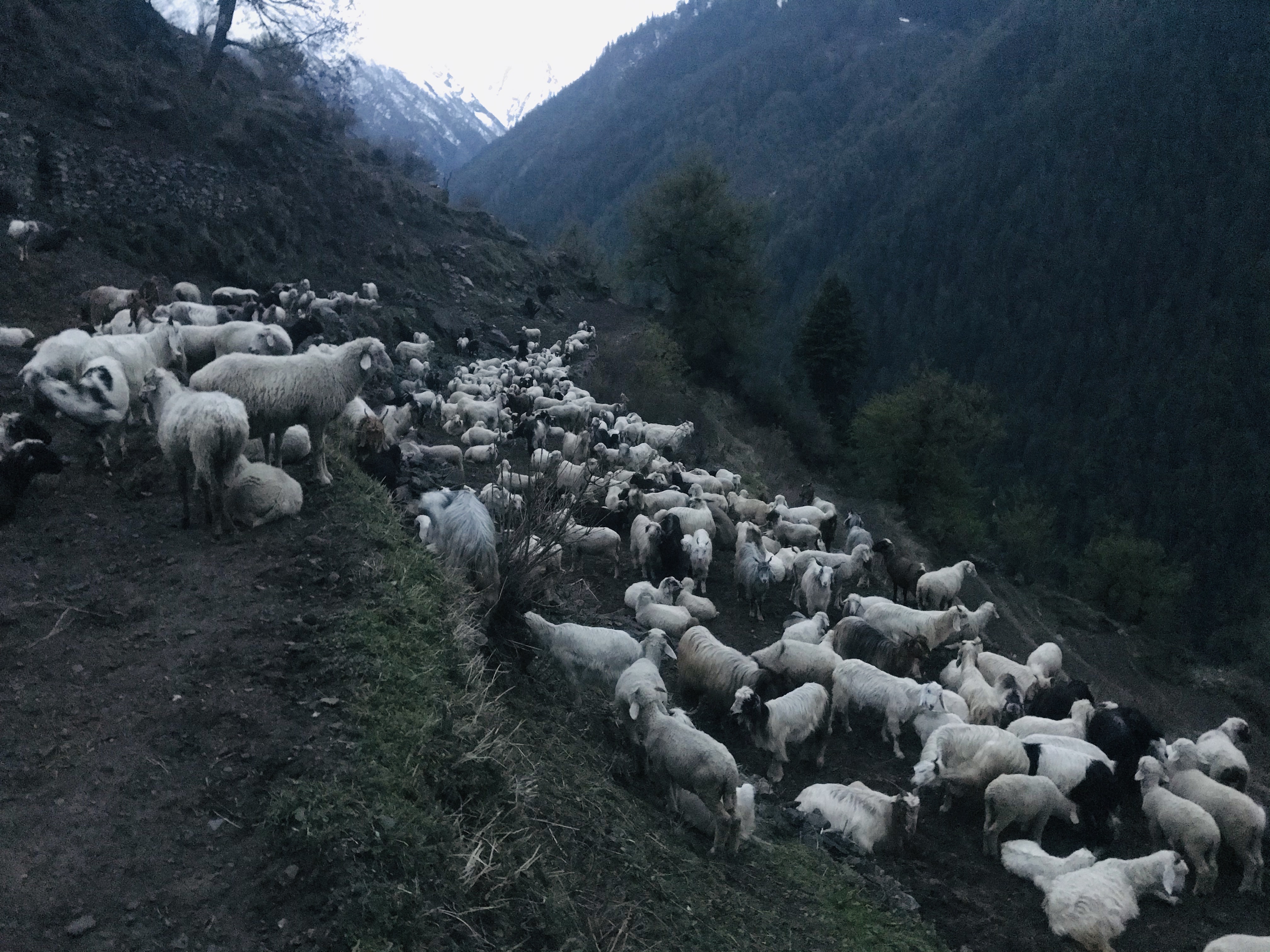
Herds of sheeps and goats return after grazing in the Dhar on the North-east of Kungti village | Photo: Virendra Mathur

Traversing Climate Change

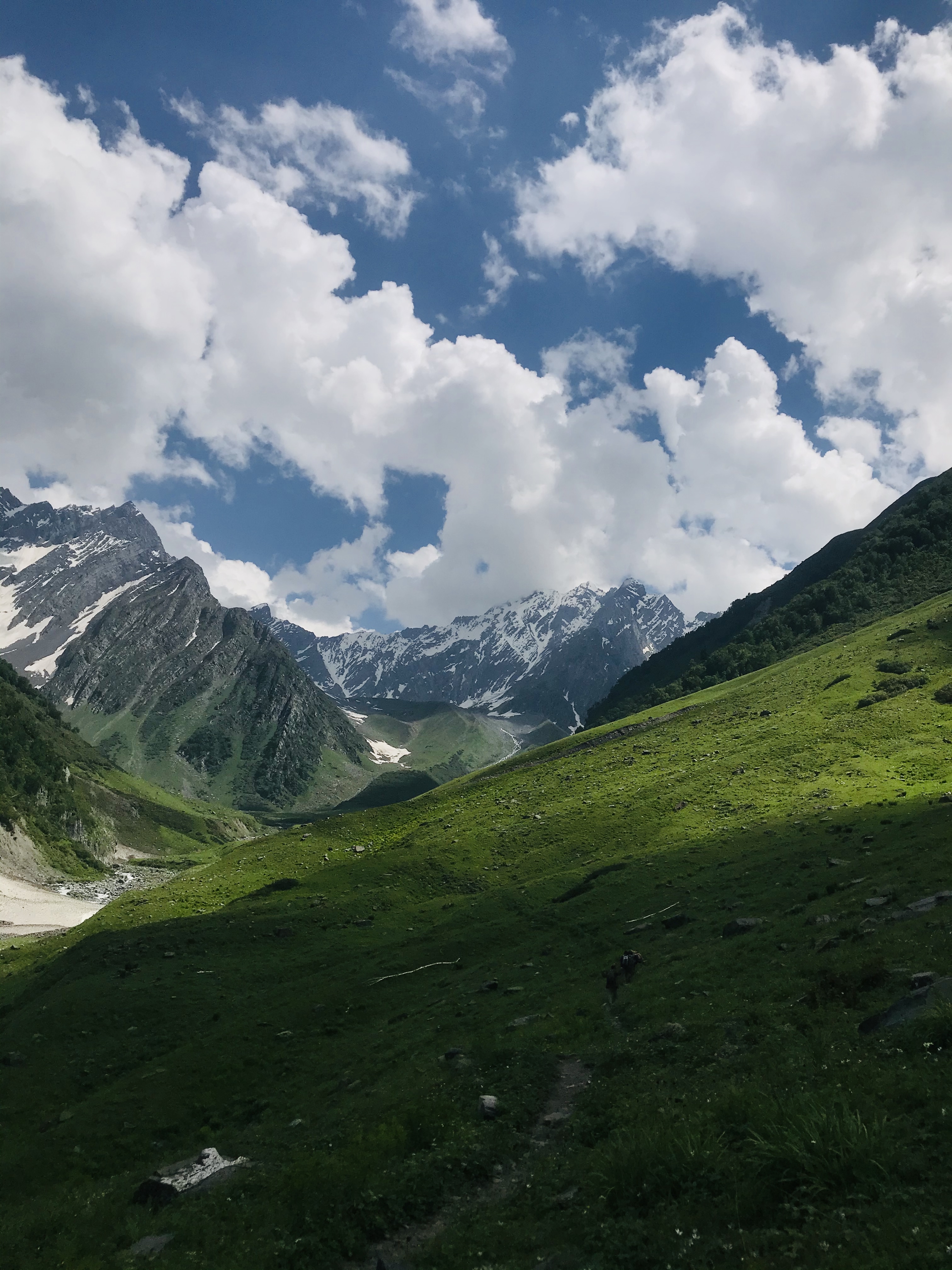
In the mystical lands of Bharmour and Lahaul, located in the north-western part of Himachal Pradesh, India, a seasonal event takes place every year that is an elegant harmony between local culture and nature. Here in the traditional seat of Gaddi shepherds, the community is described variably as semi-nomadic, transhumant pastoralists, or agro-pastoralists. The Gaddis, usually men of the family, start on a migratory event in early April, gathering their goat and sheep herd and taking them to the high-altitude summer foraging grounds. These unbridled pastures, known as alpine meadows are called dhars. This seasonal movement is ingenious at various levels – it sustains the economy of a Gaddi household without being too reliant on agriculture. Further, Gaddi herds provide rich manure to the tilled lands across various agricultural landscapes they pass through and in return receive food and a place to camp; a barter system still in place. And this practice helps avoid low productivity foraging grounds without putting undue pressure on alpine pastures.

The shepherds pass through various towns and villages, as they start their journey from the low-lying areas of Kangra valley and plains of Pathankot, crossing the Dhauladhar mountain range towards Chamba district and travelling north towards the alpine pastures in the inner Himalaya. With them, on this arduous journey, are of course the livestock that they address as “Dhan” which also translates to money and wealth in Hindi. The sheep and goat herd constitute a flexible and continuous source of economic return for this community, especially when small land holdings do not allow for huge returns from agriculture. The flocks serve as a source of meat, milk, fleece and wool. The wool produced by Gaddi sheep is primarily used to make warm clothes, and is considered to be fine quality wool in a market where the quality dictates the price of the wool.

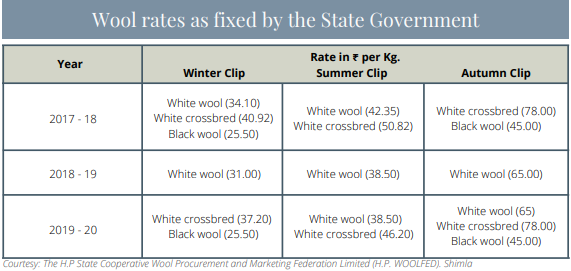
Himachal Pradesh State Wool Federation website displays the minimum support price (MSP) offered by the government for the sheared wool. Based on per kilogram price, the prices are lowest for the wool sheared in winter in the month of January-February, whereas the highest price is set for the wool that is sheared in autumn (in September or October), after the flocks have come down from the alpine pastures. The Gaddi shepherds I interviewed called this an ‘A’ grade wool. In their opinion, the nutritional forage available in the alpine pastures, which consists of medicinal herbs, shrubs, and vital grasses, contributes towards development of such fine and gregarious Gaddi wool.

Even more difficult than the journey to these pastures is living there. When I asked a Gaddi about the most important skill to survive in the alpine pastures, he simply stated that “You have to become an animal to live with an animal.” indicating the laborious life in alpine pastures. The arrival of Gaddi in the alpine pastures is met by receding snow, and below it lays the abundant grass to forage for the livestock/goat and sheep herd. These alpine pastures stretch till the horizon, vast carpets slowly turning green. Guiding herds in these alpine pastures is the least of their worry, the real challenge is to protect the herd from the harsh surroundings. The relationship of herd and the shepherd arises from mutual dependency, and for Gaddi men who remain away from their families, their herd is their family. The relationship of care is intertwined around wool – it transcends the material value and takes up emotional significance. It is the wool that earns shepherds the money, and it is this wool that comes back on the journey – laden on the back of a shepherd in the form of a blanket or a shawl.

They keep a portion of the sheared wool for themselves, and use it to manufacture clothing – their traditional attire, shawls and blankets, which keeps them warm and protected. When a lamb is born, it is wrapped around in this blanket and kept inside their camp, and on the long treks in alpine pastures, lambs and goat kids are carried wrapped inside the blankets. Each head counts in this family, and shepherds sometimes risk their lives for their flock. On two separate instances, a group of shepherds, at night, rescued their stranded goats from potential attack of a black bear, and on another day, Thaapu, a young apprentice jumped into a glacial stream, shattering the thick sheet of ice to rescue a sheep and a goat kid that fell while crossing the glacier. He said that a shepherd has to protect every head he is responsible for, as this proves his credibility to his employer. While the shepherds have adapted to the vagaries of nature, will their resilience fare them through impacts of climate change in the inner Himalaya?

In many ways, the life of a Gaddi shepherd and that of their flocks is interlaced with the seasonal changes in Himalayan pasture lands. Without knowing the term, the shepherds understand that their summer home is undergoing changes. Rainfall patterns have become erratic and it can impact the livelihood of Gaddi communities negatively. Abundant rain could lead to livestock mortality as the sheep contract various diseases in wet environments while less rainfall can delay the growth of grass and herbs in alpine pasture, as was the case this year. This is further worsened by foraging competition from large mountain ungulates; they informed me that a lot of problems has been caused by chur, commonly known as dZo across Himalaya (a magnificent cross between a yak and a cow). These large herbivores are domesticated by the villagers in high-altitude Himalayan communities for agriculture. These massive animals also graze in the alpine pastures, along with other ungulates like Himalayan Ibex and Himalayan Tahr, mules and horses. Large herbivores consume hefty amounts of fresh grown grass leaving only small patches for the sheep and goat herds, creating scarcity for Gaddi livestock. Similarly, the duration of grazing in the alpine pastures can also be cut short by erratic weather patterns, affecting growth of fresh grass and the productivity of alpine pastures in the long-term. A decrease in nutritional quality will in turn impact the quality of the wool produced by the sheep.

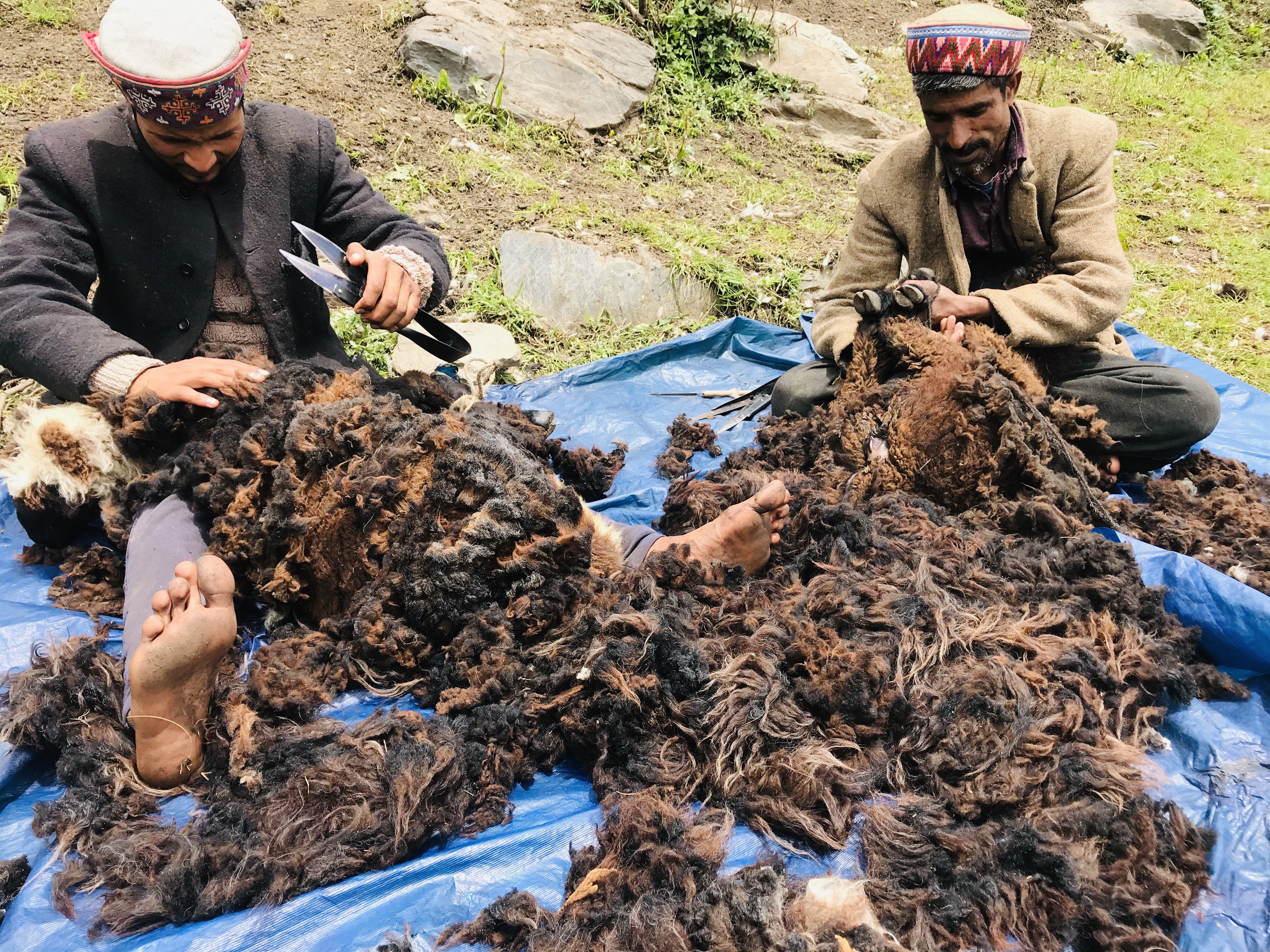
Subhash Bhai and Sonu Bhai shear wool from the sheeps in their herd. Shearing happens thrice in a one- year season, and while some herders use scissors , others use wool-trimmers for shearing the wool | Photo: Virendra Mathur

Today, the market for natural wool is facing increased competition from synthetic wool supplies which has made market accessibility difficult for these shepherds. While the traditional usage of wool is facing a decline, partly due to absence of knowledge transfer across generation, partly due to the lucrative nature of cosmopolitan living, traders and craftsmen now tend to prefer using imported wool. In the face of emerging changes, proper management mechanisms can help survive traditional agro-pastoralism in high Himalaya. Gaddi shepherds who are in this vocation constitute a dynamic medium of cultural exchange and fulfill economic needs of various farming communities through their resource exchange. Thus, the gradual loss of transhumance in Himalaya interacts with the loss of natural cycles of nutrient cycling in high-altitude communities and might possibly have downstream effects.

Acknowledgments:
Virendra would like to thank Wildlife Conservation Trust for funding this fieldwork at Kugti as a part of their Small Grants program. He owes all his gratitude to the humble and loving Gaddi community who make him feel at home through their generous, helping, and cheerful nature.

4032 3024 Virendra Mathur
Trekking the Forests of Himachal
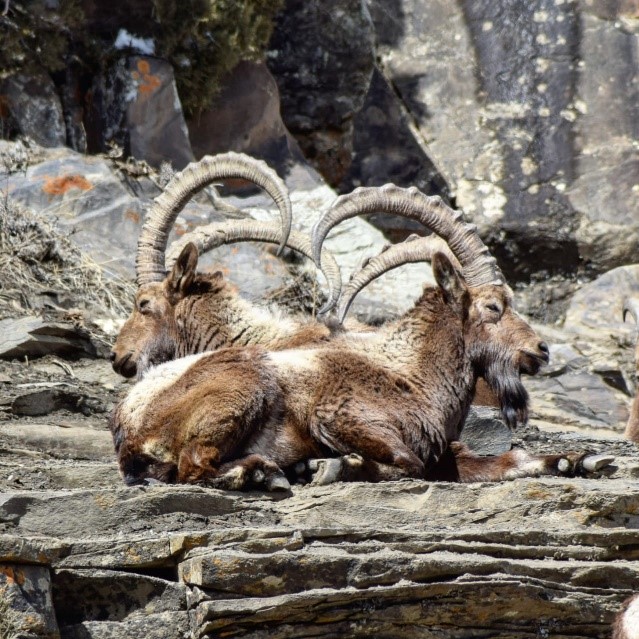
Two male ibexes resting | Photo: Tinkle Bhatt

Trekking the Forests of Himachal

To be a forest guard in Himachal Pradesh means trekking in some of the harshest terrains to document and protect the most vulnerable wildlife. But to me, that is what brings the thrill to my work. A few months back while I was patrolling the forest near Yangla village alone, as I mostly do, I came to learn that a black bear was also roaming the same areas that I had covered. The thought of encountering a bear is a scary one, and I was glad that I didn’t cross paths with the animal. At the same time, I was a little disappointed as I did not get the chance to see it.

Two male ibexes resting | Photo: Tinkle Bhatt

Being a forest guard takes you to new places, you get to meet new people and experience their culture and history and observe their relationship with wildlife. Lahaul offers a lot of opportunities in this regard with its rich culture and heritage. People here really respect forests and nature and it makes my work more enjoyable.

Since I get to travel a lot, I like to document it all through photographs and wildlife photography, although challenging, it is something that I enjoy a lot. This photograph of two male ibex resting on a rock was taken by me on March 17, 2020, at Stingari. I was trekking with a senior who told me that if we stay calm and respectful, the ibex will not run away and they will also take interest in us.

639 639 Tinkle Bhatt
Art From Our Valleys
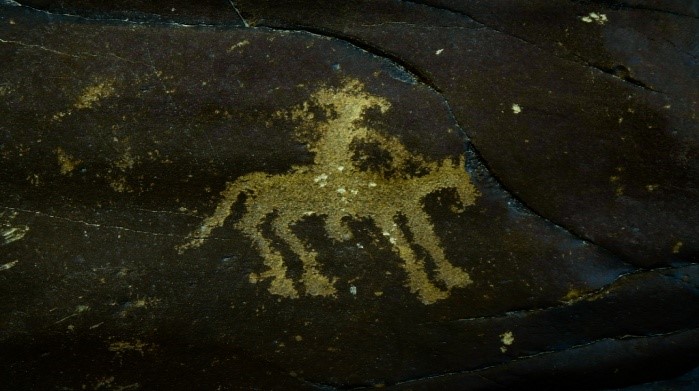
"Huntsman" rock-art, Gya-Miru | Photo: Sherab Lobzang

Art From Our Valleys

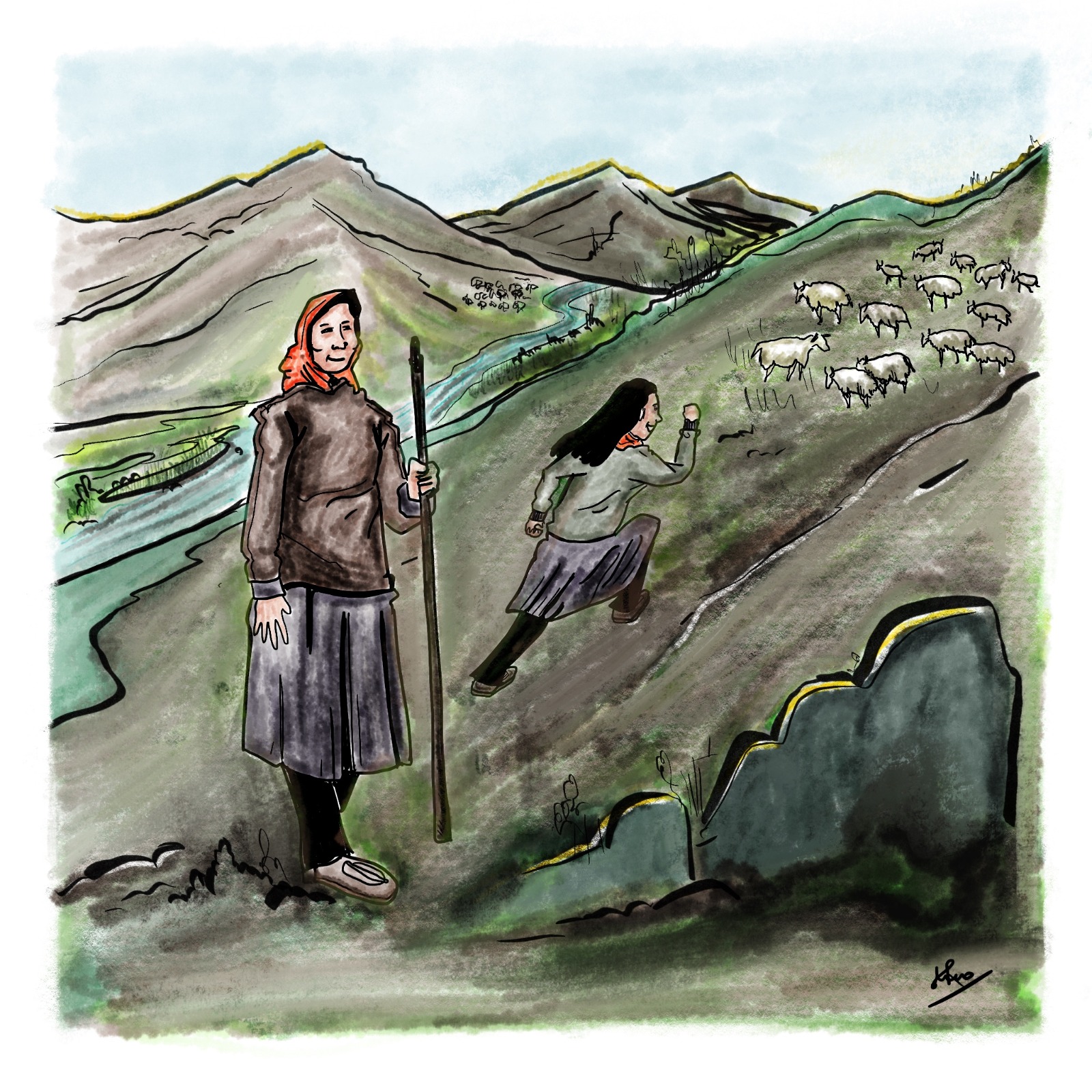
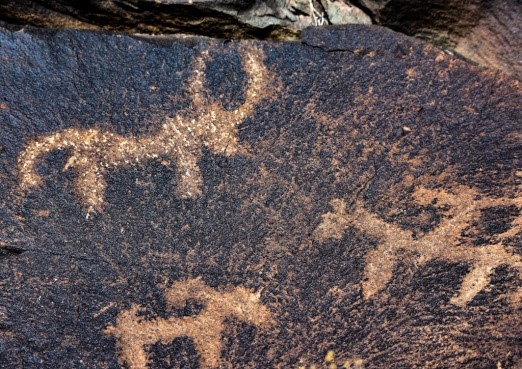
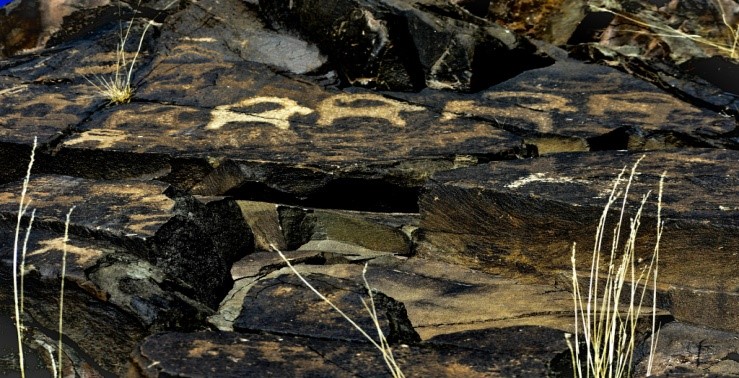
Life in the mountains is tough. In addition to physical fitness, it demands a great deal of mental fortitude. This is particularly true among our elders, especially when you hear them speak about their younger days. Stories of how they managed to survive the long winter months tending to their livestock are hard to believe for our generation. Animals reserve a special place in our lives, and they too are often as spirited as hardy mountain people. Growing up in Ladakh, animals were an integral part of my life too: sheep, goat, donkey, horses, and yak. And then there are the wild animals that were seen rarely, but often encountered when they preyed on livestock. Growing up in the village of Kumdok close to the Changthang region of Ladakh, I enjoyed exploring the mountains as a young kid. I still remember joining my mother to graze the village livestock in the pastures around our village. Each family took turns to fulfill this task. During that time my mother would show me wild animals that were seen in the pastures around our village. We had to keep our livestock safe from hungry carnivores.

Illustration: Rohit Rao

I was fascinated by the outdoors and I still cherish those times spent exploring the pastures. I particularly remember the day I first encountered some very interesting art on some of the rocks in these pastures. As a 13-year old then, I wondered who had drawn them. I asked my mother and she told me that these were made many, many years ago. Probably even before our great, great grandparent’s time. This was from a time when there were no notebooks, pencils, and even schools which is why they may have etched them on the rock.

A few years later, I left the village for higher studies. Returning home each year, I noticed that the number of livestock in my village was reducing. Some years back everyone gave up herding sheep and goat. After completing my education, I began to work in wildlife conservation. My work took me to many places across Ladakh. I interacted with locals of every generation. I also worked closely with researchers who were trying to study nature and the relation that we Ladakhi share with them. That often took me back to rock art that my mother had shown me. Our ancestors may have shared a special relation with nature and animals, as was depicted in the art. This got me even more interested in rock art which is both rare and special. In the last few years, I have encountered rock art in the most unlikely places. I make sure to take a picture, each time I find new art. I often find myself thinking about what our forefathers were trying to tell us through the art. I would like to share some of these pictures and my thoughts with you.

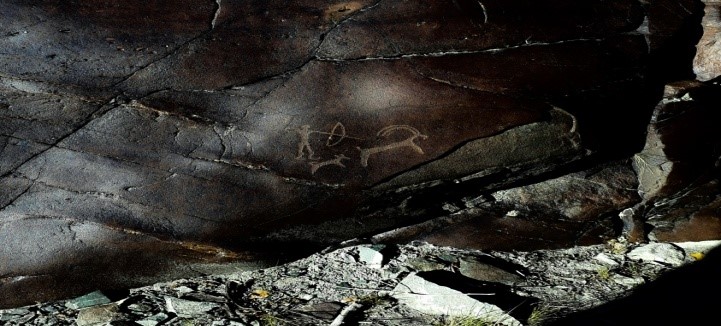
"Hunter" rock-art, Ulley | Photo: Sherab Lobzang

Ulley Tokpo is a village in the western part of Ladakh. Walking along the banks of the Indus River, I stumbled upon this curious rock art. The image shows a hunter pointing a bow at an animal with long curved horns, while a guard dog watches on. Did our forefathers hunt for food? Maybe they did not rear animals like sheep and goat then. Why else would they hunt? When did they start rearing livestock and when did we stop hunting? Thanks to livestock rearing we could stop hunting. But while hunting has stopped, archery remains a very popular sport and a cultural event that we participate in every winter. This is a common practice across many mountain communities in the Himalayas.

I recorded this rock art image of a horseman between the villages of Miru and Gya on the highway that connects Leh to Manali. One of my senior colleagues had shown me this image. If you drive past this area today, you will not find this horseman anymore. Unfortunately, a large part of the rock formation that carried this rock art was destroyed during road construction. But this image is a reminder of the role that horses might have played in the lives of our forefathers.

Horses were the most efficient form of transport, be that for hunting or even later for trade and exchange of produce through barter. The significance of horses has diminished with the arrival of vehicles. However, they still reserve an important cultural role in our communities. Horse racing is active in some parts during Losar, the New Year celebrated on the first day of the lunisolar Tibetan calendar. Another sport that was played earlier was Ta Polo, Ta meaning horse, and Polo meaning ball. Could this have been a primitive form of the sport of polo? I often wonder where our forefathers might have learned it from.

"Horseman and Yak" rock-art | Photo: Sherab Lobzang

I once encountered this fascinating image of what looked like horsemen pursuing a large animal. I wondered if these were yak. When I spoke with some elders in my village, they mentioned that indeed they were: they were wild yak! Dong, as they are referred to locally, haven’t been seen in a very long time. The domestic yak is believed to have been reared from the wild yak. Our elders explained that dong is much larger than the domestic ones we rear. Today, it is reported from a small part in Changchenmo which is largely unexplored. I wonder if there are other animals like the dong that once occupied these rangelands.

At the mouth of Phuyul valley near the village of Miru, I observed some very interesting rock art while carrying out surveys. This included images of wild animals, stupas which are religious structures in Buddhism, and script which was hard to identify. Some of these etchings look like ibex based on the longhorns they display. I find that particularly interesting because ibex was not found in these areas during our surveys in the past three years. Could the rock art be suggesting that these valleys were home to ibex in prehistoric times? It is hard to say. These are just a few of the images I have found so far. Many more remain undiscovered and I hope to keep finding them and sharing their stories, as I do now. While I have been fortunate to stumble upon these ancient relics that are part of our heritage, I am concerned about the number of these relics we may be losing out of ignorance. Rock art, which may date back several thousand years, are messages to us from our ancestors. They deserve attention and care. If we were to lose them, we might lose an important part of our past heritage.

"Ibex" rock-art | Photo: Sherab Lobzang

This holds true not just for Ladakh, but for all areas where rock art of this kind tells a story of the past. It is up to us to rediscover them and celebrate the wonderful stories they tell. These stories told by our ancestors.

699 391 Sherab Lobzang
The Predicament of a Herder

The Predicament of a Herder

Winters in Spiti valley are filled with celebrations of a fruitful year and prayers for a bountiful year ahead. Most of the time is spent within the villages as travel is usually difficult especially when heavy snowfall causes roadblocks. The year 2018 was also not much different. In the month of November, as we were readying ourselves for the coming winter months in Kibber, I received an urgent message from a colleague in Mysore in Karnataka.

“A herder has lost much livestock in Chango, possibly killed by a wild animal” the message said.

These were the only details along with a WhatsApp video that was being circulated. Understanding that the matter could be grave and the weather was still permitting travel, I decided to leave immediately for Chango which is in Kinnaur. I requested Tanzin Thuktan, my colleague, to join me. Chango is about 110 km away from Kibber.

We did not have any details about the owner or where exactly the incident had happened. Upon reaching Chango we were clueless, but the good thing about small towns and villages is that everyone knows each other very well. So, when we enquired about the case with local shopkeepers, they were well aware of it and they told us that Thuktan Tender was the owner of the livestock and showed us the way to his house. Thuktanji is an apple farmer in Chango and has a settlement at Liti Dogri. When we arrived at his house, he was confused about why we had traveled from so far to talk about his loss. With a little hesitation, he narrated the whole incidence to us.

On 16th November 2018, Raju, the caretaker of the corral, had returned to the village to gather supplies for the Dogri. He decided to stay back in the village for the night. The next day when he went back and opened the door of the corral, the animals rushed out in panic. Usually, he would have had to take a lot of effort into getting the animals out of the corral. He knew  something was wrong. It was  strange behavior.

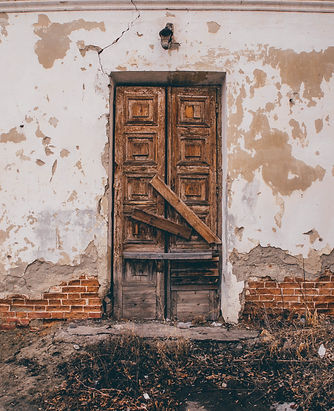
Broken Door | Photo: Mikey Dabro

Standing by the door he carefully scanned the inside of the corral and to his surprise, he saw a set of shining eyes staring back at him in the dark. He immediately knew what it was and slammed the door shut. He called Thuktan and narrated the incident. Within a few hours, the news had reached every household in Chango and nearby villages.

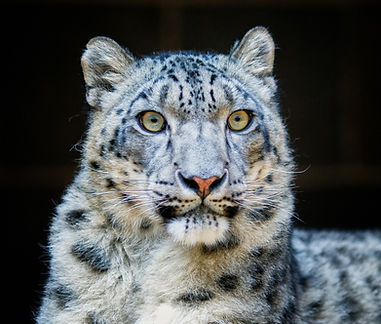
Snow Leopard | Photo: Adriaan Greyling

A snow leopard, which had entered the corral in the dark of the night, had somehow got trapped inside. It garnered a lot of attention from local leaders and the forest department to school teachers. Everyone had reached the Dogri to enquire about the incident and see the snow leopard. Upon many assurances of receiving relief for the loss, Thuktan released the snow leopard. He also made a video of the release as a record that the animal had been released unharmed. When they inspected the corral from inside, they saw 19 animals that had been killed and 11 critically injured. Within 2-3 days even they succumbed to their injuries. However, after the release, all the hype around the case vanished. So, when I met with Thuktanji, a few weeks later, he was understandably angry and had lost hope of receiving any financial help. I asked him if I could visit the Dogri, to which he agreed.

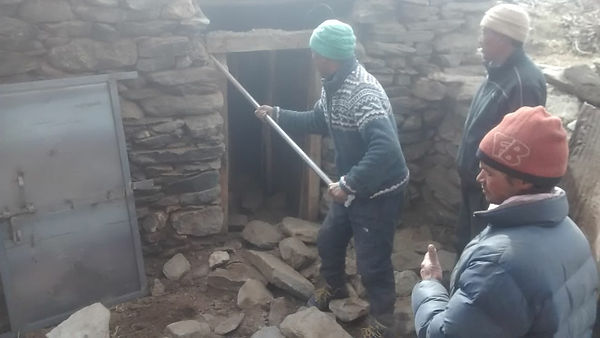
Liti Dogri is about 15 km away from Chango. It has three big corrals which houses small-bodied animals like goats and sheep of several livestock owners of the village. Thuktan ji’s corral at any time has 200-250 animals. Upon inspection of the corral, we noticed that the door of the corral was old and did not shut completely. We gathered that the snow leopard must have entered through the door and had gotten trapped inside. To prevent further loss, we decided that we would replace the door with a new sturdy one. The next few days were filled with hurdles. The closest material shop and welder was 130 km away in Reckong Peo. Getting the material on time was crucial to avoid further losses. The three of us drove to Peo in Thuktan ji’s car and bought doors for the corral. The villagers came to help us fix the door. The compensation process as well as the relief amount was also not very clear.

Repairing broken door of Thuktanji | Photo: Nature Conservation Foundation

We decided to speak to the local Forest Guards and Range Officers. They informed us that the compensation file had been sent to the DFO’s office in Reckong Peo. We then met with the DFO who was very sympathetic and assured us that Thuktanji would receive the claim as per the new notification rates. Within few weeks Thuktanji received the claim from the department. Compared to the actual loss suffered and other collateral costs incurred, the financial relief offered by the Forest Department was often considered too little. Fortunately, the department has revised these rates since August 2018 to ensure that the herders can cope with these situations better than before.

As a herder myself, I believe that we must try to ensure that such events are avoided in the first place. Wild animals have always lived around us and will continue to do so. We have always taken precautions to keep our livestock safe from them, and we have to continue doing so. With access to better resources in our remote areas, we may be able to plan this more effectively and upgrade our corrals to make them predator-proof. This way we may be able to prevent any future losses that might occur.

1014 676 Tanzin Thinley
Living With The Wild
Brown Bear | Photo: Janko Ferlic (Pexels)

Living With The Wild

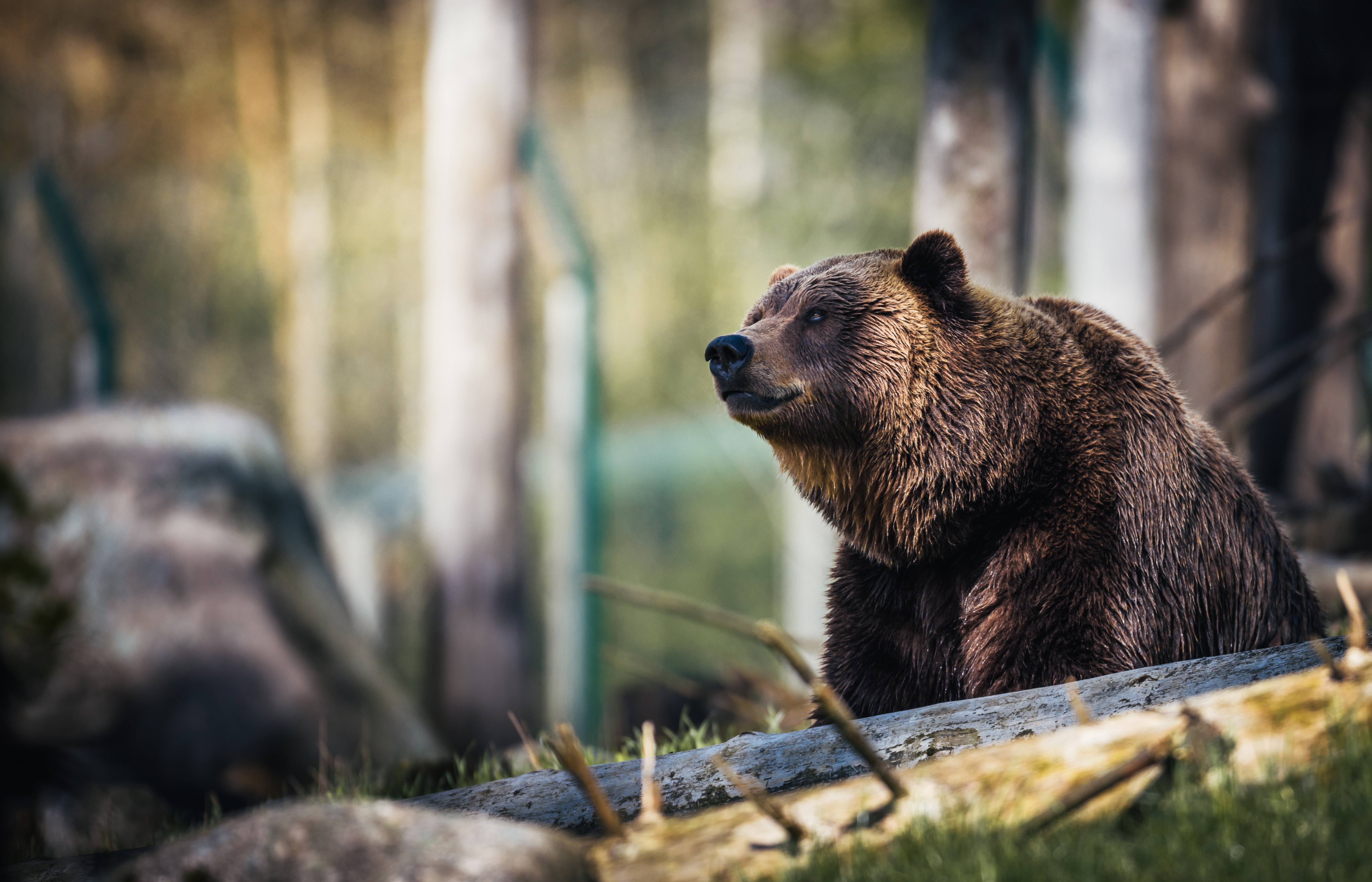
The 19th day of November 2018 was like any other day for Vikram of Pangi, Chamba district. He was walking his cattle in the nearby village pasture by the banks of the Chenab river. Little did he know that his life was about to change. While walking through thick shrubs and vegetation, he didn’t realize that he had accidentally come too close to a brown bear. The sudden realization of the proximity threatened the animal, and out of fear, it attacked Vikram. Vikram caught off guard, did his best to reduce the impact of the attack. He managed to save his life but suffered multiple grievous injuries all over his body and partial loss of eyesight. He immediately went to the nearest hospital to get medical help. He later filed for compensation with the Range Office in Pangi.

In another part of Himachal, a snow leopard, in the dark of the night, entered the corral of a herder and killed 20 animals. The herder, overnight, lost most of his livestock, and being in one of the remote areas, he had no clear idea of what had to be done and how he could get some economic relief from the forest department.

Such cases are not new to these herding communities who often come in close quarters with the wildlife around their villages and pastures. Some of these instances lead to a lot of emotional stress and in some scenarios may also impact the individuals’ personal relationships. It is a very heavy price one pays for living around wildlife. We must ensure that anyone who suffers such a loss is not neglected and helped throughout the process.

Although this problem has been a part of herder’s life for many generations, there are new-age solutions to prevent and mitigate some of these economic losses.

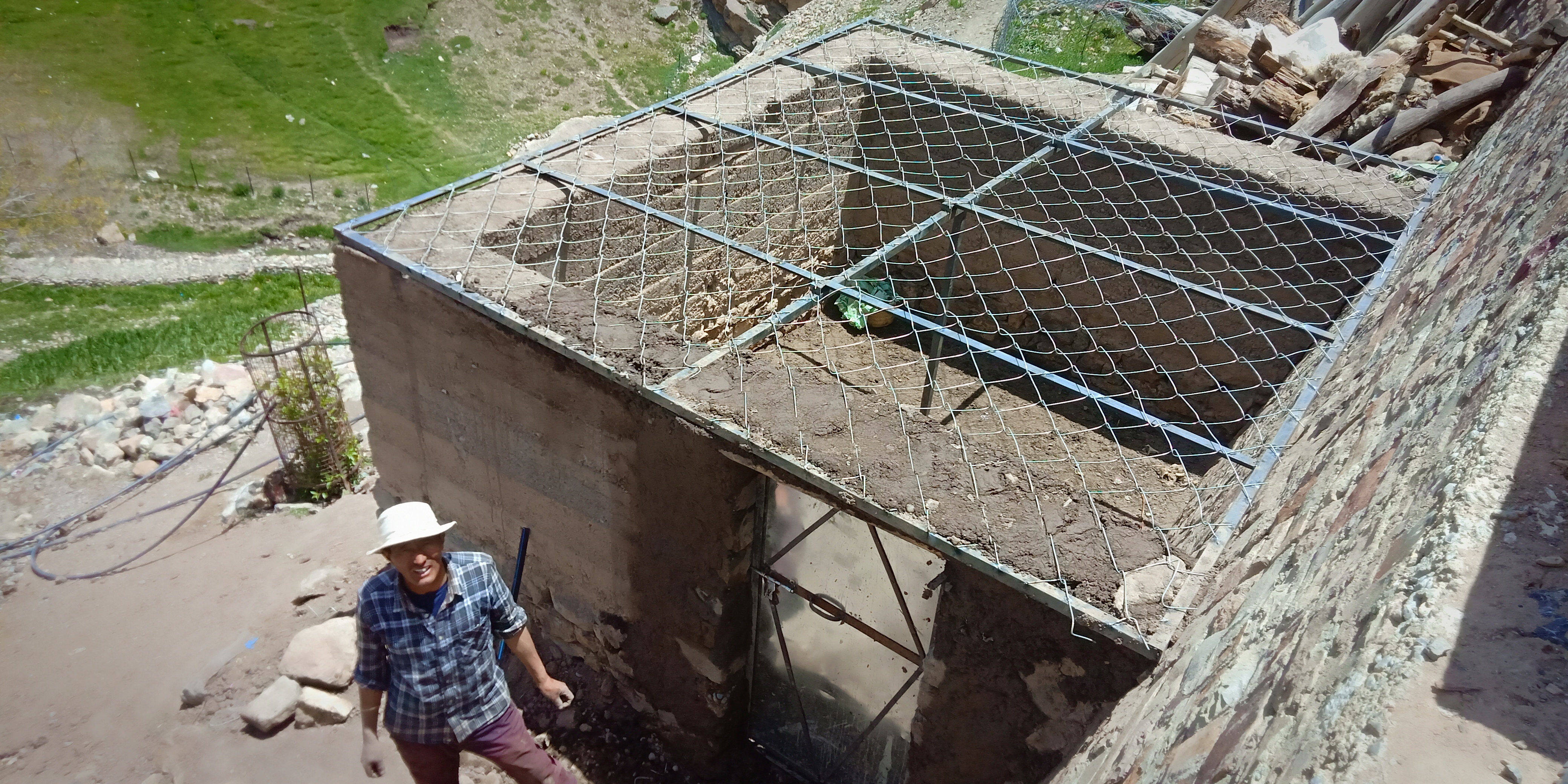
Reinforcing the roofs of the corral to make them predator-proof | Photo: Nature Conservation Foundation

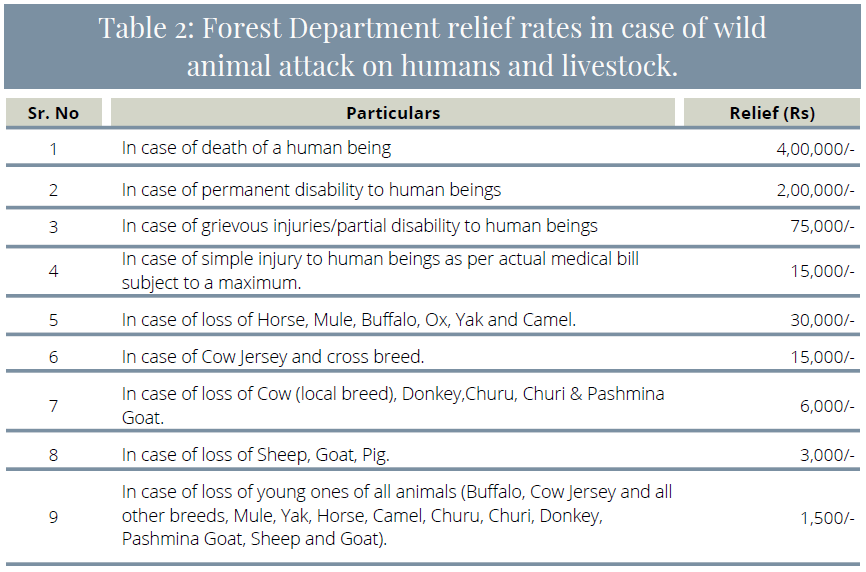
One thing that every individual can do beforehand is to economically safeguard themselves and their family, in case of a medical emergency, by opting for accidental death and disability insurance offered by the central government under Pradhan Mantri Suraksha Bima Yojana (PMSBY) scheme. Although there are eligibility criteria, some degree of financial coverage can be availed from Ayushman Bharat as well. Himachal Pradesh Government offers Ayushman Bharat through its Himachal Pradesh Swasthya Bima Yojna Society (HPSBY). If one does not have any life insurance or pension plan, they should also consider getting one from Pradhan Mantri Jeevan Jyoti Bima Yojana (PMJJBY) and Atal Pension Yojana (APY). For more details on these insurances refer to Table 1. The Forest department also has provisions for providing relief in case one is attacked by wildlife. For details on relief rates offered by Forest Department refer to Table 2.

For livestock, one could take steps to prevent such an incident by repairing and reinforcing corrals to ensure no gaps in walls/doors remain. The roofs can be reinforced with metal mesh to close off all possibilities of attack in the corral. Regular and timely maintenance is of utmost importance. However, the livestock is prone to attack in the pastures and forests as well. Village-level measures, like the insurance program, can help reduce the losses suffered due to such attacks. When the collective losses of the village are high, then insurance of livestock can be planned where the premium and compensation are decided by the villagers and a village committee manages the insurance fund. In case of a loss suffered by a family, compensation is paid out from such a fund. However, the community must be careful and set clear rules and guidelines when starting a village-level insurance program. Currently, there are three villages in Spiti valley where are the community runs the insurance program.

The forest department also provides compensation to the herders in case the livestock is killed by wildlife. However, despite all good intentions, there can be genuine difficulties in timely administering such claims by the forest department and one must be patient but persistent. For details on relief rates offered by Forest Department refer to Table 2.

There are also some traditional solutions to the problem of livestock depredation. For example, in Gue village of Lahaul & Spiti district, there were multiple cases of surplus killing this year. Whoever lost their livestock were helped out by the entire community by each household contributing an animal to the owners. This practice not only takes the stress of losing livestock away but also does not let herder suffer economically. Such practices are reported in other parts of Himachal as well. I am sure that there will be many other local solutions that I have not talked about. I would love to hear about them. Do write about the practices adopted to prevent and mitigate losses from wildlife in your village. Also, if you want to take up this issue in your own village or start an insurance program and need further assistance, do reach out to me or my team. Our details are available on the last page of the newsletter.

In the end, I would like to mention that there is no one, sure shot solution to such complex problems, but Himachalis have continuously been adapting to these challenges, a characteristic of life in the hills, and putting up with the adversities they face.

5824 3744 Deepshikha Sharma
Shangdong to Stupa

Shangdong to Stupa

A short video in Ladakhi explaining the Shangdong to Stupa initiative. Shot by Nomadic Brothers and edited by Munmun Dhalaria. (Includes English subtitles)

2560 1417 Nomadic Brothers