Living at the Edge: Plants of High Himalayas
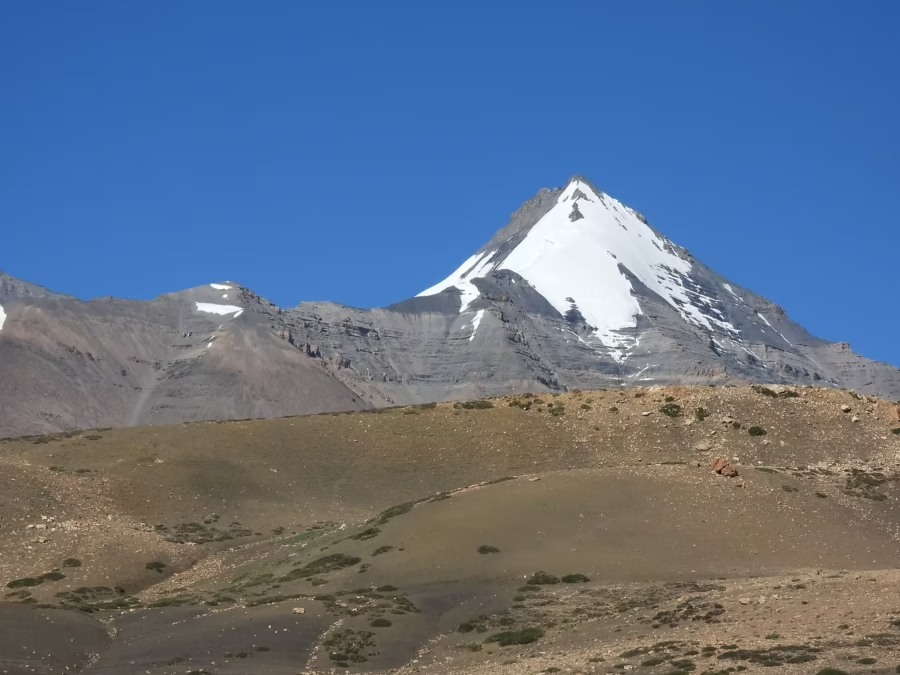
Whenever we say Himalayas, we instantly picture majestic snow-covered peaks, rugged slopes, extreme weather conditions which are characterised by strong winds and a dry landscape. An old proverb says, ‘The land is so barren and passes so high that only the best of friends and fiercest of enemies would want to visit us.’ It is hard to imagine how such an environment can harbour any plant life. However, these mountains support a stunning array of plants adapted to survive at high altitudes and in harsh climates. These landscapes are marked by vast temperature differences, strong winds, high ultraviolet rays, a short-growing season, and rugged terrain of the high Himalayas.
One such high Himalayan region is Ladakh, situated in the western Himalayas, and is the crown of the Indian sub-continent. Relatively untouched and unexplored, Ladakh is a paradise for botanical exploration. Numerous researchers have attempted to study and record the diversity of plant species of this region. A staggering 1,250 varieties of vascular plants have been identified so far.
Just as we humans have a circulation system that delivers oxygen to our cells and takes away waste, several plants have a highly developed built-in transport system for nutrients and water. Such plants are called vascular plants. Vascular plants in the high Himalayas have evolved specialised mechanisms that let them survive in extreme weather conditions.
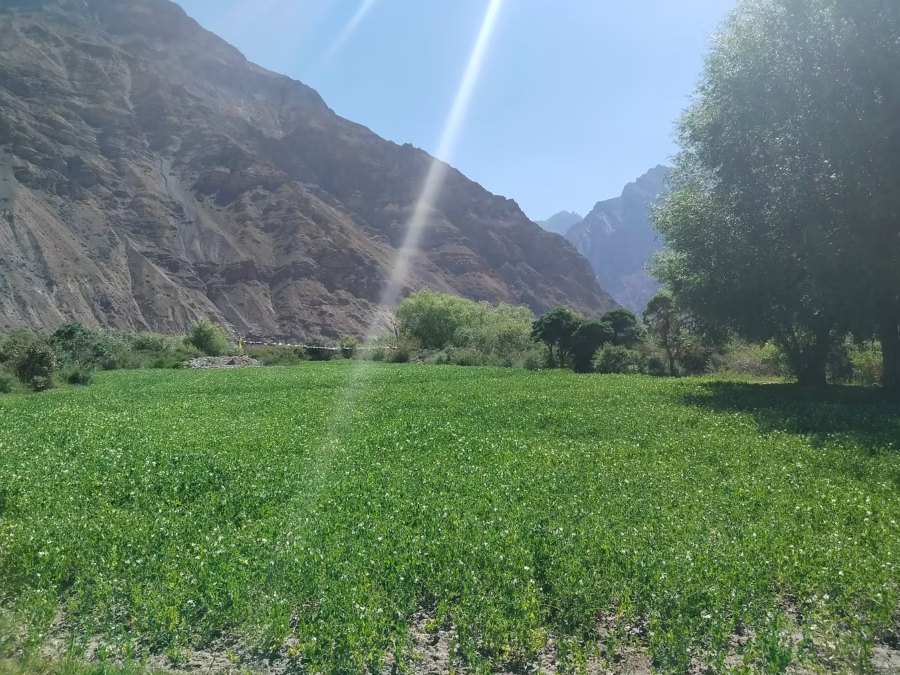
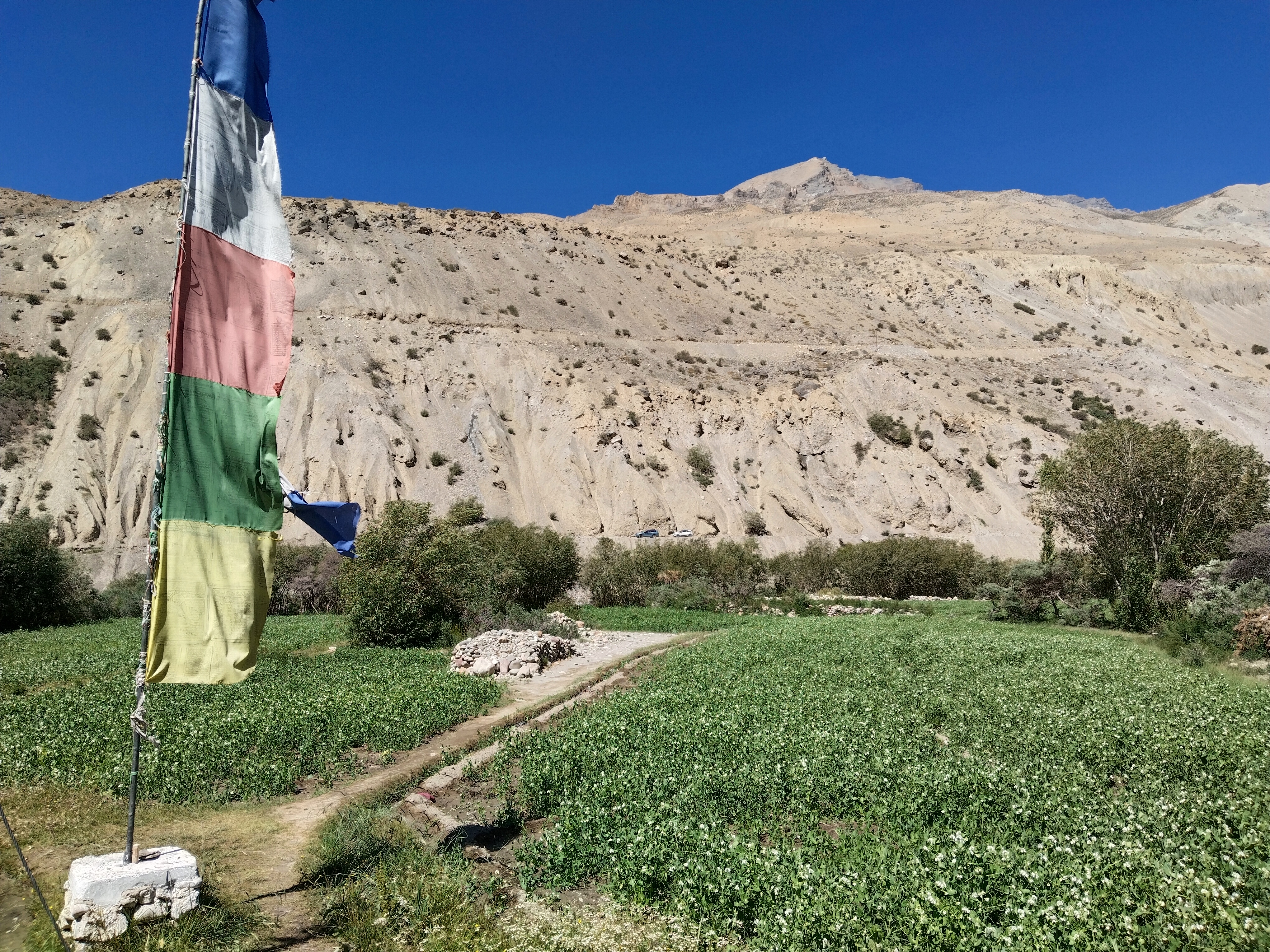
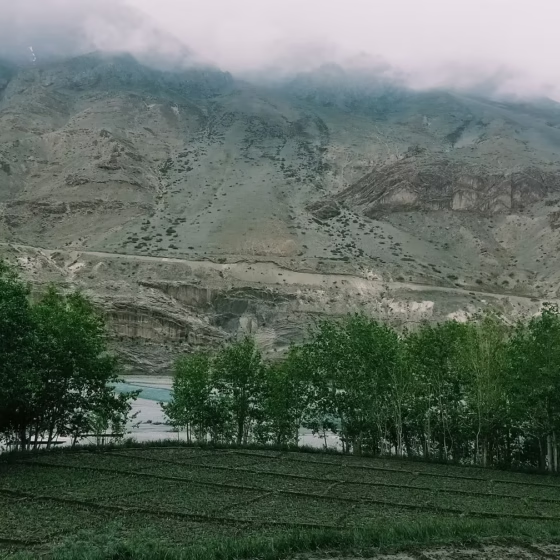
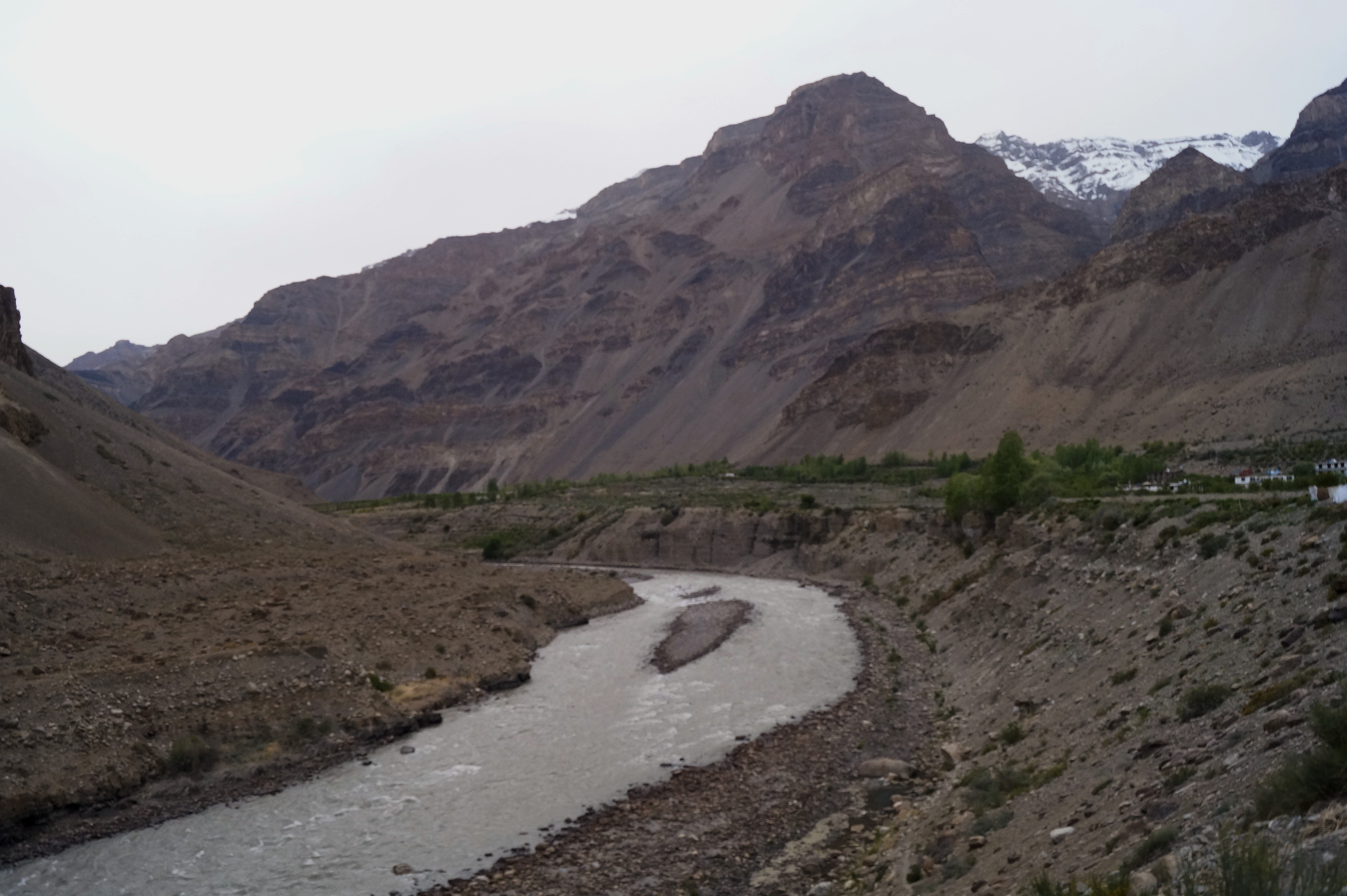
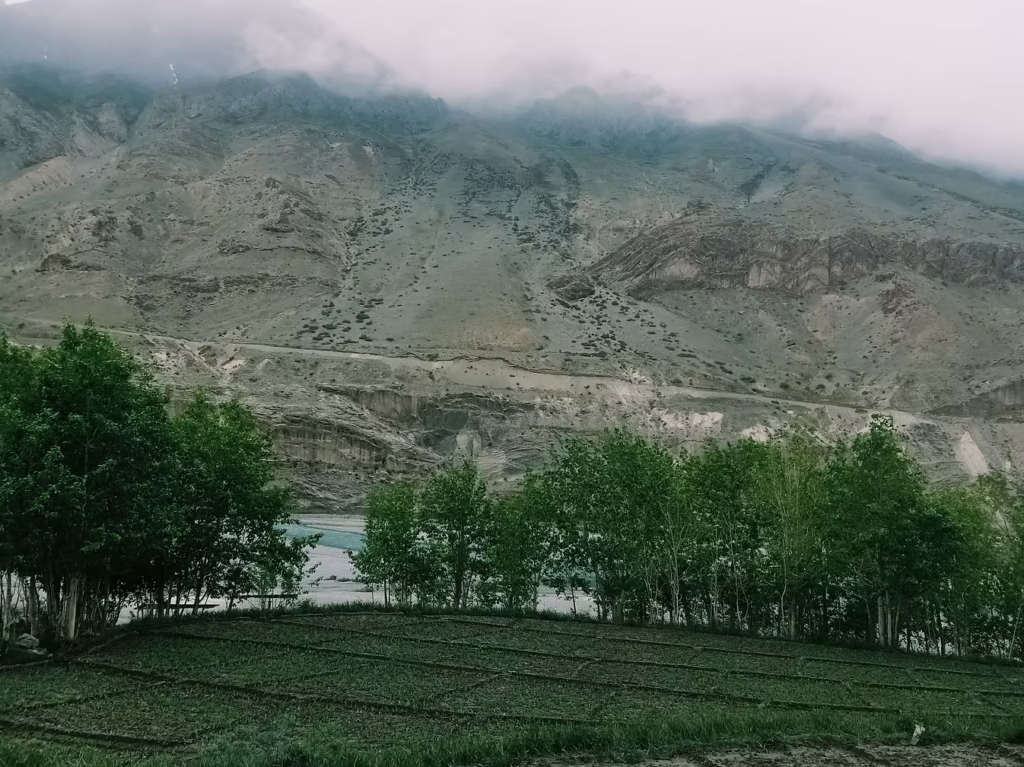
Plants grow in a variety of habitats in the high Himalayas: arid steppe, severely dry semi-desert and desert, alpine grasslands and screes, riverbanks, and subnival, and wetlands.
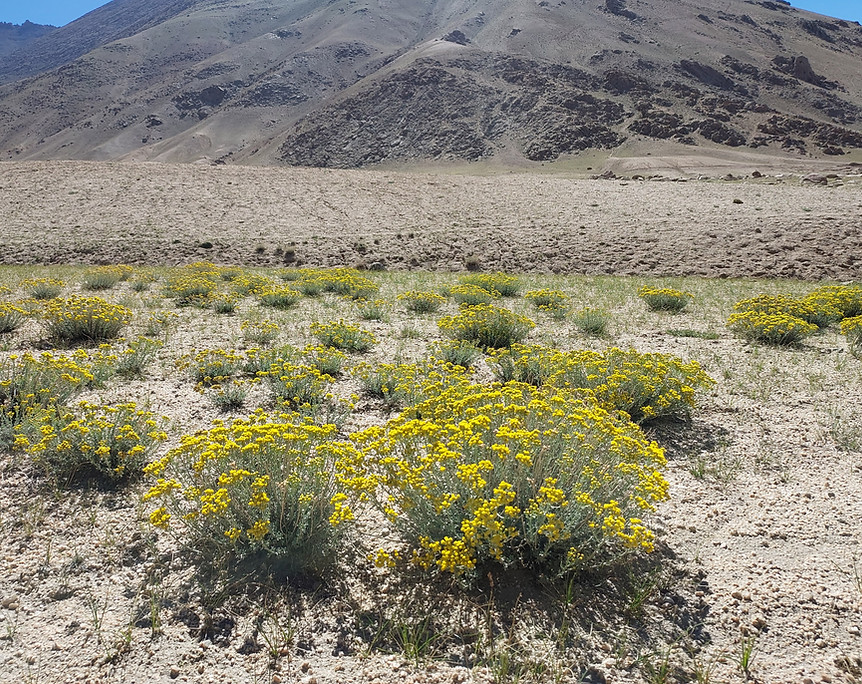
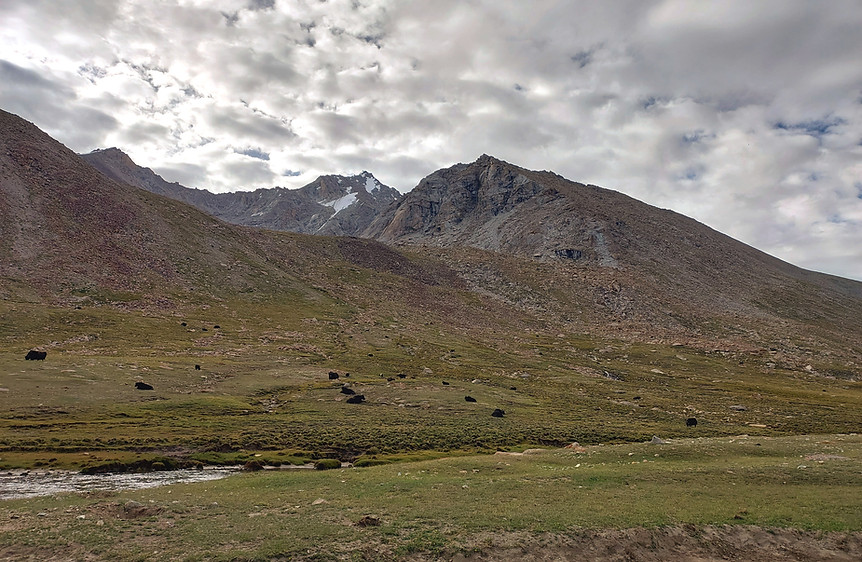
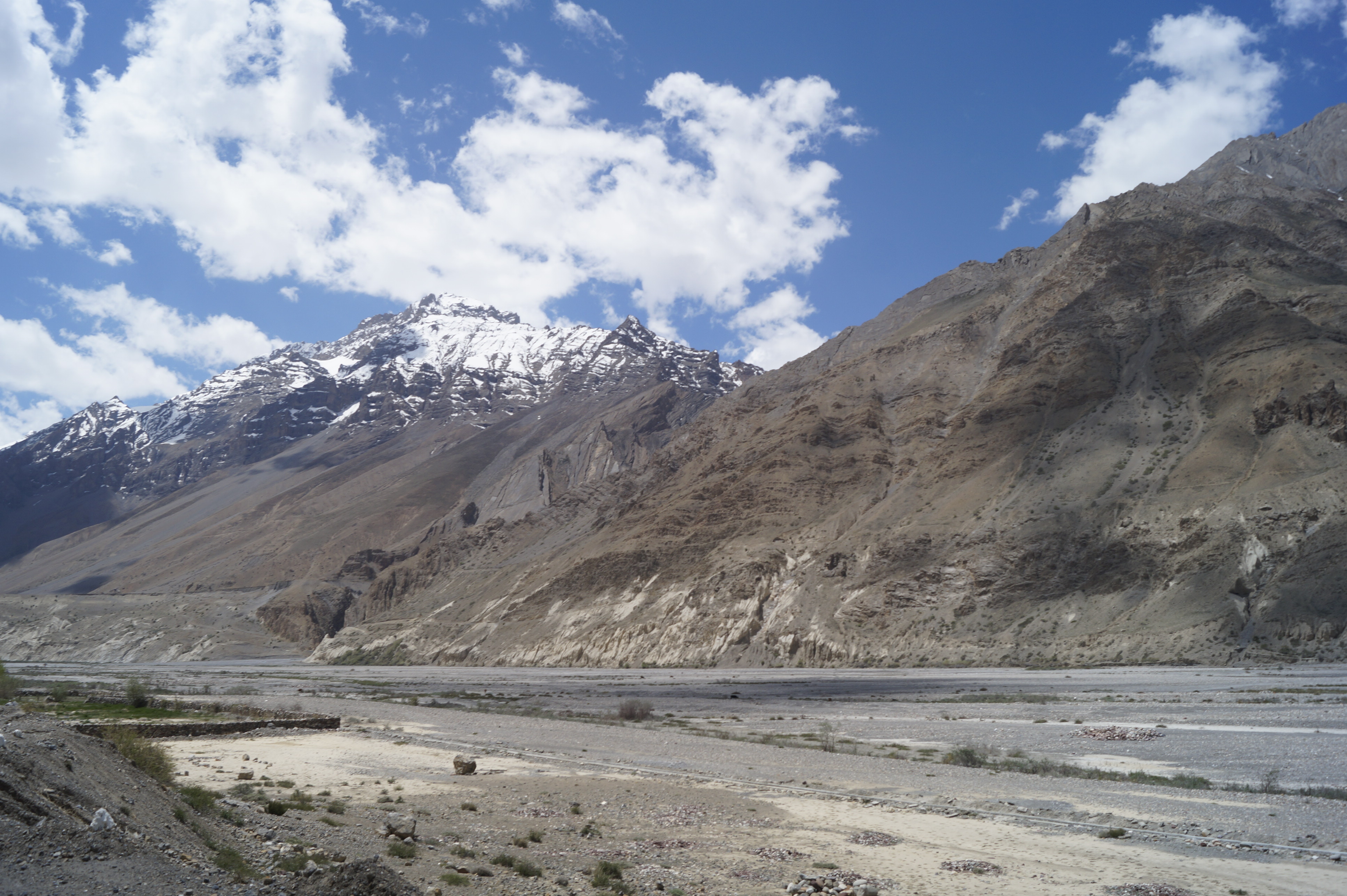
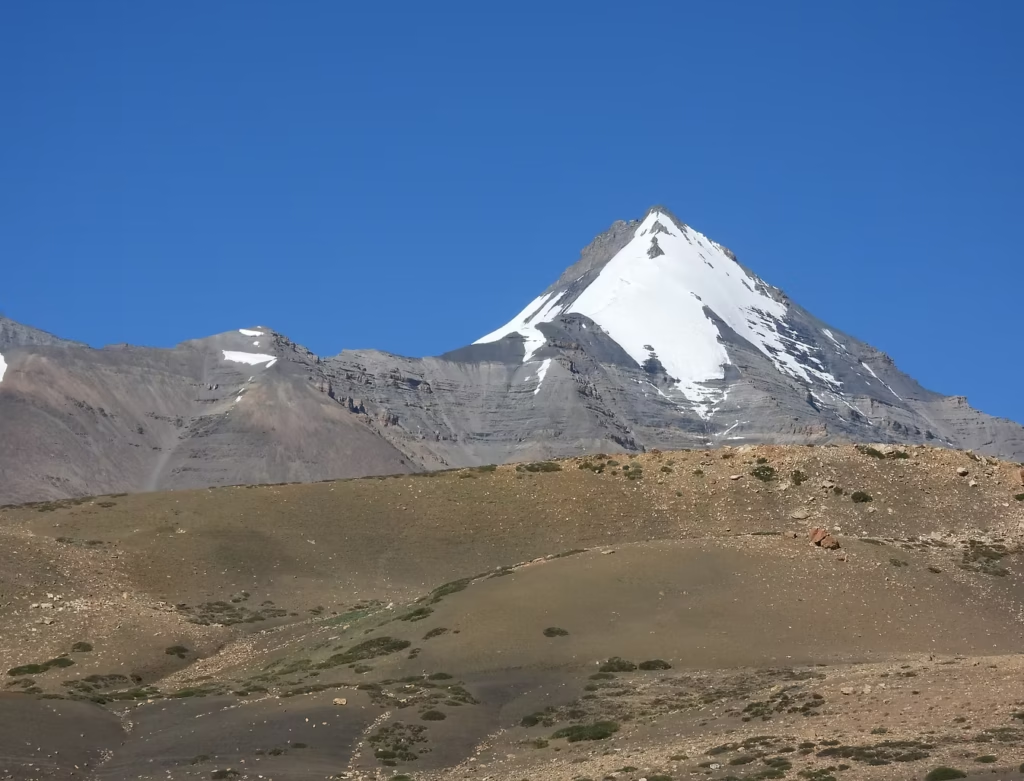
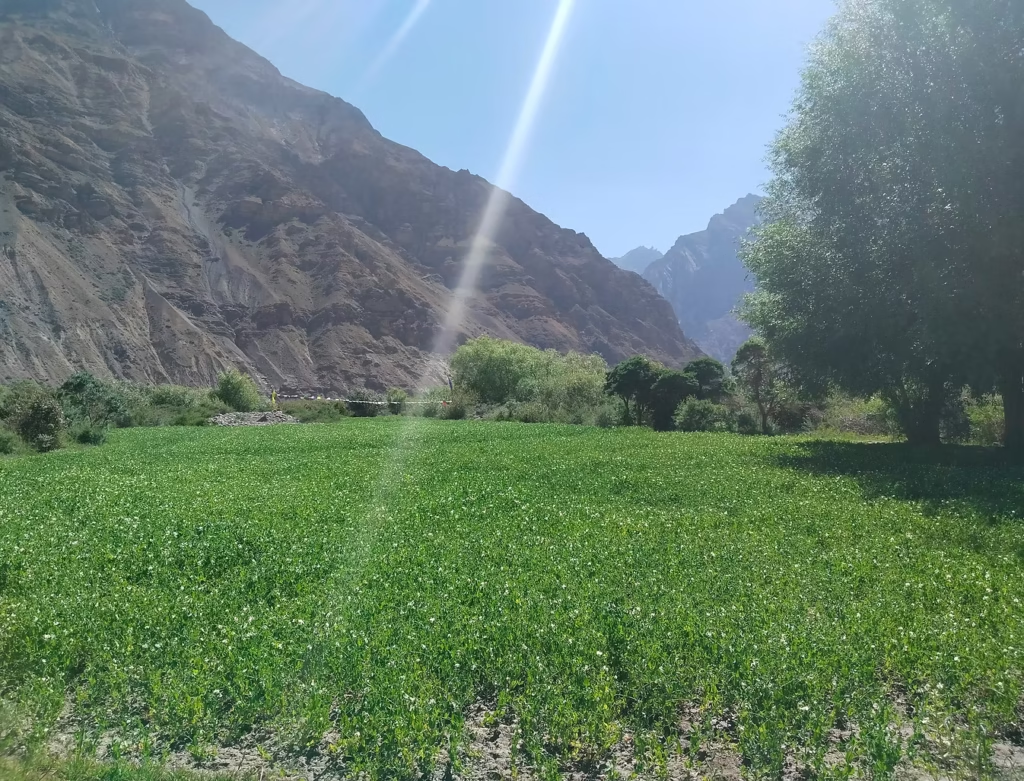
Photo (Left to Right): Steppe habitat, Alpine Grassland
Steppes are characterised by hot and arid conditions. Plants growing in steppes are adapted to survive frequent droughts.
Alpine habitats are characterised by colder and moist conditions, comprising of grasslands and scree.
Subnival habitats occur just below the permanent snowline, and they are characterised by extreme cold and moist conditions. Temperature in such habitats may drop to sub-zero even during the summer months.
Semi-desert and desert are severely hot and dry habitats that comprise of sparse vegetation.
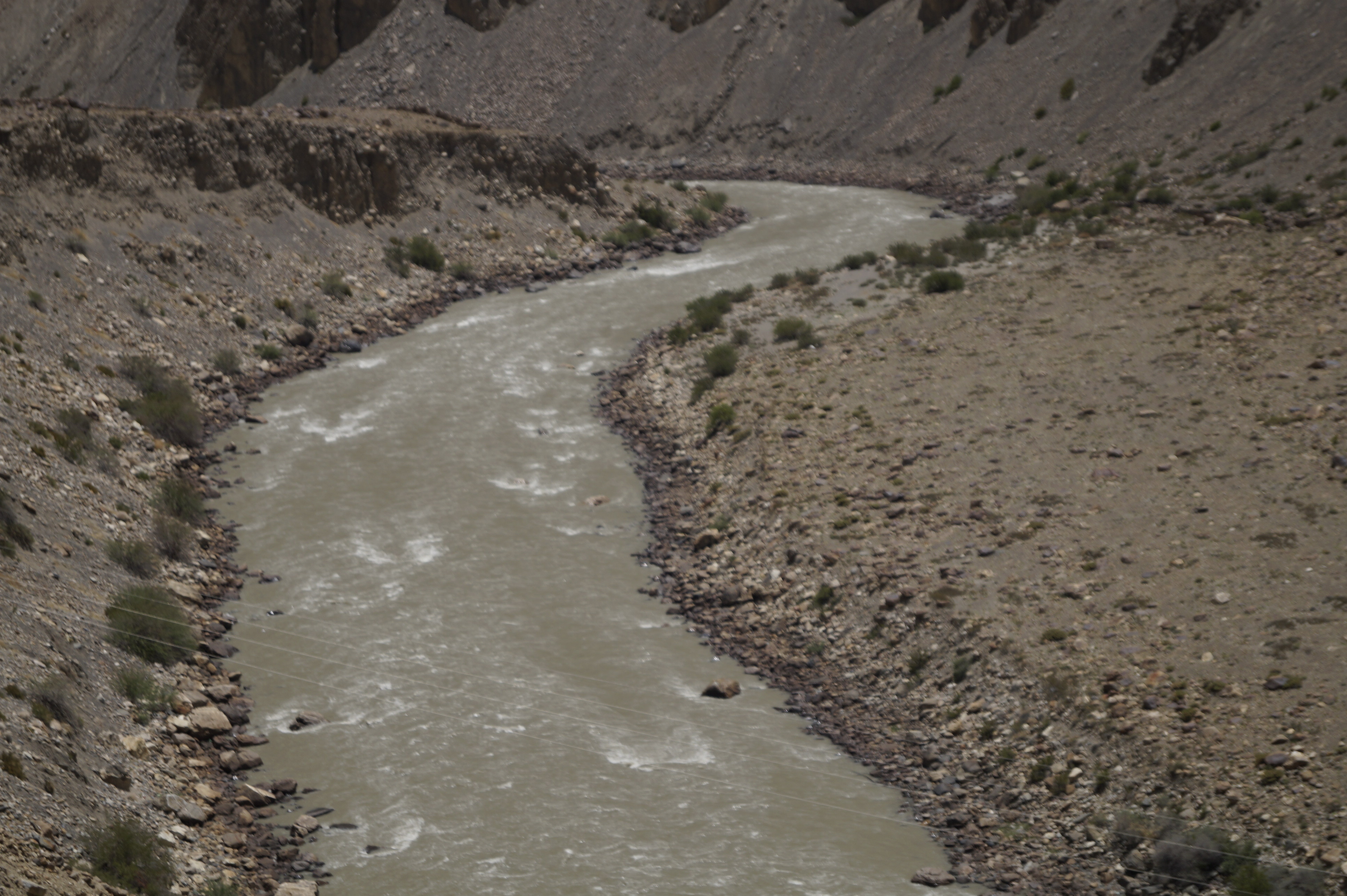
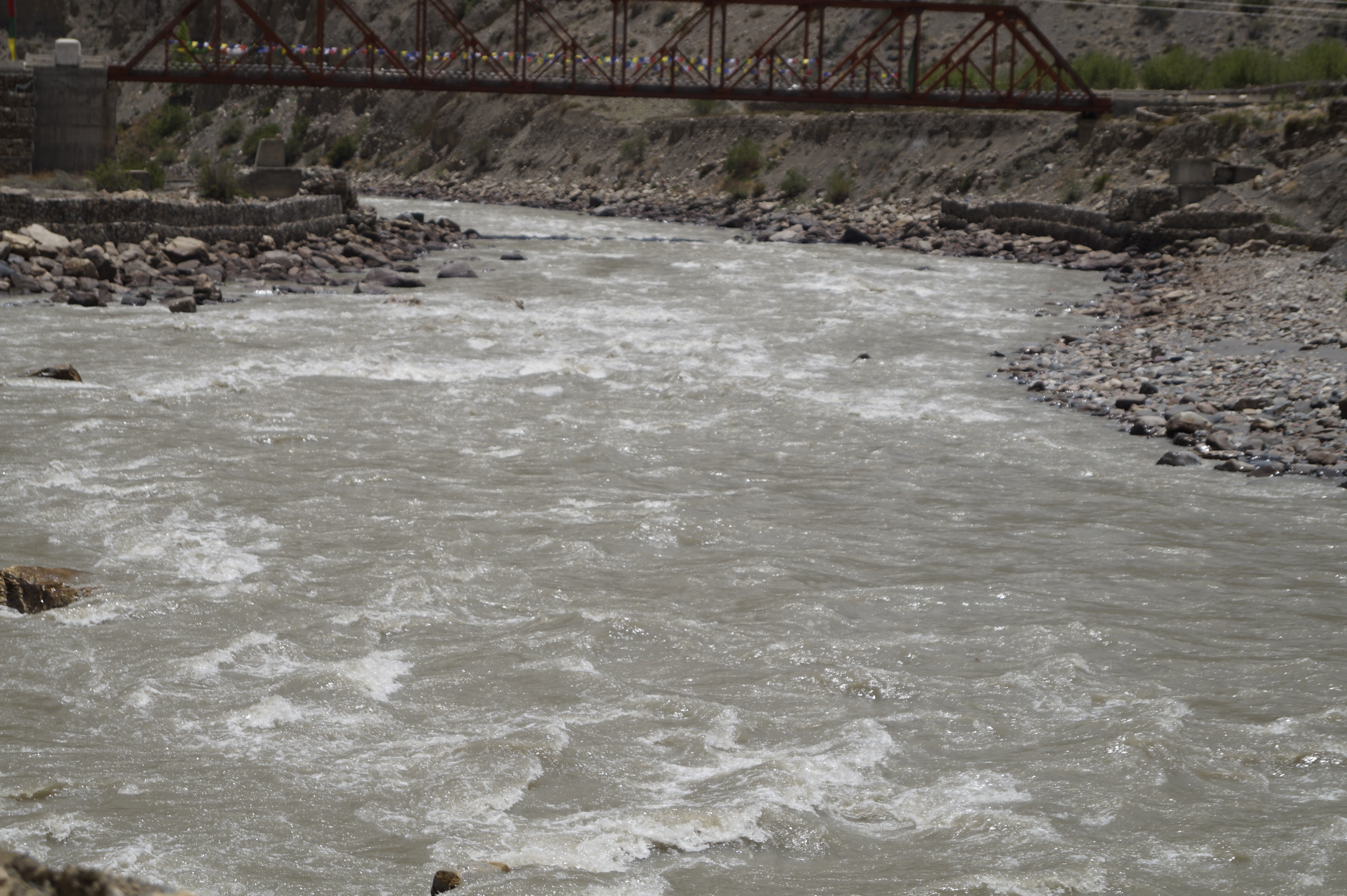
Riverbanks are patches adjoining streams and rivers composed of silts and sand that are held together by the plant growth.
Wetlands are characterised by the presence of excess water resulting from snowfall, melted glaciers or natural springs and lakes, that support plant growth.
Steppe and desert plants face frequent heat and drought stress due to low precipitation and dry conditions. Studies show that such plants have adapted to this stress by behaving like a drought escaper. They grow near streams where water is sufficient or develop drought enduring characteristics such as growing long and deep roots to absorb water.
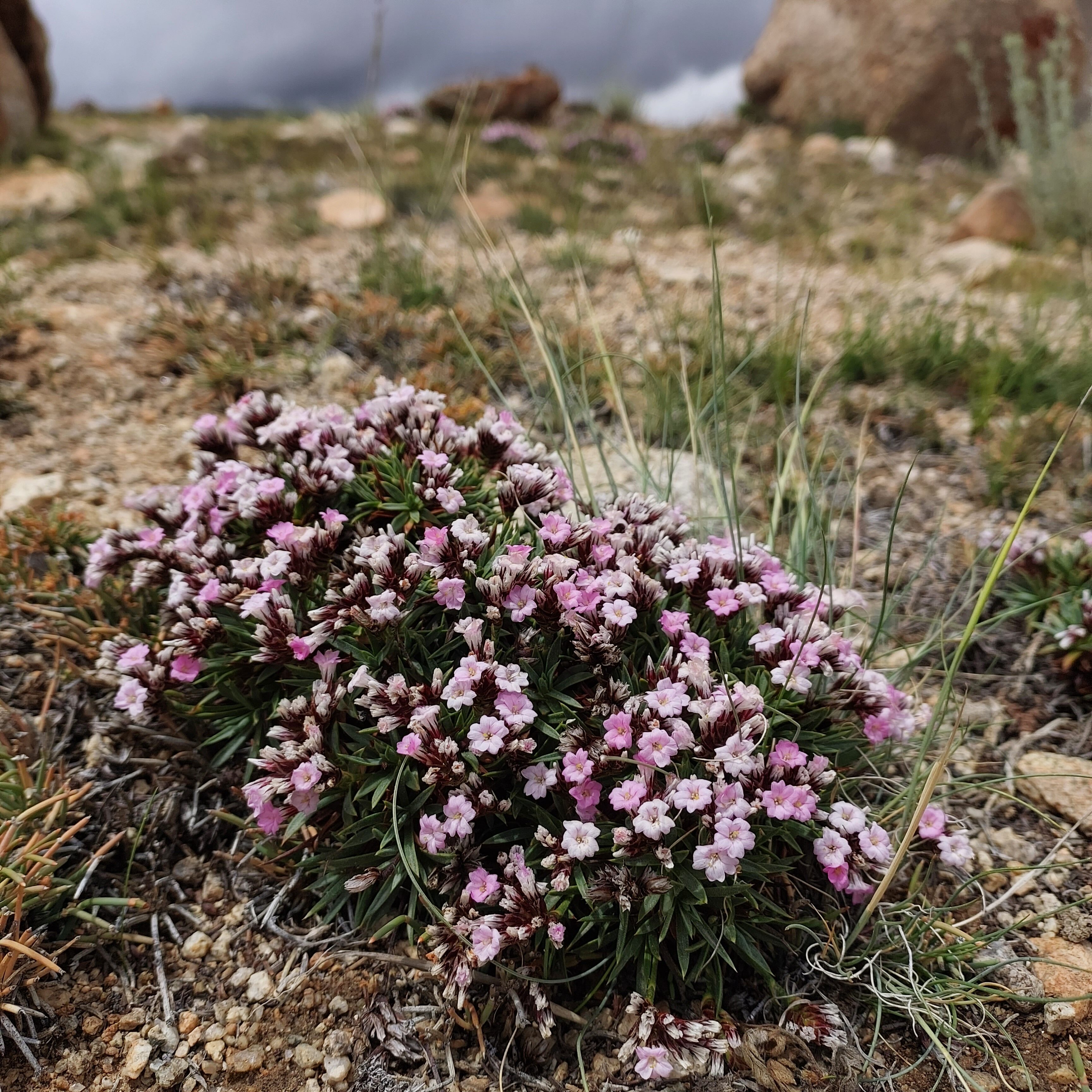
Plants of the alpine and subnival zones face extreme cold stress which limits their ability to grow, restricting their growing period to a short span (usually 3-4 months). Plants in these zones adapt, remaining dwarfed or growing in cushion or mat-form. They grow close to the surface of the ground, where the temperature is relatively warmer.
Plants in high Himalayas are highly specialized and have remarkable adaptations to endure extreme conditions. They tend to have a massive belowground root system that stores the photosynthetic product (carbohydrates) for the prolonged winter months when they are devoid of the photosynthetic organs (leaves). Most of the plants in highest elevations do not grow high, as the temperature near the ground is warmer, and protect them from strong winds. Some also have a hairy-body (with trichomes), which protects them from the strong UV radiation, and act as extreme heat protectant.
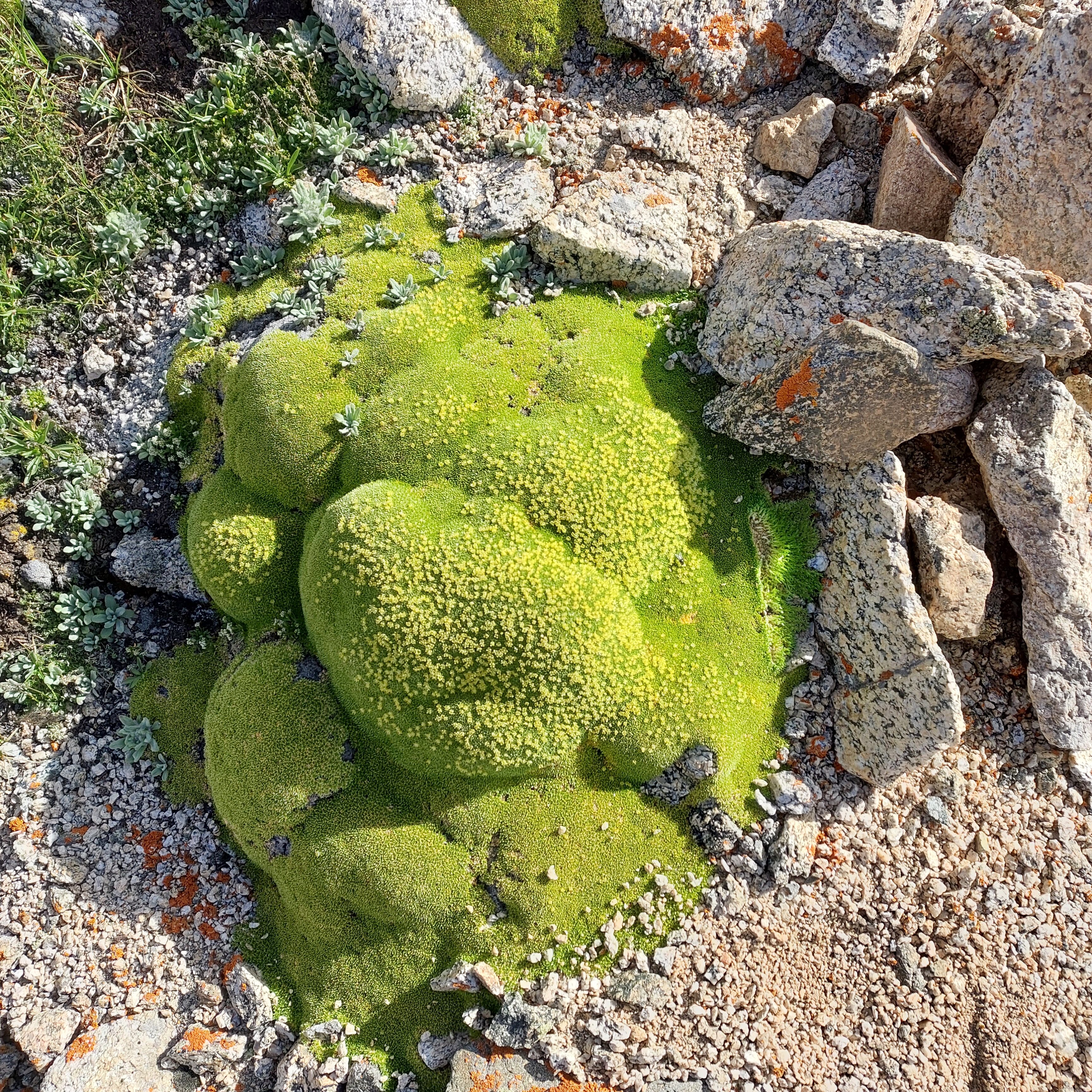
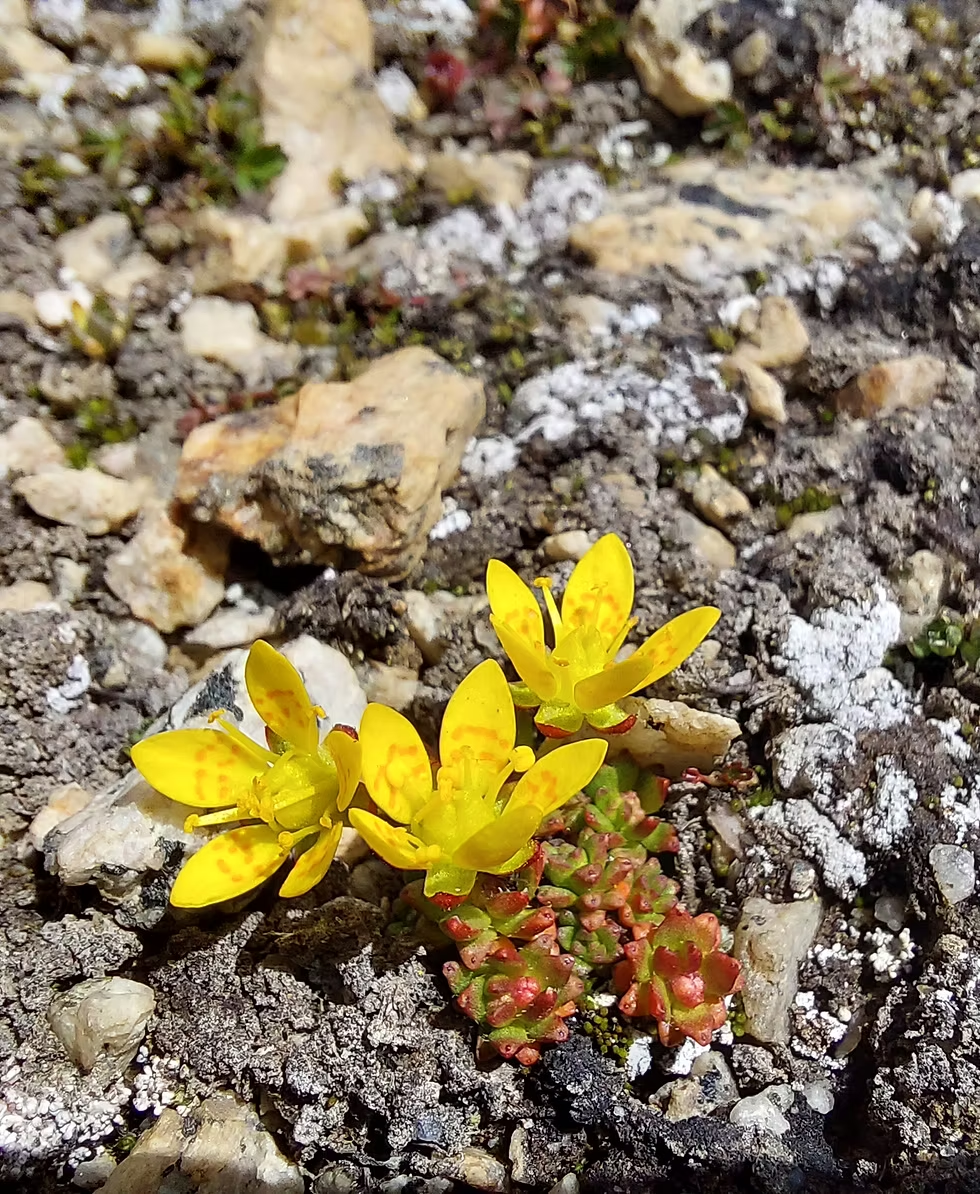
(Common name: Golden Alpine Sandwort; Local Ladakhi name: Tagaracan) grow as cushion plants, growing only at the highest evelations in subnival vegetation zone. They grow very tightly packed with each other, very close to the surface or sometimes even on boulders. This type of adaptation is to endure extreme cold conditions. Photo: Thinles Chondol
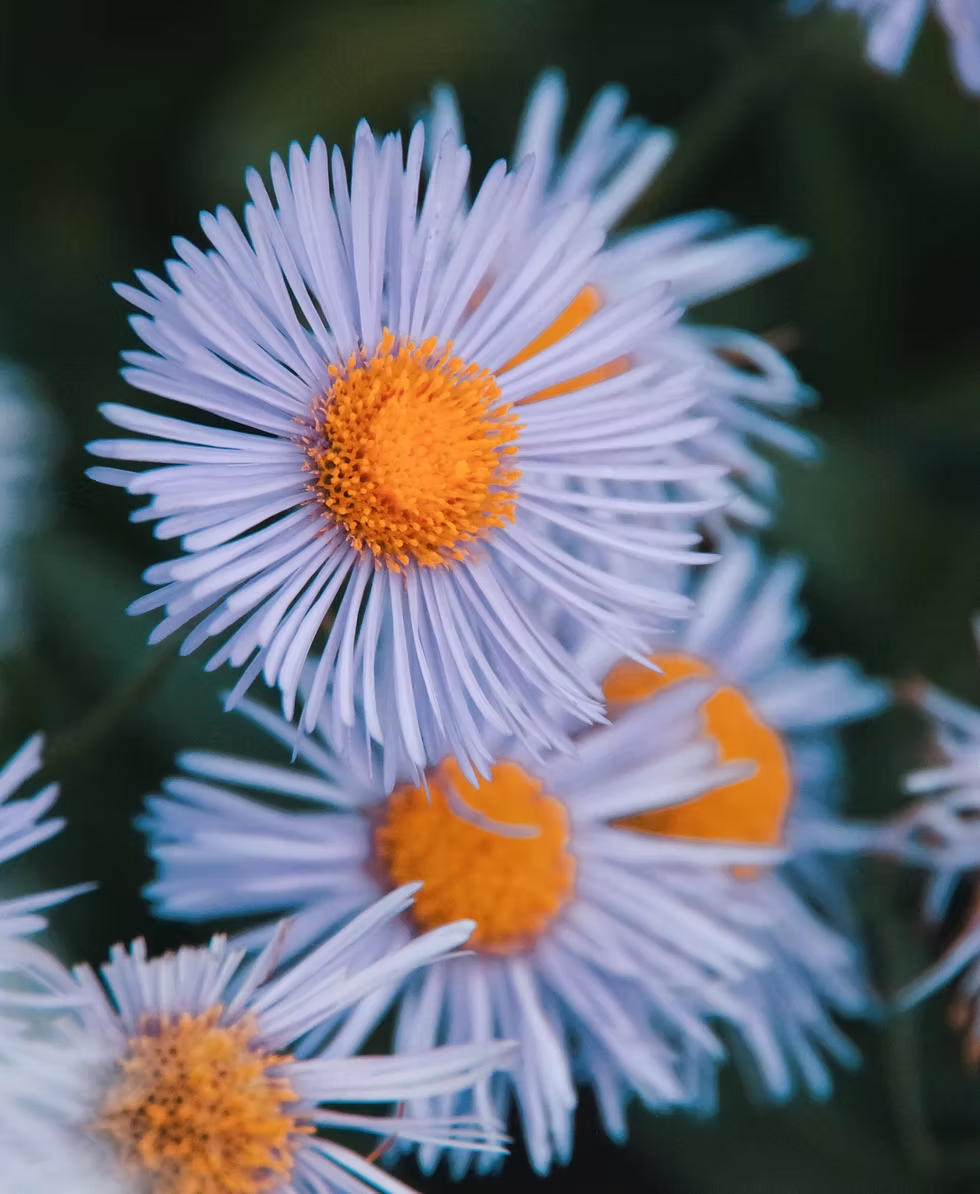
(common name: Wild Aster; Local Ladakhi name: Nia-mentok) also grows just a few centimeters tall above the soil surface to prevent from cold. Also it has its leaves growing in a rosette form, which is another adaptation to prevent from cold stress.
Photo: Sam Diederichs
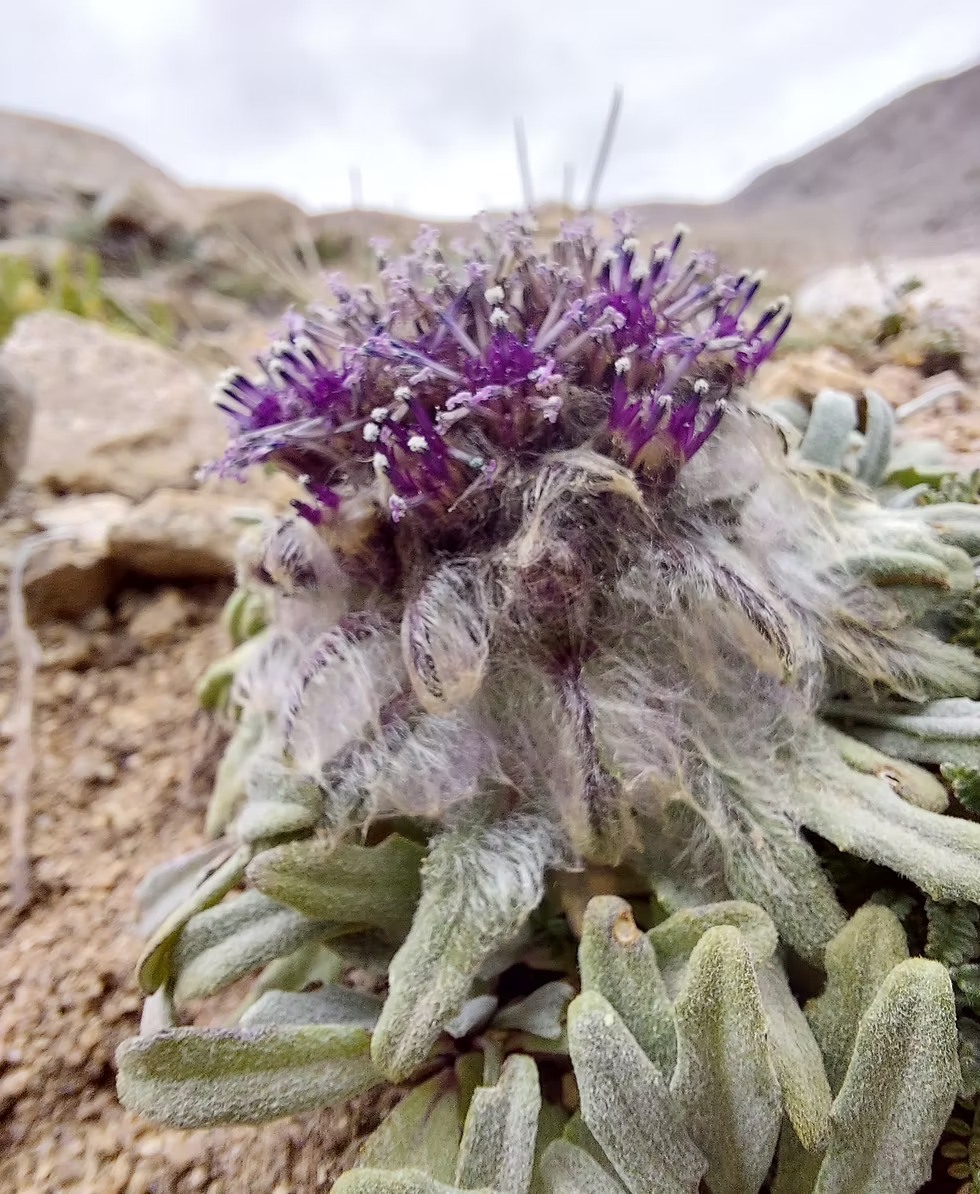
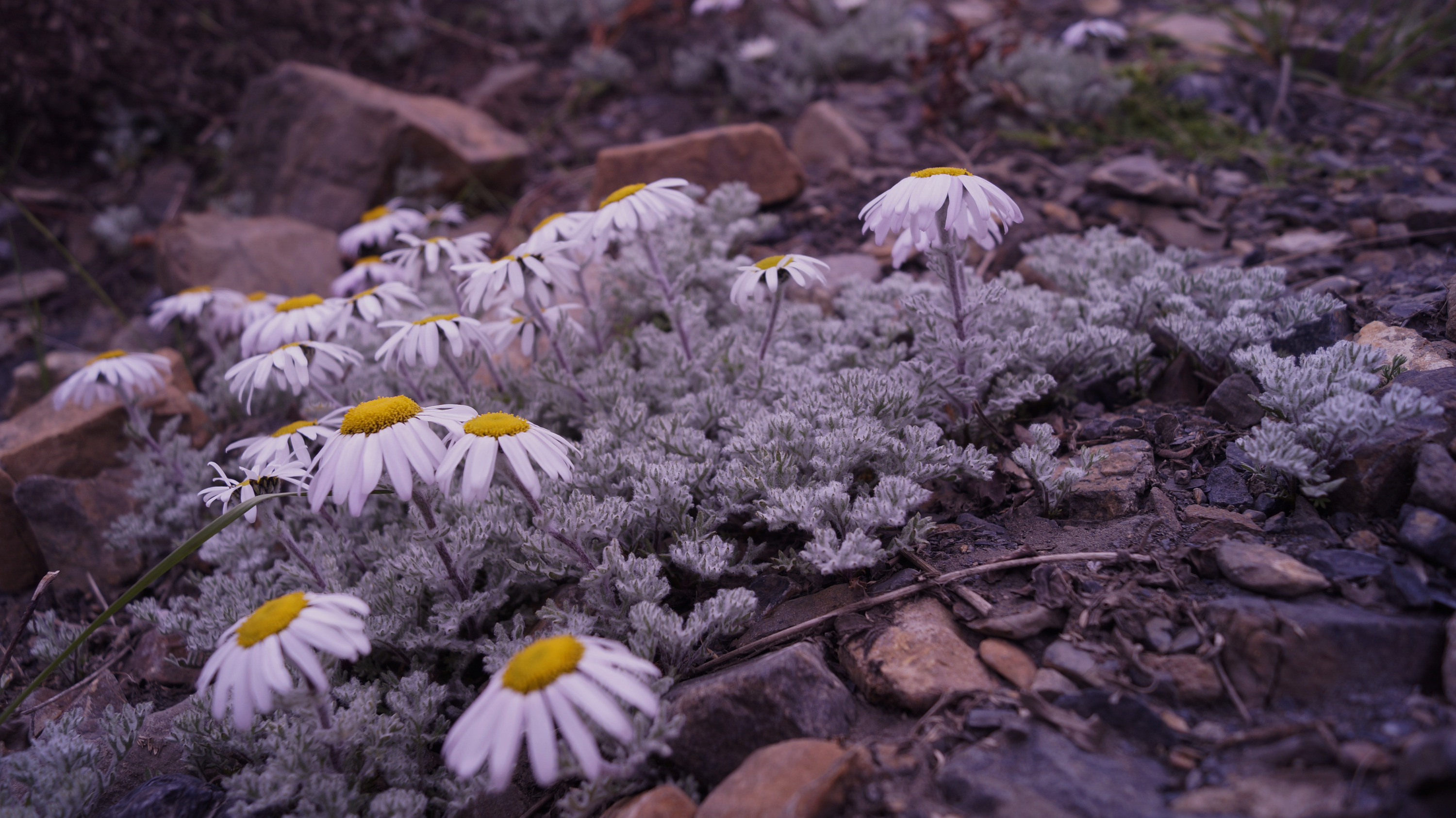
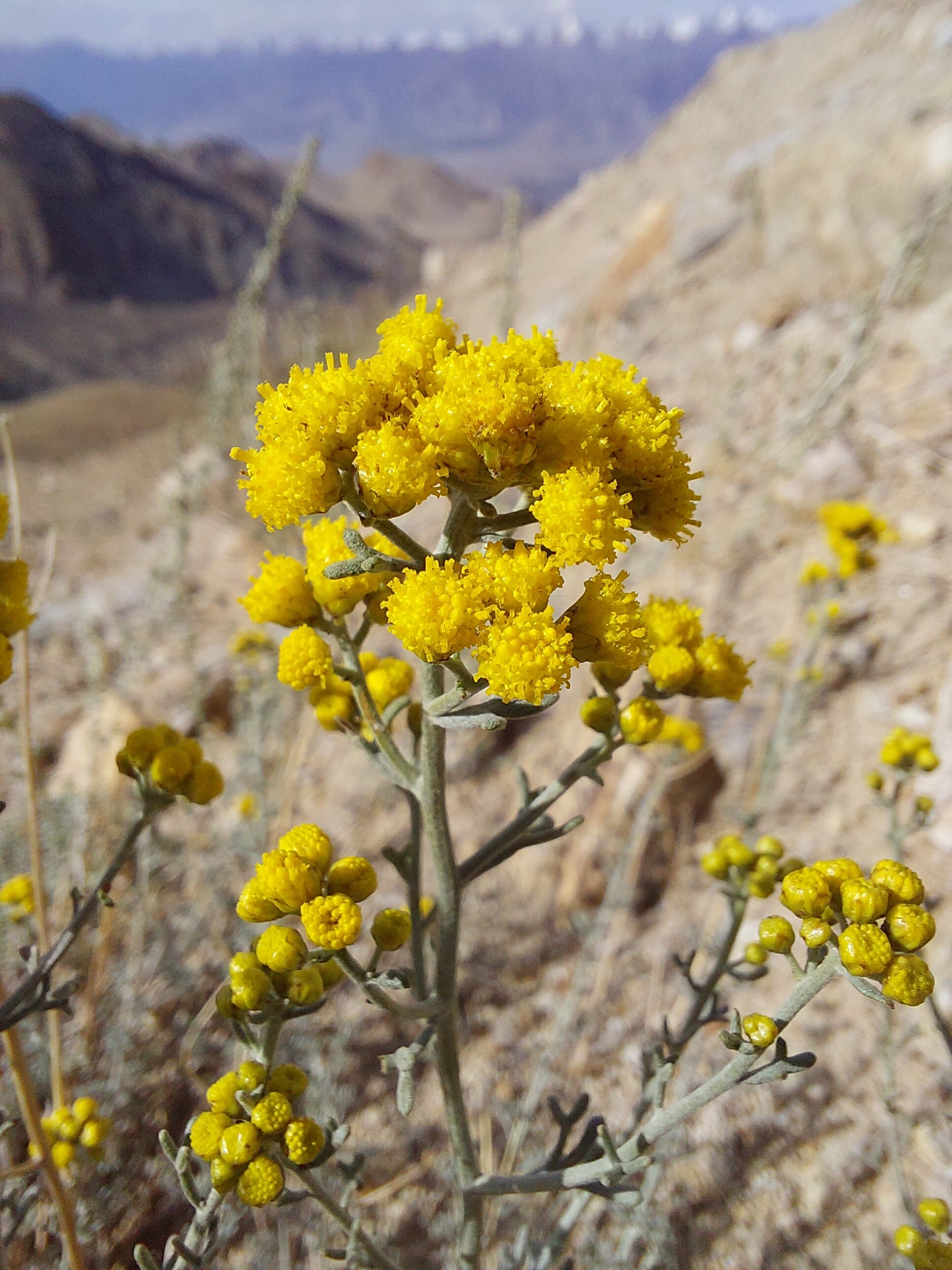
(Common name: Cudweed Saw-Wort; Local Ladakhi name: Yuliang) have hair-like structures on its leaves and flowers, which is an adaptation to prevent from high solar radiations (Ultaviolet rays)
Photo by Thinles Chondol
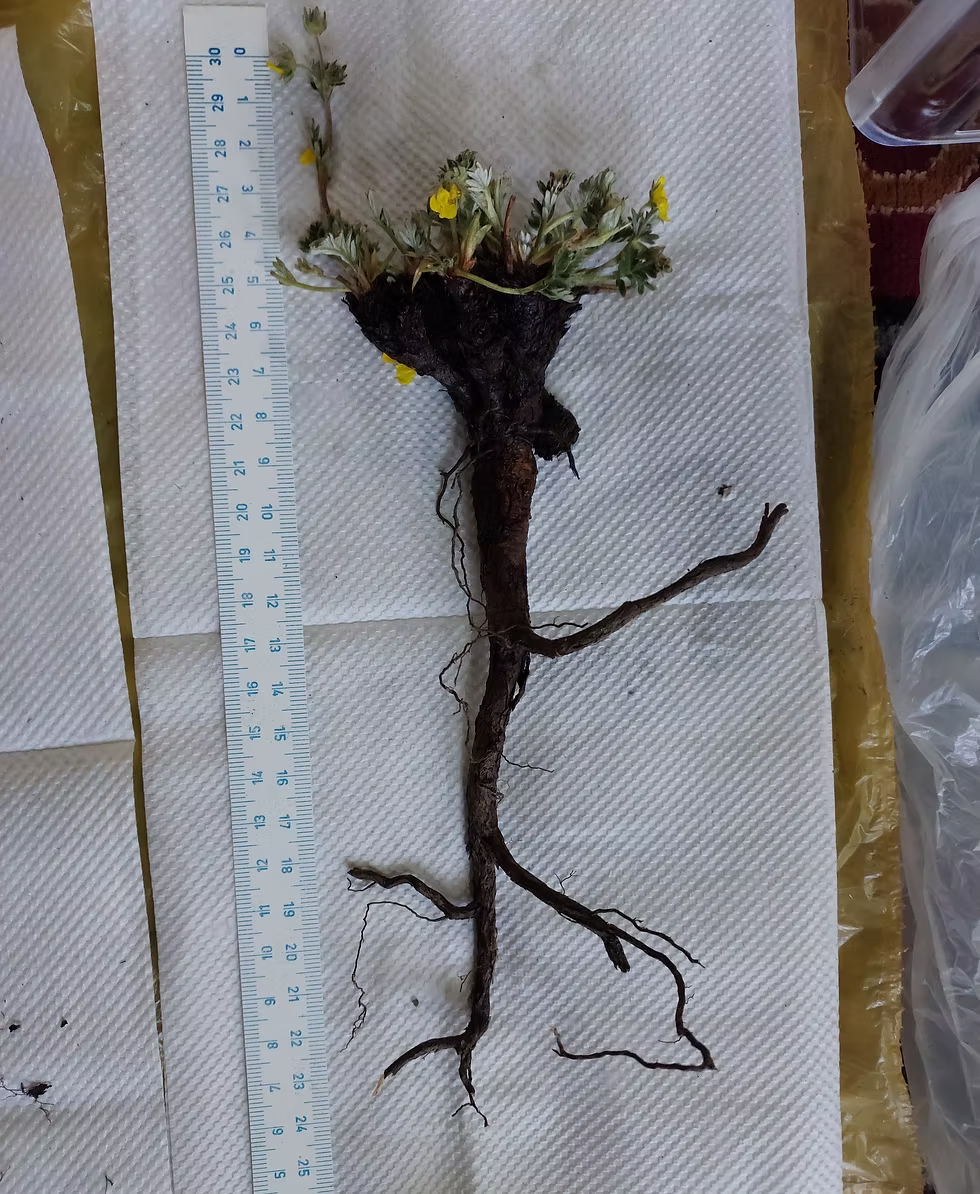
It shows vast belowground roots compared to its aboveground growth. Photo: Thinles Chondol
(Common name: Cudweed Saw-Wort; Local Ladakhi name: Yuliang) have hair-like structures on its leaves and flowers, which is an adaptation to prevent from high solar radiations (Ultaviolet rays)
Photo: Thinles Chondol
Some examples of typical plants from different habitats of Ladakh
Plants have a very small part of their structure – the stems, leaves, and flowers – exposed above ground. The relatively larger structures – mainly roots and root hairs grow below the ground. Some plants have rhizomes: a rootlike, thick and usually horizontal underground that produces shoots above and roots below. The deep root system protects them from wind stress by providing anchorage, food storage, and water absorption.
These plants have a specialised architecture with a well-developed belowground system, where they store carbohydrates that help them survive long winters until the next growing season. The small aboveground shoot system helps them tolerate extreme cold. They even develop unique freeze tolerance by moving the water in their cells to the intercellular spaces. These plants tend to replace their organs in extreme conditions and keep their meristematic tissue, which is responsible for plant growth, near the soil surface so that growth can begin when the conditions become favourable again. This is because growing season at these high elevations usually span for only a few months, in which these plants must complete various annual processes such as growth, flowering, reproduction, and so on.

Annual secondary growth rings in roots help study growth and determine the age of herbaceous plants. In years with unfavourable conditions this growth is affected leading to narrow rings, while in a growing season with favourable conditions rings growth is wider. This field of study is called herbchronology.
Due to the short growth season, they have slow metabolism, hence most plants here live for more than 2 years. They are very resource efficient and invest less energy in reproductive growth but more in vegetative growth. Many of these plants reproduce clonally, rather than investing in flowering and seed production.
Moreover, there are various other characteristics particular to the alpine plants that help them survive in harsh climatic conditions. These include variable photosynthesis rate, which is usually lowest in the early growing season and highest in the mid growing season. Plants in alpine zones also are hairy, usually with flowers surrounded with bracts. These hairs appear silver-grey or white appearance on the plant (Saussurea gnaphalodes – Common name: Cudweed Saw-Wort; Local name: Yuliang as shown in Box 4), that helps in reflecting the solar radiation, thus reducing the impact of hard sun rays and thermal security.
The Himalayan ecosystem is dynamic and the impact of climatic fluctuations due to global and local change is visible. These are being seen in terms of rising unpredictability in summer and winter precipitation, as well as changing minimum and maximum temperatures. Changes in the natural system impacts plants as their habitats shift or shrink. The growth rate of alpine plants is also impacted by climate fluctuations, which is seen in the form of annual secondary growth rings in their root collar, like we see rings in the woody species.
High Himalayan plants stand as awe-inspiring testaments to the resilience and adaptability of life in some of the most extreme environments on Earth. These unique floras have evolved over millennia to thrive in harsh alpine conditions, conquering freezing temperatures, thin air, and intense sunlight.