
Women and water: a Photostory
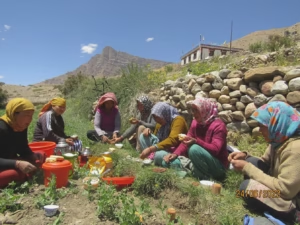
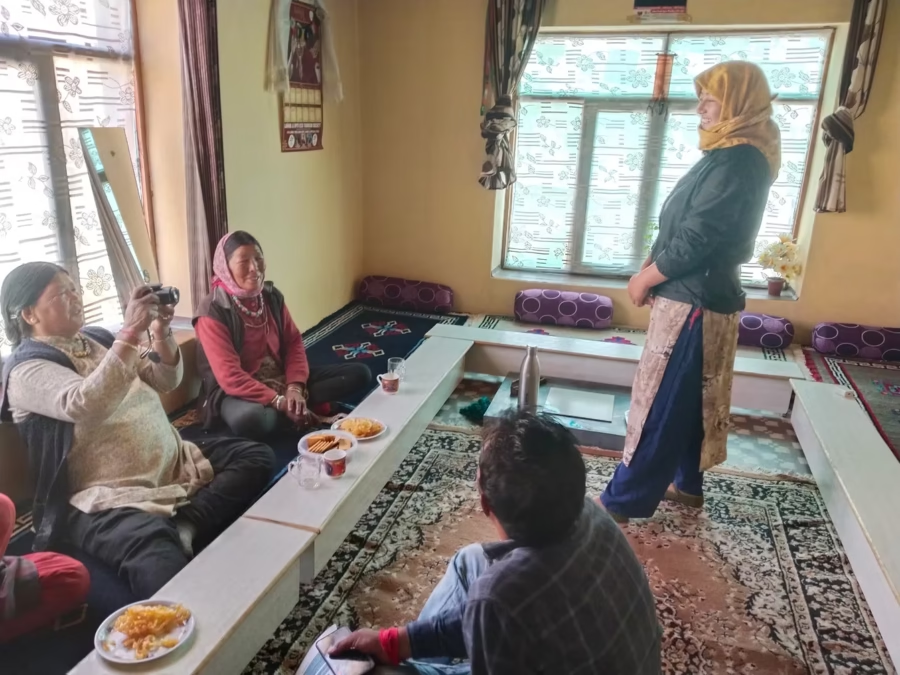
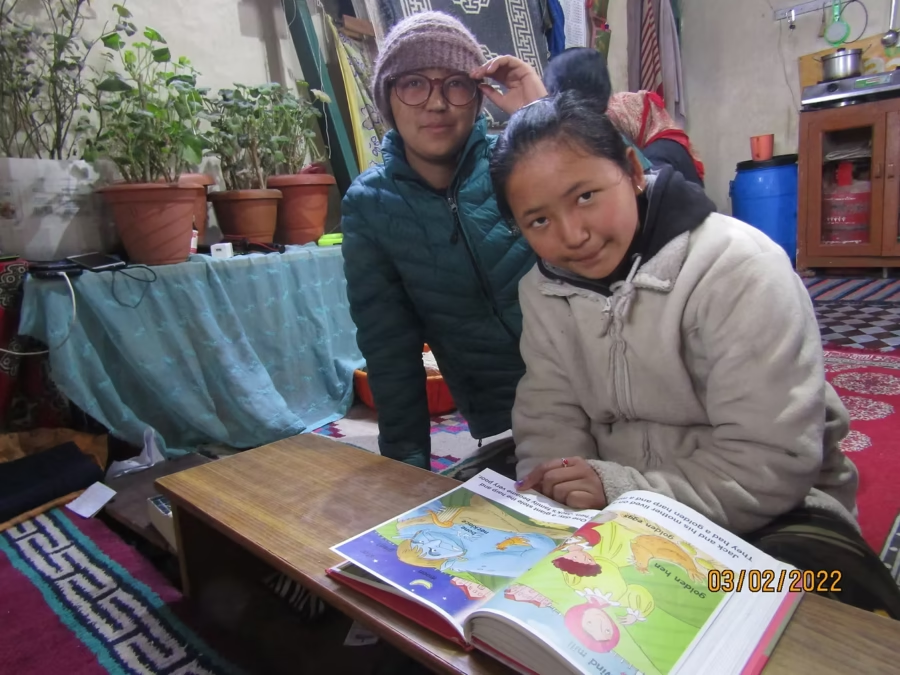
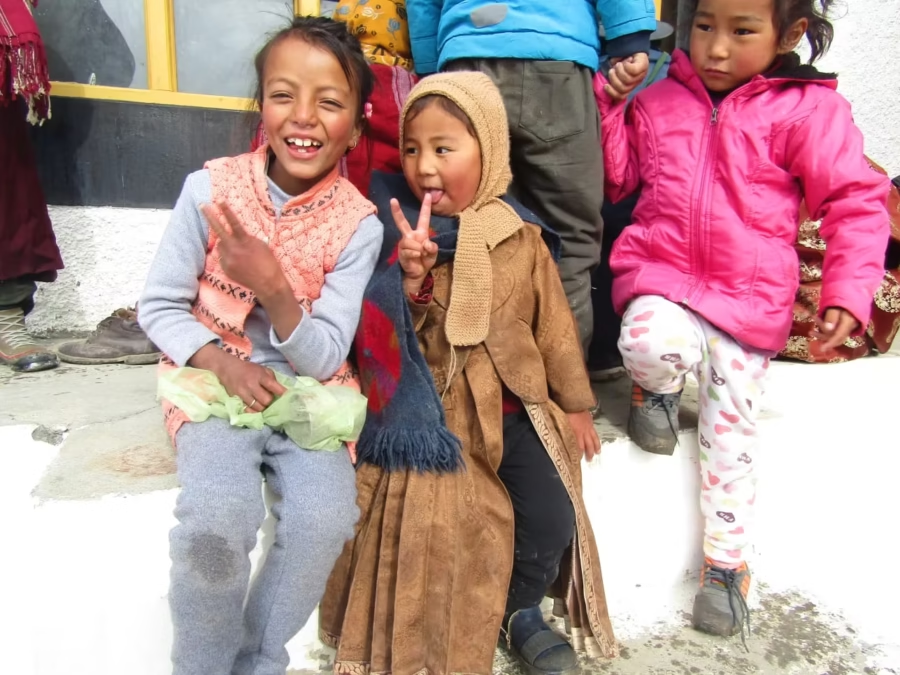
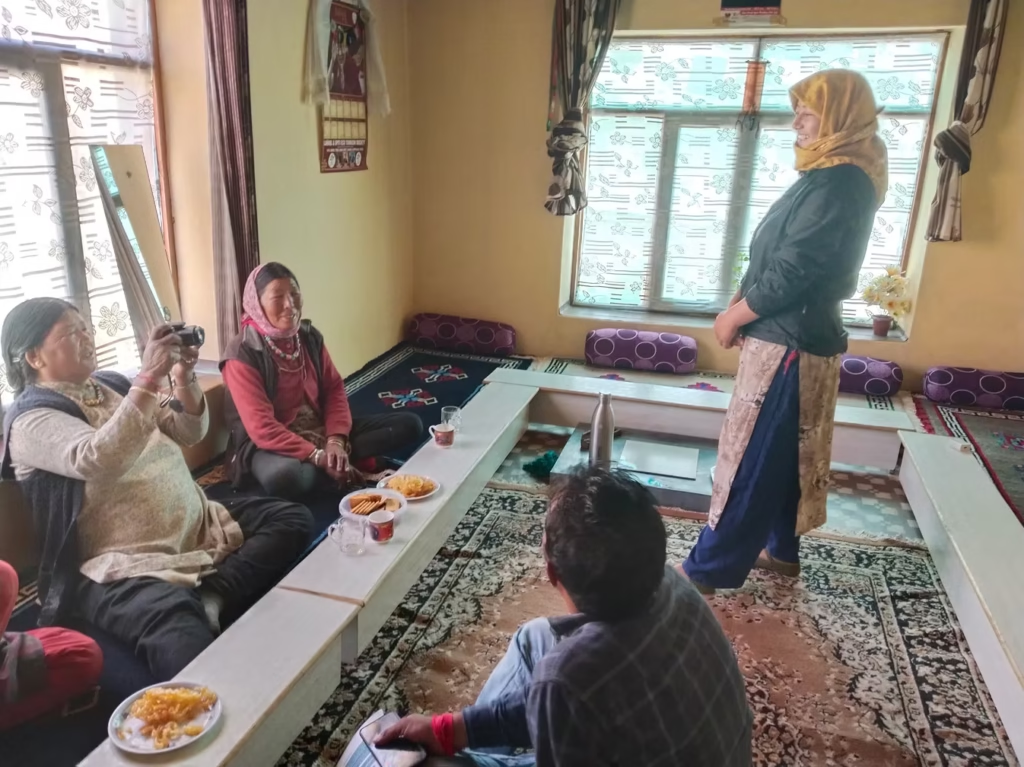
Last year, we did a photography workshop with women’s group in Shushuna village, Spiti Valley, who are primary caretakers and farmers in their households. After the session, we left them a camera and asked them to document their village life in addition to nurturing their photography skills. We returned a year later and they enthralled us with amazing pictures and great stories! Enjoy reading this one!
Kesang Dolker, Yangchen Dolma, Rigzen Youdon, Migmar Dolma, Panama Dikit, Tsering Yangzom, Prabha Devi, Choddon, Dikit Dolma, Yangchen
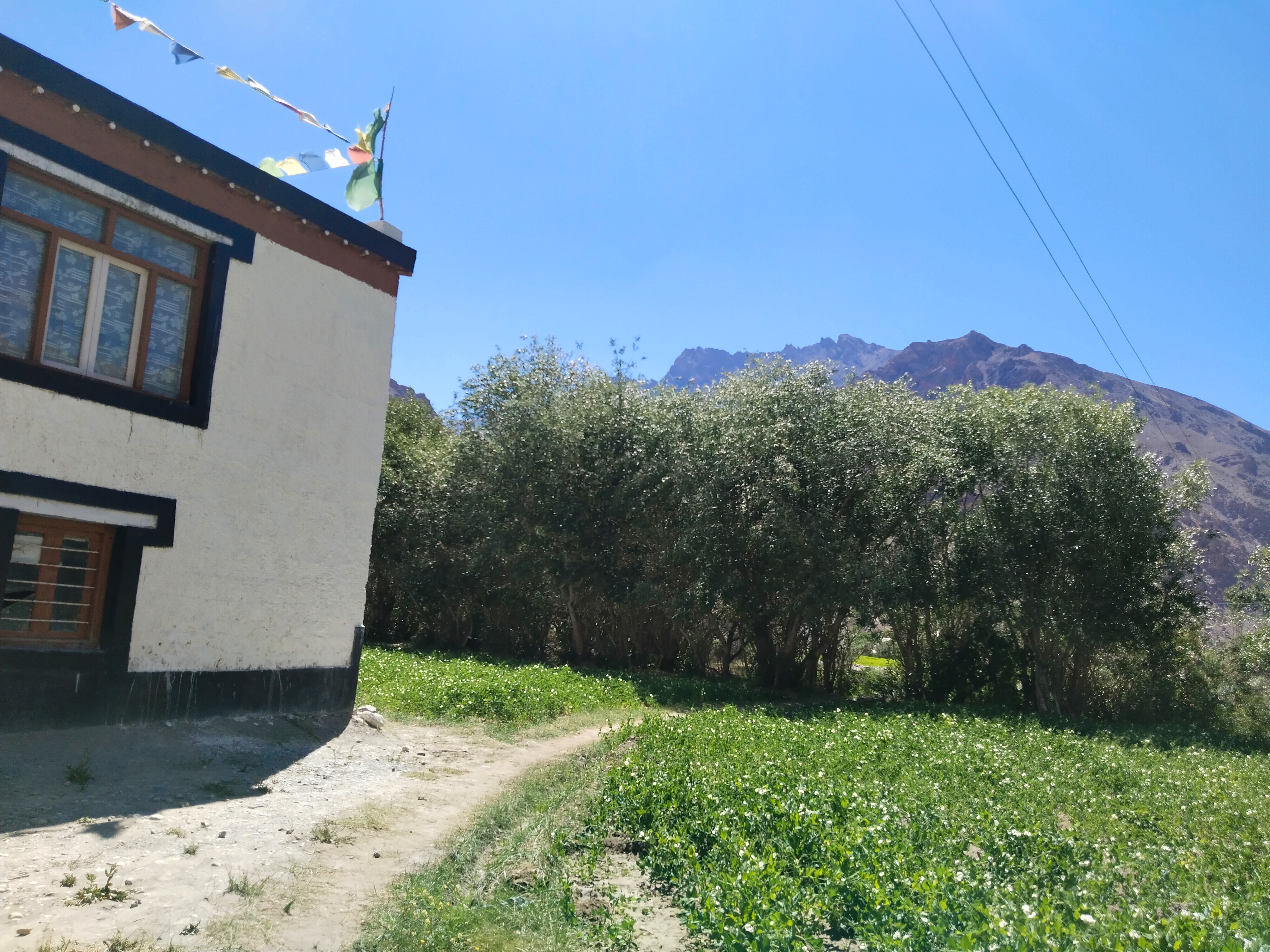
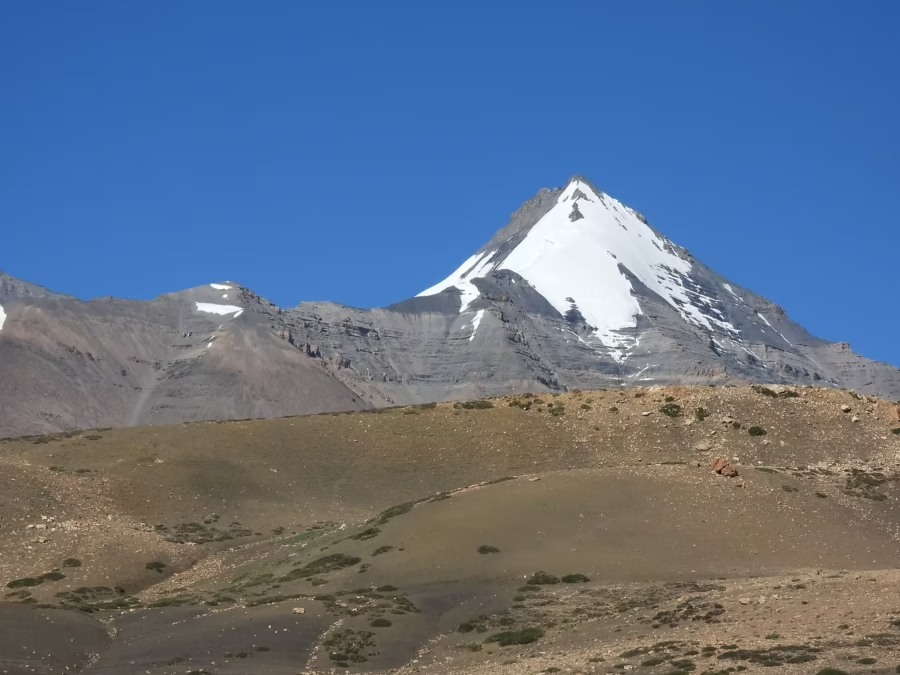
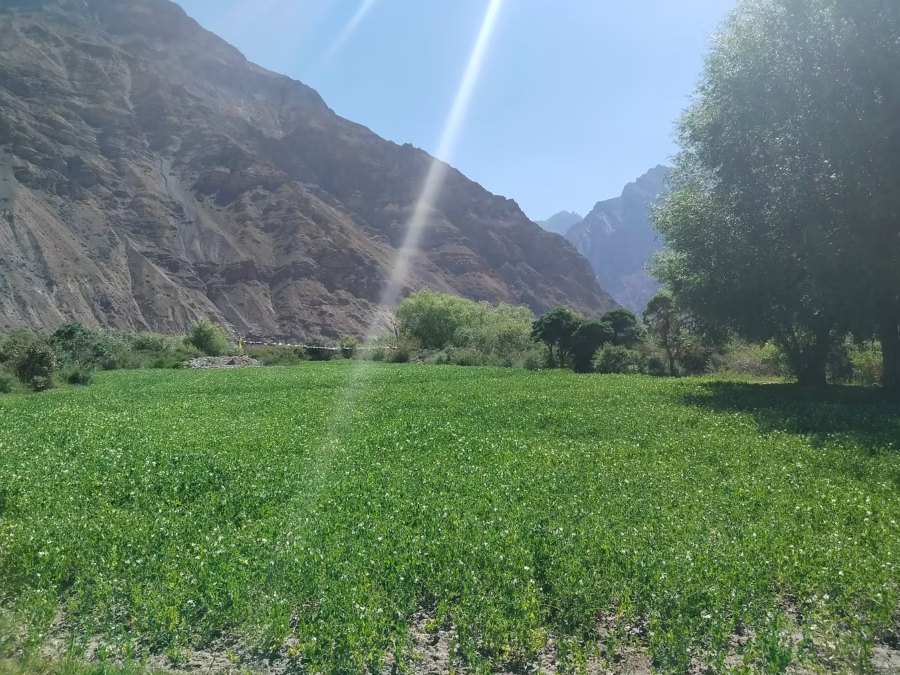
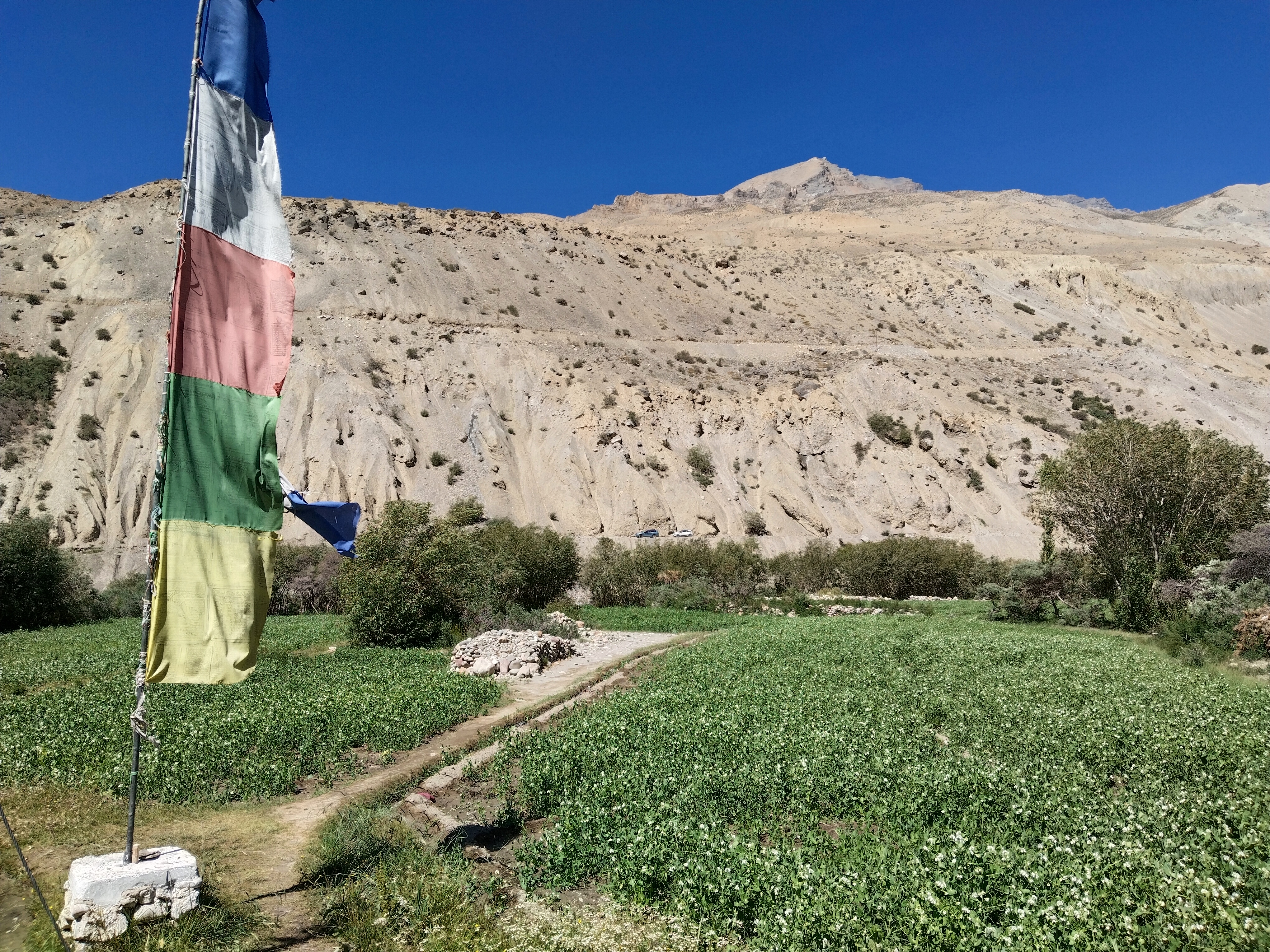
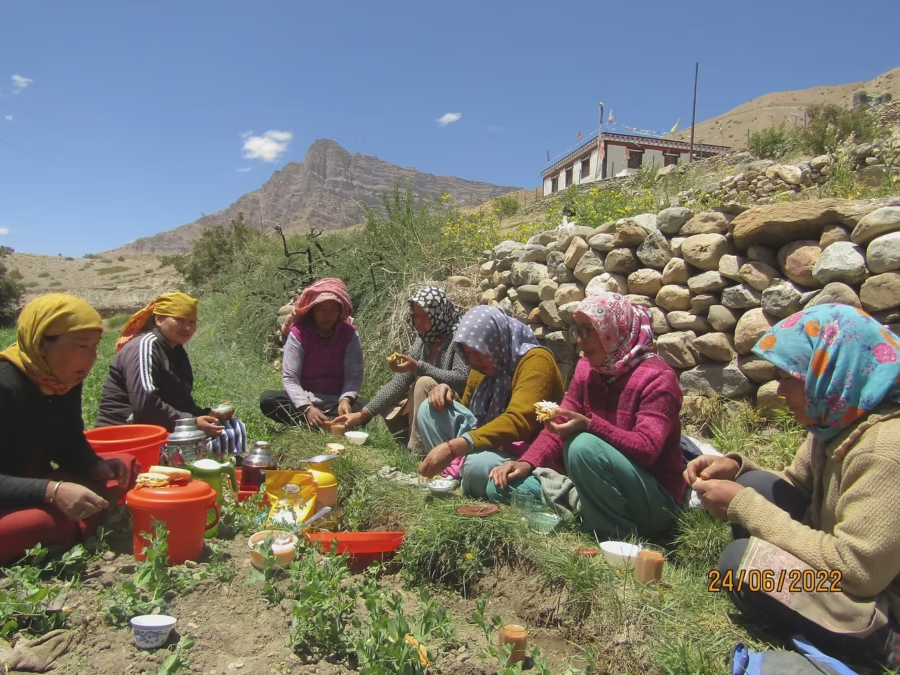
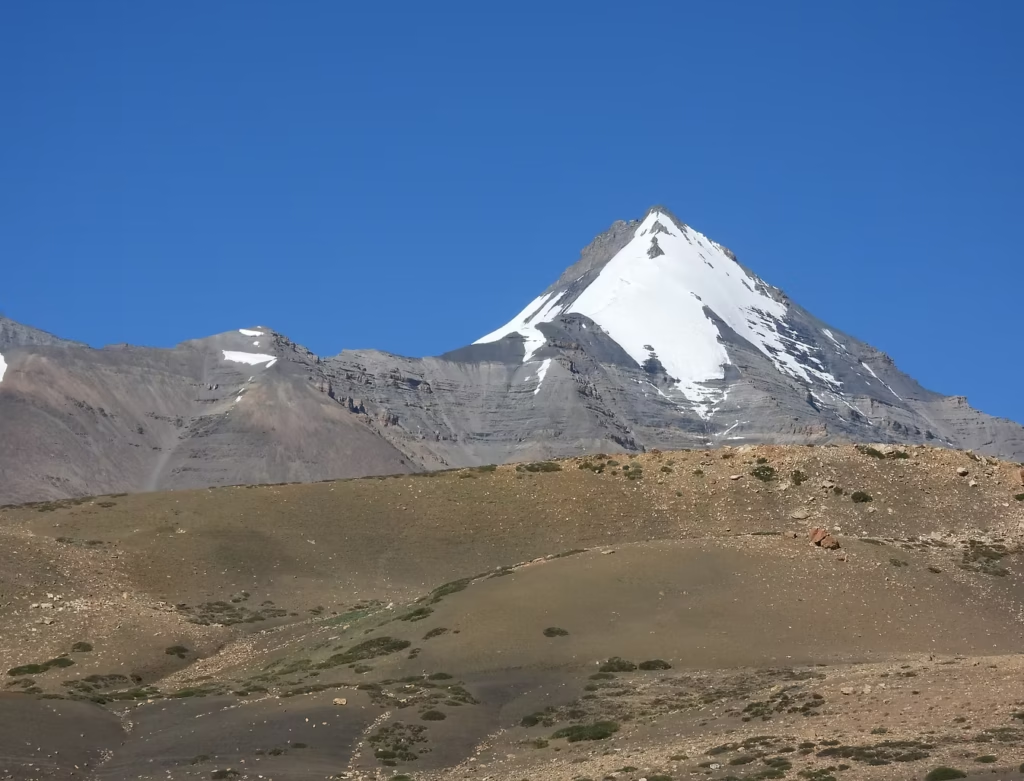
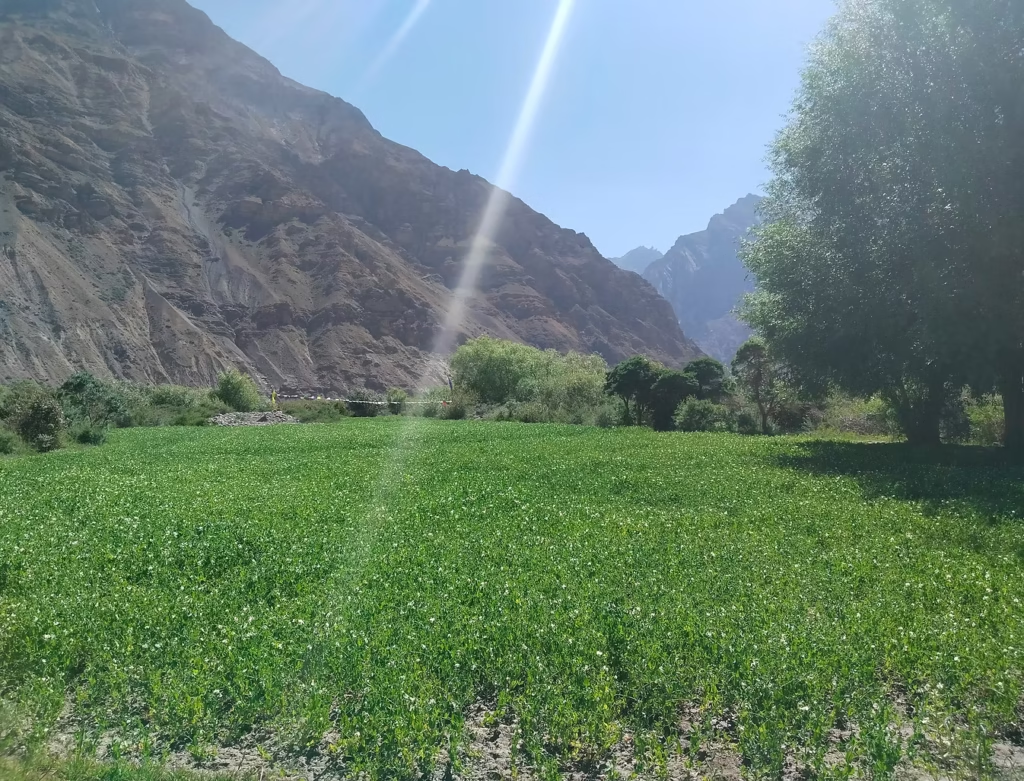
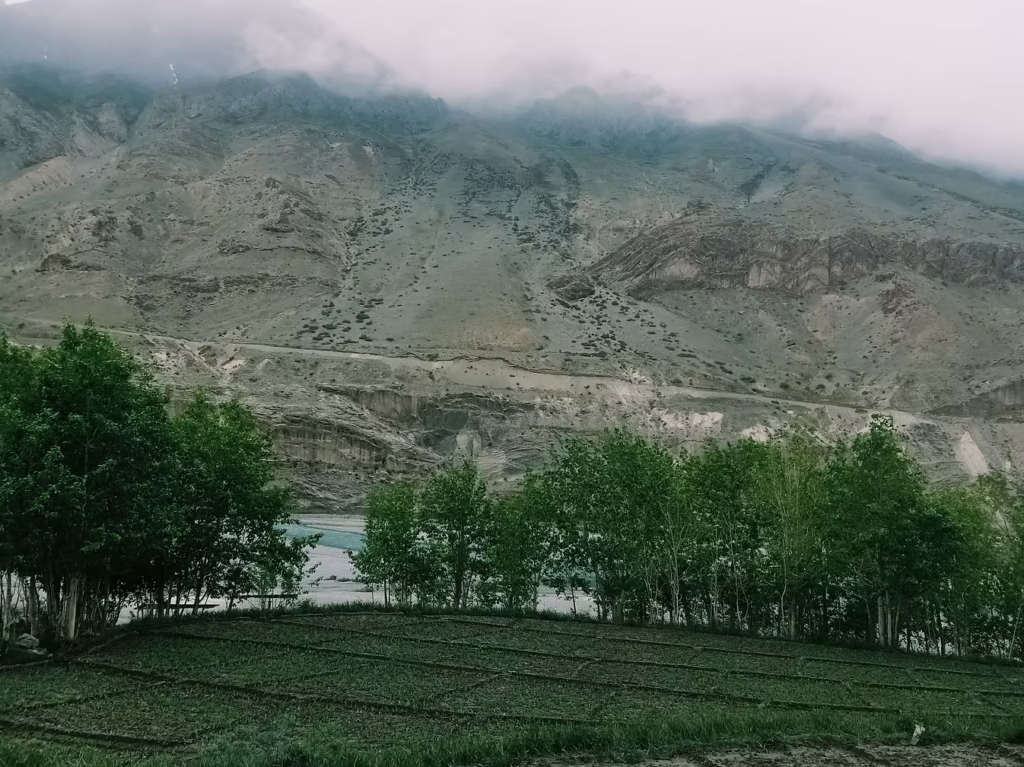
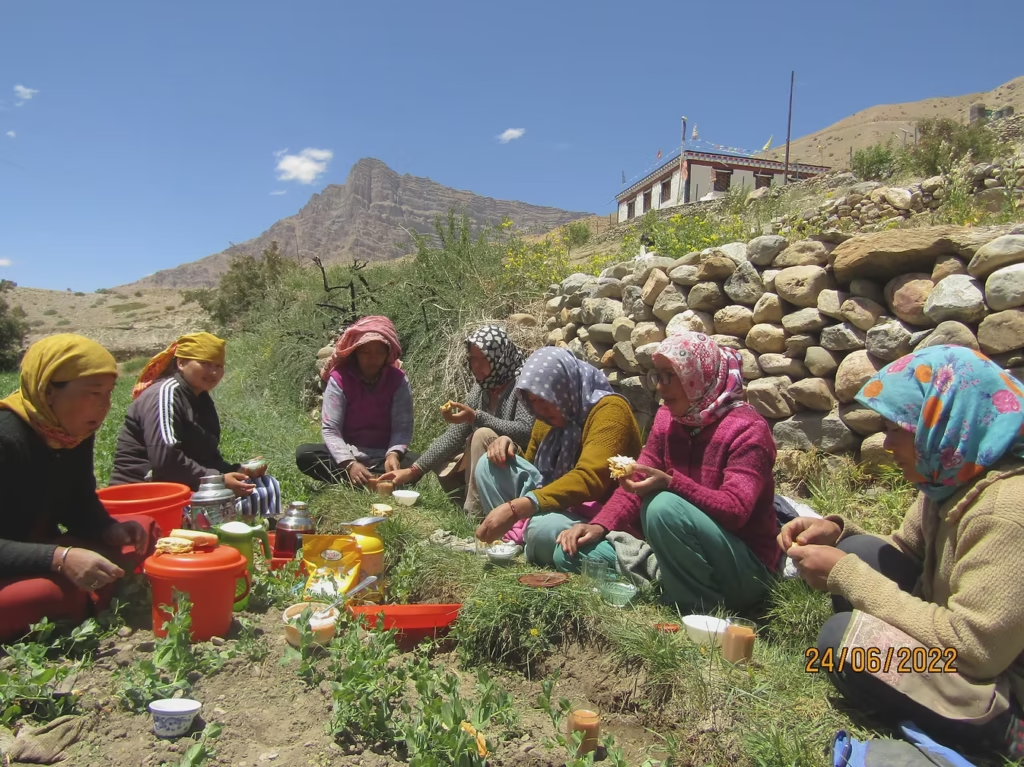
Shushuna is a quaint little hamlet in Spiti. Surrounded by high mountains, lush green fields and gushing rivulet that changes its hue from turquoise green to shades of grey.
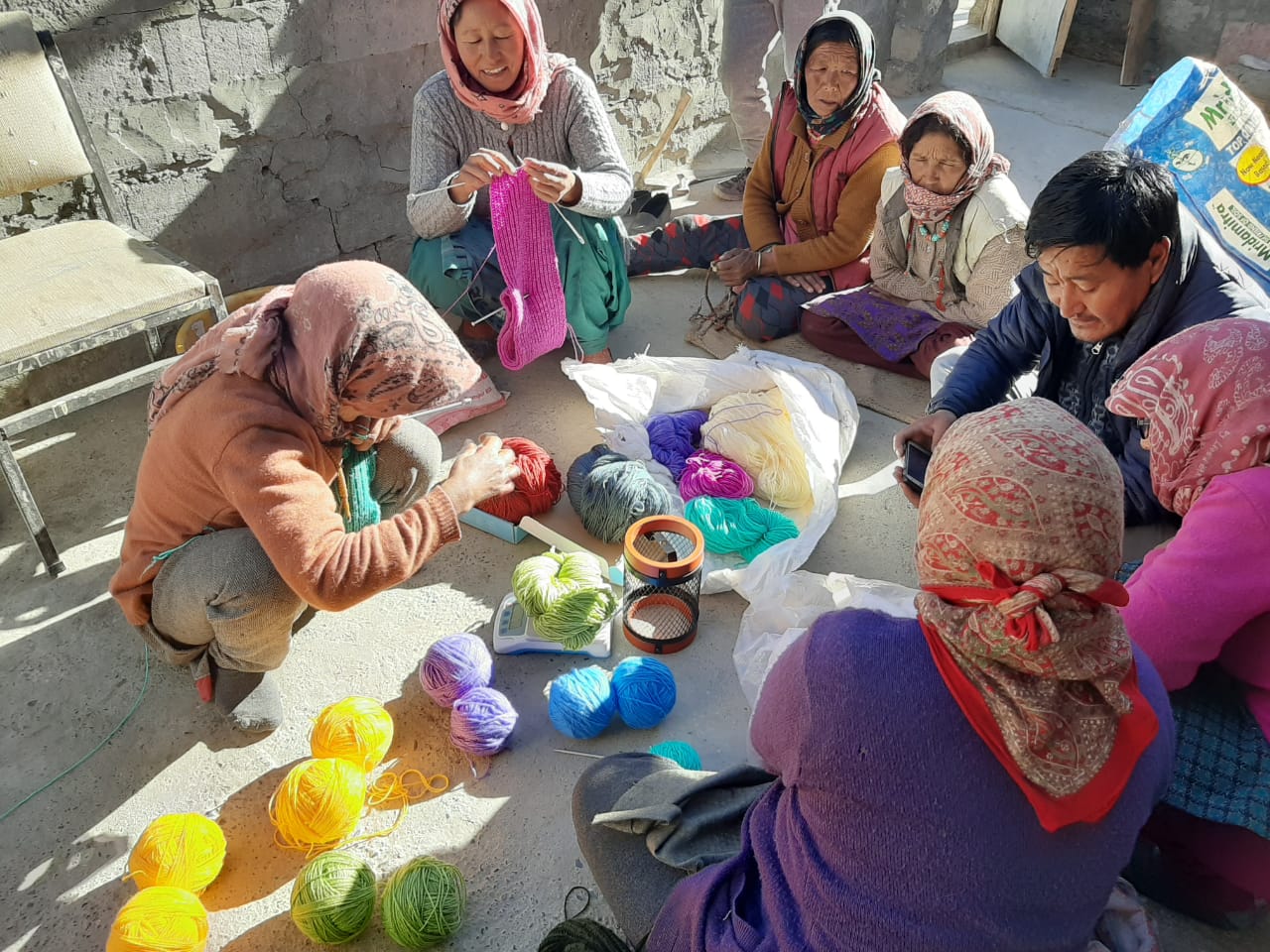
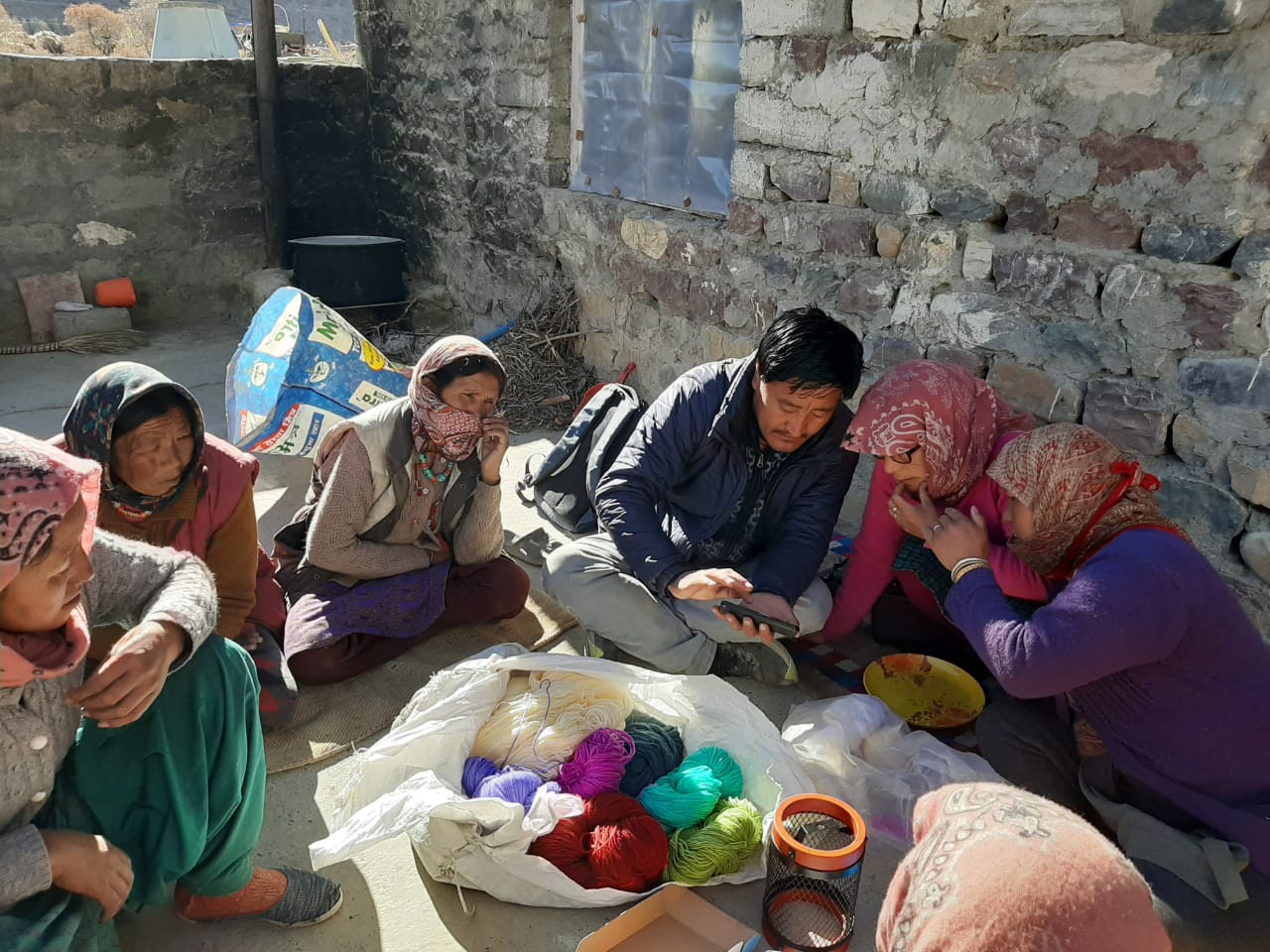
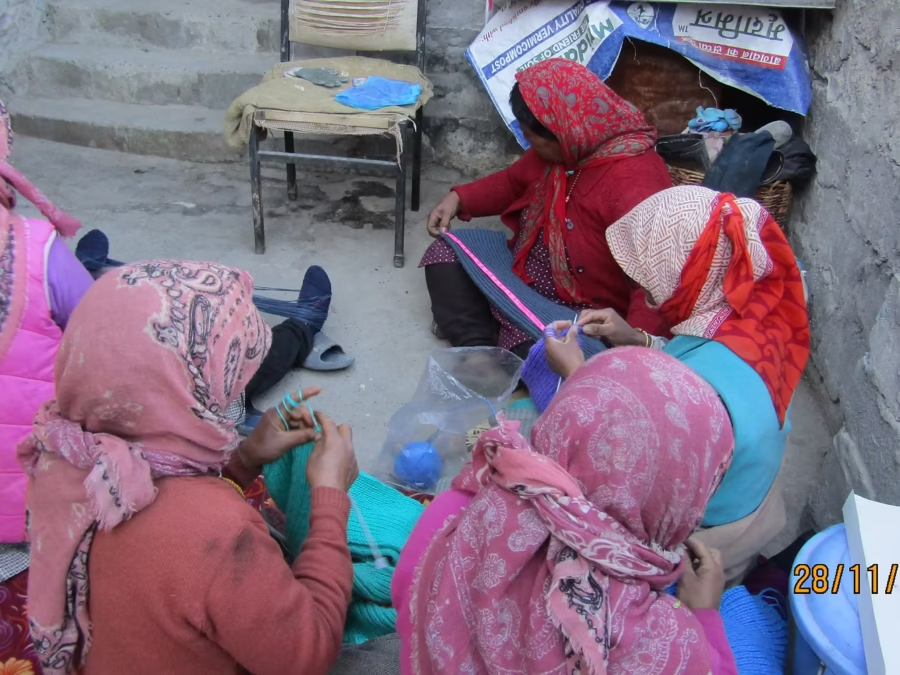
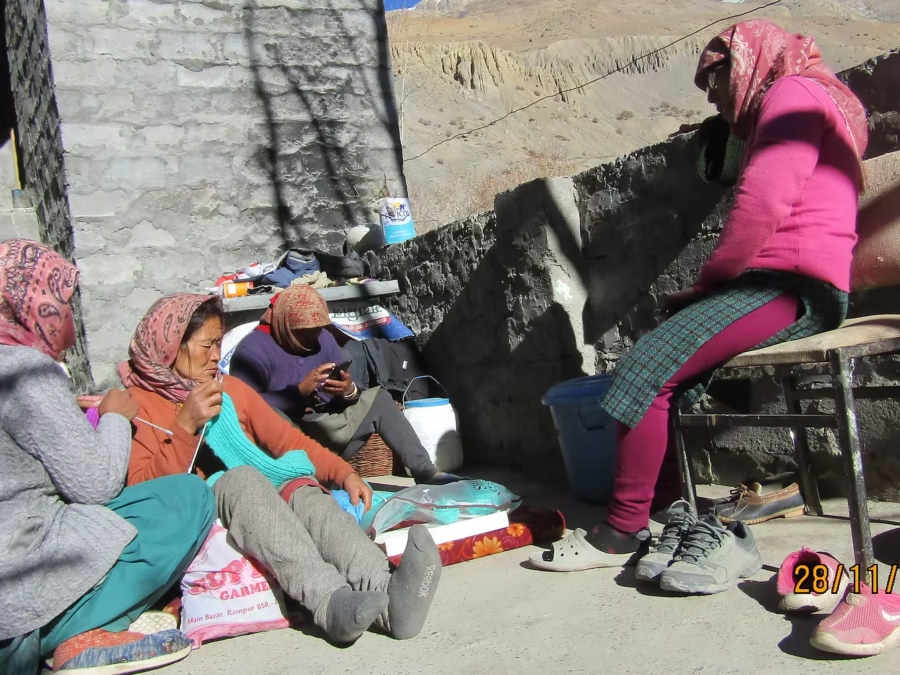
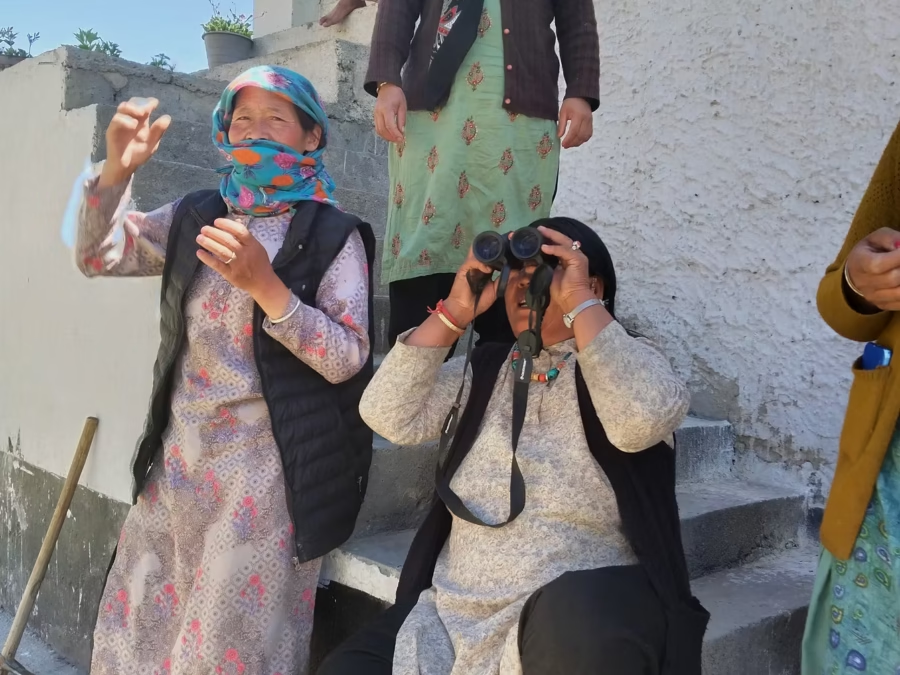
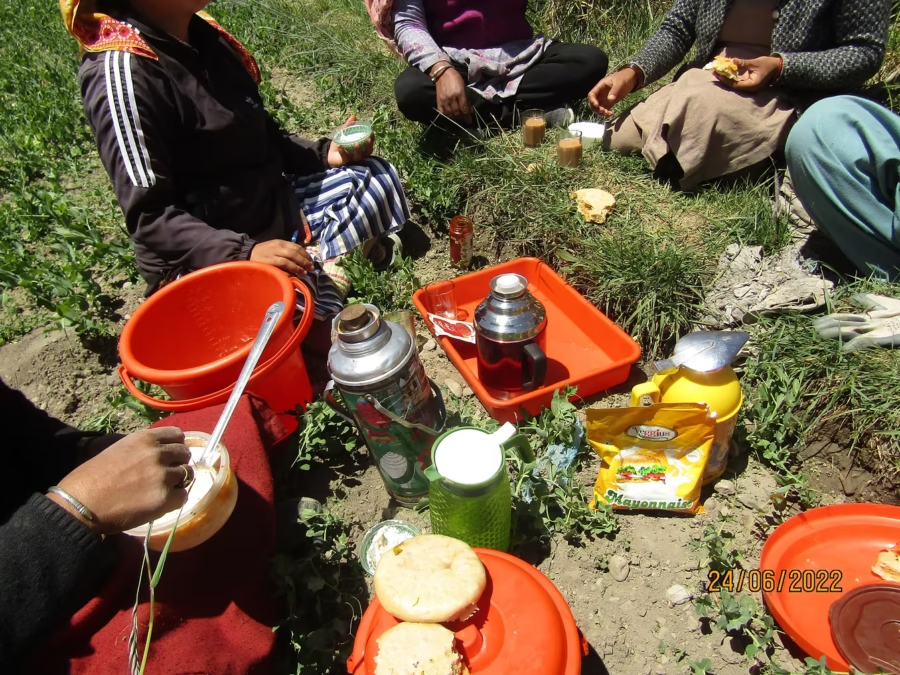
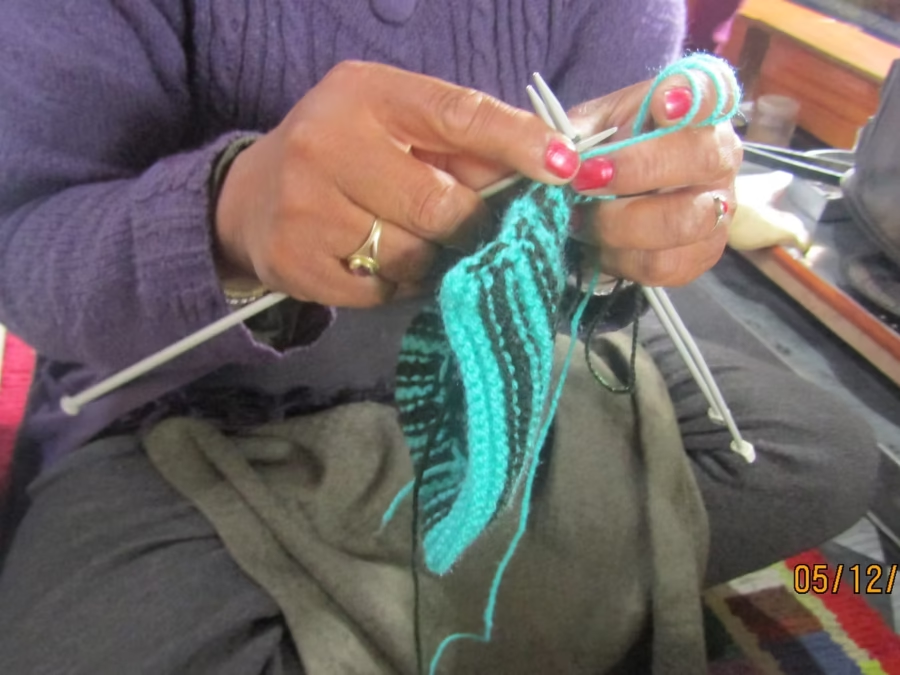
It is a bright sunny day in June and a group of women can be leisurely seen knitting sweaters, mufflers and socks for winter… an unusual sight during peak farming season in Spiti.
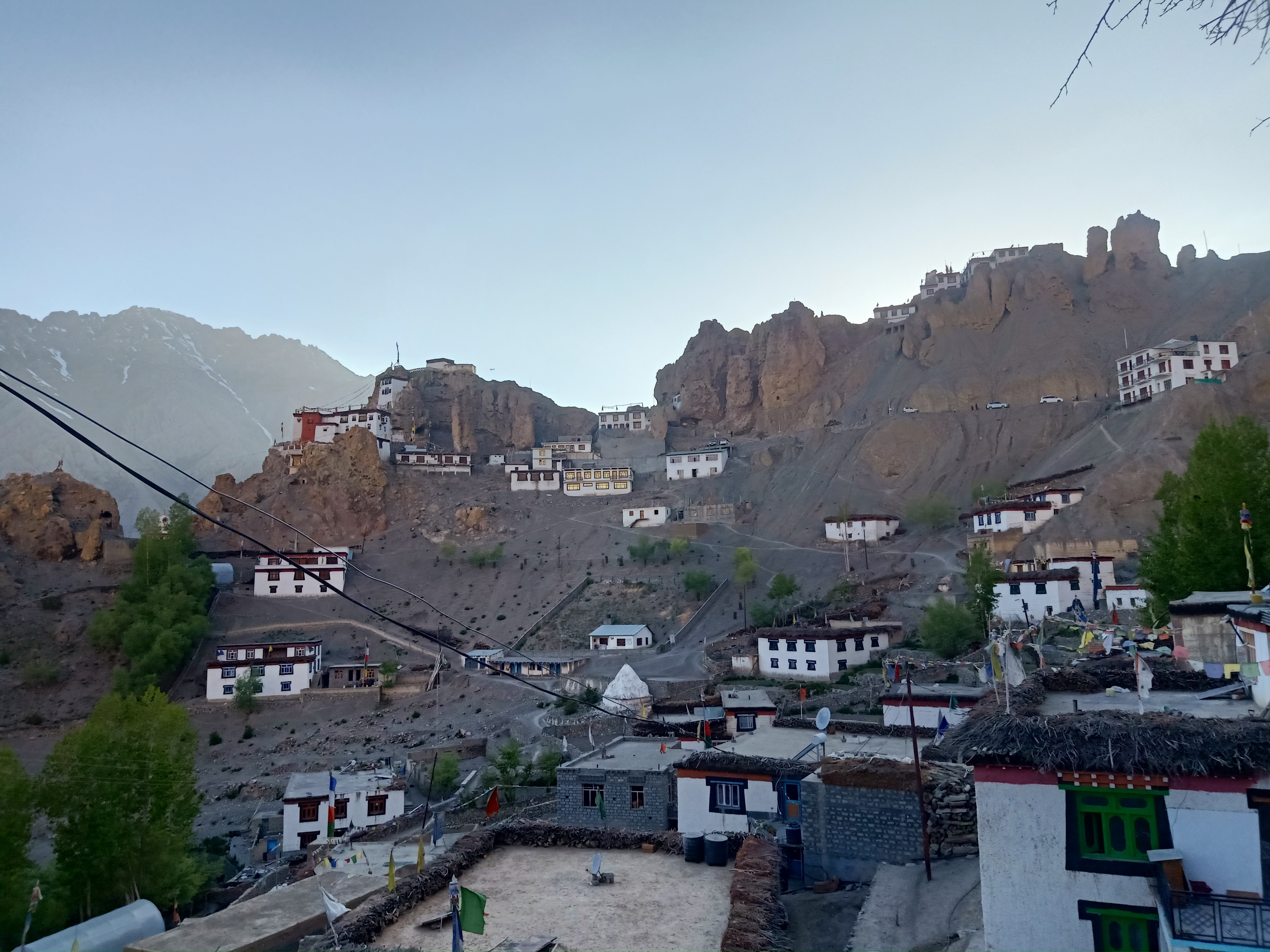
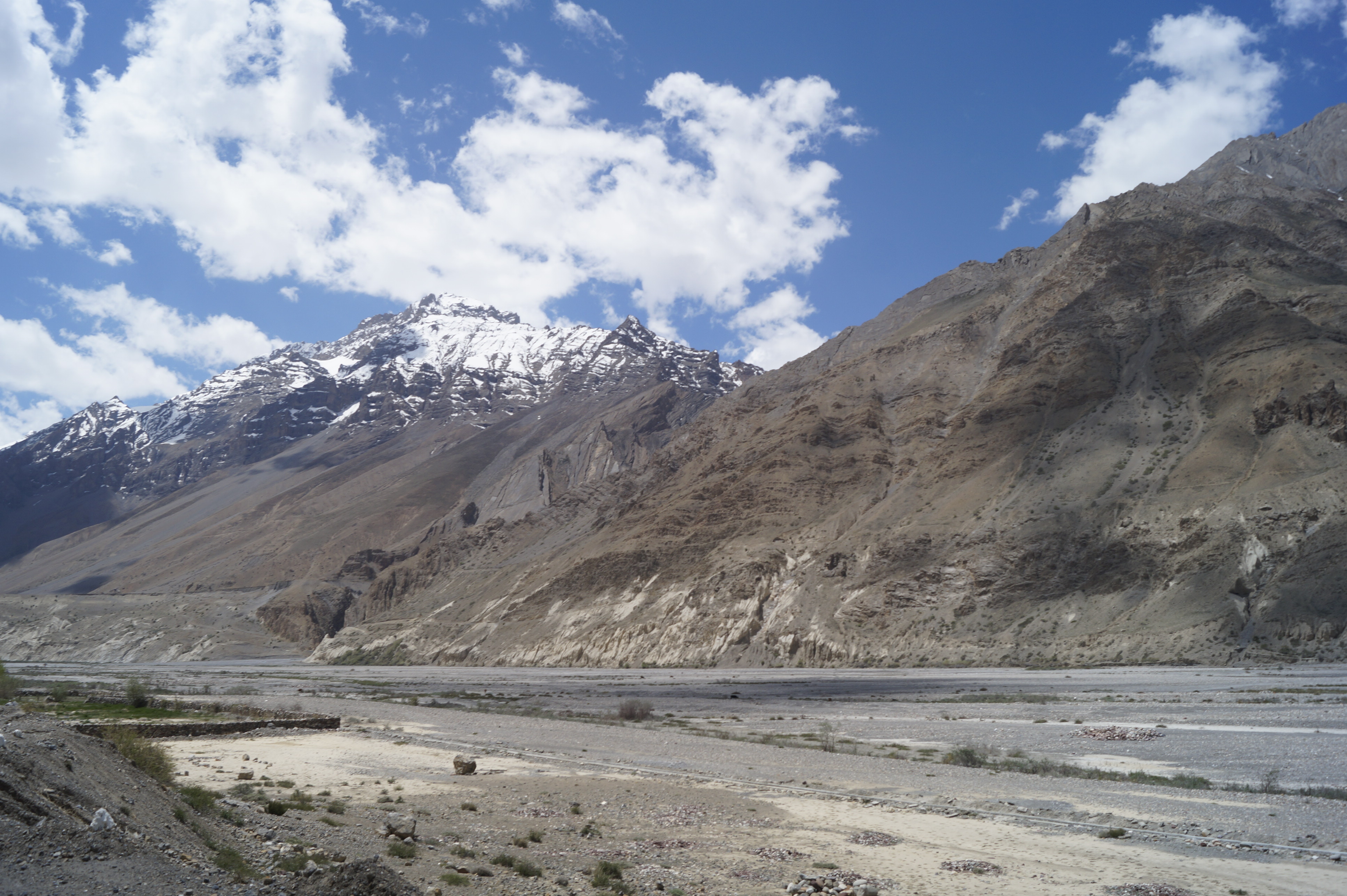
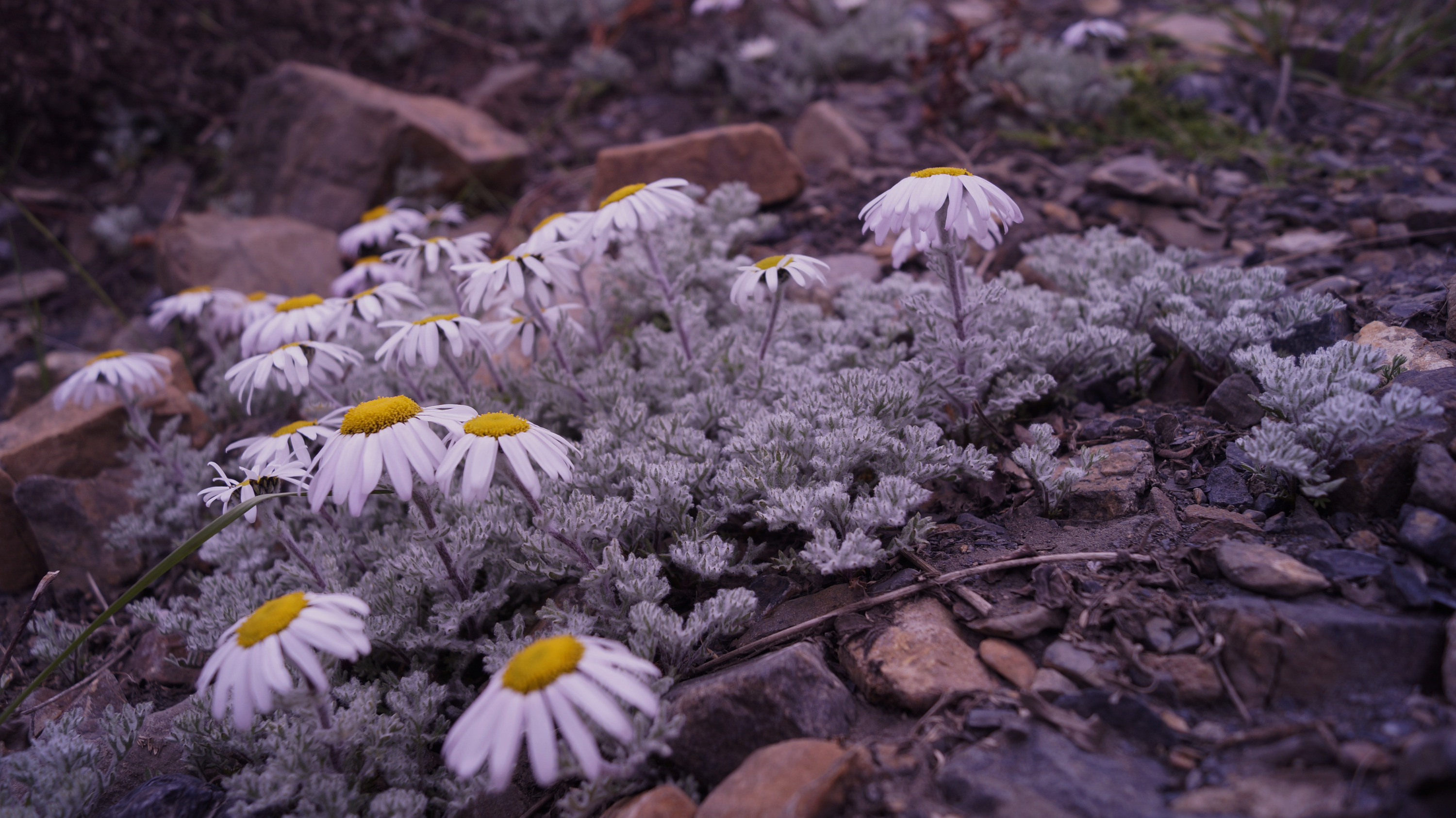
Spiti is a high Himalayan mountain desert with scanty rainfall and glacial melt water as the prime source for most villages. As such, water is sparse, the agricultural season and vegetation short, and lives vulnerable.
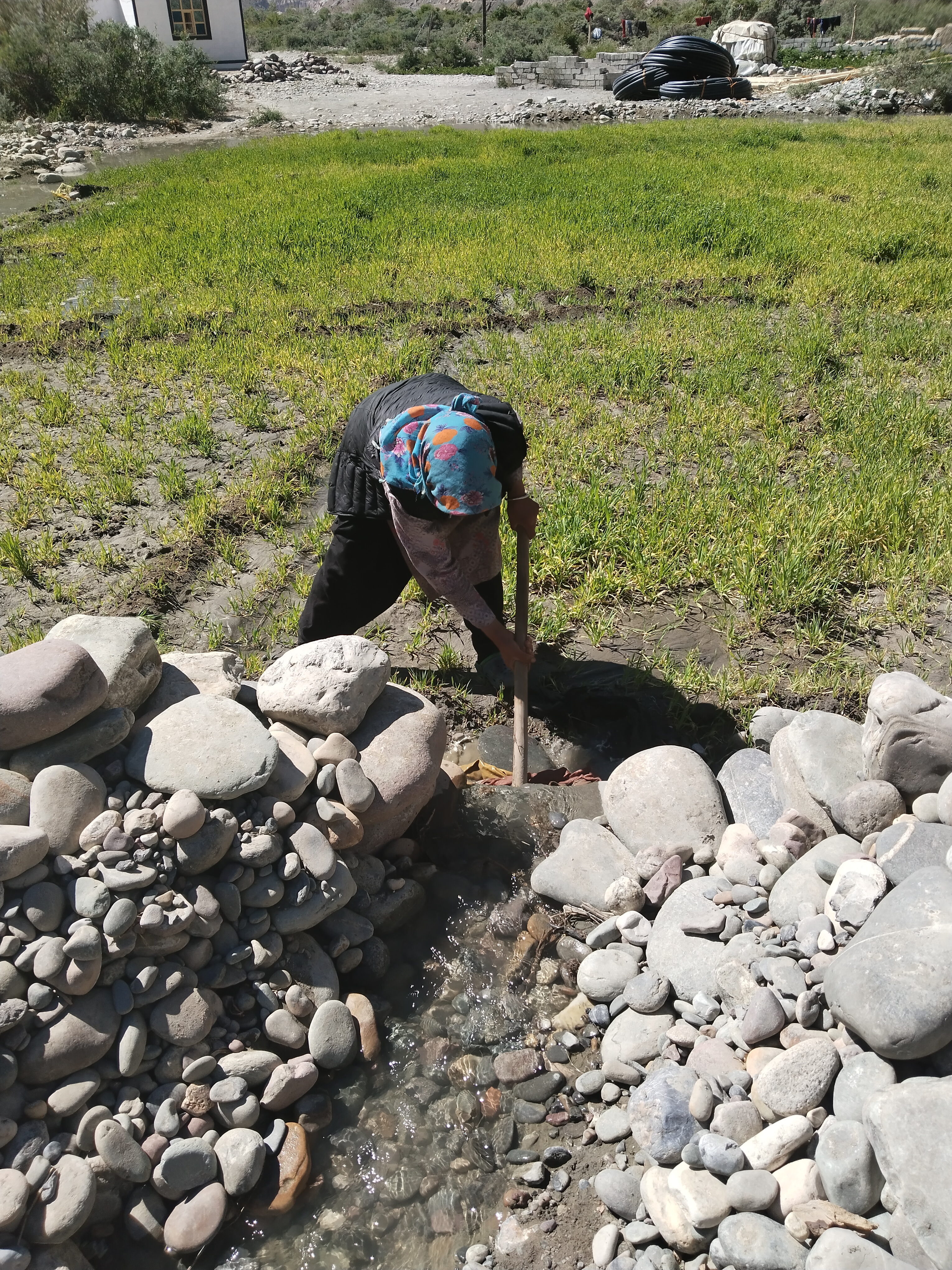
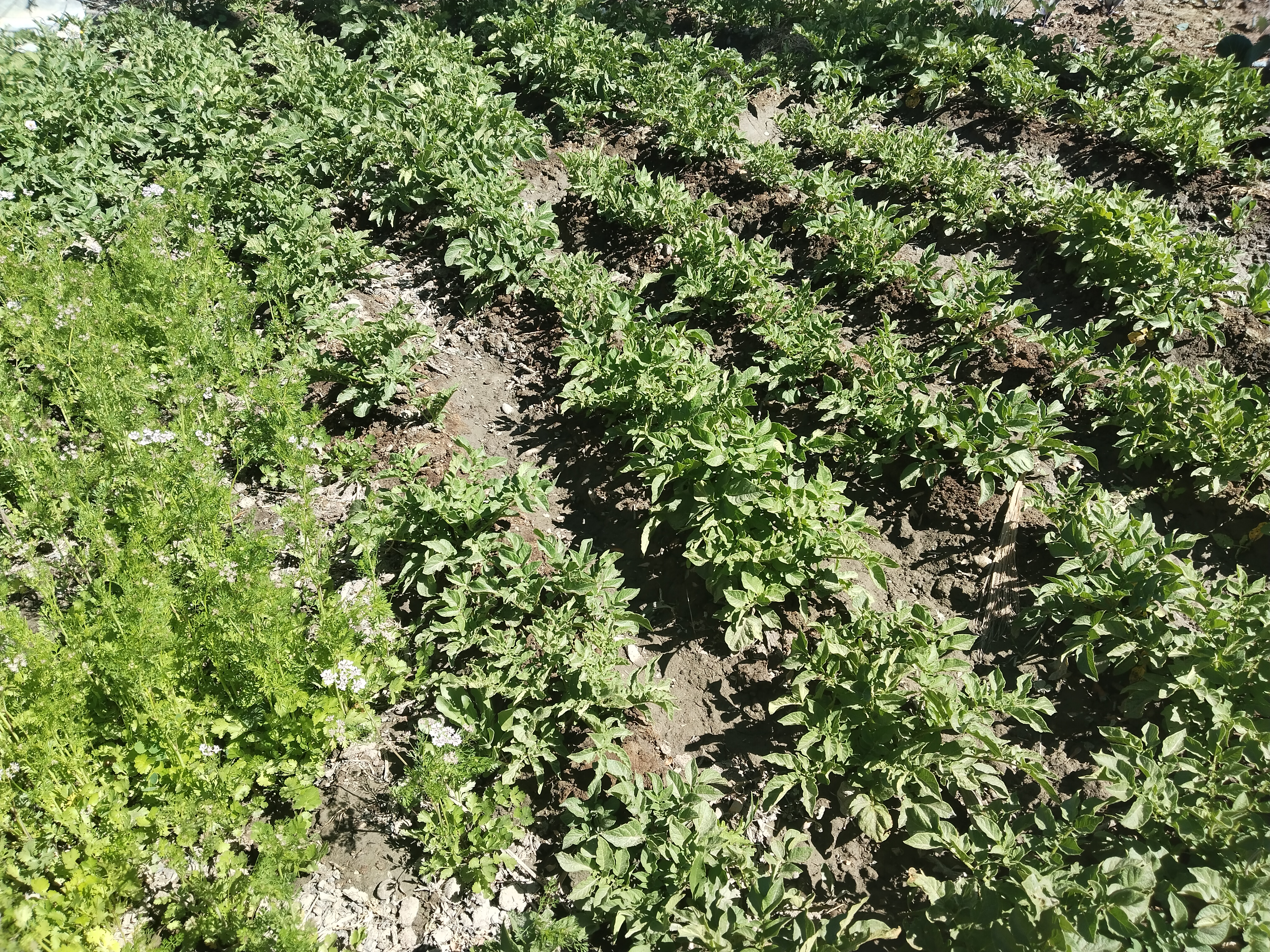
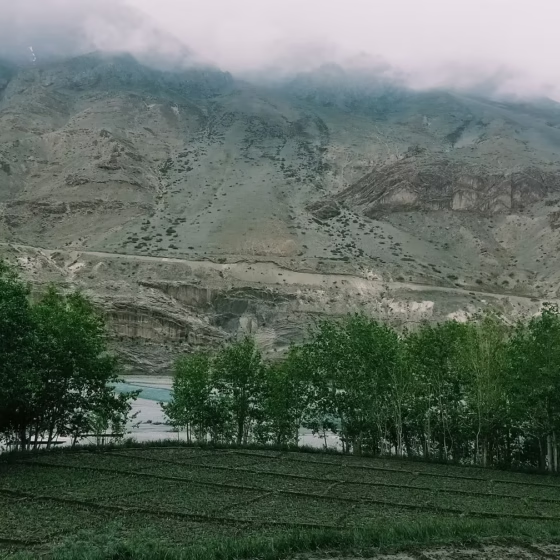

When most Spitian villages are drying up, fields unyielding, brimming Kuls of Shushuna signals benign possibilities.
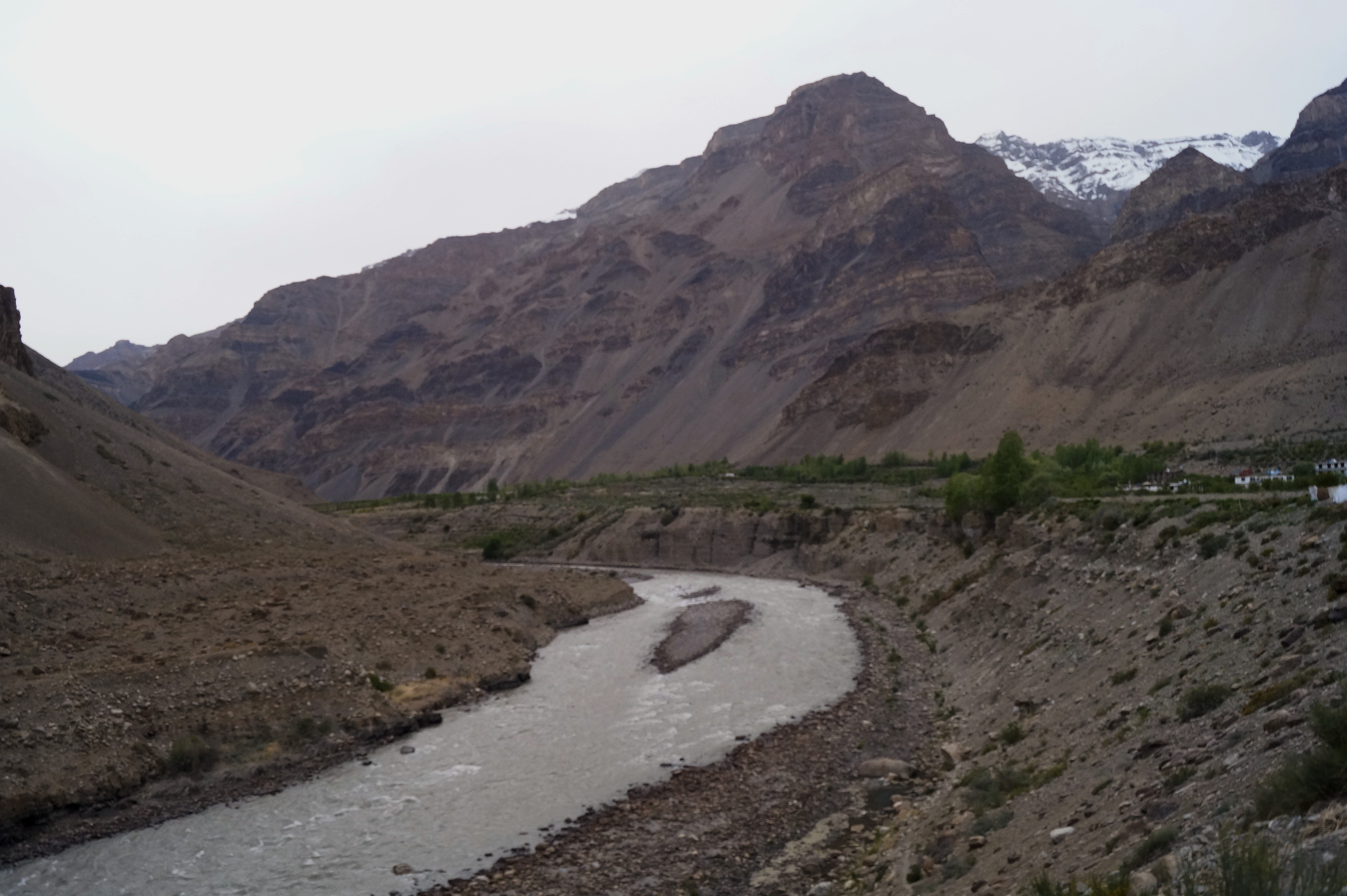
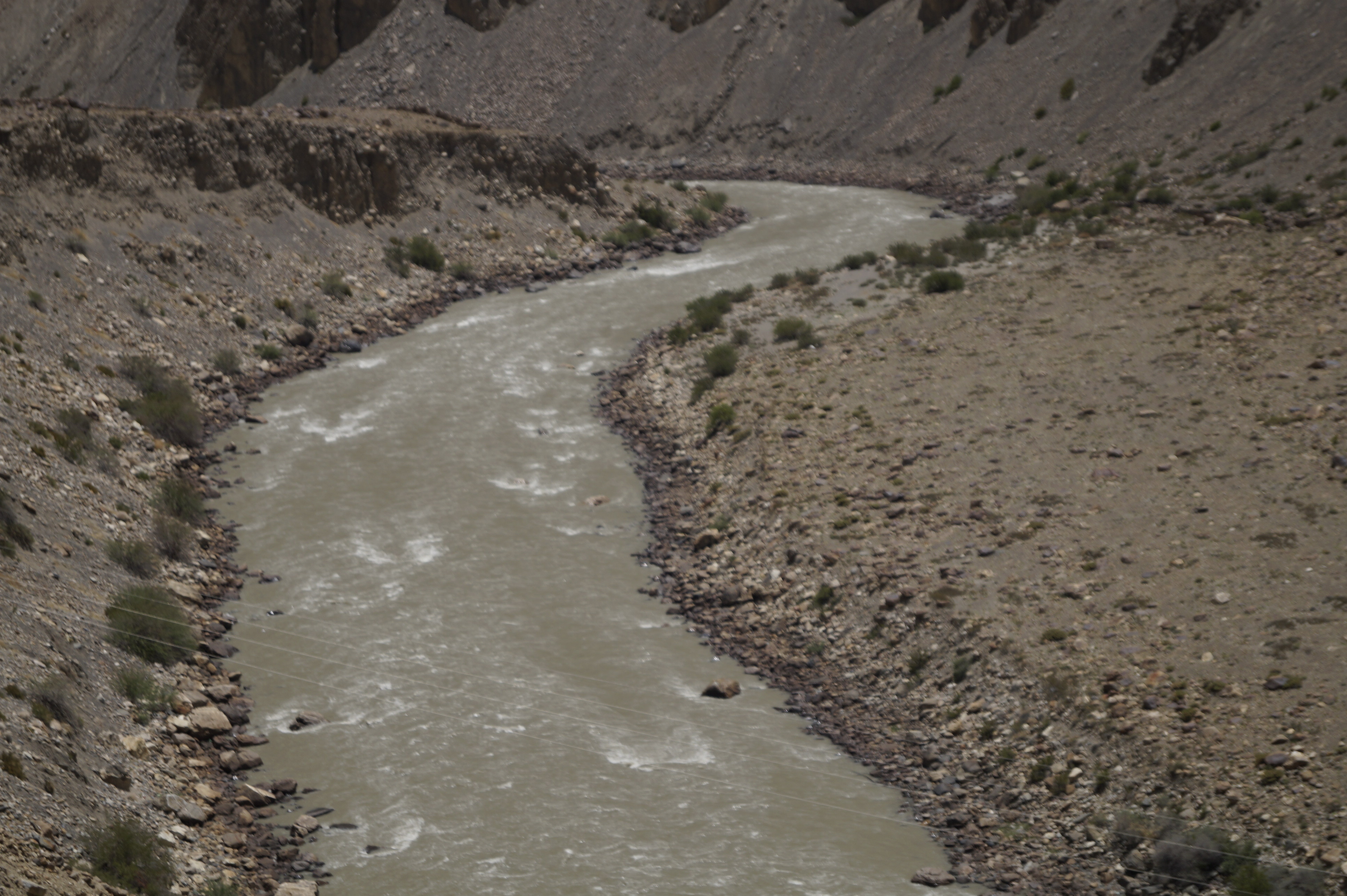
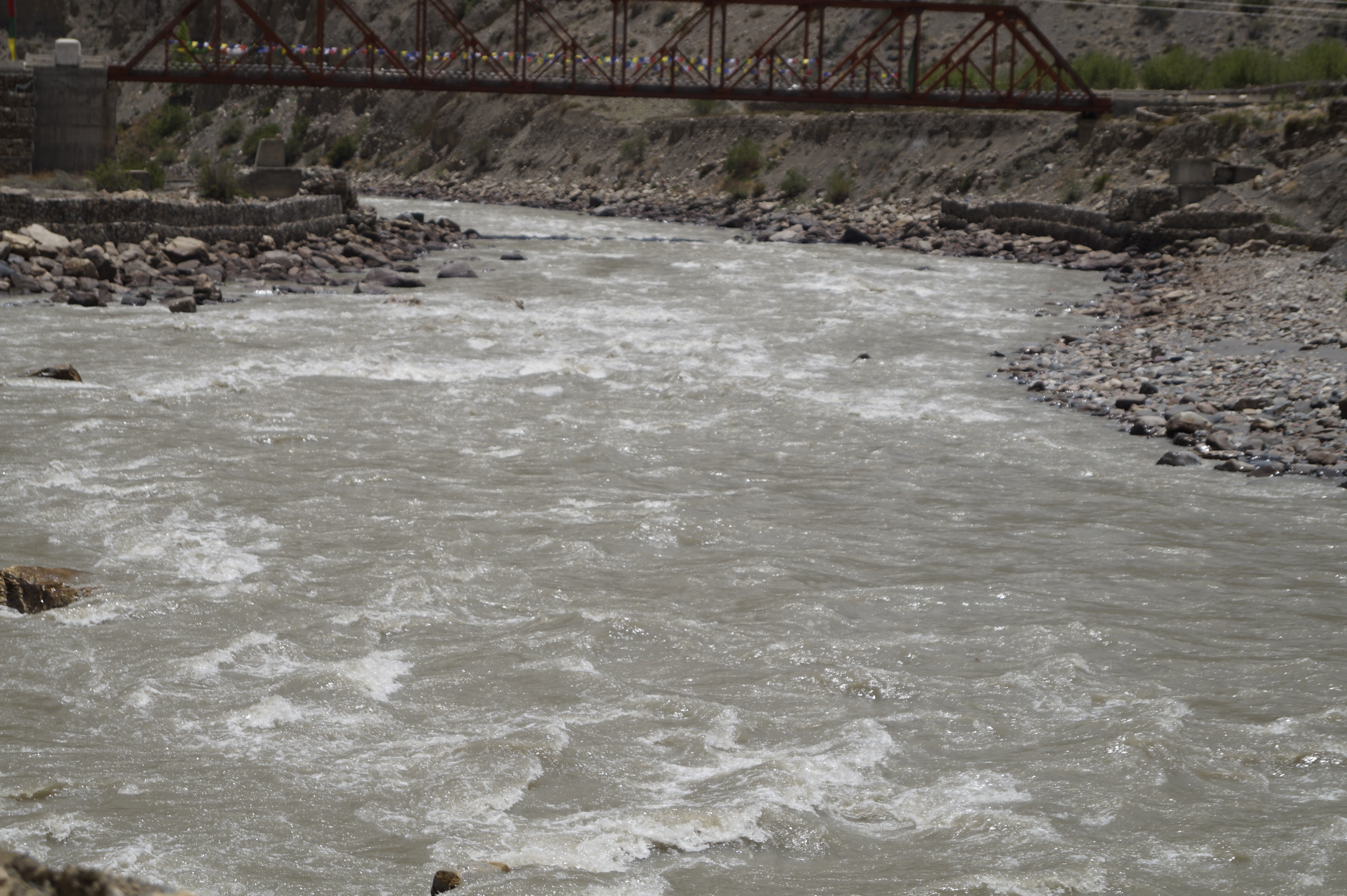
Situated along the river basin, the village owes its blessings to the mighty Spiti river and its tributaries from Pin valley which forms an essential lifeline to the resident farming community.
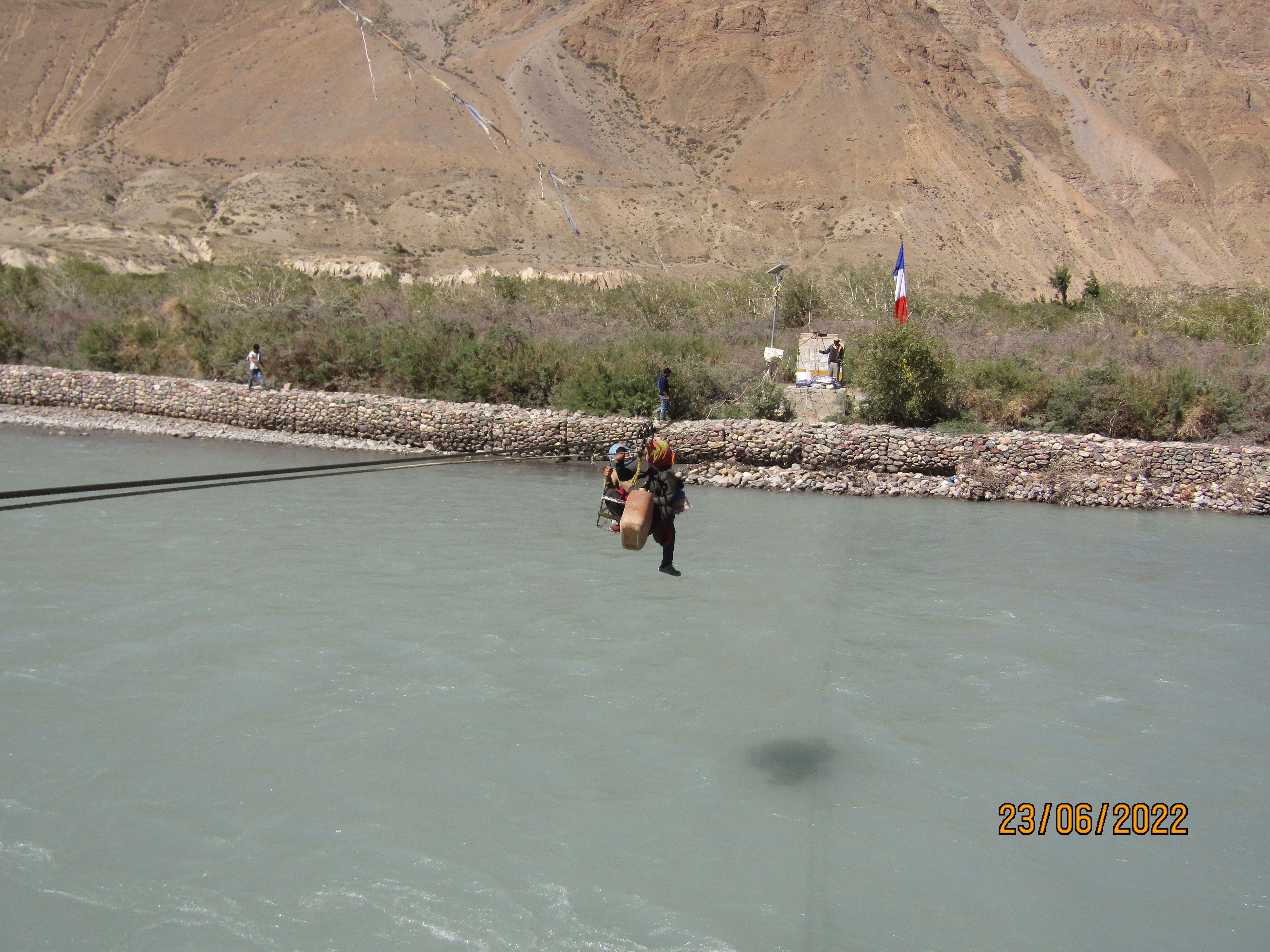
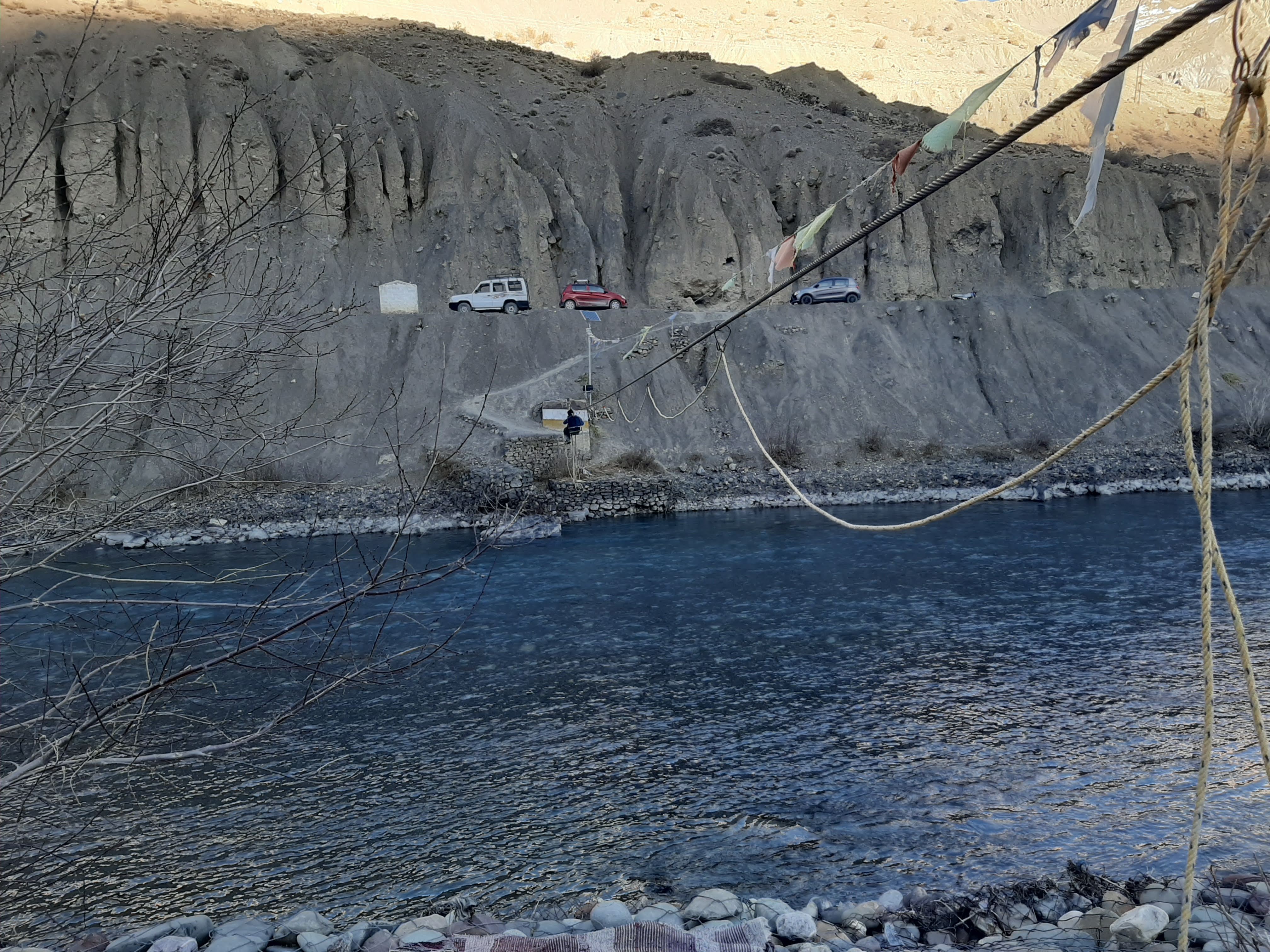
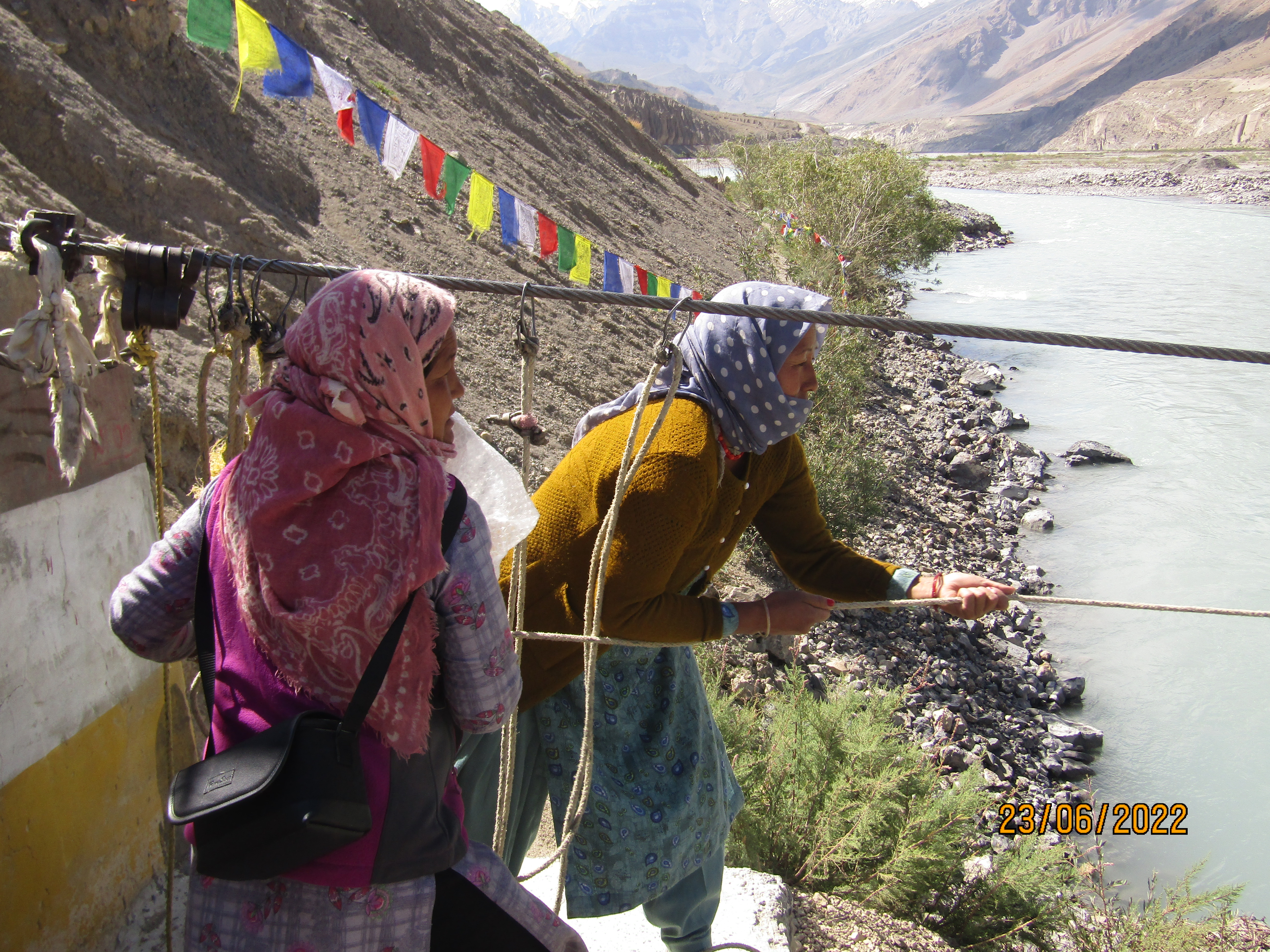
However, to reach the village, one has to take a suspended rope bridge. A dangerous feat villagers have to undertake every day! Women often pair up and cross it together. Holding essentials and looking out for each other – lest it can prove fatal!
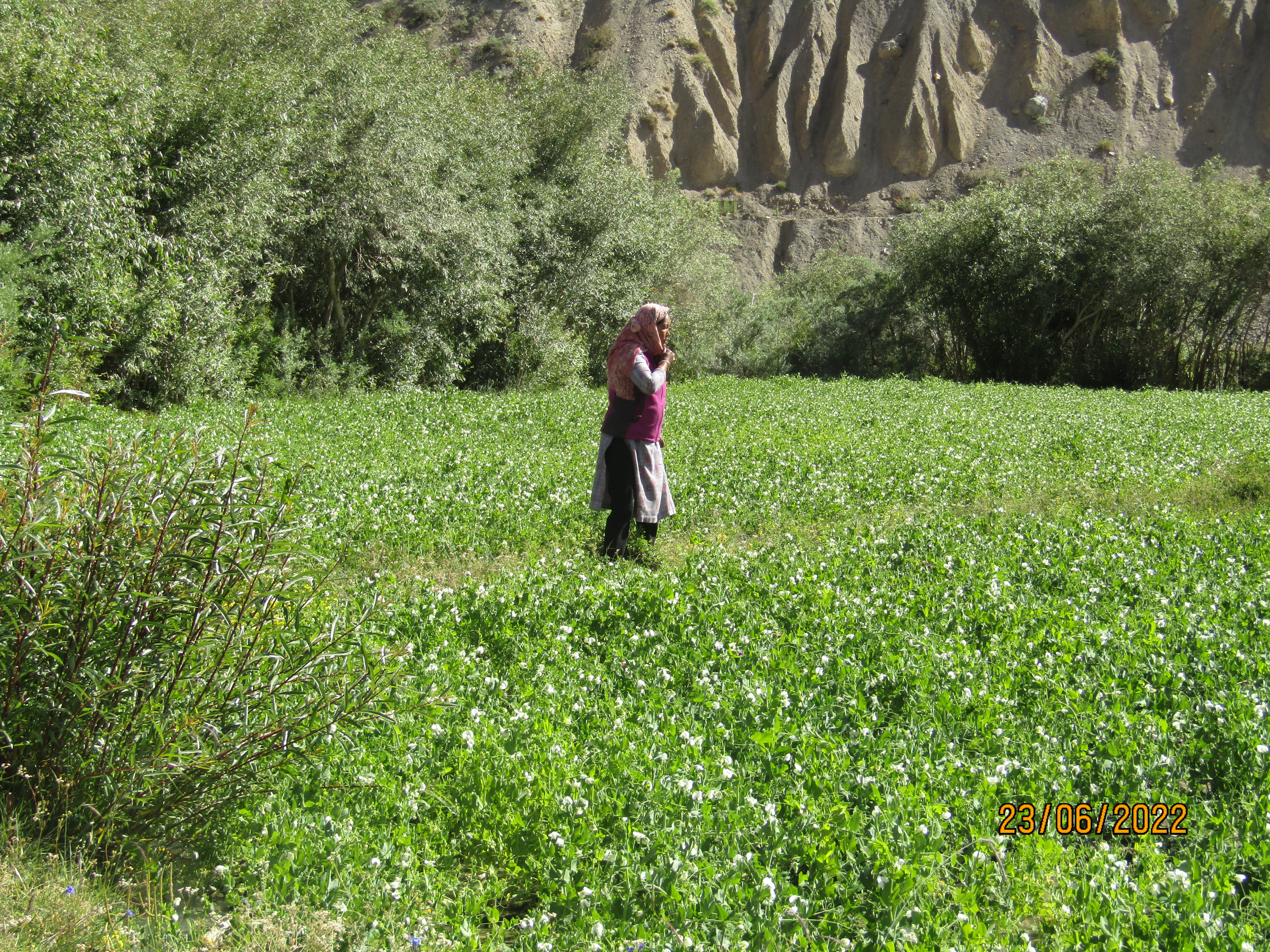
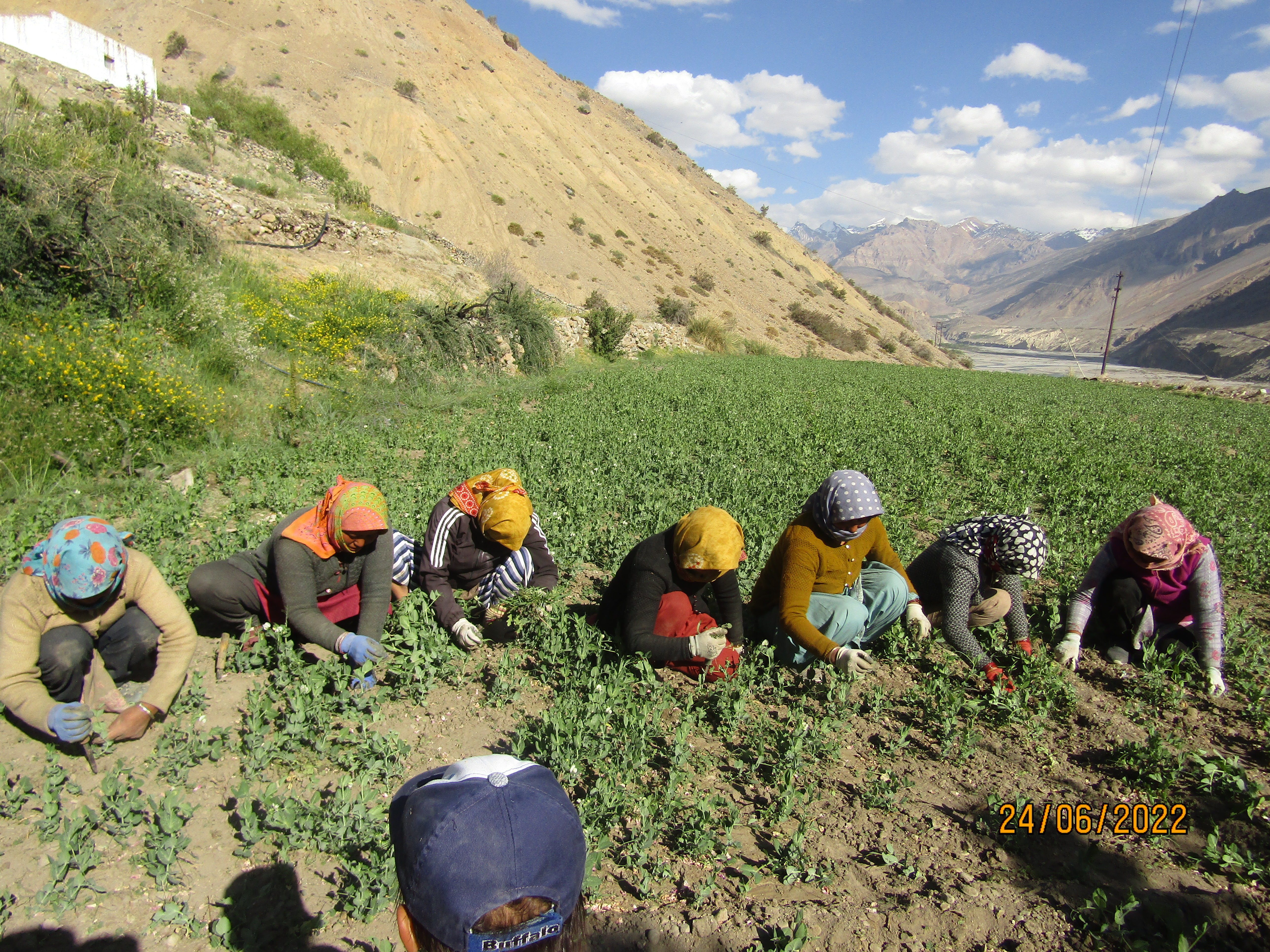
Water which is located at a significant distance in most Himalayan villages, can be found in one’s backyard here – easing huge strain on villagers.
When your fields are at a reachable distance, and when you don’t spend hours fetching water, there’s so much more one can do including spending time with family and more time to self!
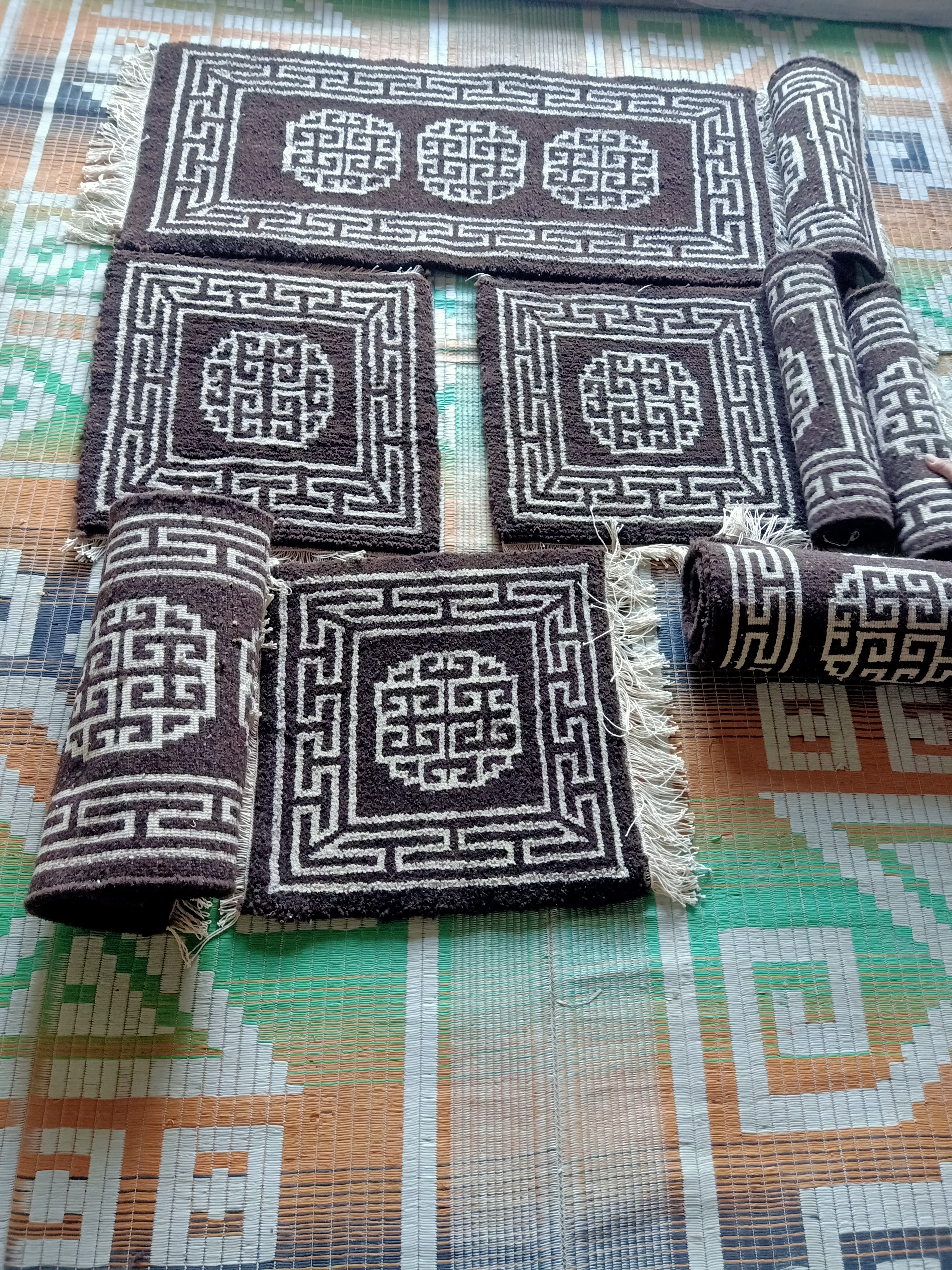
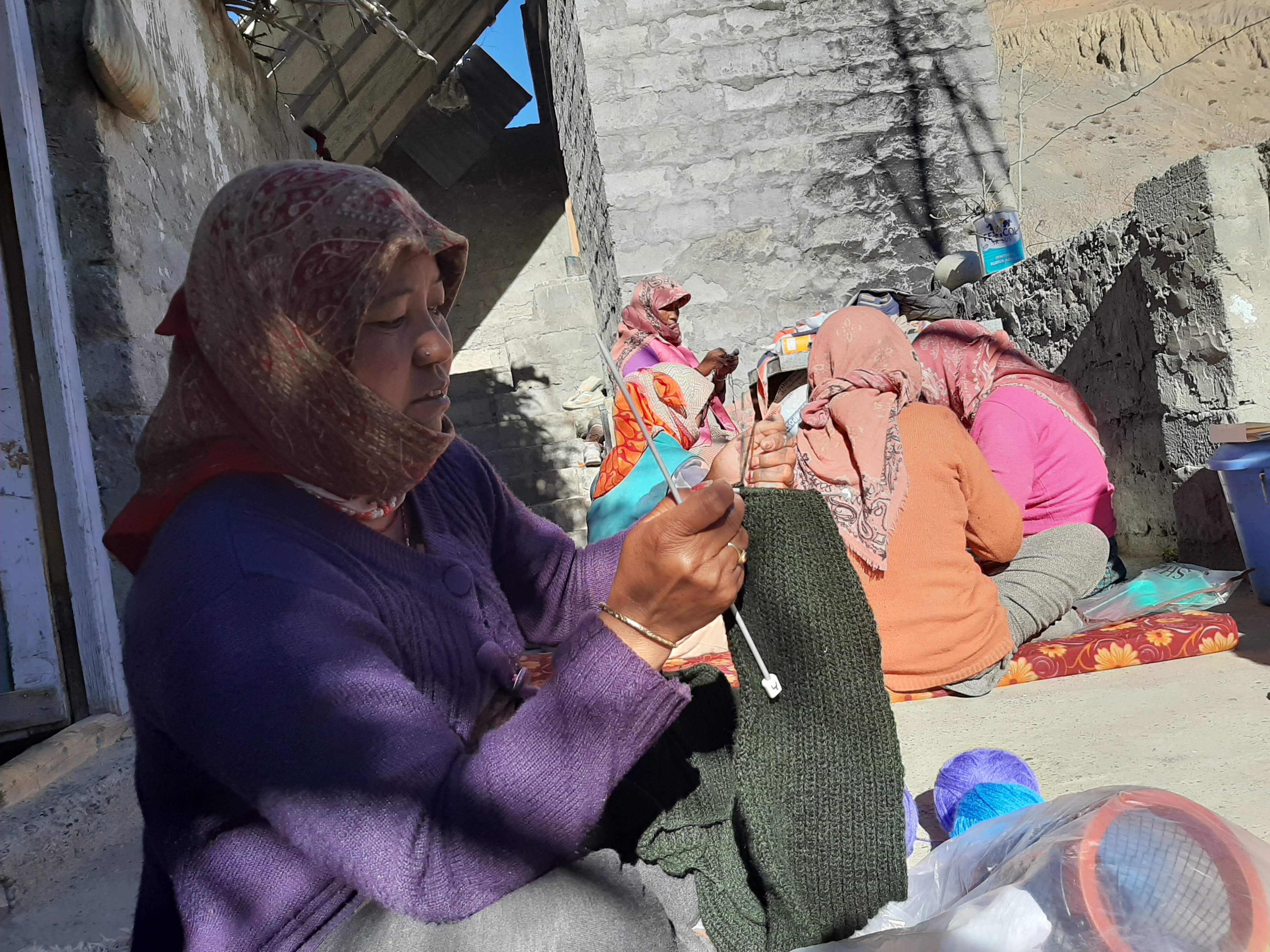
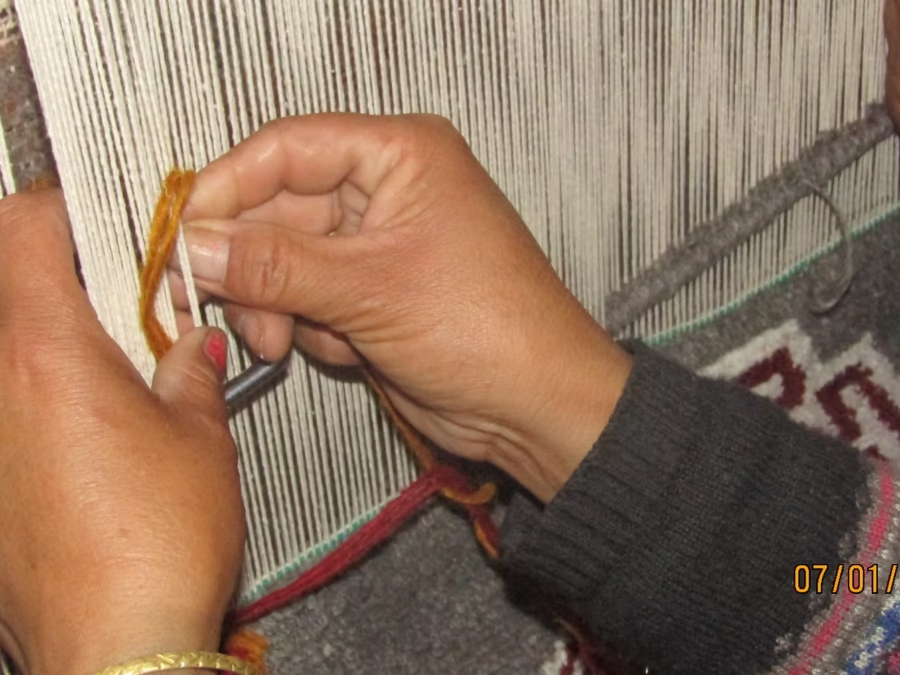
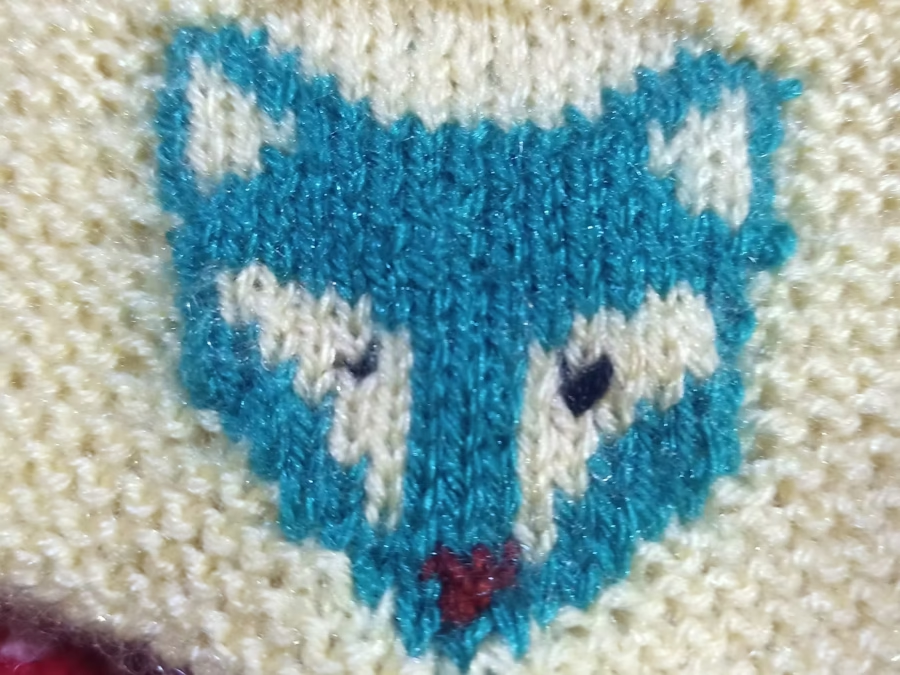
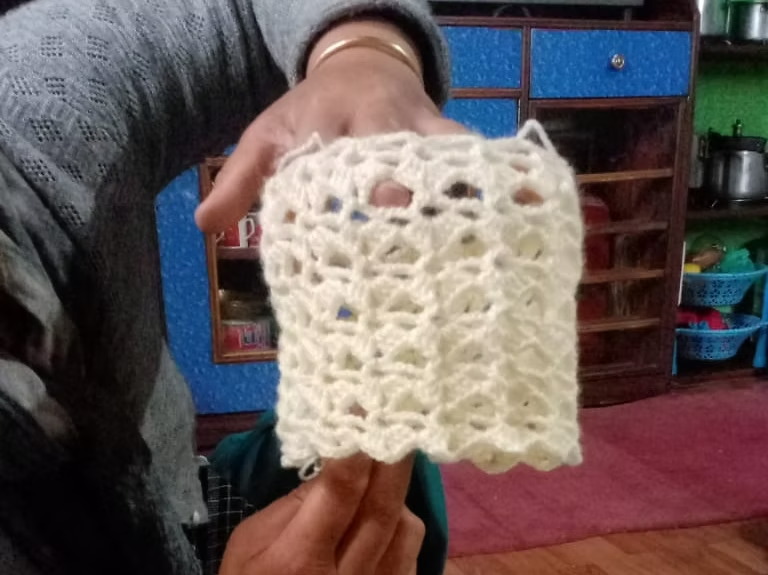
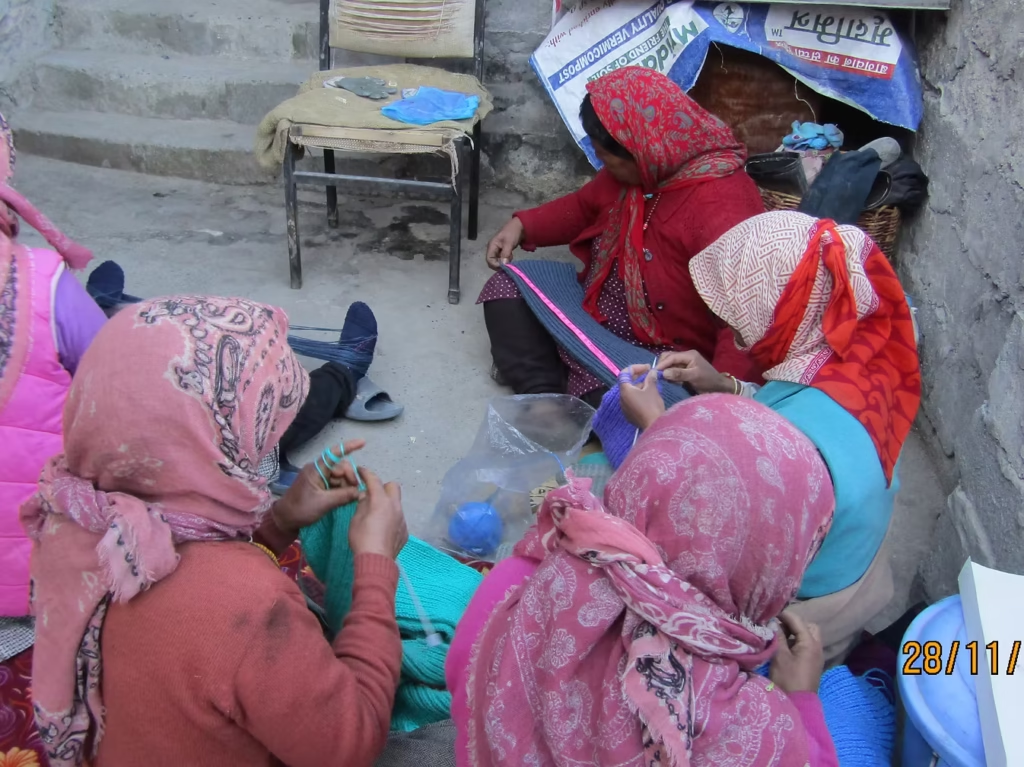
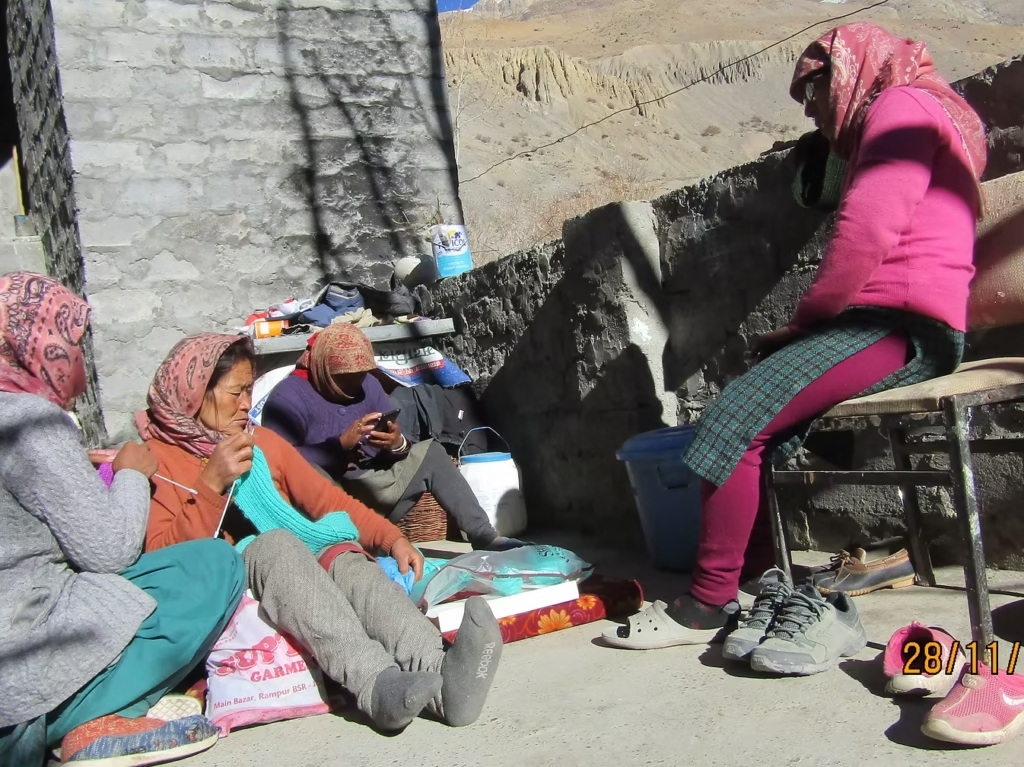
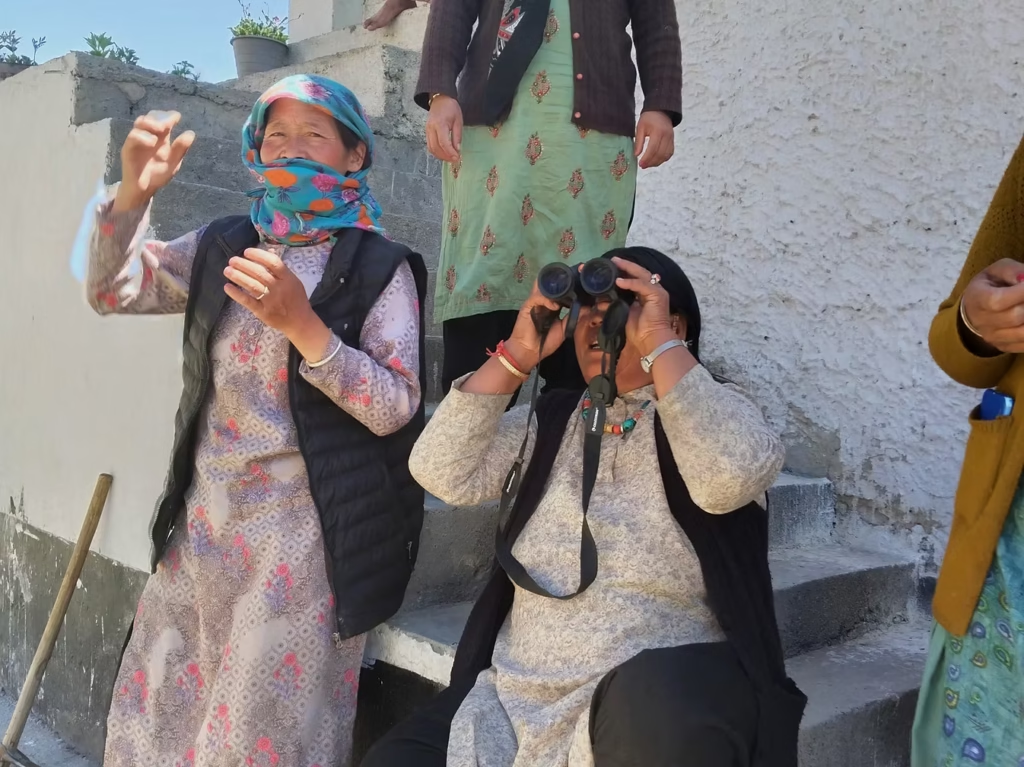
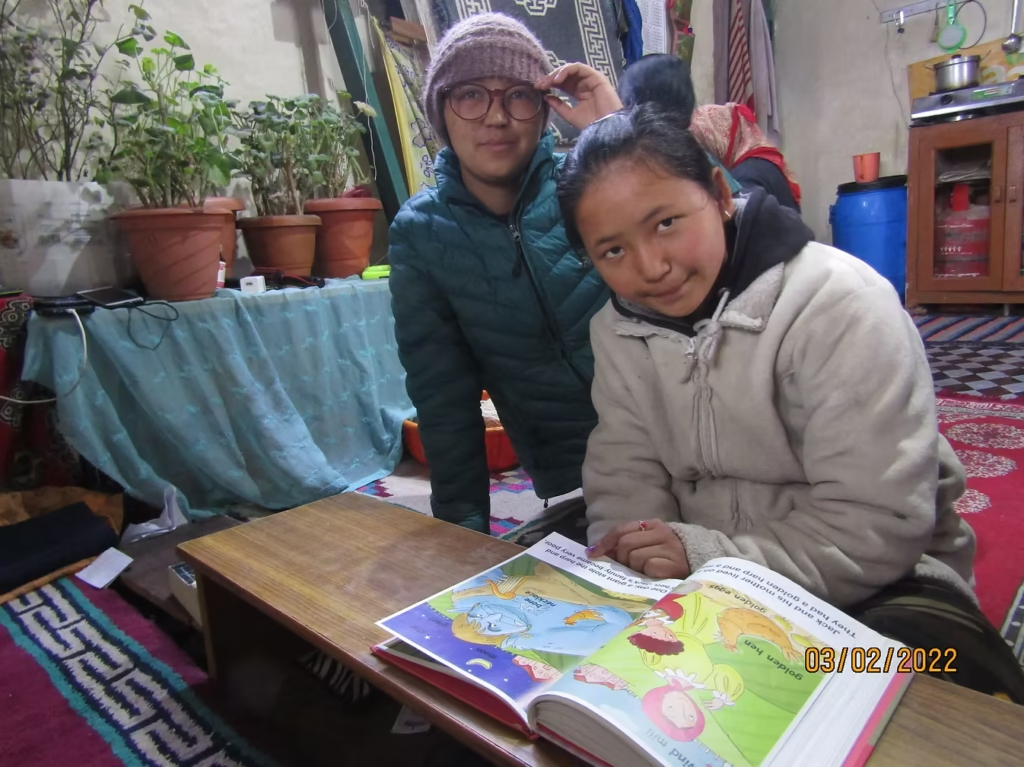
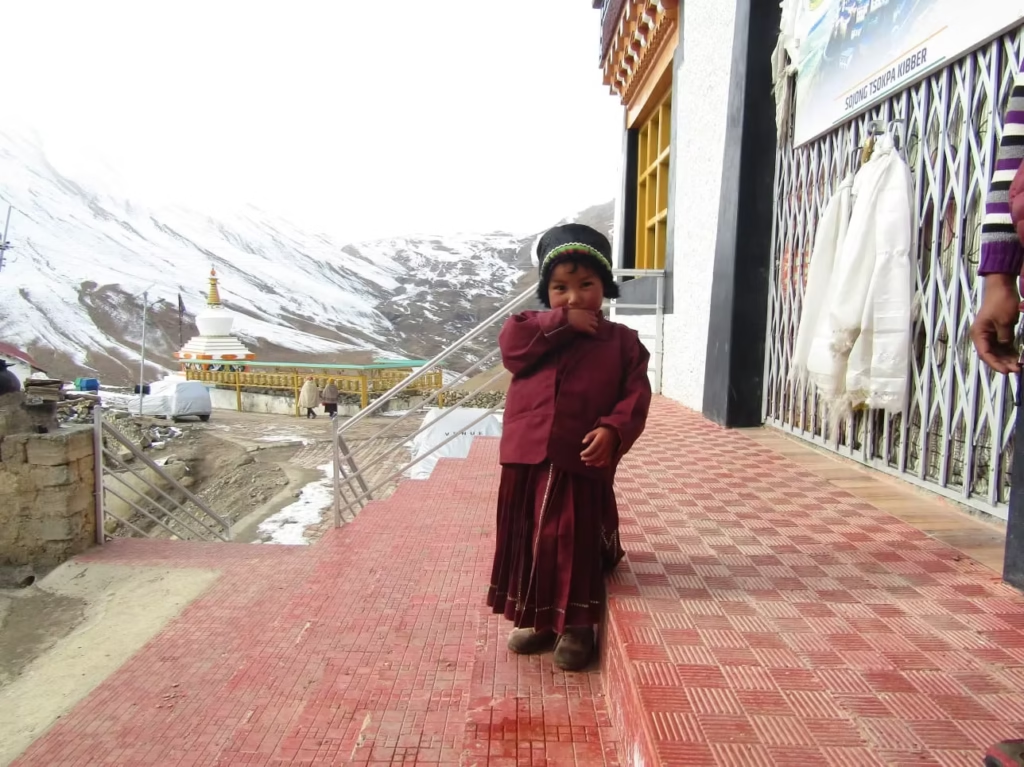
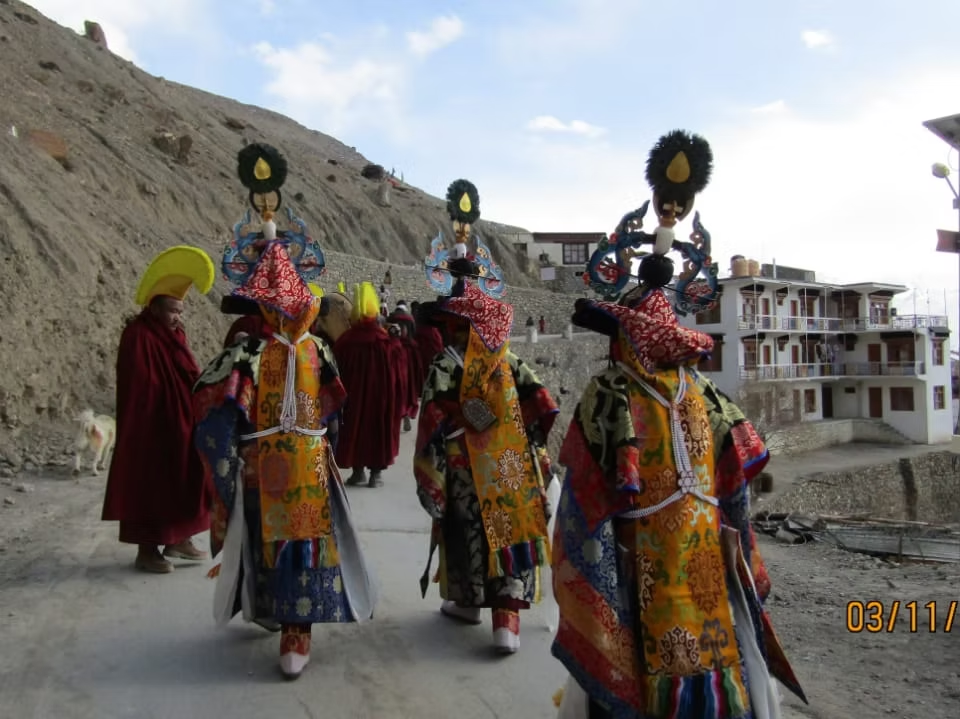
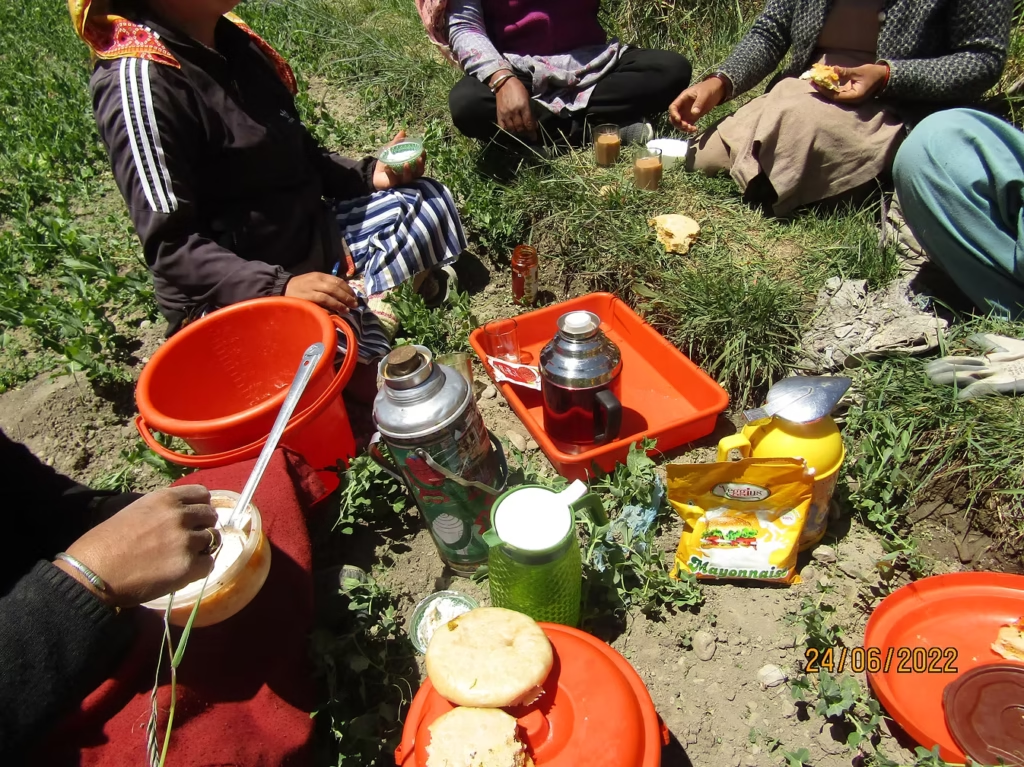
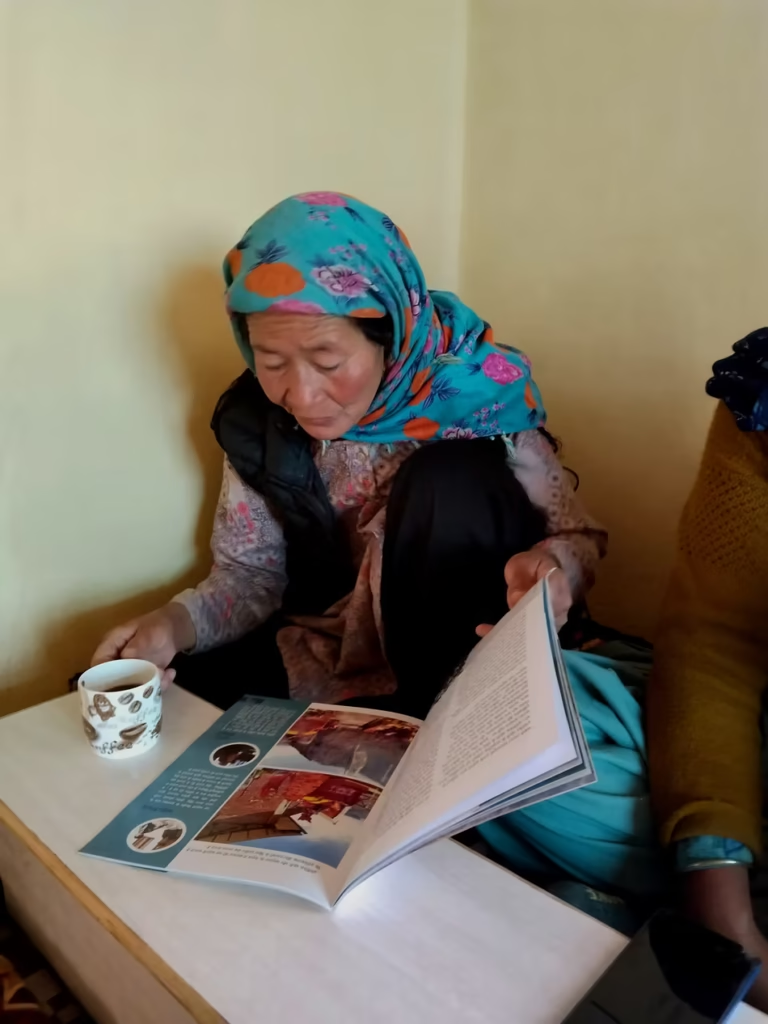
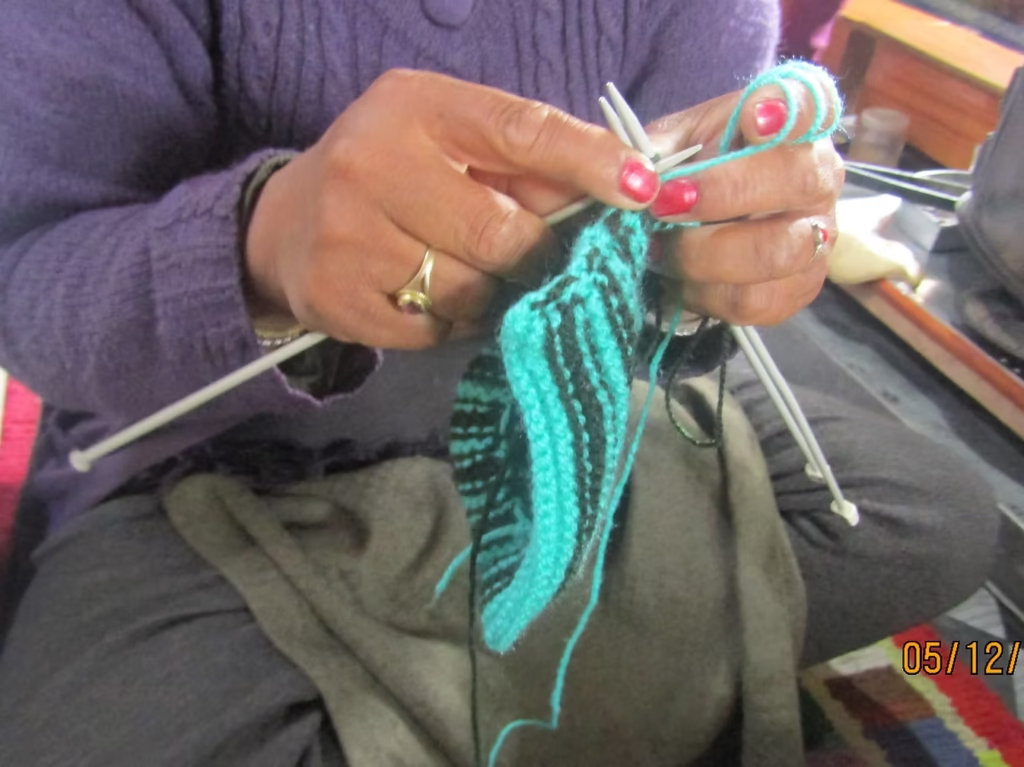
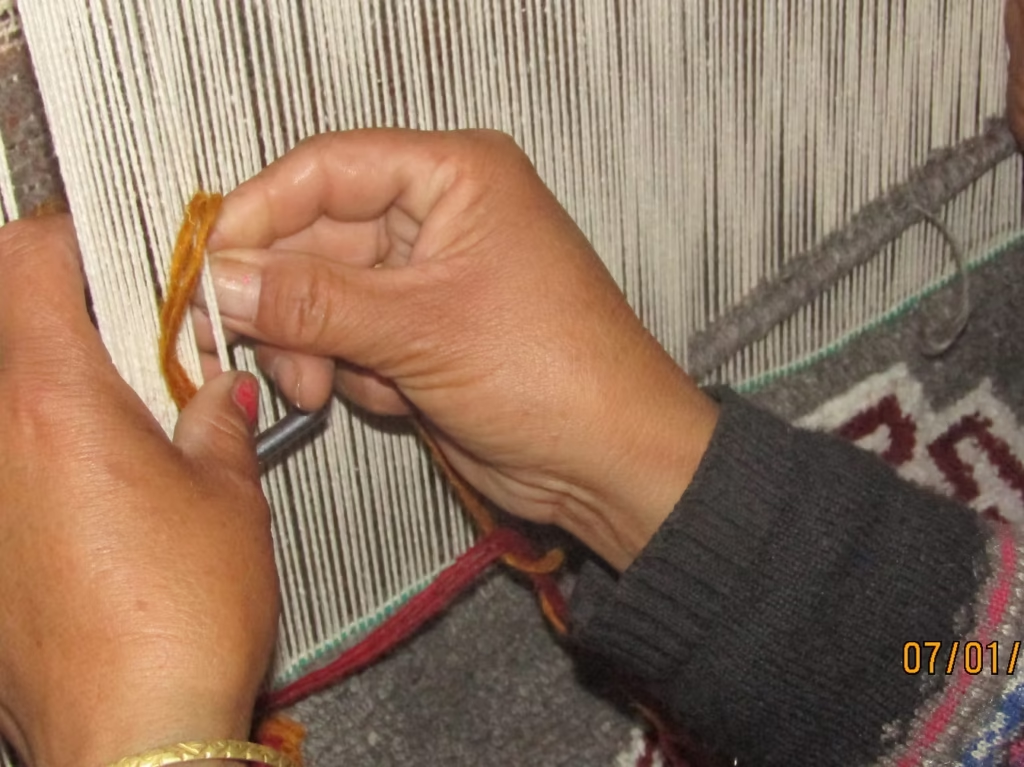
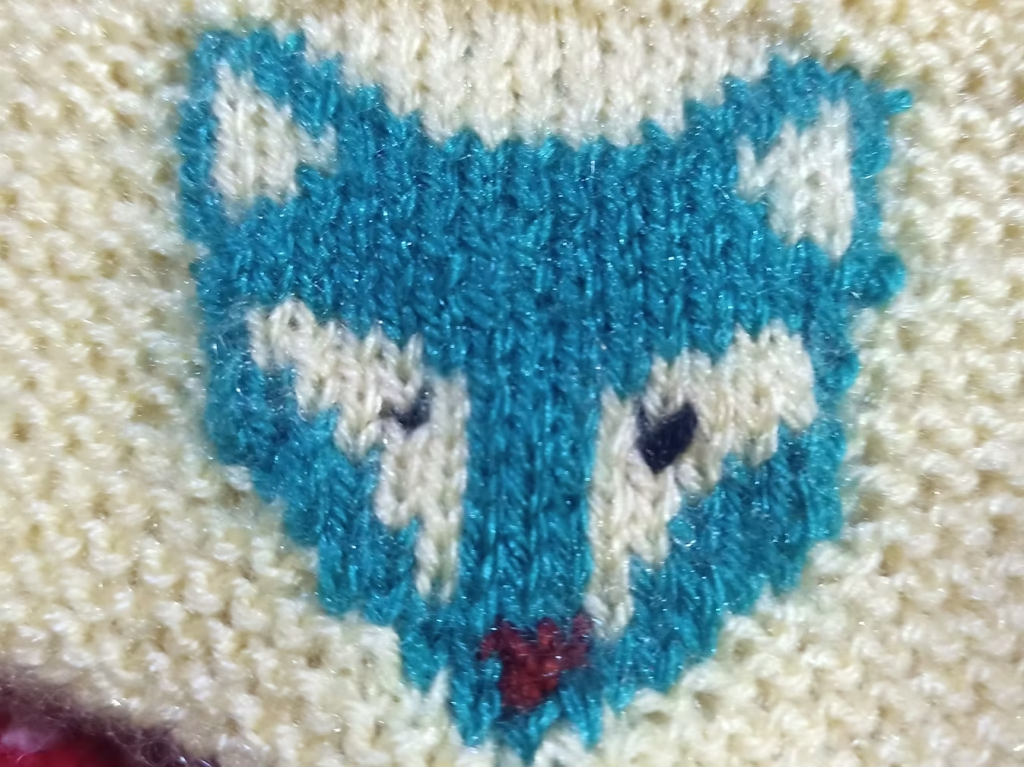
…exploring additional sources of income resulting in greater agency.
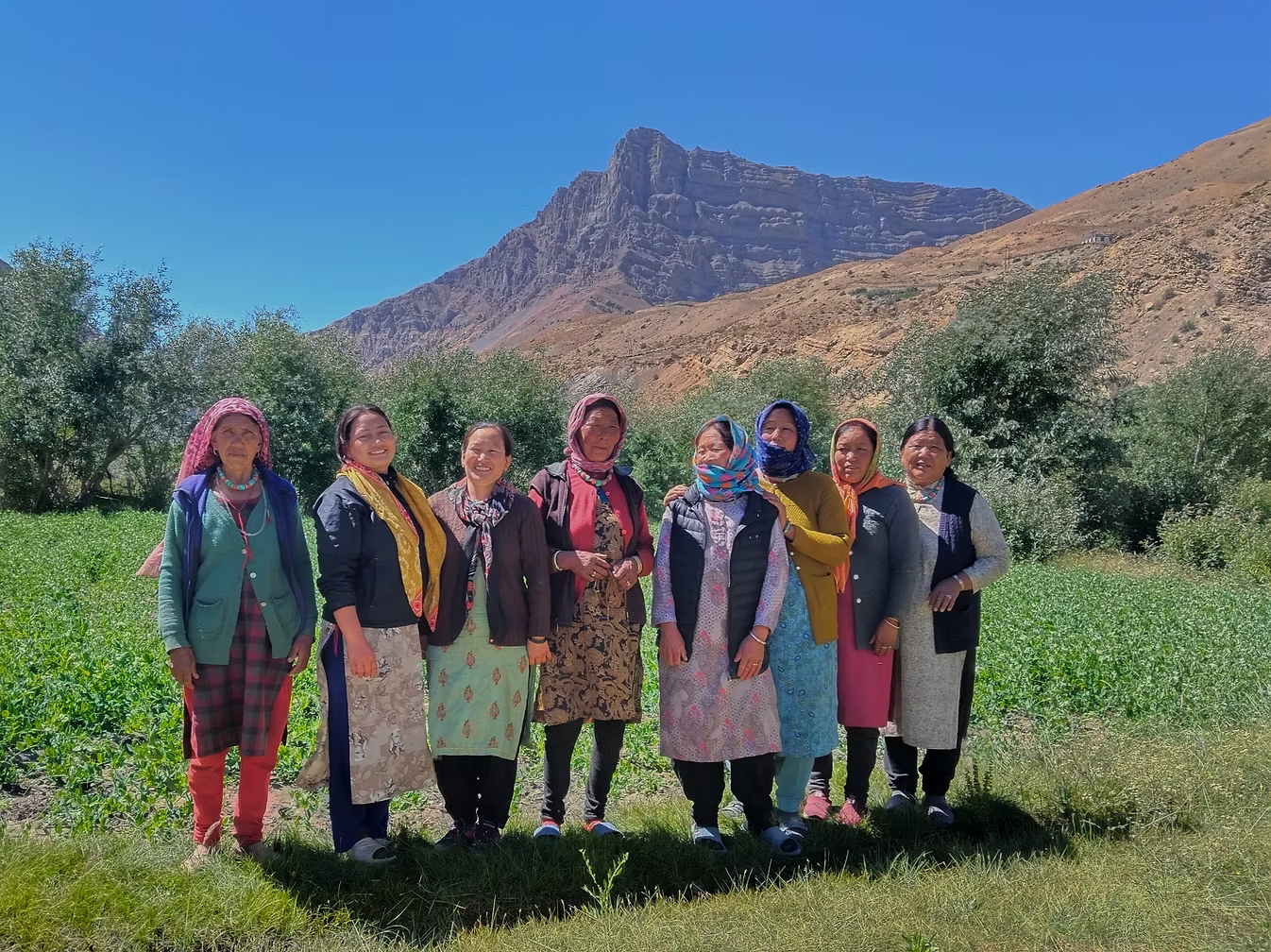
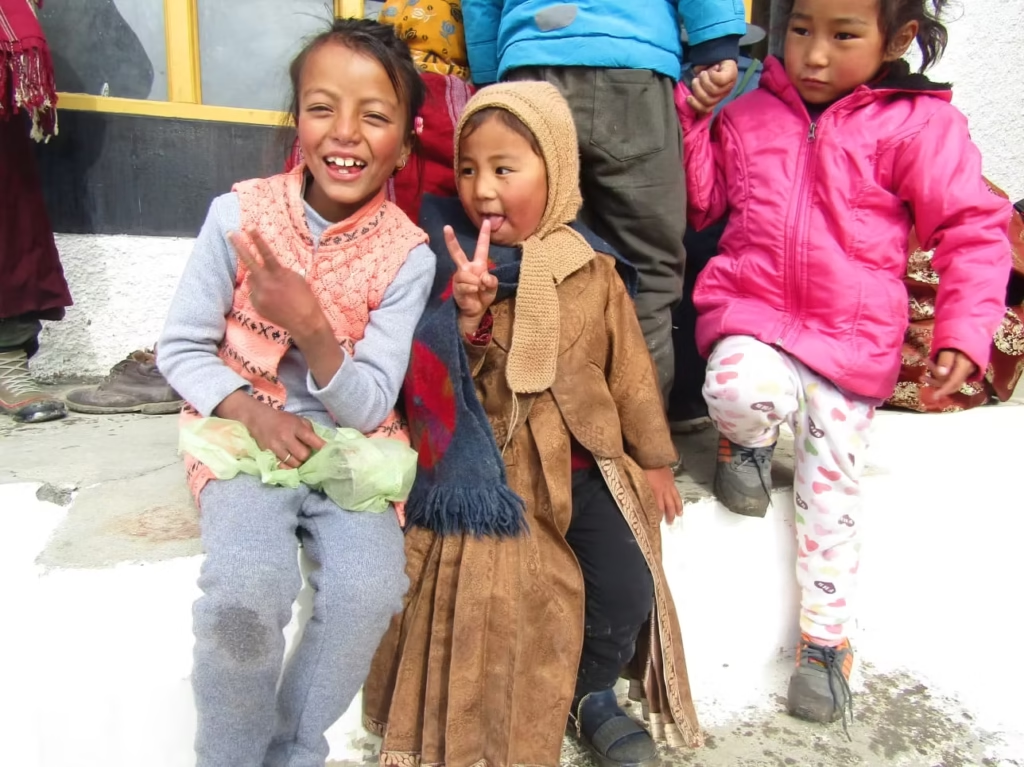
When water is accessible, it leads to happier, healthier communities.