Organic Farming

Reviving Organic Apple cultivation in Shalkar (Kinnaur)
Photo: Mayank Pathak

Reviving Organic Apple cultivation in Shalkar (Kinnaur)

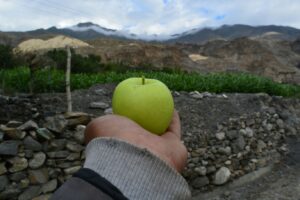
Kinnaur valley in Himachal Pradesh is well known for their apple cultivation. These high hills provide ideal climatic conditions for apple crops with the requisite chilling season in the winter. An apple variety known as Malus Pumila is a widely grown cash crop in the entire Upper Kinnaur valley. Shalkar village in particular is known for growing organic apples that’s much coveted for it’s sweetness and crunchiness. However, organic cultivation hasn’t always been the default practice in the village. This change is inspired by one man’s zeal and subsequent community resilience for better farming practises.
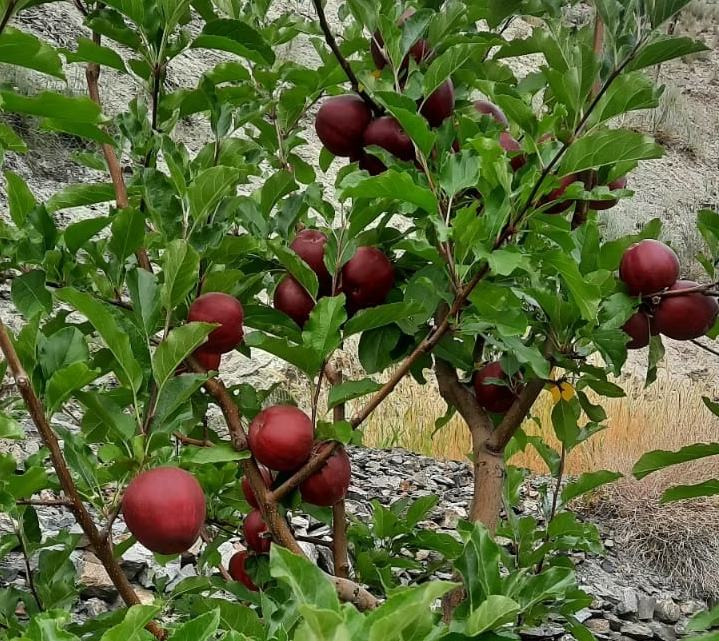
Photo: Karam Singh Negi

Perched at the altitude of 3200 metres, Shalkar is one of the last villages of Upper Kinnaur region before Spiti valley starts. There are over 110 households in the village – most of them dependent on apple cultivation for livelihood. While apples produced from other districts of Himachal ripen by July, the Kinnaur apples grown at a higher altitude start ripening around mid September or sometimes stretching till November hitting fruit markets across the country just before winter. The apples produced here are bulk transported to neighbouring metropolitan states where it is sold at a premium rate. Like many apple producing regions, the farmers here use chemical fertilisers and pesticides for bulk production. The usage became particularly more popular in recent years. In Kinnaur, It begins during the flowering season and continues till harvest. Use of chemical pesticides like Tefgor, Malathion, insecticide like Rogor, Durmet and a wide range of fungicides like Lethal, Kashstin, Majestic became quite handy for farmers seeking higher yield.

Earlier, many farmers do not use pesticides and fertilisers; most of them cannot even afford these but in recent years, the chemical spraying has increased from doing twice in a year up to spraying seven times in a year. The rampant usage of pesticides deeply bothered Karam Sing Negi – a cultivator from Shalkar village. He became conscious of the long term health and environmental hazards of pesticides and was determined to find an alternative. He gradually minimised the use of harmful pesticides and other chemical fertilisers in his own orchard.

The apple worm | Photo: Chunnit Kesang

For a farmer whose livelihood is entirely dependent on his orchard produce it was a risky move but for Karam Singh, there’s no greater satisfaction than reviving natural ways of farming his ancestors practised for generations. Transitioning his orchard for organic farming wasn’t easy – it needed a slow but consistent approach. He started minimising heavy chemical inputs and used only animal manure, human waste and other biodegradable waste suitable for it. For the initial few years, there was no prominent change and the yields were low. But he kept moving on with the same approach – his land needed to heal and the soil, the plants needed to reach its natural equilibrium.
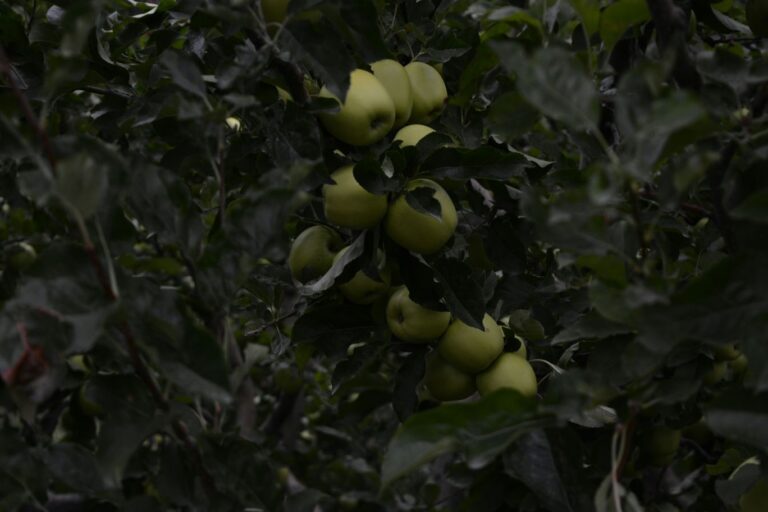
Photo: Mayank Pathak

Hearing his approach, His Holiness Lochen Tulku Rinpoche (Highly revered spiritual leader) advised everyone in the village to follow the same path. Rinpoche also shared Karam Singh’s concerns regarding long term ecological damage. Adopting natural ways of farming will not only restore damaged ecosystems but also will help avoid killing of small insects and microorganisms. Convincing everyone else in the village to avoid using pesticides and chemical fertilisers was challenging. Shalkar village comprised both big Zamindars as well as marginal farmers. The villagers had an internal community meeting regarding it and there were various opinions/reactions regarding it. Few agreed with the idea while others were concerned about low yield and low productivity which could eventually impact their own livelihood as apple orchards were subject to a lot of pests and diseases. After much discussion, everyone in the village unanimously agreed to avoid chemical fertilisers in their orchards. The villagers even hosted a religious ceremony seeking blessings from local deities for good harvest. Lochen Rinpoche inaugurated the “Jinshak” ceremony by scattering ash and manure in the apple orchards of Shalkar village and advising everyone to revive traditional farming practises. For the first 3-4 years, the apple yield from Shalkar village dropped drastically. With dwindling yields, there were many uncertainties – some farmers even struggled to pay school fees for their children. However, their resilience paid off when the apple orchards of Shalkar village slowly recovered and started bearing luscious apples again!


With passing years, the villagers experienced improved yield from their orchard and noticed the apples from their village are different from neighbouring Kinnaur villages. Apples grown in organic farms in Shalkar have a distinctive sweet, crunchy taste with a natural waxy exterior which even gained preference among bidders who are involved in large scale apple export business. The villagers are working towards organic certification which will help them gain due recognition in the market. This story of organic farming and community led change in a small himalayan village shows it is possible to grow pristine apples without harmful pesticides.
1368 912 Villagers of Shalkhar
Beyond Agriculture
Photo: Tashi Angroop

Beyond Agriculture

Agriculture has made considerable progress in Himalayan states. One of the major changes in the mountain farming system is from subsistence to commercial farming practice. There’s a curious move towards high-value cash crops and diversification of cropping patterns. With connectivity and better exposure, farmers in these landscapes are increasingly becoming more innovative. Their approach in production, managing supply chains, and marketing are aimed at higher returns from farming. The New Age farmers from High Himalayan villages are more experimental and are more focused on searching for niches -apples, cash crops, fruits, exotic vegetables, flowers. Their engagement with farming goes beyond survival and sees it as an economically lucrative option for themselves and others associated in the value chain. Stories of such individuals dismiss stereotypical myths about farming and show how it can be adopted in changing times.

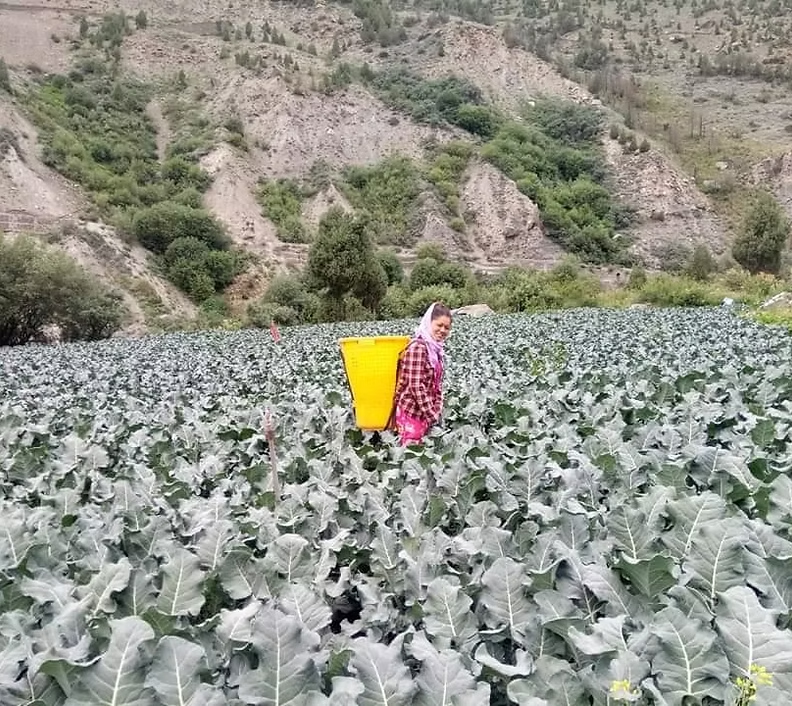
Tashi Angroop from Tinno village in Lahaul (H.P) dons more than one hat. He is a farmer, passionate entrepreneur, and agri-businessman who cultivates traditional grains, experimented and scaled up the cultivation of exotic vegetables in Todh valley, and is also initiating agro-tourism in his village. He started his journey in 2007 when he got an opportunity to work with World Bank’s Project in Lahaul promoting Seabuckthorn nurseries. Further collaboration with the Department of Horticulture on Desert Development Program (DDP) deepened his experience of developing poplar tree nurseries and building seabuckthorn nurseries. With Jain Irrigation System, he extensively traveled in Himachal Pradesh covering 11 districts to understand diverse cultivation processes within the state and train locals in nursery building. He took a leap at his own venture in 2014 when he decided to take up farming as a full-time vocation. He took land on lease in his village to cultivate organic vegetables and experiment with the cultivation of exotic vegetables which is a fairly new intervention in Lahaul back then. He began by procuring 1000 potato seeds (1000 Katta) and started growing them in his field. Initially, it was just potatoes, green peas, and cauliflower.

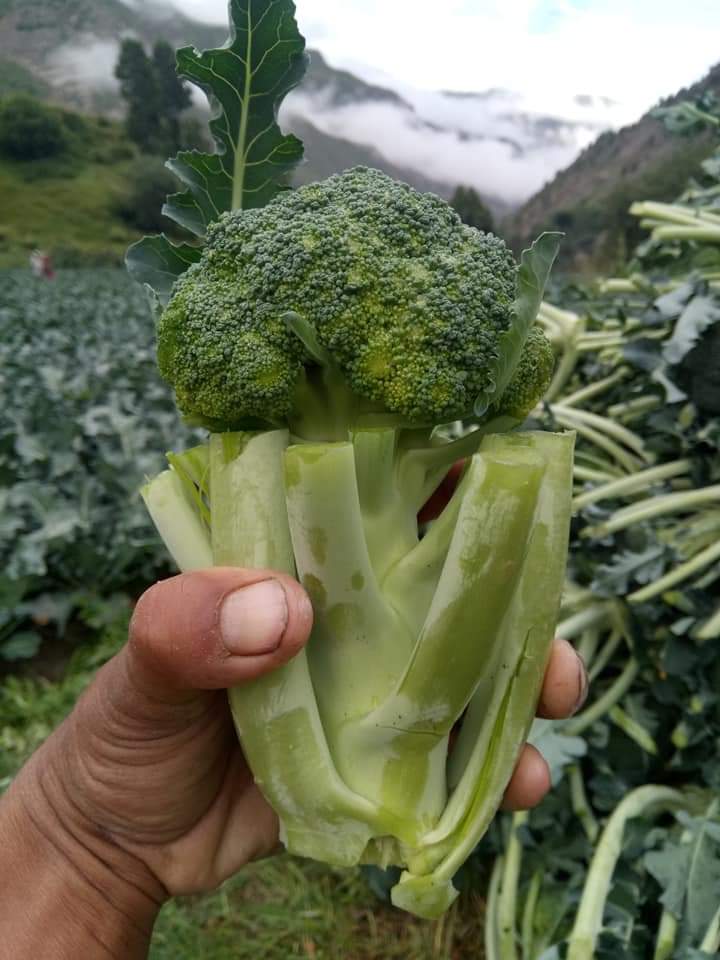
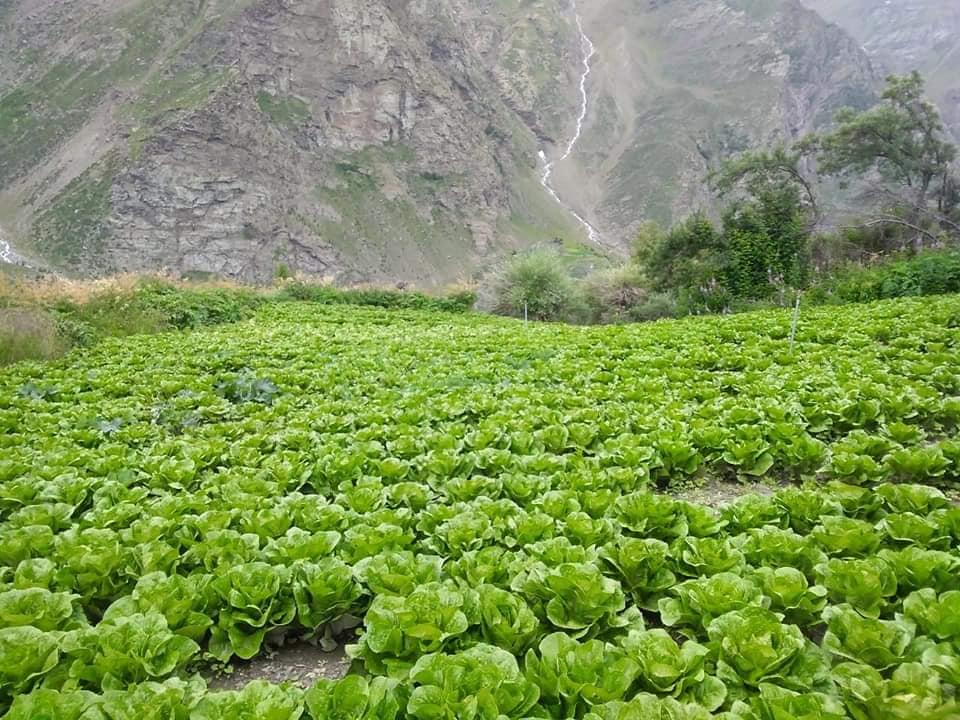
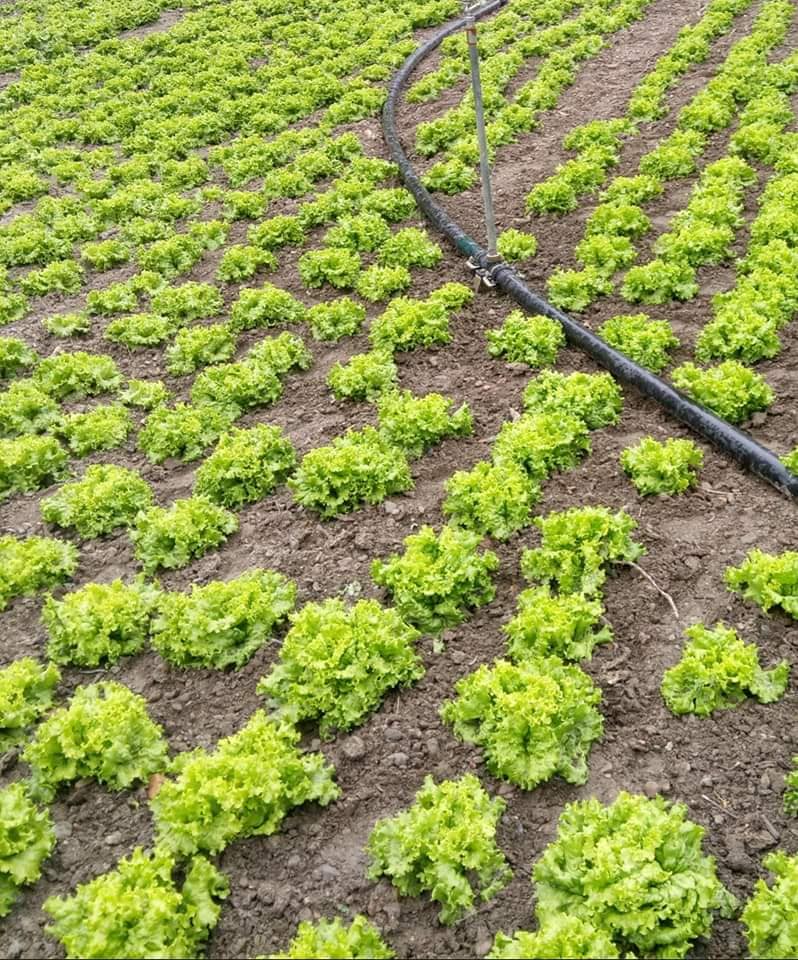
Over the years, Tashi gradually started diversifying and began cultivating more varieties of exotic vegetables and made efficient use of farming technologies and irrigation facilities. He now cultivates 19 varieties (mostly European exotic vegetables) vegetables in his field including broccoli, Iceberg lettuce, Red leaf, Yellow leaf lettuce, green leaf lettuce, Squash (Jugni), Yellow & green zucchini, celery, parsley, leek, snow peas, fennel, European carrots, red cabbages, other herbs, and exotic roots, etc. He introduced the same to many villages in Todh valley (Tinno, Gaimur, Jispa, Chika, and Sumdo) in Lahaul where farmers are now able to grow vegetables during off-seasons and sell them at a premium rate in metropolitan markets. Within his own community, he became the face of changing agricultural practices and popularized the phrase “Tel bharo, Kheti Karo” in Lahaul where he encouraged young farmers to adopt improved technologies like tillage machines and JCBs to do farming. In many instances, he even lent his own JCB and tiller machines to help people till rocky barren lands for farming.

The farming communities in Todh valley of Lahaul are now incorporating off-season vegetables along with traditional cereal crops. Different farming technologies like power tillers, tractor, power bidders, grass cutter, spray machine, sprinklers to improve the yield. Compared to Spiti the neighboring district, Lahaul receives more rain which is suitable for cultivation, potatoes, green peas, hops, cabbages, and other exotic vegetables and herbs. In fact, Lahauli potatoes are considered some of the best in the country and it is believed that these crops have brought prosperity to Lahaul.

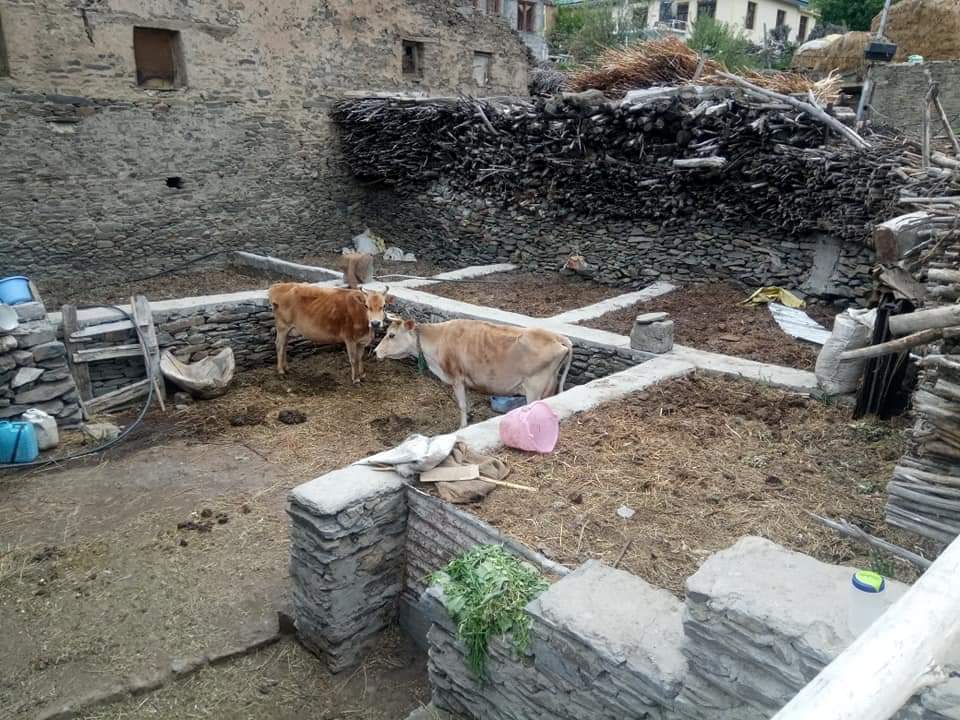
Composting is an essential requirement to grow exotic vegetables and locals rely heavily on vermicomposting. Most Lahauli households have separate vermicompost structure at their home. Tashi himself annually prepares around 17 tonnes of compost to use it in his fields. He adds “We use jungle wastes like wild leaves, raw leaves, dry leaves, Juniper leaves, and other organic waste inlcuding manure, human waste, and Kenchua (organic manure)”. “Every household prepares compost 3-4 times in the unit and use it in their field to improve soil fertility”.

With time, locals were also able to enhance irrigation system and equip technologies which is more efficient and convenient. Earlier water resources are distributed among farming households on a rotational basis. There’s a watering turn for everyone and a farmer has to wait for about 6 days to receive his share of water to irrigate the fields. With improved irrigation systems in most Lahauli villages, the watering turns have almost disappeared. Direct pipes were connected from glacial sources to Kuccha Kuls (field canals) and every household have direct access to it. Tashi enthusiastically adds “one can finish the irrigation within 3-4 hours now! Almost unthinkable in the past.” Almost 90 percent of Lahauli villages are relying on piped or drip irrigation systems. There’s an increased use of sprinklers and rain gun watering systems.

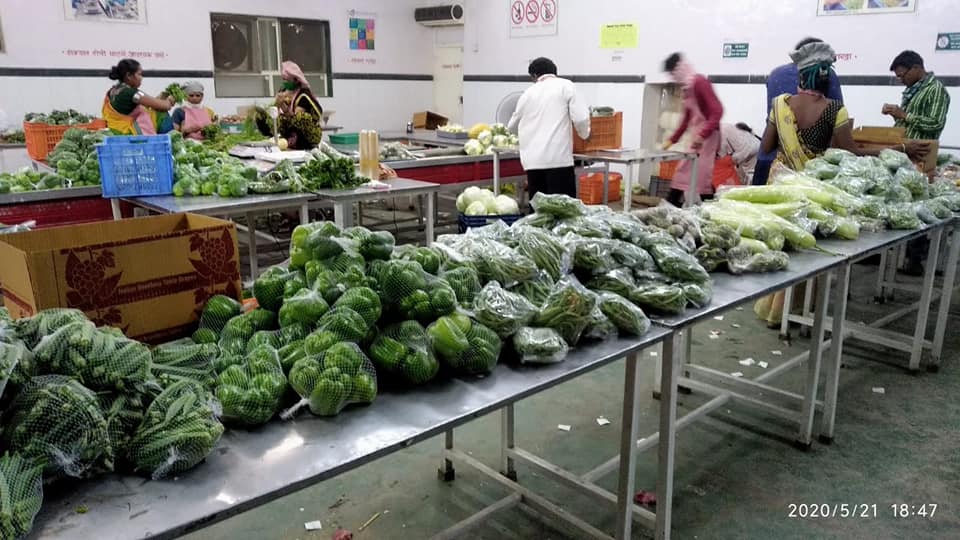
With improved road connectivity, better transportation system, and the availability of new crop inputs like hybrid seeds and organic fertilizers, the farmers in the hilly region of Lahaul are able to fetch gain higher yields and better prices. The returns from the sale of vegetables are five times higher than that of traditional crops. There’s a high demand for exotic vegetables in metropolitan cities and Lahauli cultivators are now able to sell their produce in Delhi, Chandigarh, Ahmedabad, Surat, etc. The farmers from Todh, Turat and Keylong have collectivized and formed a union of 101 farming households to provide better market exposure and greater revenues for the local producers.

Some of the initiatives include farmers market, over-the-counter payment system for the farmers, and also experimenting with the concept of “one village, one crop” where each village will focus on producing a single crop unique to their area and giving better opportunities for farm entrepreneurs. The farmer’s union will be collaborating with big hotel chains like Taj to supply them year-round vegetables.

Opening up of Atal Tunnel has also huge impact on farming in Lahaul. There’s surge in tourists flocking in the valley and farmers are keen on integrating agriculture and tourism. They have initiated farm-based enterprises like camps and homestays where tourists can take part in the sowing process, harvesting, procuring vegetables, and immerse themselves in rural agricultural life with locals during their stay. Tashi’s own farm camp in Tinno and Keylong attracts a lot of tourists. He shares that the motive is to give them first-hand experience of agriculture, self-cooking and be part of the collective experience of the landscape. Cultivators like Tashi show that there can be a more forward-looking approach for agriculture and it can harp beyond the traditional way of life. With greater solidarity, there’s positive hope for farming in high Himalayan landscapes to empower small farmers.

960 720 Tashi Angroop