Himachal Pradesh

भारत में पहली बार हिम तेंदुए की जनगणना कैसे की गई?

भारत में पहली बार हिम तेंदुए की जनगणना कैसे की गई?

अंतर्राष्ट्रीय हिम तेंदुआ दिवस 23 अक्टूबर को मनाया जाता है। भारत इस साल अपनी पहली हिम तेंदुए की जनगणना के नतीजे घोषित करेगा। यह परिणाम देश के हिमालयी क्षेत्रों में किए गए 4 साल के व्यापक अभ्यास पर आधारित है। यह विशाल अभ्यास देश के सुदूर ऊंचाई वाले क्षेत्रों में रहने वाले स्थानीय लोगों के समर्थन और भागीदारी के बिना पूरा नहीं किया जा सकता था।

वीडियो: समर्थ ज्योति
कथन: अक्षिता अशोकन
अनुवाद: सीमा बजाज
कैमरा ट्रैप छवियां: हिमाचल प्रदेश वन विभाग, नेचर कंजर्वेशन फाउंडेशन और स्नो लेपर्ड ट्रस्ट
फुटेज: तेंज़िन थुक्तान, मुनीब खन्यारी और अजय बिजूर
छवियाँ: हाई एल्टीट्यूड प्रोग्राम और प्रसेनजीत यादव
अतिरिक्त फ़ुटेज: ओपन प्लैनेट
2444 1360 Himkatha
Agri-Culture and Agriculture
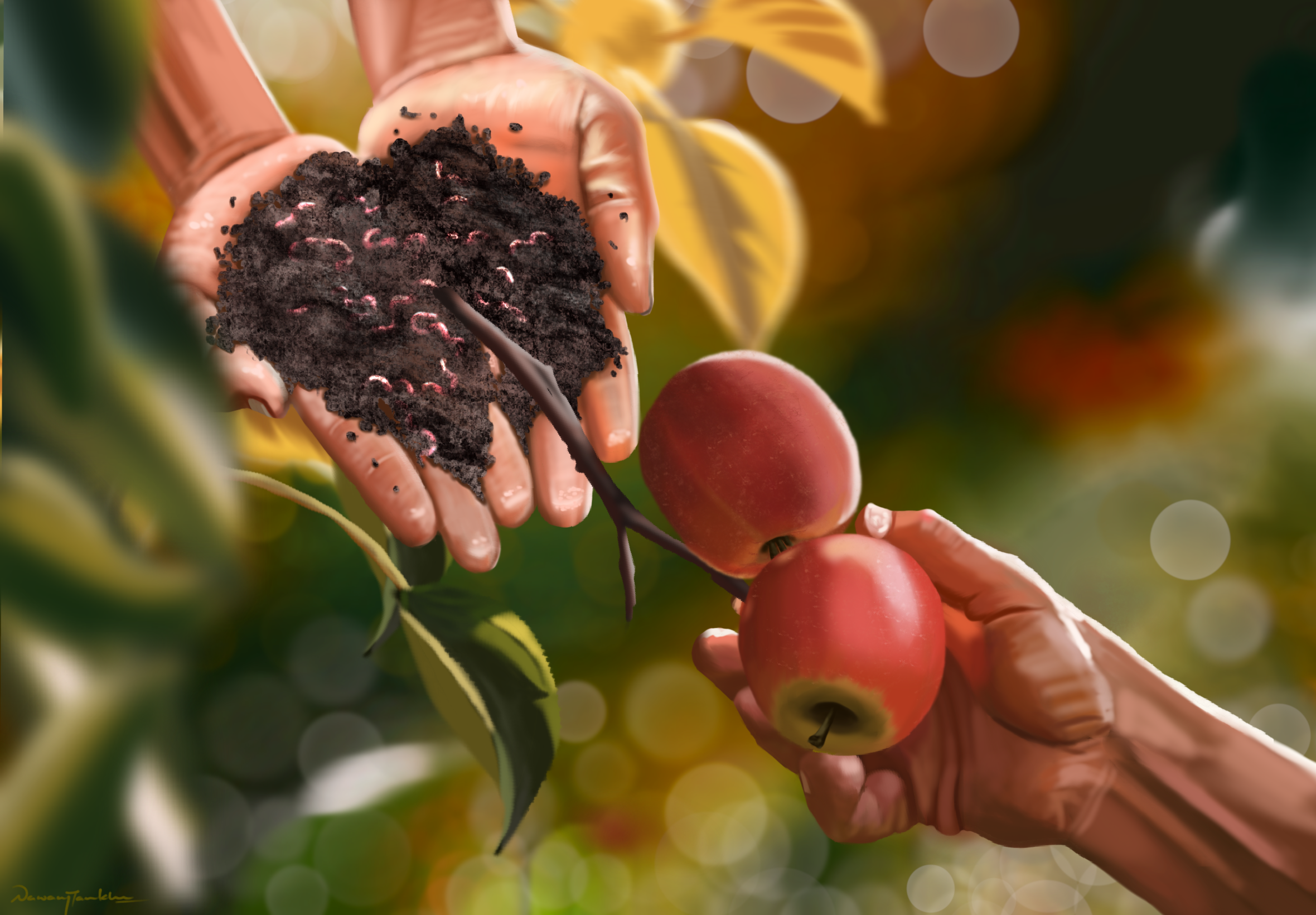
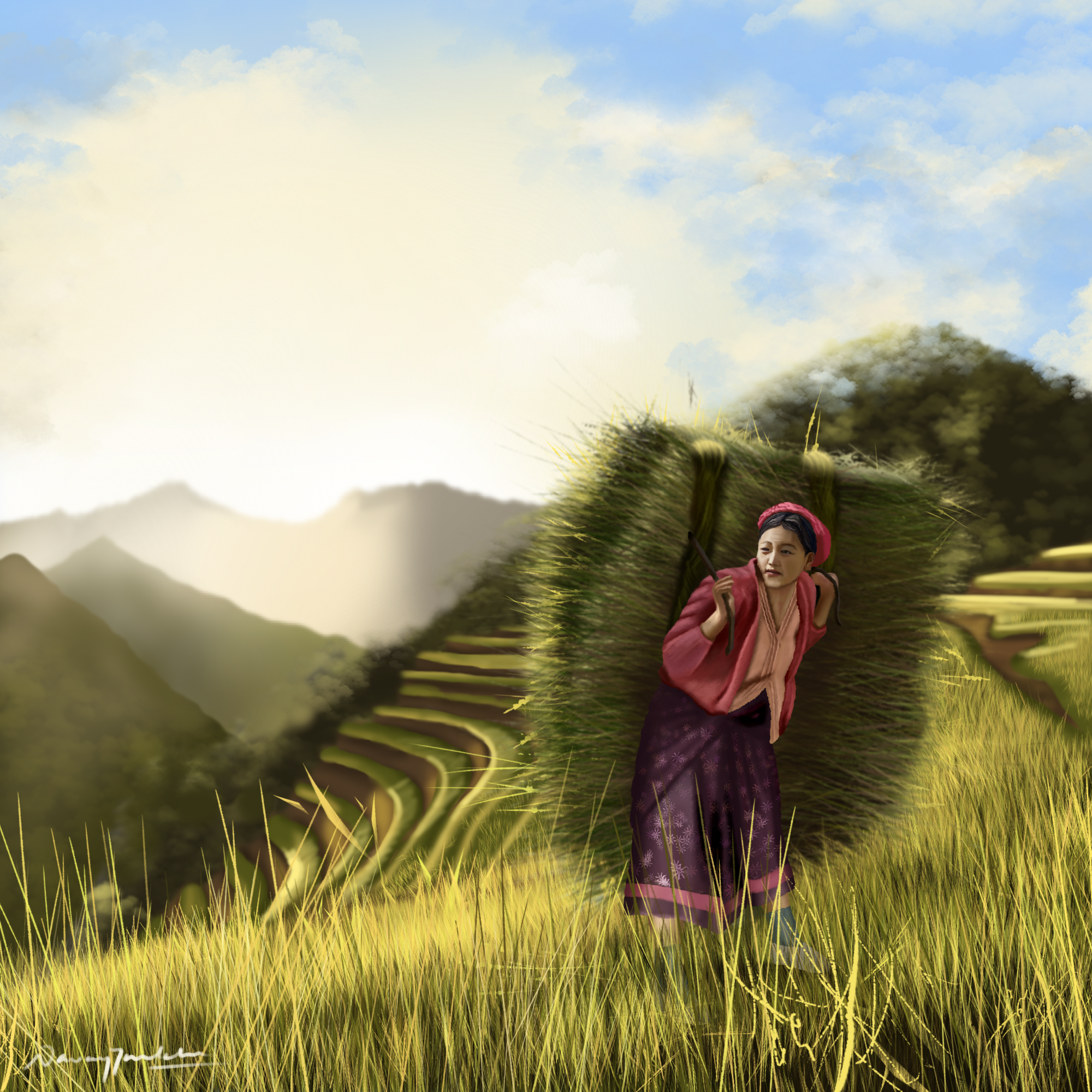
Illustration: Nawang Tankhe

Agri-Culture and Agriculture

Agriculture on the earth is about 10,000-12,000 years old and it appeared in India about 8000-9000 years ago. From hunting and gathering in the forests, how humans came to produce grains and how the entire process must have grown and spread across migrants, communities, regions and countries – is a fascinating history by itself. But have we ever paused to wonder or ask, what was it about agriculture that so many millennia later, it continues to be the principal foundation of our lives, relevance and survival and the main yardstick of our life’s fertility and continuous existence?

The primary significance of agriculture lies in its role as the provider of our food, sustaining our physical well-being and activity. However, its significance extends beyond mere sustenance. For instance, let me ask you, the food that we eat, does that affect us only physically? The straight answer to that is – No! Besides producing food for our physical body, the entire process of agriculture nurtures our minds and souls, transforming us into individuals capable of thoughtful contemplation with wisdom. This, in turn, has given birth to or impacted all aspects of our lives, be these physical, mental or spiritual, and social, economic and cultural. Just take a look around yourself and you will realize that there is no aspect of our society and lives – be it our meditations on the forests or the water, or our livelihood resources or artistic endeavours – which has not emanated or developed as a result of our agricultural pursuits. In different times and space, struggling through various passages and milestones, agriculture has nurtured human and social survival and our civilizations; and the society too, by making it a major part of one’s daily life, thought and sociability. Thus, it has given birth to and developed various aspects of social life and allowed itself to remain relevant.

Here, we are trying to look at the changes that have occurred in agriculture throughout its journey. For this, there are two aspects of agriculture that we need to look at a little closely – (1) Agriculture as the physical aspect or task of growing food crops; and (2) Going beyond the physical act of growing food and assimilating agriculture into the very nature of one’s social life, i.e. turning the entire process into agri-culture. For want of appropriate terminology let us call these as Agriculture and Agri-culture (Agri as Culture). Can you see the difference between the two – difference between the act of growing food and making the act as part of one’s culture? When we look from such a perspective, we can see that, if agriculture had remained just the physical act of growing food, then it would have become a mere profession but by developing it into agri-culture it has become a vocation and occupation that is at the very centre of our entire life. By turning it into agri-culture, an interactive bond developed between it and the society, leading to both learning and feeding from and giving to each other. This is why, no society ever, defined agriculture as a profession or trade nor treated it as such, but turned it into a life-style, which did not allow agriculture to remain stagnant and rooted but imbued it with the trait of “renewability”, enabling it across time and space, down to the needs and traits of every local community, in accordance with local experience, wisdom and sensibilities that enable it to remain relevant, alive and forever in step with the times. The trait of renewability developed into a natural trait which gave society the “vardaan” of the everlasting – and which we call development.

By harping on this difference, and seeking to use the two terms “change” and “renewability” with two different meanings, I wish to see and analyse the changes that we are seeking to understand. It might be appropriate that we analyse the dimensions and meanings of these two terms, for a clearer understanding of the change that we are discussing.

Are the terms “change” and “renewability”, synonyms?

I think not, and this is what I am seeking to understand and explain. Further, if we can see “agriculture and agri-culture” and “change and renewability” in the context of each other then we may be able to grasp better the essence of change in this sector in the last fifty odd years. For this, we may need to compare these in two distinct time eras.

The changes that have happened in agri-culture in the last 50 or so years are actually the consequence of changes in society that began with the advent of industrial revolution in Europe about two-three hundred years ago. That period provides a distinct dividing line across which we can clearly see an overall difference in the basic nature, belief, concept, action and result between agriculture and agri-culture. We can then clearly understand the cause and the impact of the changes that we have been witnessing in the last four-five decades.

The pre-industrial revolution 10-12 thousand years saw countless small and big changes. However, those changes happened in different times, in different places and amidst different communities and in accordance with retaining the balance of and in cooperation with the five elements. The genesis of those changes happened at specific local levels and no change was sudden but happened slowly as a result of close observation and experience over a long period. In other words, those changes had elements of deep reflection and experiment, wherein some experiments may have been fruitful and some not successful, immediately or over time, on the basis of which the society would have accepted, rejected, corrected or improved upon those. And such a process continued constantly. In fact, this entire process of doing, seeing, improving, adding on was what gave agriculture the trait that we are naming and explaining as “renewability” – wherein something new did not happen suddenly but grew on the foundation of the old and which sought to carry the old a few steps ahead.

Barahnaja, a traditional system of taking 12 crops in a year; Beej Bachao Andolan

What was special or specific about any such change or development was that it was based entirely on the experience and wisdom of the local farming community. As a result, there was a development of a repository of traditional knowledge which was not limited to grains and crops but assimilated understanding and knowledge of all natural resources. This encouraged at the local geographical level, diversity of crops growing in the field and the food being cooked in the kitchens. Not just that, its impact was seen and felt beyond local agriculture practice, on the development of native languages and proverbs, diverse folk arts and culture, and gave birth to the technology of making wood or metal implements and utensils. This is where, agriculture went beyond growing crops and adopted the wide character of what I have termed as agri-culture to become an intrinsic and inherent part of life, to become its lifestyle. It will not be an exaggeration to claim that it was this agri-culture which developed in the humans, observation based scientific temper and process which further developed among the humans, an understanding of climate and weather, botany and zoology, etc. Try to look at basic knowledge in any discipline and you will find that its seeds germinated as a result of and in the general environment created by agri-culture. Indeed, despite its very local nature and characteristics, agri-culture proved to assimilate within itself the vast and global natural vision. It became a close reflection of nature’s godly vision, and played a critical role in the existence and continued well-being of this earth.

If we take this entire spectrum together and borrow from the definition of democracy, we can say that the renewability in agri-culture is of the people, for the people, by the people. From concept to planning and execution, the entire responsibility and control remained with the local community.

Agri-culture which was life’s philosophy, a lifestyle is today a mere profession and mode of employment. In fact, it is no longer agri-culture and has reverted to being plain agriculture. Today, it is no longer a medium to enhance life but just to stay alive and afloat, to remain economically alive. The agriculture which is being encouraged and propagated today is no longer social but industrial, or in other words, the society no longer owns it but has rapidly been given to or taken over by the industrial and corporate companies. It is not based on the knowledge invented or developed by the farmers on the field, but the entire thought, observation, research and implementation is developed in the laboratory of some institution or company and then served as a package to the farmers. This is not part of agri-culture’s renewability emerging from the existing practice and from within the society and indeed, it is not even a change but an intentionally planned campaign (even, a conspiracy), a replacement deliberately imposed from the above and outside, to completely uproot this most important function in society. The cardinal characteristics of agri-culture were then steadily marginalized and erased.

This replacement about 50-60 years ago, which turned agri-culture on its head did not come with the Green Revolution (more appropriately called Greed Revolution) then but was the consequence of what had emerged as the industrial revolution two-three hundred years ago. And it started with de-legitimising traditional society’s existence, identity and knowledge by naming it ‘backward’ and following it up by seeking to shame people’s knowledge systems and their seeds. It was crucial and strategic that this society begin to have an inferiority complex about oneself. This was the first essential stage of the conspiracy. Once this was achieved, it was followed by a systematic replacement of the principles, methods, seeds with the means that it had created. As a result, a creative, productive and self-reliant society has today become a dependent slave farmer society.

Photo: Wikimedia Commons

An important aspect of this change in India was the establishment of the institution of the Zamindari system, wherein the society itself saw its division into two distinct classes. This system, the “divide and rule” confiscated from farmers their independence and creativity and turned them into slaves at the village level itself. So, there is an entire stretch of an exploitative pattern, which later developed into the introduction and dominance of Green Revolution. In the course of the industrial revolution starting from Europe, all aspects of agri-culture were side-lined one by one. This started with terming the entire identity of character of a local society as backward. It was important, in fact, essential for new agriculture to establish itself by downgrading and marginalizing traditional knowledge systems and particularly, its local seeds, and for the people to feel ashamed of their own rich traditions. Once this was done, it was followed by introducing and establishing its own means and resources. The net result of this was that a productive farming society has today become an enslaved, dependent society.

Let us try to understand this through an example or two.

Earlier, seeds of any grain or produce came from the farmers themselves and whose ownership was theirs, collectively. Any seed needed, in the first instance, came from their own homes, or neighbours, or village, or neighbouring villages. Those were seeds which bred and prospered in the soil and water of the respective village, were acclimatized to the local geographical conditions and situations, and which were also the reasons that resulted in their tremendous diversity.  Consequently, this diversity enabled the seeds or crops to develop characteristics to suit every season, every taste, every health point of view and which provided them with tremendous disease resistance and ensured the society remarkable prosperity.

This led people to develop their own exchange traditions and practices – seeds travelled from one farmer to another, one community to another, one village to another, one society to another. For instance, a borrower did not have to pay the lender but only later, post-harvest returned to the lender double the amount (or whatever measure the community practiced) they had taken. A typical exchange practice also had a humanitarian aspect to it – for reasons of flood or drought or any other, if the crop failed, the borrower did not feel forced to return the lent amount to the lender – it was an unwritten understanding within the society. What this ultimately meant is that there was regular availability of seeds in the community.

Today, the system has been turned on its head. The control over seeds has been usurped from the farmers’ hands to the company’s control – and the farmers from the producer and master has become a mere customer bound by the company’s many conditions of restriction, rising cost and despair – all that farmers today understand clearly and suffer, but are not in a position to do anything about it.

Let us look at another example on this. Today, as the harvest begins to fall rapidly after a year or more, farmers need to change the seeds – and actually, purchase new ones. This considerably enhances the farmers’ input costs. The fall in production, is a basic failing of any crop or seed, which farmers were well aware of. However, earlier, farmers did not need to change their seeds as frequently or rapidly as they do now. And even then, farming communities had developed their own mechanisms of seed-change. At the first level, they would merely change the field (avoid growing a crop in the same field every year), and change seeds only after considerable number of years. The entire system of seed change, from concept to practice was in the farmers’ or community control, and so it continued to remain even after seed exchange. But today, with what guile and cleverness, this community practice has been taken away from their hands and turned into a practice of excessive profit of the companies.

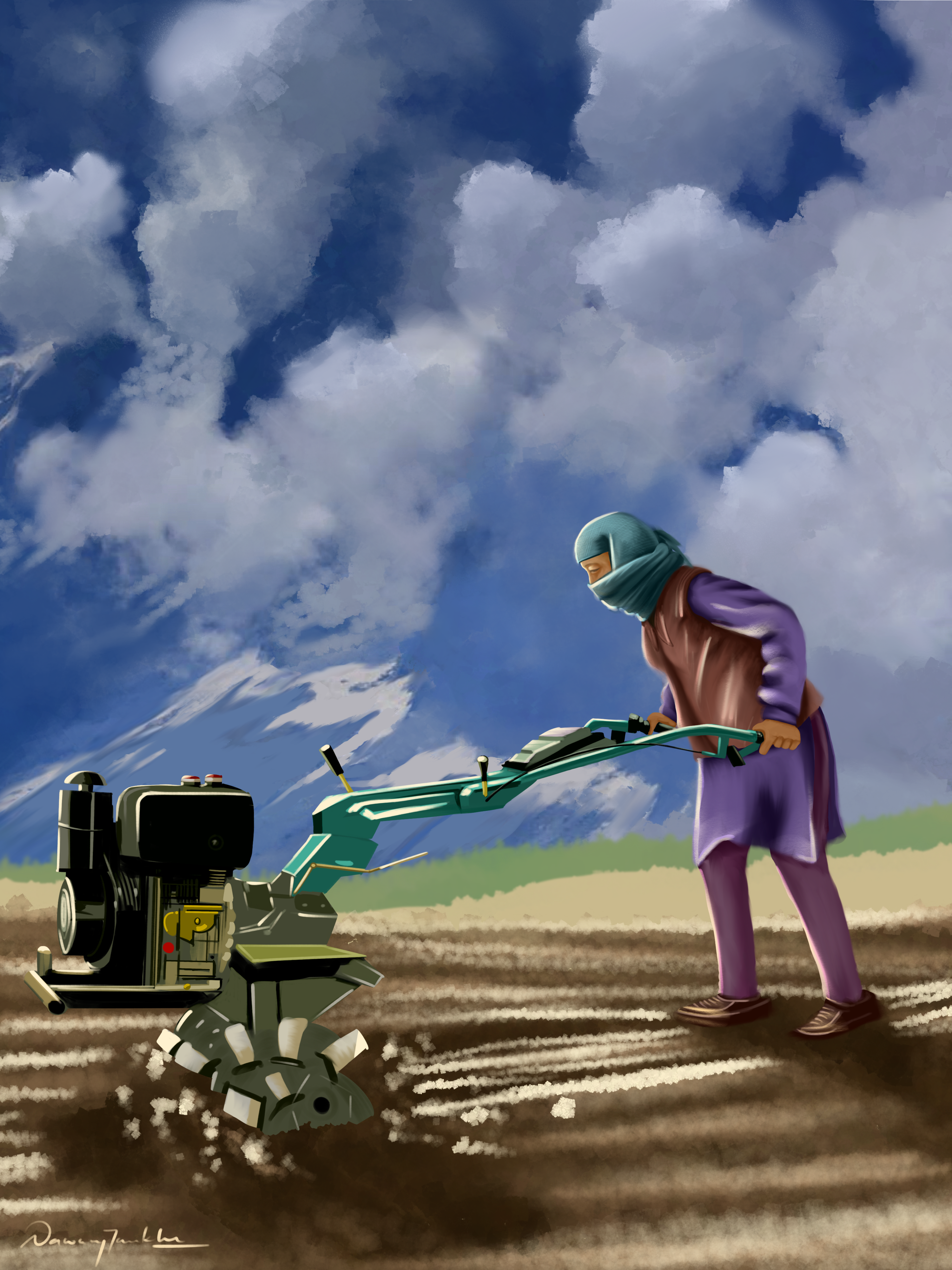
Illustration: Nawang Tankhe

Likewise, comparing old agri-culture and new agriculture, we can see how a farmer in their practice has gone from being a self-reliant producer to becoming a mere consumer, from being a master to becoming an employee, service provider or servant. And agri-culture which was critical or foundational to maintain the ecological balance of the earth, has through consumption and exploitation become a trade and profession. Our food crops are no longer a gift of nature but are a market product. Farmers who had a god-like status of being providers of food have today become mere service providers to large companies.

Don’t you find it strange or doesn’t it trouble you that farmers are possibly the only producers who do not determine the price of their produce, unlike manufacturing companies that fix the price of their own manufactured material, and consumers readily pay that price. Not just determine the price but also raise or lower that to suit their convenience, for profit or even as a nefarious act. We normally do not pay attention to this or choose to ignore it.

Many institutions and organisations are trying to address these issues. Of late, the growing acceptance of organic food crops have increased the demand for mountain produce – which, in any case, are organic by default, and which have allowed more and more organisations to work with farmers. For a while it appeared that, at last, we will be able to look up to the farmers and regard them for the honour that is rightfully theirs. But, in reality, has it helped?  When you look at the wider picture, you realise that this is yet another scenario of the initiative being trapped in the grips of the market and companies. Instead of re-establishing the ecological and natural values of agri-culture, organic is rapidly being assimilated into the market system. What the organisations are doing are ultimately only fighting the market within the existing market concept, instead of looking for their own markets.  It is an unequal battle where the rules are laid down by and controlled by the market. How can you battle the market in the latter’s arena?

As such, earlier the farmers cultivated for their families and communities, today they are essentially cultivating for the market. And a good test can be, to find out how many of such successful farmers wish their children to go in to farming.

If we can grasp the essence of the basic differences between agriculture and agri-culture, we will be able to see more clearly the location of local and global changes happening in farming. Hopefully, that would enable us to determine our future course of action better.

2000 2000 Biju Negi
People and their land
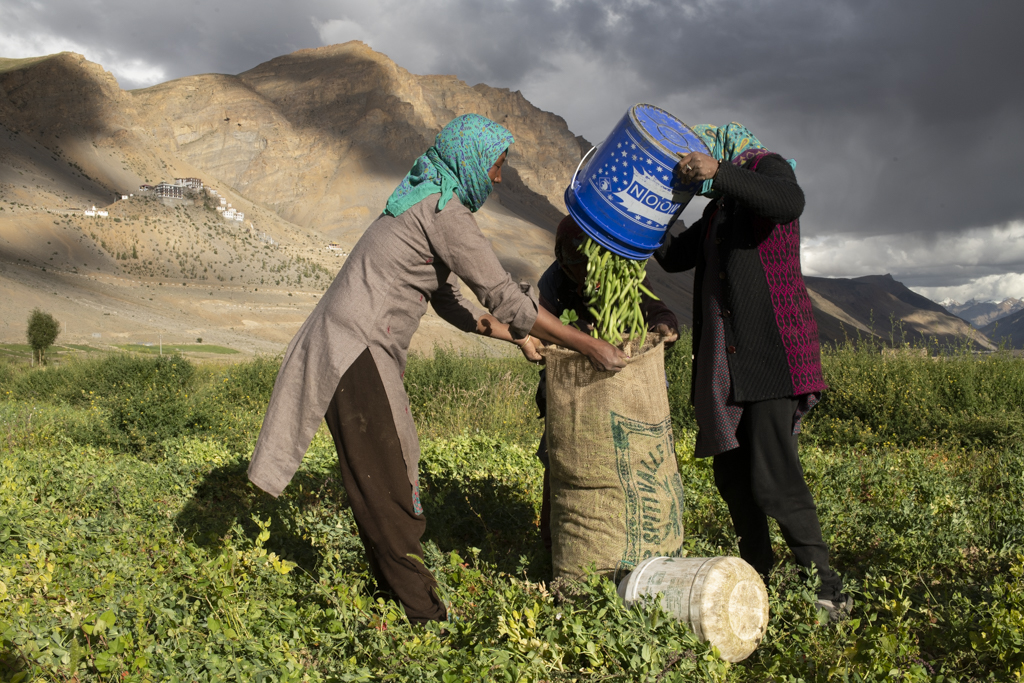
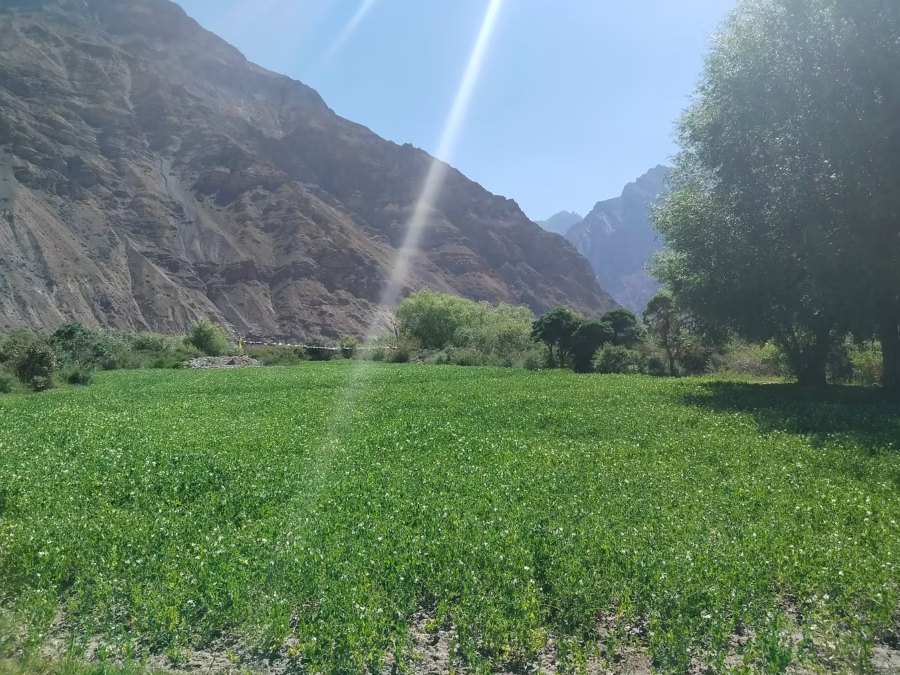
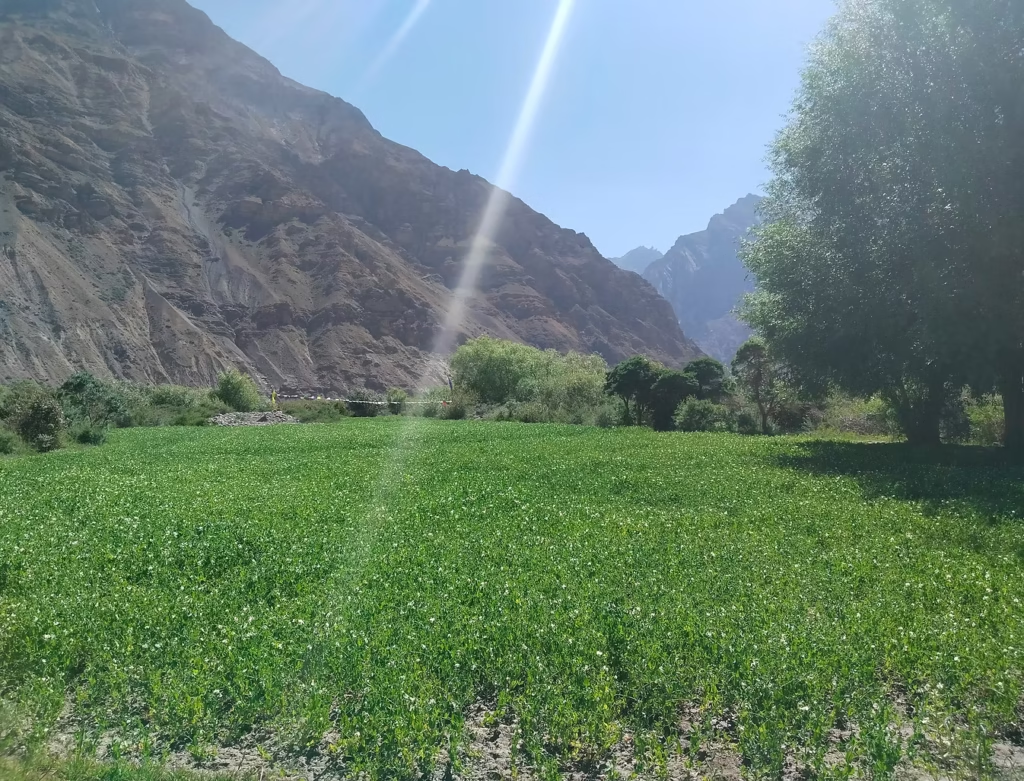
Pea harvest in Kee village | Photo: Prasenjeet Yadav

People and their land

Parts of Lahaul-Spiti and Kinnaur that fall above an elevation of 2500m are home to traditionally agro-pastoral societies. People who have combined farming and horticulture with rearing livestock as a dual source of living. Success at growing barley, a crop that can tolerate cold temperatures, allowed people to farm and hence inhabit high-altitude areas about 3,600 years ago. Agricultural land was historically held through semi-feudal arrangements – by the appointment officials who were given powers to collect taxes. Over centuries the traditional crops ranged from varieties of barley (at least four varieties that were locally known as kneu, soa, nenak, and eumo), to buckwheat (known locally as ogla and phafda or kaathu), and black peas. Horticultural produce included varieties of apricots and apples, especially in Kinnaur. In addition to helping plough farms, livestock were a source of many essentials: protein, dairy, wool and manure. The region’s remoteness and sparse population made cooperation in farming essential. Clear rules to manage water, pastures and other essential village common resources have been practiced for centuries. Farming enabled subsistence with surpluses being traded.  Such trade involved barter that was largely regional. Annual trade fairs held at Ladarcha (Spiti), Kullu and Lavi (Rampur-Bushahr) provided occasions for such exchange.

Agriculture began to transform soon after India’s independence in 1947. Himachal Pradesh witnessed land reforms in the form of four separate acts that were enacted between 1953 and 1968. In addition to a ceiling on the amount of land that could be owned individually, ownership rights of land were granted to those who had traditionally cultivated them under old semi-feudal arrangements. Land for farming was allotted to landless individuals, a landmark reform referred to as nautor. Even though there were discrepancies in land holdings and allotments, the laws ensured that almost every household owned land for agriculture. Another key factor that went on to influence farming was the setting up of cooperative societies with the aim of preventing outsiders exploiting local people because of their isolation.

Illustration: Nawang Tankhe

Lahaul

Set to the north-east of Manali across Rohtang La, Lahaul was the most remote part of this region remaining cut-off during winter. Enterprising Lahaulis set up an informal Muleteers  society in Manali in the 1950s, where they used to come in the winters to rent mules or to work as labour. This arrangement let them fix rates they would charge and prevent any exploitation. This ran successfully without any formal support or intervention until the road over the Rohtang La was built in 1967. A Kuth Cooperative Marketing Society, established in 1959, was the first registered cooperative set up by Lahaulis in Manali in order to stabilise kuth prices and explore new markets. The roots of the kuth plant, introduced in Lahaul around 1925 from Jammu and Kashmir, has medicinal values and is a non-perishable item. Kuth cultivation was a success and probably brought local Lahauli farmers their first substantial financial gain by planting 10–15% of their fields with kuth. Though kuth prices started to decline in the 1960s, this success marked the start of the region’s experiments with commercial crops which continues to this day.

Potato was first introduced into Lahaul in 1860 by Moravian missionaries. Local climatic conditions offered an advantage as it enabled Lahualis to produce off-season vegetables. In 1965, as kuth prices began to fall, a meeting was held in Keylong where a few leading farmers of Lahaul held discussions with scientists and potato growers of Punjab. Some potato growers from Jallandhar assured the purchase of their entire first crop at rates that would give farmers higher returns than kuth. All preparation for potato cultivation were completed months before the closing of the Rohtang pass in winter. In 1966 the first batch of disease-free seed potato was exported from Lahaul. This led to the formation of the Lahaul Potato Cooperative Marketing Society (or simply, Lahaul Potato Society) in 1966 with just 20 farmers. Farmers had soon realised that potato cultivation would not be financially viable without collective action to influence the market to which all the farmers were vulnerable. The Lahaul Potato Society thus set out to procure, store and market agricultural and horticultural produce of the region. It worked closely with the Central Potato Research Institute that had come up in Shimla in 1956.  These collaborations brought in knowledge of contemporary farming techniques and access to fertilisers. By the mid-1970s potato became the most prominent produce of Lahaul, with very small portions remaining under barley and buckwheat. Seed potatoes were being marketed to Gujarat, West Bengal and Maharashtra with small amounts going as far as Pakistan, Bangladesh and Sri Lanka. By 1975 the Society was not only financially viable but it also started gathering assets and venturing into other services. At its peak, the Lahaul Potato Society was India’s second largest cooperative after Amul.

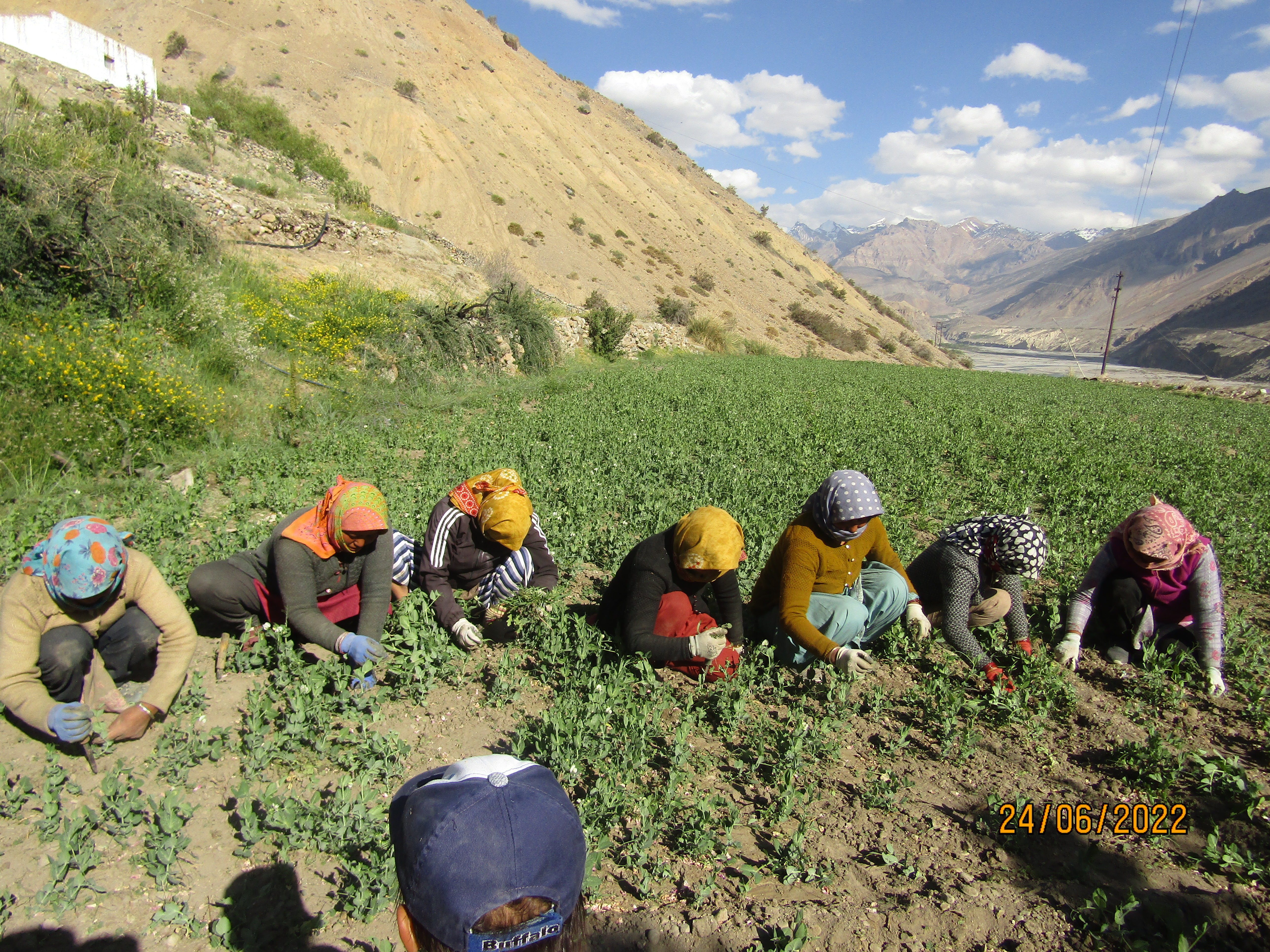
When prices of potatoes fell in 1979-80 and again in 1984-85, the Society lobbied with the State government to ensure a support price for their produce. The Society supported diversification through the promotion of hops cultivation in 1973-74, and later with the introduction of green peas in 1984. Cultivation of green peas picked up in the following decade, with farmers switching from potato to peas. Since green peas was perishable, the Society’s role in its marketing remained limited to offering a support price in the case of a crisis. Farmers initially sold their produce in markets directly by taking heavy risks. In time, private buyers emerged who bought green peas directly from the farms at attractive prices. This led to the expansion of green peas cultivation across Lahaul, and to surrounding areas. Currently, Lahaulis grow newer off-season vegetables like cauliflower, purple cabbage and iceberg (lettuce) which are more profitable than green peas and are also procured by private buyers. Potatoes are still cultivated, but its acreage remains marginal. The Lahaul Potato Society remains active in the region and continues to work on the principle of pooling prices, costs and risks. In its nearly 60 years of running, the Society managed to prevent political influence in its administration with its management focusing on the broader collective benefit of Lahaulis. Over the years, farming in Lahaul transformed from being a subsistence-based livelihood to a lucrative cash-crop based occupation.

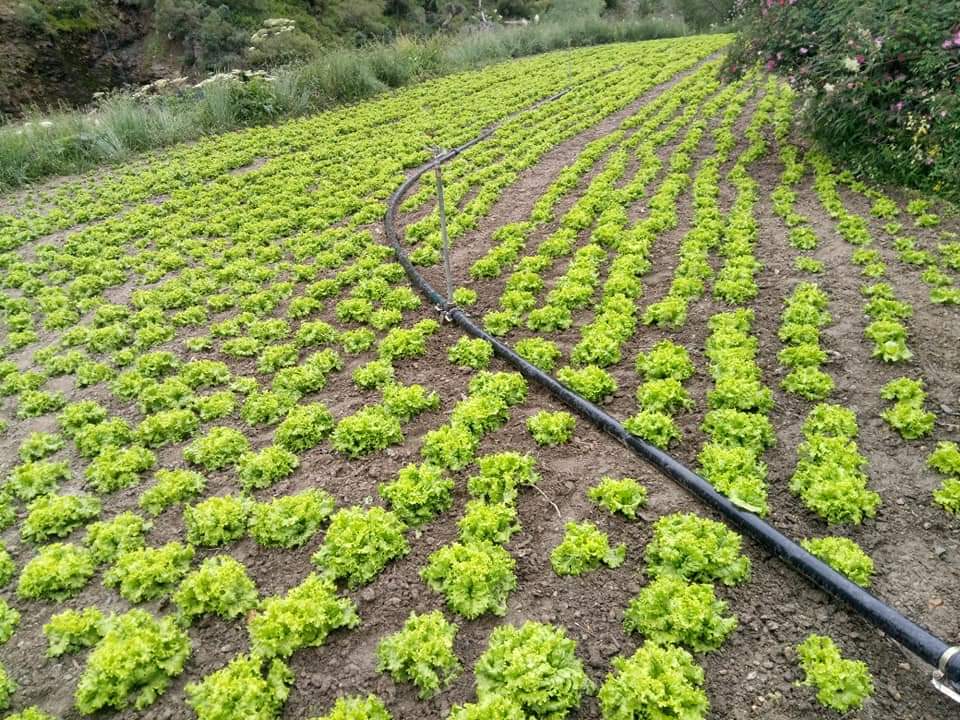
Organically grown iceberg lettuce in Lahaul | Photo: Tashi Angroop

Kinnaur

Within Kinnaur we especially focus on the Hangrang valley that falls in upper Kinnaur at elevations above 2500 m. Set around the confluence of the Spiti river and Sutlej, farming in this region faced multiple challenges due to its remoteness even though it remained accessible in winter. Subsistence based farming and livestock rearing were the mainstay in the region, alongside active trade with Tibet via the Shipki La. The Indo-China war of 1962 led to the development of infrastructure along the border, but affected trade ties that the locals traditionally had with Tibet.

Apple was first introduced in Himachal Pradesh around 1916 and soon these parts were identified for horticultural development. Kinnauras were encouraged to grow temperate fruits such as apples, cherries, apricots, pears, almonds and walnuts. Kinnaur did grow potatoes, also registering a Society in 1962 and one in 1981 for upper Kinnaur, but its cultivation almost always remained marginal. Upper Kinnaur switched to green peas as a cash crop and by the late 1980s, its production was picking up. Kinnaur’s economic switch to a cash-crop based economy, thus began to take shape from the late 1980s.

In 1988, about 70% of cultivable land in Kinnaur was still under traditional crops such as buckwheat and barley, with green peas providing cash. Hill slopes had begun to be occupied by apple, which took up to 15 years to bear marketable fruits. By the mid-1990s, apple became a prominent source of livelihood. With the adoption of apple, came newer techniques of orchard management and the introduction of synthetic fertilisers and pesticides. Today, green peas cultivation remains restricted in pockets as apple plantations are fast replacing them. Farming in upper Kinnaur has almost completely switched to horticultural produce, with a rising demand for land that can be brought under apple production. This boom in apple production has become possible because of the warming of temperatures due to which the apple belt appears to have migrated higher to this cold and dry mountain zone. It is a rare example of how changing climate may have created opportunities for the community, while also creating several vulnerabilities.

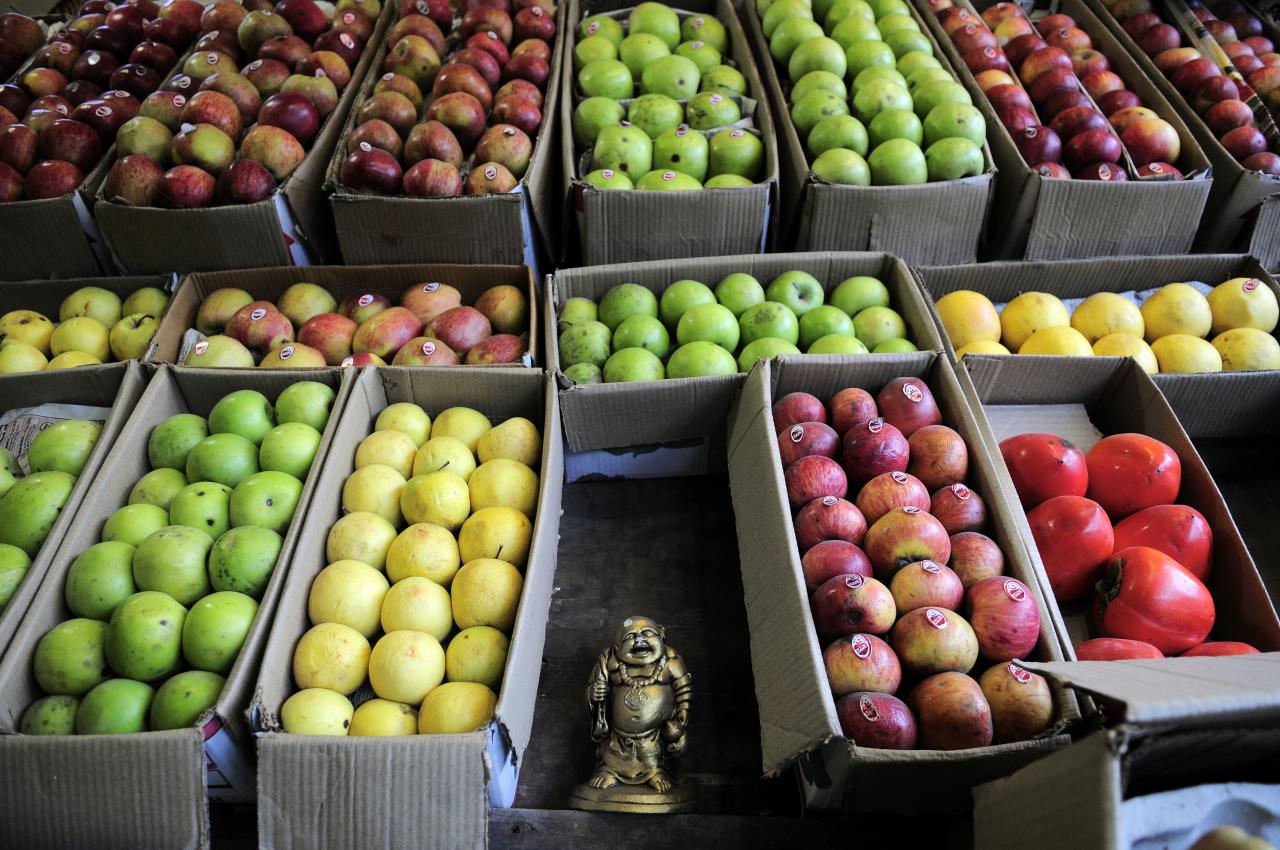
Apples of Himachal Pradesh | Photo: Wikimedia Commons

Spiti

Set between Lahaul to one side and Kinnaur to the other, Spiti is probably the highest and coldest part of this region. Though technically Spiti remains accessible in winter, it was the region farthest from any large town of prominence. This reflects in the fact that while Spiti too is moving from subsistence crops to cash crops, its transition is the most gradual.

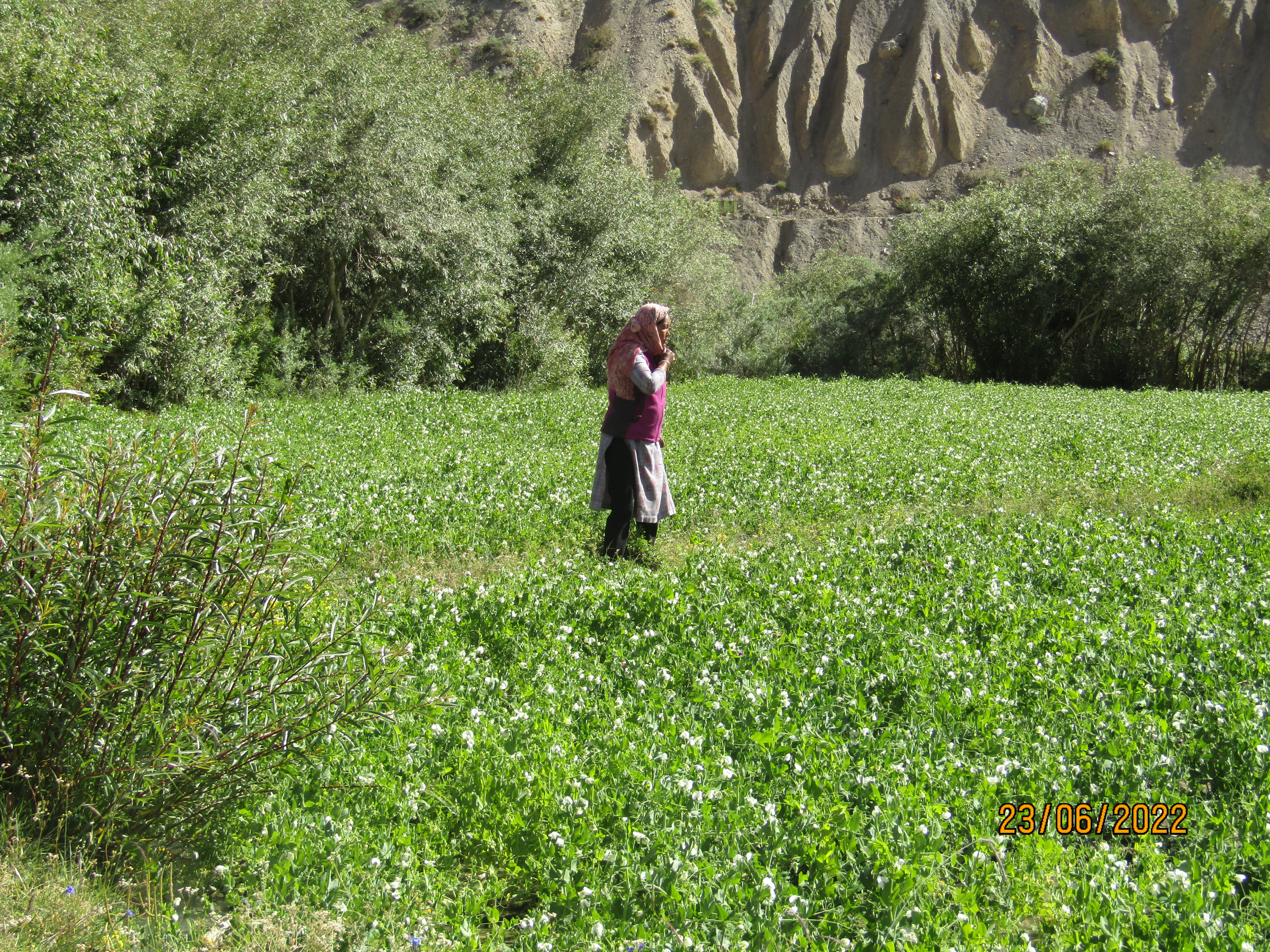
The two prominent crops of this valley were barley and black peas. Spiti too experimented with potato and set up a Society in 1977, but potato production did not pick up as did in Lahaul. Many Spitian farmers felt that this was likely because the harvest of potatoes overlapped with that of barley, which was a more essential crop for subsistence. Spiti eventually began to experiment with green peas, and in the 1990s Spitian farmers traveled to Delhi for the sale of their produce. The production of green peas picked up significantly from the 2000s, when private buyers started to purchase their produce from their farms. Around 1990, barley was sown on 55% of the arable land, while peas occupied around 30%. By 2009 barley had fallen to 43% while green peas had risen to 51%, mainly by reducing cultivation of other marginal crops like black peas, wheat, masur dal, rajma and mustard that were cultivated for personal consumption. Today green peas are being cultivated in more than 75% of the fields, and most locals’ cultivating barley occasionally in a few years to fulfil household demand. The success of apple in the villages closer to Kinnaur has excited farmers to also start experimenting with apple plantation in the hope that apple orchards may eventually move even higher than Kinnaur. In 2023, a few farmers from Kee village succeeded in growing sample apples at an elevation of nearly 4000m, which has further increased hopes.

While Spiti is following a similar trajectory to Lahaul and Kinnaur in switching to cash crops, there is one aspect in which it still remains traditional. While Lahaul and Kinnaur have adopted the use of synthetic fertilisers and pesticides, Spiti has largely resisted this switch. While a decreasing interest in livestock rearing may have led farmers of Lahaul and Kinnaur with little choice, livestock rearing persists in Spiti and most farmers are skeptical of introducing synthetic supplements. Farmers buy organic livestock manure from as far as Changthang in Ladakh and are also buying poultry manure from the plains.

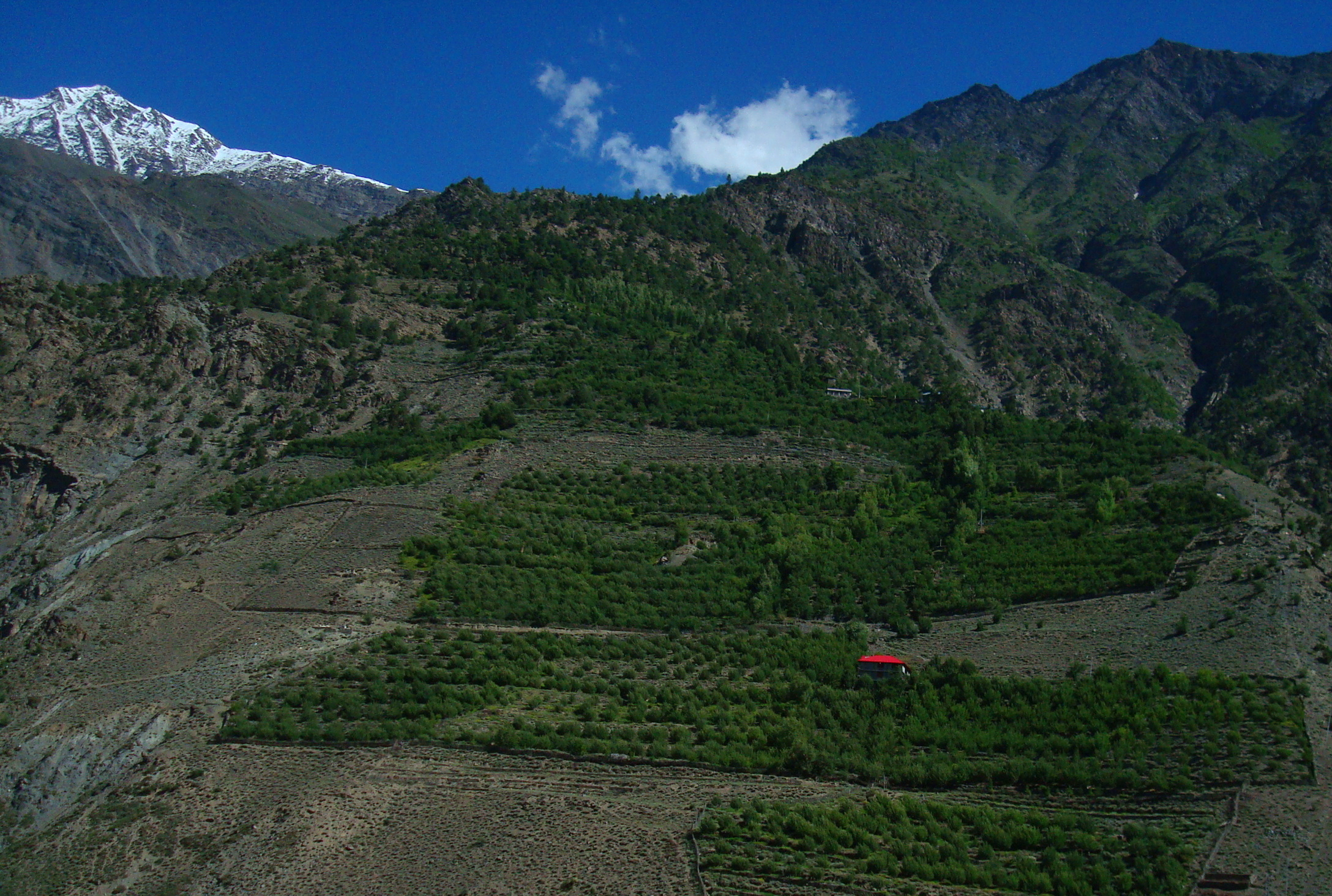
Apple orchards on the hill slopes of Kinnaur | Photo: Wikimedia Commons

Agriculture – a story of constant change

Agriculture in the high mountains of Himachal Pradesh has evolved continuously. Improving access and connectivity made it possible for farmers to take their produce to markets. With connectivity improving over the years, farmers have taken risks with growing perishable cash crops. Sometimes these risks also bring major losses, as they did in 2023 when unforeseen weather events caused widescale damage to infrastructure affecting transportation. However, in regular years the financial returns can be attractive. The advent of technology has further led to the adoption of locally relevant technical solutions. Farmers have diversified cropping and have been open to experiments, which have brought them financial rewards. They have balanced between selling their produce to cooperatives and private buyers. Rising incomes have let them broaden their aspirations, with younger generation getting opportunities for better education and greater exposure. Access to cash has also allowed farmers to hire labour, which was previously not possible. Many parts of Lahaul are now experimenting with various forms of contract farming where the profits are shared between the landowners and the labour who manage them. Remoteness may have brought out the dynamism of the farmers of Lahaul-Spiti and Kinnaur. The success of early experiments with cash crops by a handful of farmers paved the way for the entire region. Locals were aware of the risks they were exposed to on account of their remoteness, and they countered this challenge by setting up institutions and arrangements that distributed both the risks and rewards. In the process, cultivation of traditional crops has declined and is now limited to very small pockets.

Unlike several other Himalayan regions where farming is in severe decline, farming retains its significance in the region. With nearly all households of the region involved in agriculture, it forms a key source of income. And with almost all households owning land parcels on account of land reforms, almost every family has benefited financially, even though the benefits may vary with the size of land holding. This reflects in the fact that the districts of Kinnaur and Lahaul-Spiti rank second and third in terms of per capita incomes among the districts of Himachal Pradesh, and are well above the average per capita income of the country. There is a continuous demand for land to be brought under cultivation through the extension of nautor rules. A lot of this commercial success has also been possible because of the local climate, which has allowed these regions to supply off-season produce that fetch a premium. But with rising uncertainty in weather patterns, farmers and farming stand increasingly exposed to greater risks even as people’s relation with their land remains strong.

1024 683 Multiple Authors
Navigating the challenges of climate change in the Himalaya
Illustration: Nawang Tankhe

Navigating the challenges of climate change in the Himalaya

The heart of the mighty Himalaya is witnessing a profound transformation shaped by the relentless force of climate change. With Himalaya playing a crucial role in shaping the weather patterns across India, climate change is disrupting these patterns. And the Western Himalaya Region comprising of Jammu & Kashmir, Ladakh, Himachal Pradesh and Uttarakhand characterised by complex geography with various local warm and cold zones is affected differently from one location to another.

Climate change refers to long-term shifts in weather patterns that affect local, regional, and global climates on earth. Most of us are familiar with greenhouses that are commonly used to grow vegetables in winter, because the temperature inside these enclosures stays warmer than outside. A greenhouse keeps the enclosure warm by letting in as much light as possible and then trapping it as thermal energy. Now imagine what might happen if our planet acted similarly? In fact, it is because the earth works like a large greenhouse, that our planet can support such a wide variety of life. This phenomenon is called the greenhouse effect. However, a rapid rise in burning of fossil fuels over the last 150 years has significantly increased the level of carbon dioxide in our atmosphere leading to increased warming and a rise in unforeseen weather events.

Research findings paint a stark picture of the Himalaya’s changing climate. Over the years the region has witnessed a noticeable rise in both seasonal maximum and minimum temperatures. The difference between daytime and night-time temperatures is also getting larger, indicating a warming trend. Snowfall events have shown variability in terms of intensity and timing. Scientists note a decrease in early snowfall during December and January, accompanied by an extension into February and March. While rainfall intensity remains relatively unchanged, there is a notable shift in its timings. Monsoon rains, once confined up to mid-August, now linger beyond their traditional timeframe, accompanied by a rise in cloudburst events. This shift, intertwined with delayed snowfall, alters the distribution of rainfall and cloud cover across the region.

The impact of this climatic transformation is not an abstract concept but a harsh reality affecting various sectors. Agriculture, the lifeline of many in the region, is particularly vulnerable. In the Kullu valley of Himachal Pradesh, delayed snowfall has cast its icy shadow on apple orchards. The blossoming, bearing, and overall yield of apples have suffered due to altered chilling conditions. Orchards, once thriving in lower elevations, now seek refuge in higher altitudes, affecting not just the geographical landscape but the very quality of the produce.

In Ladakh’s western regions, horticulture crops like apricots and walnuts are facing severe challenges. Spring seasons are turning cooler, delaying the fruiting process and impacting the quality of the produce. Barley, a locally grown crop, is witnessing a substantial reduction in yield, echoing the broader struggle against a changing climate.

Villagers in Spiti tell a poignant tale of declining green pea production, a crucial revenue-generating crop. This decline, attributed to persistent water scarcity, reached its peak in 2022 when Langza village faced complete crop loss due to the unavailability of water. The transformation is not confined to the fields; it seeps into the very identity of these regions.

Agriculture in Uttarakhand, highly vulnerable to climate change, experiences shift in production dynamics, causing changes in crop yield, reduced diversity, and a surge in pest invasions. In districts like Pithoragarh, Chamoli, and Uttarkashi, climate change is altering the traditional collection period of non-timber forest products, impacting livelihoods.

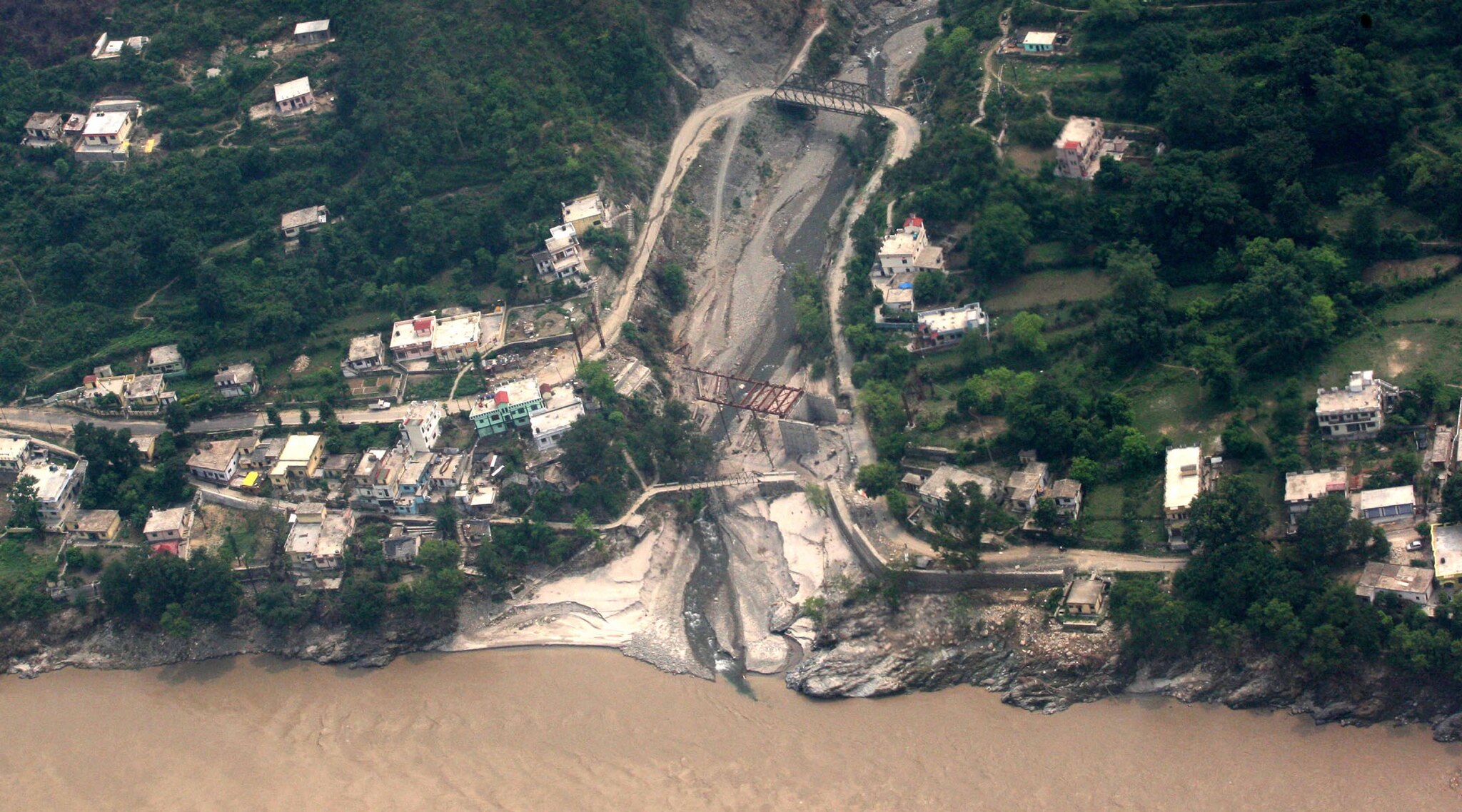
An aerial view of flood-ravaged Rudraprayag, in Uttarakhand | Photo: Wikimedia Commons

The farmers, the custodians of the land, echo this change.

Earlier, we could not see stars in the sky for the whole of July and August. Continuous rains for days during the monsoon season in old times was good for the soil and the crops. But now, sudden and untimely torrential rains are spoiling the soil as well as the crops. The rains have completely disappointed us.

by a farmer from Uttarakhand

Summers are more intense and drier now because of which the crops ripen at an early stage without proper grain development.

by an elderly farmer from Uttarakhand

Earlier the snow was about a foot high and it used to stay for weeks but now if ever there is snowfall it is less than 5 inches and melts within a day.

by a farmer from Himachal Pradesh

Every year, we travelled from Zanskar to Kishtwar by crossing the glacier. Over the years, this glacier has been reducing. The new snowfall is not sufficient for settling, posing challenges to our traditional migration routes.

by a pastoralist from Ladakh

This replacement about 50-60 years ago, which turned agri-culture on its head did not come with the Green Revolution (more appropriately called Greed Revolution) then but was the consequence of what had emerged as the industrial revolution two-three hundred years ago. And it started with de-legitimising traditional society’s existence, identity and knowledge by naming it ‘backward’ and following it up by seeking to shame people’s knowledge systems and their seeds. It was crucial and strategic that this society begin to have an inferiority complex about oneself. This was the first essential stage of the conspiracy. Once this was achieved, it was followed by a systematic replacement of the principles, methods, seeds with the means that it had created. As a result, a creative, productive and self-reliant society has today become a dependent slave farmer society.

3000 2000 Ajay Bijoor
Counting Spots in the Snow

Counting Spots in the Snow

International Snow Leopard Day is celebrated on 23 Oct. India is expected to announce the results of it’s first snow leopard census based on an extensive 4-year exercise undertaken in the Himalayan regions of the country. This mammoth exercise could not have been accomplished without the support and participation of local people living in the remote high altitude regions of the country.

1200 670 Himkatha
Changes in Agriculture (Lahaul)
Photos: Prasenjeet Yadav

Changes in Agriculture (Lahaul)

I hail from Gumrang – a small rugged village in Lahaul (Himachal Pradesh). There are about 22 households and we are majorly dependent on agriculture. Farming along with livestock husbandry and agro-pastoralism has been traditional livelihood for locals here but there has been significant changes in since last decade. I have been farming for over the last 17 years, I have seen how much has changed in the valley in terms of food sustenance, practices around agriculture and resource usage.

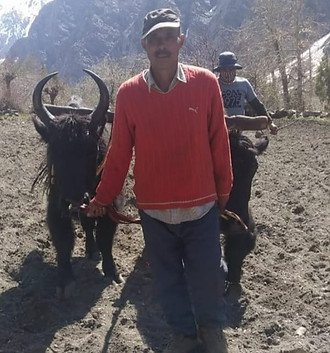
I remember, when I was young, we used Yak and bulls to plough our fields. Traditional methods of ploughing like this required at-least two men and yaks to complete the task but we have gradually shifted to machinery to get the work done single handedly. About 30-40 years ago, we would cultivate Kaatu/Kathu (buckwheat), Jo (barley), Kala matar (black peas) in Lahaul which is enough for our sustenance. These traditional crops are full of nutrients and are suitable for people living in high altitude landscapes. In the current economy, even with introduced cash crops like green peas, potatoes and apples, it is sometimes hard to make ends meet. One cannot fully rely on cultivation anymore, we are less resilient towards changes in weather and crop disease.

Many villages in Lahaul are dependent on snow fed glaciers and springs for water resources. People wait for glaciers to melt and collect in water reservoirs before it is channelled for various purposes. In older days when the water was abundant, we could make water channels by our hands and get the water to the fields. Irrigation was done through hand-made Kuls (canals) and the water was distributed among different households on a rotational basis. However, due to change in weather patterns and growing need, the glacial water melt is a scarce resource and sometimes there is also a need to pump it up from the river. The general access for water and irrigation has become more convenient with the use of drip and sprinklers in the fields but at the same time, many of the natural water sources like springs are drying up and there’s less water in our Kuls now. Sprinklers and drip irrigation seem to consume less water but I realized our crops require frequent watering (2-3 times a week) as the water is not able to penetrate deeply in soil.

Years ago, each household had 40-60 livestock which was a good source of manure to the fields. Many families now have sold their livestock and now it’s hard to find any cattle in the villages. Due to this, the access to manure also reduced and the fields produced less. Cash crops like green peas, cabbages and the cultivation of exotic vegetables like broccoli which is increasingly becoming more dominant in the valley require more tending. The families then opted to supplement their field with urea fertiliser which caused damage. Excessive usage can deteriorate the soil quality and can lead to more pest attacks. In many cases, it also impacts the field of neighboring families who might be using organic fertilizers for the crops. I hope we, as a community, become more sensitive to these changes and be mindful of long term sustainability of our land and resources.

880 587 Chhering Gaaji
Himalayan Agriculture
Photo: Thapasu

Himalayan Agriculture

At 14,200 ft above sea-level, surrounded by the trans Himalayan range, I was looking forward to seeing the yak, for which I had travelled from Mysore to Kibber village in Spiti during the summer of 2016. The walk from the village to the pasture was an arduous one, but I had two girls from the village Lobzang & Tenzin who were accompanying me on my quest. On our way, we crossed many agricultural fields where the villagers were growing green peas. It was unusual to see a cash-crop in such a harsh and remote region. They explained how agriculture had taken shape in the last few decades and opening up of roads and tourism brought many possibilities to these remote places. “For our own consumption, we still grow barley. Green peas are only for the outside market” they exclaimed. Barley, a cereal grain, which has been a staple in upper Himachal has been the source of nutrition especially during the long winter months when supply of any food produce is infrequent and unpredictable. However, due to lack of marketing opportunities, there is hardly any demand for it outside of Spiti. Discussion with these young girls led me to develop the idea of ‘Thapasu’.

Photo: Thapasu

Thapasu is a for-profit impact company that closely works with farmers and other collaborations at multiple levels to make agriculture nutrition-rich and accessible to all. We hope to do this by working at ground level in protecting and preserving the agriculture knowledge and the biodiversity surrounding it. Our work began in early 2016 when, with the help of a few researchers and the Government of India, we were able to start this initiative alongside two farmers – Deepak and Poonam from Kullu valley. We began by cultivating and marketing Jattoo variety of red rice. It was a huge success. Since then, Thapasu has been working with tribal farmers to produce, add-value and market various native, heirloom and wild products promoting natural and organic form of agriculture. Some of these include Barley, Seabuckthorn – a wild berry, Black-peas, Rhododendron, Rose Hips and Tartary Buckwheat. Today, approximately 3200 farmers have joined us from three districts in Himachal Pradesh (Lahaul & Spiti, Kullu, Mandi) and two districts in Karnataka (Mandya & Hassan) along with few regions in Leh, Ladakh.

Thapasu works with a ‘Farm to Store’ Model by marketing these heirloom species with the help of institutional partnerships and Government schemes. Through institutional collaboration, Thapasu also engages in building newer technologies which are then transferred to the farmers and self-help groups in converting the produce to the final product. 10% of our profit goes back into the community through various agricultural services we provide for farmers such as soil testing, land mapping, semi processing subsidies from government, skill training and new technology introductions. We are a team of eight resourceful people who bring various skills to enable this work in the Himalayas.

Photo: Thapasu

Food habits have changed drastically over the last 5-6 decades, however, the importance of saving local food systems is only becoming apparent to us in the recent past. Biodiversity is the key indicator of the health of an ecosystem. But the extinction of wild, native and heirloom food grain species may have unforeseen impacts, sometimes snowballing into the destruction of entire ecosystems. Ancient products still continue to grow in certain parts of the country specifically where climatic conditions are harsh and rough because they are able to withstand drought, fix nitrogen and survive in the harsh climatic condition. Introduced crop needs external inputs to do the same. But we are experiencing this shift where traditional crop patterns are being replaced by newer varieties of produce even in the remotest regions of the country. The best way to save the little that remains is by unlearning modern agricultural practices, re-adopting the traditional practices and building a circular system that benefits the farmer, consumer and the environment.

Why Thapasu?
Farmers growing ancient heirloom products do so mostly for self-consumption. For livelihood, however, they have to depend on introduced crops for which they may be using chemical based fertilizers and pesticides. This is harmful to the soil quality and health of the community in the long run. Thapasu ensures a market for the organically grown heirloom products and fills gaps which are prevalent in the conventional agro-marketing infrastructure.

How Thapasu works?
Any farmer/s who grows ancient heirloom products, organically, can reach out to us to help them sell their produce to the outside market. Once the quality and nutritional value of produce is assessed, we begin marketing and selling the produce as a Thapasu product. We buy a set quantity from the farmer which is mostly stored with the farmer and when we receive an order from our website (www.thapasu.com) we request the farmer to send the package to the address via India post. Bigger orders are managed by us directly.

How are farmers paid?
Farmers are paid when we buy the product from them. All the transfers are made directly to the bank account of the farmer. If the farmer does not have a bank account then the payments are made through our local champion who pays them in cash.

How much share does a farmer earn?
Of the total profits earned, up to 50% goes to the farmer as part of direct income and/or services provided by us.

Are there any other services provided by Thapasu?
Organic farmers or farmers looking to change to organic agriculture, can reach out to us for any grievances or consultation with regards to their fields or produce. In collaboration with other institutions, we also conduct regular workshops for farmers for transitioning to organic farming and skill building. We also do soil-testing, land mapping and support farmers to avail government subsidies.

How can farmers reach out to you?
You can give a call or leave a message with your name on +91 973 140 8844. You can also send an email at amshu@thapasu.com or visit our office in Manali: THAPASU Centre, #83/7, Siyal Village, Post Office Manali 175131, Kullu Dist., H.P, India.

427 320 Amshu CR
Women and water: a Photostory

Women and water: a Photostory

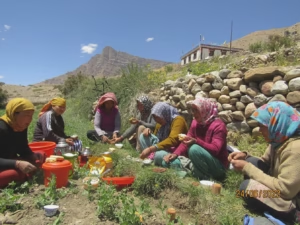
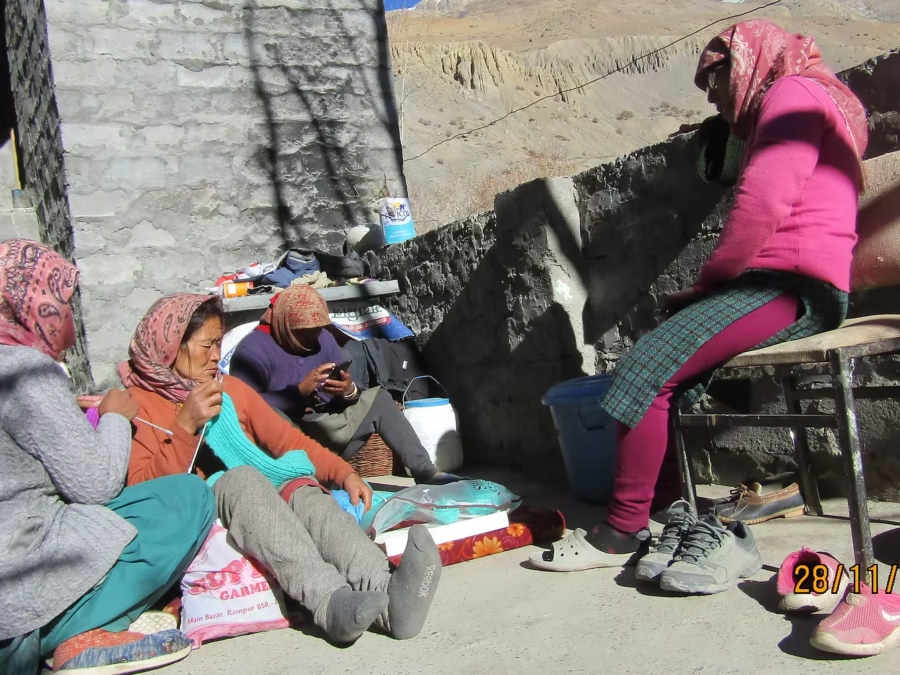
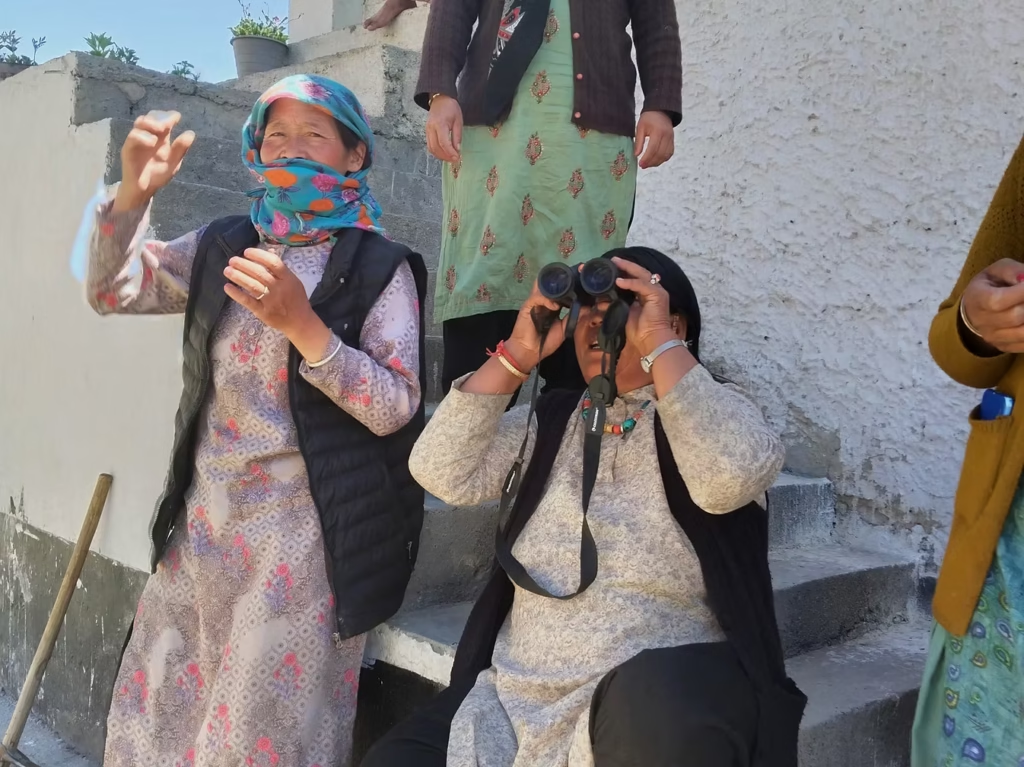
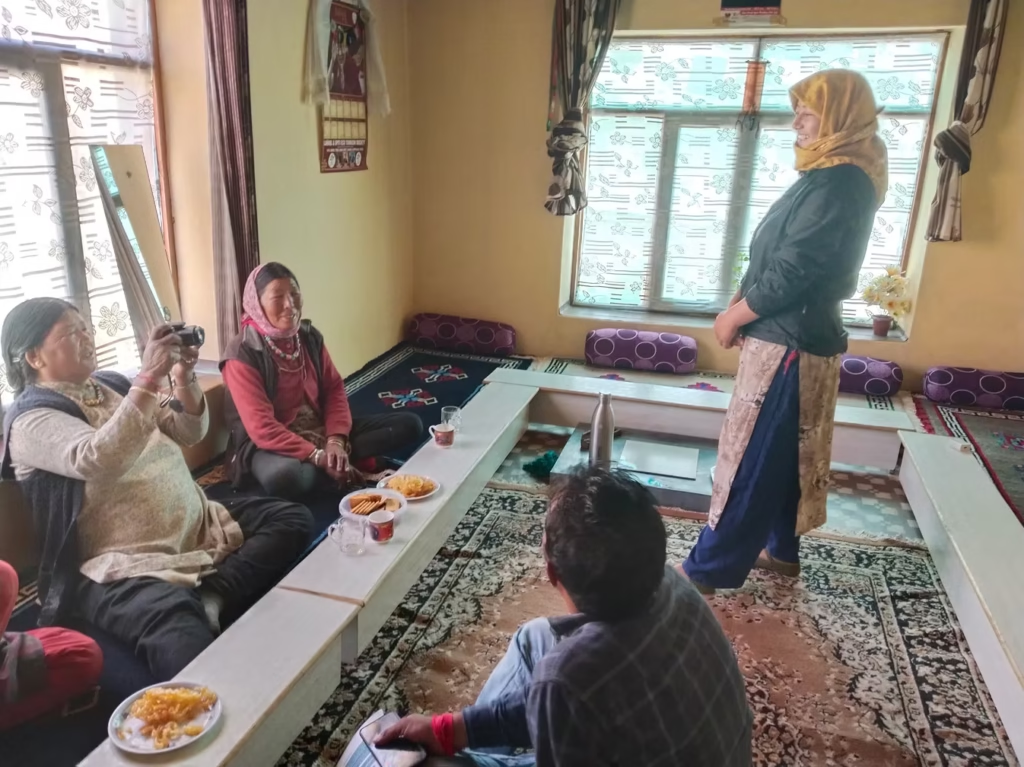
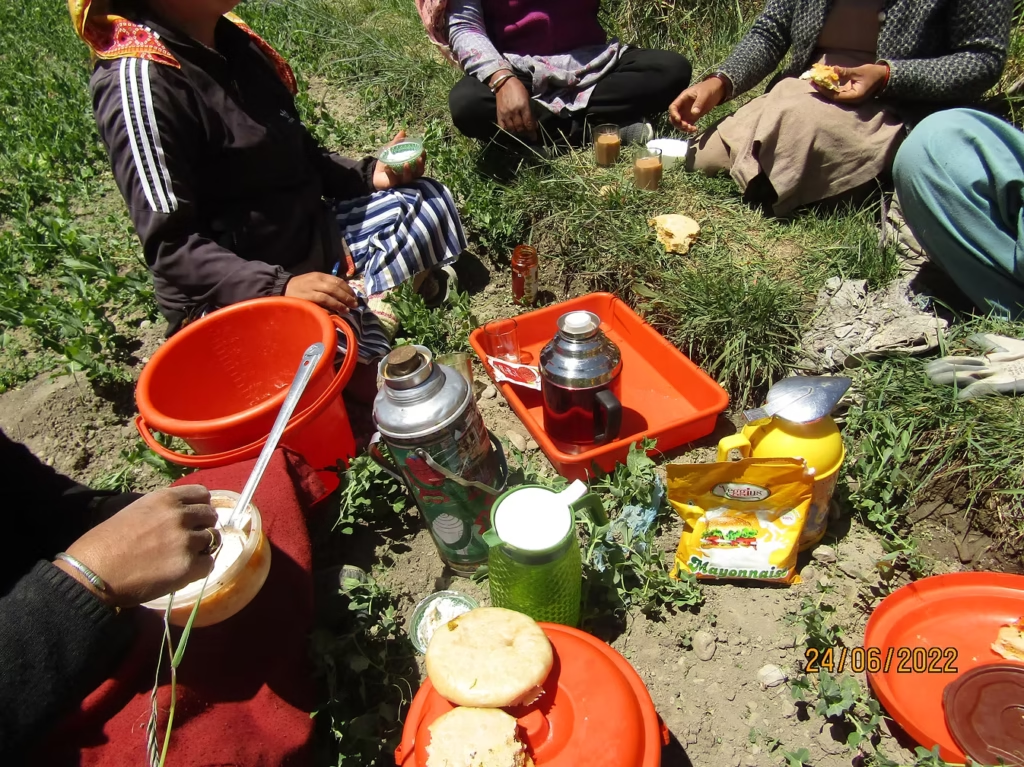
Last year, we did a photography workshop with women’s group in Shushuna village, Spiti Valley, who are primary caretakers and farmers in their households. After the session, we left them a camera and asked them to document their village life in addition to nurturing their photography skills. We returned a year later and they enthralled us with amazing pictures and great stories! Enjoy reading this one!

Kesang Dolker, Yangchen Dolma, Rigzen Youdon, Migmar   Dolma, Panama Dikit, Tsering Yangzom, Prabha Devi, Choddon, Dikit Dolma, Yangchen

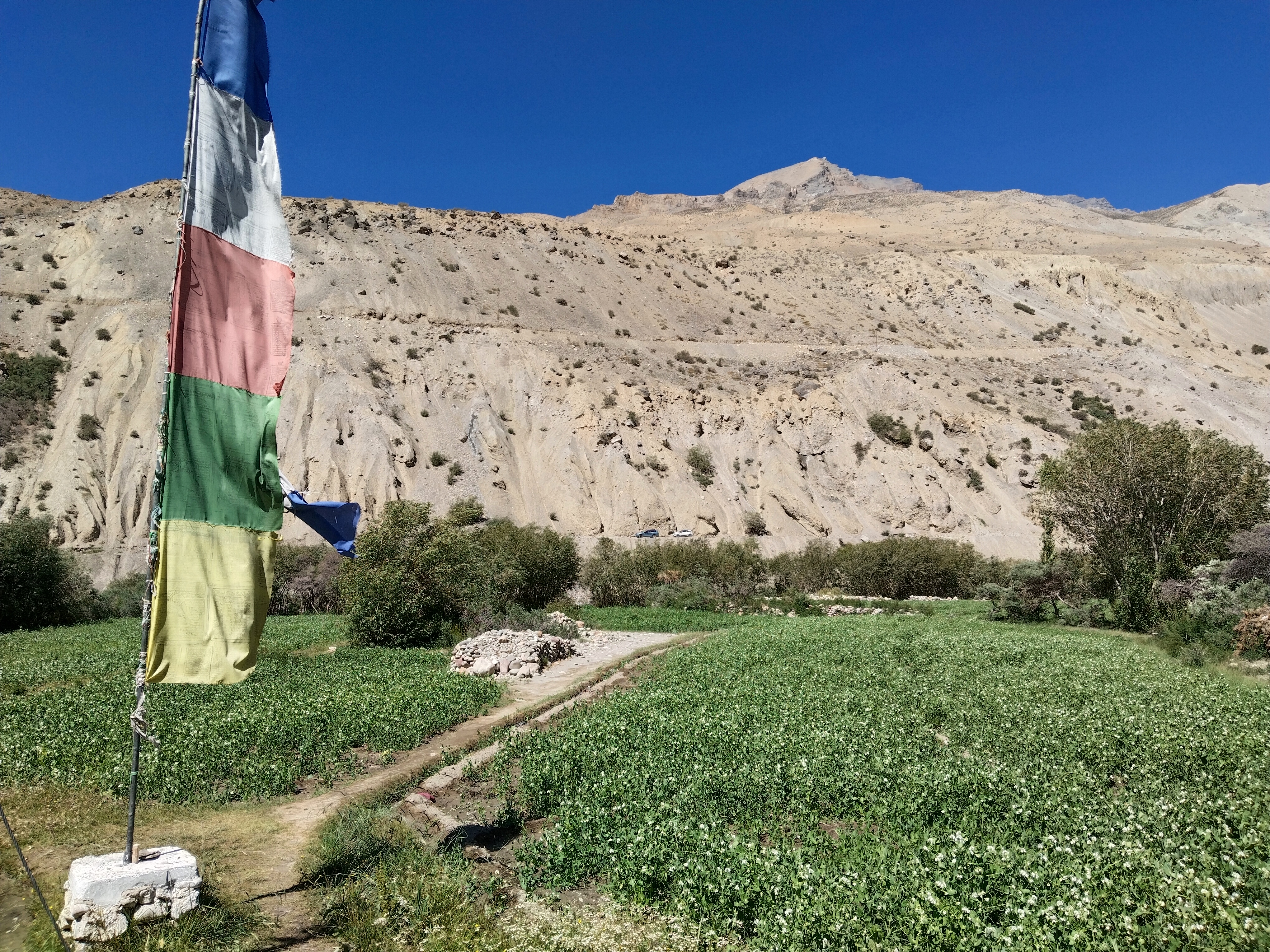
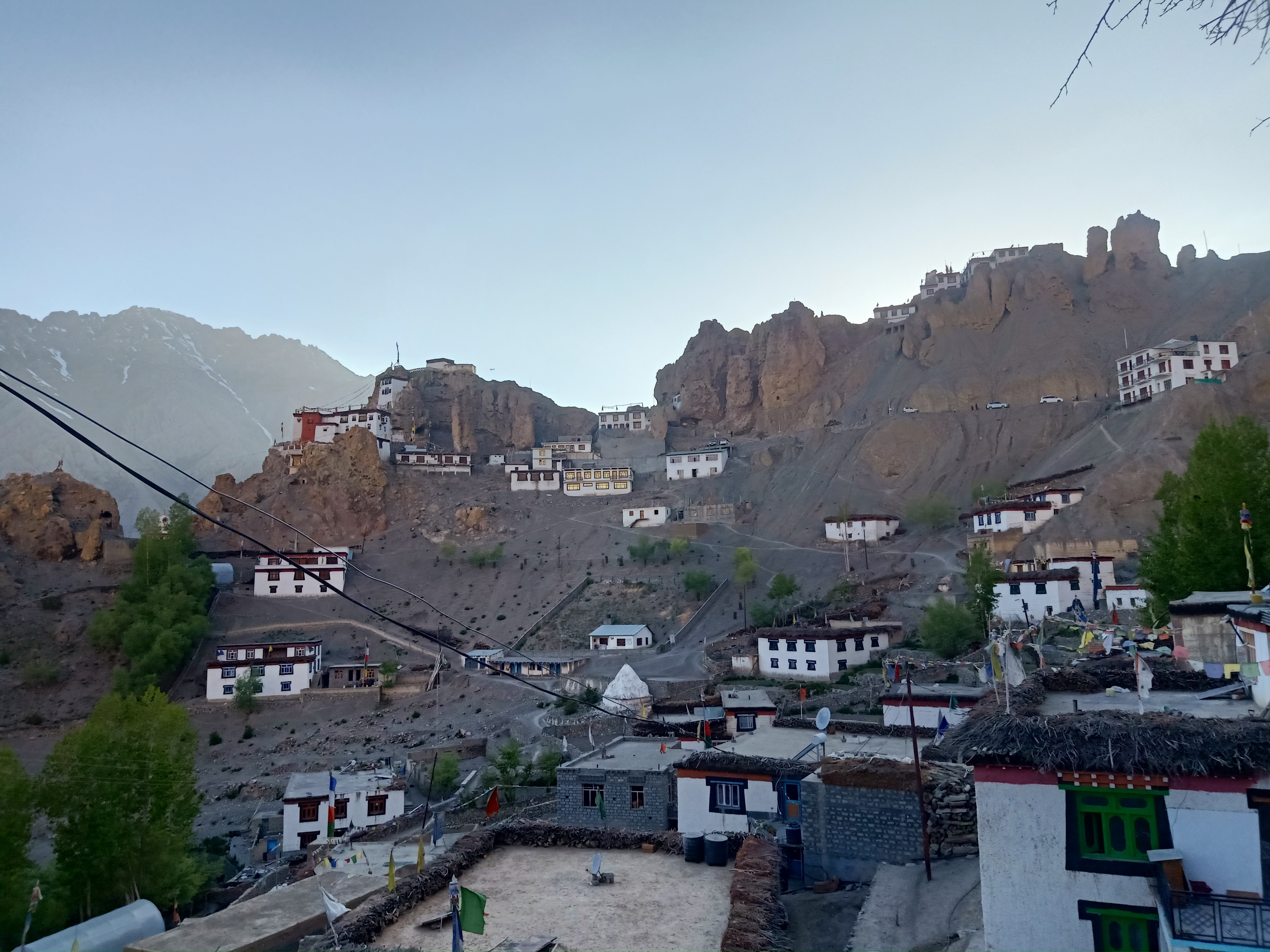
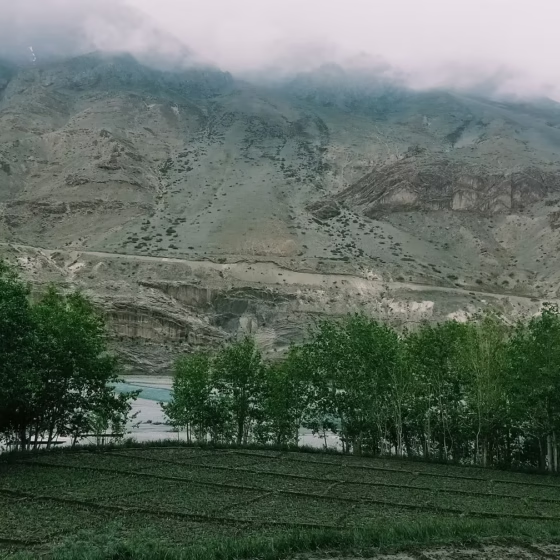
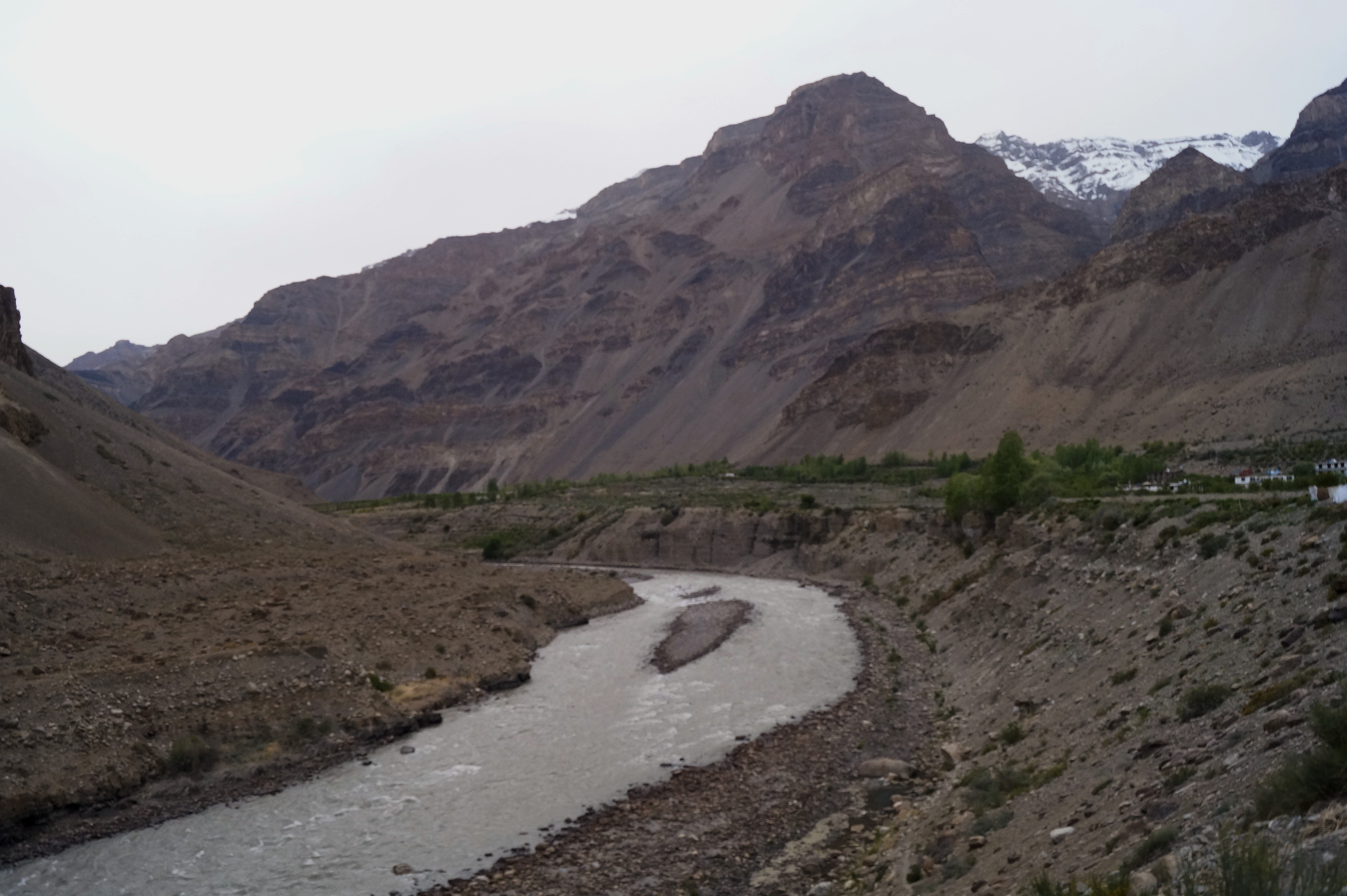
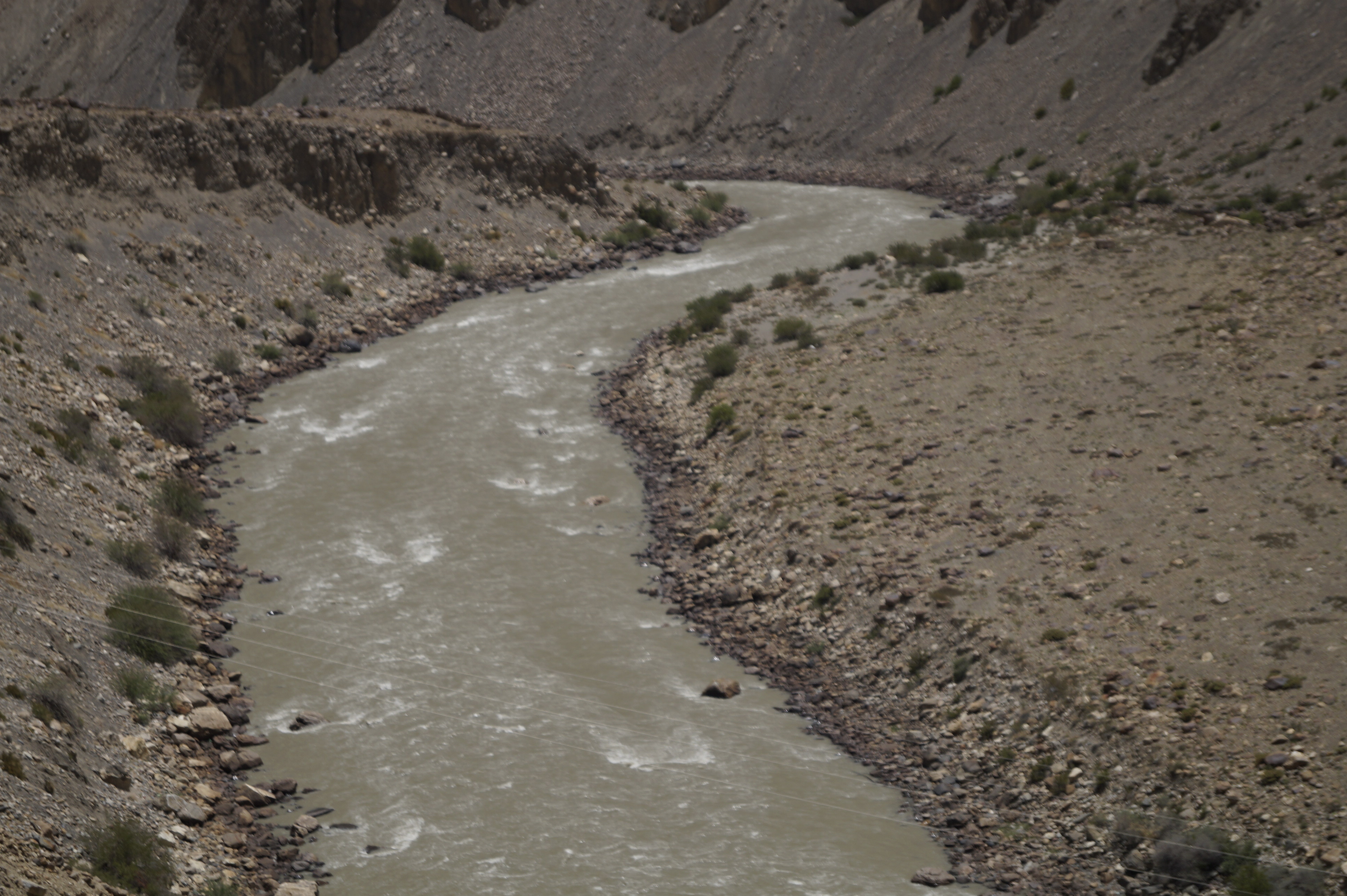
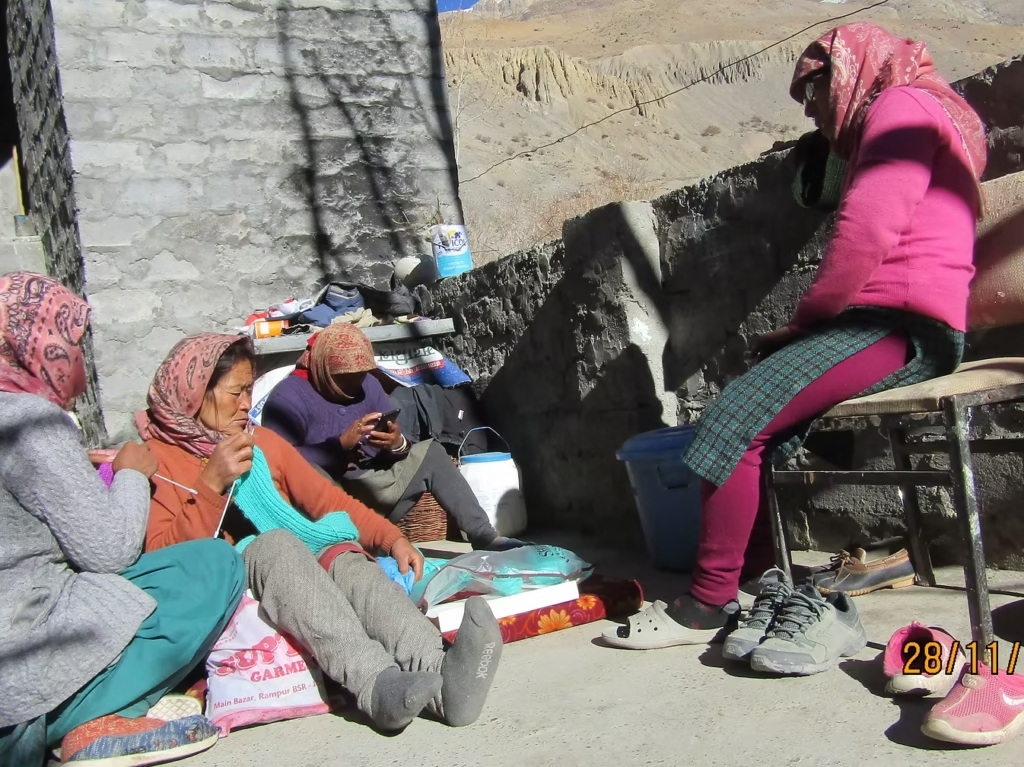
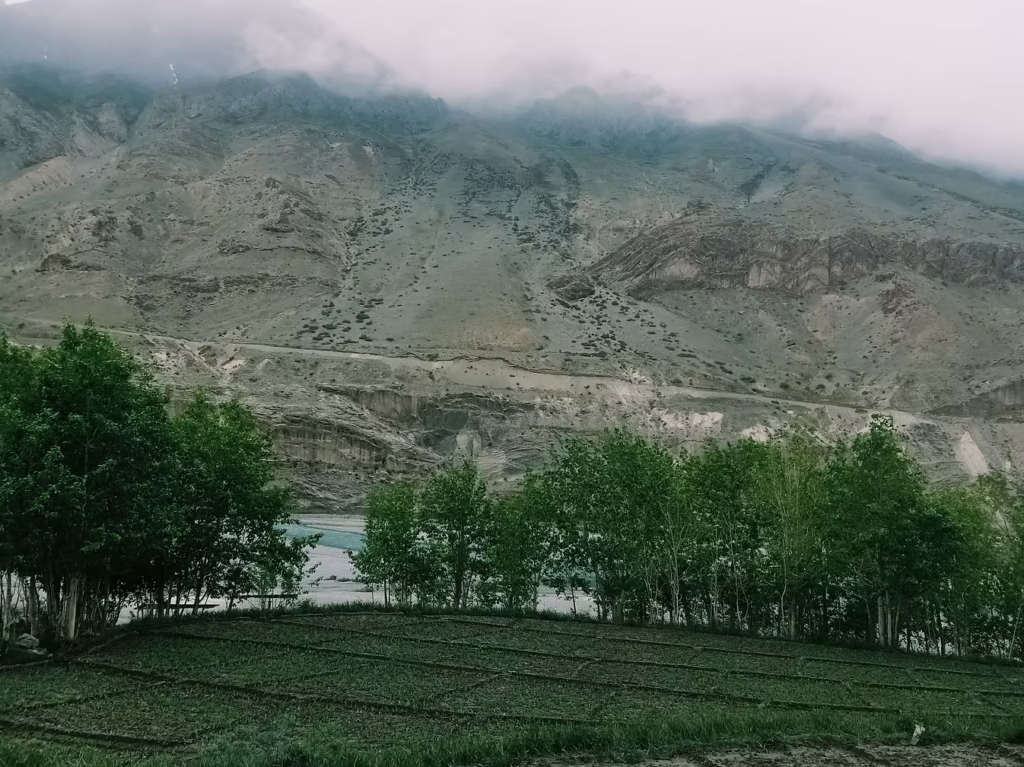
Shushuna is a quaint little hamlet in Spiti. Surrounded by high mountains, lush green fields and gushing rivulet that changes its hue from turquoise green to shades of grey.

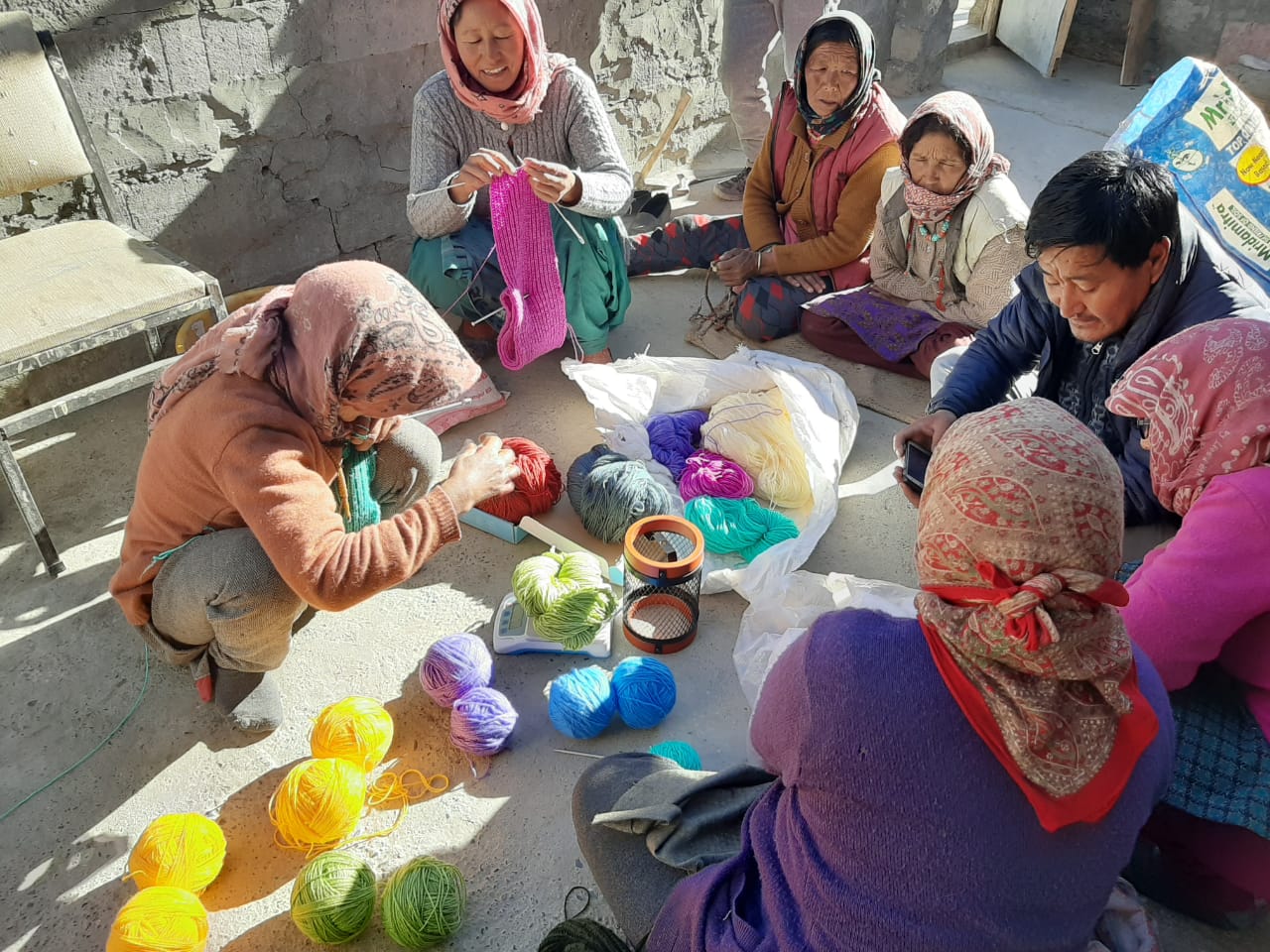
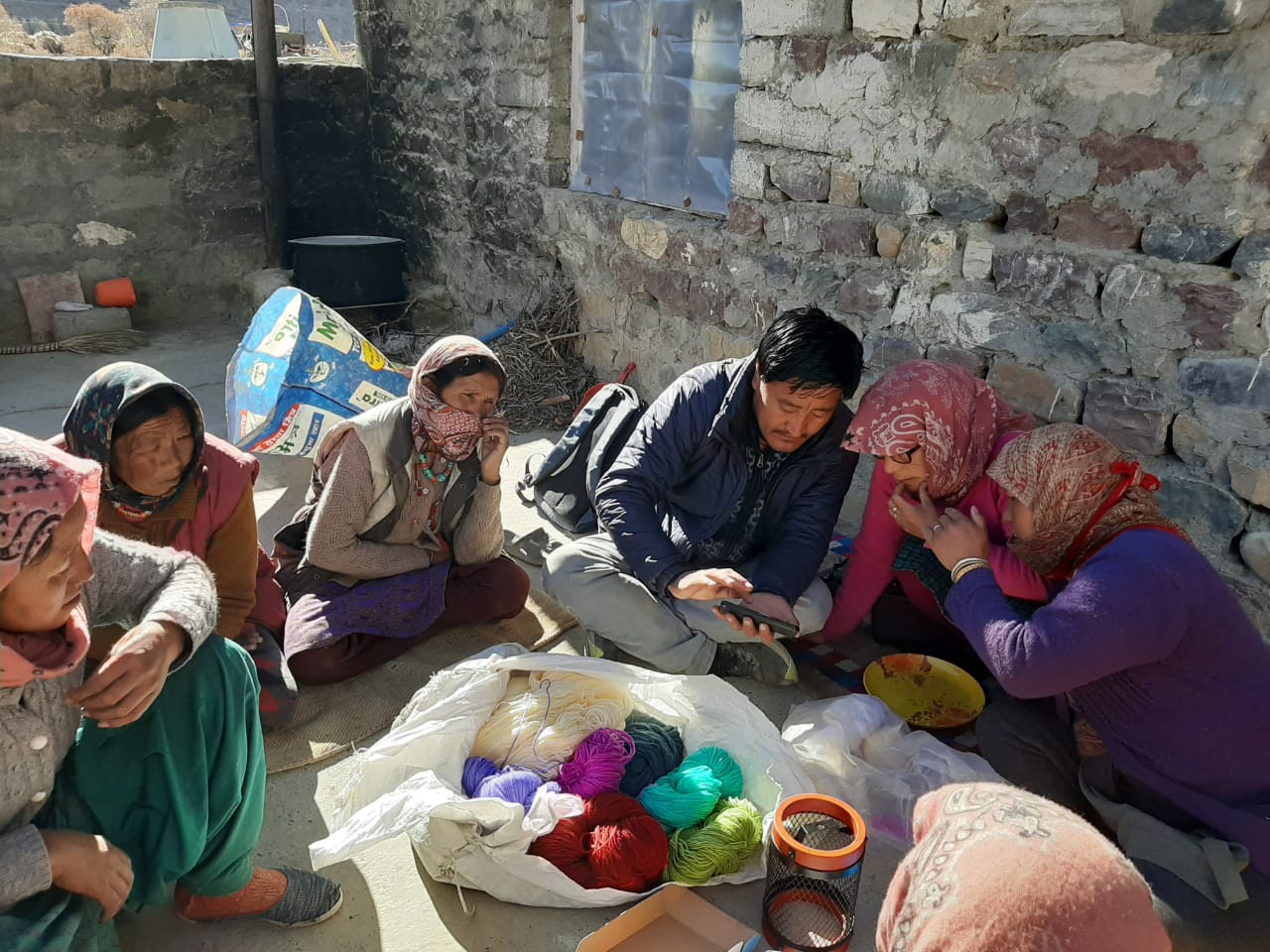
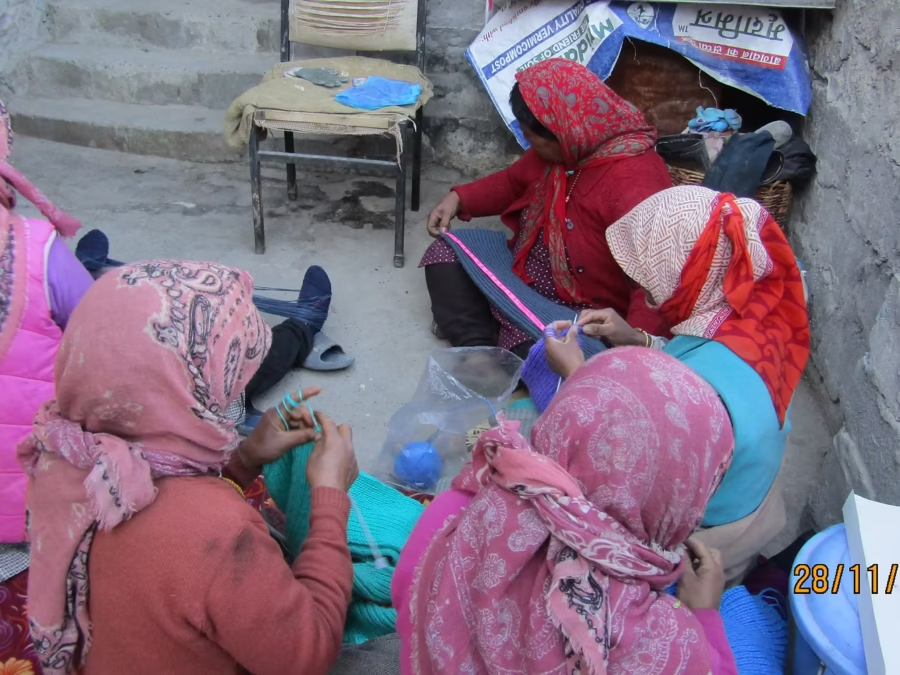
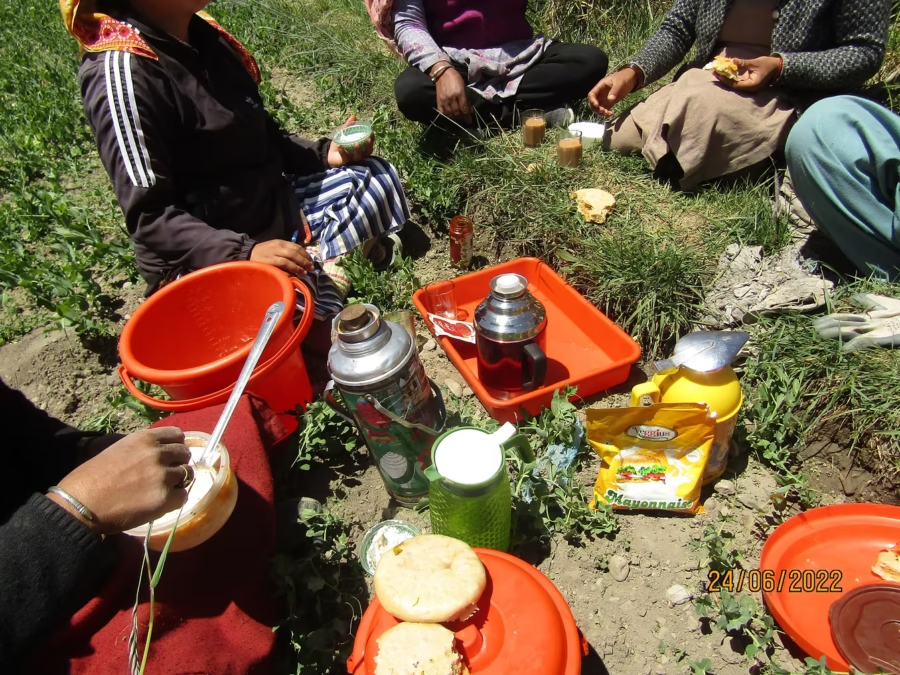
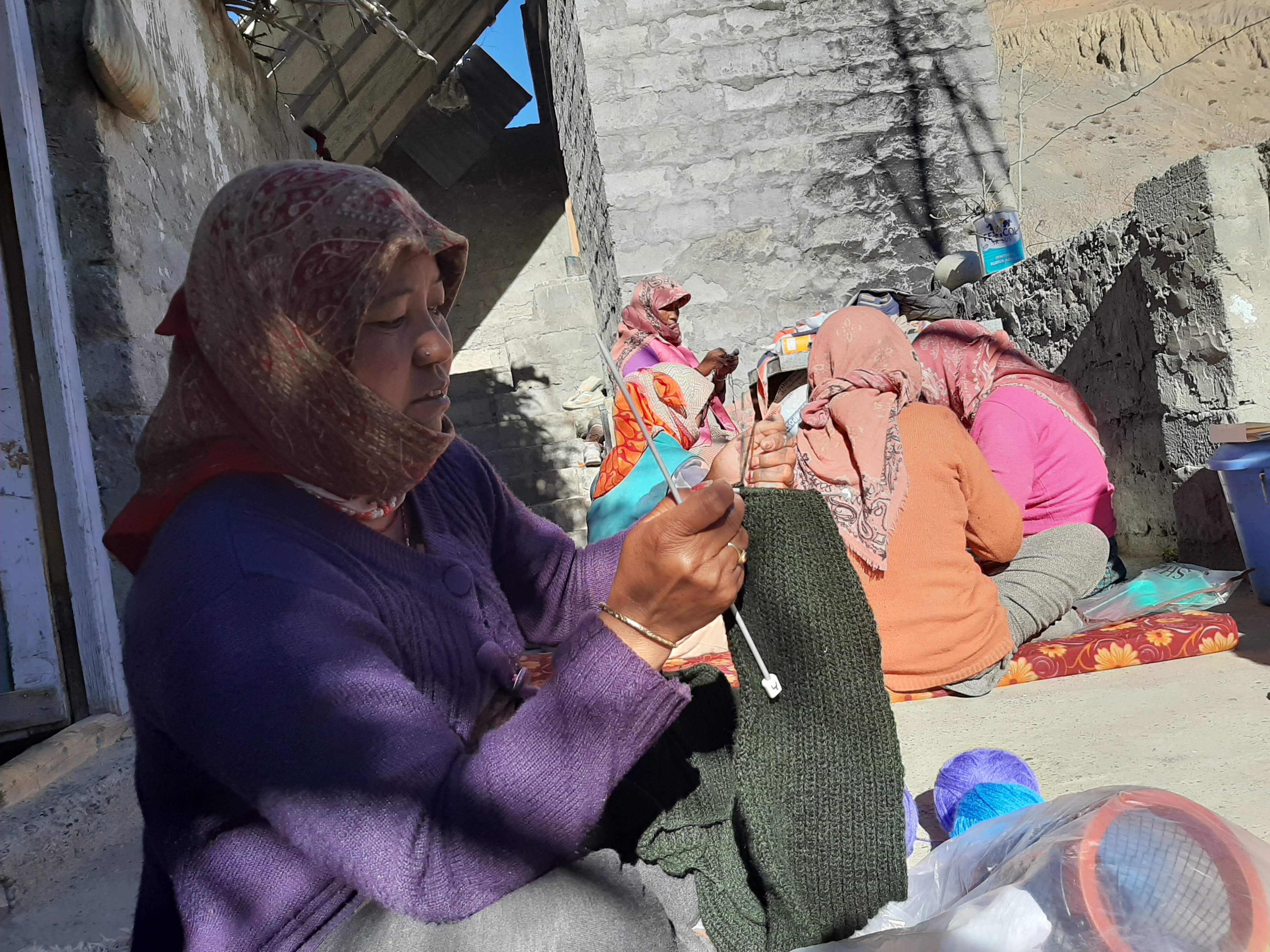
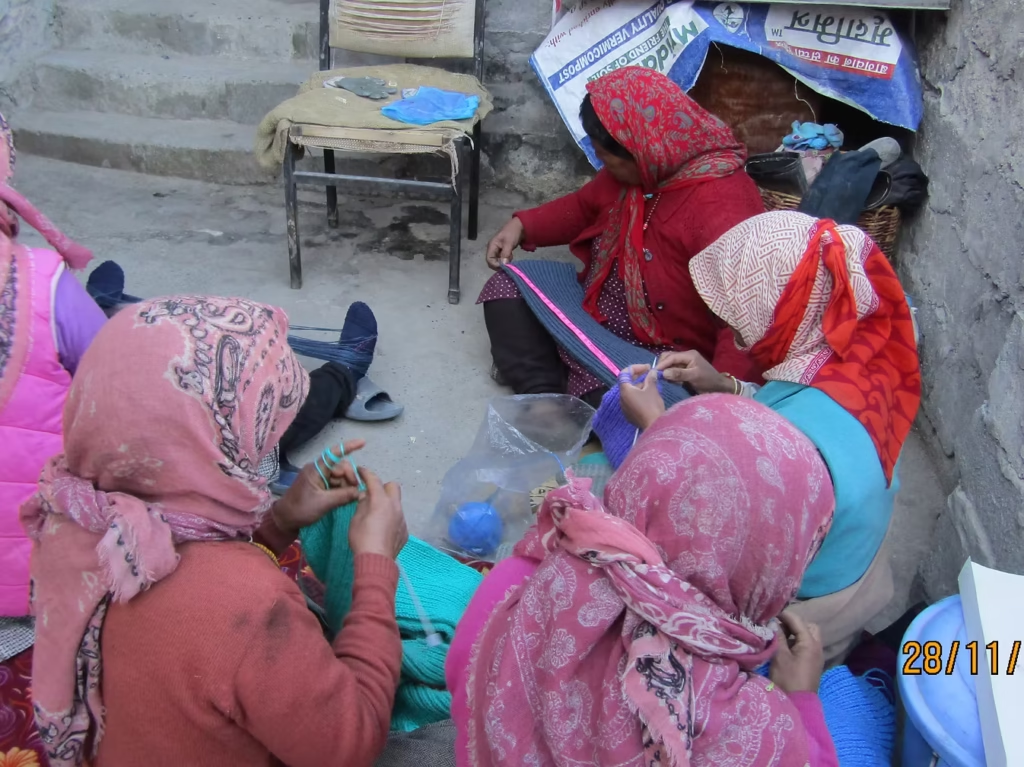
It is a bright sunny day in June and a group of women can be leisurely seen knitting sweaters, mufflers and socks for winter… an unusual sight during peak farming season in Spiti.

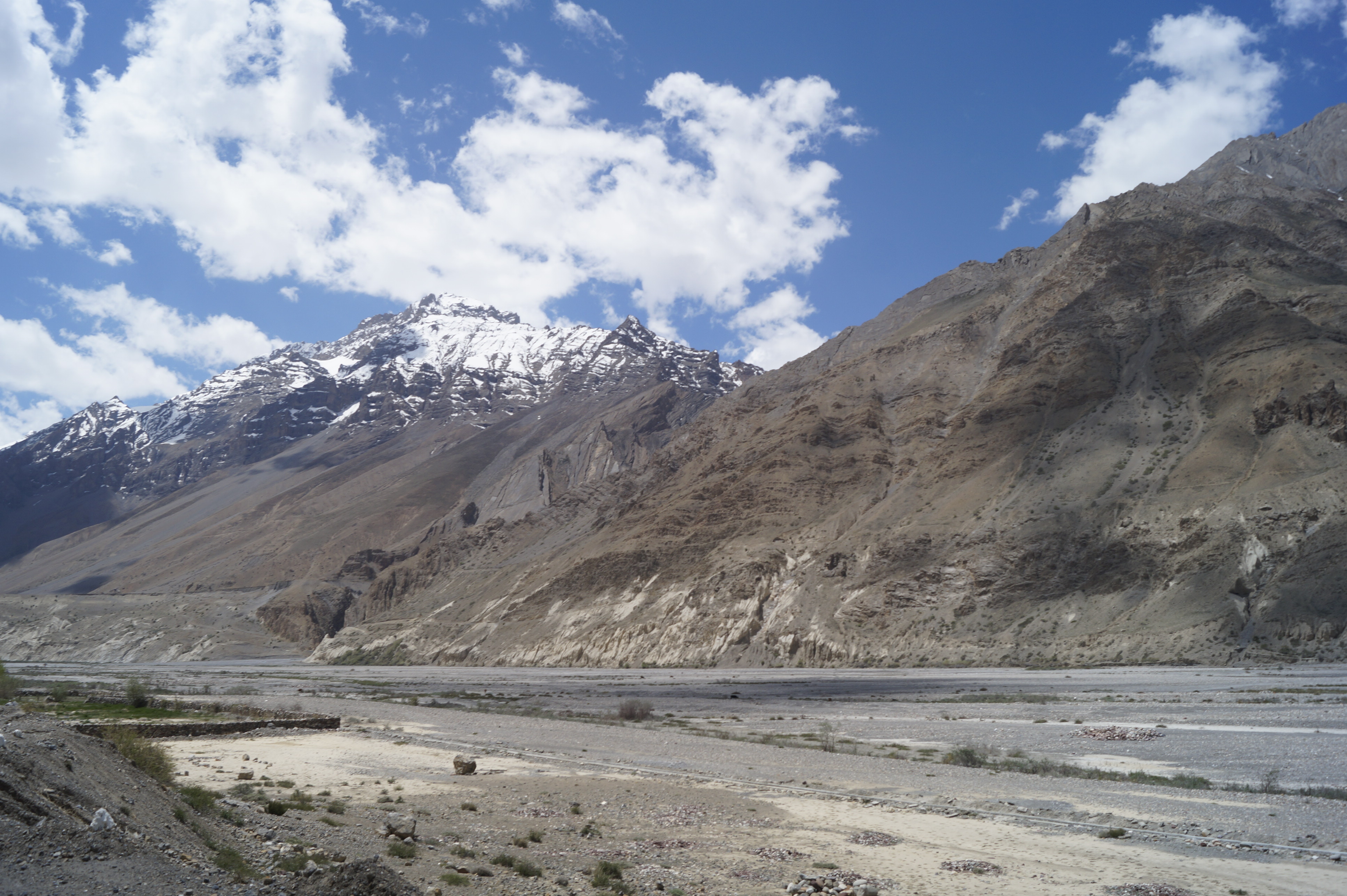
Spiti is a high Himalayan mountain desert with scanty rainfall and glacial melt water as the prime source for most villages. As such, water is sparse, the agricultural season and vegetation short, and lives vulnerable.

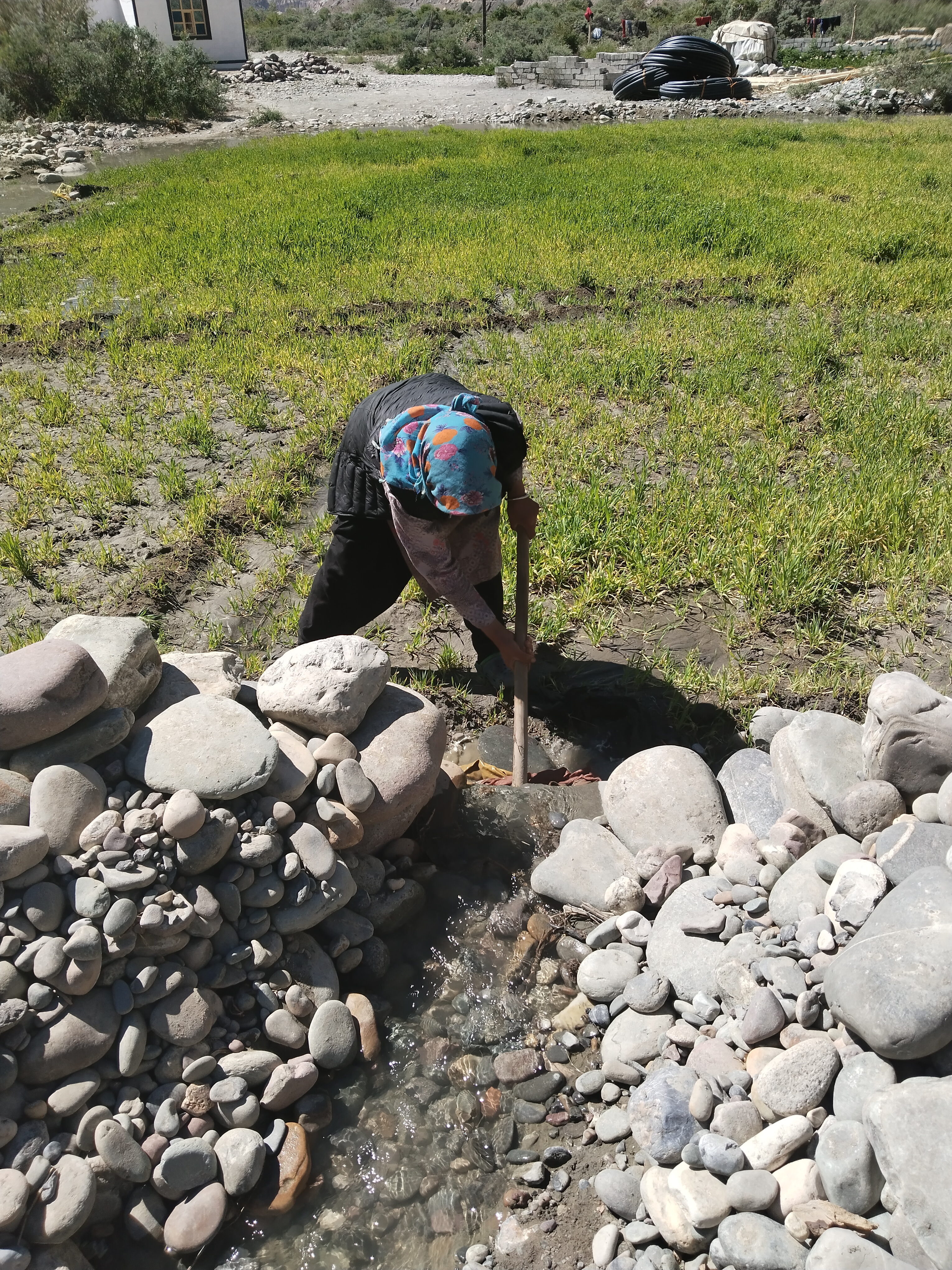
When most Spitian villages are drying up, fields unyielding, brimming Kuls of Shushuna signals benign possibilities.

Situated along the river basin, the village owes its blessings to the mighty Spiti river and its tributaries from Pin valley which forms an essential lifeline to the resident farming community.

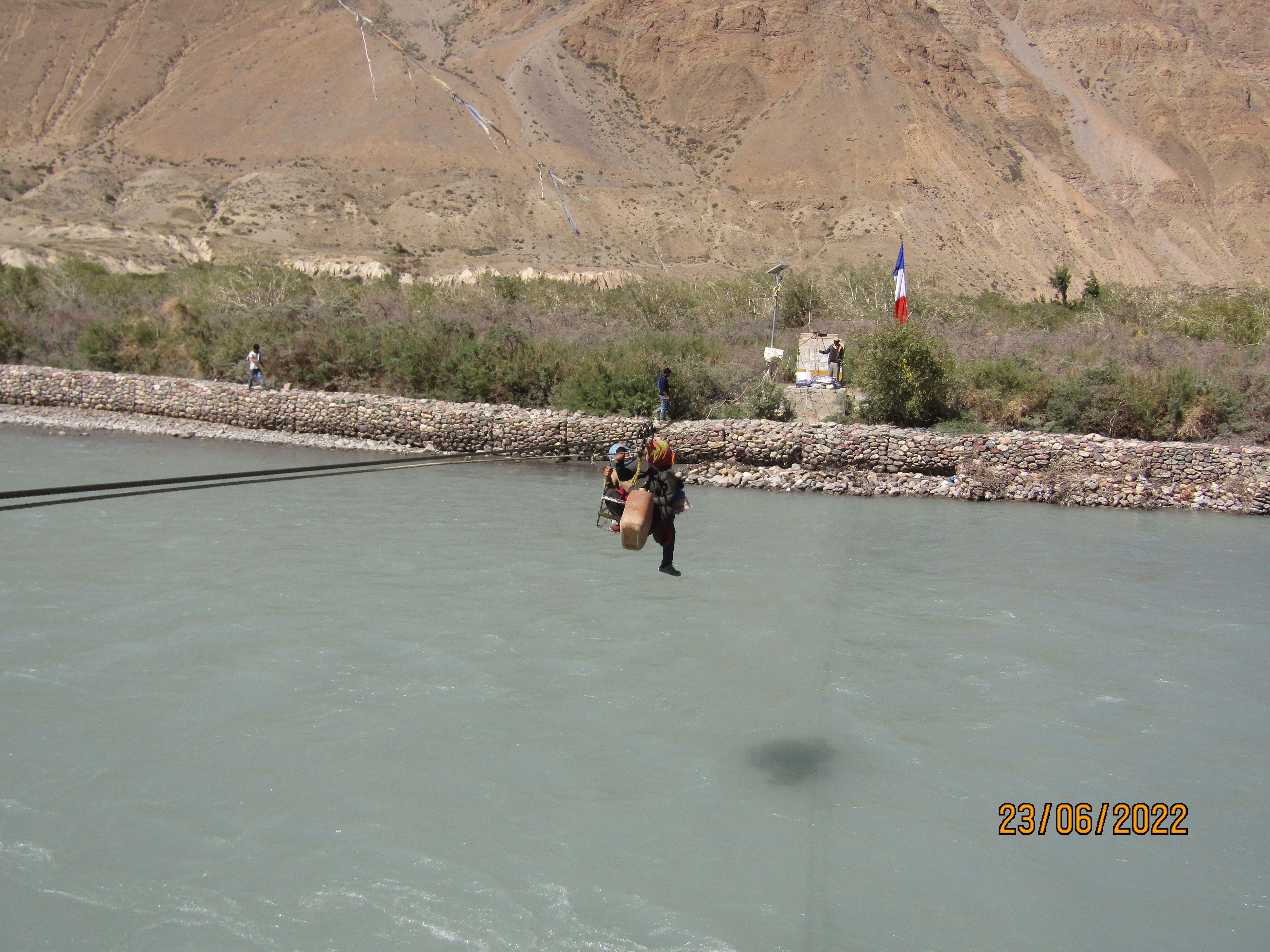
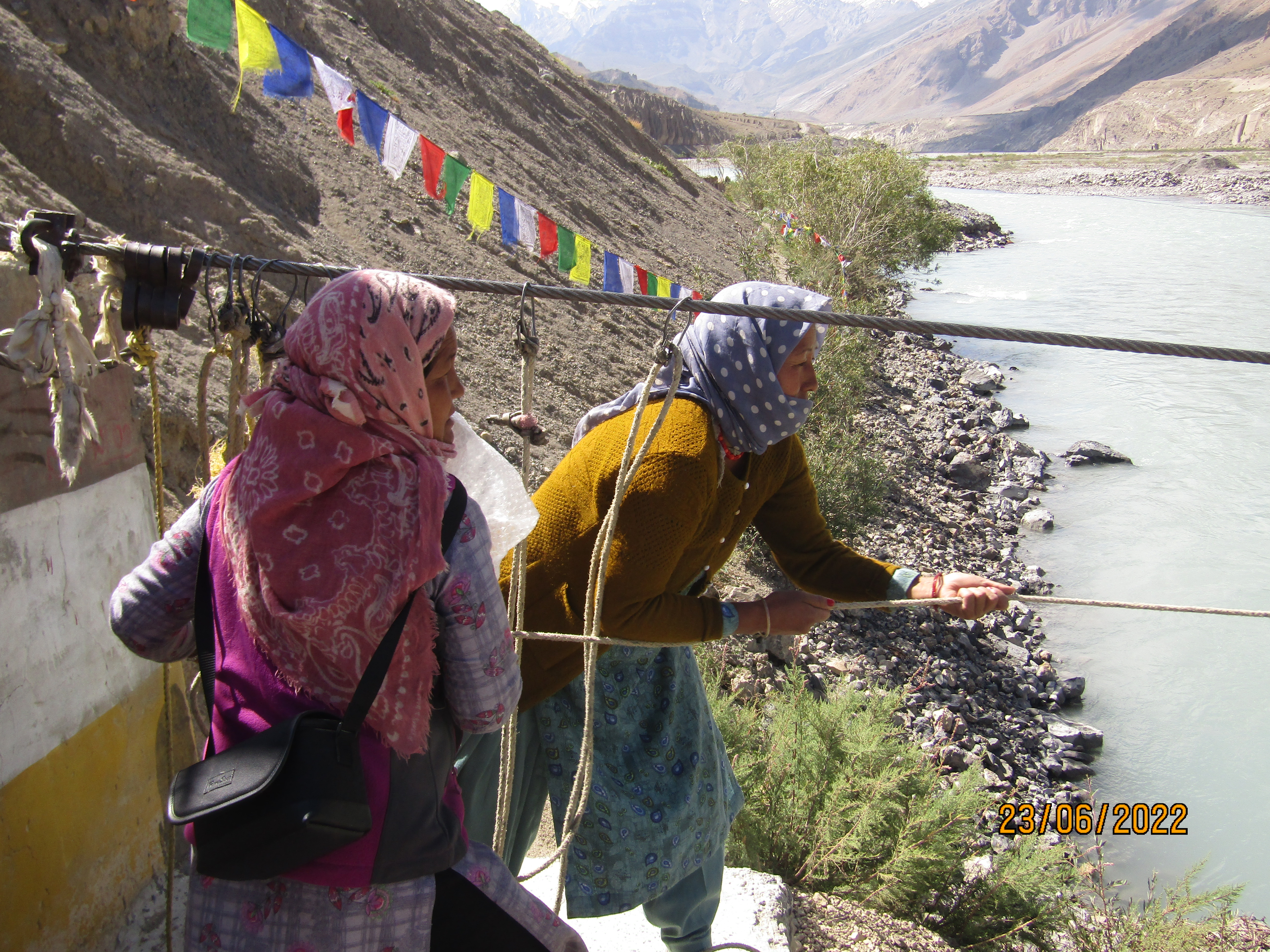
However, to reach the village, one has to take a suspended rope bridge. A dangerous feat villagers have to undertake every day! Women often pair up and cross it together. Holding essentials and looking out for each other – lest it can prove fatal!

Water which is located at a significant distance in most Himalayan villages, can be found in one’s backyard here – easing huge strain on villagers.

When your fields are at a reachable distance, and when you don’t spend hours fetching water, there’s so much more one can do including spending time with family and more time to self!

…exploring additional sources of income resulting in greater agency.

The photography group

When water is accessible, it leads to happier, healthier communities.

1346 1008 Women of Shushuna
Traversing Climate Change
Herds of sheeps and goats return after grazing in the Dhar on the North-east of Kungti village | Photo: Virendra Mathur

Traversing Climate Change

In the mystical lands of Bharmour and Lahaul, located in the north-western part of Himachal Pradesh, India, a seasonal event takes place every year that is an elegant harmony between local culture and nature. Here in the traditional seat of Gaddi shepherds, the community is described variably as semi-nomadic, transhumant pastoralists, or agro-pastoralists. The Gaddis, usually men of the family, start on a migratory event in early April, gathering their goat and sheep herd and taking them to the high-altitude summer foraging grounds. These unbridled pastures, known as alpine meadows are called dhars. This seasonal movement is ingenious at various levels – it sustains the economy of a Gaddi household without being too reliant on agriculture. Further, Gaddi herds provide rich manure to the tilled lands across various agricultural landscapes they pass through and in return receive food and a place to camp; a barter system still in place. And this practice helps avoid low productivity foraging grounds without putting undue pressure on alpine pastures.

The shepherds pass through various towns and villages, as they start their journey from the low-lying areas of Kangra valley and plains of Pathankot, crossing the Dhauladhar mountain range towards Chamba district and travelling north towards the alpine pastures in the inner Himalaya. With them, on this arduous journey, are of course the livestock that they address as “Dhan” which also translates to money and wealth in Hindi. The sheep and goat herd constitute a flexible and continuous source of economic return for this community, especially when small land holdings do not allow for huge returns from agriculture. The flocks serve as a source of meat, milk, fleece and wool. The wool produced by Gaddi sheep is primarily used to make warm clothes, and is considered to be fine quality wool in a market where the quality dictates the price of the wool.

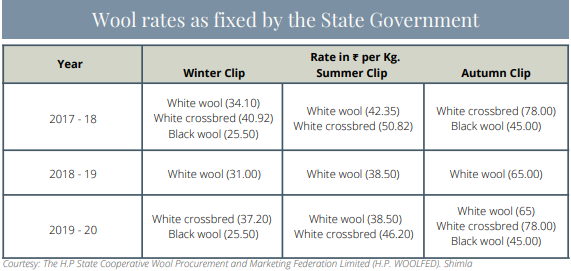
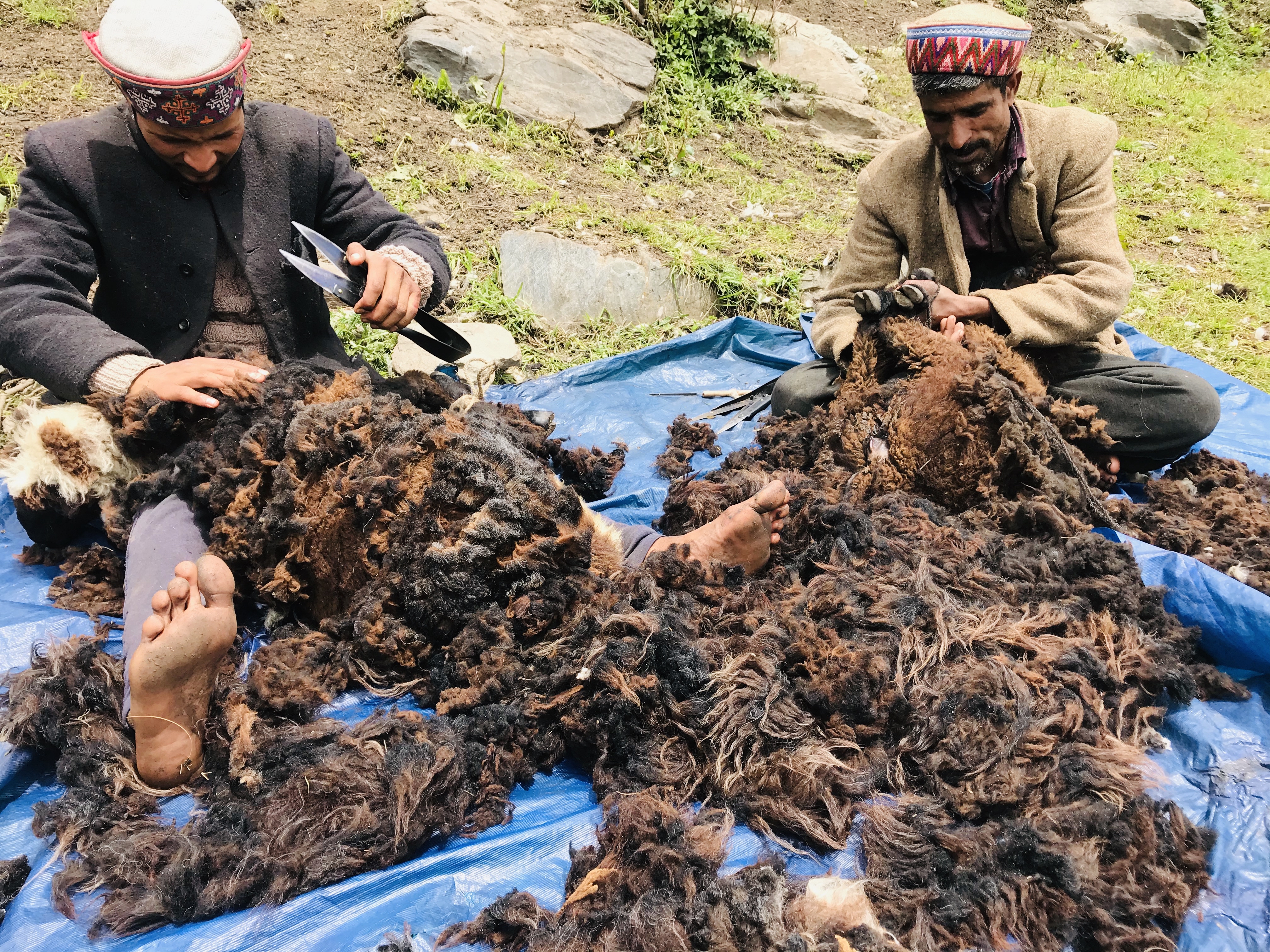
Himachal Pradesh State Wool Federation website displays the minimum support price (MSP) offered by the government for the sheared wool. Based on per kilogram price, the prices are lowest for the wool sheared in winter in the month of January-February, whereas the highest price is set for the wool that is sheared in autumn (in September or October), after the flocks have come down from the alpine pastures. The Gaddi shepherds I interviewed called this an ‘A’ grade wool. In their opinion, the nutritional forage available in the alpine pastures, which consists of medicinal herbs, shrubs, and vital grasses, contributes towards development of such fine and gregarious Gaddi wool.

Even more difficult than the journey to these pastures is living there. When I asked a Gaddi about the most important skill to survive in the alpine pastures, he simply stated that “You have to become an animal to live with an animal.” indicating the laborious life in alpine pastures. The arrival of Gaddi in the alpine pastures is met by receding snow, and below it lays the abundant grass to forage for the livestock/goat and sheep herd. These alpine pastures stretch till the horizon, vast carpets slowly turning green. Guiding herds in these alpine pastures is the least of their worry, the real challenge is to protect the herd from the harsh surroundings. The relationship of herd and the shepherd arises from mutual dependency, and for Gaddi men who remain away from their families, their herd is their family. The relationship of care is intertwined around wool – it transcends the material value and takes up emotional significance. It is the wool that earns shepherds the money, and it is this wool that comes back on the journey – laden on the back of a shepherd in the form of a blanket or a shawl.

They keep a portion of the sheared wool for themselves, and use it to manufacture clothing – their traditional attire, shawls and blankets, which keeps them warm and protected. When a lamb is born, it is wrapped around in this blanket and kept inside their camp, and on the long treks in alpine pastures, lambs and goat kids are carried wrapped inside the blankets. Each head counts in this family, and shepherds sometimes risk their lives for their flock. On two separate instances, a group of shepherds, at night, rescued their stranded goats from potential attack of a black bear, and on another day, Thaapu, a young apprentice jumped into a glacial stream, shattering the thick sheet of ice to rescue a sheep and a goat kid that fell while crossing the glacier. He said that a shepherd has to protect every head he is responsible for, as this proves his credibility to his employer. While the shepherds have adapted to the vagaries of nature, will their resilience fare them through impacts of climate change in the inner Himalaya?

In many ways, the life of a Gaddi shepherd and that of their flocks is interlaced with the seasonal changes in Himalayan pasture lands. Without knowing the term, the shepherds understand that their summer home is undergoing changes. Rainfall patterns have become erratic and it can impact the livelihood of Gaddi communities negatively. Abundant rain could lead to livestock mortality as the sheep contract various diseases in wet environments while less rainfall can delay the growth of grass and herbs in alpine pasture, as was the case this year. This is further worsened by foraging competition from large mountain ungulates; they informed me that a lot of problems has been caused by chur, commonly known as dZo across Himalaya (a magnificent cross between a yak and a cow). These large herbivores are domesticated by the villagers in high-altitude Himalayan communities for agriculture. These massive animals also graze in the alpine pastures, along with other ungulates like Himalayan Ibex and Himalayan Tahr, mules and horses. Large herbivores consume hefty amounts of fresh grown grass leaving only small patches for the sheep and goat herds, creating scarcity for Gaddi livestock. Similarly, the duration of grazing in the alpine pastures can also be cut short by erratic weather patterns, affecting growth of fresh grass and the productivity of alpine pastures in the long-term. A decrease in nutritional quality will in turn impact the quality of the wool produced by the sheep.

Subhash Bhai and Sonu Bhai shear wool from the sheeps in their herd. Shearing happens thrice in a one- year season, and while some herders use scissors , others use wool-trimmers for shearing the wool | Photo: Virendra Mathur

Today, the market for natural wool is facing increased competition from synthetic wool supplies which has made market accessibility difficult for these shepherds. While the traditional usage of wool is facing a decline, partly due to absence of knowledge transfer across generation, partly due to the lucrative nature of cosmopolitan living, traders and craftsmen now tend to prefer using imported wool. In the face of emerging changes, proper management mechanisms can help survive traditional agro-pastoralism in high Himalaya. Gaddi shepherds who are in this vocation constitute a dynamic medium of cultural exchange and fulfill economic needs of various farming communities through their resource exchange. Thus, the gradual loss of transhumance in Himalaya interacts with the loss of natural cycles of nutrient cycling in high-altitude communities and might possibly have downstream effects.

Acknowledgments:
Virendra would like to thank Wildlife Conservation Trust for funding this fieldwork at Kugti as a part of their Small Grants program. He owes all his gratitude to the humble and loving Gaddi community who make him feel at home through their generous, helping, and cheerful nature.

4032 3024 Virendra Mathur
Living With The Wild
Brown Bear | Photo: Janko Ferlic (Pexels)

Living With The Wild

The 19th day of November 2018 was like any other day for Vikram of Pangi, Chamba district. He was walking his cattle in the nearby village pasture by the banks of the Chenab river. Little did he know that his life was about to change. While walking through thick shrubs and vegetation, he didn’t realize that he had accidentally come too close to a brown bear. The sudden realization of the proximity threatened the animal, and out of fear, it attacked Vikram. Vikram caught off guard, did his best to reduce the impact of the attack. He managed to save his life but suffered multiple grievous injuries all over his body and partial loss of eyesight. He immediately went to the nearest hospital to get medical help. He later filed for compensation with the Range Office in Pangi.

In another part of Himachal, a snow leopard, in the dark of the night, entered the corral of a herder and killed 20 animals. The herder, overnight, lost most of his livestock, and being in one of the remote areas, he had no clear idea of what had to be done and how he could get some economic relief from the forest department.

Such cases are not new to these herding communities who often come in close quarters with the wildlife around their villages and pastures. Some of these instances lead to a lot of emotional stress and in some scenarios may also impact the individuals’ personal relationships. It is a very heavy price one pays for living around wildlife. We must ensure that anyone who suffers such a loss is not neglected and helped throughout the process.

Although this problem has been a part of herder’s life for many generations, there are new-age solutions to prevent and mitigate some of these economic losses.

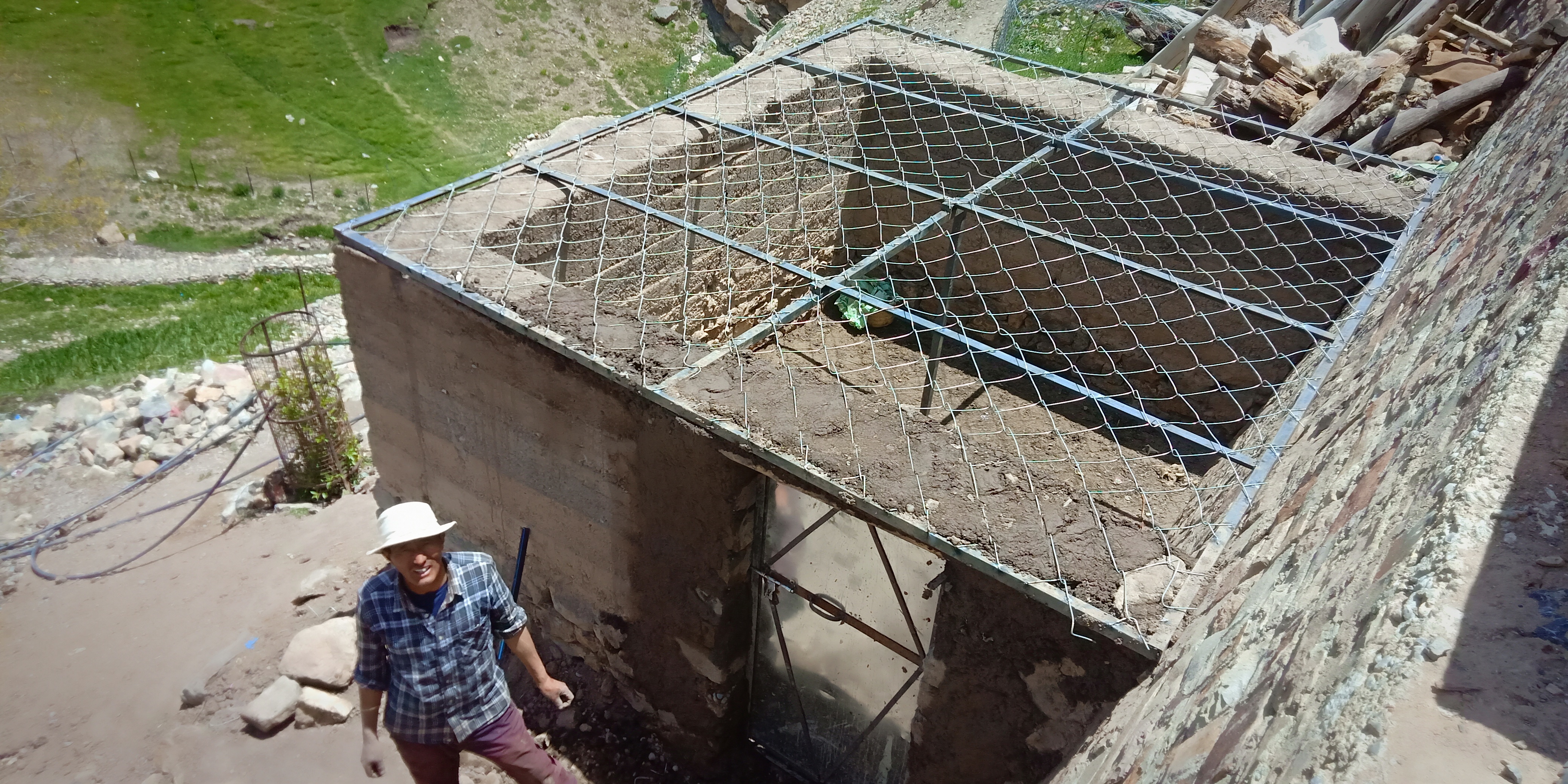
Reinforcing the roofs of the corral to make them predator-proof | Photo: Nature Conservation Foundation

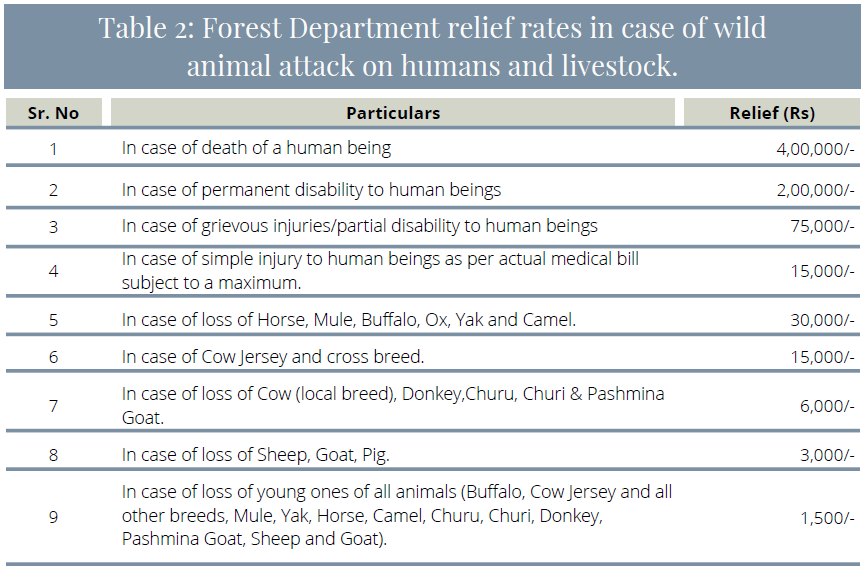
One thing that every individual can do beforehand is to economically safeguard themselves and their family, in case of a medical emergency, by opting for accidental death and disability insurance offered by the central government under Pradhan Mantri Suraksha Bima Yojana (PMSBY) scheme. Although there are eligibility criteria, some degree of financial coverage can be availed from Ayushman Bharat as well. Himachal Pradesh Government offers Ayushman Bharat through its Himachal Pradesh Swasthya Bima Yojna Society (HPSBY). If one does not have any life insurance or pension plan, they should also consider getting one from Pradhan Mantri Jeevan Jyoti Bima Yojana (PMJJBY) and Atal Pension Yojana (APY). For more details on these insurances refer to Table 1. The Forest department also has provisions for providing relief in case one is attacked by wildlife. For details on relief rates offered by Forest Department refer to Table 2.

For livestock, one could take steps to prevent such an incident by repairing and reinforcing corrals to ensure no gaps in walls/doors remain. The roofs can be reinforced with metal mesh to close off all possibilities of attack in the corral. Regular and timely maintenance is of utmost importance. However, the livestock is prone to attack in the pastures and forests as well. Village-level measures, like the insurance program, can help reduce the losses suffered due to such attacks. When the collective losses of the village are high, then insurance of livestock can be planned where the premium and compensation are decided by the villagers and a village committee manages the insurance fund. In case of a loss suffered by a family, compensation is paid out from such a fund. However, the community must be careful and set clear rules and guidelines when starting a village-level insurance program. Currently, there are three villages in Spiti valley where are the community runs the insurance program.

The forest department also provides compensation to the herders in case the livestock is killed by wildlife. However, despite all good intentions, there can be genuine difficulties in timely administering such claims by the forest department and one must be patient but persistent. For details on relief rates offered by Forest Department refer to Table 2.

There are also some traditional solutions to the problem of livestock depredation. For example, in Gue village of Lahaul & Spiti district, there were multiple cases of surplus killing this year. Whoever lost their livestock were helped out by the entire community by each household contributing an animal to the owners. This practice not only takes the stress of losing livestock away but also does not let herder suffer economically. Such practices are reported in other parts of Himachal as well. I am sure that there will be many other local solutions that I have not talked about. I would love to hear about them. Do write about the practices adopted to prevent and mitigate losses from wildlife in your village. Also, if you want to take up this issue in your own village or start an insurance program and need further assistance, do reach out to me or my team. Our details are available on the last page of the newsletter.

In the end, I would like to mention that there is no one, sure shot solution to such complex problems, but Himachalis have continuously been adapting to these challenges, a characteristic of life in the hills, and putting up with the adversities they face.

5824 3744 Deepshikha Sharma