Forests

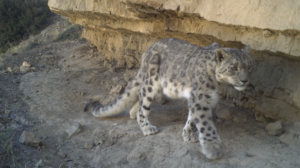
भारत में पहली बार हिम तेंदुए की जनगणना कैसे की गई?

भारत में पहली बार हिम तेंदुए की जनगणना कैसे की गई?

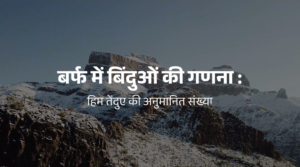
अंतर्राष्ट्रीय हिम तेंदुआ दिवस 23 अक्टूबर को मनाया जाता है। भारत इस साल अपनी पहली हिम तेंदुए की जनगणना के नतीजे घोषित करेगा। यह परिणाम देश के हिमालयी क्षेत्रों में किए गए 4 साल के व्यापक अभ्यास पर आधारित है। यह विशाल अभ्यास देश के सुदूर ऊंचाई वाले क्षेत्रों में रहने वाले स्थानीय लोगों के समर्थन और भागीदारी के बिना पूरा नहीं किया जा सकता था।

वीडियो: समर्थ ज्योति
कथन: अक्षिता अशोकन
अनुवाद: सीमा बजाज
कैमरा ट्रैप छवियां: हिमाचल प्रदेश वन विभाग, नेचर कंजर्वेशन फाउंडेशन और स्नो लेपर्ड ट्रस्ट
फुटेज: तेंज़िन थुक्तान, मुनीब खन्यारी और अजय बिजूर
छवियाँ: हाई एल्टीट्यूड प्रोग्राम और प्रसेनजीत यादव
अतिरिक्त फ़ुटेज: ओपन प्लैनेट
2444 1360 Himkatha
The Red Fox and the Yak

The Red Fox and the Yak

Once upon a time in the scenic valleys of Spiti, there lived a clever red fox and a gentle yak. The fox had heaps of fresh, green grass, while the yak had heaps of smelly waste. One day, as they roamed the forest, they accidentally bumped into each other.

“Oh, sorry!” said the fox.

“No problem!” replied the yak.​

As they chatted, they realized how useless their possessions were to them. But then, they had a bright idea.

“Why don’t we trade?” suggested the fox. “Your waste is perfect for my garden, and my grass is perfect for your tummy!”

The yak agreed, and they made the swap. This simple exchange made them best friends.

One day, as their friendship blossomed, the fox promised the yak, “If you ever need help, just call me, and I’ll be there in a flash!”

The yak, feeling mischievous, decided to test the fox’s promise. While grazing, he called out, “Fox, help me!”

The fox rushed to the yak, only to find him laughing. “You got me this time, yak!” the fox chuckled but was a bit annoyed.

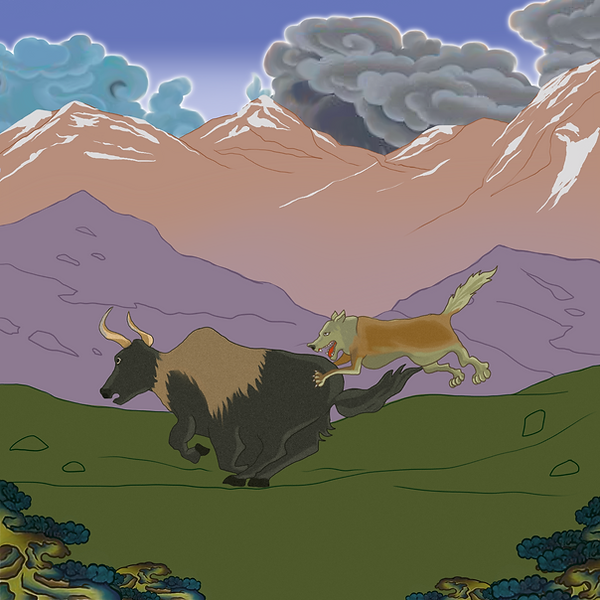
The very next morning, while grazing again, the yak was suddenly attacked by a fierce wolf! Terrified, he called out, “Fox, help me!”

But the fox, thinking it was another prank, ignored the cries. Sadly, the wolf killed the yak.

The following day, the fox went to check on his friend. When he saw the yak’s lifeless body, he felt a pang of guilt. He vowed to take revenge on the wicked wolf.

The fox’s first plan was sneaky. He smeared oil on his tail and started beating it against the icy snow. The same wolf, curious, approached him and asked, “What are you doing, fox?”

“This makes your tail strong and beautiful,” the fox lied.

The wolf, eager to have a strong tail, begged to try. The fox pretended to hesitate but finally agreed. When the wolf’s tail stuck to the snow, the fox ran away laughing. The wolf struggled to free his tail, losing all its hair in the process.​

Next, the fox made a sticky potion. When the bald-tailed wolf saw him, he asked, “What are you making now, fox?”

“This potion makes your eyes cool and soothing,” the fox fibbed.

The wolf insisted on trying it. Once applied, the potion made the wolf’s eyes burn! He scratched them furiously, making it worse. The fox, giggling, ran away again, leaving the wolf half-blind and in pain.

Days later, the furious wolf found the fox and wanted to kill him. The quick-witted fox lied again, “Oh, I’m not that fox! I come from another forest and got lost.”

The wolf, now confused, believed him. “What are you doing here?”

“I’m making a basket to carry on my back. It’s great for building strength,” the fox said.

The wolf, wanting to be strong, begged the fox to make a basket for him. The fox filled it with heavy stones and placed it on the wolf’s back. The wolf groaned in pain as the fox ran away, laughing.

The fox’s final plan was the trickiest. He made a sack and waited for the wolf. When the wolf arrived, he asked, “What are you doing now, fox?”

“I’m making a fun sack to play with my friends,” the fox said.

The wolf wanted to join. The fox asked him to get into the sack and pushed him down a hill. Miraculously, the wolf survived, and the fox grew even more frustrated. He knew the villagers disliked the wolf, so he concocted his ultimate plan.

One day, the fox was measuring sand when the wolf, now with memory loss, came by. “What are you doing, fox?”

“I’m measuring sand to make my friend powerful,” the fox lied.

The wolf, eager to be powerful again, begged the fox to put the sand on his back. The fox agreed, piled the sand on the wolf, and climbed on top. They headed toward the village.

Upon reaching the village, the fox yelled, “Help! A wolf is here!”

The villagers, armed with weapons, surrounded the wolf. Shocked and unable to run due to the heavy sand, the wolf asked the fox, “What’s happening?”

The fox replied, “I’m avenging my friend, the yak, whom you killed.”

The villagers, angered by the wolf’s presence, killed him. The fox felt a bittersweet satisfaction, having avenged his friend. The forest animals learned the importance of trust and lived peacefully, always remembering the clever fox and the unfortunate wolf.

  • Red fox is a common fox with a reddish coat. It is one of the most widely distributed species in the world.
  • Yak an animal of the cow family, with long horns and long hair. It is reared in villages in the Himalayan region
600 600 Aryan Gadgil
Counting Spots in the Snow

Counting Spots in the Snow

International Snow Leopard Day is celebrated on 23 Oct. India is expected to announce the results of it’s first snow leopard census based on an extensive 4-year exercise undertaken in the Himalayan regions of the country. This mammoth exercise could not have been accomplished without the support and participation of local people living in the remote high altitude regions of the country.

1200 670 Himkatha
Unpredictable Lifelines
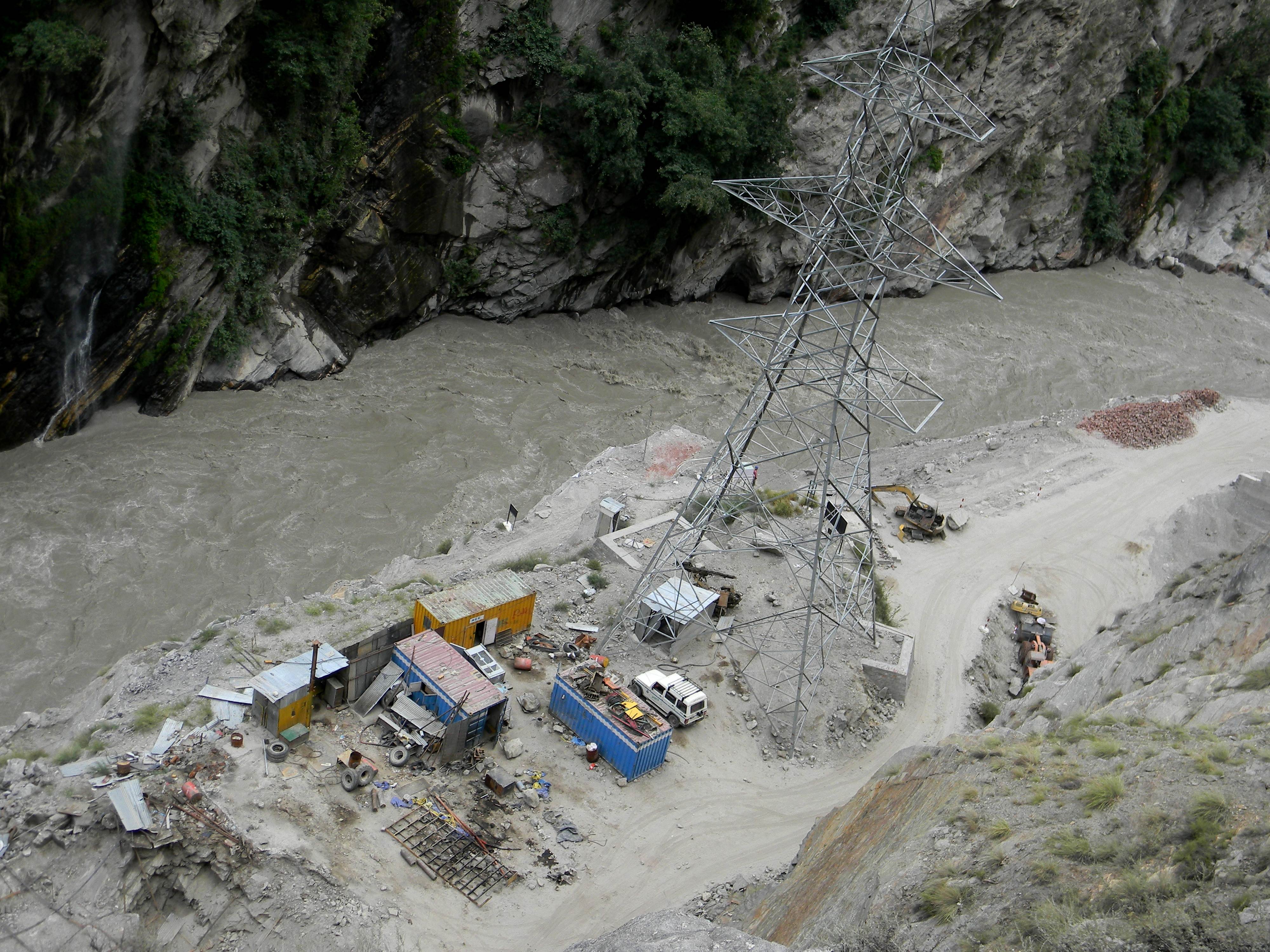
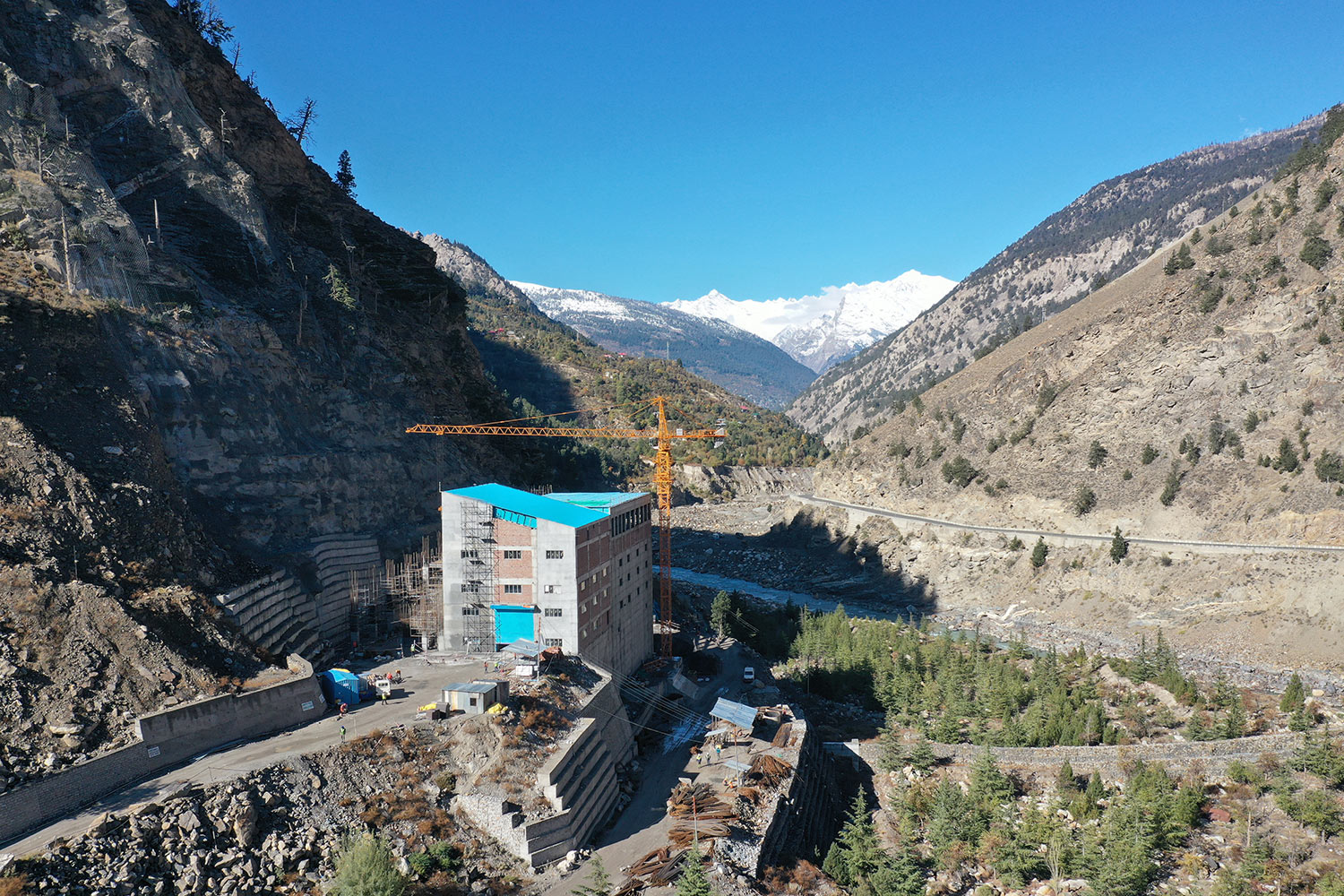
Integrated Kashang Hydroelectricity Project, HP, India| Photo: ejatlas.org

Unpredictable Lifelines

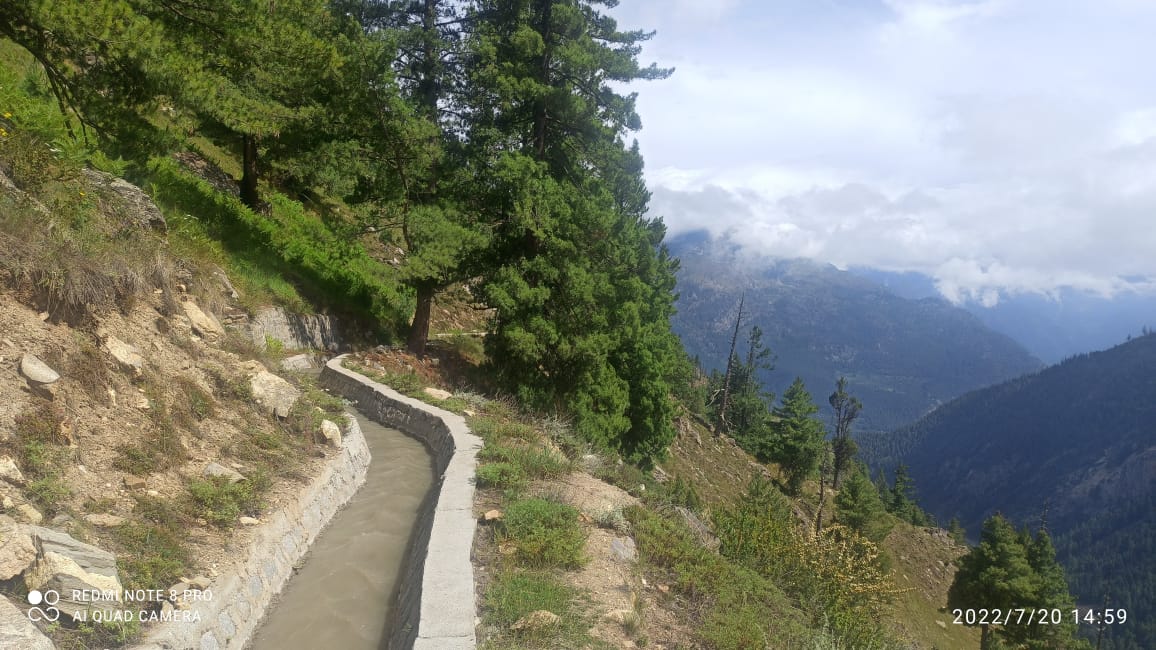
Verses of prayers reverberate throughout the valley as men sing and climb mountains to ensure their village has water in the summer. People from Khadra, Akpa and Rarang village trek for 27 km to reach Pangi top and clear the path of the artificial stream – Kashang nahar to let the water flow freely towards their villages. Generations ago many streams flowed towards the foothills but now only a few remain and Kashang Nahar is the only reliable source. Completed in 2005 this canal is helping the local villages meet their demand for water.

Kashang nahar | Photo: Yowan Negi, (Village Rarang)

Khadra, Akpa and Rarang, villages at 8000ft of Moorang tehsil, fall in the semi-arid region of Kinnaur district in Himachal Pradesh and rely mainly on glacial melt for their water needs. Though over the past few decades things are changing. As the climate is getting warmer, precipitation (rains and snowfall) is getting erratic. With each passing winter the glacier is unable to recover due to reducing snowfall trends. This is not only reducing the water availability during summers to the villages dependent on them but also leading to glacial instability. This phenomenon is already bringing grave consequences to the communities living in the mountains as was observed in Chamoli district of Uttarakhand. A glacier collapsed and released a ton of water and energy which destroyed everything that was in its path.

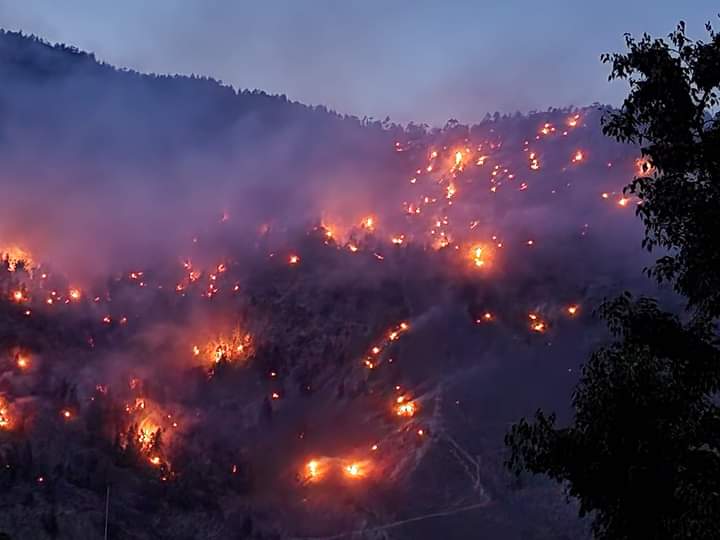
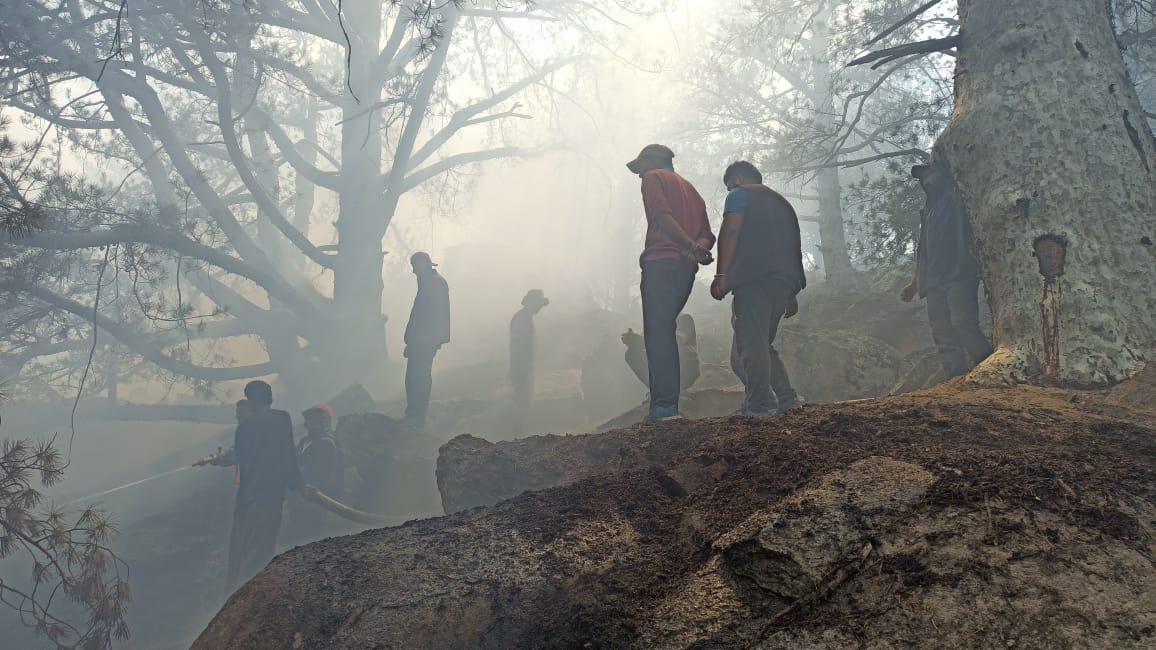
During monsoons, flash floods and landslides are increasing and becoming more frequent by each passing year, adding to the woes of the communities. A few years back, in my village of Khadra and the nearby villages of Akpa and Rarang, a major landslide washed away many agricultural fields leading to loss of acres of productive land. This year we faced a severe heat wave which led to fires in our forests. As Deodar and Chilgoza trees around us burned and fell and the wild species fled, we felt so helpless as the water in Kashang nahar fell short. Some of us collected the water at the base of the nahar and managed to save a few trees. But a lot of the damage had already been done. Each year we are caught up in a dichotomy of drought and heavy devastating rains and we don’t know what we should prepare for.

Forest fires in Akpa & Jangi forest | Photo: Heer Chander (Village Jangi)
Aftermath | Photo: Sunder Negi

Development based on destruction

Himachal Pradesh, being a mountainous and river rich state, is known for its potential to generate hydro power. However that is coming at a cost to the communities. Villages and community forests are sanctioned under different projects to either be submerged or cleared off for the development. Around our village we have two hydro power plants – Tidong (150 MW) & Kashang Integrated (243MW) under construction and one mega project – Jangi Thopan of 804 MW is proposed. Kashang integrated project has plans to divert the Kashang nahar to meet its production needs. These projects are hindering the flow of our already distressed rivers and causing long term implications towards the health of the ecosystems and communities dependent on them. We have always opposed such mega developments and will continue to oppose them.

Photo: statkraft.in

Science and spirituality

To our communities, water means much more than a resource. Our ancestors have revered and protected the resource not just for themselves but for the generations to come. And today we continue to reap the benefits. Even today elders in the village guide us with ways to protect the water and thank the spiritual beings for their benevolence.  Every time we go to the source of a natural spring, we recite Naaga Chhonme, an ode to nature thanking her for the abundance of resources. It is deep rooted in our basic nature to feel connected to the forests, streams, rivers, mountains and we treat them as living being.

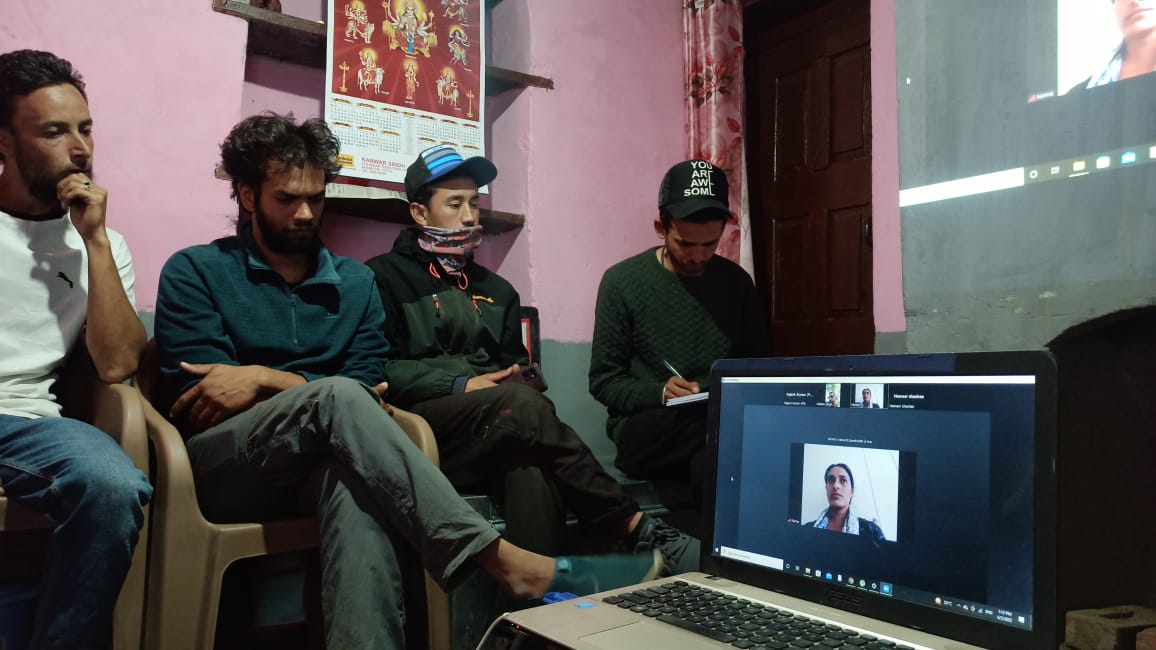
As much as spirituality is important to help us stay grounded and connected to our land and water we are also focusing on taking informed decisions to monitor and manage our resources based on scientific tools at our disposal. In early June this year, the youth of the 7 village clubs- Spillow, Kanam, Moorang, Jangi, Akpa, Rarang and Khadra, organised and attended a workshop conducted by Himdhara and People Science Institute on long-term monitoring of the health of the streams around our village. It was a 3-day workshop and we explored various themes around water including topics of development, climate change and its impact on our hydro and ecosystems. With the help of the Open Foris Collect, a mobile application, the youth have already started recording their readings of our streams.

River monitoring workshop | Photo: Sunder Negi

Climate change is a problem that we cannot solve at our village level. In the coming few years, the negative impact of climate change will only worsen and all we can do is prepare for the challenges we are to face. What we can do as a community is to raise awareness, write about the issues and continue to engage people in action towards climate change.

4000 3000 Sunder Negi
Trekking the Forests of Himachal
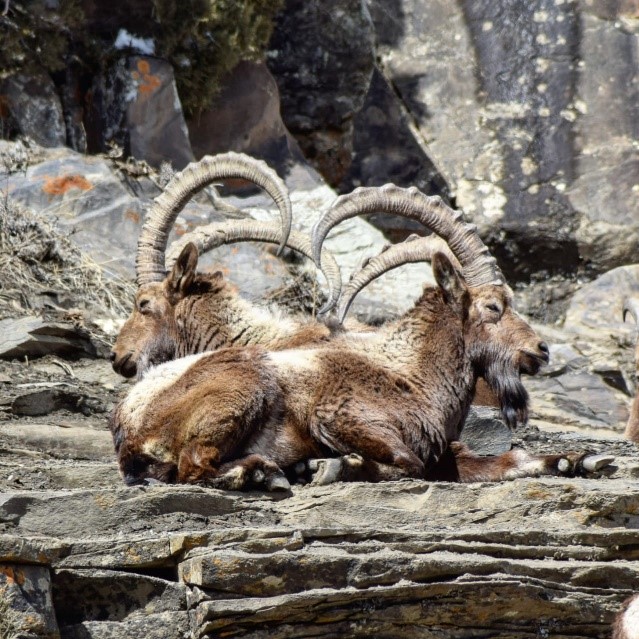
Two male ibexes resting | Photo: Tinkle Bhatt

Trekking the Forests of Himachal

To be a forest guard in Himachal Pradesh means trekking in some of the harshest terrains to document and protect the most vulnerable wildlife. But to me, that is what brings the thrill to my work. A few months back while I was patrolling the forest near Yangla village alone, as I mostly do, I came to learn that a black bear was also roaming the same areas that I had covered. The thought of encountering a bear is a scary one, and I was glad that I didn’t cross paths with the animal. At the same time, I was a little disappointed as I did not get the chance to see it.

Two male ibexes resting | Photo: Tinkle Bhatt

Being a forest guard takes you to new places, you get to meet new people and experience their culture and history and observe their relationship with wildlife. Lahaul offers a lot of opportunities in this regard with its rich culture and heritage. People here really respect forests and nature and it makes my work more enjoyable.

Since I get to travel a lot, I like to document it all through photographs and wildlife photography, although challenging, it is something that I enjoy a lot. This photograph of two male ibex resting on a rock was taken by me on March 17, 2020, at Stingari. I was trekking with a senior who told me that if we stay calm and respectful, the ibex will not run away and they will also take interest in us.

639 639 Tinkle Bhatt